Autumn Legends of Western Sichuan: A Wilderness Dream into Wuxuhai and Dangling
Meta Description: Discover the hidden gem of Wuxuhai in Jiulong County, Western Sichuan. This autumn travel guide covers the scenic highway from Xinduqiao, family-friendly tips, and why Wuxuhai outshines Dangling. Plan your perfect Sichuan autumn road trip now.
Introduction: Why Western Sichuan Autumn Is a Must-See
If autumn had a shape, it would surely be the form of Western Sichuan. Every October, when the wind sweeps over Zheduo Mountain, turning birch forests golden and painting snow-capped peaks a rosy red, seasoned travelers know it's time to set out. Living in Chengdu, not venturing into the Sichuan-Tibet region to witness its autumn colors would be a betrayal of the season. That wild, magnificent landscape—the kind that makes you want to sing out loud—always reminds me of the film Legends of the Fall. Not because of its story, but because it captures that feeling of freedom and intensity when a person merges with nature.
Western Sichuan, this hidden Tibetan realm deep in the Hengduan Mountains, offers autumn as its most generous season. Lakes, snow peaks, and forests—though not as vast as Tibet, they are more exquisite thanks to the lush vegetation. This time, I split my trip into two parts: a solo trek to Dangling, and a family road trip to Jiulong County's Wuxuhai. I expected Dangling to be the highlight, but Wuxuhai—my "backup plan"—turned out to be the biggest surprise of the journey.
Jiulong Wuxuhai: An Overlooked Gem on the Tibetan-Yi Corridor

[Link: Jiulong County travel guide]
Jiulong County, tucked away in the southeastern corner of Garze Prefecture, borders Liangshan Prefecture and sits on the ancient Tibetan-Yi Corridor. Historically difficult to access, roads were only improved in recent years. But because it lies off the iconic National Highway 318, tourists are scarce and development has been slow—preserving its most pristine state. It is precisely this "forgotten" quality that makes its beauty so pure.
Key Highlights of Wuxuhai:
- Crystal-clear lake with submerged dead trees creating a surreal primeval forest atmosphere
- Twelve Goddess Mountains reflected in the water—an incredibly photogenic backdrop
- Semi-primitive state—no boardwalks, no artificial facilities, just pure nature
- Excellent air quality evidenced by long, thick moss hanging from lakeside trees
Day 1: Arriving at Xinduqiao – Sunset in the Land of Light and Shadow
Getting There: Chengdu to Xinduqiao
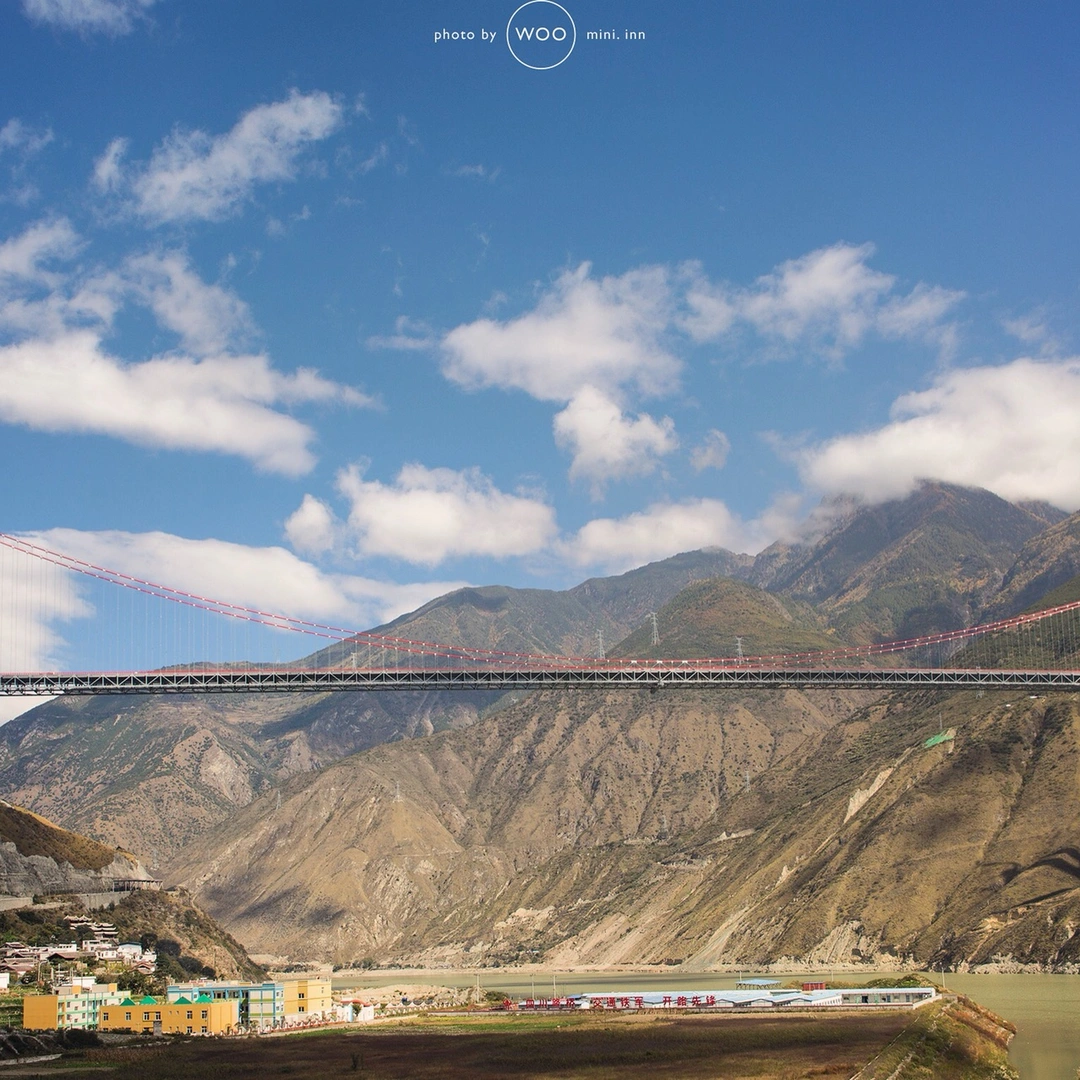
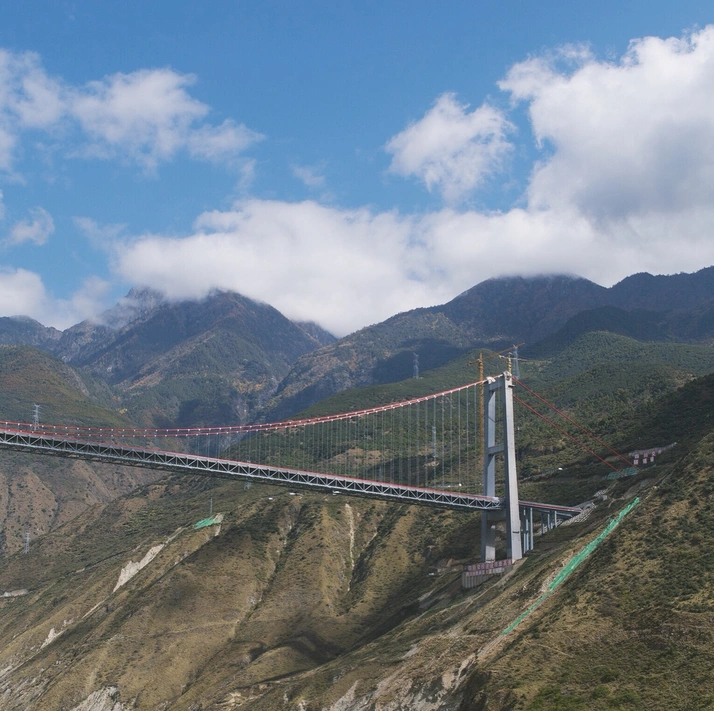
On October 24th, my wife and I packed up our daughter "Rourou," fed her breakfast, and hit the road. The expressway from Chengdu to Luding is now open, getting us there in just three hours. Leaving the expressway, we drove along the old National Highway 318. The massive bridge under construction alongside the road sparked anticipation—soon, the expressway will reach Kangding directly, making entry into Tibet even more convenient.
Important Travel Tip: An hour and a half later, we reached Kangding but didn't stop, heading straight toward Xinduqiao. However, I made a mistake: I chose the road leading to Mugecuo Scenic Area. This road was under construction, potholed and bumpy, making Rourou very uncomfortable. That night in Xinduqiao, she developed mild altitude sickness. A word of caution: For the next couple of years, when heading to Xinduqiao, stick to National Highway 318—definitely avoid the Mugecuo road!
Gongga Snow Mountain Viewing Spot
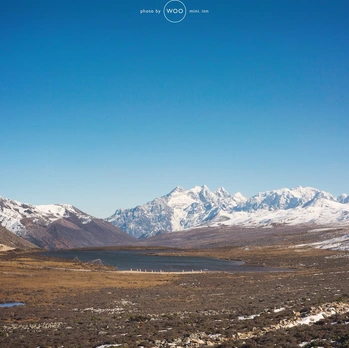
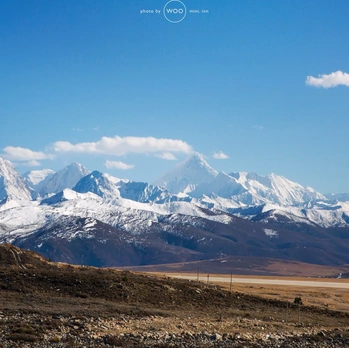
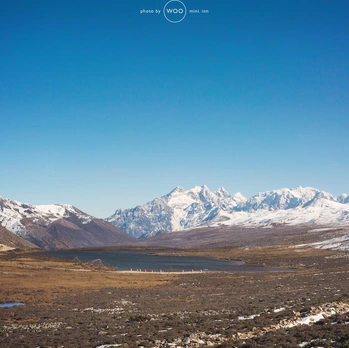
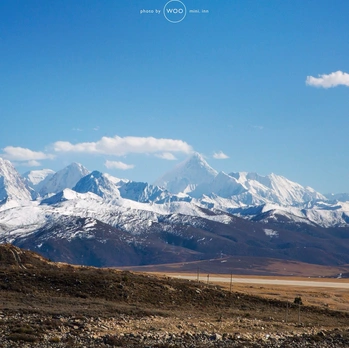
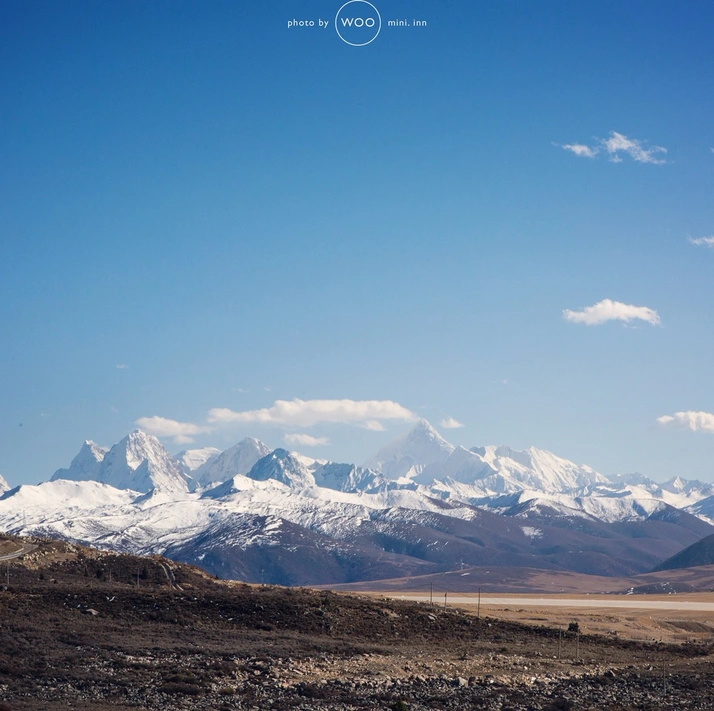
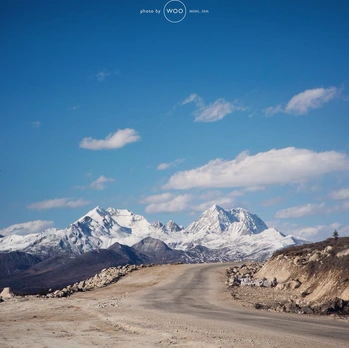
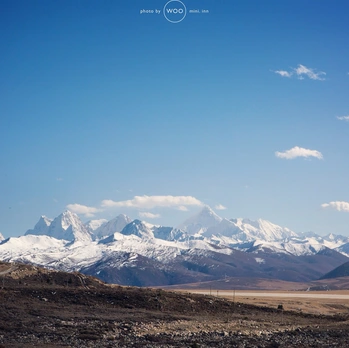
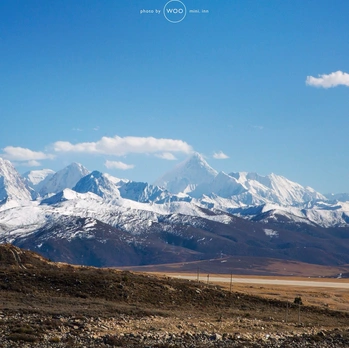
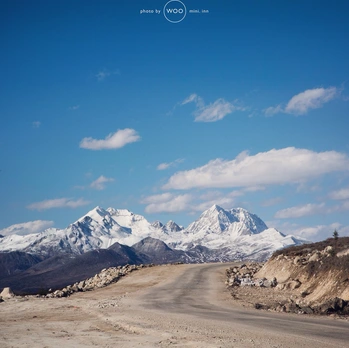
After finally crossing the mountain pass, the scenery took our breath away. Honghaizi (Red Lake) lay quietly in the mountains, the highest point of the Mugecuo Scenic Area. It's fine to admire from a distance; entering requires a ticket and isn't worth it. Further ahead, Kangding Airport came into view. The weather was perfect—Gongga Snow Mountain revealed itself in full glory. This was the second time I'd seen it from this spot. Honestly, Gongga looks more imposing from here than from Heishicheng (Black Rock City), and it's much easier to reach.
Pro Tip for Gongga Viewing: If you want to view Gongga from this angle, drive about 10 kilometers toward Kangding Airport after crossing the Zheduo Mountain pass. Clear weather is absolutely essential.
Evening in Xinduqiao
Around 5 p.m., we finally arrived at Xinduqiao. We found a beef hotpot restaurant called "Deng Feng Lai" (Waiting for the Wind). The owner was from Fujian, and the beef was braised until tender and flavorful, without any gamey taste—even our kid could eat it. The restaurant is near the Gongga Mountain viewing platform, has its own courtyard, and also offers accommodation. While waiting for our meal, I climbed up to the viewing platform alone. The setting sun streamed through the mountains onto the river valley, light and shadow playing together in tranquil harmony. Gongga Mountain gradually turned peach-pink in the sunset, and the lights of Xinduqiao lit up one by one. In that moment, I felt all the hardship of the journey was worth it.
Altitude Sickness Warning
That night, Rourou and her mother still had mild altitude sickness. I grew worried and decided that if they hadn't improved by the next day, we would return to Chengdu. Fortunately, by morning, their symptoms had eased and their appetites returned. Xinduqiao is at a high altitude with sparse vegetation and low oxygen content—it's more prone to causing altitude sickness than forested areas at the same elevation. Anyone staying overnight here should pay close attention to their physical condition.
Day 2: A Stunning Highway and Breathtaking Wuxuhai
The Xinduqiao to Jiulong Scenic Highway

At dawn, after eating breakfast at the guesthouse (10 yuan per person—eggs, steamed buns, porridge, and pickled vegetables—great value), we set off for Jiulong. Not long after heading toward Jiulong, the scenery began to change. The Tibetan villages along the road grew more rustic, lacking the commercial feel of Xinduqiao. The stretch from Xinduqiao to Jiulong, about 170 kilometers, offers rich and varied scenery—truly a "scenic highway."
What to Look For Along the Route: - Birch trees turning the perfect shade of yellow - An ancient Tibetan village with towering watchtowers (accessible via a small path) - Red leaves dotting the landscape as you enter mountainous terrain - The Jichoushan Tunnel marking the entry into Jiulong territory
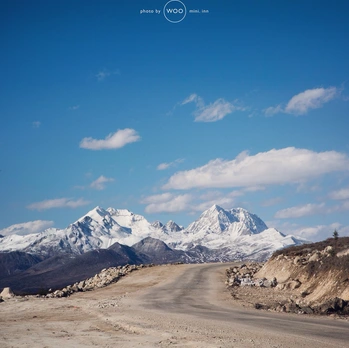
The highway ran straight toward the snow mountains. The curves were gentle, the views expansive, and best of all—there were almost no cars! No traffic jams, no stressful overtaking—just smooth sailing all the way.
Arriving at Wuxuhai
After lunch in Jiulong town, we continued toward Wuxuhai. The scenic area is only 20 kilometers from town, and the road was in good condition. Upon arriving at the entrance, we learned that private cars are not allowed inside—you have to take the scenic area's shuttle. The ticket plus shuttle fee was 70 yuan in total. But the area's development is still incomplete: there are only two minivans, each carrying just eight people—its biggest drawback at the moment. Fortunately, the scenery more than made up for it.
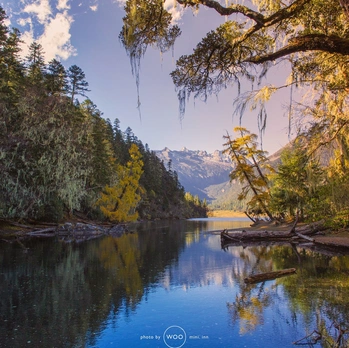
After a ten-minute shuttle ride, we reached Wuxuhai. Crossing a large grassy meadow, the lake suddenly appeared before us. Although it's a scenic area, it remains almost in a semi-primitive state—no boardwalks, no artificial facilities, not even tourist amenities. But for me, that's exactly what paradise looks like.
What Makes Wuxuhai Special
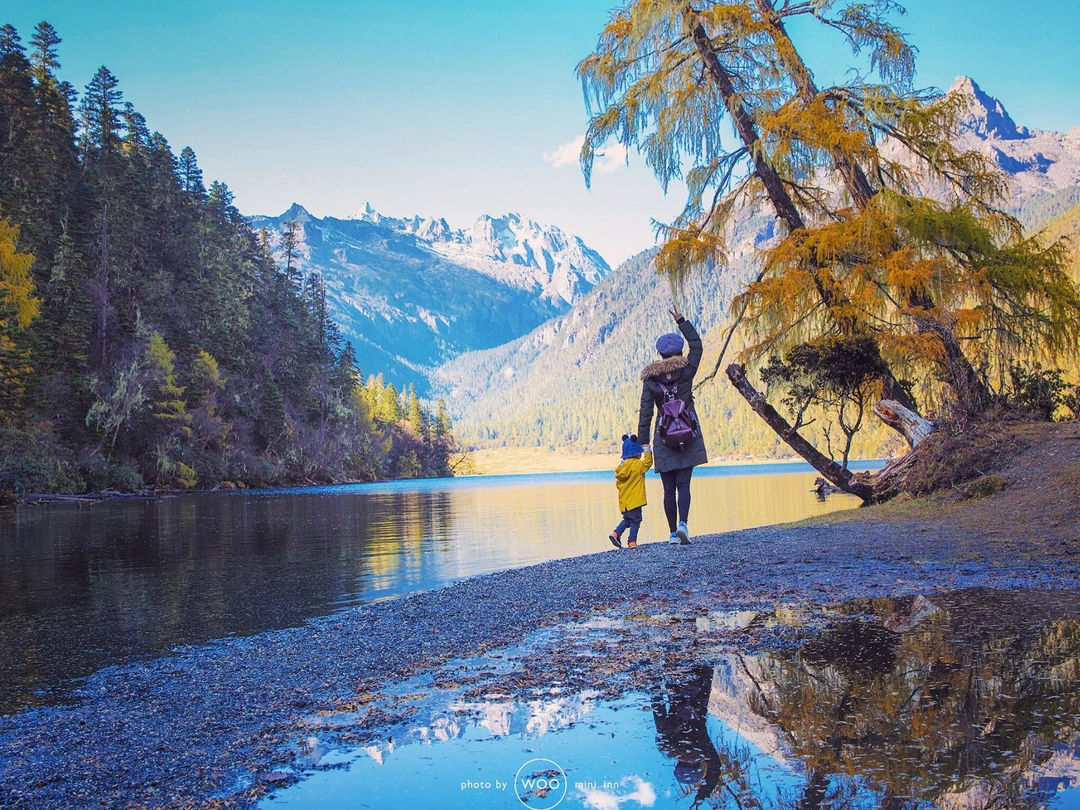
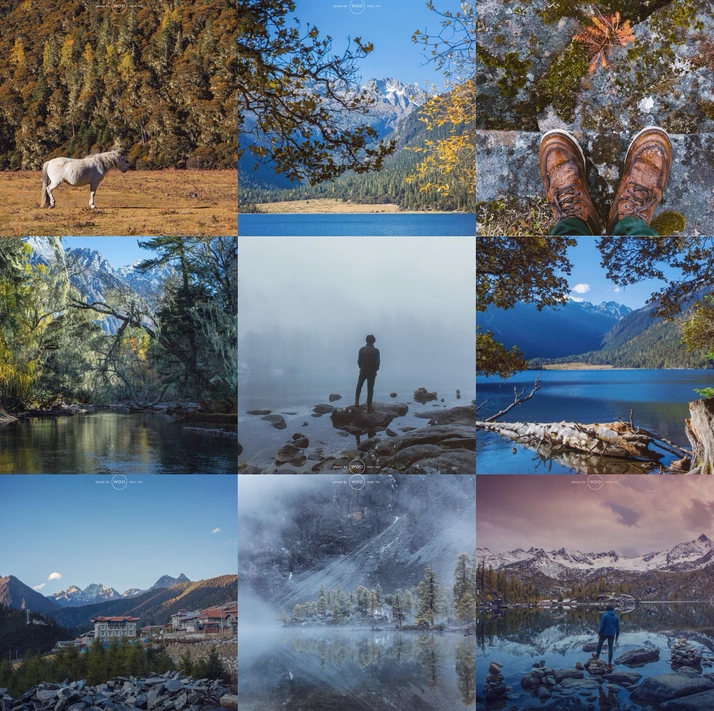
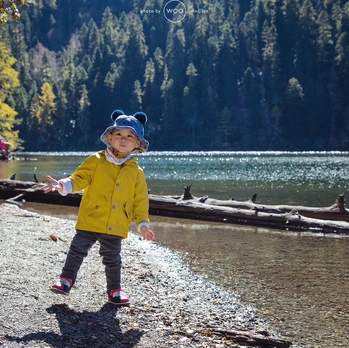
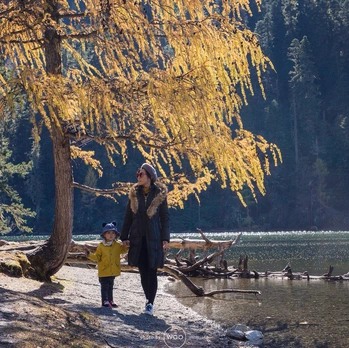
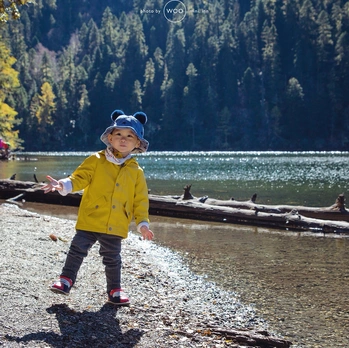
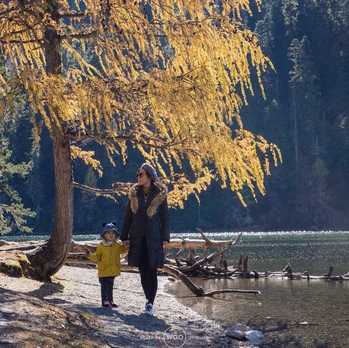
The lake water was crystal clear with a blue tint. Dead trees had been submerged for who knows how many years. In the sheltered part of the lakeshore, we could see faint reflections. Rourou lit up at the sight of the water—throwing stones, searching for pebbles, playing to her heart's content. On the other side of the lake stood the Twelve Goddess Mountains, framed by towering trees—an incredibly photogenic sight. For a moment, I felt it even resembled the landscapes of Xinjiang.
The moss hanging from the lakeside trees was long and thick, a sign of excellent air quality. This moss is a great survival material—you can use it to start a fire or steep it in water to drink. There was also a small red fir tree by the lake; the contrast between dead wood and living trees gave off an intense primeval forest vibe. I half-expected a bear to walk out of the woods—it wouldn't have surprised me. In recent years, ecological protection in Sichuan has improved, with wildlife sightings reported at Siguniang Mountain, Yajiang, and Wolong. Hikers must stay alert and safe.
In the afternoon, the light began to develop layers, and the lakeside grass felt clean and comfortable.
Wuxuhai vs. Dangling: Which Is Better for Your Autumn Trip?
| Feature | Wuxuhai | Dangling |
|---|---|---|
| Accessibility | Easy, 20 min from Jiulong town | Requires trekking |
| Family-friendly | Yes, suitable for all ages | No, challenging terrain |
| Development | Semi-primitive, minimal facilities | Primitive, no facilities |
| Scenery | Lake, mountains, primeval forest | Alpine meadows, snow peaks |
| Best for | Families, photographers, casual hikers | Experienced trekkers, adventurers |
Verdict: If you're traveling with family or prefer a relaxed experience, Wuxuhai is the better choice. For hardcore trekkers seeking solitude, Dangling remains a worthy challenge.
Best Time to Visit Western Sichuan for Autumn Colors
The peak autumn foliage season in Western Sichuan typically runs from mid-October to early November. During this window: - Birch forests turn golden yellow - Red leaves dot the mountainsides - Snow caps begin to form on higher peaks - Weather is generally stable with clear skies
Pro Tip: Visit during the last week of October for the perfect balance of color and weather. A few days later, and the leaves may begin to fall.
Essential Travel Tips for Western Sichuan Autumn Road Trips
Altitude Sickness Prevention
 - Acclimatize gradually: Spend a night at mid-altitude (e.g., Kangding) before heading higher - Stay hydrated: Drink plenty of water, avoid alcohol - Medication: Carry Diamox (acetazolamide) as a preventive measure - Listen to your body: If symptoms persist, descend immediately
Packing Checklist
 - Warm layers (temperatures drop significantly at night) - Sun protection (sunglasses, sunscreen, hat) - Comfortable hiking shoes - Snacks and plenty of water - First-aid kit with altitude sickness medication - Camera with extra batteries (cold drains batteries faster)
Driving Tips
- Avoid the Mugecuo road for the next couple of years
- Stick to National Highway 318 for the smoothest drive
- Fill up gas when available (stations can be sparse)
- Drive during daylight hours for safety
Frequently Asked Questions About Western Sichuan Autumn Travel
1. Is Wuxuhai suitable for families with young children?
 Yes. Wuxuhai is one of the most family-friendly spots in Western Sichuan. The shuttle ride is short, the terrain is flat, and the lake area is safe for children to explore. However, be mindful of altitude sickness—Jiulong town sits at around 3,000 meters.
2. How do I get to Wuxuhai from Chengdu?
 Drive from Chengdu to Luding (3 hours via expressway), then continue on National Highway 318 to Xinduqiao (another 2 hours). From Xinduqiao, take the scenic highway to Jiulong (about 3 hours). Wuxuhai is just 20 minutes from Jiulong town.
3. What is the entrance fee for Wuxuhai?
 The ticket plus shuttle fee is 70 yuan per person. This is very reasonable compared to other scenic areas in Sichuan. Note that private cars are not allowed inside the scenic area.
4. Can I visit Wuxuhai and Dangling in the same trip?
 Yes, but plan carefully. Dangling requires a multi-day trek, while Wuxuhai can be visited in a day. Most travelers choose one or the other. If you have 5-7 days, you could combine both, but it's ambitious.
5. What should I do if I experience altitude sickness in Xinduqiao?
Immediately descend to a lower altitude. Symptoms like headache, nausea, and fatigue indicate your body isn't adjusting. Drive back toward Kangding (2,600m) or Luding (1,300m). Over-the-counter medication can help, but descending is the only reliable cure.
Conclusion: Your Western Sichuan Autumn Adventure Awaits
Western Sichuan in autumn is a dream that every traveler should experience at least once. From the golden birch forests of Xinduqiao to the pristine waters of Wuxuhai, this region offers some of the most breathtaking landscapes in China. Whether you're a solo trekker heading to Dangling or a family seeking a memorable road trip, the Tibetan-Yi Corridor has something for everyone.
Don't wait for "someday." The autumn colors are fleeting—lasting only a few precious weeks each year. Pack your bags, load up the car, and head west. The legends of Western Sichuan are calling.
Ready to plan your trip? [Link: Best Western Sichuan road trip itineraries] | [Link: Family-friendly Sichuan travel tips] | [Link: Sichuan autumn photography guide]
Have you visited Wuxuhai or Dangling? Share your experience in the comments below!
Disclaimer: Travel conditions, road quality, and scenic area operations may change. Always check current information before your trip. Altitude sickness can be serious—consult your doctor before traveling to high-altitude destinations.
You may also like