Autumn Colors of Western Sichuan: A Ten-Day Pilgrimage to a Feast of Hues

Meta Description: Discover the ultimate 10-day Western Sichuan autumn itinerary. From Genie Southern Route to Mount Gongga, explore golden poplars, Tibetan villages, and sacred peaks. Plan your pilgrimage now.
Introduction: When Dreams Become Reality
Three years ago, a dream quietly took root—a vision of autumn in Western Sichuan. That stretch of land, hailed as "China's ultimate autumn destination," had been captured endlessly through photographers' lenses and travelers' words, like a poem that could never be fully recited. Aba Prefecture and Garzê Prefecture—these two names alone felt like a summons, stirring the soul with longing.

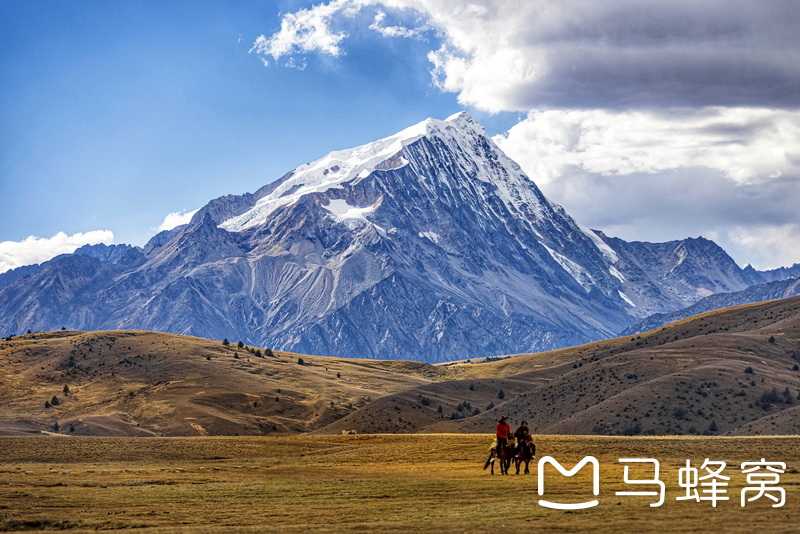
Autumn in Western Sichuan is a riot of color. Golden poplar groves sway in the wind, fiery red maple leaves burn like flames, snow-white peaks intertwine with sapphire skies to create a canvas impossible to replicate. Some say it's where God spilled His palette. And I spent three full years—meticulously considering the group composition, timing, altitude sickness management, accommodation and dining, and which attractions to include or skip—before finally polishing a 10-day, 9-night itinerary. This journey will take you through the raw majesty of the Genie Southern Route, the serene mystery of Cuopu Valley, the towering grandeur of Mount Gongga, and the unique charm of Danba's Tibetan villages.
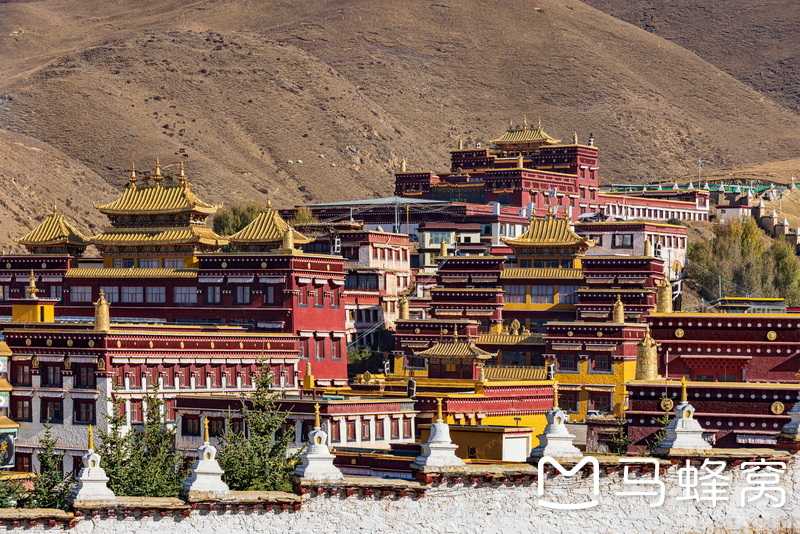
On this land, every mountain has its legend, every river flows with stories, and every monastery carries faith. The warm smiles of Tibetan people and the profound depth of Tibetan Buddhism await your discovery and embrace. So, set out—head to Western Sichuan for an autumn rendezvous. [Link: Best time to visit Western Sichuan]
Itinerary Overview: Ten Days of Essence, Westward Bound
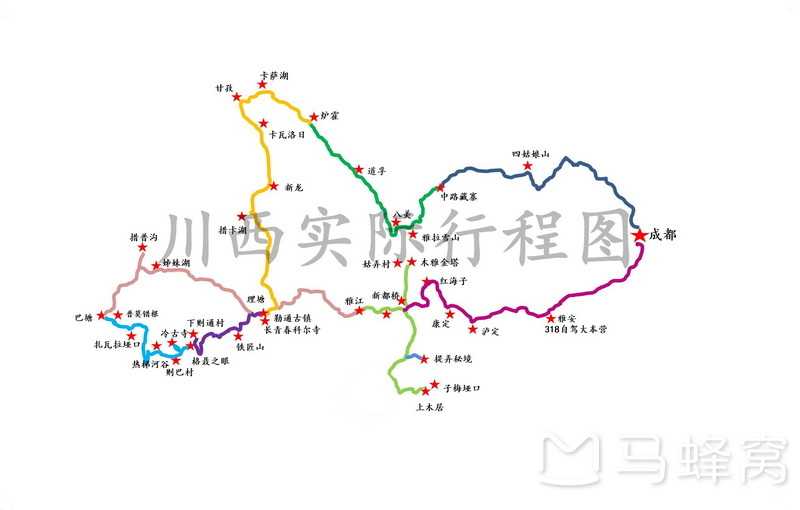
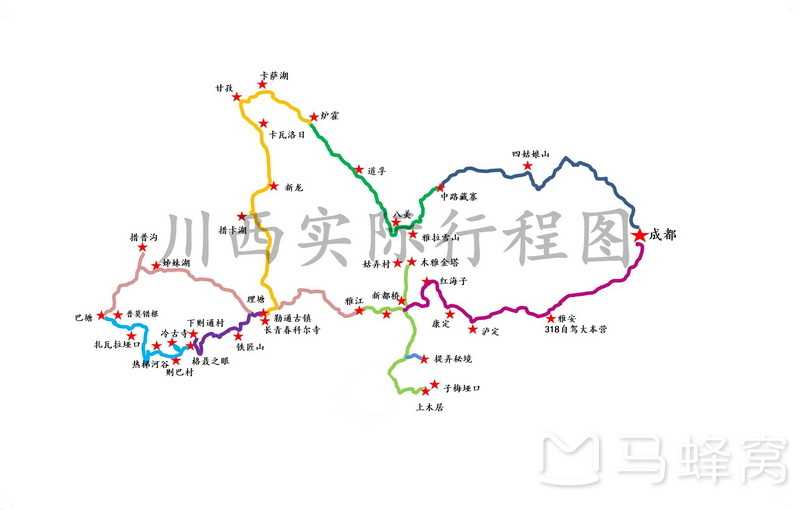
Western Sichuan holds too many wonders to see in one trip. This itinerary focuses on three core highlights: the Genie Southern Route, Cuopu Valley, and Mount Gongga. Here's the carefully planned route:

- Day 1: Various locations → Chengdu (arrival day)
- Day 2: Chengdu → Mount Siguniang → Danba (approx. 6 hours driving)
- Day 3: Danba → Daofu → Luhuo (approx. 4 hours driving)
- Day 4: Luhuo → Garzê → Xinlong → Litang (approx. 5 hours driving)
- Day 5: Litang → Genie Southern Route → Xiazecun Village (approx. 3.5 hours driving)
- Day 6: Xiazecun Village → Batang (approx. 3 hours driving)
- Day 7: Batang → Cuopu Valley → Litang → Yajiang (approx. 6 hours driving)
- Day 8: Yajiang → Xinduqiao → Shangmuju (approx. 4 hours driving)
- Day 9: Shangmuju → Tinong Secret Realm → Xinduqiao (approx. 5 hours driving)
- Day 10: Xinduqiao → Provincial Highway 343 → Chengdu (approx. 7 hours driving)
This Western Sichuan road trip itinerary balances driving time with scenic stops, ensuring you experience the best of Sichuan autumn foliage without burnout. [Link: Western Sichuan road trip tips]
Day 1: Chengdu, A Spicy Overture

Arrival and Settling In

Flying into Chengdu Shuangliu Airport from various cities, we passed the bustling Raffles City plaza after exiting the terminal, where the Time Pavilion's lights shimmered in the twilight. At 5 PM, we checked into the Yinxitang Suite Hotel (Chengdu Chunxi Road Luomashi Metro Station branch) . This hotel offers a convenient location and elegant ambiance—the perfect starting point for our journey.
An Unexpected Culinary Surprise

After settling in, we headed straight to Pingjie Hotpot at No. 10 Yushuang Road. I had assumed it was a Chengdu-style hotpot, but it turned out to be authentic Chongqing-style. Despite repeatedly telling the waiter "just a little spicy," that pot of red broth left us drenched in sweat, far exceeding our expectations. Every bite was an ultimate challenge for the taste buds, yet utterly addictive. A long queue of diners waited outside, the air thick with the lively energy of street food culture.
Taikoo Li at Night

After dinner, we strolled through Shamao Street and walked into Taikoo Li. The 3D naked-eye LED screen here is a viral photo spot—where light and shadow dance in a seamless blend of technology and art. Then we headed to Chunxi Road to touch the butt of the climbing panda sculpture at IFS—an iconic Chengdu pose, a must for photos. Back at the hotel, we rested and recharged, ready for tomorrow's autumn spectacle.
- Breakfast: Airplane meal
- Lunch: Airplane meal
- Dinner: Pingjie Hotpot
- Accommodation: Yinxitang Suite Hotel
Day 2: From Fog to Clear Skies, A Glimpse of Mount Siguniang

Getting Lost and Finding Surprises

We departed Chengdu early in the morning, heading west along Highway G350. Near Yingxiu Town, we missed the exit due to unfamiliar roads and had to loop back at the next one, wasting a full hour. But that's the charm of travel—these unexpected detours.
The roadside trees were still mostly green, but as we climbed in elevation, patches of yellow began to appear. When we reached the Balang Mountain Pass, thick fog suddenly rolled in, visibility dropping alarmingly—you couldn't see the headlights of oncoming cars from more than a dozen meters away. Our speed slowed to a crawl, and we worried the day's plans might be ruined.
A World of Difference in Ten Miles

Fortunately, we had called ahead to the owner of our homestay in Zhonglu Tibetan Village, who told us it was sunny there. After passing through the 7.9-kilometer-long Balang Mountain Tunnel, the view opened up dramatically—clear skies, brilliant sunshine. Truly, "ten miles apart, a different world." The two sides of the mountain felt like entirely separate realms.
Maobiliang Viewing Platform: A Fleeting Glimpse of Mount Siguniang

On the descent from Balang Mountain, we stopped at the Maobiliang Viewing Platform. At an altitude of about 3,500 meters, this is an excellent—and free—spot to take in the full panorama of Mount Siguniang. Most passing vehicles pause here. Unfortunately, the Four Sisters (as the peaks are affectionately known) shyly hid behind clouds, revealing only faint outlines, like a veiled maiden.
Due to time constraints, we didn't enter the Shuangqiao Valley scenic area. A heads-up: if you want to visit Shuangqiao Valley, you must arrive before 3 PM, or they won't let you in.
Missing the Sunset, But Gaining Anticipation
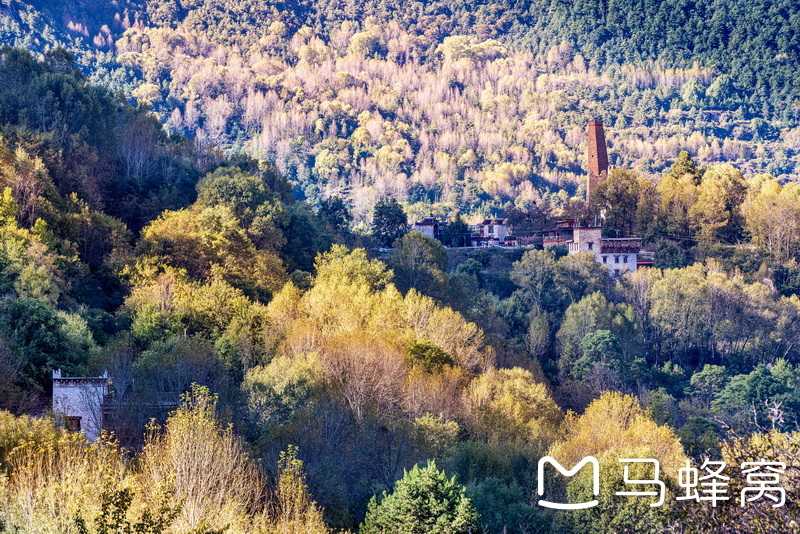
The winding mountain roads with countless bends kept our speed low. By the time we reached our accommodation—perched high on a mountain gorge above Zhonglu Tibetan Village—the last rays of sunset had already touched the mountaintops. We missed the sunset spectacle. But that's okay—tomorrow holds new sights.
- Breakfast: Yuanyuan Noodle House
- Lunch: Xiaojin County
- Dinner: Yunlu Sunset View Hotel
- Accommodation: Yunlu Sunset View Hotel
Practical Tips: Making Your Journey Smoother

About Altitude Sickness
Western Sichuan averages over 3,000 meters above sea level, with some sections exceeding 4,000 meters. It's recommended to start taking Rhodiola rosea supplements a week in advance. Upon arrival, avoid strenuous exercise, drink plenty of water, and limit alcohol. If you experience headaches, nausea, or other symptoms, use supplemental oxygen or descend to lower altitudes promptly. [Link: Altitude sickness prevention guide]
About Accommodation
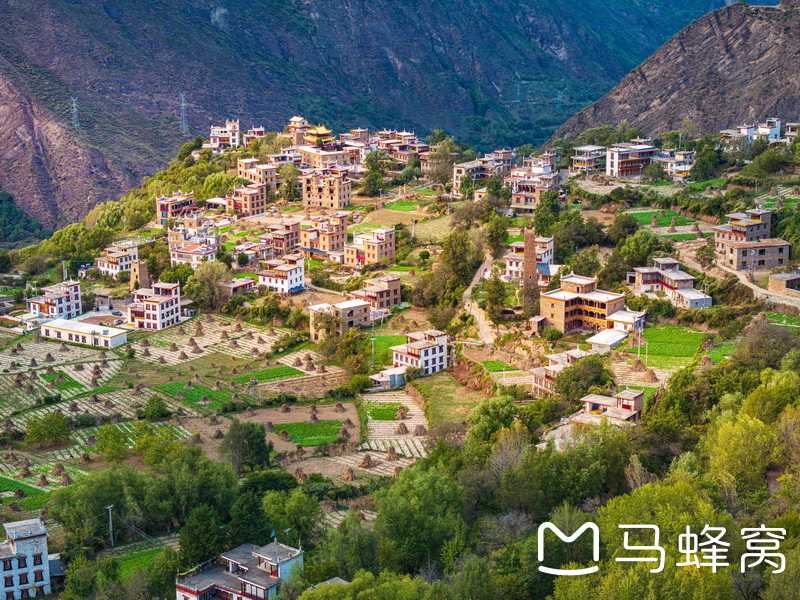
Accommodation quality varies along the route. Towns like Chengdu, Litang, and Xinduqiao offer better hotels, while homestays in Tibetan villages and Xiazecun Village are more rustic and authentic. It's wise to book in advance, especially during the peak season around National Day (October 1st). [Link: Best hotels in Western Sichuan]
About Food
Western Sichuan cuisine is primarily Sichuanese and Tibetan. Hotpot, yak meat, butter tea, and barley cakes are common choices. However, local tastes tend to be very spicy. If you're not accustomed to heat, be sure to tell your server clearly in advance.
About Transportation

Road conditions in Western Sichuan are complex, with many sections being winding mountain roads or dirt tracks. It's advisable to drive an off-road vehicle or SUV, and to download offline maps beforehand. Some sections may be icy in winter, so carry tire chains as a precaution. [Link: Western Sichuan driving tips]
Day 3-10: Highlights of the Journey

Day 3: Danba to Luhuo – Tibetan Villages and Golden Valleys

From Danba to Daofu and Luhuo, the landscape shifts from lush valleys to high-altitude grasslands. The Jiaju Tibetan Village near Danba is a UNESCO World Heritage contender, with its distinctive fortress-like houses perched on hillsides. Autumn paints these slopes in shades of amber and gold.
Day 4: Luhuo to Litang – Monasteries and Grasslands

The drive from Luhuo through Garzê and Xinlong to Litang offers encounters with ancient Tibetan monasteries and vast grasslands. Litang, at 4,000 meters, is one of the highest cities in the world. Its Changqingchunkeer Monastery is a must-visit for its stunning murals and serene atmosphere.
Day 5: The Genie Southern Route – A Hidden Gem

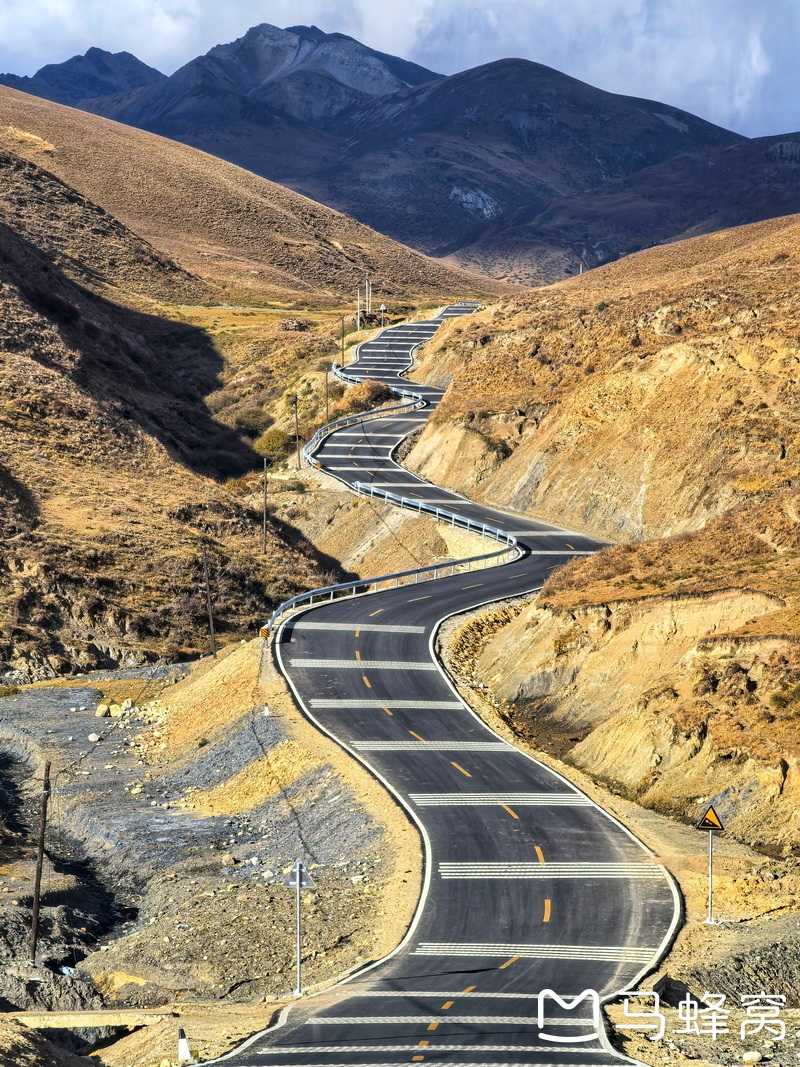
The Genie Southern Route is the crown jewel of this itinerary. From Litang to Xiazecun Village, the road winds through pristine forests, past turquoise lakes, and under towering peaks. This area is less crowded than other parts of Western Sichuan, offering a more intimate connection with nature.
Day 6: Xiazecun to Batang – Crossing the Jinsha River
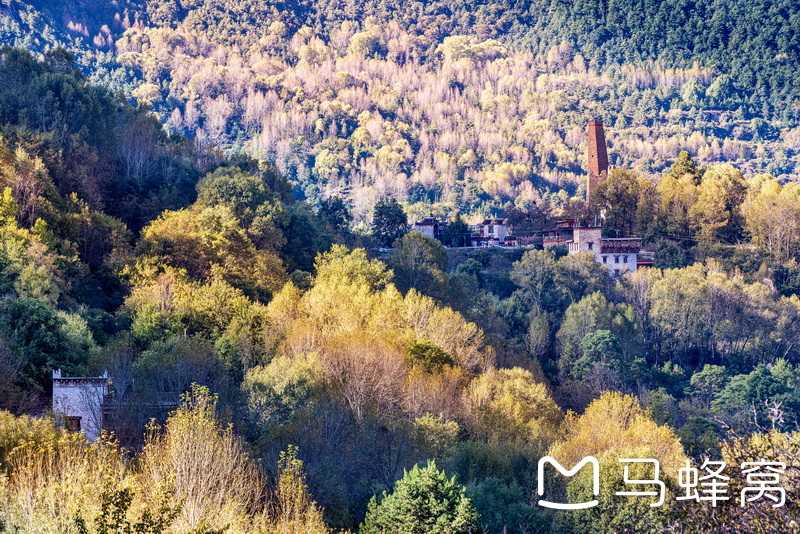
From Xiazecun Village to Batang, the landscape becomes more rugged as you approach the Jinsha River (upper Yangtze). Batang is a gateway to Tibet proper, with a vibrant mix of cultures and cuisines.
Day 7: Batang to Yajiang – Cuopu Valley and Return
Cuopu Valley is a serene paradise of alpine lakes and meadows. After exploring, the route heads back through Litang to Yajiang, where hot springs offer a welcome respite.
Day 8: Yajiang to Shangmuju – Xinduqiao and Beyond
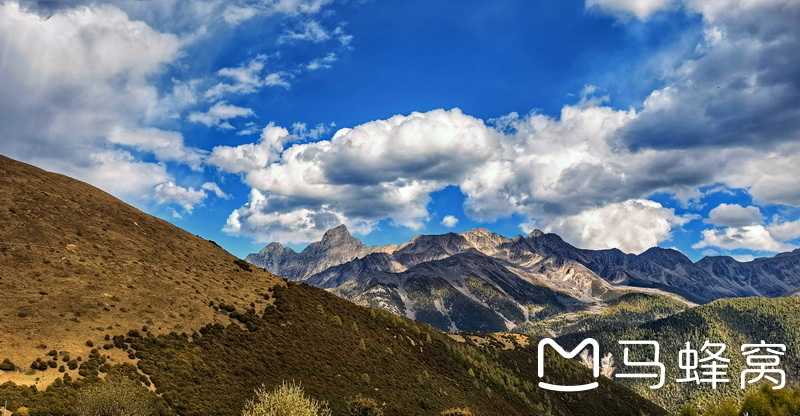
Xinduqiao is famous for its photography-worthy landscapes, especially at sunrise and sunset. The drive to Shangmuju passes through the Tagong Grassland, where yaks graze against a backdrop of snow-capped peaks.
Day 9: Shangmuju to Xinduqiao – The Tinong Secret Realm
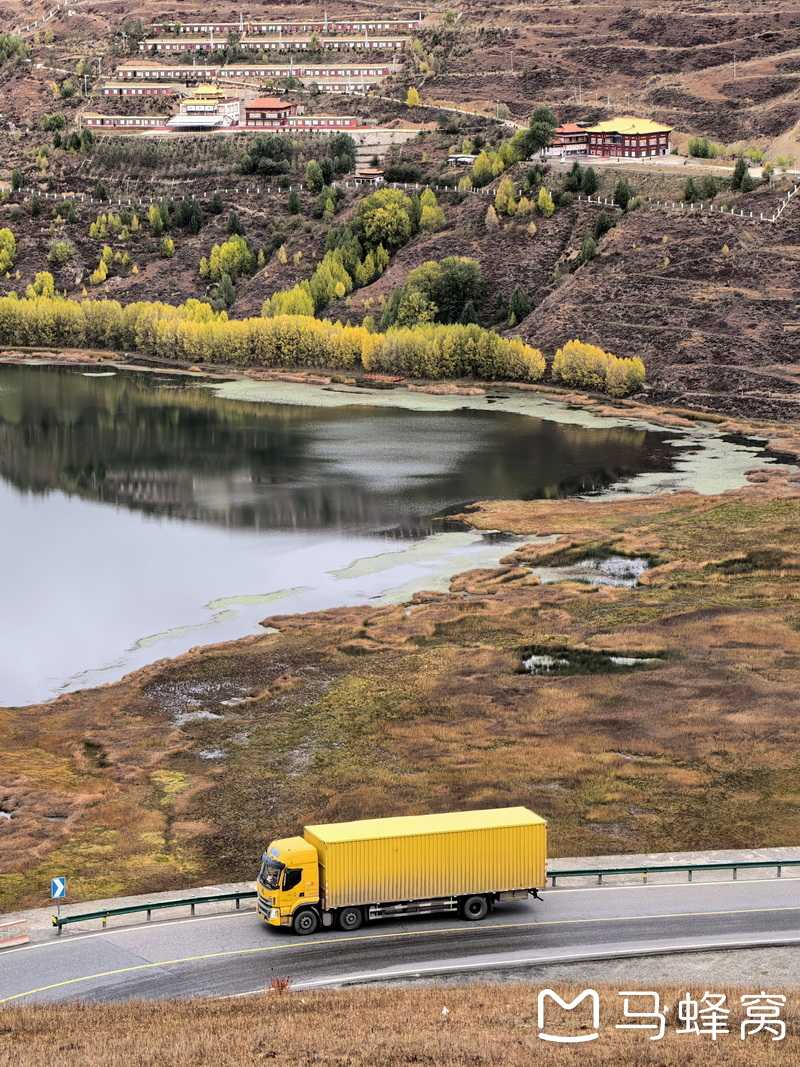
The Tinong Secret Realm is a lesser-known gem, offering pristine forests and hidden waterfalls. This day is perfect for hiking and photography enthusiasts.
Day 10: Return to Chengdu via Provincial Highway 343
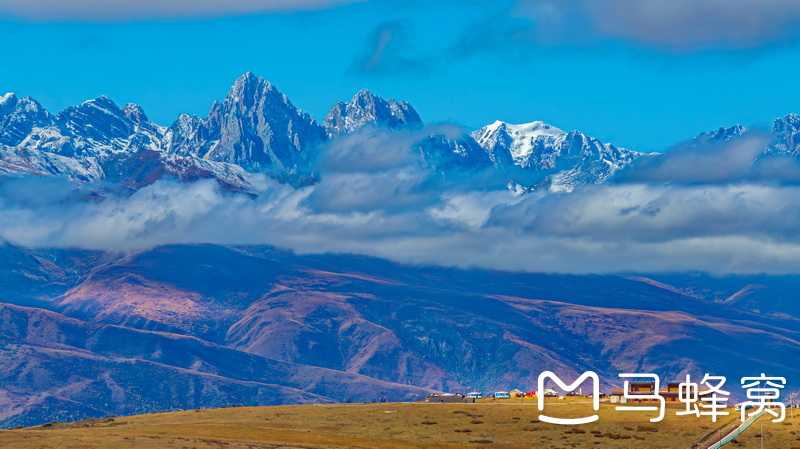
The final leg takes you through Provincial Highway 343, a scenic route that winds through valleys and over passes. Arriving in Chengdu in the evening, you'll have time to reflect on the incredible journey.
FAQ: Planning Your Western Sichuan Autumn Trip
1. When is the best time to see autumn colors in Western Sichuan?
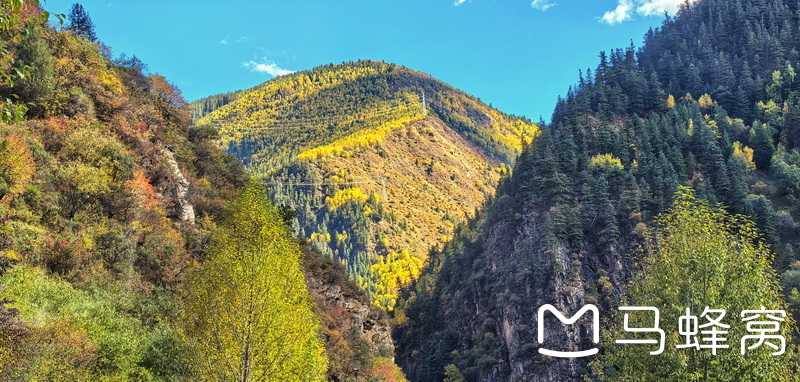
The peak autumn foliage season in Western Sichuan typically runs from mid-October to early November. However, timing varies by elevation—lower valleys may peak later, while higher altitudes change earlier. The Genie Southern Route and Cuopu Valley are at their most vibrant during this window.
2. Is it safe to drive in Western Sichuan in autumn?
Yes, but with precautions. Autumn weather is generally stable, but sudden fog and rain can occur. Roads are well-maintained in most areas, but some sections are unpaved. Always carry tire chains, check weather forecasts, and drive cautiously on winding mountain roads.
3. What should I pack for a Western Sichuan autumn trip?
Pack layers: a thermal base layer, fleece, and waterproof jacket for varying temperatures. Bring sun protection (hat, sunglasses, sunscreen) as UV is strong at high altitudes. Comfortable hiking shoes are essential. Don't forget altitude sickness medication and a refillable water bottle.
4. Can I do this itinerary without a car?
While possible, it's challenging. Public buses connect major towns, but many scenic spots require private transport. Joining a small group tour or hiring a driver in Chengdu is recommended for flexibility and safety.
5. Are there any cultural considerations I should be aware of?
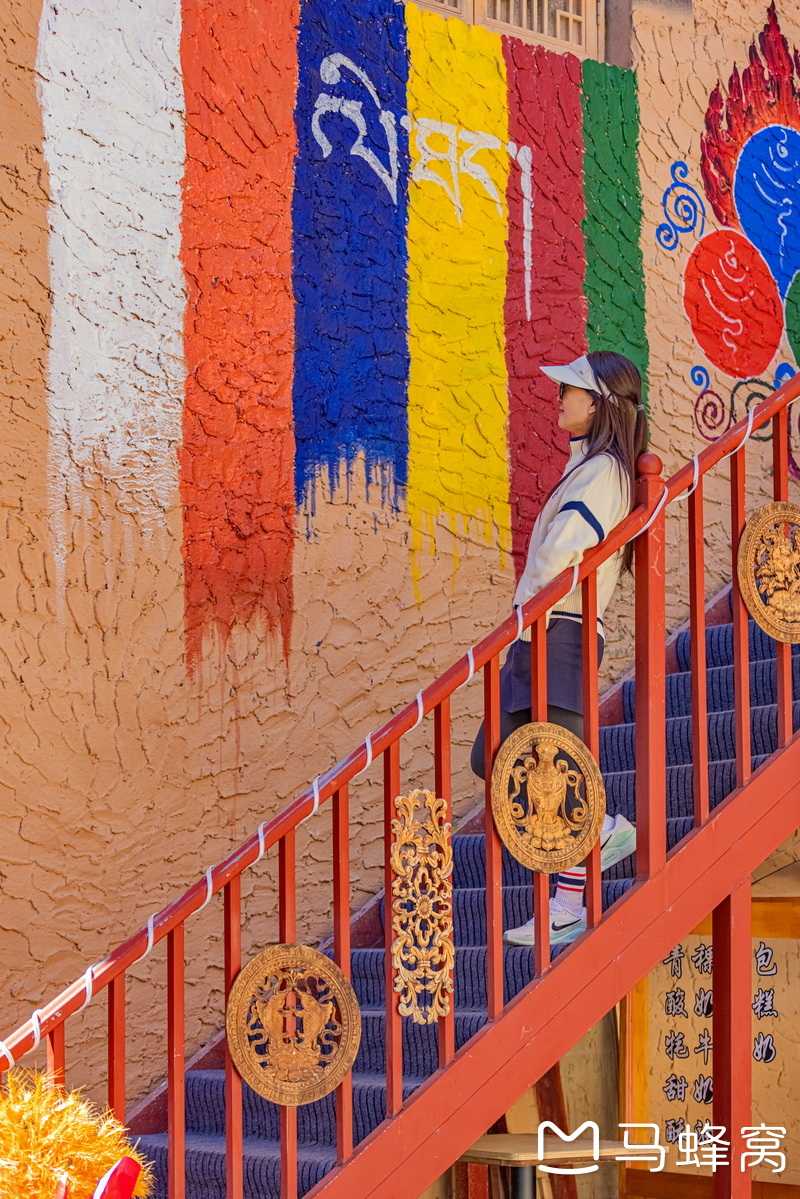
Yes. Tibetan Buddhism is deeply respected. When visiting monasteries, remove shoes, avoid pointing at statues, and ask permission before photographing monks or locals. Dress modestly, especially in religious sites. Offering a small donation (1-5 RMB) at temples is customary.
Conclusion: Western Sichuan, An Autumn Fairytale Worth the Journey
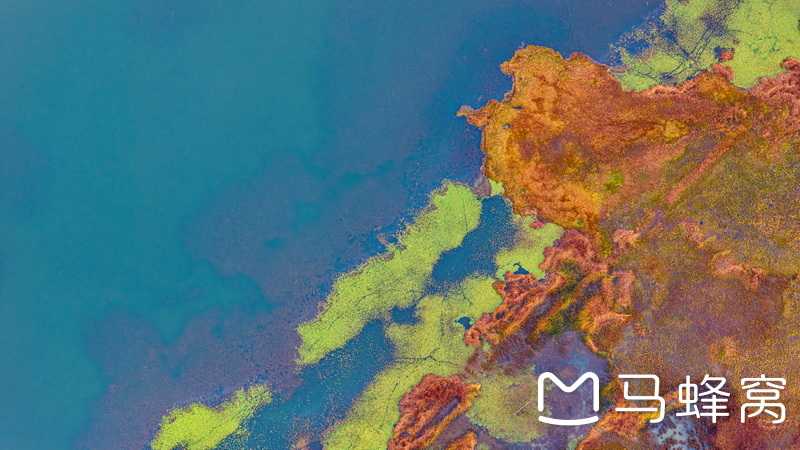
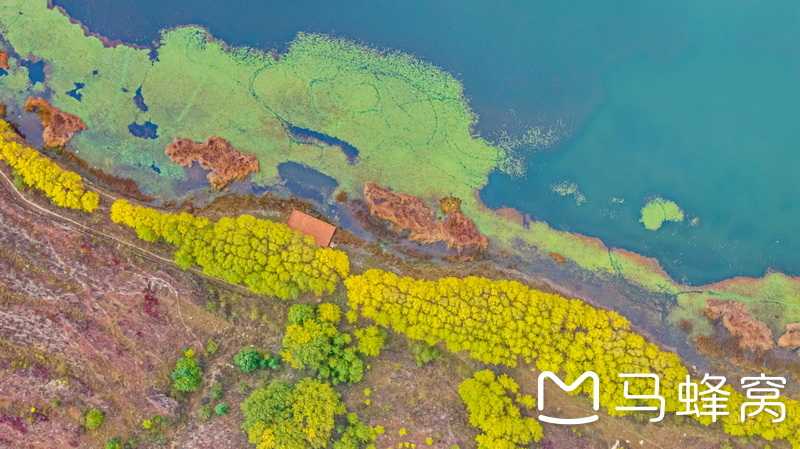
Ten days may not be enough to exhaust all the beauty of Western Sichuan, but the core of this itinerary—the vastness of the Genie Southern Route, the tranquility of Cuopu Valley, the majesty of Mount Gongga, and the charm of Danba's Tibetan villages—will leave you with memories that last a lifetime.
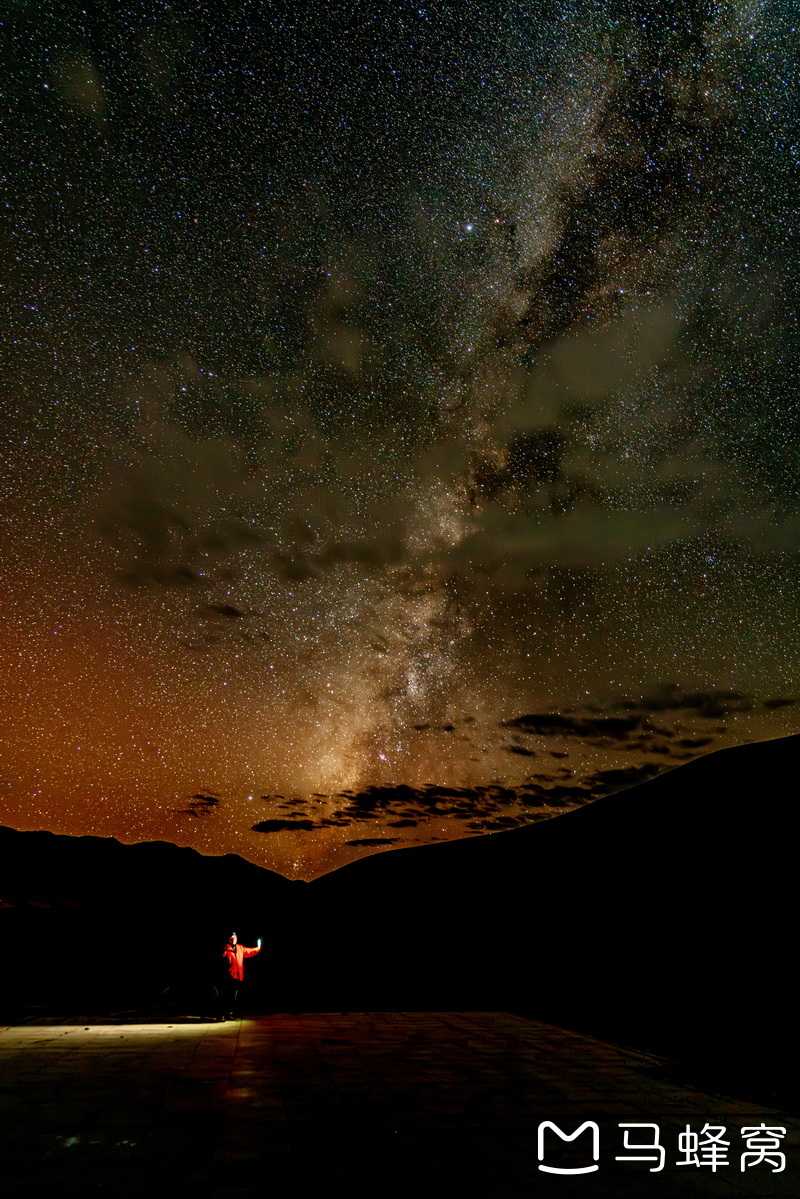
Every bend in the road reveals a new vista, every village tells a story, and every sunset paints the sky in hues you've never seen before. This is not just a trip; it's a pilgrimage to the heart of autumn itself.
Ready to embark on your own Western Sichuan autumn adventure? Start planning today—book your flights to Chengdu, reserve your accommodations, and prepare for the journey of a lifetime. The colors are waiting, and the mountains are calling.
[Link: Book your Western Sichuan tour] | [Link: Download our packing checklist] | [Link: Join our travel community]
You may also like