The Ultimate Sichuan West秘境 Loop: 6-Day Snow Mountain & Tibetan Culture Road Trip
Meta Description: Discover the ultimate 6-day Sichuan West秘境 loop from Chengdu. Explore snow-capped peaks, Tibetan monasteries, King Gesar grasslands, and Moshí Park. Your complete guide to Chuanxi road trip.
Introduction: Why This Western Sichuan Loop is a Must-Do
Having lived in Chengdu for over a decade, western Sichuan (Chuanxi) has always been a dream both near and far. I still remember the bone-rattling journeys over Erlang Mountain in my youth—those seven-plus hours of bumpy roads, each trip a test of endurance. Back then, western Sichuan was a far-off destination for backpackers, a fleeting glimpse of snow peaks and prayer flags through the window of a swaying bus.
But times have changed. What was once an impassable barrier is now a smooth highway. From Chengdu to Kangding, it's just a three-hour drive. As the expressway cuts through towering mountains, compressing what was once a grueling journey into a relaxed driving experience, I knew it was time to return.
This time, I chose to complete a grand loop of western Sichuan over six days. Starting from the lesser-known Northern Sichuan-Tibet Highway, tracing a circle along the iconic National Highway 318, I set out to find those forgotten corners of the vast plateau. This isn't just a trip—it's a deep conversation with snow mountains, grasslands, monasteries, and human history.
[Link: Best time to visit western Sichuan]
6-Day Western Sichuan Loop Itinerary: The Ultimate Road Trip Plan
Day 1: Chengdu → Luding Bridge → Kangding
Day 2: Kangding → Tagong → Moshí Park → Longdeng Grassland → Daofu → Luhuo
Day 3: Luhuo → Kasahu Lake → Ganzi → Xinluhai → Dêgê
Day 4: Dêgê (Printing Academy) → Bori Bridge → Xinlong
Day 5: Xinlong → Cuoka Lake → Litang (Thousand-Household Tibetan Village/Changqing Chunkoji Monastery)
Day 6: Litang → Yajiang → Red Sea → Chengdu
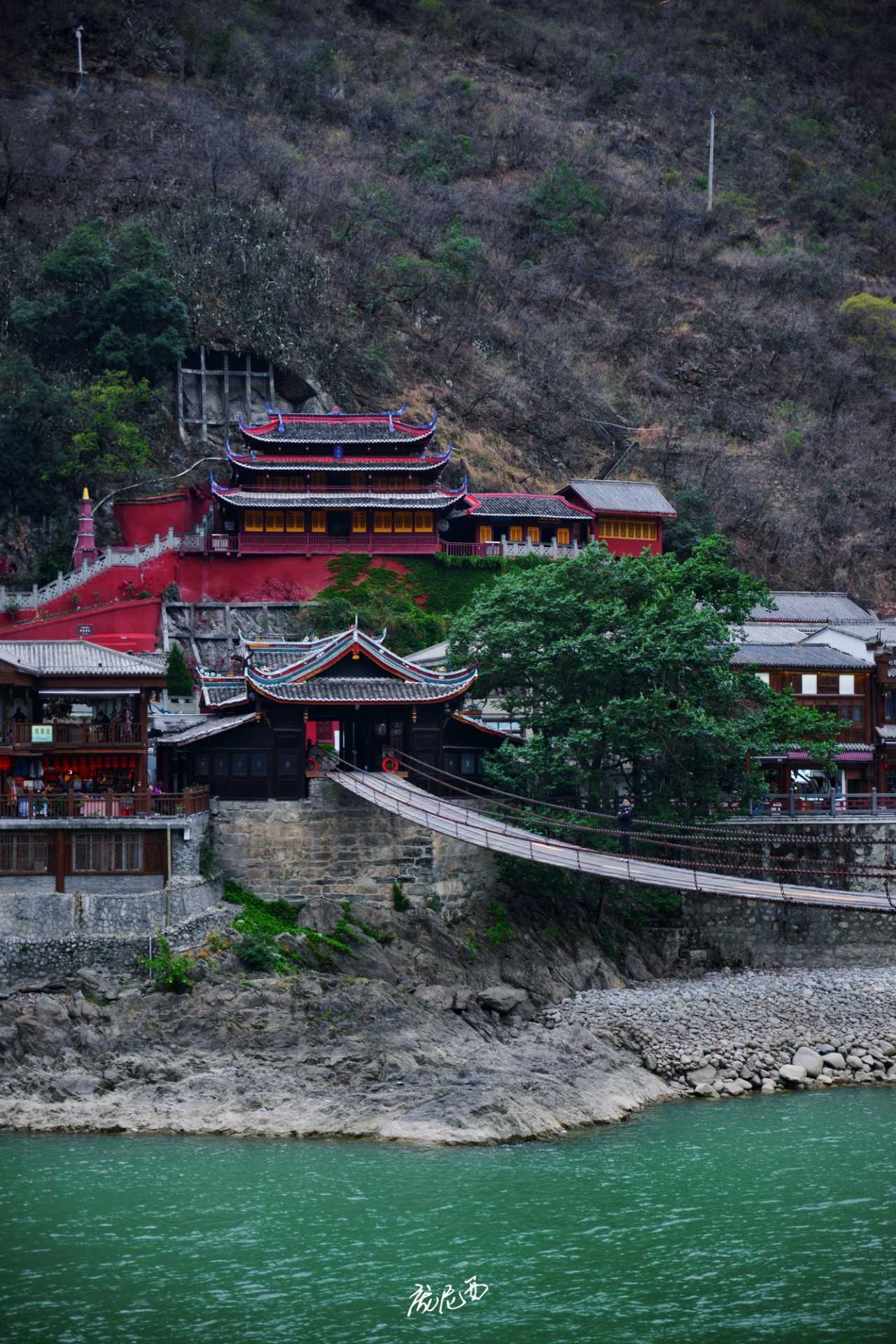
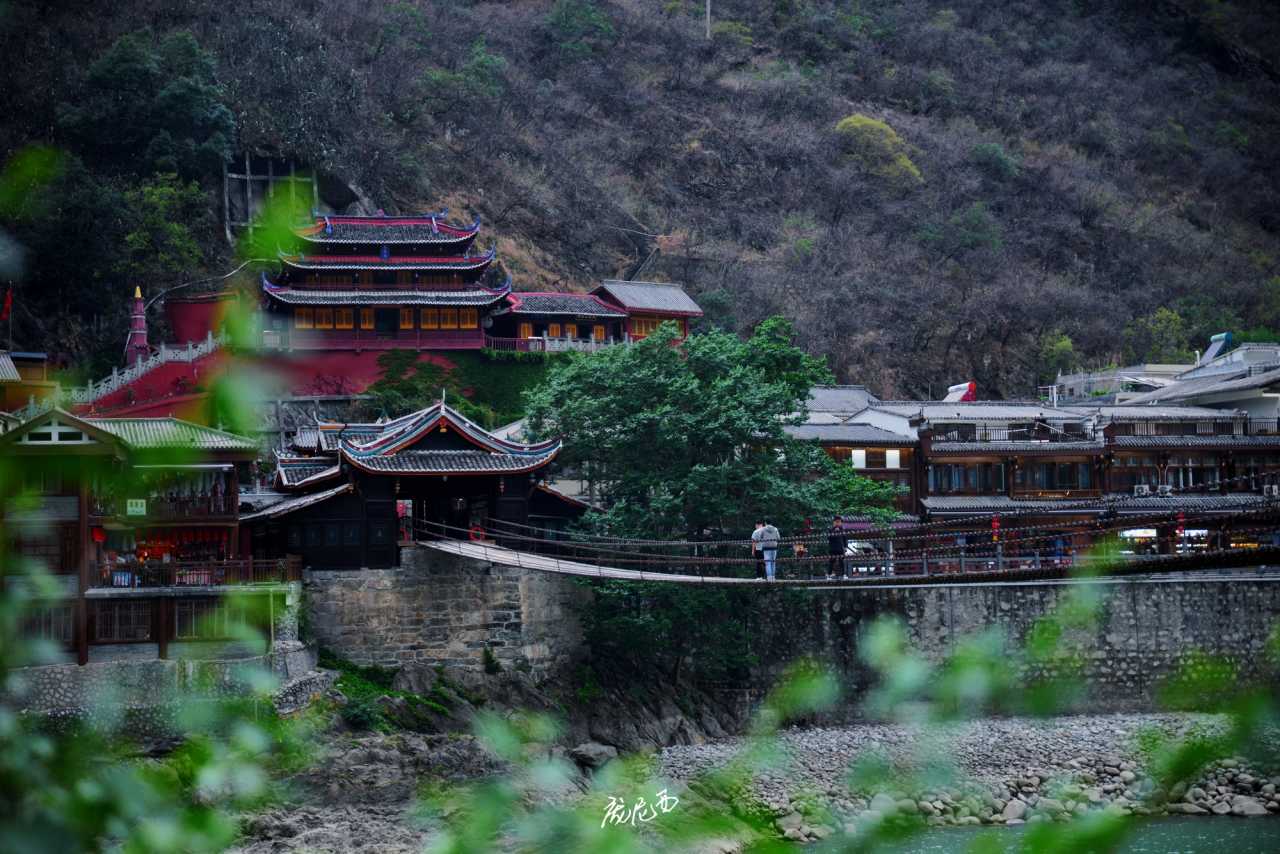
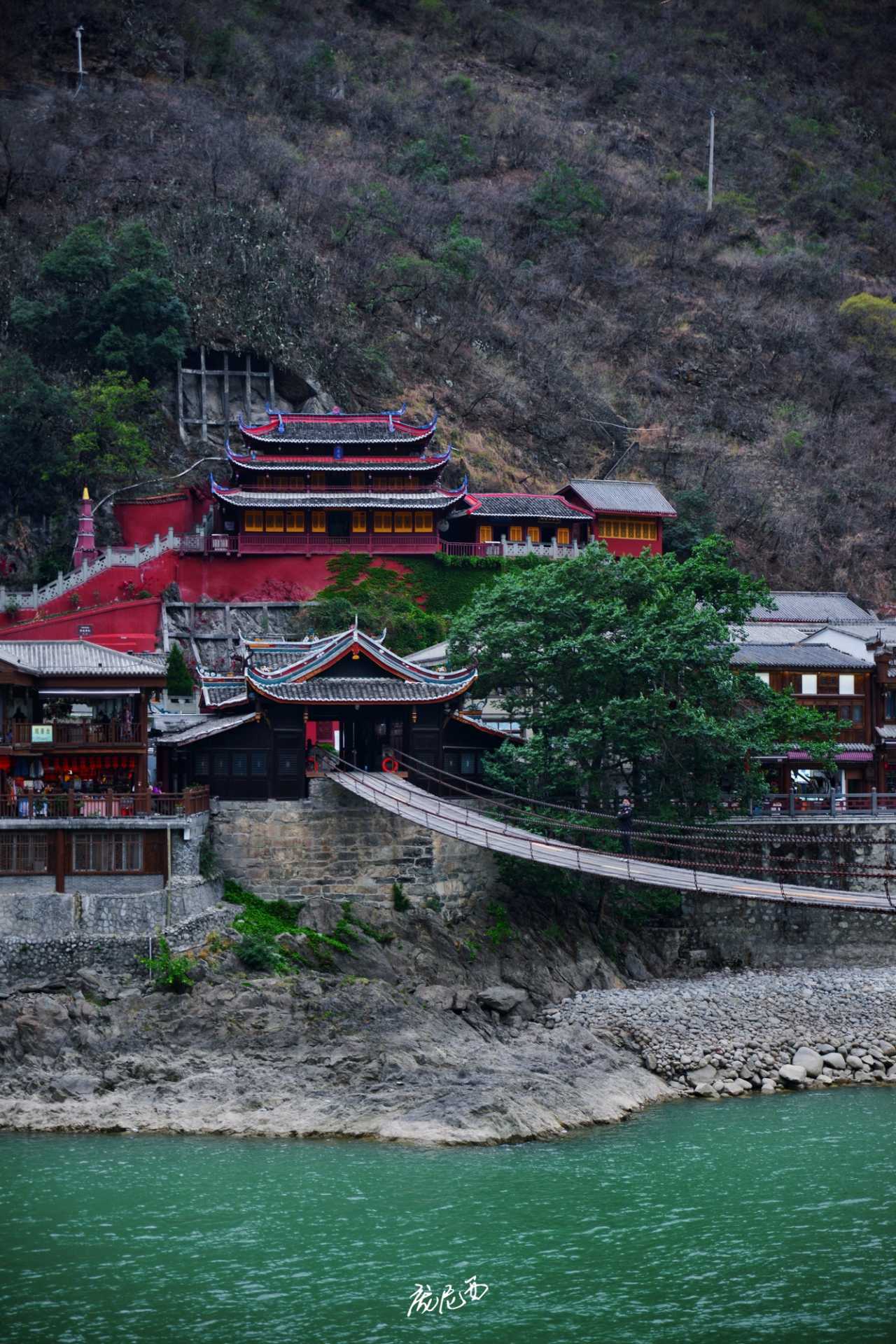
Luding Bridge: A Century of Memory in the Gleam of Iron Chains
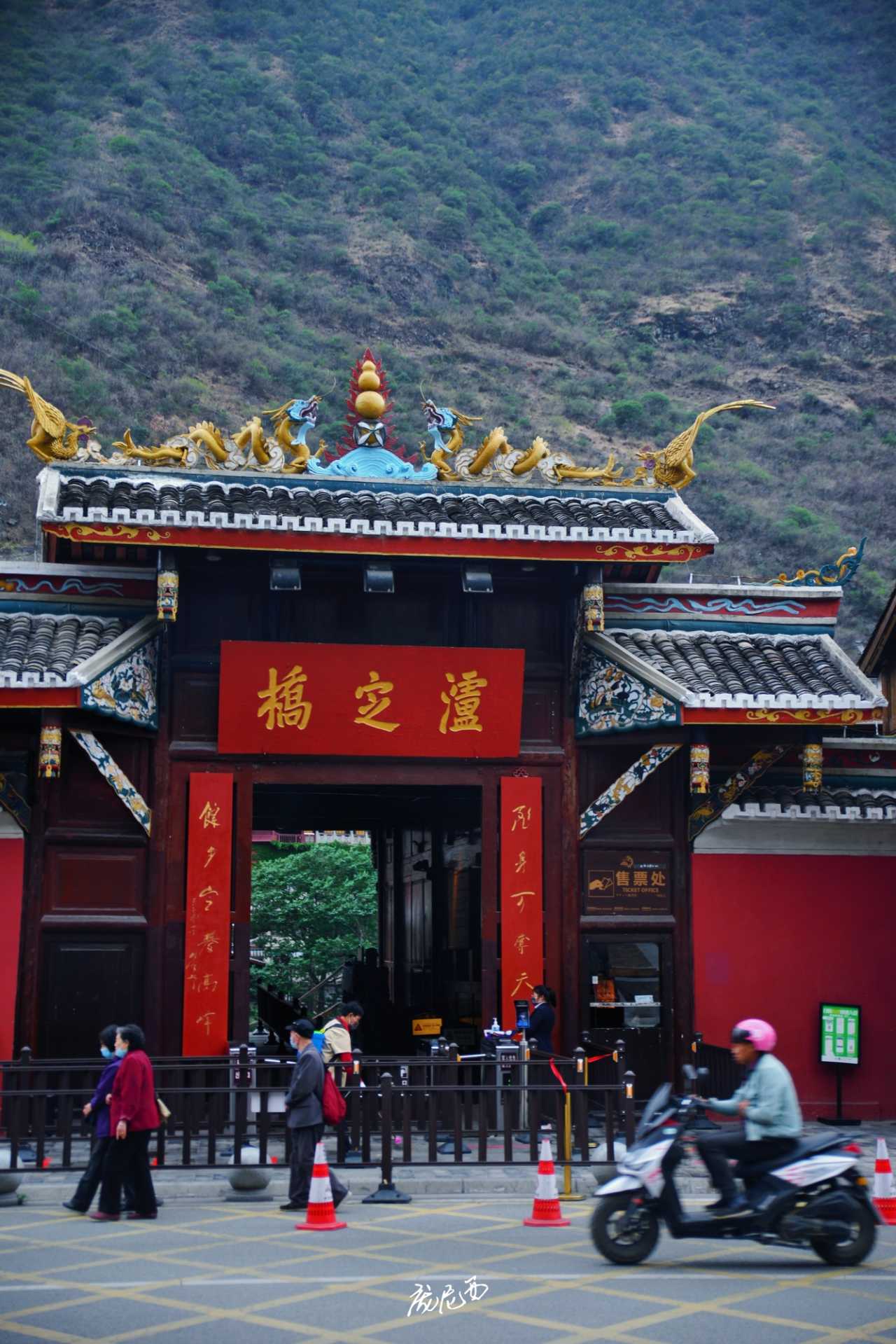
To avoid the holiday traffic, we set off a day early in the afternoon. Every time I enter western Sichuan, Luding Bridge is almost always a must-stop. Originally built during the Kangxi reign of the Qing Dynasty (early 18th century), this iron-chain bridge was once just an ordinary crossing connecting Han and Tibetan regions. But it earned its place in history through the Red Army's legendary "Flying Capture of Luding Bridge" during the Long March.
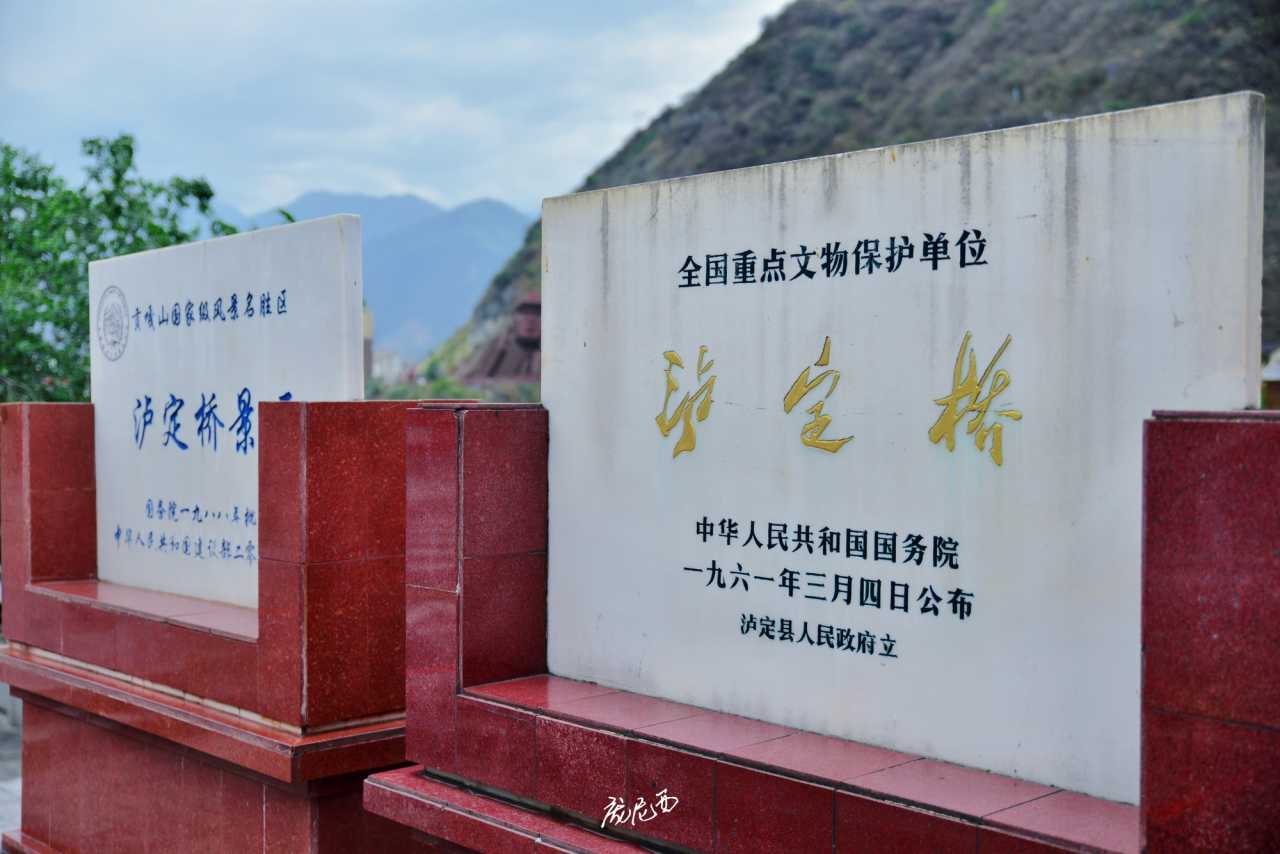
In 1961, it was among the first batch of National Key Cultural Relic Protection Units—consider that even the Leshan Giant Buddha, a Tang Dynasty cliffside sculpture, didn't make the list until 1982.
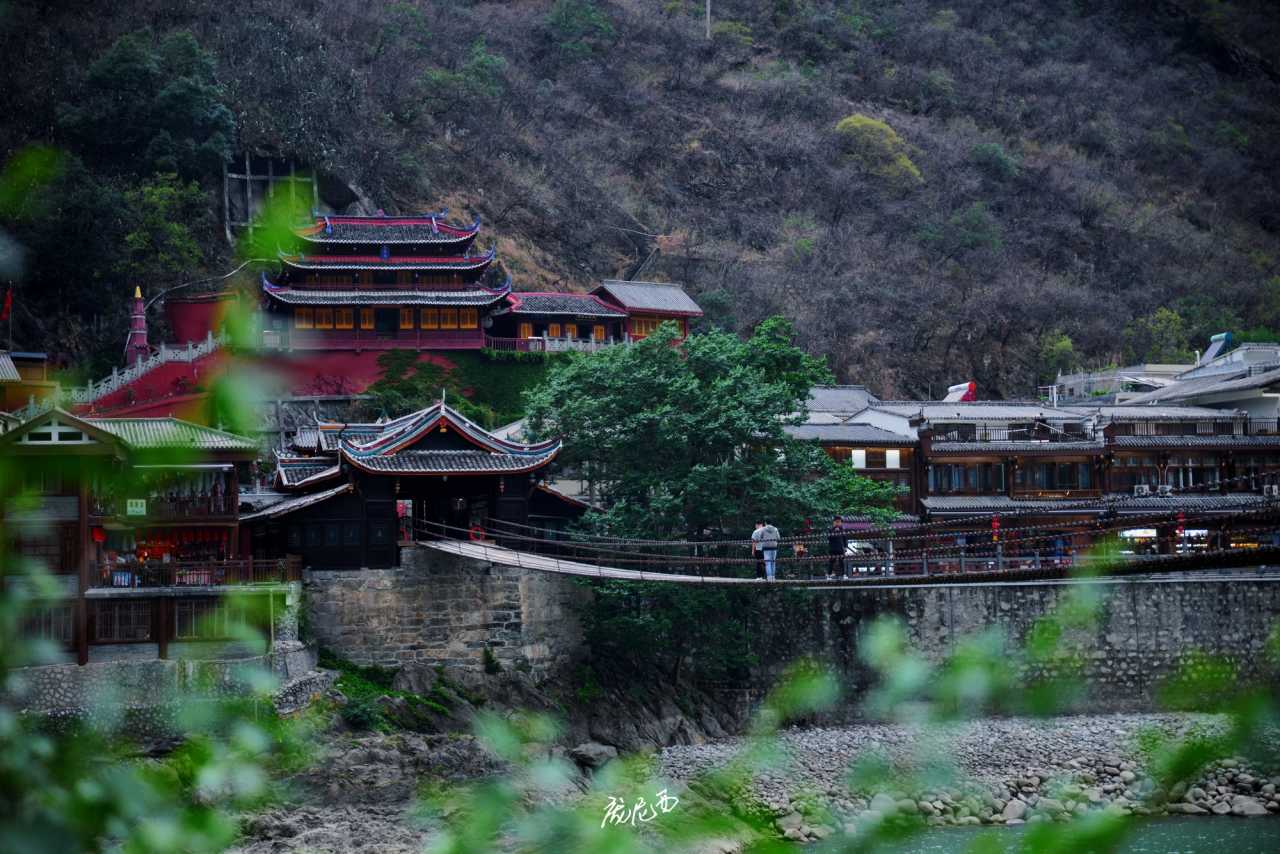
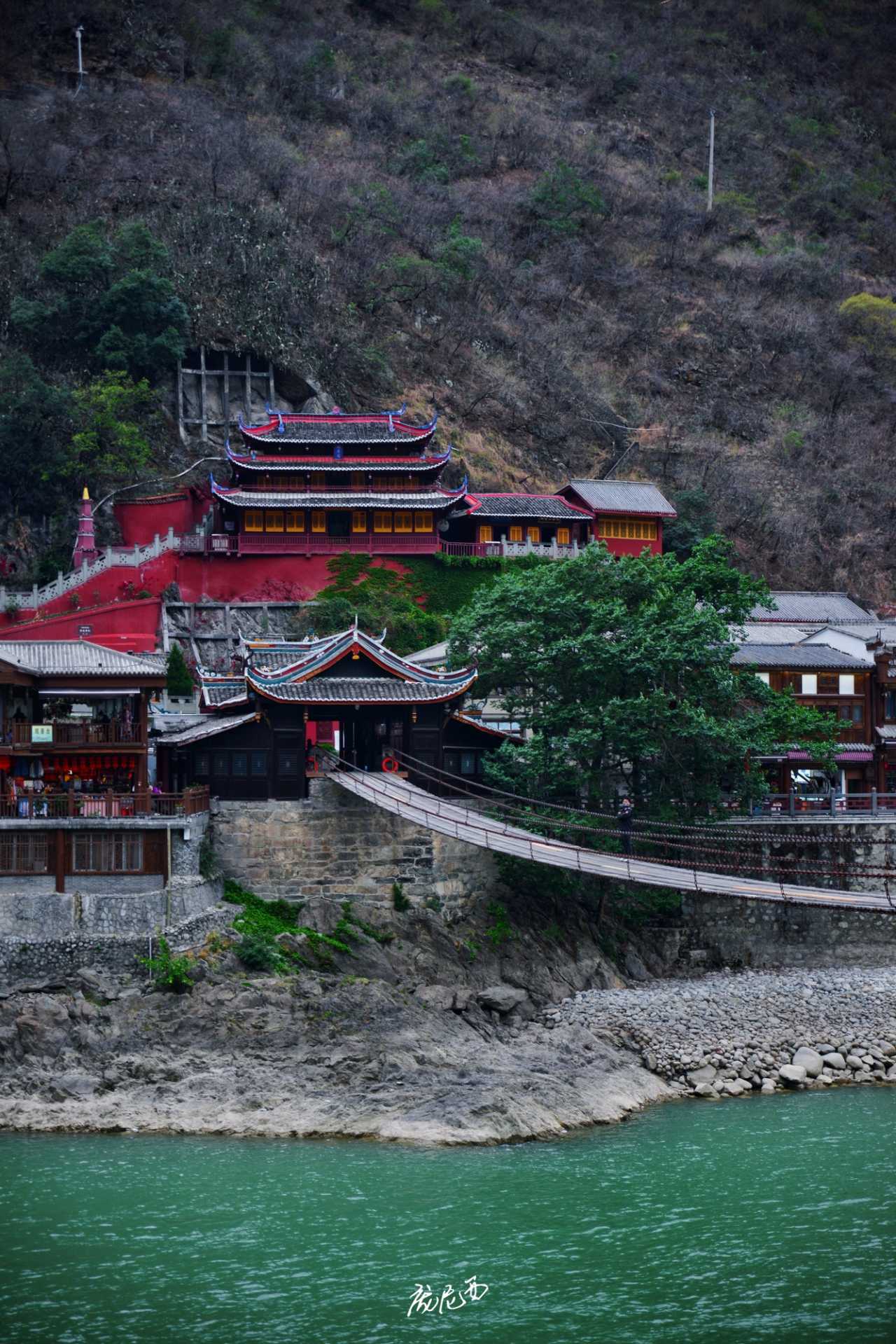
Stepping onto the bridge again still sends a chill down my spine. "The Dadu Bridge's iron chains glint in the cold"—this line from a famous poem becomes terrifyingly real as the bridge sways beneath your feet. The structure consists of several thick iron chains running side by side, with wooden planks laid across. Through the gaps, you can see the raging Dadu River below. Every step is cautious, as if the river could swallow you at any moment.
At the far end of the bridge, clinging to the mountain, stands the Guanyin Pavilion. Legend has it that during the capture of Luding Bridge, this was the Red Army's machine-gun and artillery position. Sadly, the original pavilion was destroyed; what you see today was rebuilt in 1985. From one end of the bridge, history stretches all the way to the other side of the mountain—the story of Luding Bridge is far richer than we imagine.
[Link: Historical sites along National Highway 318]
Tagong Grassland: More Than Grasslands—A Crossroads of Snow Mountains and Faith
On the second morning, the sky was overcast, with mountains hidden in mist and clouds. As we crossed Zheduo Mountain, heavy snow was falling near the pass. Fortunately, we had left early, and the road was clear. Later, I saw news reports that vehicles stuck on Zheduo Mountain in the following days—I couldn't help but feel relieved.
After passing Kangding Airport, we descended along the road beside Siding Lake and entered the Tagong Grassland area. When people mention Tagong Grassland, many imagine endless, flat prairies—but reality might disappoint you. This area is more like gently undulating alpine meadows. What truly captivates are the scattered rivers, forests, snow mountains, and monasteries along the way.
Best Photo Spots on Tagong Grassland
Jiangba Pasture: After Kangding Airport, the rolling, gentle hills before you are this pasture. The slopes are easy, and the ridgelines form beautiful curves—perfect for dramatic photos.
Qingrao Sacred Mountain Viewpoint: Here you can see Yajia Snow Mountain, standing over 5,300 meters (17,400 feet). The massive vertical drop between the snow peak and the meadows and Tibetan houses below creates a breathtaking scene—every shot is stunning.
Munya Golden Pagoda: This is the traditional Tagong Grassland attraction. To capture the Golden Pagoda and Yala Snow Mountain in the same frame, you'll need a telephoto lens and a position on the hilltop near the viewpoint—otherwise, you'll only get the pagoda with Yajia Snow Mountain.
The beauty of Tagong Grassland requires an eye for discovery. Otherwise, it might seem like just another ordinary Tibetan river valley.
[Link: Tibetan culture and photography tips]
Moshí Park: "Sichuan's Little Iceland" — Complete Guide to Avoiding Pitfalls
I first visited Moshí Park in 2020, right when it became popular. Back then, it was called Bamei Stone Forest, but the rebranded "Alien Planet" aesthetic was truly striking. This second visit, however, felt very different.
The park is certainly more organized now, but it's also far less interesting. Previously, you could climb to the top of the stone forest and use a drone to capture those cliff-edge panoramic shots. Now, security guards block access. Even more frustrating is the addition of too many man-made elements—guardrails, ugly astronaut statues—that not only ruin the landscape's integrity but also reduce photo quality.
Moshí Park Photography Tips for 2024
If you want great photos, head deep into the mylonite stone forest. The best spot is at "Alien Planet"—go to the end of the boardwalk, then take a side path back into the stone forest. I recommend taking the branch trail below the most popular boardwalk viewpoint; there are many shooting positions there, and the surreal, magical feel is stronger. Wear contrasting colors for a more striking effect.
[Link: Best national parks in Sichuan]
Longdeng Grassland: The Hidden Battlefield of King Gesar
Leaving Moshí Park, we drove north into the depths of Daofu County. The Sichuan-Tibet Highway stretches through a basin between two mountains, with occasional glimpses of snow peaks flashing by.
In the distance, a massive triangular prayer flag array covered half a mountain, and at its base stood Rangu Monastery. It's said to house a unique collection of 108 large statues of the Joyful Buddhas (in union), unmatched in scale and design in the Tibetan region.
As the highway curved around the other side of the monastery, the view opened up, and a grassland spread out before us. A stone marker read "Longdeng Gesar Grassland"—I had no idea this place existed before coming here.

Legend has it that King Gesar once camped here. In Tibetan, this grassland is called "Gesar Tong," meaning "the grassland where King Gesar fought." Leaving the road and walking deeper into the meadow, we could see a towering statue of King Gesar in the distance, with a row of white stupas below it—a sacred presence.
Beyond the hill with the Gesar statue lies a clear lake called Zhumucuo. Legend says this was where Gesar's queen, Zhumo, washed her hair. The water is crystal clear, reflecting the outline of Rangu Village and offering a glimpse of everyday life on the plateau.
Even a shallow stroll along the edge of the grassland can captivate you with its fantastical human history and the life-affirming song of the changing seasons.
[Link: Tibetan epic of King Gesar]
Daofu Lingque Monastery: A "Mini-City" Full of Life
The most unique monastery on the Northern Sichuan-Tibet Highway is undoubtedly Lingque Monastery. Sometimes I don't even feel it's a monastery—it's more like a living, breathing community. The Tibetan-style houses here are actually more striking than the monastery itself. Walking through the narrow lanes, you'll see monks chatting, children playing, and elderly Tibetans spinning prayer wheels. It's a place where spirituality and daily life blend seamlessly.
Dêgê Printing Academy: The World's Oldest Tibetan Woodblock Printing House
Day 4 brought us to Dêgê, home to the legendary Dêgê Printing Academy. Established in 1729, this UNESCO-recognized treasure houses over 200,000 woodblocks for printing Buddhist scriptures, medical texts, and historical records. Watching the monks work—inking each block by hand, pressing paper with precision—is like stepping back 300 years.
[Link: Tibetan Buddhist printing traditions]
Essential FAQ for Your Western Sichuan Road Trip
1. What is the best time to drive the western Sichuan loop?
The ideal months are May to October. July and August offer lush green grasslands, while September-October brings golden autumn colors. Winter (November-March) sees heavy snow and road closures, especially at Zheduo Mountain pass.
2. Do I need a 4WD vehicle for this route?
 Not necessarily. The main highways (G318 and Northern Sichuan-Tibet Highway) are well-paved. However, a high-clearance vehicle is recommended for side roads to viewpoints like Moshí Park's deep stone forest.
3. How do I handle altitude sickness on this trip?
 The highest point is around 4,200m (13,800ft) at Zheduo Mountain. Acclimatize in Kangding (2,600m) on Day 1. Carry Diamox, drink plenty of water, avoid alcohol, and ascend gradually. If symptoms worsen, descend immediately.
4. What permits do I need for this loop?
No special permits are required for Chinese citizens. Foreign travelers need a Tibet Travel Permit if crossing into Tibet Autonomous Region, but this loop stays within Sichuan. Always carry your passport and Chinese visa.
5. Is this route suitable for families with children?
Yes, but with precautions. Children under 8 may struggle with altitude. Plan shorter driving days (under 4 hours), take frequent breaks, and book accommodations with heating and oxygen supplies in Litang and Dêgê.
Final Thoughts: Why This Western Sichuan Loop Will Change You
This 6-day journey through western Sichuan is more than a road trip—it's a pilgrimage through snow-capped peaks, ancient monasteries, and living Tibetan culture. From the iron chains of Luding Bridge to the alien landscapes of Moshí Park, from King Gesar's grasslands to the timeless woodblocks of Dêgê, every mile offers a new revelation.
Ready to plan your own Sichuan West秘境 adventure? Start by booking your Chengdu accommodation, checking road conditions on the Sichuan Highway Bureau website, and packing layers for all four seasons. The plateau is calling—answer it.
Bookmark this guide and share it with fellow travelers who dream of exploring China's most breathtaking hidden loop.
[Link: Chengdu to Kangding transportation guide]
[Link: Tibetan homestay recommendations in Daofu]
[Link: Photography gear checklist for high-altitude travel]
You may also like