An Unbreakable Bond with Sichuan: An Eight-Day Family Adventure, Discovering Chengdu's Millennia-Old Charm
Meta Description: Planning a family trip to Chengdu? Discover our 8-day Sichuan itinerary covering pandas, Dujiangyan, Leshan Giant Buddha & Sanxingdui. Expert tips on off-peak travel, kid-friendly food & must-see attractions.
Introduction: Why Chengdu Deserves a Spot on Your Family Travel List
Life is a flowing feast, and travel is the carefully composed movement we orchestrate for ourselves and our families. As winter break's tail end approached and our children's backpacks were about to be filled with textbooks once more, we seized this rare moment of leisure for an eight-day family adventure through Sichuan—one filled with warmth, depth, and unforgettable memories.
From the bustling streets of Chengdu to the millennia-old waterworks of Dujiangyan, from the towering Leshan Giant Buddha to the mysterious Sanxingdui ruins in Guanghan, we took our two daughters on a profound dialogue with one of China's most culturally rich provinces. This Chengdu family travel guide shares everything we learned along the way.
Why Chengdu? A Thoughtful Winter Choice for Your Family Vacation

The Destination Dilemma: From Southern Beaches to the Land of Abundance
This winter break felt painfully short—barely a month around Spring Festival, with weeks before crammed full of tutoring sessions. Watching our girls buckle under growing schoolwork pressure, we made up our minds: we had to get them out.
Our initial targets were Guangzhou and Zhuhai, planning a route along the Chimelong theme parks. But snatching high-speed rail tickets proved far harder than expected. Even as a self-proclaimed "ticket-snatching pro," I failed after days of trying. Airfare was stubbornly high—nearly 10,000 yuan for a family of four round-trip.
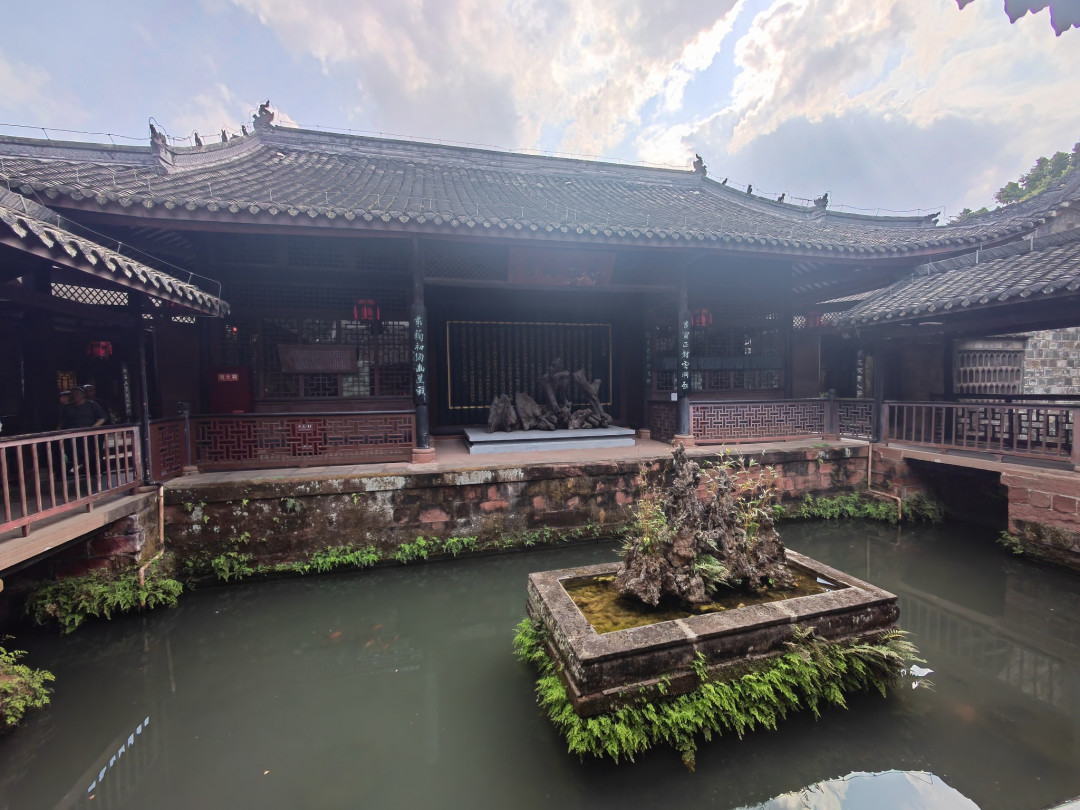
Then "Daddy" suggested we turn our eyes to Chengdu. His long-cherished wish list—Wuhou Shrine, Du Fu's Thatched Cottage, Dujiangyan—offered perfect opportunities for the kids to soak up knowledge while traveling. High-speed rail tickets were surprisingly easy to get: departing a little after ten in the morning and arriving around six in the evening, perfectly matching our "relaxed and carefree" travel theme.
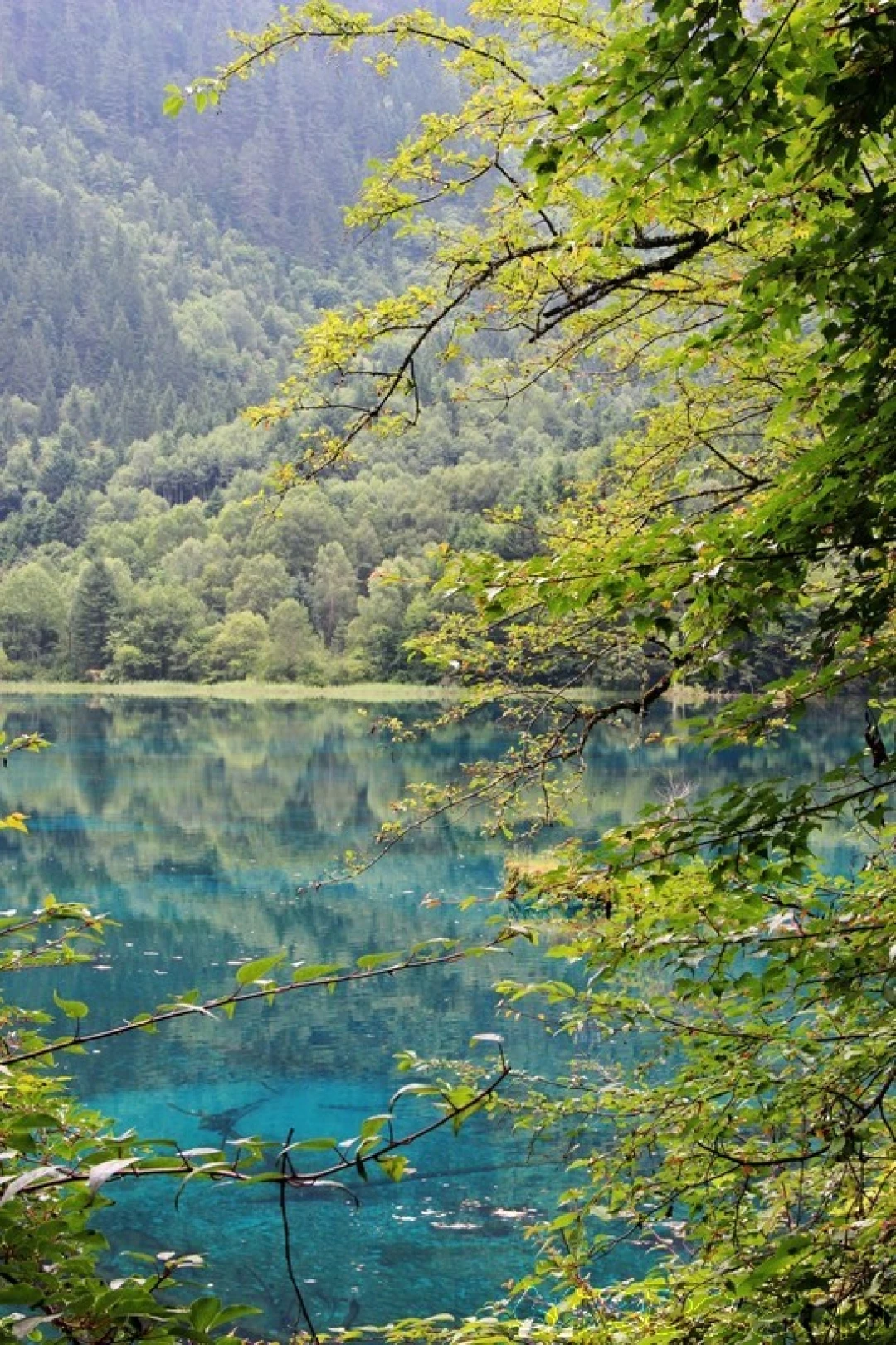
Though this was my third visit to Chengdu, the previous two were mere stopovers on the way to Daocheng Yaden and Jiuzhaigou. This time, we decided to sink our roots in and truly explore.
[Link: Best time to visit Chengdu with family]
The Wisdom of Off-Peak Travel: Avoiding Crowds and Enjoying a "Private Showing"

On the eighth day of the Lunar New Year, when most people returned to work, we kicked off our own little vacation. The payoff was incredible—students in the south started school earlier, so for the next few days, we practically had every attraction to ourselves. Without jostling crowds, travel returned to its true essence: peace and contentment.
This off-peak travel strategy became the cornerstone of our Chengdu itinerary. If you're planning a family trip, consider scheduling it just after major holidays for a significantly more enjoyable experience.
Pre-Trip Preparation: Traveling Light and Embracing the Digital Age
Packing Smart for a Chengdu Family Trip
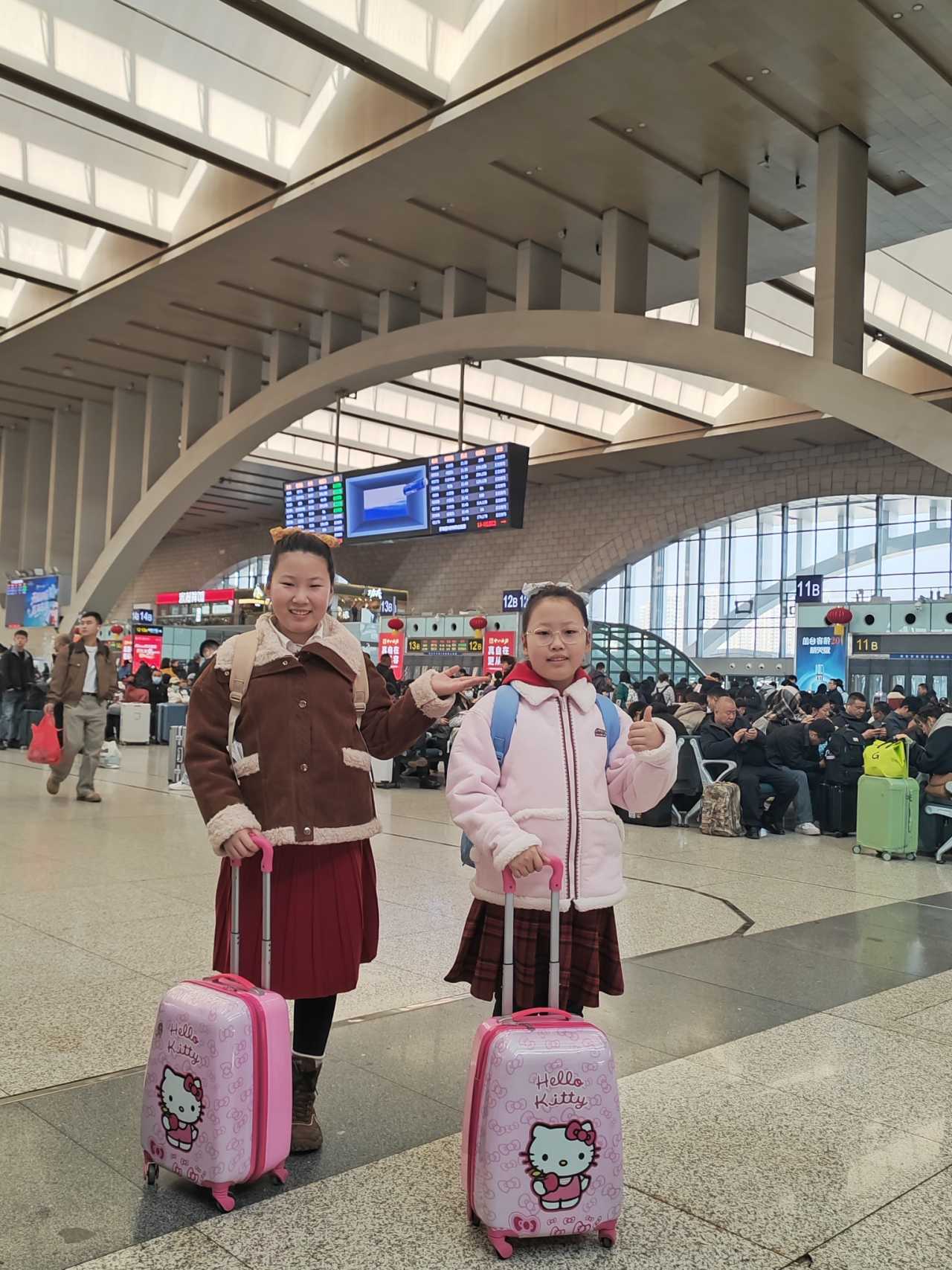
Before we left, both girls insisted on carrying their own backpacks and pulling their own suitcases. As they've grown older, packing has become much simpler. The most important items in their backpacks weren't snacks, but stamp books—these have become their "top mission" on every trip: collecting unique stamps from every city they visit.
Their suitcases held only a few changes of clothes. Chengdu's weather was warmer than expected, with temperatures reaching over 20°C (68°F) at midday. The remaining space was mostly filled with snacks—their secret weapons for passing time on the road.
Essential Items for Your Sichuan Adventure
- Umbrellas: Chengdu sits in a basin where a single cloud can bring rain
- Comfortable walking shoes: You'll cover plenty of ground
- Reusable water bottles: Stay hydrated throughout the day
- Portable chargers: You'll be using your phone for maps, tickets, and photos
- Light layers: Temperatures can vary significantly between morning and afternoon
We chose a high-quality hotel, saving us the hassle of carrying toiletries and slippers. In short, with ID cards and phones ready, everything was set.
[Link: Family-friendly hotels in Chengdu near Chunxi Road]
Detailed Eight-Day Chengdu Itinerary: From City to Ancient Sites, Food to Culture
D1: Shijiazhuang → Chengdu – A "Journey to the West" on the High-Speed Rail
We chose high-speed rail for both legs, avoiding early wake-ups, long airport waits, and potential delays. Trains are incredibly fast now, and when you factor in all the hassle, the time difference from flying is minimal, but the comfort is far superior.
Departing Shijiazhuang at 10:30 AM, we arrived at Chengdu East Station just before 7:00 PM. Even better, we snagged two rows of two seats facing each other, with a small discount on the fare. The eight-hour ride flew by—thanks to "Daddy" bringing a laptop. The school had assigned Journey to the West as winter break reading, so the girls used the time to read the book and watch the 1986 TV series. Snacking and binge-watching made the hours disappear.
Stepping off the train, we were wrapped in a wave of warmth. Chengdu's climate was indeed much milder than the north. A half-hour subway ride took us to Chunxi Road station, and as we emerged, we saw the famous "climbing panda"—the giant panda sculpture at IFS, playfully scaling the mall's exterior wall.
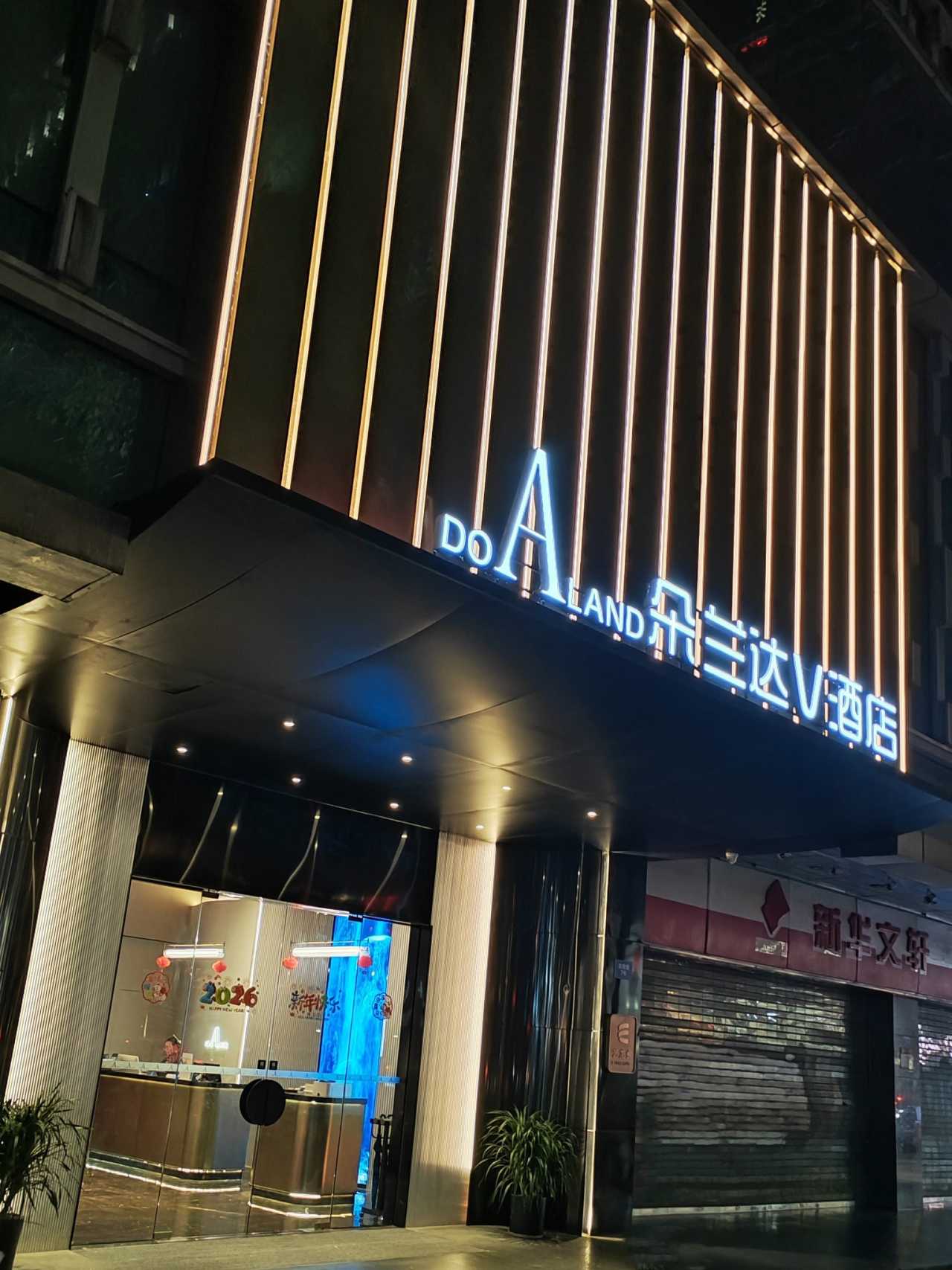
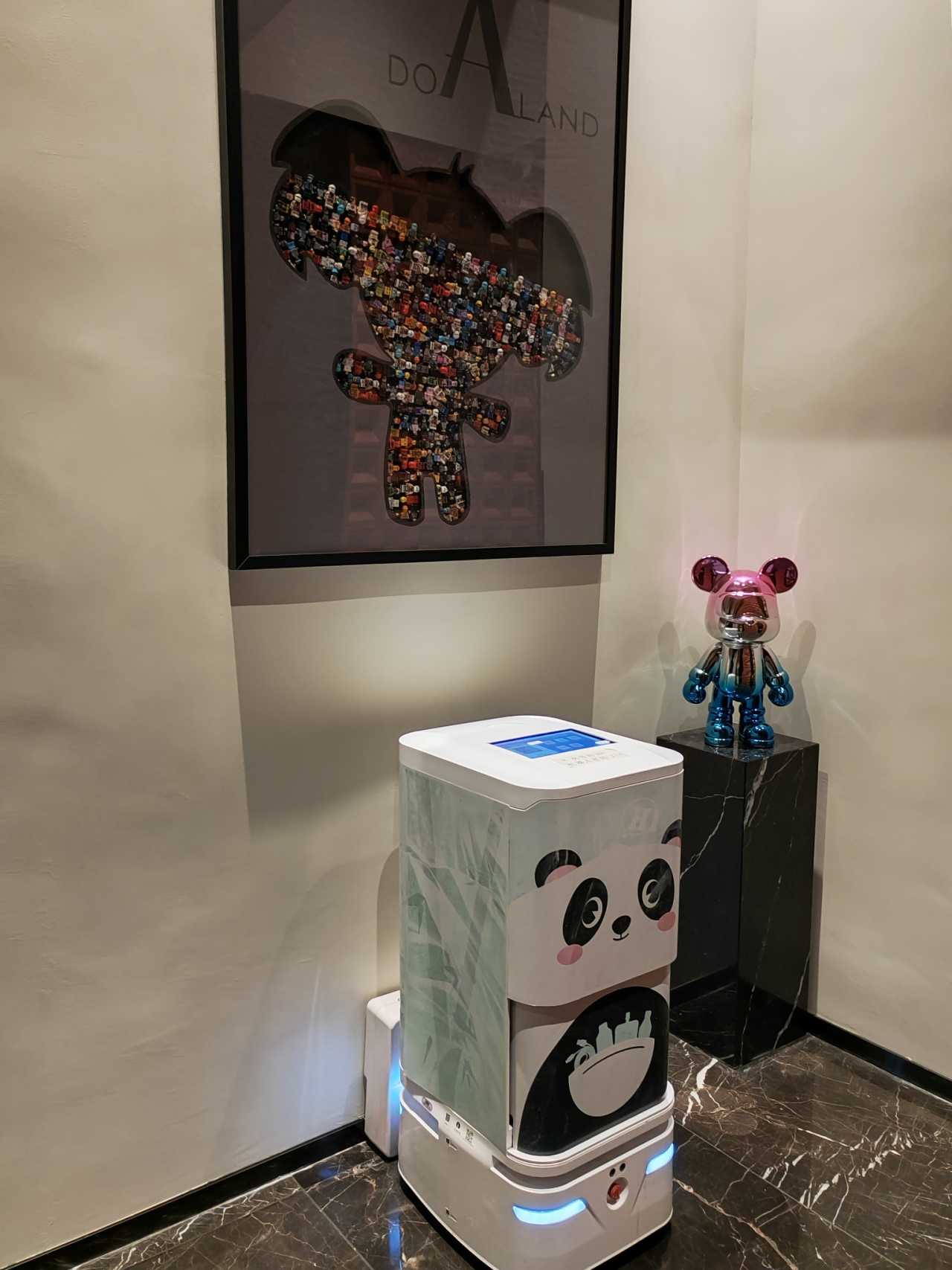
Where We Stayed: We checked into the Dolanda V Hotel (Chengdu Taikoo Li IFS Center), chosen after careful research. Its location was perfect—just minutes on foot to Chunxi Road and Taikoo Li, surrounded by incredible food, and close to subway stations and tourist buses. The hotel opened in 2024, so everything was brand new, with robot service and in-room voice control via "Xiaodu," showcasing AI features throughout. The only downside was the slightly cramped twin room, but that's understandable in the city's prime real estate.
Pro Tip: Most hotels in Chengdu allow smoking, so if you're sensitive to smoke, ask the hotel to purify the air before check-in.
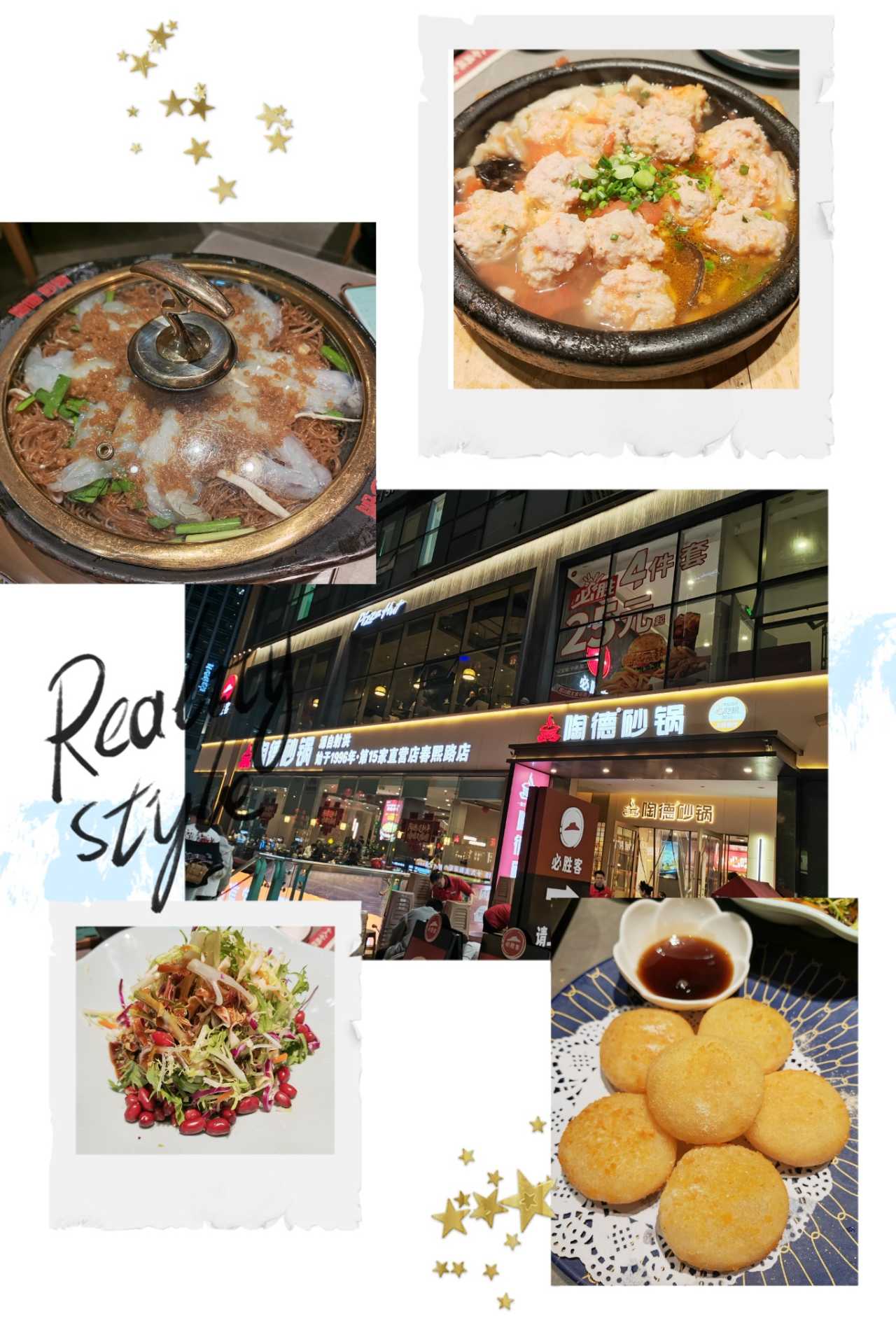
First Dinner: After settling in, we headed straight to the nearby "Taode Claypot." The benefits of off-peak travel showed again—we just missed the dinner rush and only waited for one table before our feast began.
Before the trip, the girls worried that Chengdu's spicy food would be too much for them. But within days, they were completely at ease—every restaurant offered both spicy and non-spicy dishes, and both were absolutely delicious. Modern Chengdu's tourism industry is highly developed, and its cuisine caters to all ages and tastes. Who says Chengdu is only about "la la la" (spicy)?
[Link: Best non-spicy dishes to try in Chengdu]
D2: Panda Valley + Dujiangyan – National Treasures and Millennia-Old Wisdom
Chengdu's winter is rainy. While weather forecasts aren't always accurate, they're worth checking. Dujiangyan had clear skies only today, with rain forecast for the following days, so we packed this day in right after arriving.
We booked an eight-person small-group day tour: "Panda Valley + Zhongshuge Bookstore + Yangtianwo Square + Dujiangyan + Blue Tears." Compared to the "Qingcheng Mountain + Dujiangyan" route, we decisively skipped the mountain—no way were we going to torture ourselves with hiking in the cold. While the Dujiangyan commentary was just average, the tour was pure fun with no shopping stops, so the value was decent.
Panda Valley: An Intimate Encounter with National Treasures
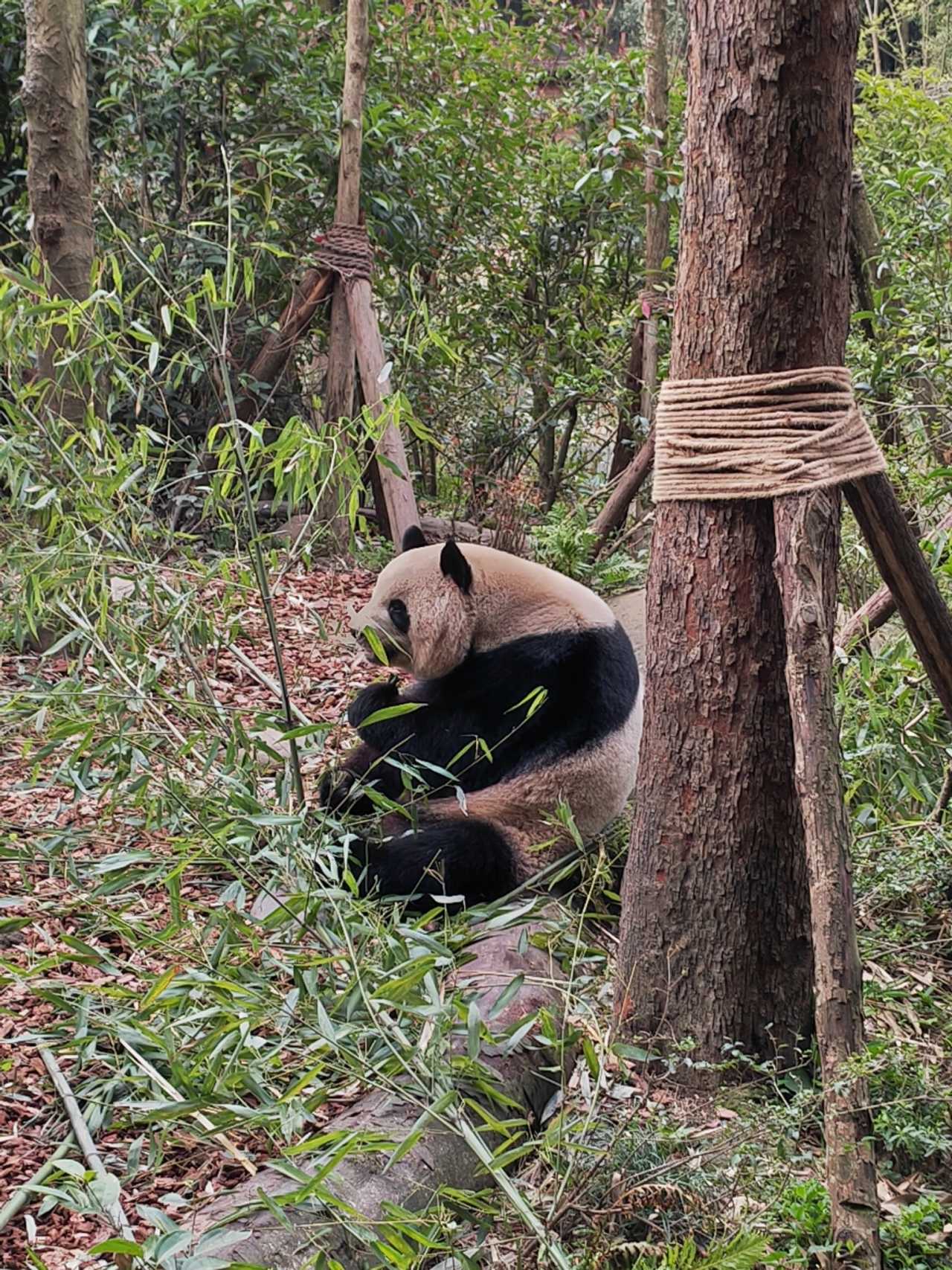
When you think of Chengdu, pandas come to mind first. Though you can see pandas all over China now, Chengdu remains the ultimate authority.
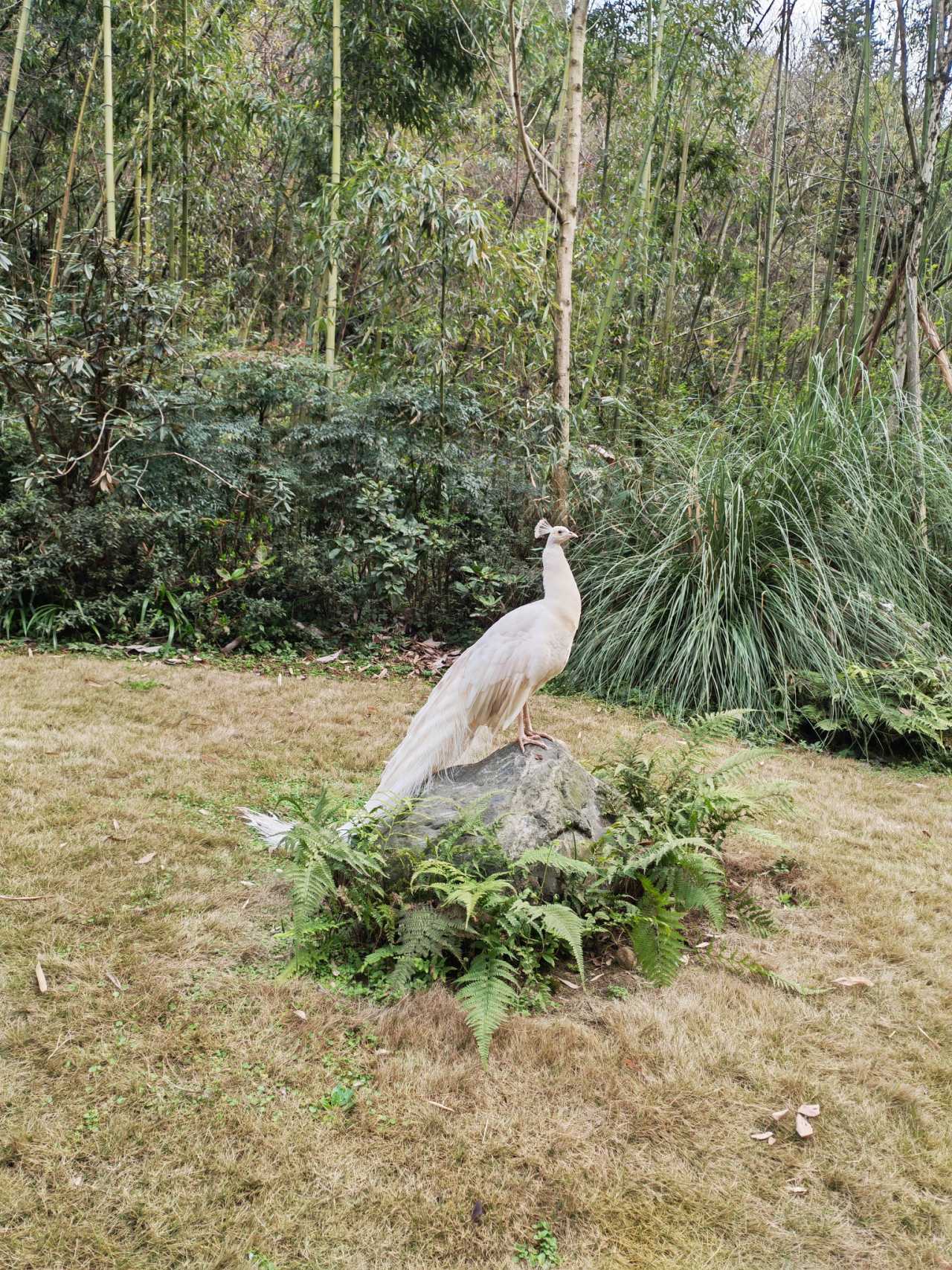
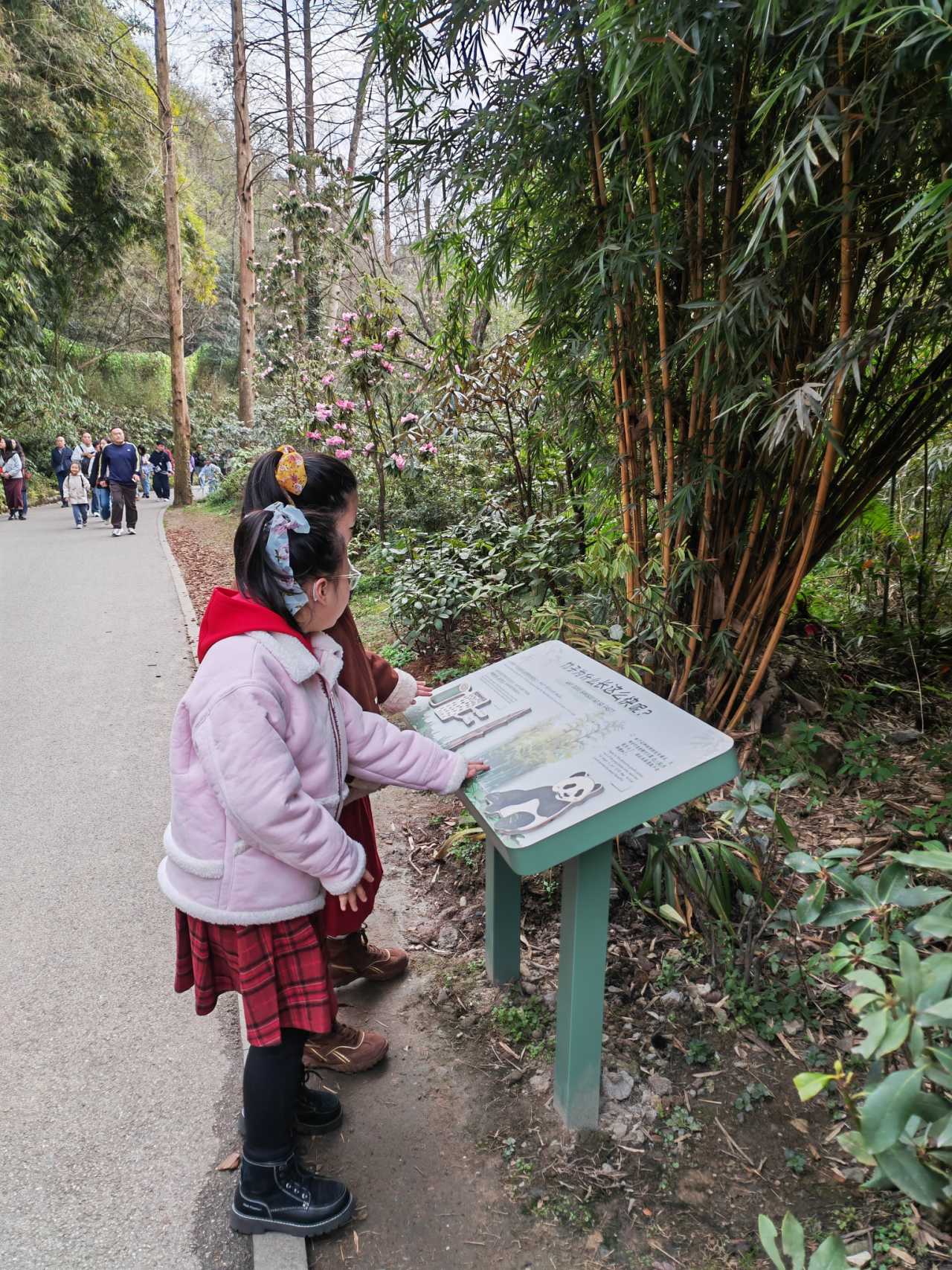
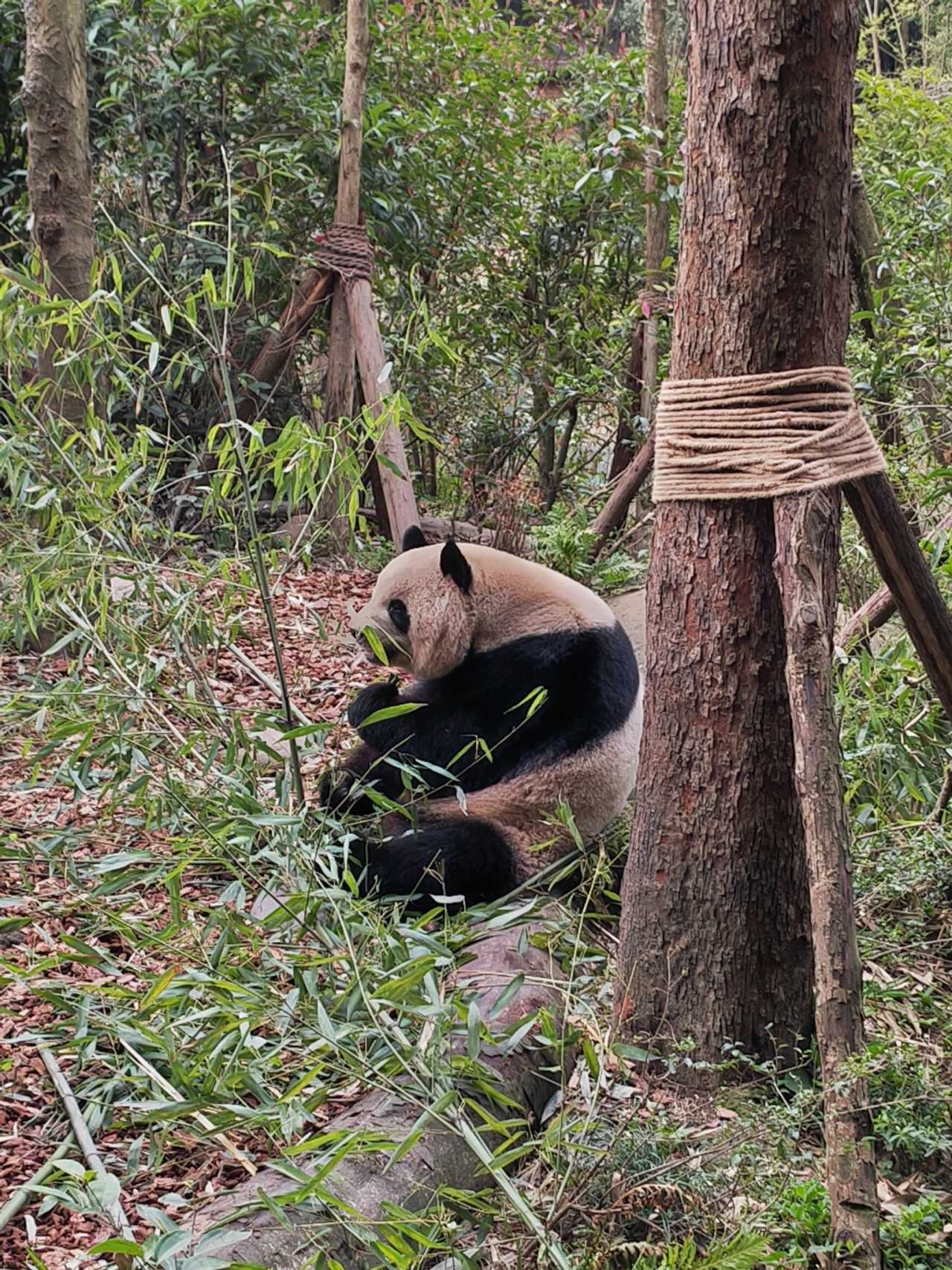
When comparing the Chengdu Research Base of Giant Panda Breeding and Panda Valley, we did our homework. The former is larger, has the most pandas (including cubs and superstar "Hua Hua"), but it's incredibly crowded. The latter offers a wilder, natural environment where pandas roam in larger, forested areas, behaving more like they would in the wild, with far fewer visitors and the chance to see red pandas up close.
We had no particular obsession with "Hua Hua" (rumor has it you need to queue for two hours just to see her on holidays), and we dreaded the sea of people, so we chose Panda Valley without hesitation.
Best Time to Visit Pandas: Morning is the best time to see pandas—they're mostly active in the morning and go back to sleep in their caves when it gets hot. In the early morning, the valley's air is fresh and the pandas are at their most playful.
[Link: Panda Valley vs Chengdu Panda Base: Which is better?]
FAQ: Planning Your Chengdu Family Trip
Q1: Is Chengdu suitable for children who don't eat spicy food?
Absolutely. Modern Chengdu's tourism industry caters to all palates. Every restaurant we visited offered both spicy and non-spicy options, and both were equally delicious. From mild hot pot broths to steamed dishes and noodle soups, your children will find plenty to enjoy.
Q2: What's the best time of year to visit Chengdu with family?
Spring (March-May) and autumn (September-November) offer the most pleasant weather. However, visiting just after major holidays like Chinese New Year or National Day provides the benefit of significantly smaller crowds, as we experienced. Winter is milder than northern China, making it a good option for a warmer getaway.
Q3: How many days do you need for a Chengdu family trip?
We recommend 7-8 days minimum to cover the highlights without rushing. Our eight-day itinerary allowed us to explore Chengdu city, Dujiangyan, Leshan Giant Buddha, and Sanxingdui at a comfortable pace suitable for children.
Q4: Is it better to visit Panda Valley or the Chengdu Panda Base?
Choose Panda Valley if: You prefer fewer crowds, a more natural environment, and seeing pandas in larger, forested areas. Choose Chengdu Panda Base if: You want to see the most pandas (including cubs) and are willing to deal with crowds.
Q5: How easy is it to get around Chengdu without a car?
Very easy. Chengdu has an excellent subway system that connects major attractions and neighborhoods. High-speed rail makes day trips to Dujiangyan and Leshan straightforward. For attractions like Panda Valley, consider booking a small-group tour that includes transportation.
Conclusion: Why Sichuan Will Capture Your Family's Heart
Our eight-day family adventure through Sichuan proved that travel isn't just about seeing new places—it's about creating lasting bonds and shared memories. From the playful pandas of Panda Valley to the ancient engineering marvel of Dujiangyan, from the vibrant streets of Chunxi Road to the cultural treasures of Sanxingdui, every moment deepened our connection with this remarkable region.
Watching our daughters collect stamps in their books, try new foods without fear, and ask thoughtful questions about history and culture reminded us why we travel: to grow together, learn together, and build an unbreakable bond with the world around us.
Ready to plan your own Sichuan family adventure? Start by booking your high-speed rail tickets during off-peak periods, choose accommodations near Chunxi Road for convenience, and don't forget those stamp books—they'll become treasured keepsakes of your journey through the Land of Abundance.
Have questions about planning your Chengdu trip? Drop them in the comments below—we'd love to help you create your own unforgettable family adventure!
You may also like