Alleyways of Smoke and Fire: Unlocking Chengdu's Most Authentic Daily Life – A 6-Day In-Depth Guide
Meta Description: Discover Chengdu's authentic daily life beyond tourist traps. From panda encounters and Sichuan opera to Kuanzhai Alley's slow pace and People's Park tea culture, this 6-day itinerary unlocks the city's soul.
Introduction: Why Chengdu's "Smoke and Fire" Captivates Travelers
Chengdu is a city that makes you willingly slow down. It's not the kind of place that demands a rushed itinerary of check-ins and hurried sightseeing. Instead, it's a gentle haven worth exploring on foot, savoring with your taste buds, and feeling with your heart. When the first rays of morning sunlight spill onto the alleys of blue bricks and black tiles, when the fragrance of covered-bowl tea and the crisp clatter of mahjong tiles drift from teahouses, when the spicy aroma of hotpot fills the air—only then do you truly understand: Chengdu's everyday life is a vibrant, living tableau of 烟火 (the warmth and bustle of daily life).
If you long for such a journey, follow this six-day, five-night in-depth guide. From bustling urban centers to leisurely retreats, from cityscapes to natural landscapes, step by step, unlock the most authentic way to experience Chengdu. [Link: Best time to visit Chengdu]
Day 1: Arriving in Chengdu – The Glamour and Gentleness of Nightfall
Chunxi Road and IFS: The City's Heartbeat
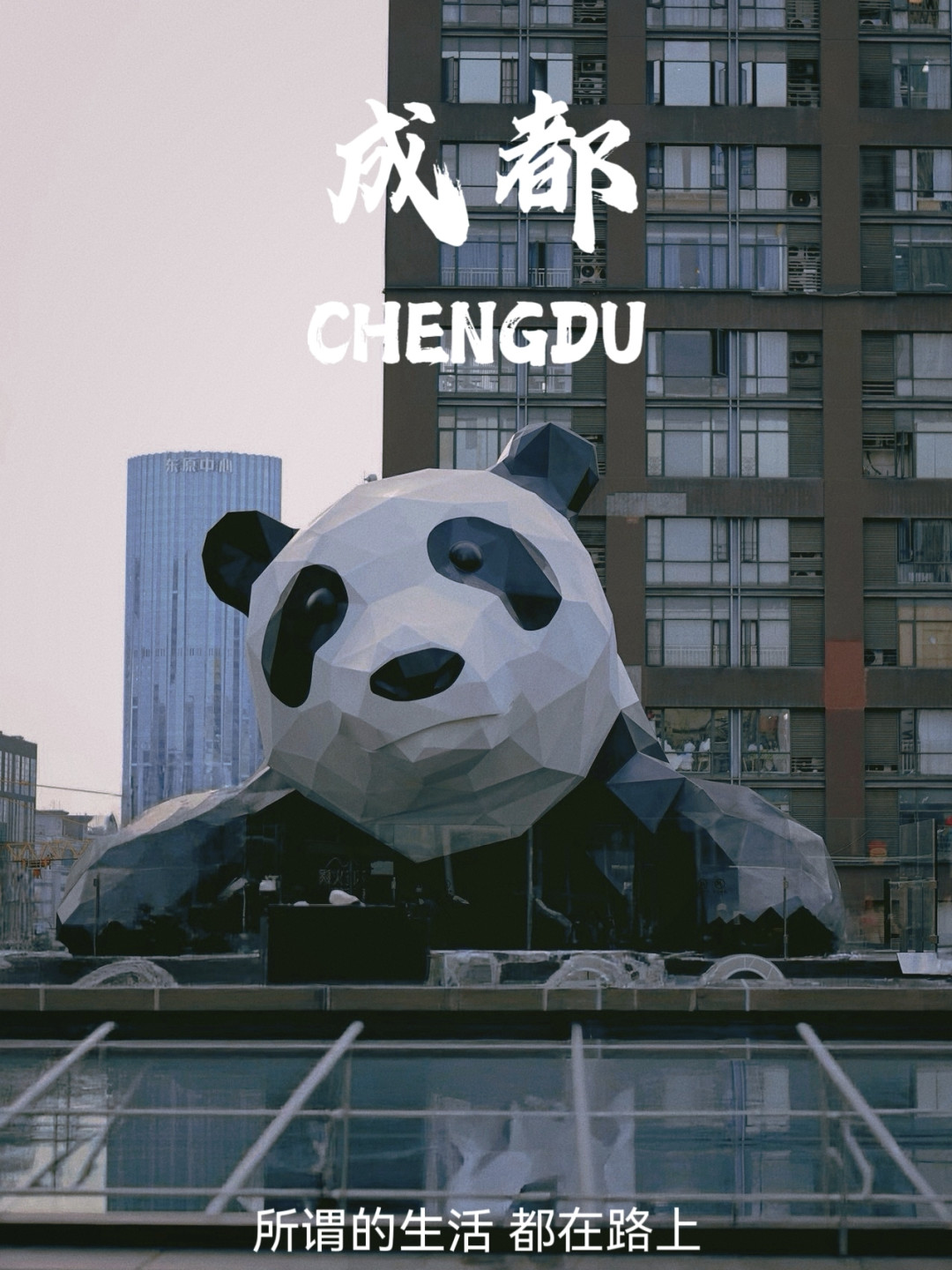
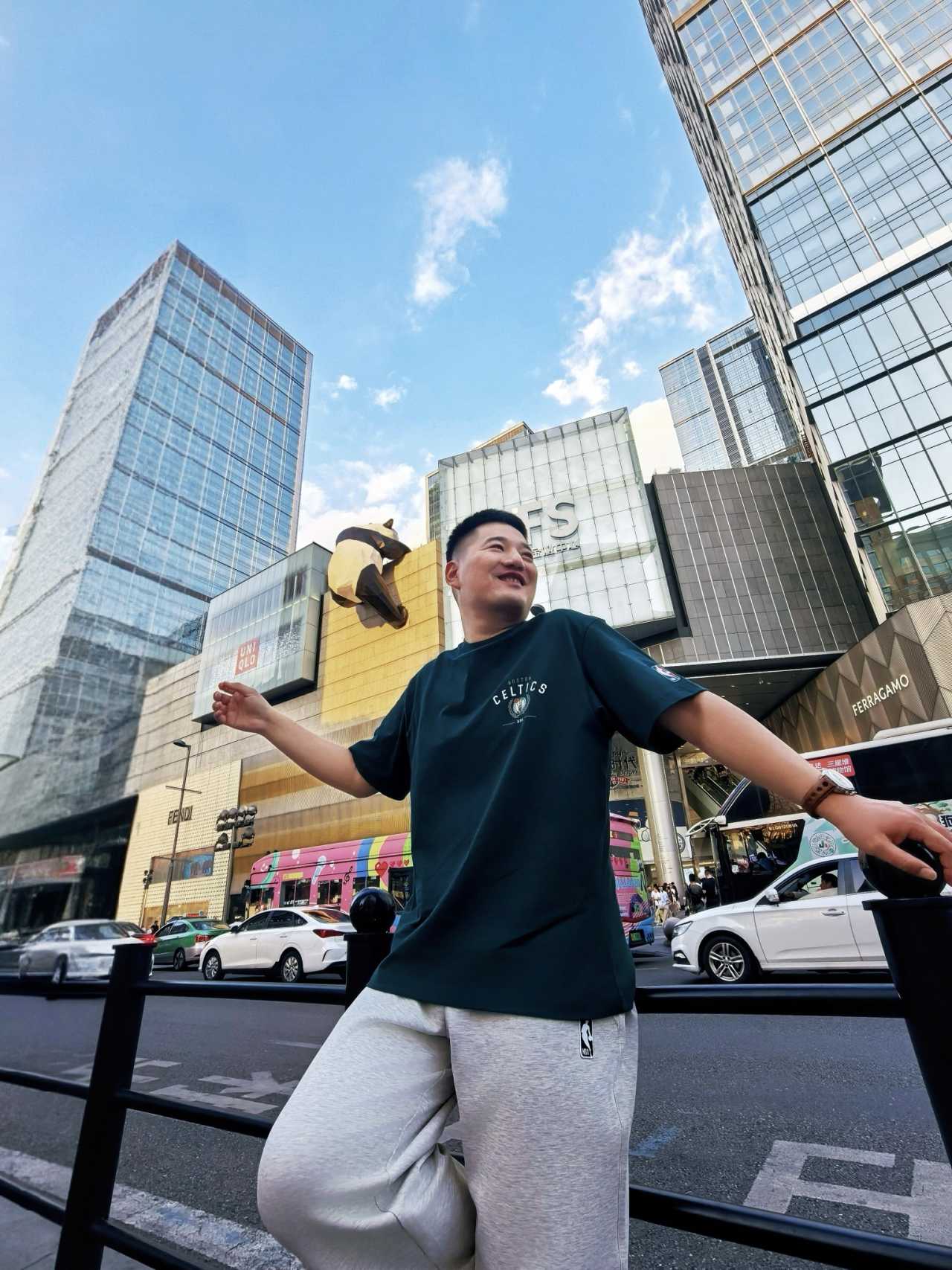
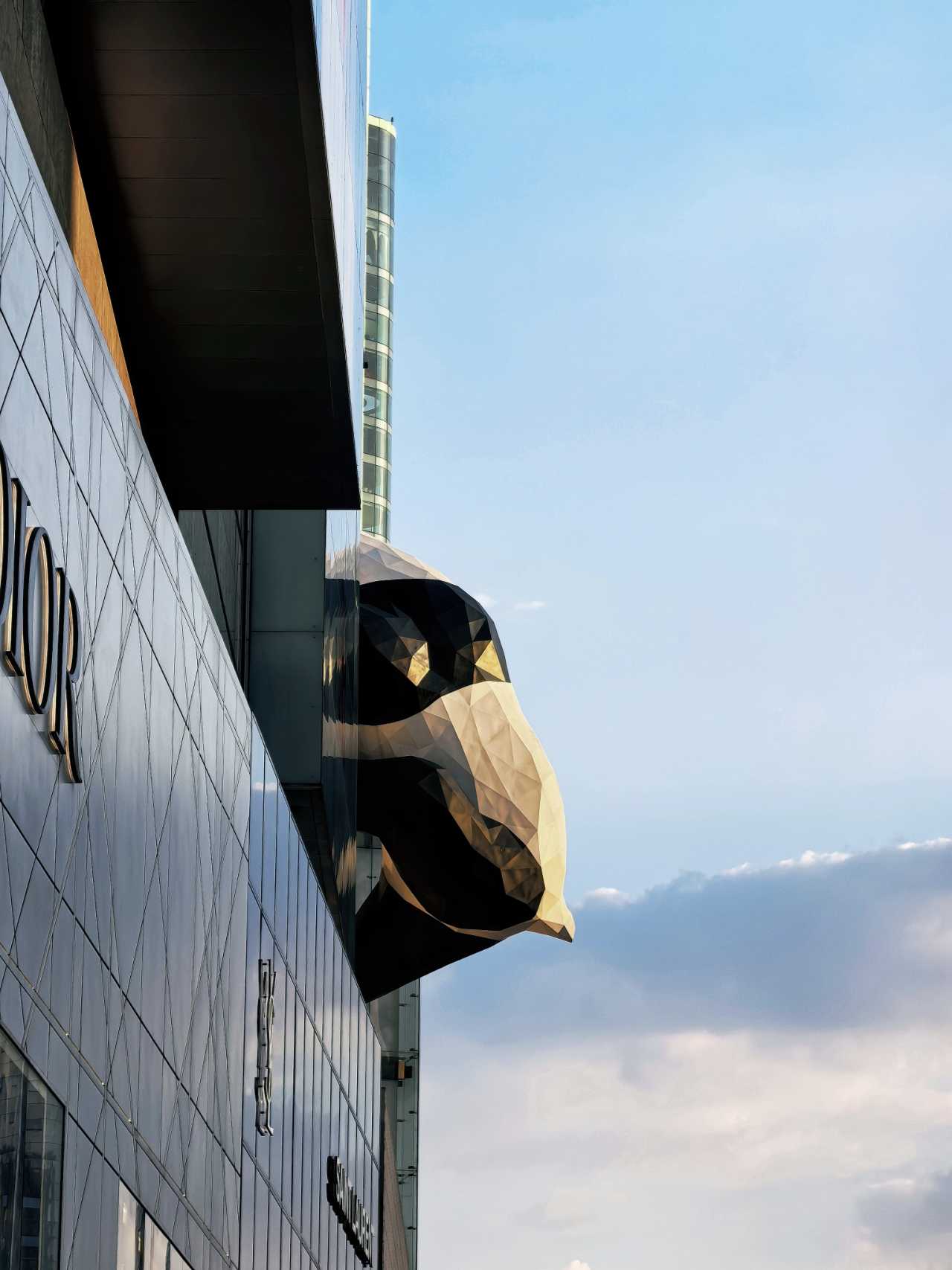
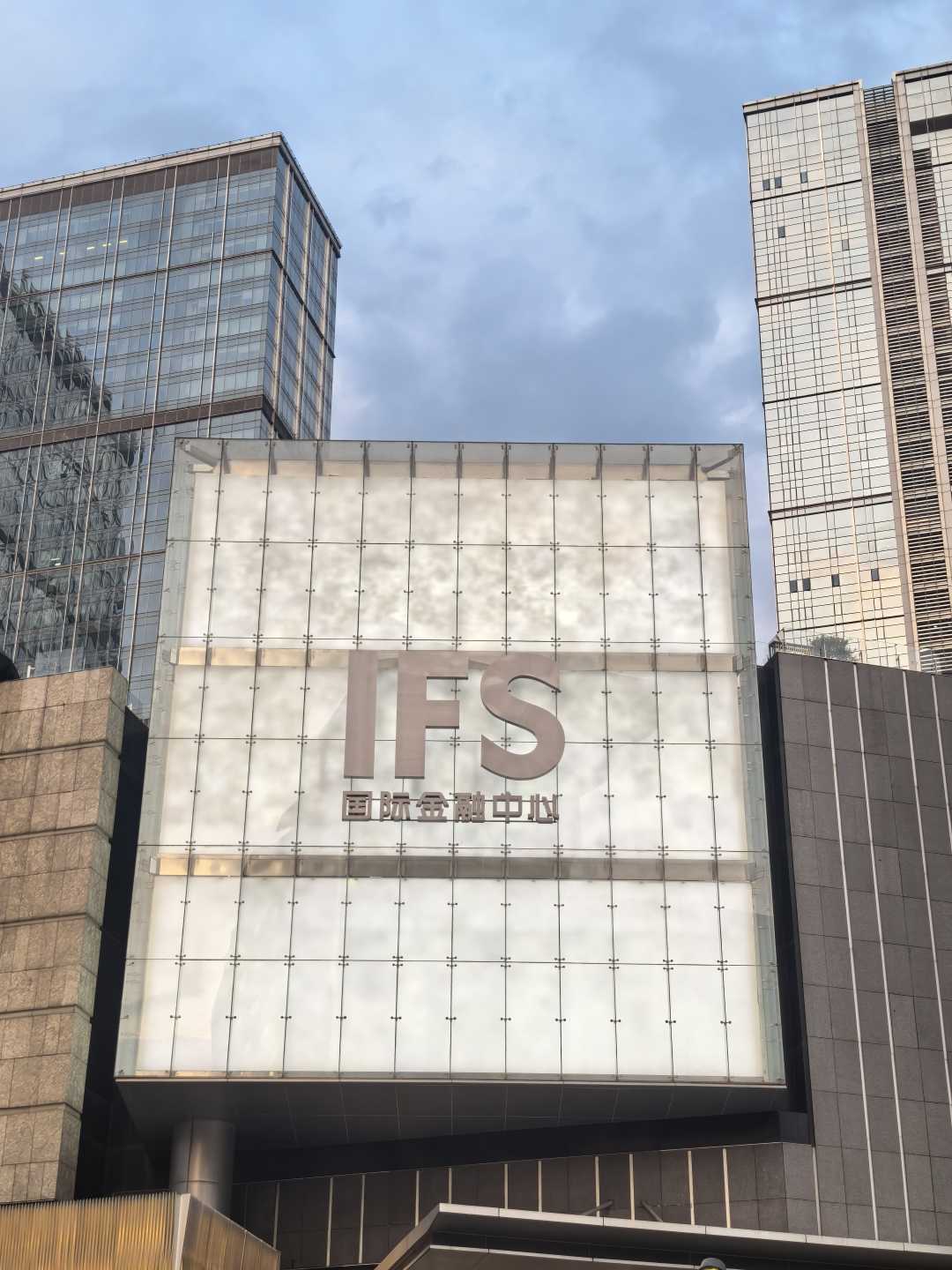
On your first day in Chengdu, start by feeling the pulse of the city's "heart." Chunxi Road, Chengdu's most iconic commercial street, still teems with crowds and vitality. But what truly makes people stop is the famous "climbing panda" at IFS International Finance Center—a giant panda sculpture lazily and playfully clinging to the skyscraper's exterior, as if to say, "Hey, don't rush off; take a look at me first."
Walking from Chunxi Road to Sino-Ocean Taikoo Li, you'll notice a stark contrast to traditional shopping streets. It preserves the green-tiled, sloping roofs and latticework of Western Sichuan architecture while seamlessly integrating modern glass curtain walls—a blend of old and new that exudes a composed elegance. As night falls, Taikoo Li's naked-eye 3D screen puts on a visual spectacle. Giant pandas, dragons, and spaceships seem to leap out from the screen, prompting passersby to whip out their phones. [Link: Top Instagram spots in Chengdu]
Fangsuo Commune: A Sanctuary for the Soul
Deep within Taikoo Li lies a bookstore called Fangsuo Commune. It's no ordinary bookstore—it's a cultural space that combines books, creative goods, coffee, and exhibitions. Stepping inside, you're struck by its unique design: towering bookshelves stretch like a labyrinth, soft, warm lighting envelops you, and the air is filled with the scent of paper and coffee. Here, you can pick up a book, order a latte, and find a pocket of tranquility amidst the city's hustle. [Link: Chengdu's best bookstores and cafes]
Nine-Eye Bridge (Jiuyanqiao): The Prelude to Nightlife
If you want to experience Chengdu's nightlife, Nine-Eye Bridge is a must-visit. As the lights come on, the Funan River beneath the bridge reflects the neon glow from both banks, and the bar street comes alive. Each bar has its own character—some play folk music, others rock or jazz. Pick one you like, order a drink, listen to a song, and watch the lights and water ripples intertwine, feeling the gentle yet wild side of Chengdu's night. [Link: Best bars in Chengdu]
Day 2: Old Chengdu's Leisurely Pace – From Kuanzhai Alley to People's Park
Kuanzhai Alley: Morning Serenity and Afternoon Hustle
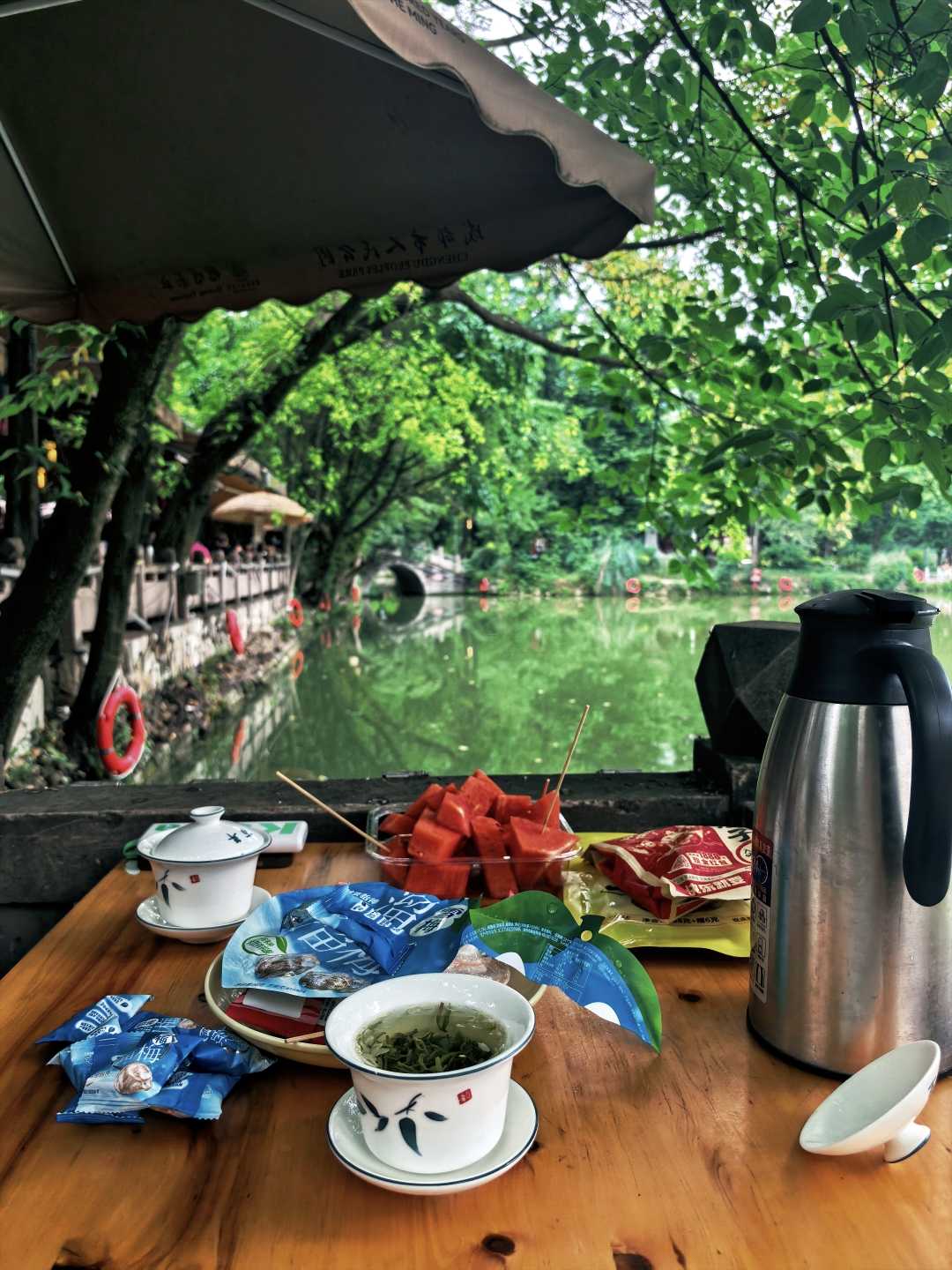
Day two begins at Kuanzhai Alley. But here's a tip: go in the morning. Before the shops open and the crowds pour in, Kuanzhai Alley reveals a rare tranquility. The gray stone slabs are gilded by morning light, the doors of old-style courtyard houses are tightly shut, and occasionally an elderly early riser sits on the doorstep basking in the sun. Everything is peaceful.
Kuanzhai Alley consists of three parallel old streets—Kuan Alley (Wide Alley), Zhai Alley (Narrow Alley), and Jing Alley (Well Alley)—along with their surrounding courtyard complexes. Kuan Alley embodies the "leisurely life" of old Chengdu, Zhai Alley showcases the "slow life," and Jing Alley represents the "new life" of Chengdu. Here, you can witness the everyday scenes of old Chengdu while also feeling the vitality of modern commerce. [Link: Kuanzhai Alley vs Jinli – which is better?]
Kuixinglou Street: A Food Pilgrimage Site
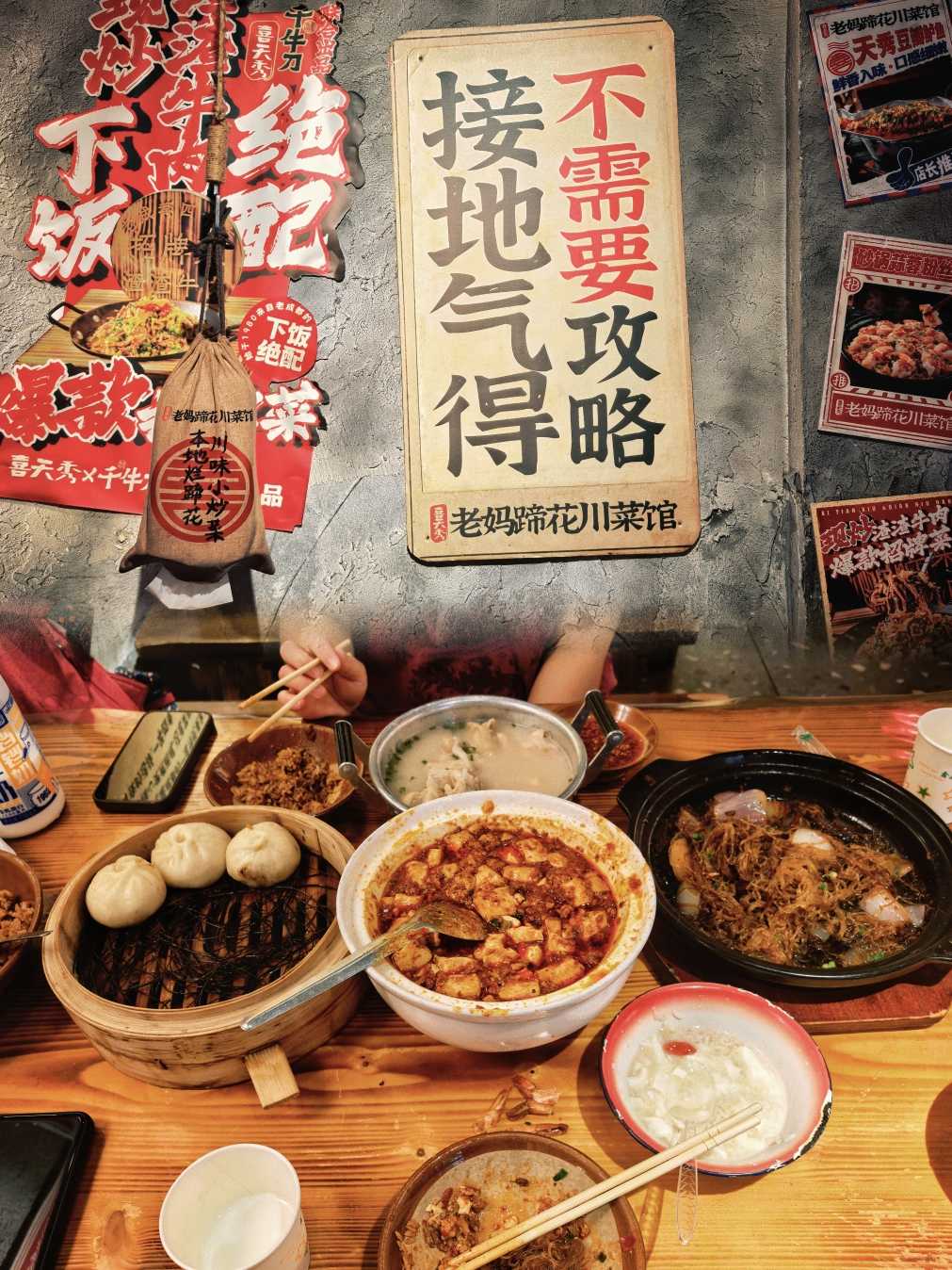
A few minutes' walk from Kuanzhai Alley brings you to Kuixinglou Street. This is a food hub recognized by locals, less commercialized than Kuanzhai Alley but packed with the most authentic Chengdu flavors. From 冒菜 (maocai, a spicy mixed vegetable and meat dish), 串串 (chuanchuan, skewers), and hotpot to 冰粉 (bingfen, ice jelly), 豆花 (douhua, tofu pudding), and 蛋烘糕 (danhonggao, egg puff cakes), everything is available. Try the cold-pot skewers at "Maojiao Huola" or the Sichuan cuisine at "Taolin Restaurant"—every bite will make you appreciate Chengdu people's ultimate pursuit of food. [Link: Chengdu street food guide]
People's Park: A Microcosm of Chengdu's Slow Life
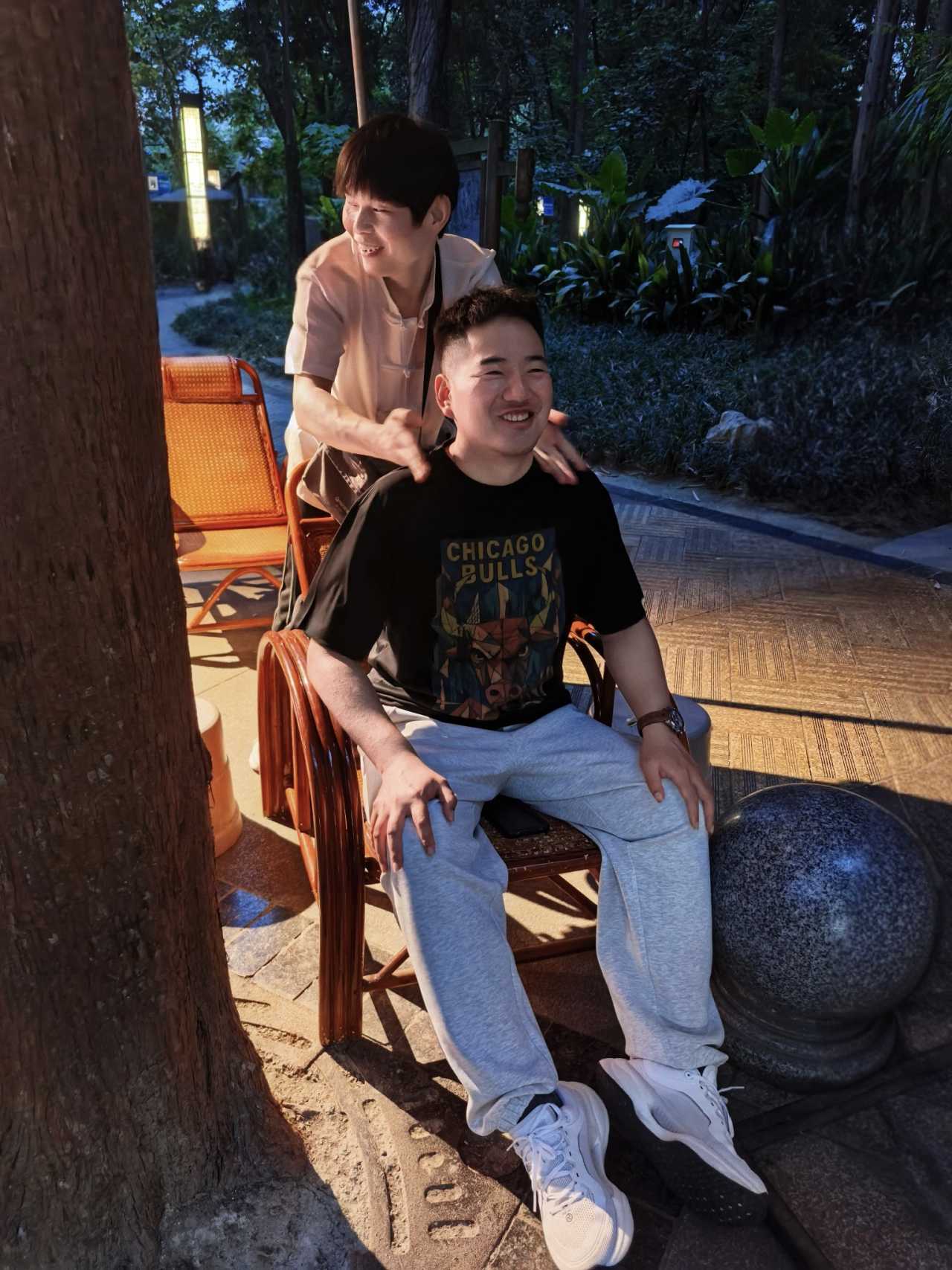
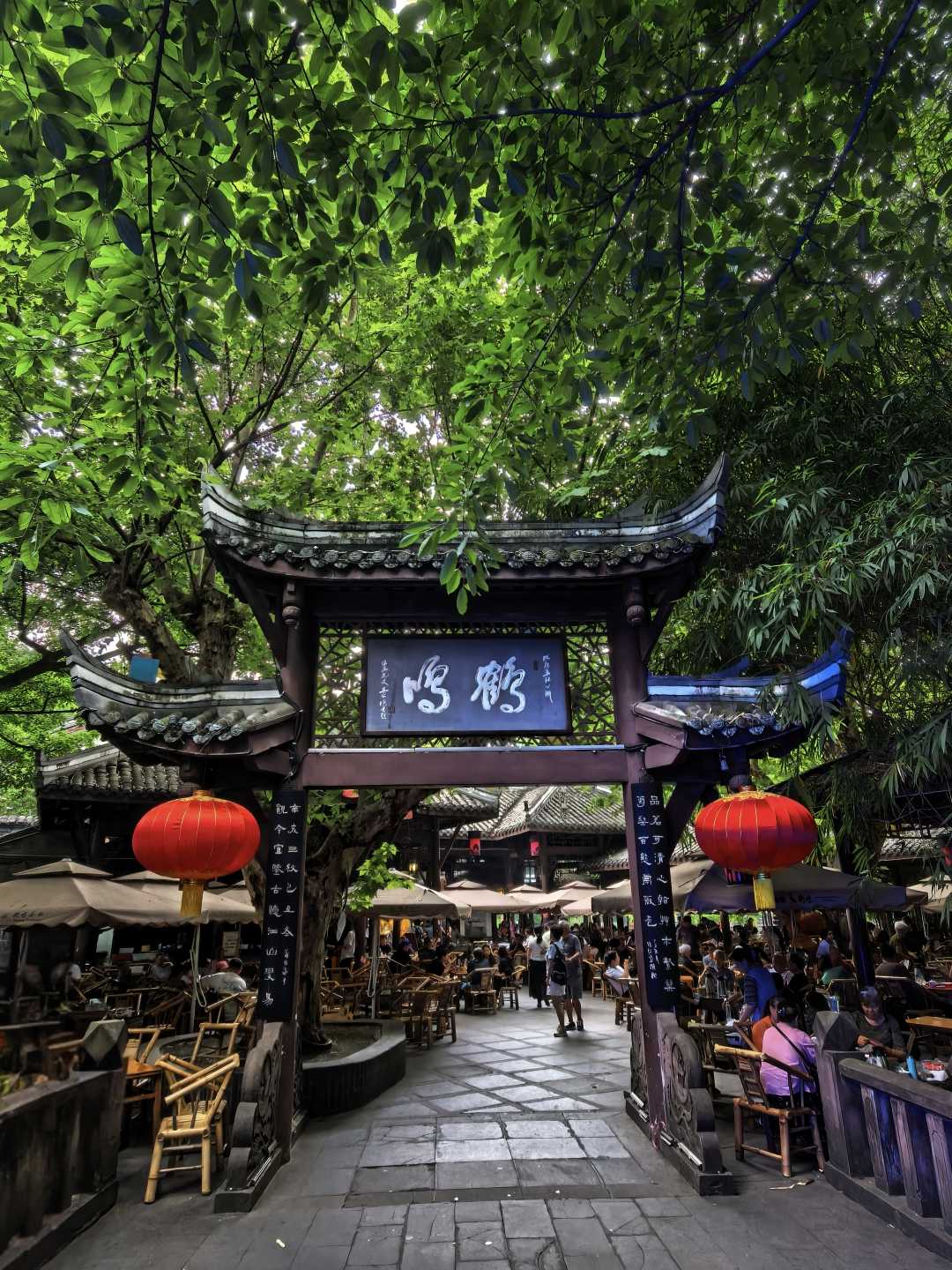
In the afternoon, you must visit People's Park. This is the epitome of Chengdu's "slow life" and the best place to experience old Chengdu's daily routines. Enter the park, and you'll see a lively scene: people practicing tai chi, dancing in square dances, walking their birds, and most notably, Heming Teahouse (Crane's Call Teahouse).
Heming Teahouse is one of Chengdu's most famous old teahouses, with a century of history. Grab a bamboo chair, order a covered-bowl tea, and ask for a plate of sunflower seeds—you can while away an entire afternoon here. Sunlight filters through the sycamore leaves, casting dappled shadows. The fragrance of tea lingers, and the sound of locals chatting leisurely fills the air. At this moment, time itself seems to slow down. [Link: Best teahouses in Chengdu]
Shufeng Elegance (Shufeng Yayun): The Splendor of Sichuan Opera

As evening approaches, head to Shufeng Yayun Theater to watch an authentic Sichuan opera performance. Face-changing (变脸, bianlian), fire-spitting (吐火, tu huo), rolling lamps (滚灯, gun deng), puppet shows—these traditional arts take turns on stage, dazzling the audience. Face-changing is especially thrilling: with a turn and a wave of the hand, the actor's mask changes instantly, drawing gasps from the crowd. For a deeper experience, you can go backstage before the show to watch the actors apply makeup or even learn a few face-changing tricks yourself. [Link: Best Sichuan opera shows in Chengdu]
Day 3: Pandas, Three Kingdoms, and Jinli – Chengdu's Cultural Icons
Giant Panda Breeding Research Base: Up Close with the "National Treasure"
On day three, get up early to see the giant pandas. Remember: go early! Pandas tend to sleep in the afternoon, so morning is when they're most active. The Giant Panda Breeding Research Base is located in the northern suburbs of Chengdu, about a 30-minute drive from the city center. The base simulates the pandas' natural habitat, where you can see them napping in trees, rolling on the ground, or munching on bamboo in the groves.
The most popular panda is "Hua Hua," a gentle, adorable-looking giant panda often surrounded by crowds of visitors. If you want good photos, head straight to her enclosure when the park opens. Besides pandas, the base also houses red pandas, black-necked cranes, and other rare animals worth seeing. [Link: Giant panda base tips & tickets]
Wuhou Shrine: Memories of the Three Kingdoms
In the afternoon, visit Wuhou Shrine to immerse yourself in the rich history of the Three Kingdoms period. Wuhou Shrine is dedicated to Zhuge Liang and Liu Bei and is the only temple in China where a ruler and his minister are worshipped together. Inside, you'll see red walls, green tiles, ancient cypress trees, and numerous stone inscriptions. The most striking feature is the long "Red Wall with Bamboo Shadows" corridor—the red walls contrast beautifully with the green bamboo, and sunlight filtering through the leaves creates dappled shadows, making for stunning photos. [Link: Three Kingdoms history in Chengdu]
Jinli: The Warmth of Nightfall
From Wuhou Shrine, a few minutes' walk brings you to Jinli. During the day, Jinli can be noisy, but at night, it's at its most beautiful. Lanterns light up, casting a warm red glow on the gray stone slabs. Stalls selling snacks, handicraft shops, teahouses, and bars line the streets in a bustling display. Try local treats like 三大炮 (sandapao, glutinous rice balls with soybean flour) and 担担面 (dandan noodles). [Link: Jinli night market guide]
FAQ: Your Chengdu Travel Questions Answered
Q1: What is the best time to visit Chengdu for authentic daily life experiences? A: Spring (March–May) and autumn (September–November) offer mild weather, perfect for walking through alleys and outdoor teahouses. Avoid summer heat and winter chill for the most comfortable slow-life immersion.
Q2: How do I get to the Giant Panda Breeding Research Base from the city center? A: Take Metro Line 3 to Panda Avenue Station, then a short taxi or bus ride. Alternatively, book a direct tour bus from Chunxi Road or Taikoo Li. Morning departure (before 8 AM) is recommended to see active pandas.
Q3: Is Kuanzhai Alley free to enter? Are there any hidden costs? A: Yes, Kuanzhai Alley itself is free to stroll. However, some courtyard museums and performances charge entry fees (around 30–60 RMB). Food and souvenirs are extra but reasonably priced.
Q4: Can I watch Sichuan opera without understanding Chinese? A: Absolutely! Face-changing, fire-spitting, and puppet shows are visual spectacles that transcend language. Many theaters provide English program notes or subtitles. Shufeng Yayun is especially tourist-friendly.
Q5: What local dishes should I absolutely try in Chengdu? A: Must-tries include hotpot (火窝), mapo tofu (麻婆豆腐), dandan noodles (担担面), chuanchuan (串串), bingfen (冰粉), and egg puff cakes (蛋烘糕). For authenticity, head to Kuixinglou Street or local food markets.
Conclusion: Your Chengdu Slow-Life Journey Awaits
Chengdu's "alleyways of smoke and fire" are not just tourist attractions—they are living, breathing expressions of a city that has mastered the art of slowing down. From the morning serenity of Kuanzhai Alley to the neon buzz of Nine-Eye Bridge, from the playful pandas at the breeding base to the ancient echoes of Wuhou Shrine, every moment in Chengdu invites you to savor, reflect, and connect.
Ready to unlock Chengdu's most authentic daily life? Start planning your 6-day itinerary today. Book your flights, reserve your teahouse seat, and prepare your taste buds for an unforgettable journey. [Link: Book Chengdu tours & activities]
Share your Chengdu story – Tag us on social media with #ChengduSlowLife and inspire others to discover the city's soul. Your adventure in the land of smoke, fire, and pandas begins now.
You may also like


