Aba Prefecture Winter Travel Guide: A 7-Day Journey Through Sichuan's Celestial Wonderland
Meta Description: Discover Aba Prefecture in winter with our 7-day loop guide. From Jiuzhaigou's turquoise pools to Dagu Glacier's 4,860m peak, experience Western Sichuan's snow-covered paradise. Includes tips, altitude advice, and budget-friendly ticket deals.
Introduction: Why Winter is the Best Time to Visit Aba Prefecture
The Western Sichuan Plateau has a way of calling you back. Ever since I first traveled the 318 Sichuan-Tibet Highway in 2021, witnessing snow-capped mountains, alpine meadows, and crystal-clear rivers rushing toward me, I knew—this is the closest point on earth to heaven. But it wasn't until this winter that I finally answered that call, embarking on a seven-day loop through Aba Prefecture that would redefine my understanding of winter beauty.
From the frozen fairyland of Jiuzhaigou (Nine-Village Valley) to the altitude challenge at Dagu Glacier, the ancient mysteries of Sanxingdui, and the food paradise of Leshan—every step landed me in a landscape, every bite etched itself into memory. If you're planning a winter trip to Sichuan, this Aba Prefecture travel guide will show you exactly what to expect, how to save money, and which spots are worth your time.
Day 1: Huanglong Winter Hike – A "Been There, Done That" Experience
Why Huanglong in Winter is a Mixed Bag
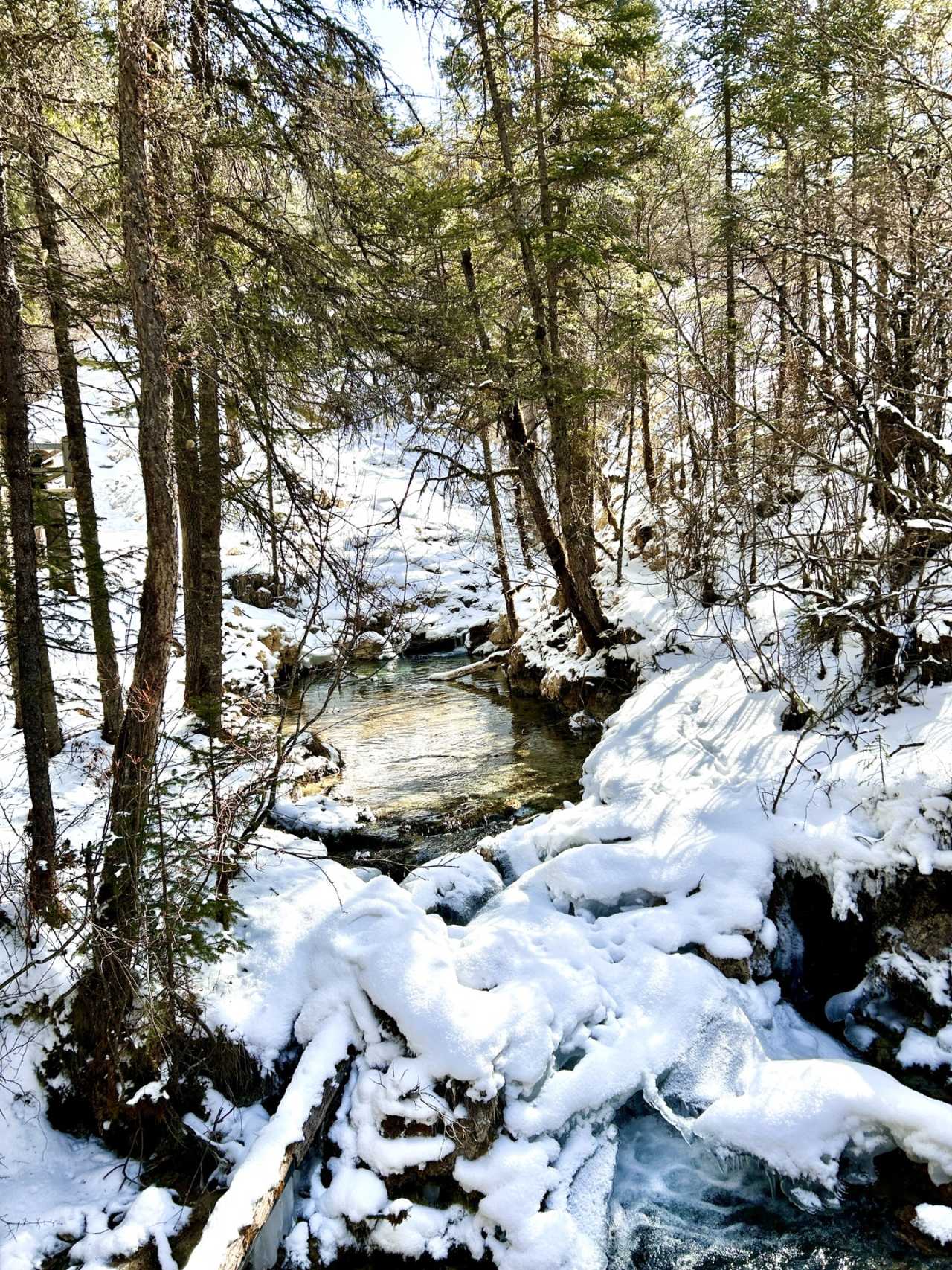
Let's be honest: Huanglong in winter isn't for everyone. The cable car shuts down for the season, meaning you'll need to hike up to the famous Five-Color Ponds at 3,900 meters elevation—roughly three hours round trip. Most of the colorful pools and waterfalls are frozen solid, making the scenery far less impressive than its autumn glory.
But here's the thing: Huanglong sits on the main route from Chengdu to Jiuzhaigou (a 7-8 hour drive). Since you're passing through anyway, treat it as a rest stop and a quick check-in. After a traumatic "body in hell" experience at Daocheng Yading years ago, I took a very Zen approach this time—hike as far as you can, no pressure.
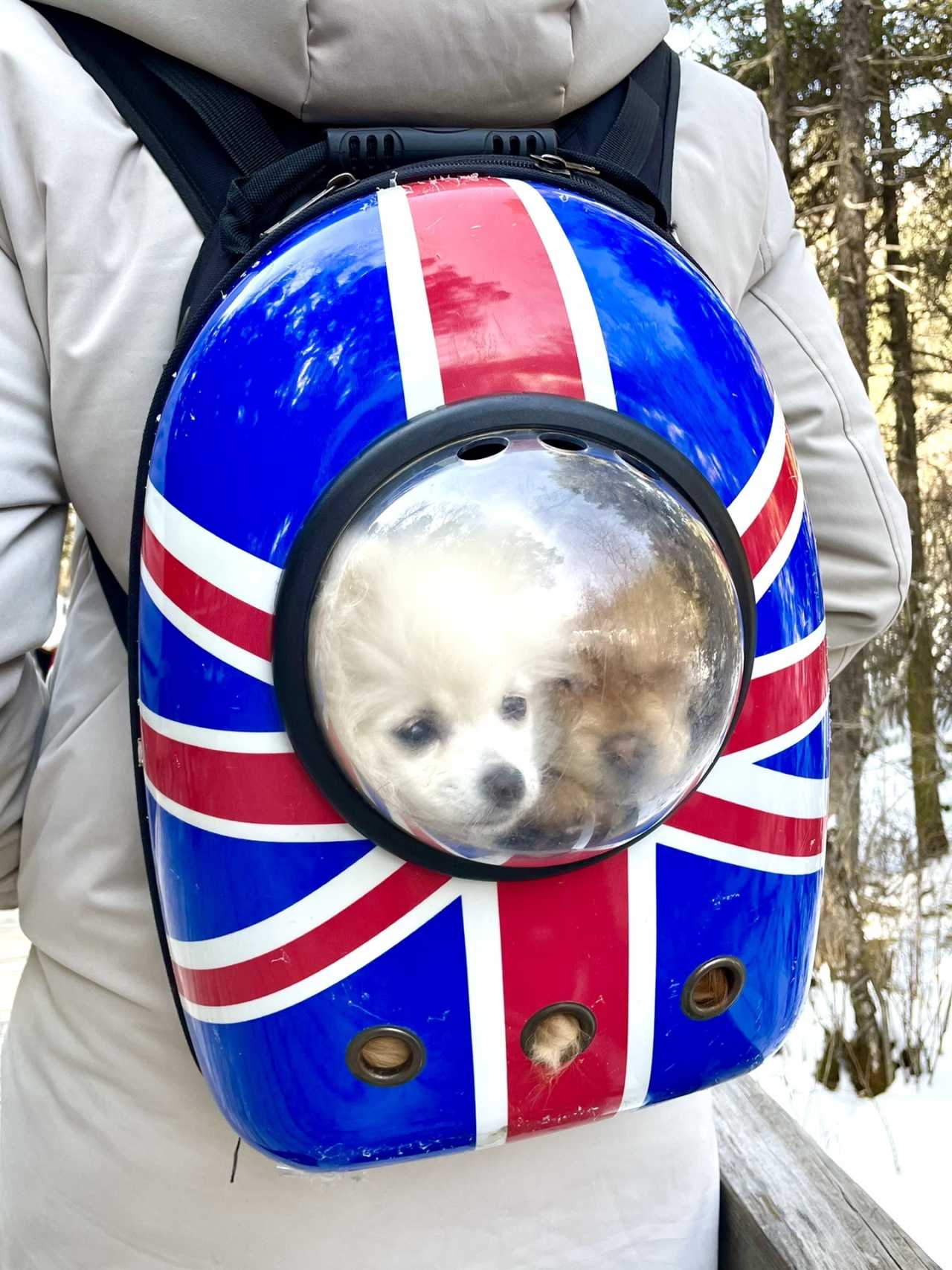
My result? I made it about a third of the way up, got completely winded, and decisively turned back. The memory of altitude sickness was too vivid. But on the way down, I spotted a young guy hiking up with two dogs strapped to his backpack. The dogs sat obediently, their eyes sparkling—instantly lifting my spirits.
Practical Tips for Huanglong in Winter
- Altitude warning: 3,900m is no joke. Bring oxygen canisters and take it slow.
- Footwear: Wear crampons or ice cleats—the path gets icy.
- Time budget: Plan for 2-3 hours max if you're not doing the full hike.
- Accommodation warning: We stayed at a guesthouse near Jiuzhaigou with no hot water or heating in sub-zero temperatures. The owner blamed frozen pipes. Book a reputable hotel in advance—read recent reviews for winter heating issues.
[Link: Best hotels near Jiuzhaigou for winter travel]
Day 2: Jiuzhaigou in Winter – A Jade Pool Paradise
Why Jiuzhaigou is Worth the Hype
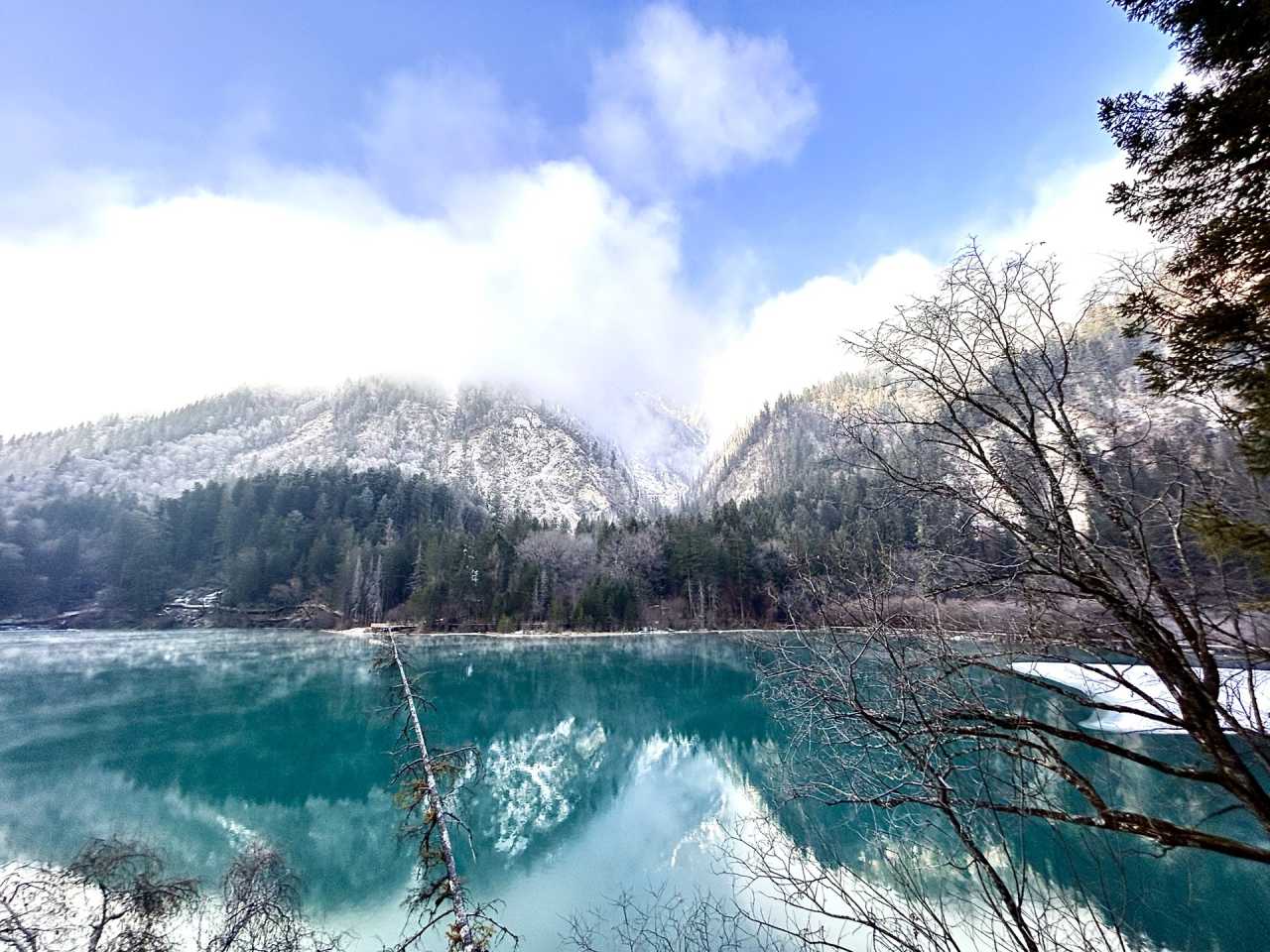
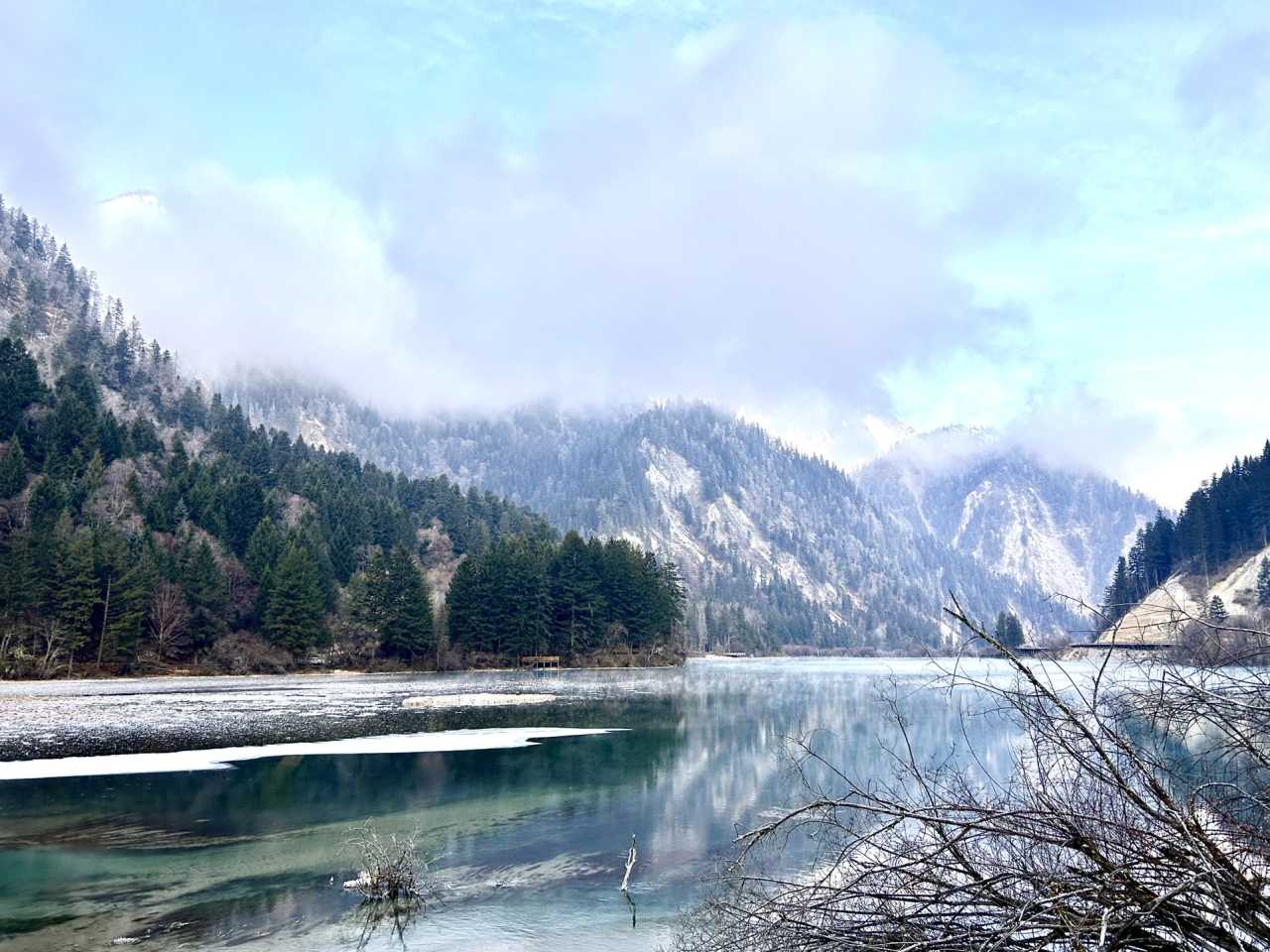
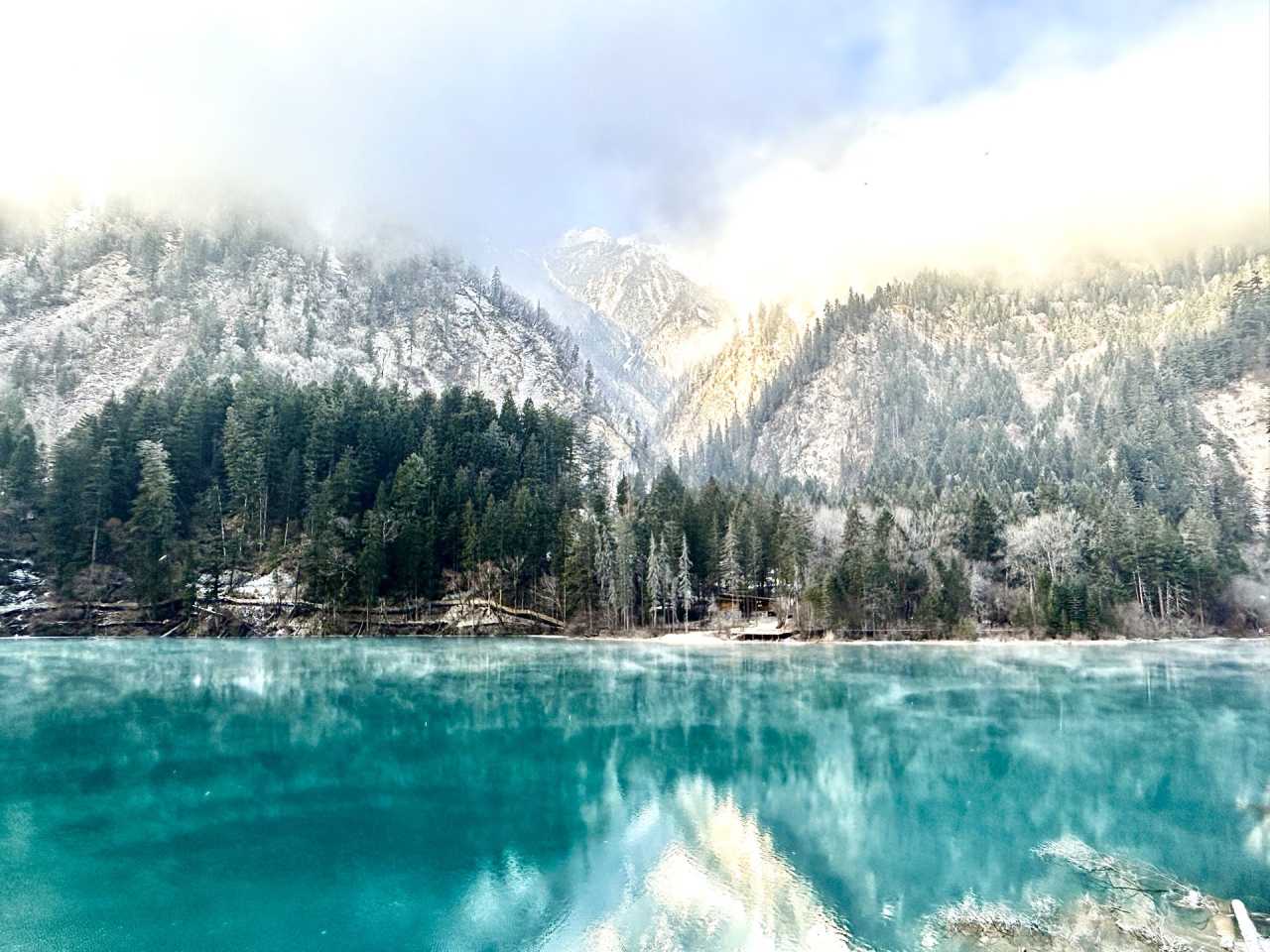
I'd dreamed of Jiuzhaigou in autumn for years—the layers of colorful foliage, the golden reflections. But stumbling into it in winter? It was breathtaking to the point of speechlessness.
The park's management is textbook-perfect. Sightseeing buses take you to every attraction, and each stop is worth getting off for. The elevation sits at only 2,000 meters, so altitude sickness is not a concern. Plus, from November 1, 2022, to March 31, 2023, Aba Prefecture offered a buy-one-get-one-free deal for AAAA-level scenic spots like Jiuzhaigou, Huanglong, and Dagu Glacier. Just remember: sightseeing buses and cable cars still charge regular fees.
Important: When entering Jiuzhaigou, the person whose name is on the ticket must scan in first before the free companion ticket can pass through the gate.
The Y-Shaped Route: How to See Everything
Jiuzhaigou's attractions are laid out in a Y-shape. Don't stress about routes—just hop on a sightseeing bus to the end of the line and work your way back stop by stop. Around midday, transfer at Nuorilang Center and take another line's bus to the terminal at Long Lake.
Must-See Stops:
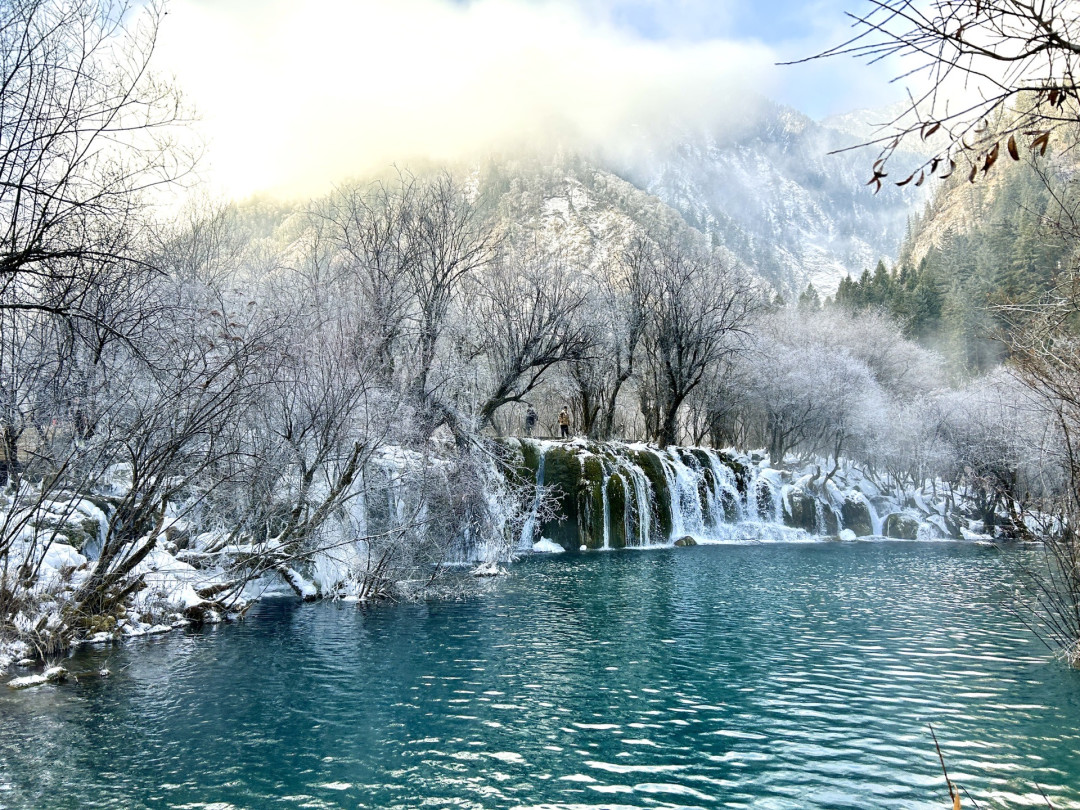
Arrow Bamboo Lake Waterfall: The distant mountains draped in a golden veil, turquoise lake surface rippling, mist from the frozen waterfall adding a dreamlike filter. If future wuxia fantasy dramas need a location, they should film here directly—no green screen needed.
Five-Flower Lake: One of Jiuzhaigou's most famous spots. If you're taking photos, shoot in raw format—you'd be doing the scenery a disservice. This is also a filming location for the 1986 version of Journey to the West.
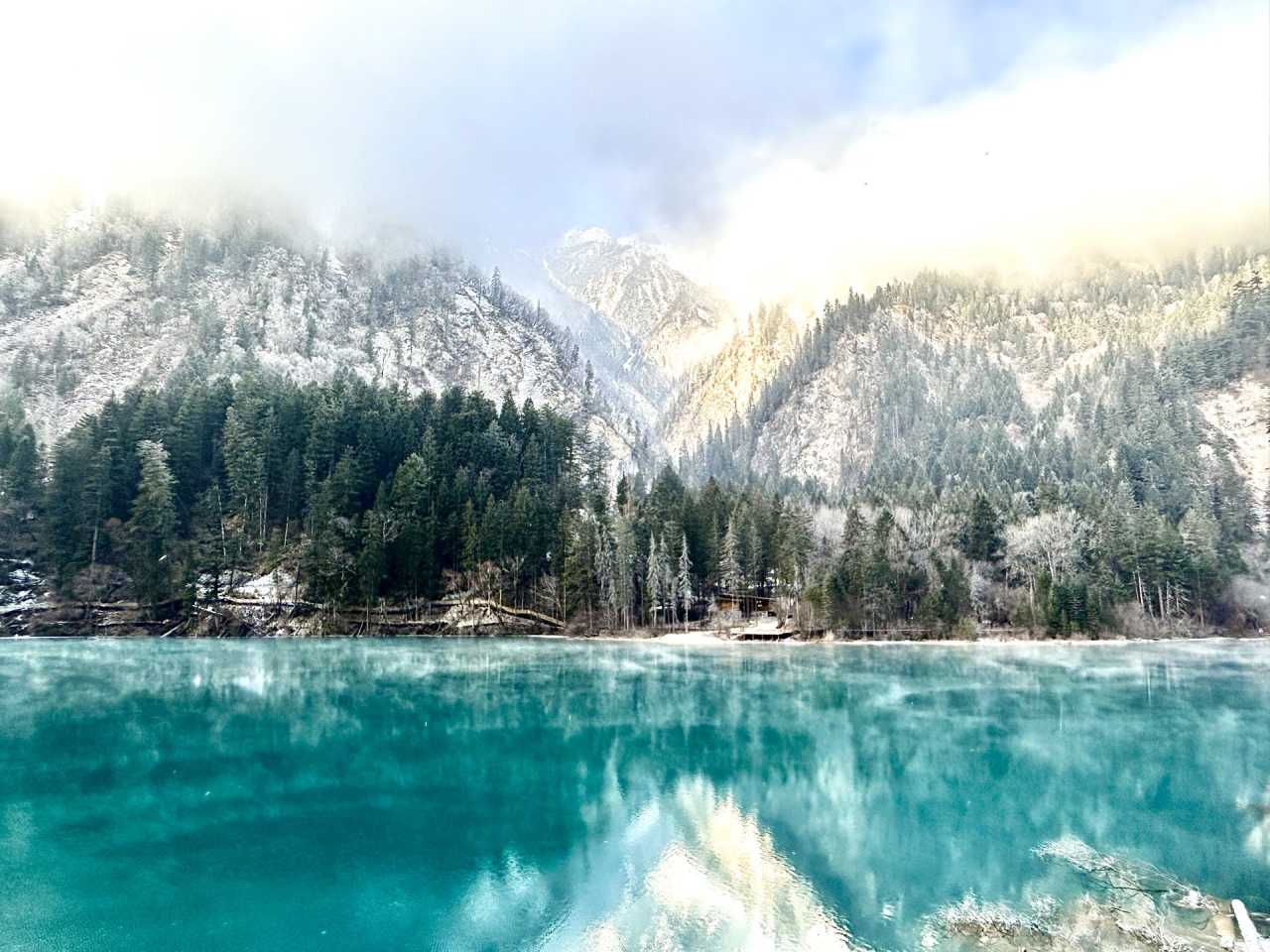
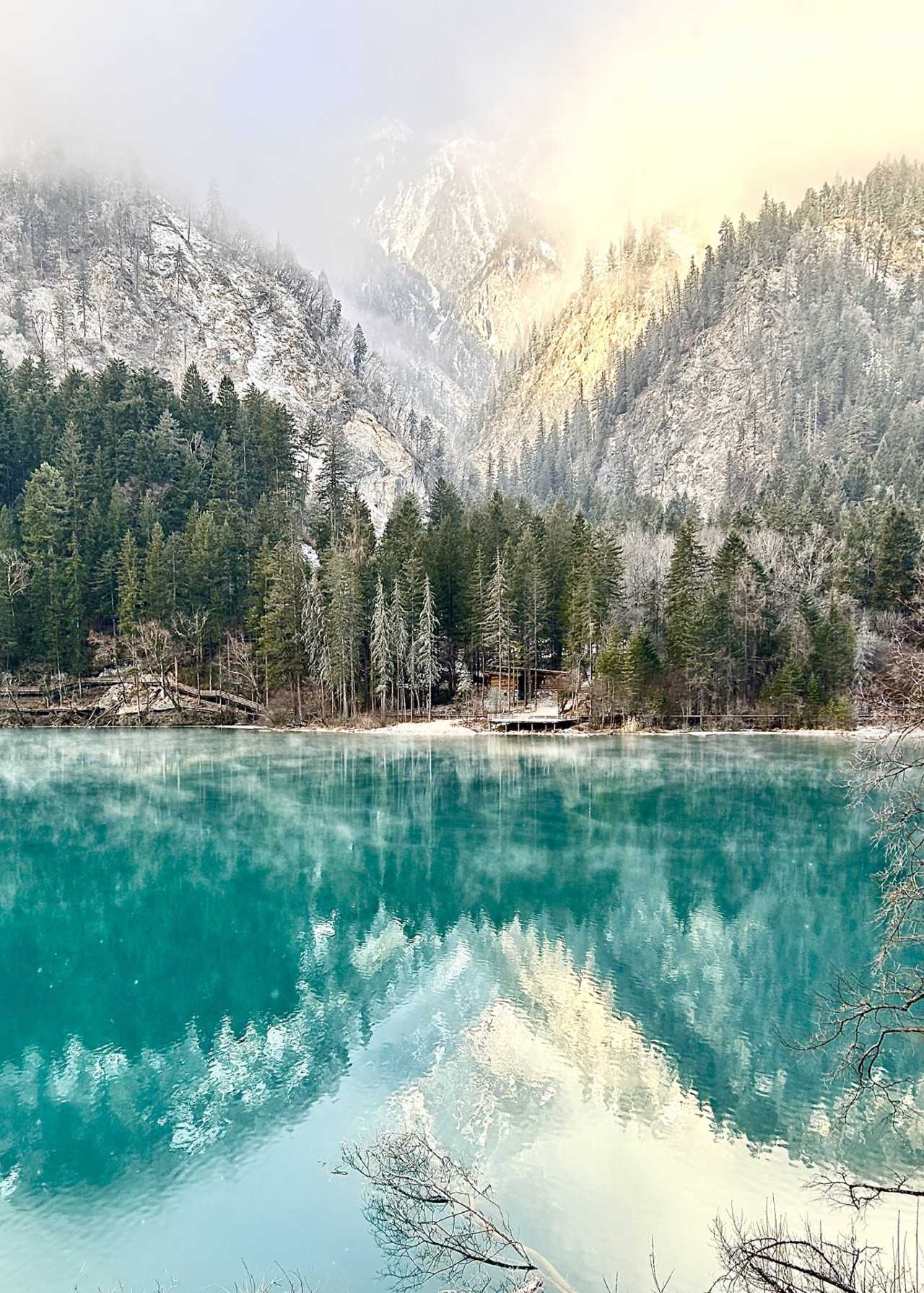
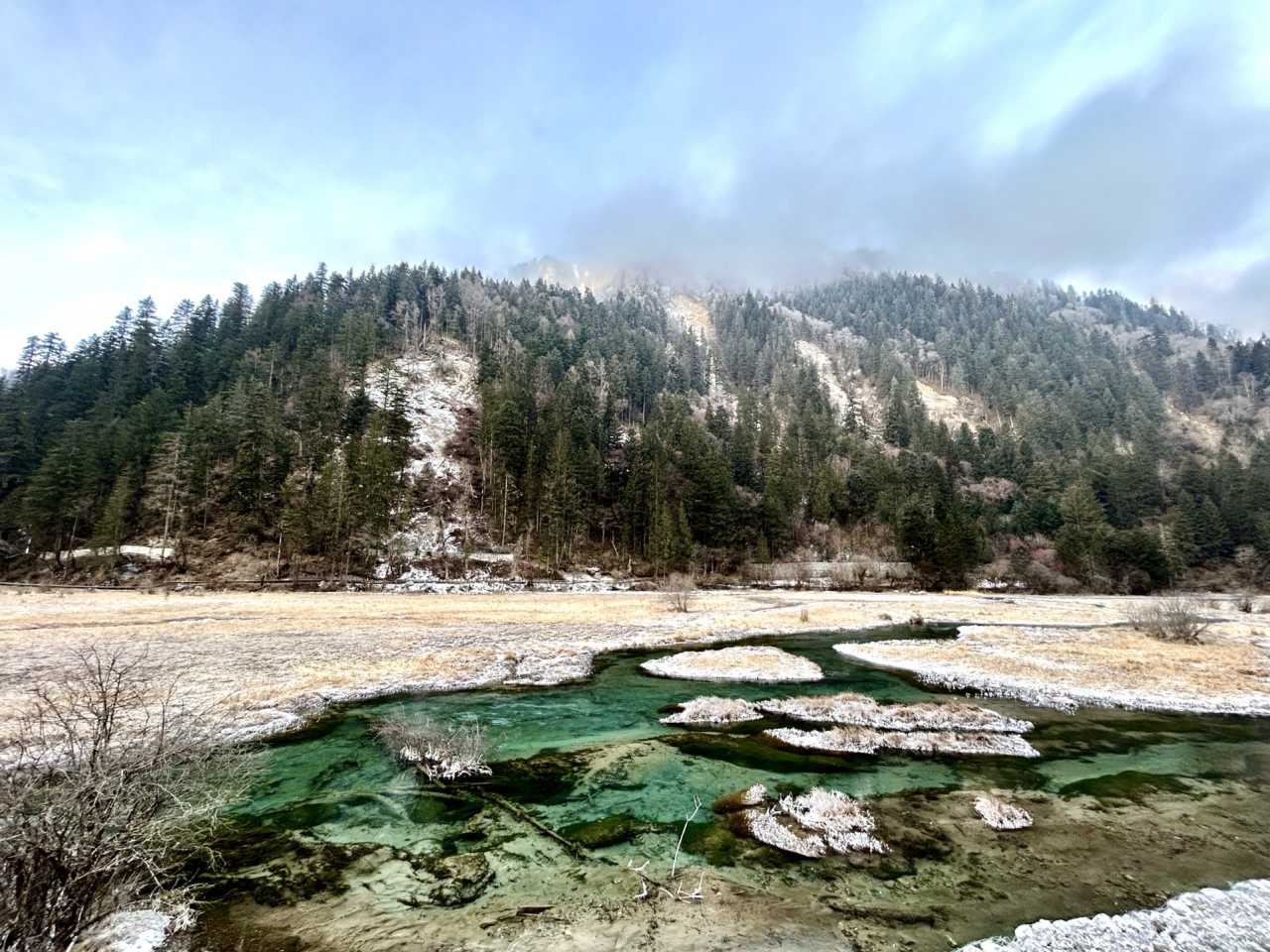
Five-Color Pond: Small but dazzlingly blue, like a sapphire that fell from the sky. The water is so clear it looks like Fanta soda—when the wind blows across the surface, it sends a chill straight through you.
Pearl Shoal Waterfall: After exploring, board a bus at Mirror Lake back to Nuorilang Center. The center has restaurants, but I found the grilled sausages at roadside stalls much more tempting.
Pro tip: The bus for the Long Lake line departs from a spot above Nuorilang Center—you have to climb a short flight of stairs to get there. In winter, Long Lake is frozen over and not much to see, so get off and walk directly to Five-Color Pond.
[Link: Jiuzhaigou photography tips for winter]
Day 3: Dagu Glacier – Conquering 4,860 Meters

The Altitude Sickness Experience You Can't Skip
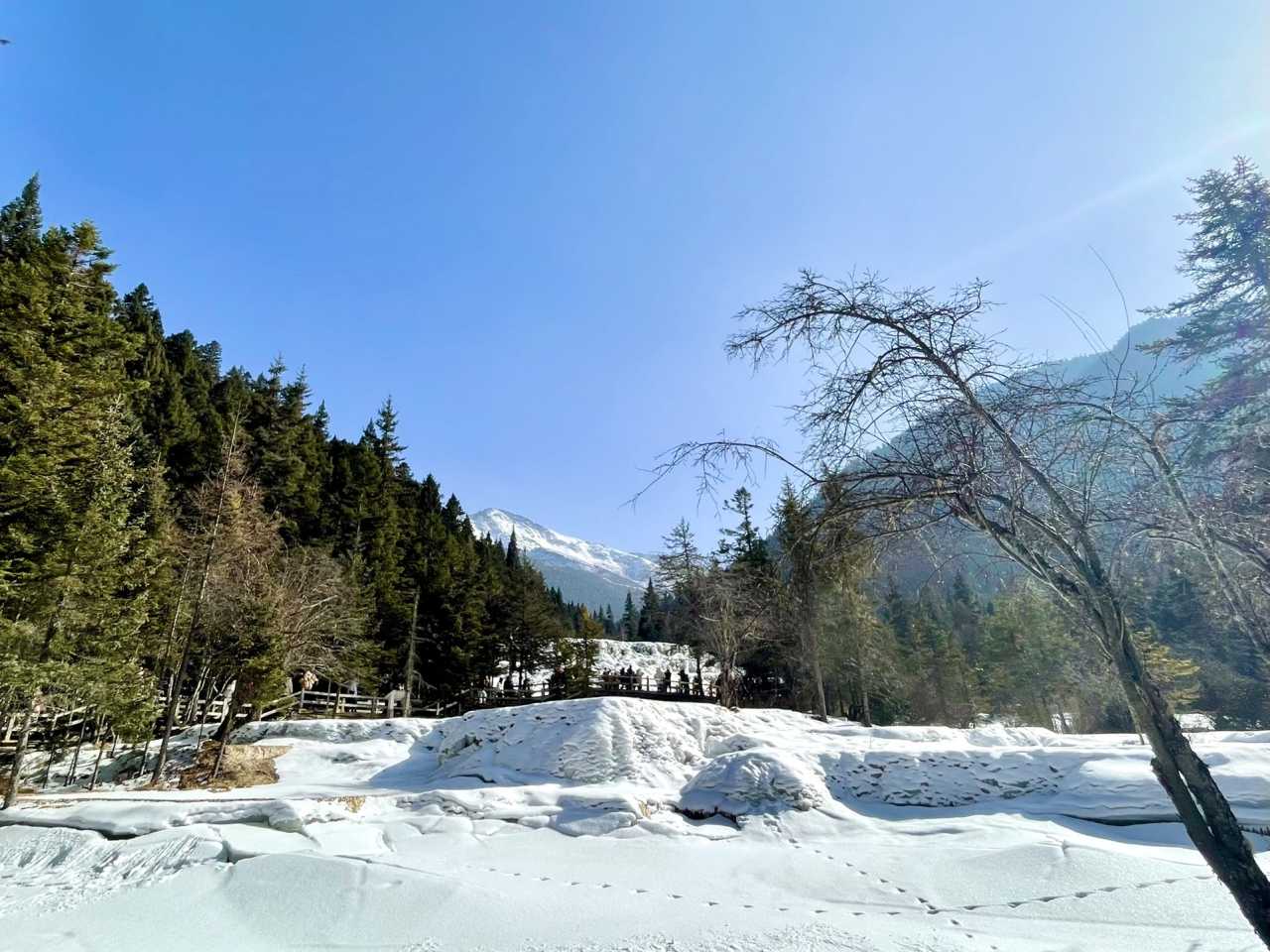
The management at Dagu Glacier and Jiuzhaigou is like night and day. Jiuzhaigou is heaven; Dagu Glacier... well, let's just say there's plenty of room for improvement.
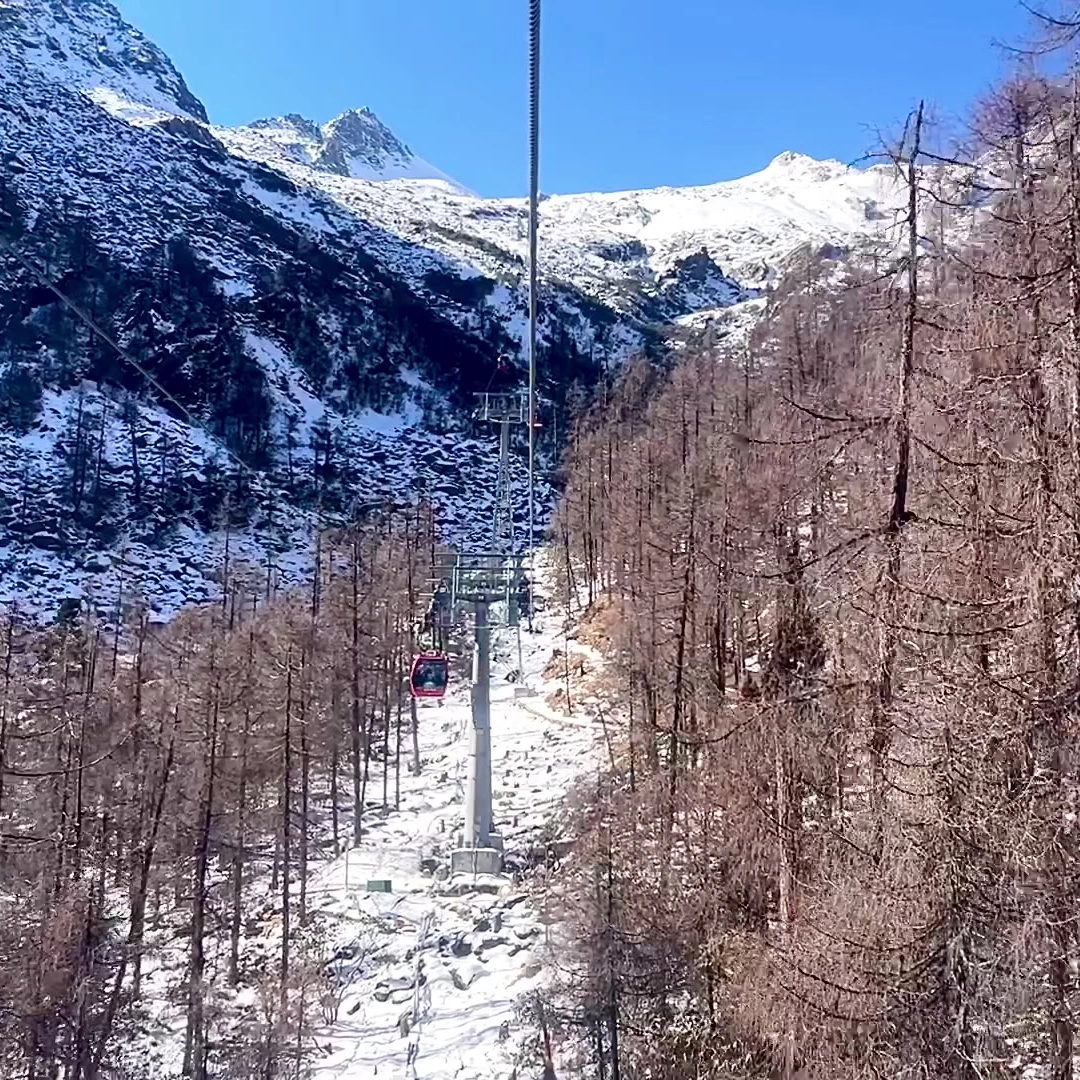
First, you take a 30-minute sightseeing bus. Then you reach the cable car station, where you queue in freezing snow until your feet go numb—about half an hour—then you get inside a building and keep queuing. The whole process was so cold it made you question your life choices.
Dagu Glacier sits at 4,860 meters above sea level. I thought I was invincible after surviving over 5,000 meters on the Sichuan-Tibet Highway in 2021 without altitude sickness. But the moment I stepped off the cable car, I was dizzy and disoriented.
How to Survive Dagu Glacier
- Acclimatize first: Spend at least one night at a lower elevation before attempting Dagu Glacier.
- Bring oxygen: Portable oxygen canisters are available at the base station. Buy them before you queue.
- Dress in layers: The temperature at 4,860m can drop to -20°C even during the day.
- Limit your time: The view from the top is spectacular, but don't stay more than 30-45 minutes if you feel unwell.
- Hydrate: Drink water consistently—altitude sickness is worsened by dehydration.
[Link: Altitude sickness prevention guide for Sichuan]
Days 4-7: Beyond Aba – Sanxingdui, Mount Emei, and Leshan
Sanxingdui: The Ancient Shu Civilization Shock
After the altitude challenges, Sanxingdui Museum offers a completely different kind of wonder. This archaeological site in Guanghan City (about 1.5 hours from Chengdu) contains artifacts from the ancient Shu civilization dating back 3,000-5,000 years. The bronze masks, gold foil, and ivory artifacts are so otherworldly that some conspiracy theorists believe they're evidence of alien contact.
Must-see: The Bronze Standing Figure, the Golden Sun Bird, and the massive bronze masks with protruding eyes.
Mount Emei: Buddhist Light and Mountain Scenery
Mount Emei is one of China's four sacred Buddhist mountains. In winter, the snow-covered temples and golden summit create a surreal atmosphere. The cable car runs year-round, but check weather conditions before heading up—fog can obscure the views.
Pro tip: The Golden Summit at 3,099m offers panoramic views of the surrounding peaks. If you're lucky, you might see the "Buddha's Light"—a rainbow-like halo around your shadow.
Leshan: The Food Feast
End your trip in Leshan, home to the world's largest stone Buddha statue (71 meters tall). But for many travelers, the real attraction is the food. Leshan is famous for its street food scene:
- Bobo Ji (skewered chicken in spicy broth)
- Leshan tofu pudding
- Sweet duck (a local specialty)
- Fried skewers at night markets
[Link: Leshan food guide – what to eat and where]
FAQ: Aba Prefecture Winter Travel
1. Is winter the best time to visit Jiuzhaigou?
Winter offers unique advantages: fewer crowds, stunning ice formations, and the buy-one-get-one-free ticket policy. However, autumn (October-November) is famous for colorful foliage. If you want to avoid crowds and save money, winter is excellent. If you're after peak scenery, come in autumn.
2. How do I get to Aba Prefecture from Chengdu?
The most common route is driving or taking a bus from Chengdu to Jiuzhaigou (7-8 hours). Alternatively, you can fly from Chengdu to Jiuzhaigou Huanglong Airport (about 1 hour), then take a bus to the park. For a loop trip, many travelers start in Chengdu, visit Sanxingdui, then head to Jiuzhaigou, Dagu Glacier, and finish in Leshan.
3. What should I pack for winter in Aba Prefecture?
- Thermal layers (base layer, fleece, down jacket)
- Waterproof boots with good grip (crampons recommended)
- Hat, gloves, and scarf (temperatures can drop to -20°C)
- Sunscreen and sunglasses (snow reflection is intense)
- Portable oxygen canisters (especially for Dagu Glacier)
- Hand warmers (disposable heat packs)
4. Are the buy-one-get-one-free deals still available?
The policy mentioned (November 1, 2022, to March 31, 2023) was a promotional period. Check the official Aba Prefecture tourism website or local travel agencies for current offers. Similar promotions often run during winter months.
5. Can I visit Dagu Glacier and Jiuzhaigou in the same trip?
Yes, but allow at least 2-3 days between them to acclimatize. Dagu Glacier's 4,860m elevation is significantly higher than Jiuzhaigou's 2,000m. Many travelers do Jiuzhaigou first, then Dagu Glacier, to minimize altitude shock.
Final Thoughts: Your Winter Journey Awaits
Aba Prefecture in winter is not just a trip—it's a pilgrimage into a celestial wonderland. From the turquoise pools of Jiuzhaigou that look like paintings come to life, to the frozen majesty of Dagu Glacier that tests your limits, every moment is a reminder of why Western Sichuan is considered the closest point on earth to heaven.
Ready to plan your winter escape? Start by booking your flights to Chengdu, securing your Jiuzhaigou tickets (check for current promotions), and packing those thermal layers. The mountains are calling—and this winter, you should answer.
[Link: Book your Aba Prefecture winter tour package] [Link: Compare flight prices to Chengdu] [Link: Download our free Sichuan winter packing checklist]
Note: This article is based on a personal travel experience from winter 2022-2023. Prices, policies, and operating hours may have changed. Always verify current information with official sources before traveling.
You may also like


