A Wanderer's Guide to Shanghai: Discovering Hidden Surprises Beneath the Plane Trees
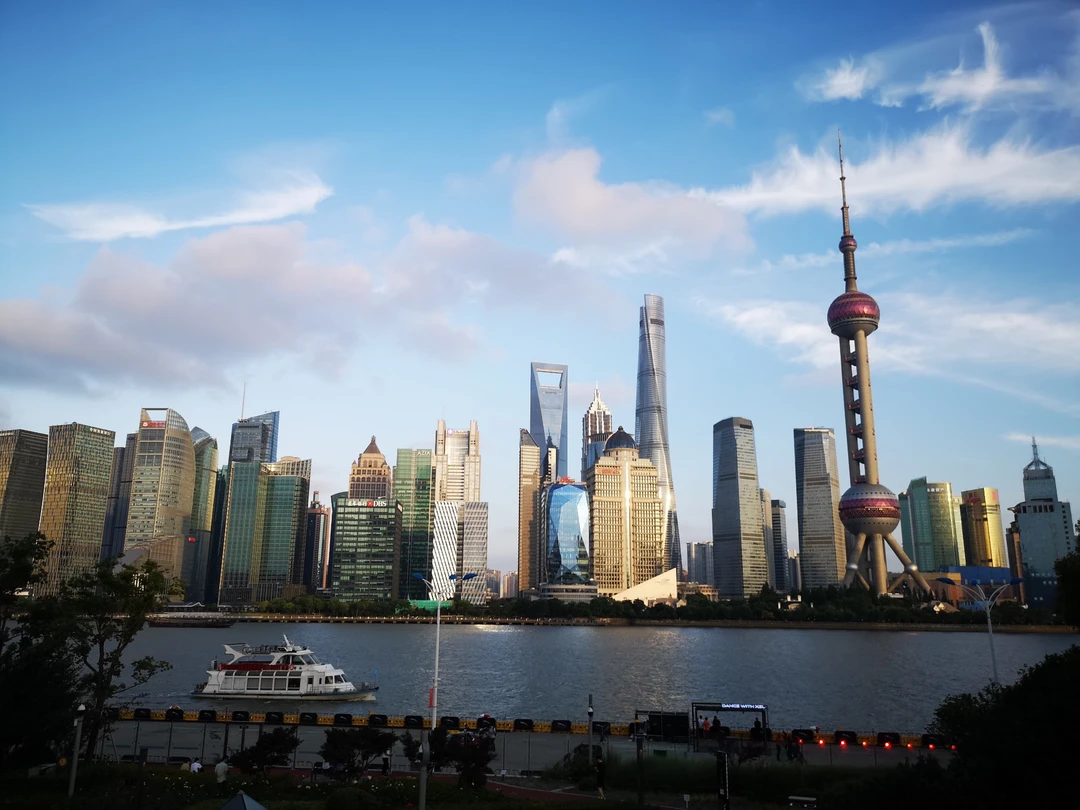
Meta Description: Explore Shanghai's hidden gems beneath the plane trees. From Wukang Road's celebrity history to Tian'ai Road's romantic lore, discover the Magic City's secret lanes, historic villas, and local flavors.
Introduction: Why Shanghai Is More Than Skyscrapers
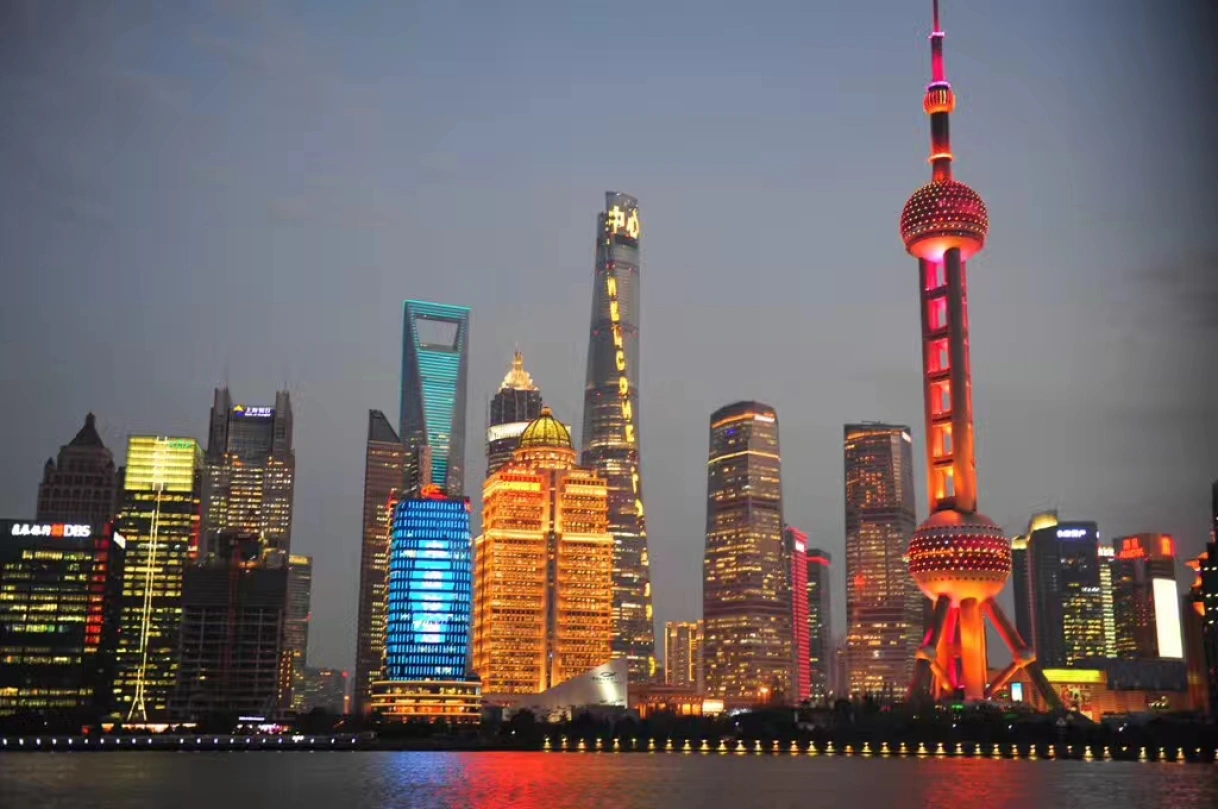
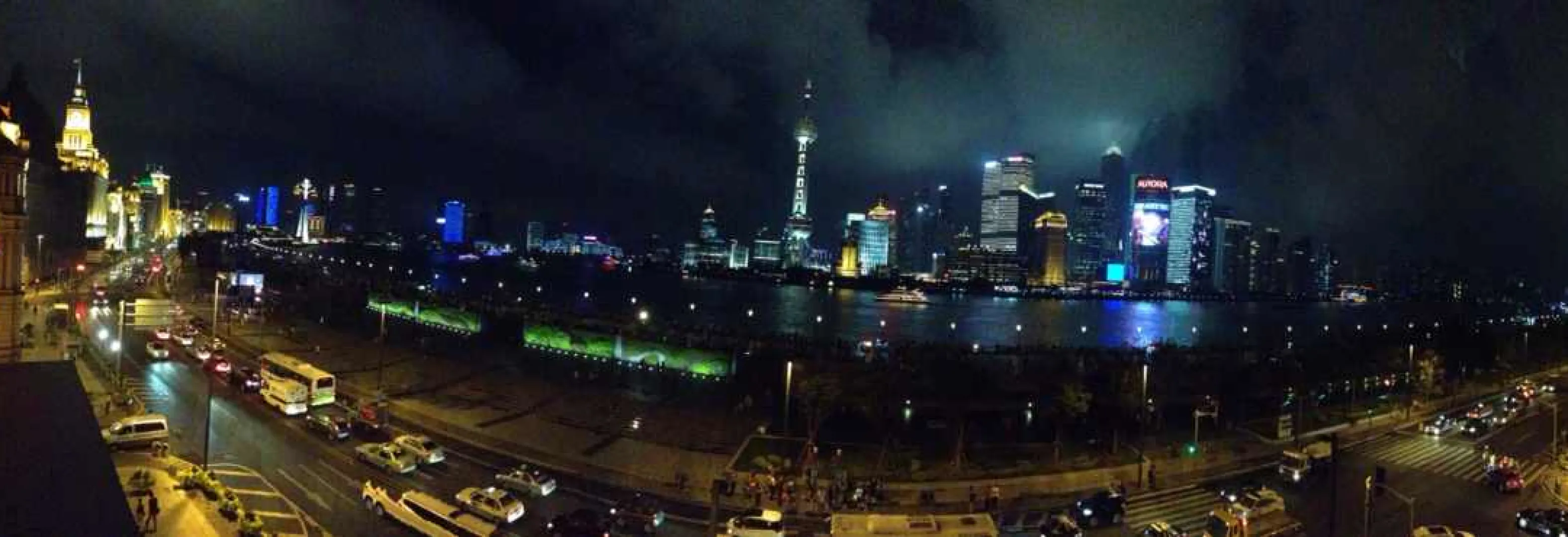
Some say Shanghai is a city you both love and hate. You love its glamour and convenience, hate its pace and pressure. But when you truly slow down and wander through its streets and alleys, you realize the magic of this metropolis goes far beyond the Bund's glittering lights or Lujiazui's skyline. It's more like a treasure chest—every lane, every plane tree hides a story, a flavor, a surprise waiting to be uncovered.
This isn't your typical travelogue. It's a personal record of my years exploring Shanghai. If you've ever struggled to plan a weekend gathering or panicked over entertaining out-of-town friends, this "Ultimate Guide to Eating, Drinking, and Playing in Shanghai" might just become your pocket companion.
The Origin of "Magic City": A Romantic Definition from a Foreign Writer

The nickname "Magic City" (Mó Dū) wasn't coined by locals. In the 1920s and 1930s, Japanese writer Muramatsu Shōfū, who lived in Shanghai, first used the term in his bestselling novel The Magic City. Back then, Westerners called Shanghai the "Far East's Largest City" and "Paris of the East." But Muramatsu's "Magic City" captured something deeper—the city's dizzying, dreamlike complexity. A place of dazzling lights and decadent indulgence, yet brimming with infinite possibility. From that moment, the name "Magic City" became etched into Shanghai's cultural DNA.
[Link: History of Shanghai's French Concession]
Poetry Beneath the Plane Trees: Small Streets Worth Savoring Slowly
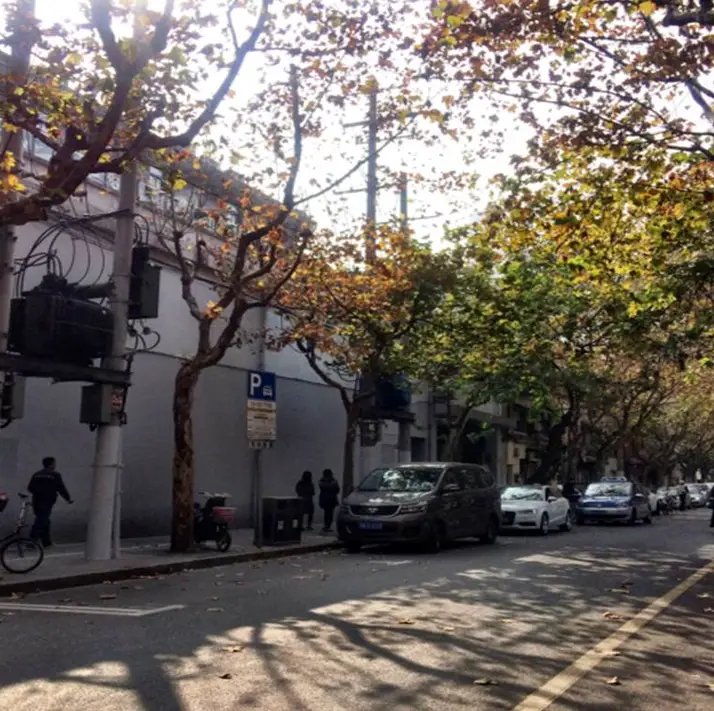
Much of Shanghai's romance hides on those narrow lanes shaded by French plane trees. They aren't wide, but they carry the weight of history and warmth. Here are the best streets for a slow Shanghai walking tour.
Shaoxing Road: The Most Artistic Street, Bar None
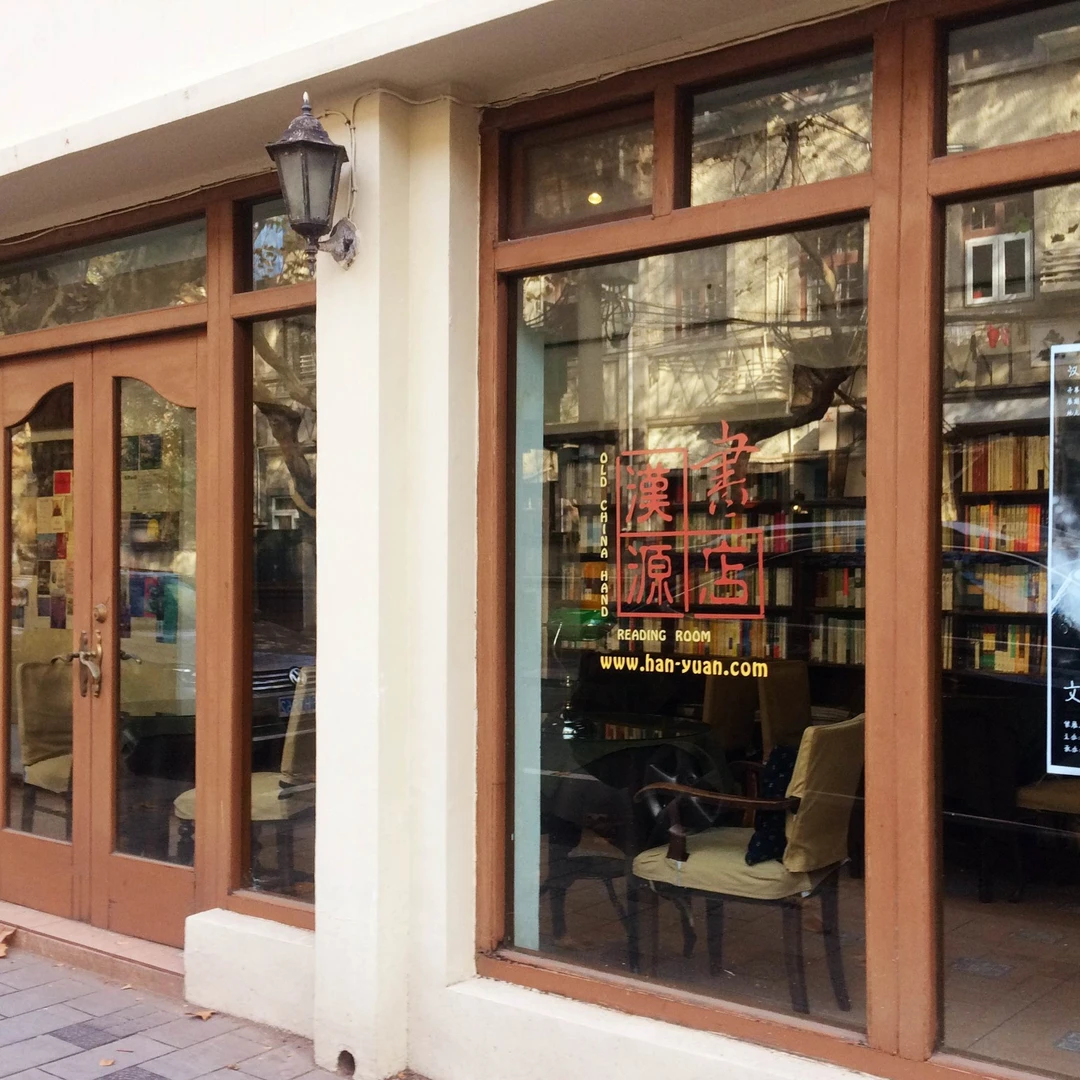
Some call Shaoxing Road Shanghai's most artistic lane. Beneath the thick plane trees, old-school gentlemen (lǎo kè lè) casually feed birds by the roadside, while Du Yuesheng's vintage mansions, a bookstore张国荣 (Leslie Cheung) once adored, and the tiny balconies from Eileen Chang's films blend together in strange harmony.
Hanyuan Bookstore has become a landmark here. No flashy sign hangs above its door—just four characters in clerical script, "汉源书店," quietly stamped on the glass door and windows. Leslie Cheung visited multiple times, seeking the bookstore's tranquil atmosphere.
Wenyuan Lane, No. 96 Shaoxing Road, is one of Shanghai's best-preserved shikumen (stone-gate) neighborhoods. Its red brick facades stand out among the city's old lanes, and many period films set in old Shanghai have been shot here.
Dongping Road: A Hidden Haven Amid Bustle
Stretching just a hundred meters from Yueyang Road to Hengshan Road, Dongping Road has no buses and few pedestrians. Dense plane trees, deep courtyards, and clusters of celebrity mansions define this street. The old Shanghai garden villas, hidden behind foliage, exude a somber aristocratic air.
Chiang Kai-shek's Former Residence "Ai Lu" (Love Cottage) at No. 9 Dongping Road is a French-style garden villa. It was a dowry gift from T.V. Soong to his sister Soong Meiling, standing alongside the "Mei Lu" in庐山 (Mount Lu) and "Cheng Lu" in Hangzhou.
T.V. Soong's Villa at No. 11 Dongping Road was built in 1921. Its Mansard-style sloping roof features dormer windows with eaves. Today, it houses Sasha's, one of Shanghai's most famous bars. The film Leaving Me, Loving You, starring Leon Lai and Faye Wong, was also shot here.
Hengshan Road: The Champs-Élysées of the East
Hengshan Road is Shanghai's most celebrated entertainment strip, often called the "Champs-Élysées of the East." Its ancient plane trees are among the city's densest and most scenic.
International Church at No. 53 Hengshan Road is Shanghai's largest Christian church. Its main building is a German neo-Gothic style, L-shaped, seating over 700. Its unique feature: it welcomes all denominations and nationalities, once renowned for its beautiful sacred music.
Julu Road: A Perfect Blend of High and Low
Julu Road was once part of the French Concession and remains a one-way street. Towering plane trees cast a serene shadow over the small villas lining both sides. It's artistic, but never hides its swagger. You'll find grand mansions alongside lively seafood hotpot joints. Highbrow and lowbrow—she switches between them effortlessly.
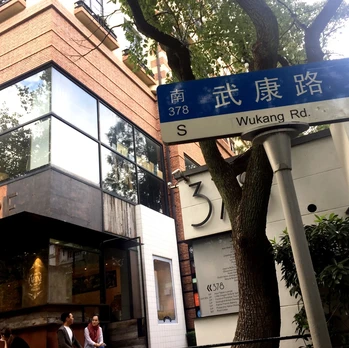
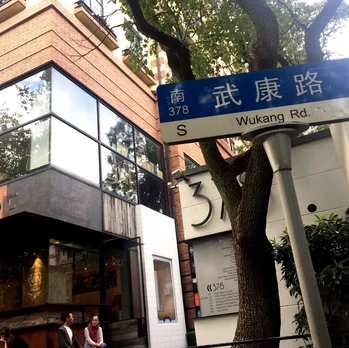
Wukang Road: A Century of Shanghai History in One Street
Originally named Ferguson Lane after American missionary John Ferguson, Wukang Road was built in 1907. Known as "Celebrity Street," it features 14 outstanding historical buildings and 37 preserved heritage sites. In 2011, it was named one of China's "Historical and Cultural Streets."
Ba Jin's Former Residence at No. 113 Wukang Road. After the Cultural Revolution, the elderly writer penned Random Thoughts here. This was his final Shanghai home and the one he lived in longest. Here, he completed Creative Memoirs and Past and Reflections, works hailed by intellectual and literary circles as "great books of truth-telling."
[Link: Famous writers in Shanghai history]
Tian'ai Road: Shanghai's Most Romantic Street
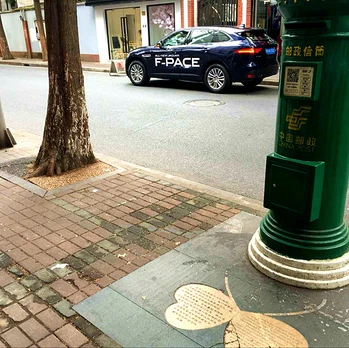
The name Tian'ai (Sweet Love) comes from a beautiful legend. Long ago, a village girl named Tian'ai, daughter of a wealthy landowner, fell in love with a cowherd named Xiangde. Their love story became legendary. Today, the two lanes—"Tian'ai" and "Xiangde"—nestle side by side, quiet and deep.
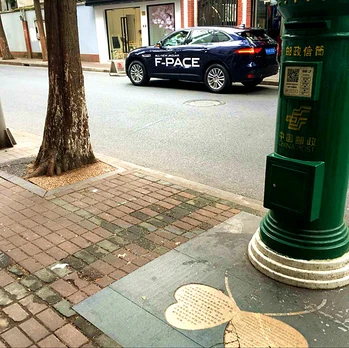
At the entrance stands a special Love Mailbox (heart-shaped mailbox). Every letter mailed from here receives an English love stamp, letting the recipient feel a touch of romance.
Xinle Road: French Flair in Under 500 Meters
Xinle Road, less than 500 meters long, belongs to the former French Concession. The French-style villas at its northeastern end and Xiangyang Park are relics of that era. The architecture and romantic atmosphere still inspire visitors today.
Our Lady's Cathedral sits at the intersection of Xiangyang North Road and Xinle Road. Hidden behind plane trees, this sudden church appearance is a delightful surprise. Currently under a cultural foundation, it's not open to the public except during exhibitions or events.
Sinan Road: A Historical Scroll Beneath the Plane Trees
Sinan Road's plane trees are dense and elegant. Just over 1,500 meters long, both sides are lined with old villas from the 1920s and 1930s, each different in style yet all steeped in old Shanghai's cultural aura. Dr. Sun Yat-sen's former residence is on this road.
Sinan Mansions is Shanghai's "new名片 (calling card)," rich with historical and cultural depth. It witnesses the harmonious fusion of East and West, past and present, breathing new life into the area while respecting tradition.
Yuqing Road: Stepping into Old Southern Europe
Yuqing Road has no buses and few pedestrians. Roman-style balconies are draped with ivy, exuding classical romance. Walking here, you might wonder if you've stepped into old Southern Europe—but a few steps forward, commercial shops pull you back to reality.
Yuyuan Road: A Winding Time Tunnel
Every intersection on Yuyuan Road hides a story. There are private villas with seventy-two tenants, secret passages once used by celebrities, and plane trees that have grown for half a century. Lane numbers stretch to over 1,600. Take a stroll—see Shanghai's past, present, and future.
West Fuxing Road: A Literati Paradise
West Fuxing Road is the favorite residential area for Shanghai's literati. Tall sycamores, charming garden villas, and dappled shade on the pavement make you feel like you're walking through a French street.
Rose Villa in Lane 44, West Fuxing Road, was once the home of Lan Ni, second wife of Sun Ke (Sun Yat-sen's son). In the late 1930s, seven houses in different styles were designed by four famous architects, each painted in a distinct color—vivid and striking.
Xinhua Road: Quiet Hidden in the Lanes
Xinhua Road is short, with towering trees and countless exotic buildings. But the real charm lies in the hidden lanes—quiet, shaded, and perfect for escaping the city's hustle.
FAQ: Your Shanghai Exploration Questions Answered
1. What is the best time to walk Shanghai's plane tree-lined streets? Spring (March–May) and autumn (September–November) offer mild temperatures and stunning foliage. The plane trees are lush in spring and turn golden in autumn, creating a magical canopy.
2. Are these streets safe for solo travelers? Absolutely. All the streets mentioned—Wukang Road, Shaoxing Road, Julu Road, etc.—are in central Shanghai (former French Concession) and are very safe, even at night. Just practice usual urban caution.
3. Can I visit the celebrity residences like Ba Jin's house? Ba Jin's Former Residence at 113 Wukang Road is open to the public as a museum. Other historic villas may be private or repurposed (e.g., T.V. Soong's villa now houses Sasha's bar). Check opening hours in advance.
4. How long should I budget for a self-guided walking tour? Plan 2–3 hours for a single street like Wukang Road (including stops). For a full day exploring multiple streets (e.g., Shaoxing → Dongping → Hengshan), allocate 5–6 hours with breaks.
5. What's the best way to get between these streets? Walking is ideal—they're all within the former French Concession. Alternatively, rent a shared bike (Mobike, Hellobike) for longer stretches. Metro lines 1, 10, and 12 serve the area.
Conclusion: Your Shanghai Adventure Awaits
Shanghai's magic isn't found in guidebook landmarks—it's hidden beneath the plane trees, in the quiet lanes where history whispers from red brick walls and ivy-covered balconies. Whether you're tracing the footsteps of literary giants on Wukang Road, mailing a love letter from Tian'ai Road's heart-shaped mailbox, or sipping coffee at a café on Shaoxing Road, every step reveals a new story.
Don't just visit Shanghai—wander it. Let the plane trees guide you, and you'll discover a city that's both glamorous and intimate, chaotic and serene. Start planning your Shanghai walking tour today, and uncover the hidden surprises that make this "Magic City" truly unforgettable.
Ready to explore? Pin this guide, pack comfortable shoes, and set out to discover Shanghai's most enchanting streets. Share your discoveries with us using #PlaneTreeShanghai—we'd love to see your hidden gems.
[Link: Best Shanghai walking tours] [Link: Shanghai food guide for travelers] [Link: French Concession architecture history]
You may also like


