A Three-Day Journey on the Western Sichuan Small Loop: Snowy Peaks, Sunsets, and a Spontaneous Escape
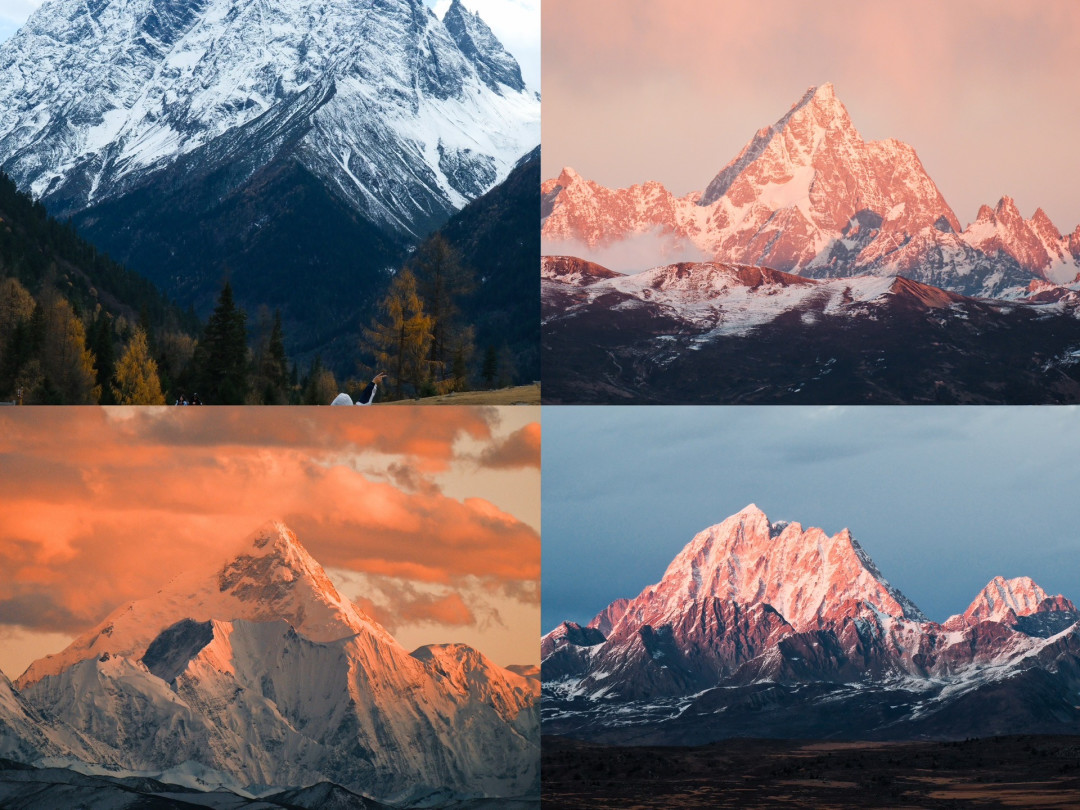
Meta Description: Discover the ultimate 3-day Western Sichuan Small Loop itinerary—snowy peaks, sunset at Yuzixi, and spontaneous escapes. Perfect for time-pressed travelers seeking alpine beauty without the crowds.
Travel is a reconciliation with yourself.
When the November 2023 winds swept across the Western Sichuan plateau, my partner and I—a "special forces" couple with only one day of annual leave left—still resolutely embarked on this three-day adventure. Despite countless online warnings that the autumn leaves in Xinduqiao had long since fallen, our deep-seated longing for snow-capped mountains drove us to piece together three days between a weekend and a single vacation day, like showing up late to a long-awaited date.
As it turned out, even without the famed "most beautiful autumn scenery" of Xinduqiao, Western Sichuan still gifted us with snow peaks, sunsets, and pure blue skies—an encounter worth remembering for a long time.
Why Choose a Group Tour for the Western Sichuan Small Loop?
For us, with no experience driving on the plateau, safety always comes first. Crossing the Western Sichuan Small Loop in three days—a route with dramatic altitude changes—would have been physically draining, not to mention navigating tricky roads and the risk of altitude sickness. So we chose a pure-play group tour: no route planning, no queuing for tickets, no struggling to find gas stations at high altitudes. Just bring your camera and good mood—sleep on the bus, snap photos at stops. Easy and efficient.
Our three-day itinerary:
- Day 1: Chengdu → Cat's Nose Ridge → Shuangqiao Valley, Mount Siguniang
- Day 2: Yala Snow Mountain Viewpoint → Huiyuan Temple → Moshihui Stone Forest → Tagong Grassland → Yuzixi
- Day 3: Zheduo Mountain → Mugecuo Lake → Chengdu
Waking up at 5 a.m. every day was tough, but for "photo junkies" wanting to hit all the highlights in limited time, this pace was just right.
Day 1: A Rafting Video That Sparked an "Impulse"
Cat's Nose Ridge: A Brief Encounter with Yaomei Peak
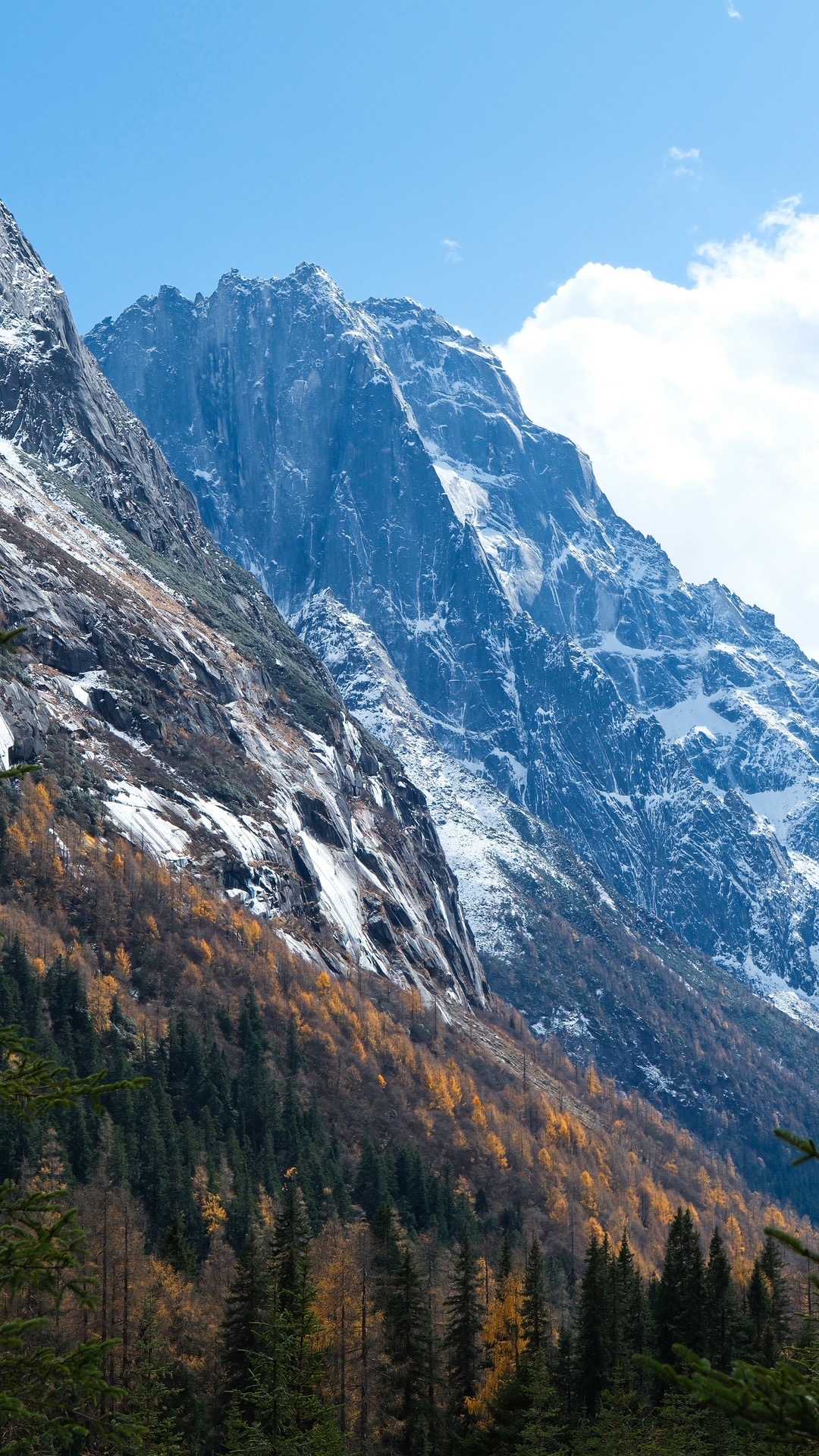
We left Chengdu at 7 a.m. Saturday morning—surprisingly smooth traffic for rush hour—and arrived at Cat's Nose Ridge around 11 a.m. This is the best spot to view Yaomei Peak, the most distinct of the Four Sisters peaks, but also the one most often shrouded in clouds. We barely had time to take in the view before half the summit was swallowed by mist—like a shy girl peeking out for a moment before retreating behind a curtain.
Shuangqiao Valley: How to Create "Photo of a Lifetime" in Four Hours
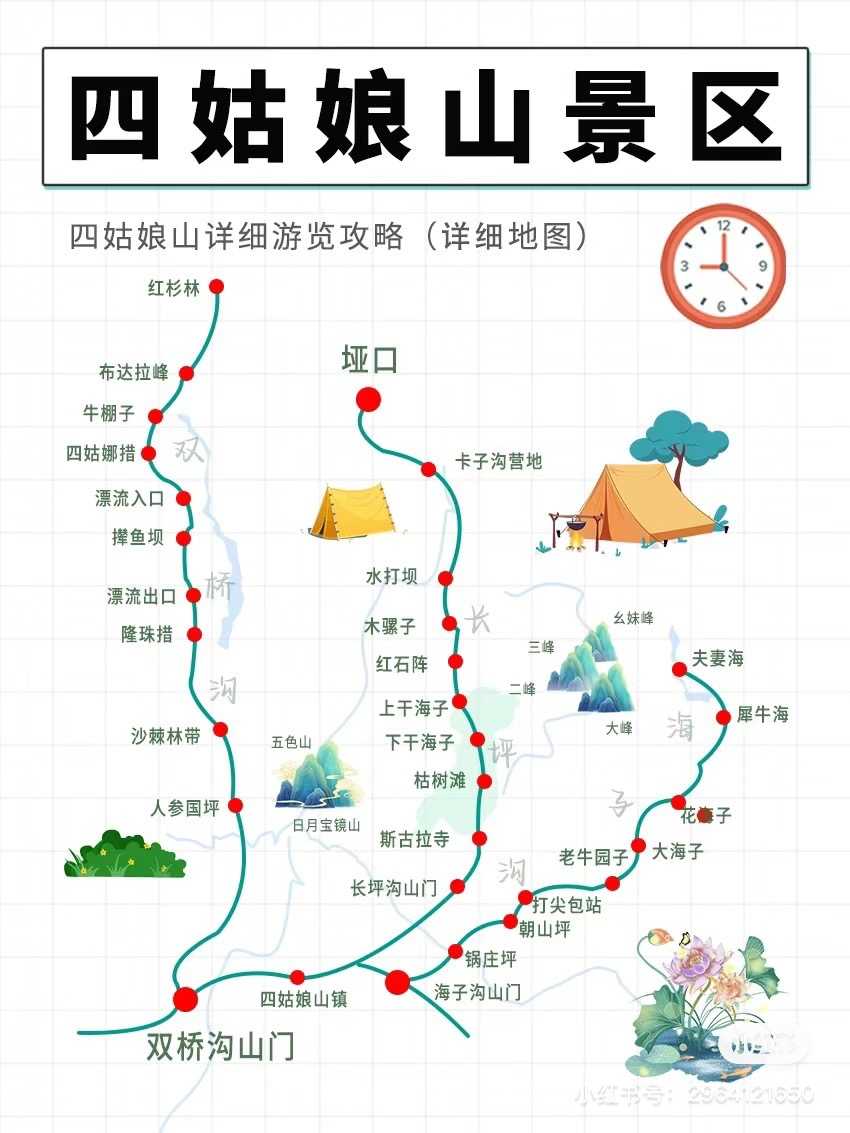
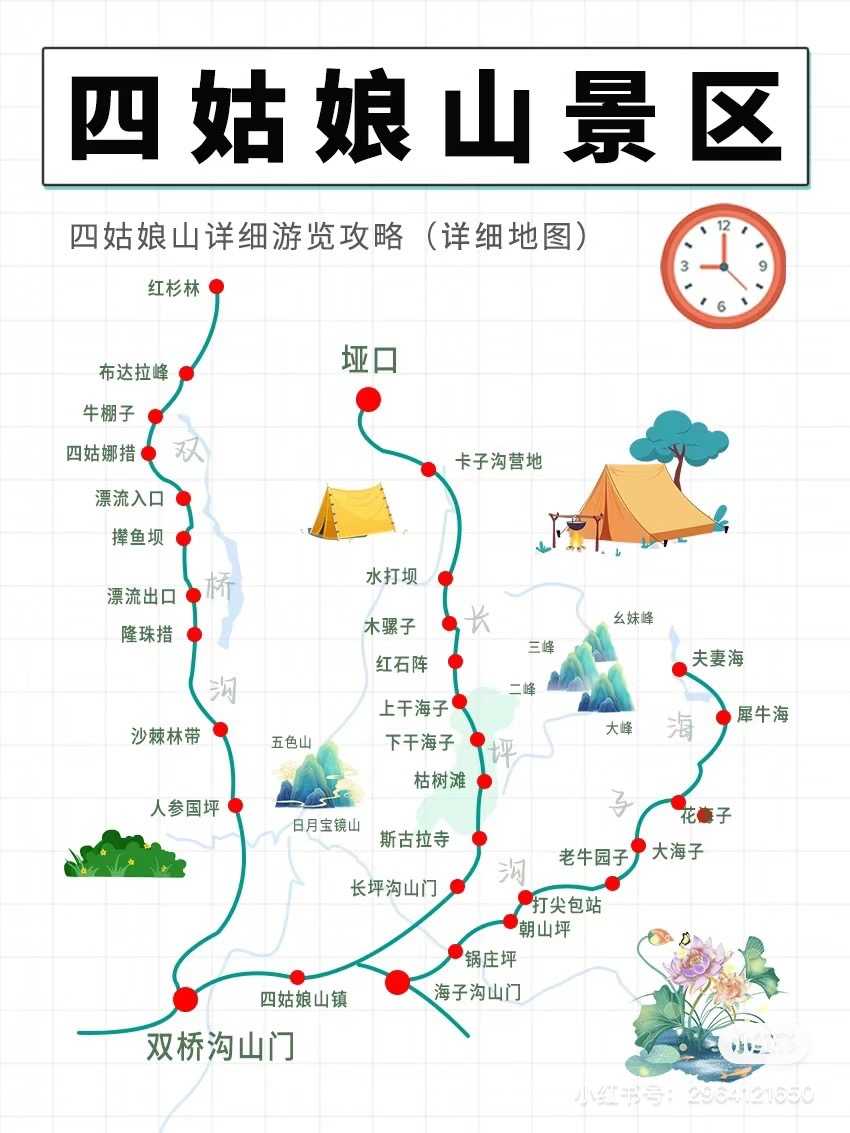
We arrived at Shuangqiao Valley at 1:30 p.m., with a 5:30 p.m. meet-up time. Four hours seemed plenty at first, but the bus ride from the entrance to the farthest stop, Redwood Forest, takes nearly 50 minutes each way—eating up almost an hour. Time was precious, so we planned carefully.
Our route: Redwood Forest → Potala Peak → Sigunacuo Lake → Fish Trap Dam Rafting → Ginseng Fruit Meadow
Redwood Forest: At the Foot of the Snowy Peaks, Awe in Every Direction
Redwood Forest is the closest you can get to the snow mountains, with Rabbit Peak and Wild Man Peak right in front of you. Though the most colorful season had passed, the late-autumn Four Sisters mountains, framed by snow, still possessed a stark, pure beauty. Looking up at the peaks, the overwhelming sense of awe mixed with reverence made you hold your breath involuntarily. That said, for landscape photography enthusiasts, it's not the most photogenic spot—too close, leaving little room for composition.
Potala Peak: The "Photo of a Lifetime" Walking Toward the Mountain
If there's one place in Shuangqiao Valley you must press the shutter, it's Potala Peak. A straight road leads directly toward the snowy mountain, making you feel like you're walking to the edge of the sky. Many people climbed onto the wall near the white pagoda, using the snow peak as a backdrop. Through others' lenses, every shot looked like a "photo of a lifetime." My only regret? I had my eyes closed in mine. 😅
Sigunacuo Lake: Poetry in Reflections
We went to Sigunacuo Lake to capture reflections on the water. Unfortunately, thick clouds dulled the surface, but the lake was like a mirror, with the snowy peaks reflected in it—still a serene beauty.
Fish Trap Dam Rafting: The "Original Dream" of This Trip
When I first saw a short video of rafting in Shuangqiao Valley, I couldn't forget the feeling of lying half-reclined on an inflatable boat, drifting downstream. This time, I finally made it happen. The boats kept spinning in circles, but the current was gentle, and there were few people. Along the way, looking up, you could see snow peaks and forests, with only the sound of water and wind in your ears. At that moment, all worldly worries were left behind.
Note: Shuangqiao Valley doesn't actually show you any of the Four Sisters peaks—"Four Sisters" refers to four separate peaks, and Shuangqiao Valley is inside the valley, so you only see their backsides.
By 8 p.m., we checked into our lodging in Xiaojin County. This day felt like we'd crammed two days into one—so full that we forgot to feel tired.
Day 2: A Glimpse of the "King of Sichuan Mountains"

Yala Snow Mountain Viewpoint: Morning Wind Horse Flags and Memories
We departed at 5:20 a.m.—a "special forces" breakfast of cold eggs, small buns, and a carton of yogurt drink. It was still dark when we reached the Yala Snow Mountain viewpoint. Compared to my visit in the summer of 2015, the platform at the foot of the mountain was wider and newer, but the snow peak remained as majestic as ever. Before the sun rose, we scattered wind horse flags (prayer flags) toward Yala Snow Mountain. The paper fragments danced in the wind, like a silent prayer.
Huiyuan Temple: Gold Roofs, Red Walls—The Colors of Faith
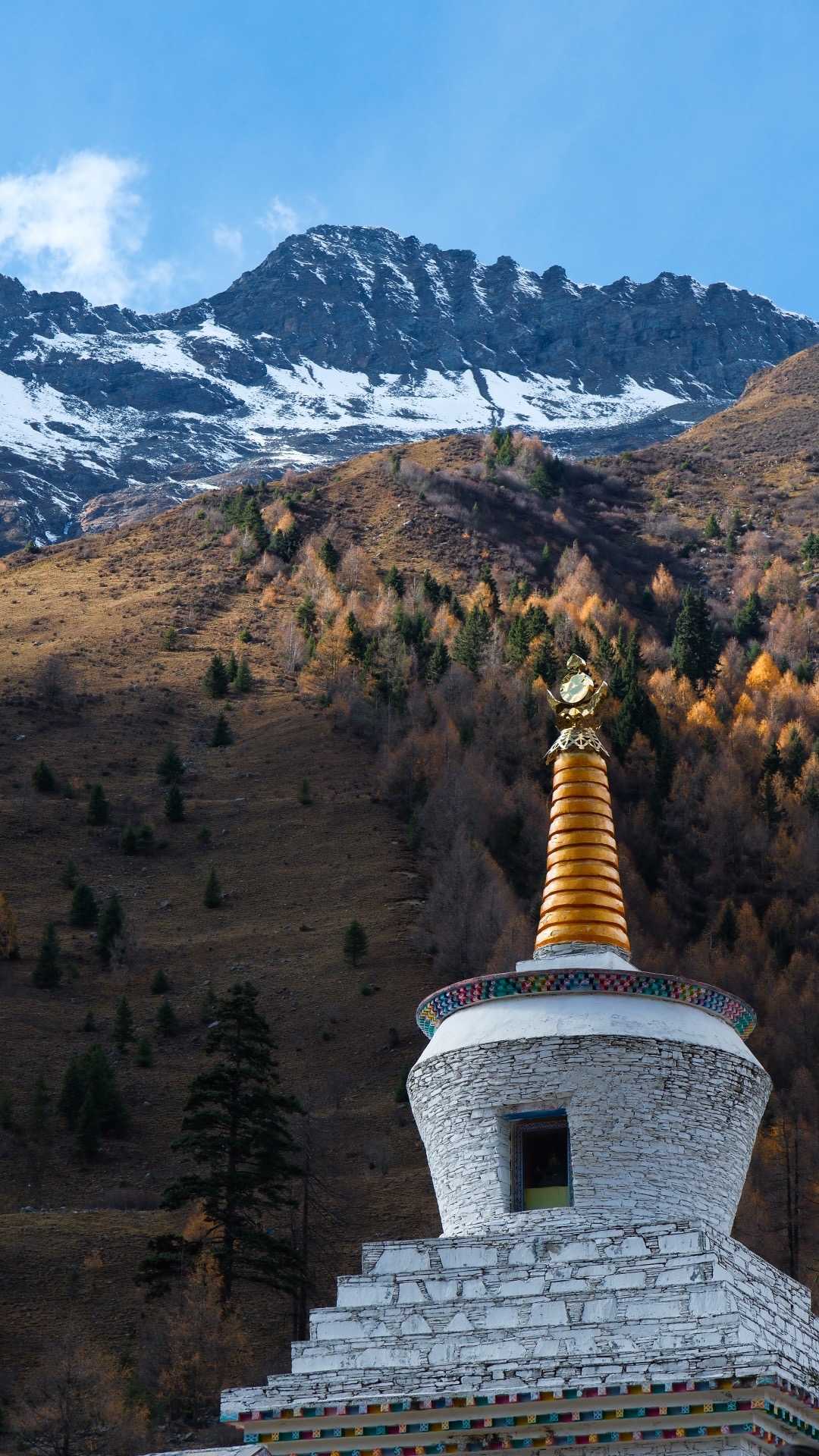
The Tibetan Buddhist temple at Huiyuan stood out vividly against the blue sky. Gold roofs, red walls, and white pagodas created a visually striking scene. Our guide's decades-old silver beads, worn around his neck, accidentally snapped when a tour member tried them on. Everyone scrambled to find them on the roadside, but the beads had rolled too far—lost forever. In that moment, we felt both the preciousness and fragility of faith.
Tagong Grassland: A "Mutual Approach" Under the Snowy Peaks
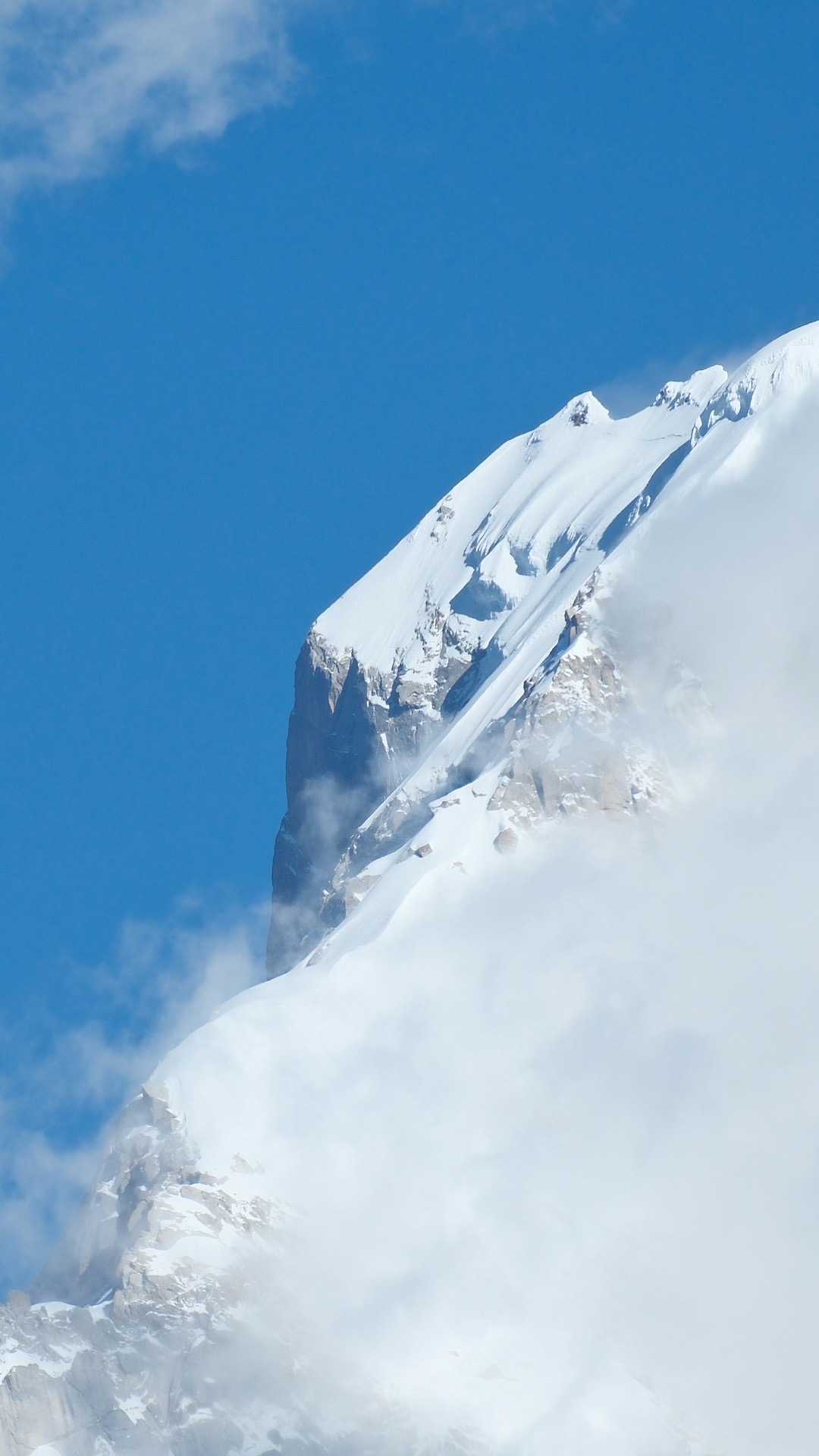
We arrived at Tagong Grassland around 11 a.m. Here, you can get very close to Yala Snow Mountain—a perfect spot for wedding photos, despite the biting wind. Newlyweds posed in thin clothes, their smiles unwavering. Through a telephoto lens, the mountain seemed to rush toward you, and the people in the frame looked like they were in a "mutual approach" with the peak.
Two adorable Tibetan children on the grassland came over to join us when they saw tourists taking photos on the rocks. I asked them questions in Mandarin and Chongqing dialect, but they just smiled—whether they didn't understand or were shy, I couldn't tell.
Moshihui Stone Forest: The Black Romance of an Alien World
Tagong Grassland is very close to Moshihui Stone Forest. This place is essentially a collection of black rock formations in a valley, resembling the surface of an alien planet. It's incredibly photogenic for portraits—you can even rent a spacesuit for photos. In the distance, someone was actually wearing a spacesuit, creating a surreal, gravity-defying scene.
Yuzixi: Seeing Gongga Mountain Made Me Cry
After Moshihui, the bus took us to our lodging in Xinduqiao for a rest. Some exhausted group members chose to skip the next stop, but we were determined to see Gongga Mountain (Minya Konka). We bought a can of pure oxygen, hopped into a local driver's car, and went for it!
After 50 minutes of bumpy mountain roads, when the endless snow peaks suddenly appeared before us, we just wanted to scream. At that moment, the golden light of sunset bathed the snowy summits, and tears welled up in my eyes—maybe from the wind, maybe from the scenery, or maybe from the sudden realization that all of life's struggles seem insignificant in the face of a mountain.
Living in the moment, we were free.
Day 3: Zheduo Mountain and Mugecuo Lake
Zheduo Mountain: The Gateway to the Plateau
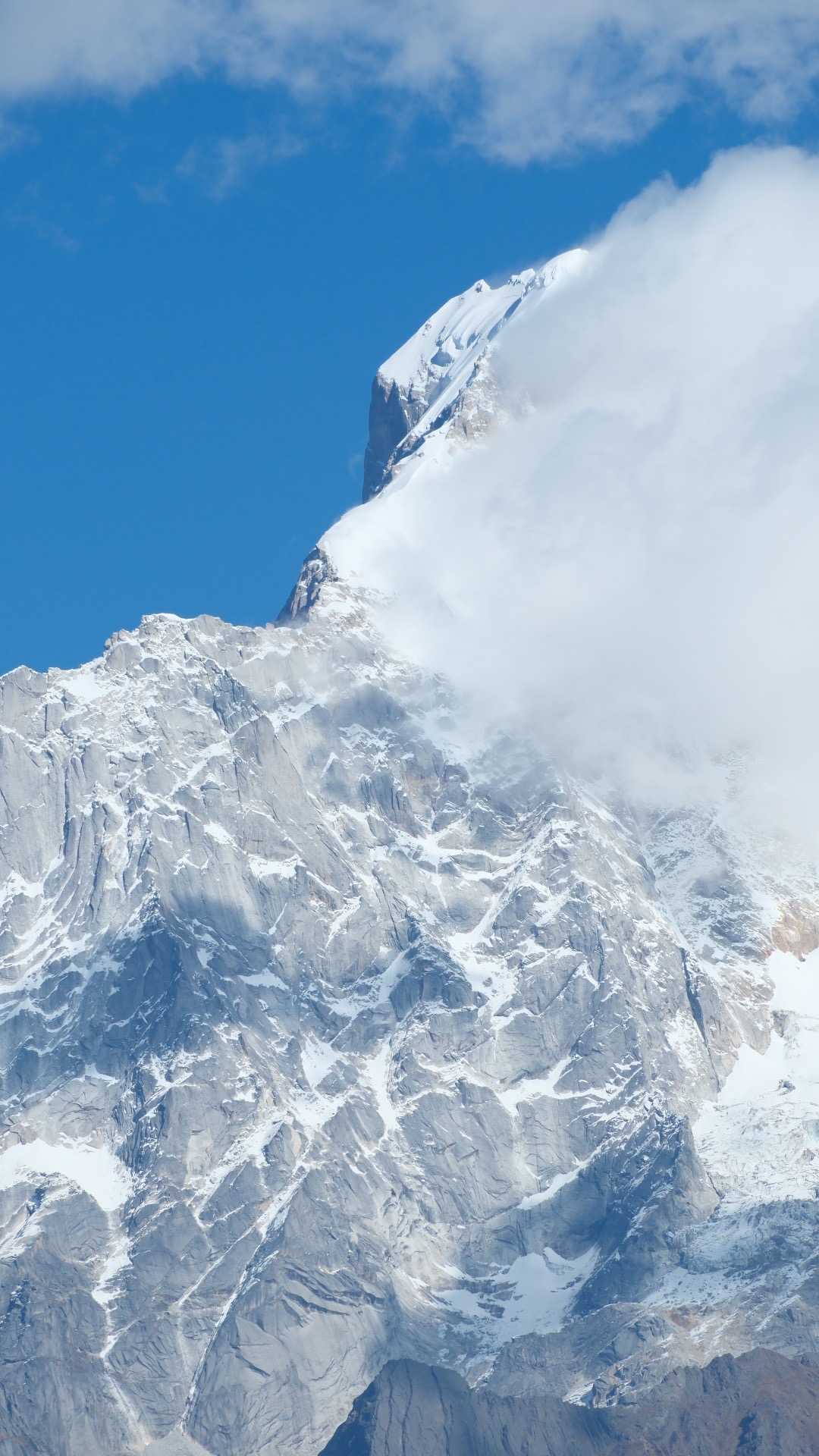
On our final day, we crossed Zheduo Mountain, a classic pass on the Western Sichuan Small Loop. At an elevation of 4,298 meters, it's often called the "gateway to the Tibetan Plateau." The views from the top are sweeping—rolling hills, distant snow peaks, and prayer flags whipping in the wind. It's a quick stop, but one that reminds you why you came to Western Sichuan in the first place.
Mugecuo Lake: A Quiet Farewell
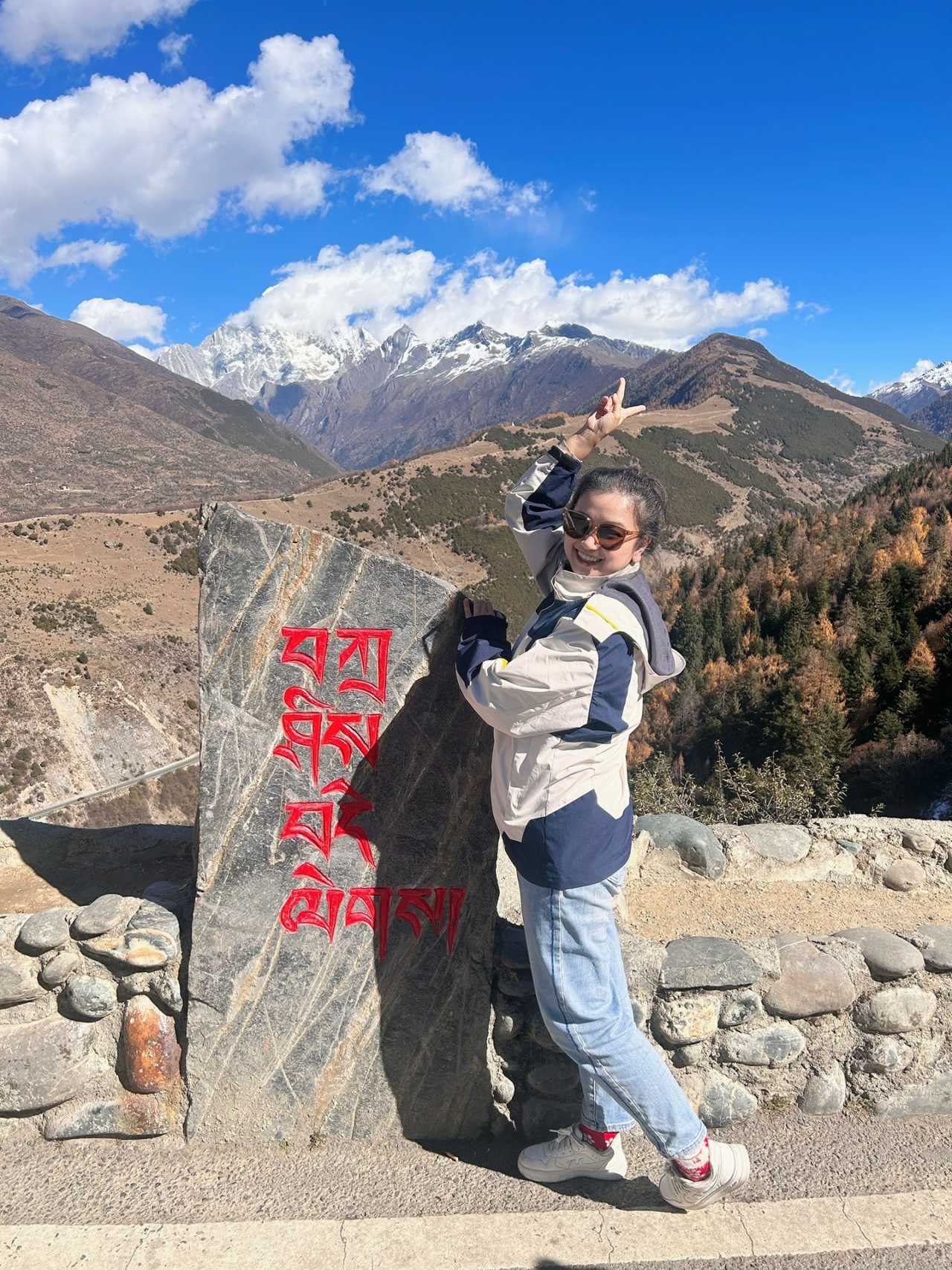
Mugecuo Lake, located near Kangding, is a serene alpine lake surrounded by forest and snow-capped peaks. We spent a peaceful hour walking along the shore, taking in the reflections and the crisp mountain air. It was the perfect way to end our three-day journey—quiet, reflective, and beautiful.
FAQ: Your Western Sichuan Small Loop Questions Answered
1. Is the Western Sichuan Small Loop suitable for first-time visitors?
Yes, but with precautions. The altitude can be challenging (many passes above 4,000 meters), so take it slow, stay hydrated, and consider bringing oxygen cans. A group tour is highly recommended for first-timers, as it handles logistics and safety.
2. When is the best time to visit the Western Sichuan Small Loop?
The best times are spring (April–May) for wildflowers, autumn (October–November) for golden foliage and clear skies, and winter (December–February) for snowscapes. Summer (June–August) is lush but rainy. Avoid the rainy season (July–August) if you want clear mountain views.
3. Do I need a permit to visit the Western Sichuan Small Loop?
No special permits are required for the standard loop. However, if you plan to visit remote areas like Yading or the Tibetan border, you may need a Tibet Travel Permit. Always check current regulations before your trip.
4. What should I pack for a 3-day Western Sichuan trip?
Pack layers (temperatures can swing from 5°C to 20°C), a warm jacket, sunscreen, sunglasses, a hat, comfortable walking shoes, a reusable water bottle, and altitude sickness medication. Don't forget your camera—you'll want it at every stop.
5. Can I do the Western Sichuan Small Loop in 2 days?
Technically, yes, but it would be extremely rushed. Three days is the sweet spot—enough time to see the highlights without feeling like you're on a forced march. If you're short on time, consider a 2-day itinerary focusing on Shuangqiao Valley and Tagong Grassland.
Internal Linking Suggestions
- [Link: Best time to visit Western Sichuan for autumn colors]
- [Link: How to prevent altitude sickness on plateau trips]
- [Link: Top photography spots on the Western Sichuan Small Loop]
- [Link: Group tour vs. self-drive in Western Sichuan]
- [Link: Essential packing list for high-altitude travel]
Ready to Plan Your Own Spontaneous Escape?
The Western Sichuan Small Loop is proof that you don't need weeks of vacation to experience life-changing beauty. Whether you're a "special forces" traveler with limited leave or a seasoned adventurer, this 3-day itinerary delivers snow peaks, sunsets, and moments that will stay with you forever.
Book your Western Sichuan Small Loop tour today and discover why this route is one of China's most beloved alpine journeys. Your camera—and your soul—will thank you.
Have you traveled the Western Sichuan Small Loop? Share your favorite moment in the comments below!
You may also like


