A Stroll Through Chengdu’s Streets: Eight Years of Collecting a City’s Smoke and Poetry
Meta Description: Discover Chengdu beyond the tourist trail through an eight-year photography journey. Explore hidden coffee shops, late-night grilled fish, and poetic alleyways in this SEO-optimized guide to authentic Chengdu living.
Introduction: Measuring a City in Footsteps
Have you ever tried to measure a city with your footsteps, to capture its breath through a lens? Eight years ago, I moved from Pi County to downtown Chengdu, transforming from a college student into a true “Chengdu local.” Over these eight years, I’ve carried my camera—sometimes alone, sometimes with a friend or two—wandering through residential alleyways, corner coffee shops, unassuming bookstores, and art galleries. Some say travel is about escaping the everyday, but I’ve discovered that real travel is about finding poetry in the ordinary—in an afternoon spent petting a cat by the roadside, in the light spots reflected off a glass window, in the aroma of coffee drifting from a small street-side shop. These moments, like the base of Chengdu’s hotpot, grow richer the longer they simmer, more fragrant the more you savor them.

This article isn’t a checklist of viral spots or a guide to must-visit attractions. It’s simply my private map, drawn from eight years of wandering Chengdu’s streets as a photography enthusiast. If you’re willing, follow my steps and take a deep breath of this city’s smoky, poetic air.
Jinjiang District: Where Bustle and Serenity Coexist
Taikoo Li: Poetry Beyond Commerce
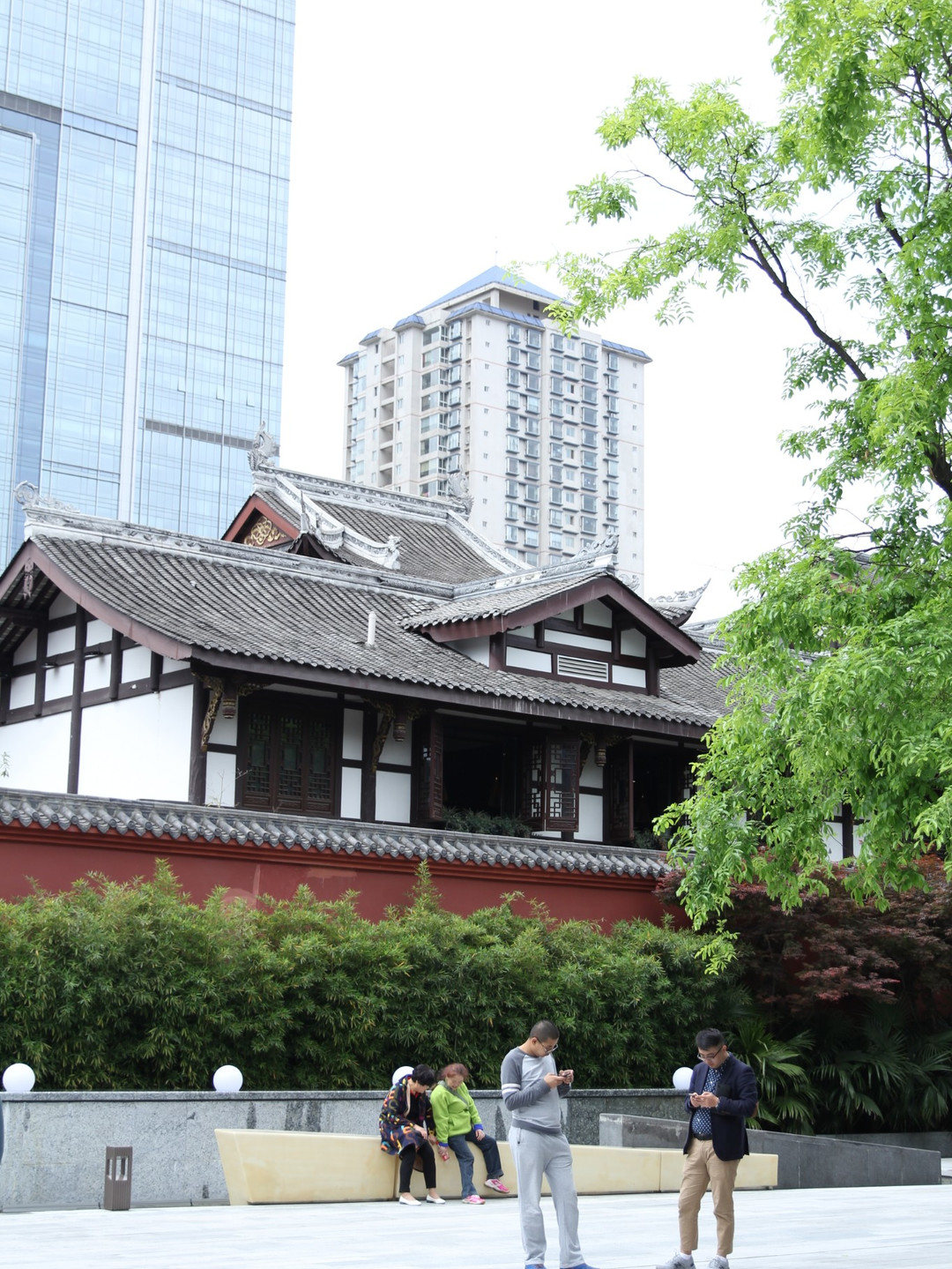
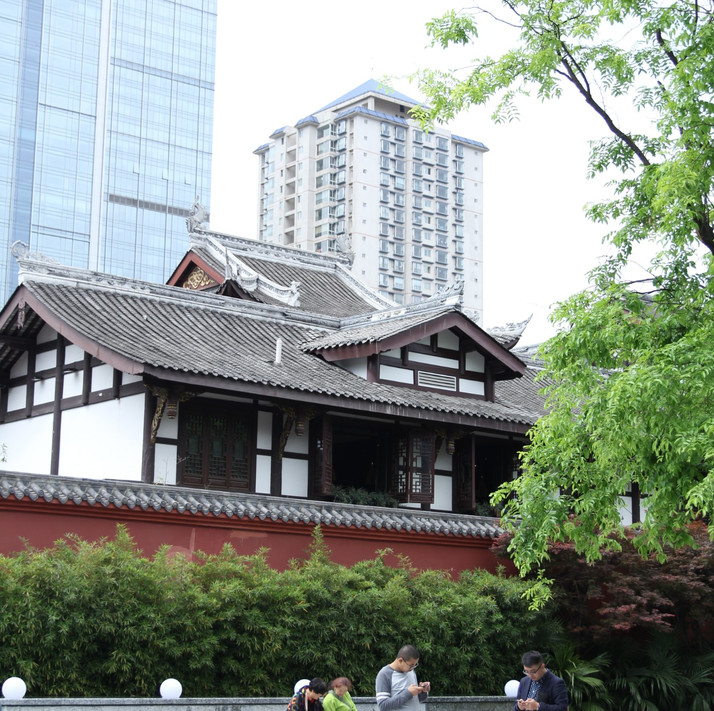
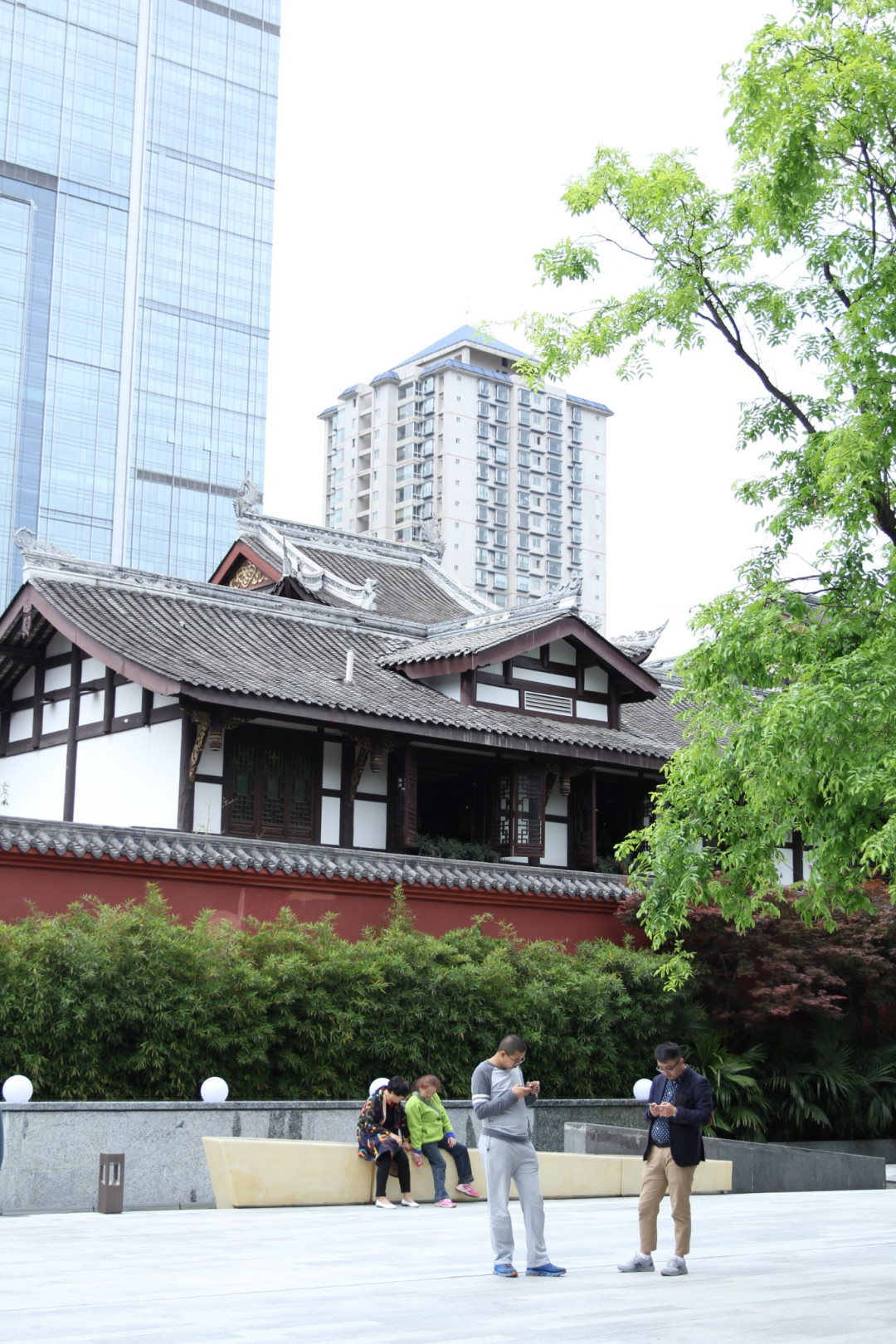
Taikoo Li is Chengdu’s CBD, and also the place where I’ve pressed the shutter the most. Many people think it’s only about luxury brands and fashionistas, but to me, it feels like a miniature version of a traditional Western Sichuan town. With its grey bricks, black tiles, and staggered low-rise buildings, it preserves the historical traces of Daci Temple, the Character Pagoda, and the old Zhanghuali Courtyard. These old structures stand like silent guardians, lending warmth to an otherwise cold commercial space.
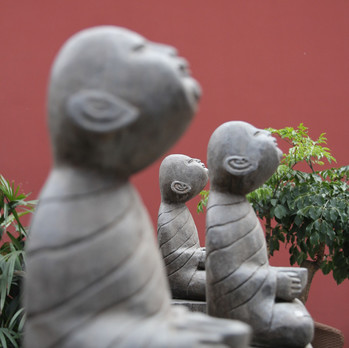
I’m especially drawn to the architectural details of Taikoo Li: large glass windows framed with black steel, creating sharp black-and-white geometric lines in the sunlight; the curves of the eaves, the textures of the brickwork—all exuding a refined elegance. One weekday afternoon, I passed by and saw a man in a suit leaning lazily against a windowsill, smoking slowly. In that moment, the tension of city life and his personal ease formed a wonderfully strange contrast. It took me three years to capture that photo. Every time I look at it, I remember the warm sun and gentle breeze of that day.
Practical Tip: Use a wide-angle lens for architecture at Taikoo Li, and a telephoto lens for candid shots of people. Glass reflections can create interesting light-and-shadow effects.
Kaojiang (烤匠): A Jianghu of Smoke and Fire
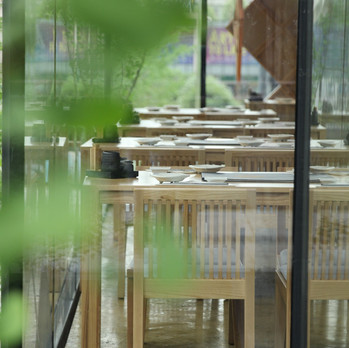
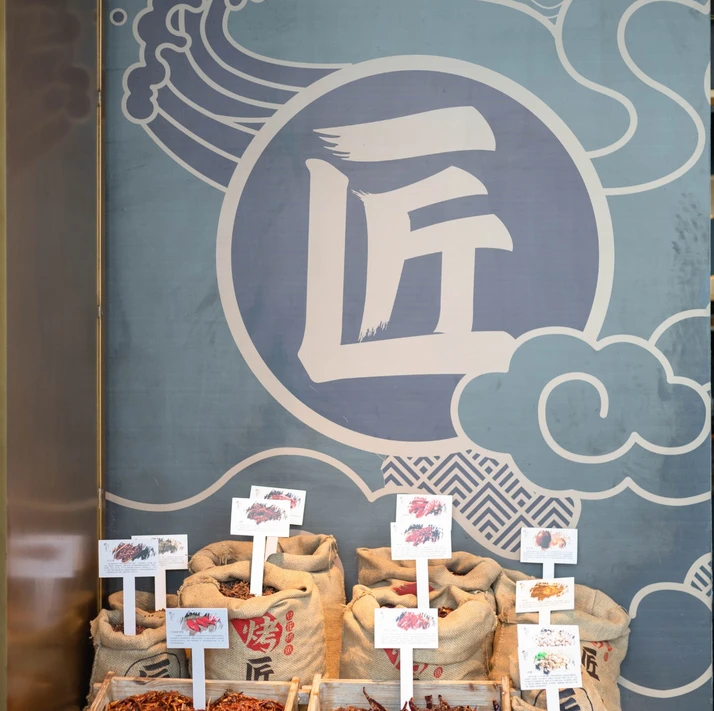
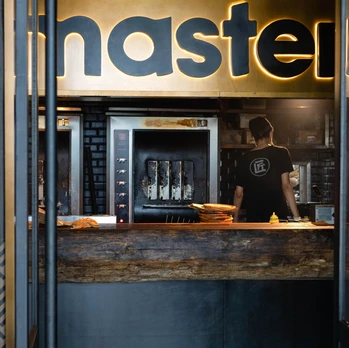
If Taikoo Li is Chengdu’s “face,” then Kaojiang is its “soul.” This authentic Chengdu dining brand has been keeping late-night revelers company since its days near Jiuyanqiao Bridge. I remember after drinking at Blue Caribbean, we’d always move on to Kaojiang, eating grilled fish to sober up—the dry, smoky aroma of skewers and the oily richness were the best cure for a hangover.
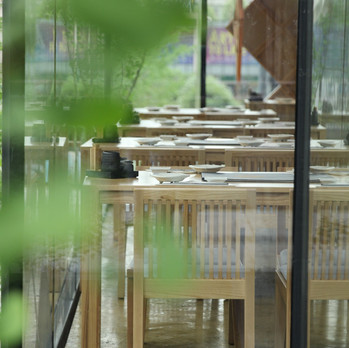
The IFS Black Gold branch is an upgraded version of Kaojiang. The semi-open kitchen at the entrance deliberately uses light-absorbing black walls and warm yellow lighting to create the atmosphere of a late-night diner. What I crave most is the stuffed tofu: first seared over high heat to form a thin skin, then slow-grilled, brushed with sauce, and finally topped with houttuynia cordata and diced celery. One bite, and the silky tofu and sauce explode in your mouth. The unique fragrance of houttuynia cordata and the crunch of celery create layers of texture—so delicious it makes you want to tap your feet in delight.
Must-Order Recommendations: Original-flavor grilled fish (classic and safe), stuffed tofu (a must), and osmanthus yogurt (to cut the richness).
PY COMMONS: Making Coffee Part of Everyday Life
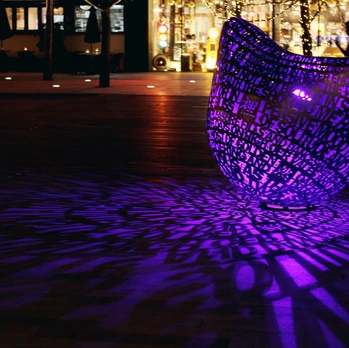
Tucked away in a small alley near IFS, there’s a coffee shop I visit every time I’m in Taikoo Li. The owner’s philosophy is simple: good coffee should be part of daily life. They only offer one cup size, prices are lower than chain stores, and adding a single-origin espresso costs just 3 yuan. This attitude of “bringing coffee back to everyday life” deeply appeals to me as a coffee lover.
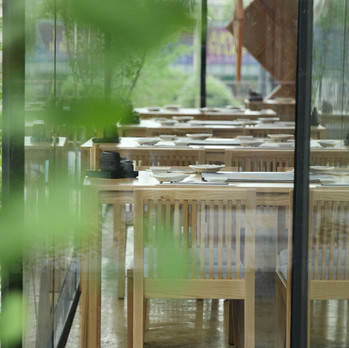
I highly recommend the SOE flat white with milk—rich, smooth, and velvety. The black tea latte is a pleasant surprise: caffeine-free, with a delicate, creamy foam infused with tea oil that leaves a tea-colored ring on the cup long after you’ve finished. Interestingly, PY COMMONS opened a new branch across the street, playfully “sharing the love” between the two major print media office buildings in Chengdu. That kind of subtle humor is very Chengdu.
WUZAO (无早): From “Viral” to “Classic”
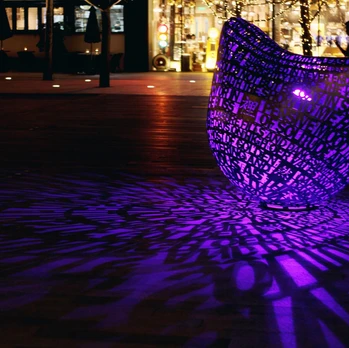
Tangba Street is now a gathering place for young people, but WUZAO was the “original gangster” here years ago. Founder Rosa, who returned from studying in the UK, brought with her a dream of independent magazines and handmade goods, turning WUZAO into one of Chengdu’s earliest “viral” shops. Back then, “viral” meant something with a real story.
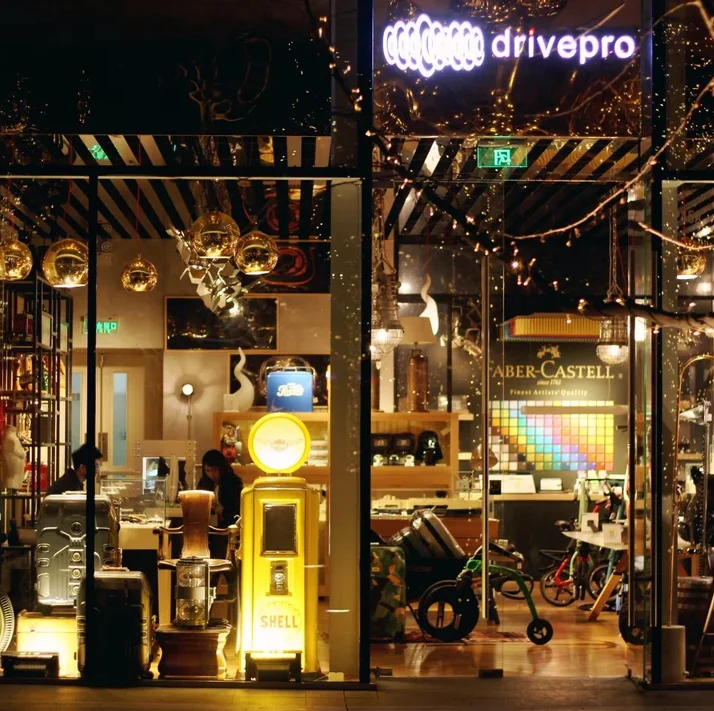
Today, WUZAO has expanded from a bookstore to include a café, guesthouse, and exhibition space, but it has always maintained an ethos of “poetry in everyday life.” Every time I visit, I discover new details: updated displays, rearranged magazines, beautifully plated desserts… It hasn’t been swept away by the tide of internet fame; instead, it has grown more graceful with time.
Photography Tip: The entrance and window area of WUZAO are excellent spots for portraits and still-life shots.
A Hidden Coffee Shop: Serendipity Next Door
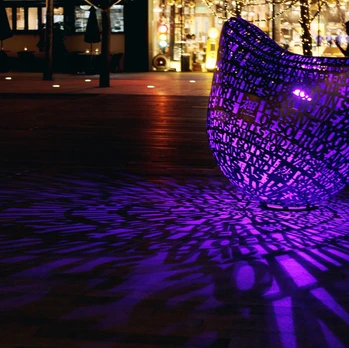
Right next to WUZAO, I stumbled upon this place while photographing the former. The afternoon sun was perfect, and the staff were playing with a skateboard outside—clearly, interesting people ran this shop. Independent coffee shop owners seem to love sitting at the door and smoking after serving their customers. That sense of “you drink your coffee, I’ll do my thing” makes the coffee-drinking experience even more relaxing.
Bar Pi: A Whiskey World Behind a Secret Door
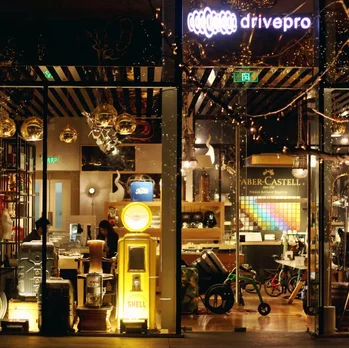
I hesitated for a long time in front of a barbershop—a red, white, and blue striped light box, black leather chairs, retro hairstyle posters on the walls. It looked like a perfectly legitimate barbershop. It wasn’t until I pressed the hidden elevator button that I walked into Bar Pi and understood what “a hidden world” really means.
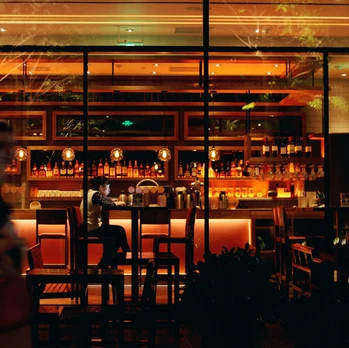
The bartender, River, is a cheerful, smiling guy, but the moment he starts shaking a cocktail, he switches into a cool, serious mode—hands move, liquor pours, all in one fluid motion. I tried a new drink not yet on the menu: a “Trigonometric Function” made with house-made lemon gin, lemon leaf syrup, and fresh lemon juice. Refreshing and crisp, paired with a lemon chantilly—it was the perfect start to a weekend night.
How to Enter: Go through the barbershop, find the hidden elevator, and press B1.
Zhang Taipo’s Mama Pig Trotters: A Bowl of Homesickness
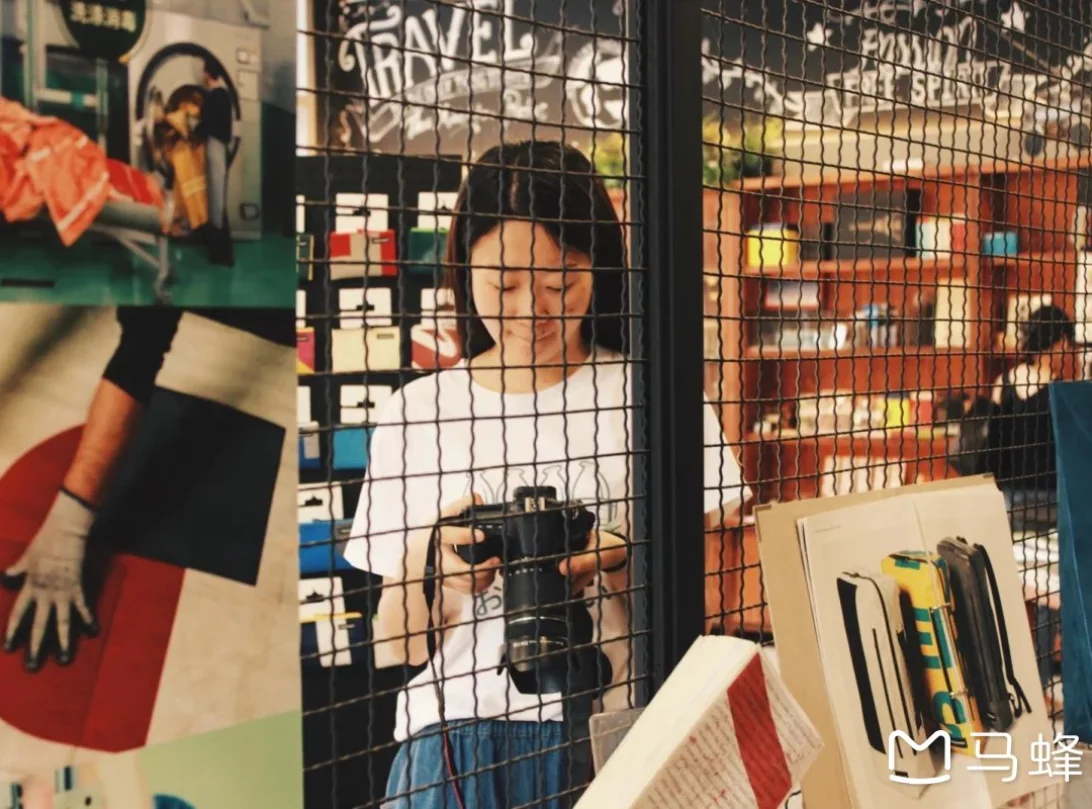
The trotter shop on Tangba Street has been my fixed route’s final stop for years. Why is it called “Mama Pig Trotters”? I guess because the pig trotters are stewed so tender and soft that they remind you of your mother’s or grandmother’s cooking. In Chengdu, trotter soup is an outlier in the late-night snack world—light and thick, so sticky it can seal your lips.
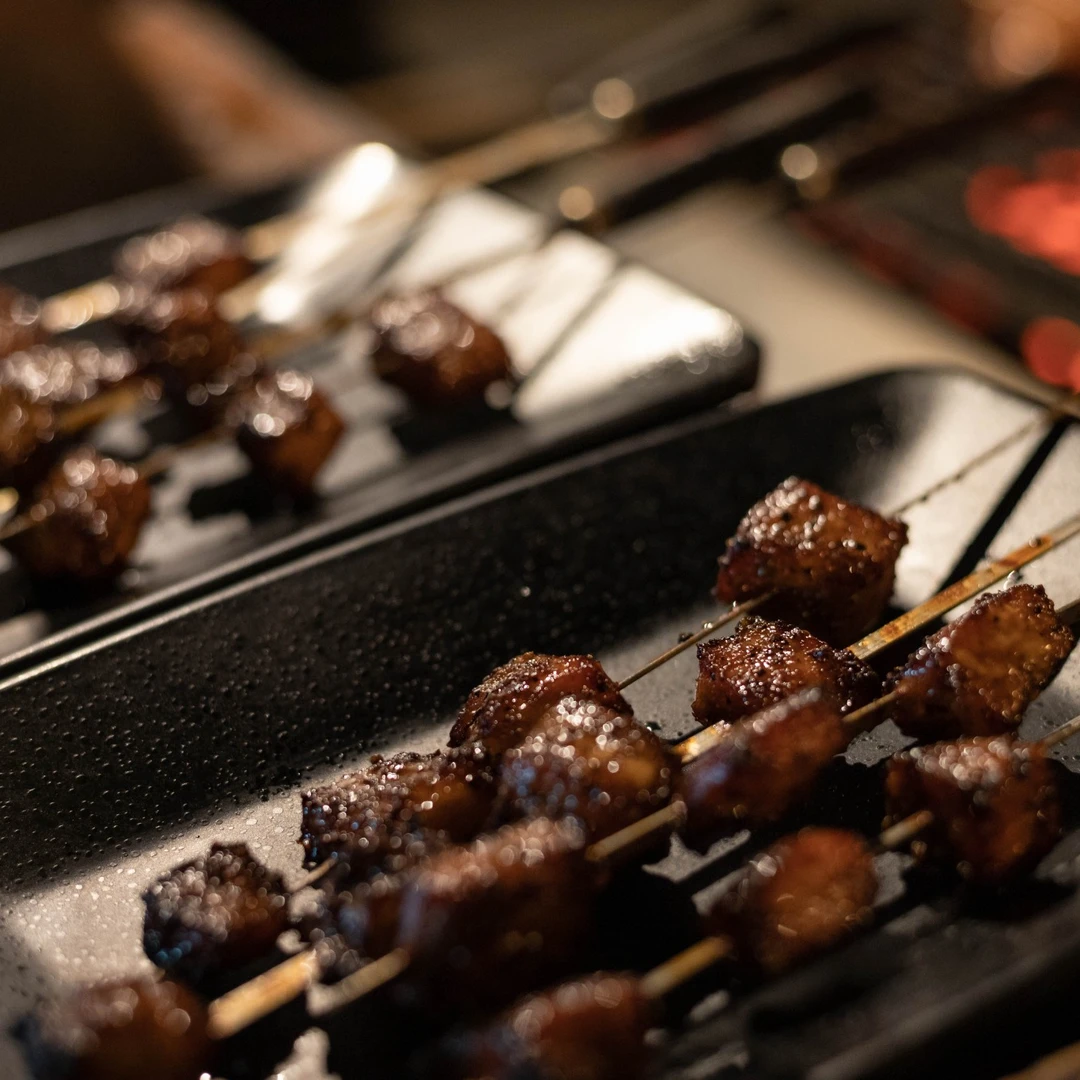
The original-flavor trotter soup, served with a chili oil dip and pickled vegetables, is the classic choice. But I prefer the “fish-fragrant” style: minced red chili and the tang of vinegar and soy sauce cut through the richness of the trotters, making each bite more flavorful. When dining with a group, you can also order cold noodles, cold-tossed beef tripe, or twice-cooked pork—these home-style dishes taste just like the ones I’ve eaten at home over the years.
Opening Hours: Late afternoon until early morning—ideal for a post-bar visit.
FAQ: Your Questions About Chengdu’s Hidden Gems
1. What is the best time to visit Taikoo Li for photography?
 Weekday mornings (before 10 AM) or late afternoons (after 4 PM) offer the best light and fewest crowds. The golden hour around sunset creates dramatic shadows on the grey brick and black tile architecture.
2. Is PY COMMONS suitable for remote work or studying?
 Absolutely. With its affordable pricing, single-origin espresso options, and relaxed atmosphere, it’s a favorite among freelancers and students. The new branch across the street offers even more seating.
3. How do I find Bar Pi without getting lost?
 Look for the barbershop with a red, white, and blue striped light box on the ground floor. Enter, walk past the barber chairs, and find the hidden elevator. Press B1—the bar is directly ahead.
4. What makes WUZAO different from other trendy cafés in Chengdu?
 WUZAO has evolved from a “viral” shop into a cultural institution. It combines an independent bookstore, a café, a guesthouse, and an exhibition space, all curated around the philosophy of “poetry in everyday life.” It’s less about Instagram moments and more about mindful living.
5. Can I visit all these spots in one day?
Yes, if you start in the late morning and end after dinner. A suggested route: Taikoo Li (morning architecture) → PY COMMONS (coffee break) → WUZAO (lunch and browsing) → Hidden coffee shop (afternoon) → Kaojiang (early dinner) → Bar Pi (evening drinks) → Zhang Taipo’s (late-night snack).
Internal Linking Suggestions
[Link: Best Chengdu street photography spots]
[Link: Chengdu late-night food guide]
[Link: Hidden bars in Chengdu’s Jinjiang District]
[Link: Chengdu coffee shop crawl itinerary]
[Link: What to eat in Chengdu beyond hotpot]
Conclusion: Your Turn to Collect Chengdu’s Smoke and Poetry
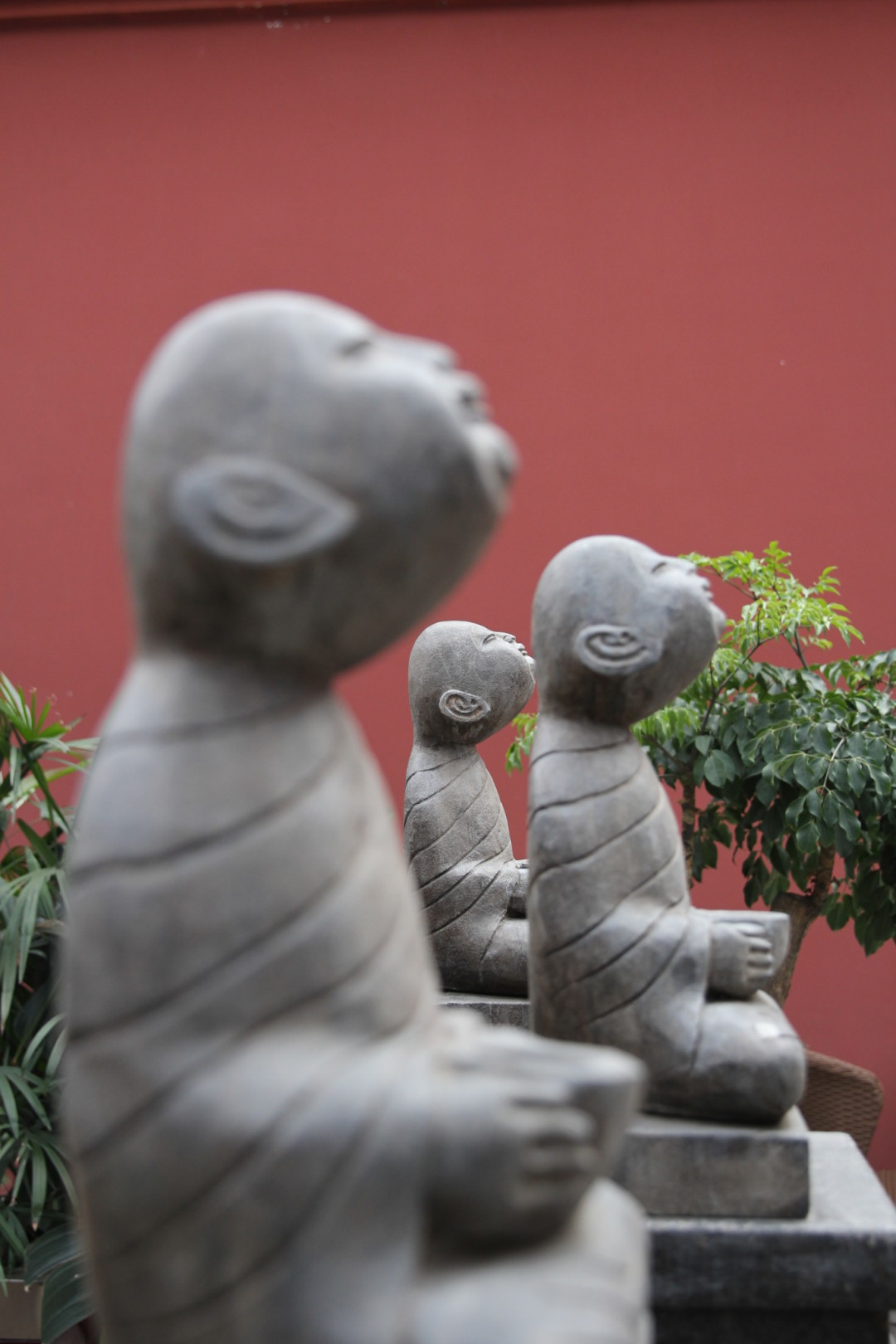
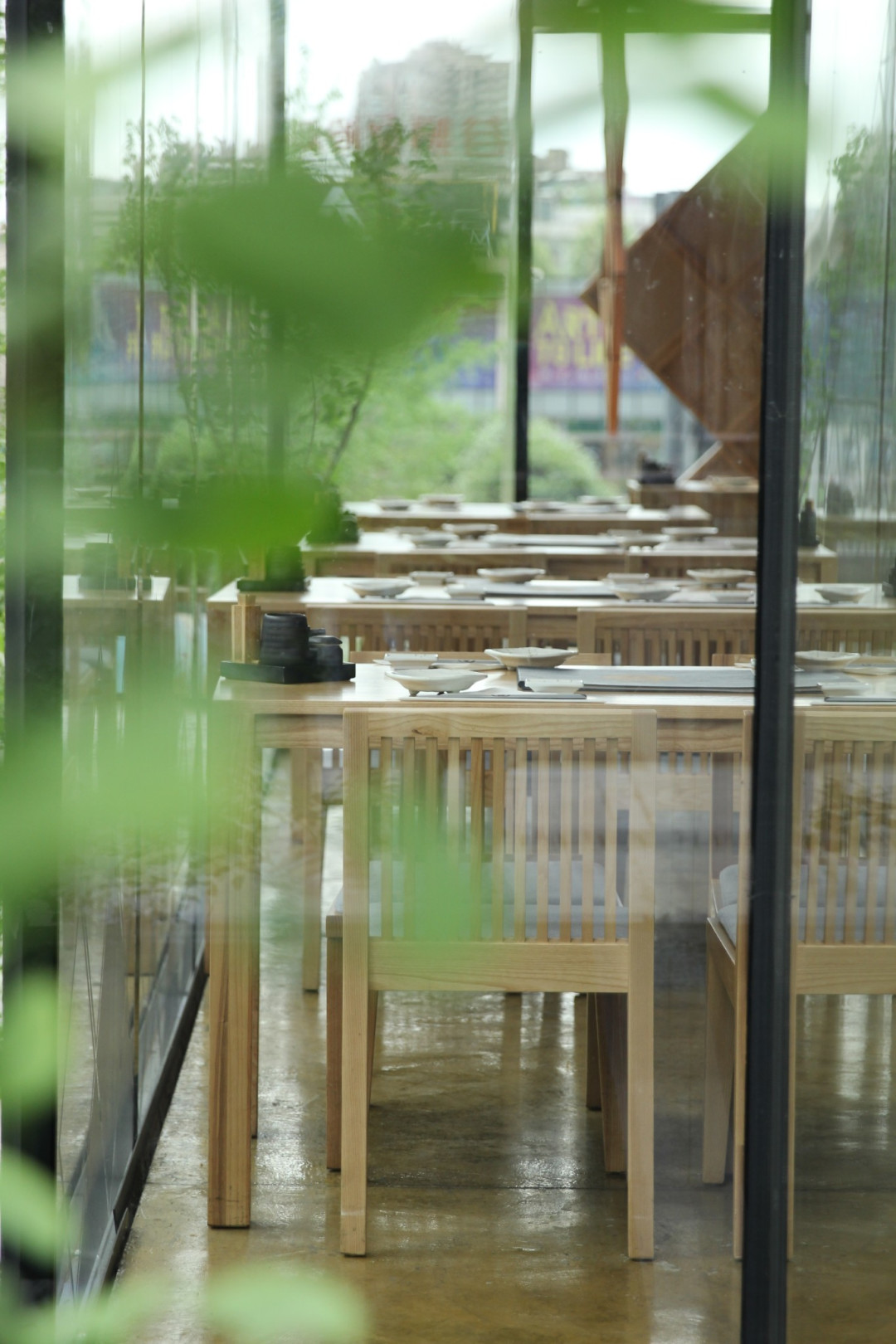
Eight years of wandering has taught me that Chengdu isn’t a city you visit—it’s a city you breathe. From the smoky aromas of Kaojiang’s grilled fish to the quiet poetry of a hidden coffee shop, every street corner holds a story waiting to be discovered. Whether you’re a photography enthusiast, a food lover, or simply someone seeking the soul of a city, these spots offer a glimpse into the real Chengdu—the one that simmers slowly, like hotpot, and grows richer with every visit.
Your next step: Pack your camera, lace up your walking shoes, and set out to create your own map of Chengdu. Start with Taikoo Li’s architecture, end with a bowl of Mama Pig Trotters, and let the city’s smoky, poetic air fill your lungs. Share your discoveries with the hashtag #ChengduSmokeAndPoetry—I’d love to see what you find.
Ready to explore? Bookmark this guide, follow the routes, and immerse yourself in the everyday poetry of Chengdu. The city is waiting—go collect your own stories.
You may also like