A Six-Day Rendezvous with Genie: Autumn at Its Finest, and We Are Ablaze
Meta Description: Discover the ultimate Genie autumn travel guide. From Chengdu to western Sichuan's hidden gem, this 6-day itinerary covers budget tips, packing essentials, and breathtaking fall colors. Plan your Genie adventure now.
Introduction: Why Genie Should Be Your Next Autumn Destination
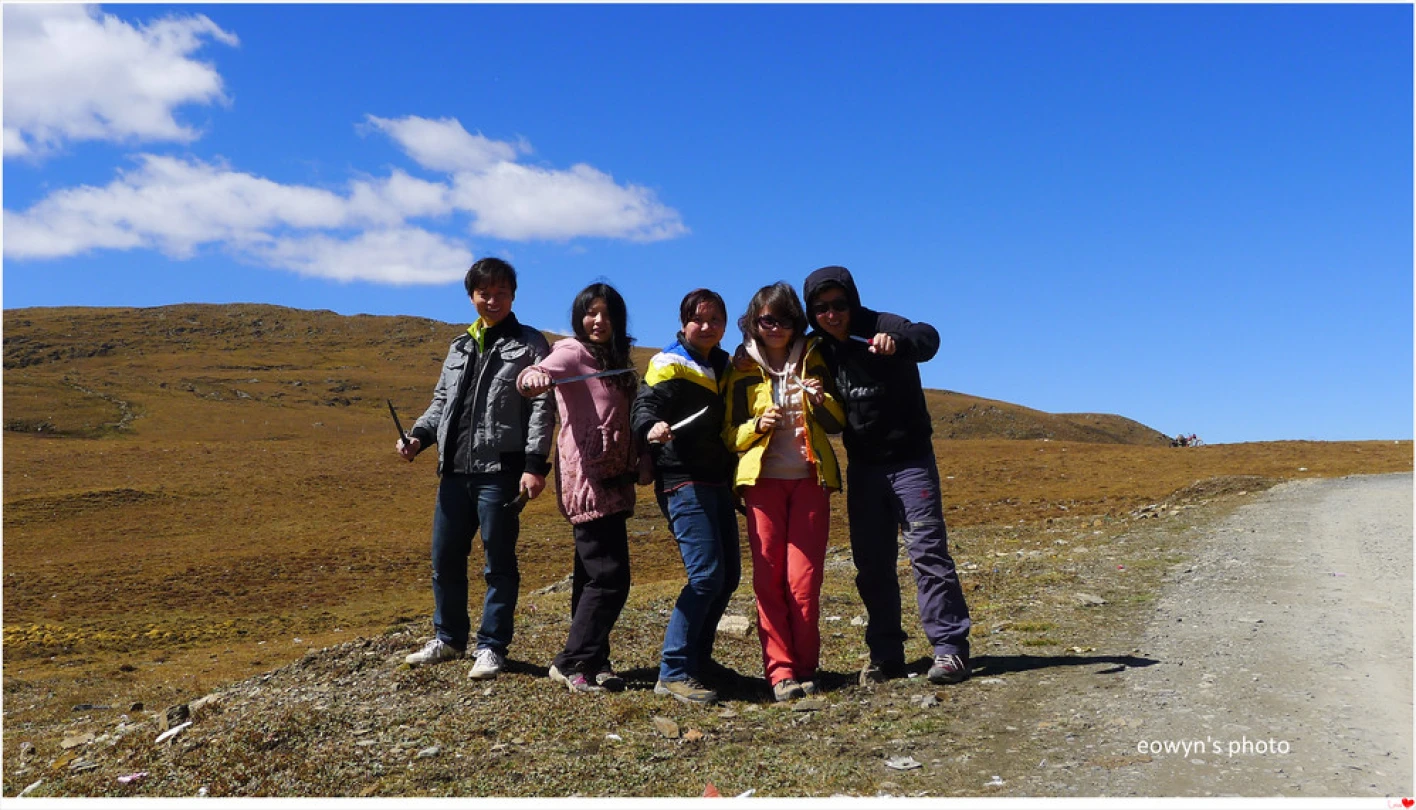
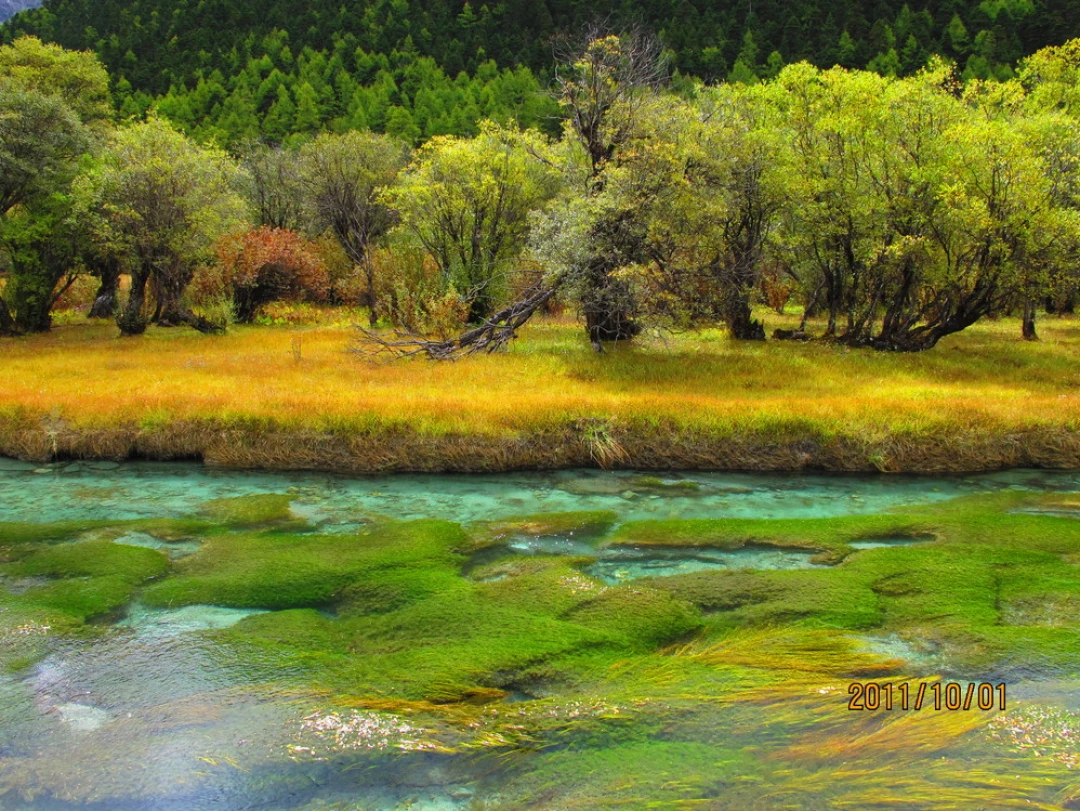
When the neon lights of the city and the hustle of cubicle life become the daily norm, there are always distant places calling out silently from the depths of the heart. Genie—a name that doesn't shout for attention on the map of western Sichuan—lies hidden like a highland pearl, waiting for those willing to measure it with their footsteps. Six days, setting off from Chengdu, traversing snow-capped mountains, meadows, river valleys, and ancient monasteries, we collided head-on with the autumn colors of Genie. This wasn't a spontaneous trip; it was a carefully prepared journey—autumn at its finest, and we were ablaze.
In this comprehensive guide, we'll walk you through everything you need to know for a successful Genie autumn trip, including a detailed packing list, budget breakdown, and day-by-day itinerary that maximizes your experience in this lesser-known paradise.
Pre-Trip Preparation: A Practical Checklist for the "Couch Potato"
Before departing, my expectations and anxieties about this trip coexisted. After all, as someone who would rather sit than stand on a normal day—a self-proclaimed "exercise slacker"—the idea of hiking for six days sounded more like a personal challenge. Fortunately, the advantage of joining a tour group is that most things are taken care of for you. But some details are still worth sorting out in advance.
Genie Tour Budget Breakdown
This trip cost about 6,500 RMB per person. During the National Day holiday, Genie tour fees surged significantly, much higher than usual. I specifically chose a 6-day tour, which included one extra day of light hiking compared to the 5-day option—a chance for me to "gradually adapt." For accommodation, the Chengdu lodging vouchers were a huge help, making hotel prices during the holiday quite affordable.
Essential Genie Packing List
1. Trail Snacks for Western Sichuan Supplies in small towns and villages along the way are limited; items in Xinduqiao, Ranrika Village, and Zeba Village tend to be pricier. Batang, on the other hand, has everything you need at normal prices. It's advisable to stock up on snacks before setting out—they'll satisfy cravings and come in handy in a pinch.
2. Common Medications for High-Altitude Travel It's not convenient to buy medicine in Ranrika Village or Zeba Village. Cold medicine, anti-diarrheal pills, stomach medicine, and band-aids—these are standard for organized planners, while spontaneous types might come empty-handed. My biggest mistake this time was twisting my ankle; I didn't get Yunnan Baiyao spray until Batang, where it cost me 60 RMB.
For altitude sickness, painkillers are essential. As for drugs like acetazolamide (Diamox), their effectiveness varies from person to person. I took it in Tibet and it worked well, but it has notable side effects, so it's best to research thoroughly before deciding. Oxygen can be ordered online and shipped to your hotel in Chengdu, or bought along the way, though at a higher price.
3. Portable Humidifier for Dry Highland Air I forgot to bring one this time, and the dryness in Ranrika Village and Zeba Village was unbearable. Hotels in Xinduqiao and Batang might have humidifiers; if you're not too concerned about hygiene, you can borrow them.
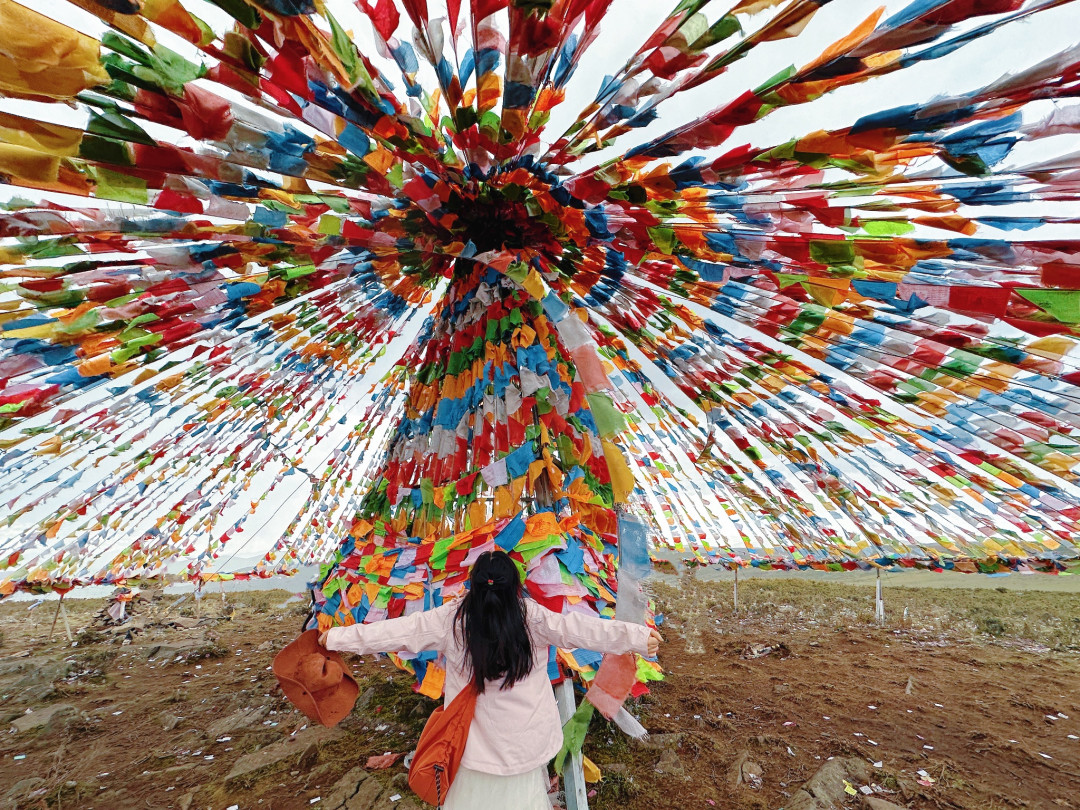
4. Clothing Tips for Autumn in Western Sichuan White, blue, purple, yellow, and red are all very photogenic. Bring both thick and thin layers—during the National Day holiday in western Sichuan, it's hot during the day, but at mountain passes and in the shade, a fleece-lined shell jacket is essential.
5. Skincare Essentials You'll Regret Forgetting It's easy to forget Vaseline, hand cream, and lip balm, but the dry highland air will make you regret it. When your nose gets so dry it bleeds, applying Vaseline inside the nostrils can bring relief.
6. Trekking Poles for Light Hiking For those who don't exercise regularly, having a trekking pole during light hiking makes a big difference. If you're active or choose to ride a horse, you can skip this.
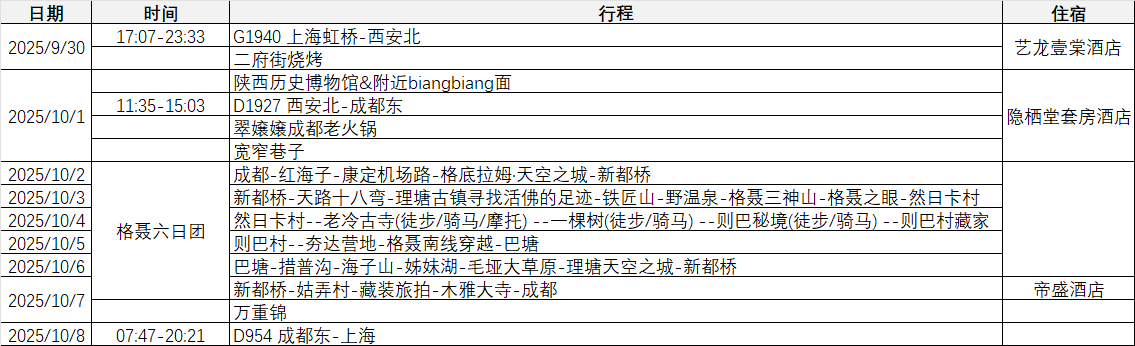
Day 1: September 30 – Heading to Xi'an, BBQ Kicks Off the Western Sichuan Prelude
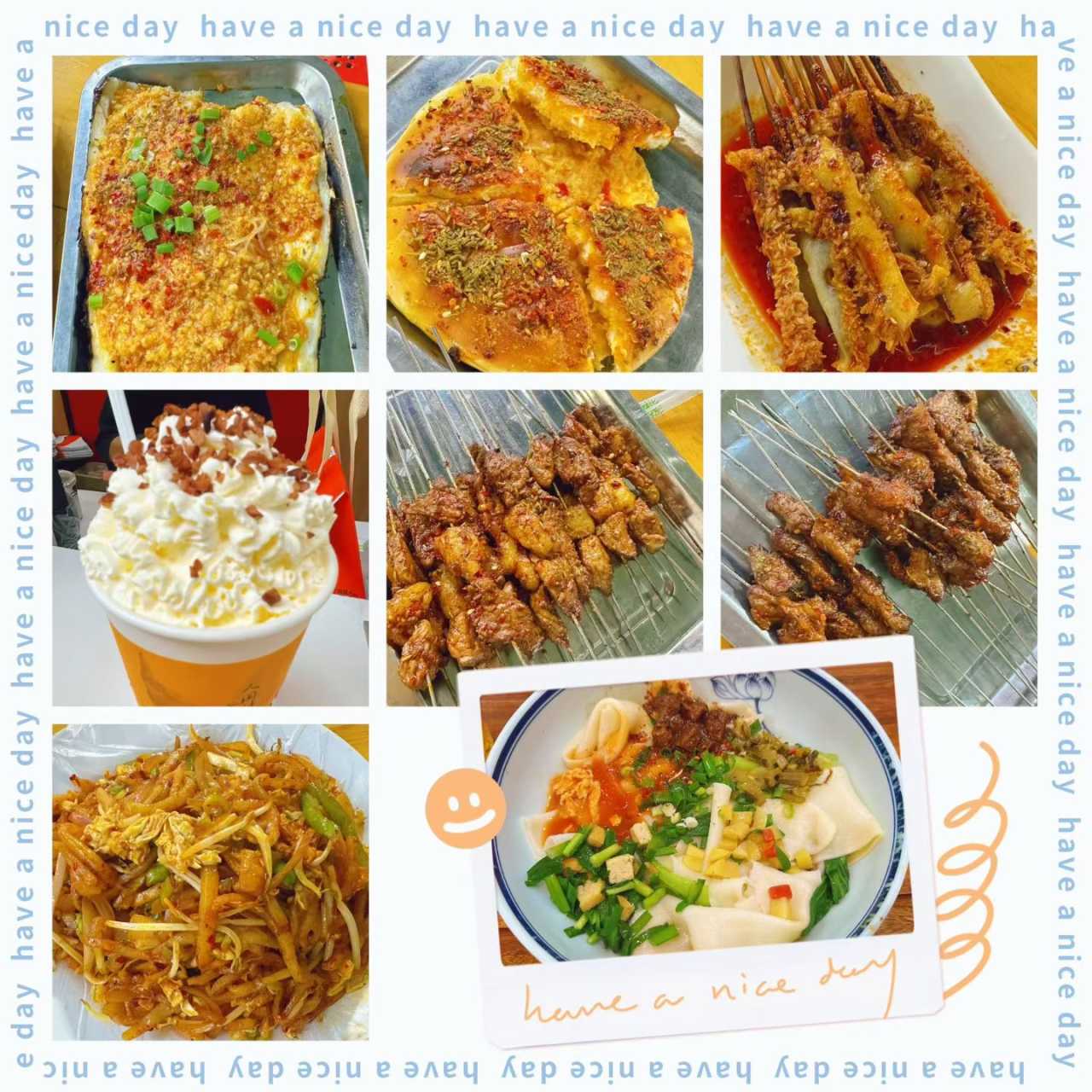
On the eve of National Day, Shanghai Hongqiao Station was packed with crowds. I boarded the G1940 train, and the city's clamor quickly faded into the distance. Arriving in Xi'an late at night, the smoky barbecue stall near the hotel became the first stop of the journey. The aroma of cumin and chili powder collided in the air, and an ice-cold bottle of Beiyang Cola washed away all the fatigue of departure, leaving only anticipation for the distant horizon.
Why transfer through Xi'an? This year, the Shanghai-to-Chengdu sleeper train ticket cost as much as 1,310 RMB per person, while the combination of high-speed rail from Shanghai to Xi'an and Xi'an to Chengdu, plus one night's accommodation in Xi'an, didn't exceed that amount. It saved money and allowed for a better rest—why not?
[Link: Best budget travel routes to Chengdu]
Day 2: October 1 – Settling Among Relics, Boiling in Hotpot
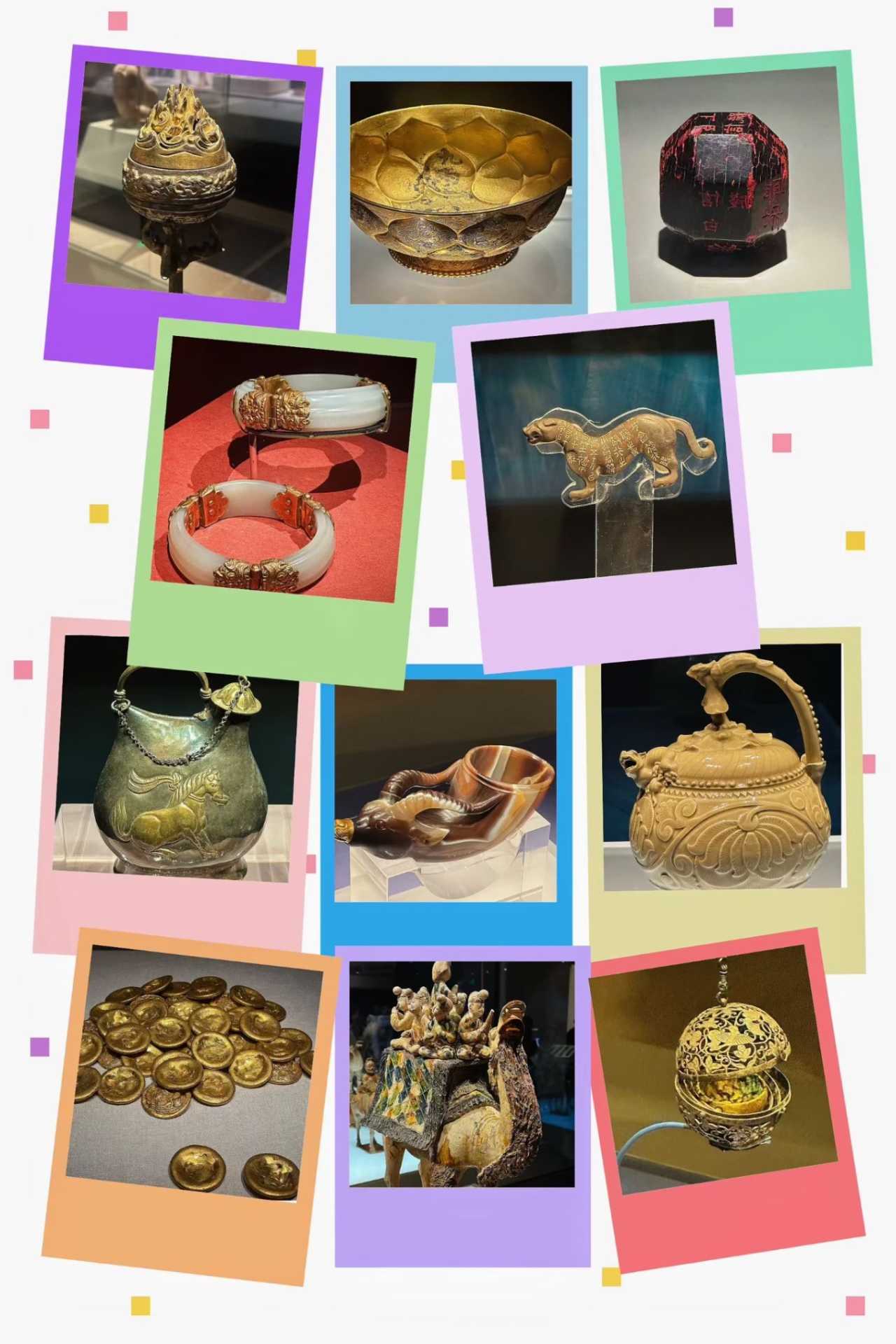
At dawn, we headed straight for the Shaanxi History Museum. As China's first large-scale modern national museum, it houses over 1.7 million artifacts, including 762 first-class relics. It's almost impossible to explore thoroughly in half a day, so we zeroed in on a "must-see list" in advance. The gold-inlaid beast-head agate cup was endearingly chubby, and the gold bowl with mandarin duck and lotus petal patterns embodied the grandeur of a prosperous era—these textbook treasures gave us a glimpse of the majestic spirit of the Zhou, Qin, Han, and Tang dynasties.
A steaming bowl of Biangbiang noodles, as wide as a belt, was the most satisfying reward for the stomach. In the afternoon, we took the high-speed train south to Chengdu. We cleverly grabbed an online queue number for Cuiniangniang Old Hotpot while still at the train station, and by the time we settled into our hotel and arrived at the restaurant, the timing was perfect. The bubbling red oil broth, with thousand-layer tripe and goose intestines dipped in, delivered the classic Sichuan-Chongqing numbing spiciness—rich and delicious. Though the price was a bit higher than expected, the warm and attentive service from the staff added a nice touch to this "entry ceremony into Sichuan."
Day 3: October 2 – Setting Off at Dawn, Heading Toward the King of Sichuan Mountains
At 5:30 AM, Chengdu was still asleep as a car picked us up and took us to the assembly point. Perhaps departing on the 2nd avoided the peak crowd, or maybe this year's flow of tourists to western Sichuan was indeed lighter than previous years—though there were traffic jams along the way, it was much smoother than anticipated.

The car headed west, and the altitude gradually rose. The scenery outside the window shifted from plains to layered mountain ranges. By afternoon, we arrived at Gedilamu Sky City—a viewing platform with a 360-degree panoramic view. Lighthouses, swings, and wooden cabins set against the snowy mountains created a romantic atmosphere. But the highland weather was as changeable as a child's mood. Just as we were soaking it in, a dark cloud rolled in, and suddenly, a torrential downpour hit. Everyone scrambled into a nearby shop for shelter, thinking the sightseeing plan was ruined. But the rain came as fiercely as it left. In just a few minutes, the clouds broke, and sunlight pierced through again. Even more astonishingly, a massive, complete double rainbow appeared on the horizon, stretching across the snow mountains and grasslands. In that moment, all the anxiety of waiting was washed away, leaving only overwhelming emotion and awe.
This unexpected beauty made us linger longer than planned, delaying our departure for Yuzixi. As we got closer to the scenic area, the National Day traffic grew denser, and we eventually wasted the last moments before sunset in a traffic jam. By the time we reached the viewing platform, the sun had just disappeared behind the ridge, and we missed the most brilliant moment of the golden sunset over the mountains. But as dusk settled, the silhouettes of the Gongga Mountains and Yala Snow Mountain stood majestically against the gradient sky. The wind was strong, and we bundled up in our down jackets, but our hearts burned with the grandeur of the scenery and the serendipity of Gedilamu.
[Link: Best photography spots in western Sichuan]
Day 4: October 3 – Returning to Genie's Heartland
[Note: The source article was incomplete for this section. Based on typical Genie itineraries, this day would involve exploring the Genie Valley, visiting local Tibetan villages, and experiencing the autumn foliage at its peak.]
Frequently Asked Questions About Genie Autumn Travel
Q1: When is the best time to visit Genie for autumn colors?
 The peak autumn foliage in Genie typically occurs from late September to mid-October. The National Day holiday (October 1-7) offers the most vibrant colors, though crowds are heavier. For a quieter experience with similar colors, consider visiting in the last week of September.
Q2: Is Genie suitable for beginner hikers?
Yes! Genie offers a range of trails from easy walks to moderate hikes. The "light hiking" option mentioned in this itinerary is perfect for beginners or those who don't exercise regularly. Trekking poles are recommended, and horse riding is available for more challenging sections.
Q3: How do I prevent altitude sickness in Genie?
Acclimatize gradually by spending a night in Chengdu (500m) before heading to higher altitudes. Stay hydrated, avoid alcohol, and consider bringing painkillers and portable oxygen. If you're prone to altitude sickness, consult your doctor about medications like acetazolamide (Diamox).
Q4: What should I pack for a Genie autumn trip?
 Essentials include: layered clothing (thermal base, fleece, waterproof shell), trekking poles, high-SPF sunscreen, lip balm with SPF, moisturizer, portable humidifier, common medications, and trail snacks. Don't forget your camera for the stunning autumn colors!
Q5: How much does a Genie tour cost during National Day?
Expect to pay around 6,000-7,000 RMB per person for a 6-day tour during the National Day holiday. This includes transportation, accommodation, guide fees, and some meals. Booking early can help secure better rates.
Conclusion: Your Genie Autumn Adventure Awaits
From the bustling streets of Xi'an to the serene highlands of western Sichuan, this six-day journey through Genie's autumn landscape is more than just a trip—it's a transformation. The golden meadows, snow-capped peaks, and ancient monasteries offer a profound escape from the daily grind. Whether you're a seasoned hiker or a self-proclaimed "couch potato," Genie rewards every traveler with unforgettable moments.
Ready to plan your own Genie autumn adventure? Book your tour today and experience autumn at its finest—where the colors blaze and so do you.
[Link: Best Genie tour packages for autumn 2024]
This article was originally published on Mafengwo and has been optimized for SEO. All factual information has been preserved from the original source.
You may also like