A New Year in Western Sichuan: Finding Ritual and Meaning Between Snowy Peaks, Frozen Lakes, and Monasteries
Meta Description: Discover the magic of a New Year in Western Sichuan—from frozen lakes at 4,000 meters to ancient monasteries and snow-capped peaks. An intimate travelogue of ritual, renewal, and highland beauty.
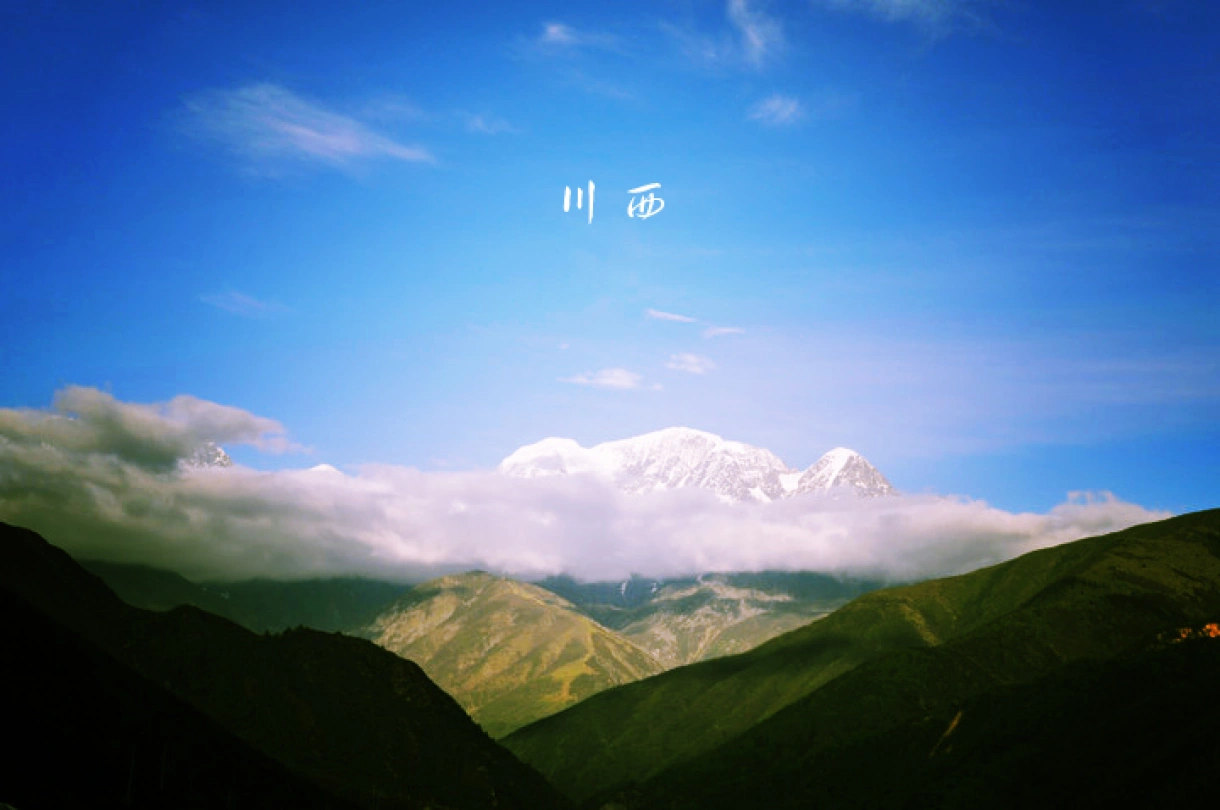
On the first morning of 2022, at eight o'clock, the highland sun poured unreservedly into the room. The moment I pulled back the curtains, it felt as if I had collided with the entire world—that brilliance was a gift unique to Western Sichuan.
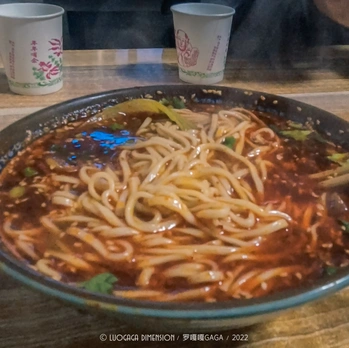
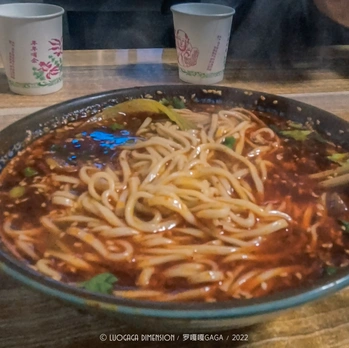
By nine-thirty, I was already seated in an unremarkable little restaurant just outside Kangding City. A steaming bowl of beef noodles was set before me—red oil floating on the surface, scallions scattered as garnish. The first morning of the new year unfolded slowly in the aroma of food. Outside the window, the distant mountains were still draped in last night's snow, and sunlight was creeping inch by inch up their peaks.
This trip had no grand plan, no elaborate itinerary. I simply wanted to do what I wanted, see who I wanted to see, and go where I wanted to go on the first day of the new year. And Western Sichuan—an old friend I already knew well—had once again become the backdrop I chose.
Why Western Sichuan in Winter? The Case for a Cold-Weather Escape
Many travelers flock to Western Sichuan in autumn for the golden leaves, or in summer for the lush grasslands. But winter—especially around the New Year—offers something far more intimate. The crowds vanish. The air becomes razor-sharp and clear. Snow transforms familiar landscapes into something mythic.
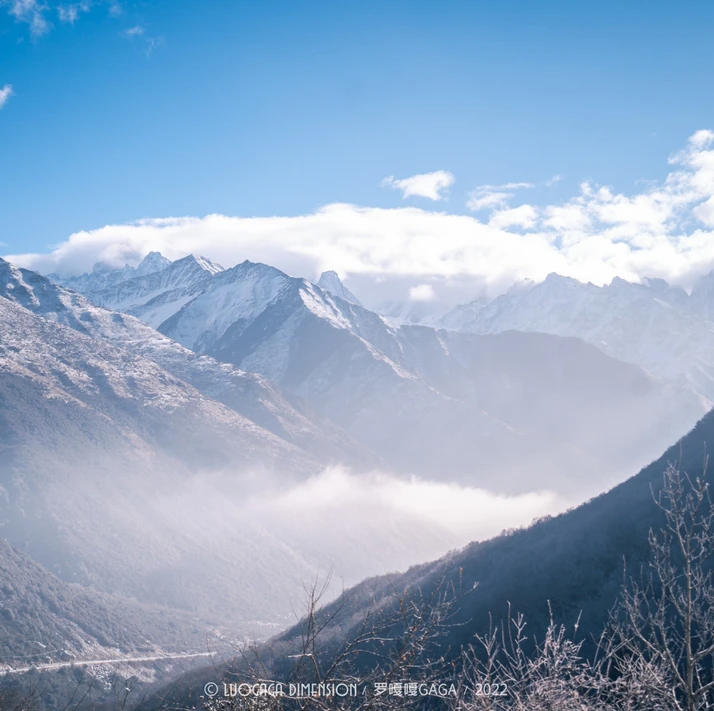
For those seeking ritual and meaning in travel, Western Sichuan in winter delivers an almost monastic stillness. The frozen lakes, the chanting from distant monasteries, the prayer flags snapping in the wind—all of it invites reflection. It's not a vacation for relaxation; it's a journey for renewal.
[Link: Best time to visit Western Sichuan]
Honghaizi (Red Lake) in Winter: When Mountains and Waters Don Their Silver Attire
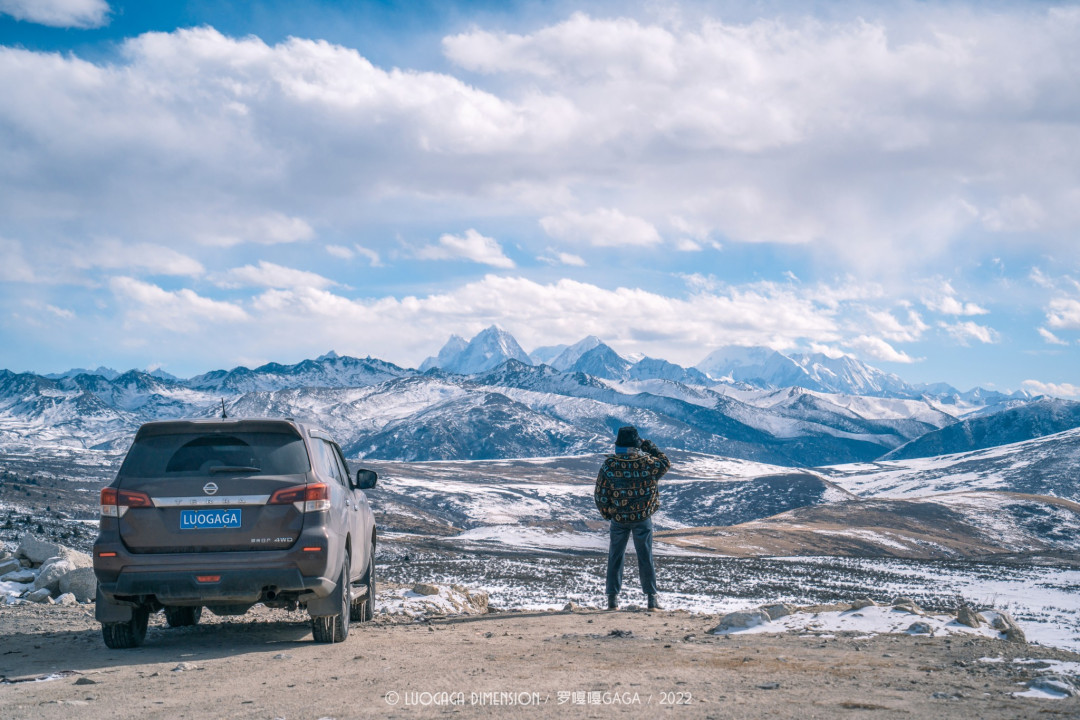
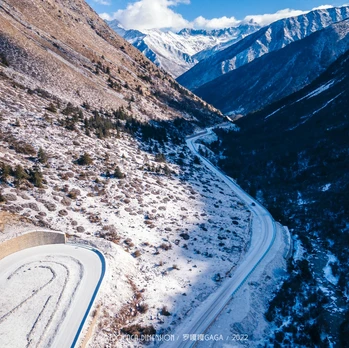
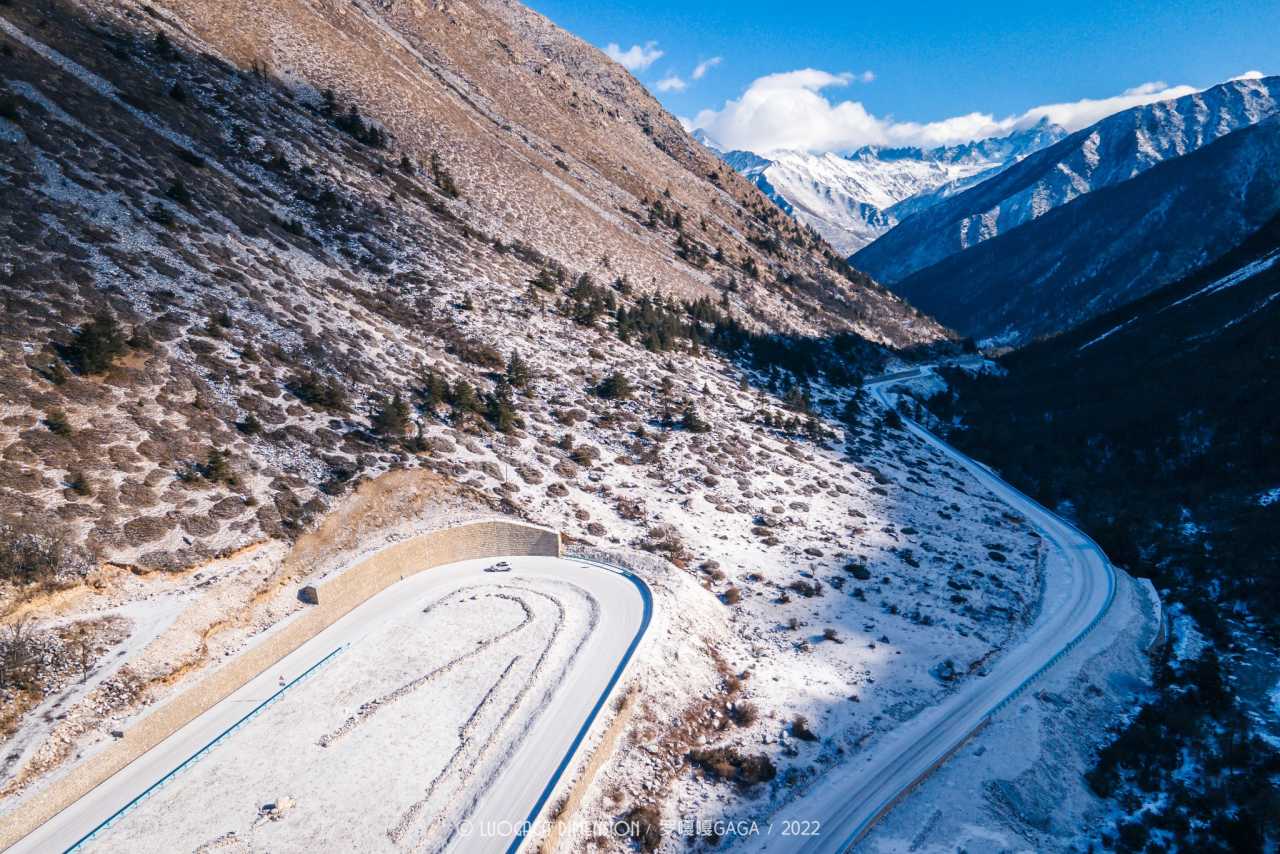
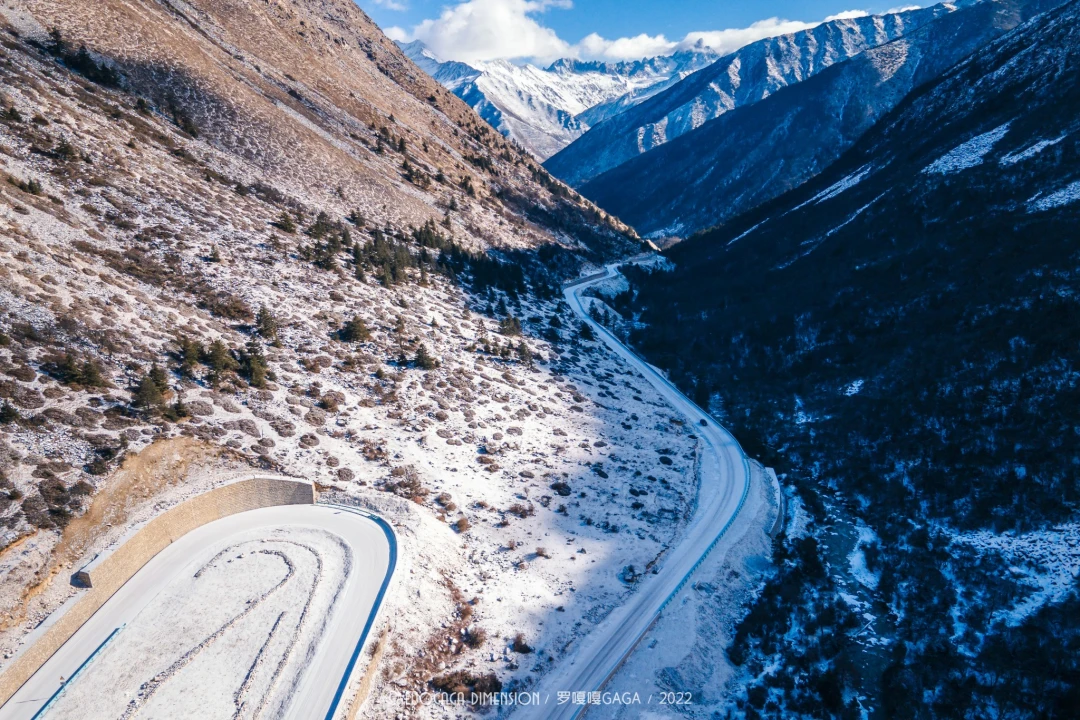
We climbed slowly along Provincial Road 434, the tires crunching over the snow-covered pavement. In the valley outside the window, sunlight and snow interwove, creating dappled shadows that seemed like the earth itself breathing.
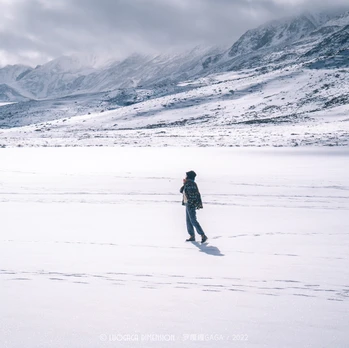
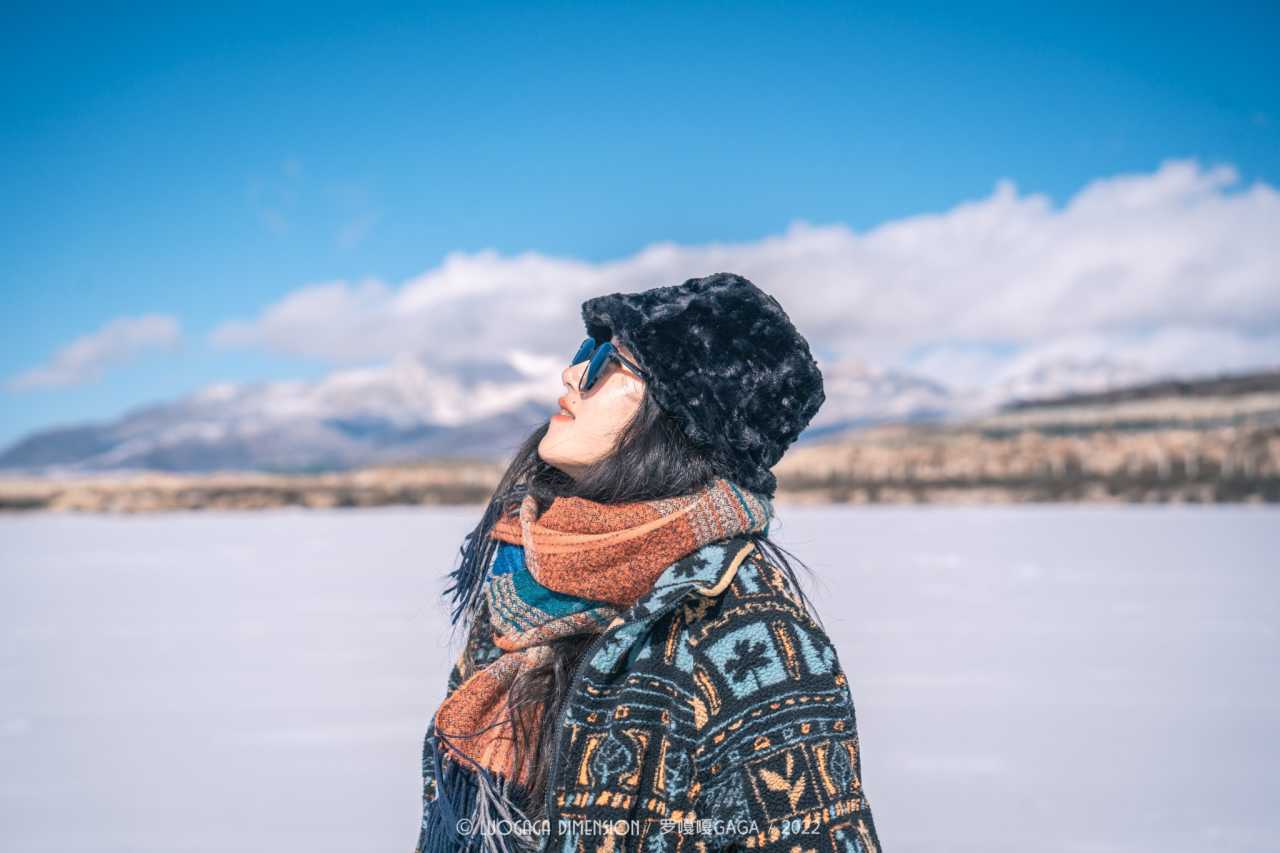
Honghaizi, a newly popular spot in Western Sichuan, greeted us in its特有的 winter姿态. This highland lake, at an elevation of over 4,000 meters, had long been sealed by ice and snow. I had imagined the frozen surface would be smooth as a mirror, but instead I was met with a white world covered in a thin layer of powder.

The lake surface wasn't flat—the water had frozen while still rippling, and a light dusting of snow covered it. One misstep and you'd slip. I imitated a penguin, spreading my arms wide, feet shoulder-width apart, wobbling forward. It was an anti-slip trick I'd learned online, and it worked.
Every fall drew bursts of laughter. Here, tumbling wasn't embarrassing—it became a kind of joy. My parents, who pride themselves on having traveled far and wide, turned childish on the snow. They drew a heart on the ground, then posed for the camera making heart signs, laughing like kids.
Standing on the ice field, the sunlight was so dazzling it was hard to keep my eyes open. I thought of the film Love Letter—that purity, that stillness, and the tenderness hidden beneath the ice and snow.
Not far away, a young couple was taking wedding photos. The bride wore a strapless gown, standing on the snowfield. The wind was biting, but she smiled radiantly. I couldn't help thinking that true courage is probably someone willing to say "I do" in a wedding dress on snow-covered ground at 4,000 meters.
Travel Tip: Honghaizi is accessible via Provincial Road 434 from Kangding. Winter tires or chains are essential. The lake is best visited in the early morning when the light is soft and the ice is most reflective.
[Link: Kangding travel guide]
Sidingcuo (Siding Lake): Eating Self-Heating Rice at the Foot of Mount Gongga
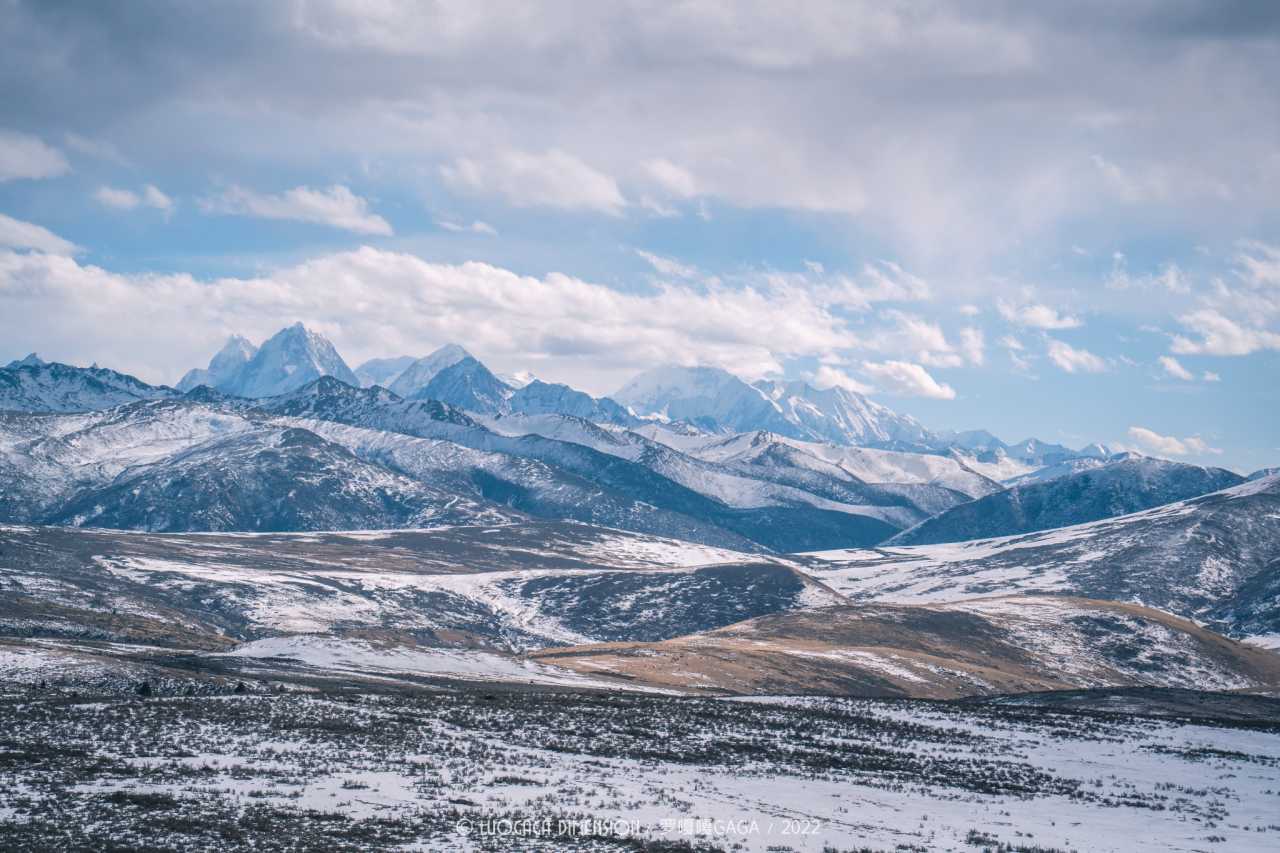
Beside Kangding Airport lies a small lake called Sidingcuo. It's one of the most accessible viewpoints for the Gongga mountain range. Unfortunately, when we arrived, the main peak of Gongga was again hidden by clouds.
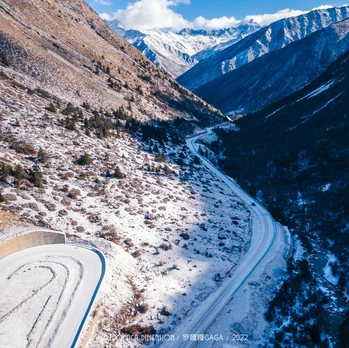
Sidingcuo usually has no特别的颜色, with weeds growing all around. Without the加持 of Gongga, it would probably rank low among the many highland lakes. But in winter, Sidingcuo is at its most beautiful—the ice surface is flat, the sunlight better, and tourists few, making it easy to capture that snowfield写真 feel.
We decided to have lunch here. We parked the car where we could see Gongga in the distance, opened our self-heating rice packs, and waited for them to bubble and steam. Eating self-heating rice on the snow had a strange ritualistic quality to it.
After lunch, we took a nap in the car. We set up our phone to record a time-lapse video, capturing how the clouds drifted across the sky while we dreamed. More than two hours passed, and the main peak of Gongga still hadn't appeared, so we decided to move on.
On the other side, Yala Snow Mountain had already revealed its full form. I waved at the snowy peak outside the car window—hello there, old friend.
Pro Tip: Sidingcuo is a great spot for a winter picnic. Bring self-heating meals, hot tea, and a blanket. The time-lapse of cloud movement over Gongga is worth the wait—even if the peak stays hidden.
[Link: Mount Gongga trekking routes]
Muya Grand Monastery: Basketball Games and Monk Red
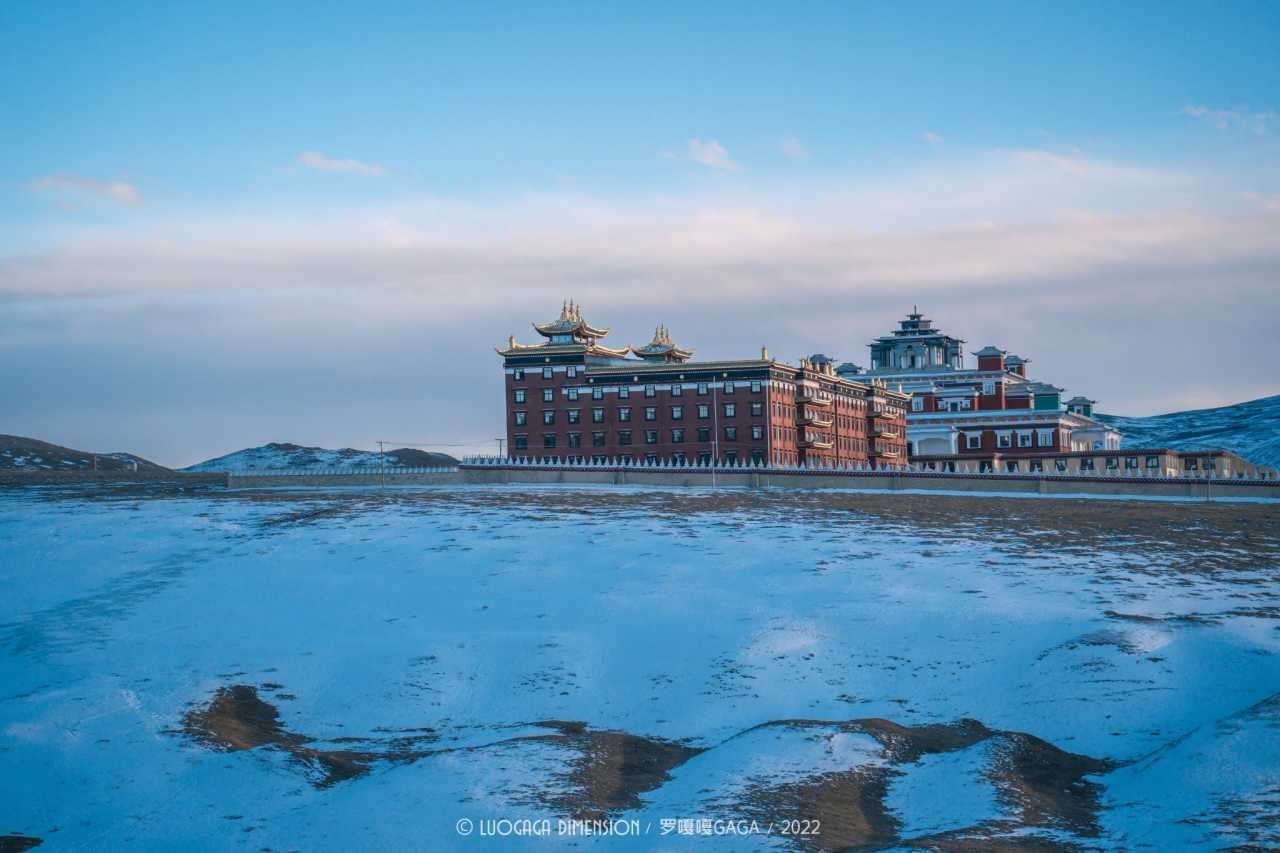
Muya Grand Monastery lies deep in the Tagong Grassland, with its back against Yala Snow Mountain. Compared to the popularity of Tagong Monastery, this place is remarkably low-key. There's very little information about it online, and few tourists visit.
"Muya" is an ancient name, holding significant importance in both Tibetan history and the Epic of King Gesar. Muya Grand Monastery is a complex of nunneries, monk temples, a Buddhist academy, and a Tibetan medical college. It's the second-largest Buddhist sacred site in Garze Prefecture,仅次于 the Larung Gar Five Sciences Buddhist Academy in Sertar.
Entering the monastery, the first thing we encountered were the deer raised by the temple. They stood quietly by the walls, their eyes gentle. The monastery's walls were made of密密麻麻 white stupas, their scale astonishing.
As we walked around the temple, we heard noise from the backyard. Drawing closer, we saw a basketball game underway among the monks. I tightened my coat against the cold wind, while the "athletes" on the court bared their arms—a testament to the heated atmosphere.
Monk red is, in my opinion, the most beautiful color in Tibetan regions. Whether on monks' robes or building walls, this red conveys a sense of restraint, tolerance, and sanctity. It symbolizes passion and intensity, yet carries a quiet strength.
Visitor Note: Muya Grand Monastery is free to enter. Dress modestly, speak quietly, and always ask before photographing monks or rituals. The basketball games are usually held in the afternoon.
[Link: Tibetan Buddhist monasteries in Garze]
Jiagulong (Jiagu Valley): A Sanctuary in the Valley
The village of Jiagulong lies in the valley beside Muya Grand Monastery. From a distance, we could hear the循环 chanting of scriptures, echoing through the valley with a power that pierced the heart.
On the hillside beside the village, prayer flags were planted densely, flapping loudly in the wind. Entering the village, a vast expanse of white stupas gradually came into view. Later, when I searched for information, I learned this was the world's largest Mani stone堆.
Perhaps because it was the first day of the new year, there were especially many pilgrims. Some carried children, some were in wheelchairs, some leaned on canes… All were dressed in their finest, holding prayer beads, their expressions serene. When their eyes occasionally met mine, they would offer pure smiles.
A passing Tibetan grandmother saw us standing by the prayer wheels and told us in halting Mandarin: "Turn three times clockwise to pray for peace and good fortune." We smiled and nodded in response.
As evening fell, cooking smoke rose from the valley. The last rays of sunset painted Yala Snow Mountain gold, and the sky and snowfield took on a soothing hue. I stood on the hillside, watching the village about to enter night, feeling a calm within me that was hard to put into words.
Spiritual Insight: Jiagulong is not a tourist attraction—it is a living religious site. Visitors should walk clockwise around stupas, avoid pointing at religious objects, and remove shoes before entering any temple building.
[Link: Mani stone carving traditions]
Zunsheng White Stupa and Lingque Temple: Collecting a City's Colors
The next morning, we arrived in Dawu County. From afar, we could see a towering white stupa—Langji Qudeng, known in Chinese as "Zunsheng White Stupa." Standing 53.24 meters tall, it consists of a main stupa and 24 smaller ones. Inside are statues of the Four Heavenly Kings, the Tathagata, and the founding patriarchs and protector deities of the Nyingma, Sakya, Kagyu, and Gelug schools.
Many devotees had already gathered around the stupa. Some were turning prayer wheels, others sat on benches resting, their faces smiling as if discussing something joyful. Cars arrived from nearby villages, parked in the square beside the stupa, circled it clockwise three times, murmured scriptures, and then drove away contentedly.
Lingque Temple sits at the foot of Nicuo Mountain in Dawu County. Built in the first year of the Kangxi reign of the Qing Dynasty, it has a history of over 300 years. I heard that Lingque Temple's butter sculptures and butter flowers are extremely famous. Every year on the 15th day of the first lunar month, a large colored canopy is erected here, displaying giant butter sculptures. People come from all directions.
Cultural Highlight: The butter sculpture festival at Lingque Temple (15th day of the first lunar month) is one of the most important religious events in the region. Plan your visit accordingly if you want to witness this stunning art form.
[Link: Dawu County travel attractions]
Frequently Asked Questions About New Year Travel in Western Sichuan
1. Is Western Sichuan safe to visit in winter?
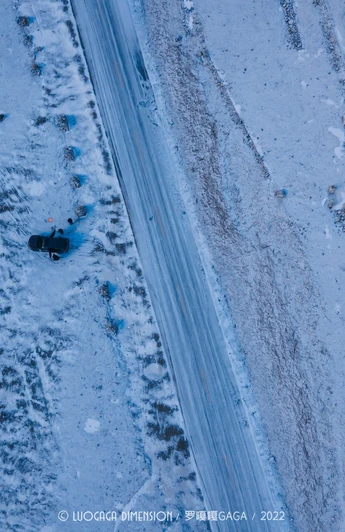
Yes, but preparation is key. Roads can be icy, especially on high passes. Carry snow chains, drive slowly, and check weather forecasts daily. Altitude sickness is a real concern—acclimatize in Kangding (2,600m) before heading higher.
2. What should I pack for a winter trip to Western Sichuan?

Layers are essential. Thermal base layers, a fleece, a windproof and waterproof outer shell, insulated boots, gloves, a warm hat, and sunglasses (snow glare is intense). Also bring lip balm, sunscreen, and a reusable water bottle.
3. How do I get to Honghaizi and Sidingcuo?

Both are accessible by car from Kangding. Honghaizi is along Provincial Road 434, about 1.5 hours from Kangding. Sidingcuo is near Kangding Airport, about 40 minutes away. Public buses are limited in winter; renting a car or joining a small group tour is recommended.
4. Can I visit Muya Grand Monastery without a guide?

Yes, the monastery is open to visitors. However, hiring a local guide can enrich your understanding of the site's history and religious significance. English-speaking guides are rare; Mandarin or Tibetan guides are more common.
5. What is the best time of day for photography in winter?
Golden hour (just after sunrise and before sunset) offers the best light for snowy landscapes. Midday sun can be harsh, but it's ideal for capturing the brilliant white of ice fields and stupas.
Your Western Sichuan Winter Journey Awaits
A New Year in Western Sichuan is not about luxury resorts or curated itineraries. It's about finding meaning in the small moments—a bowl of noodles in Kangding, a penguin-walk across a frozen lake, the sound of prayer wheels turning in the wind.
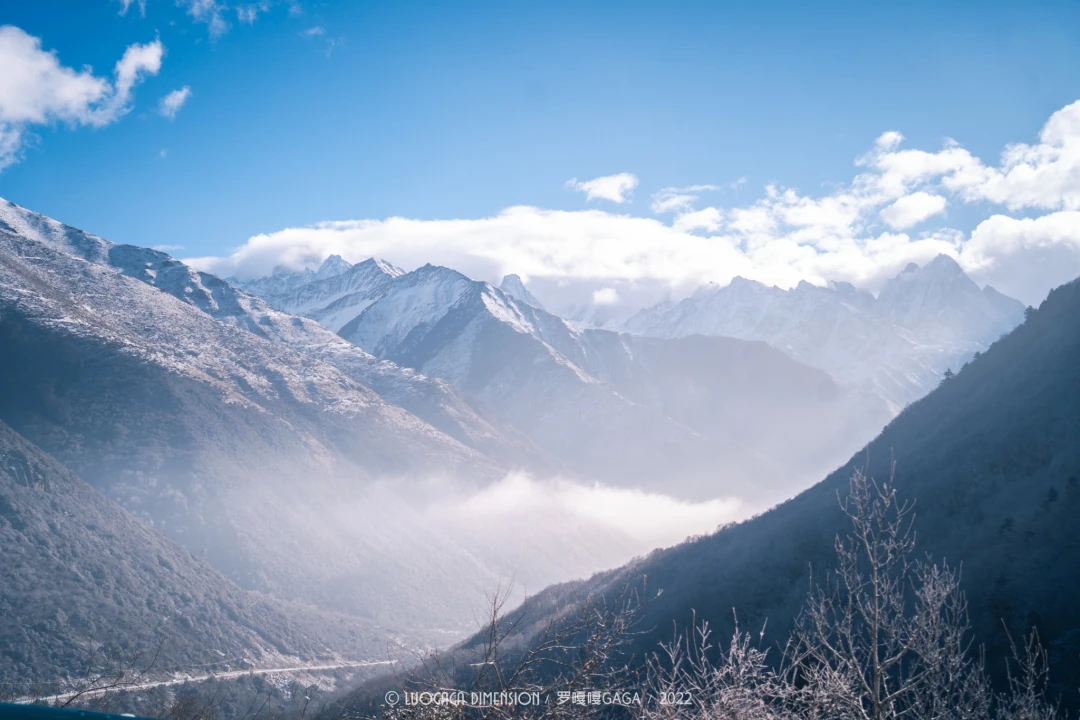
This is a journey for those who seek silence, who want to stand beneath snow peaks and feel small, who believe that travel can be a form of ritual. Whether you're a solo traveler, a couple, or a family with older children, Western Sichuan in winter offers a rare gift: the chance to pause, reflect, and begin the new year with intention.
Ready to plan your trip? Start by booking your flight to Chengdu, then take a bus or rent a car to Kangding. Allow at least 5–7 days to explore the loop we've described. And remember—the best moments are often the unplanned ones.
Pack your layers. Bring your sense of wonder. And don't forget the self-heating rice.
[Link: Western Sichuan travel itinerary 7 days]
[Link: High altitude travel safety tips]
[Link: Tibetan culture and etiquette guide]
Have you visited Western Sichuan in winter? Share your experience in the comments below—or ask us for personalized route advice!
You may also like