A Leisurely Journey Through Chengdu: Five Days, Four Nights – Your Ultimate Guide to the City of Hibiscus
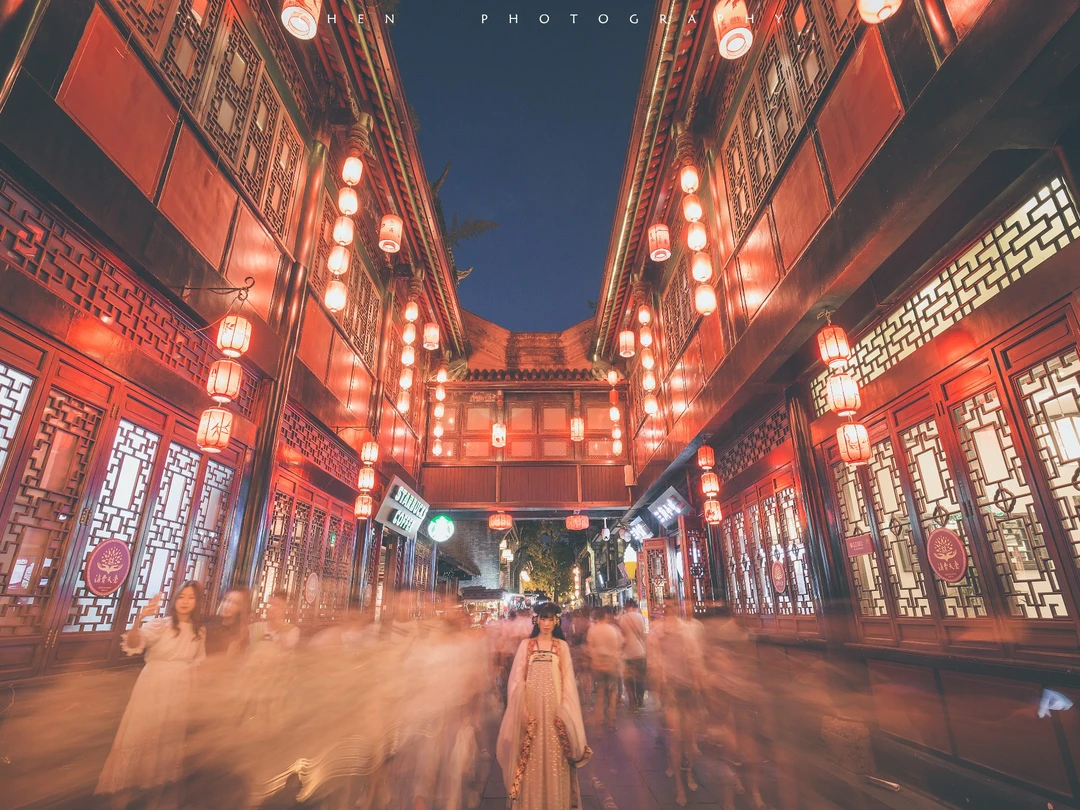
Meta Description: Discover Chengdu's slow-paced charm with this 5-day, 4-night itinerary. From panda encounters and People's Park tea houses to hidden food gems, plan your perfect Chengdu trip today.
Introduction: Why Chengdu Deserves a Spot on Your Travel List
Chengdu, the capital of Sichuan Province, is often called the "Land of Abundance"—and for good reason. Unlike the frantic energy of Beijing or Shanghai, Chengdu offers a unique blend of ancient culture, modern flair, and an irresistible culinary scene. Known as the City of Hibiscus, it's a place where time slows down, where locals sip tea in lush parks, and where the aroma of spicy hotpot fills the air.
This five-day, four-night Chengdu travel guide is designed for first-time visitors who want to experience the city's soul—from red-walled temples and panda cubs to late-night skewer stalls and hidden food alleys. Whether you're a foodie, a history buff, or a slow traveler, this itinerary will help you measure Chengdu's warmth with your steps and record its flavors with your taste buds.
Pre-Trip Planning: Budgeting for Transport and Accommodation
How to Save on Flights: The Chongqing Hack

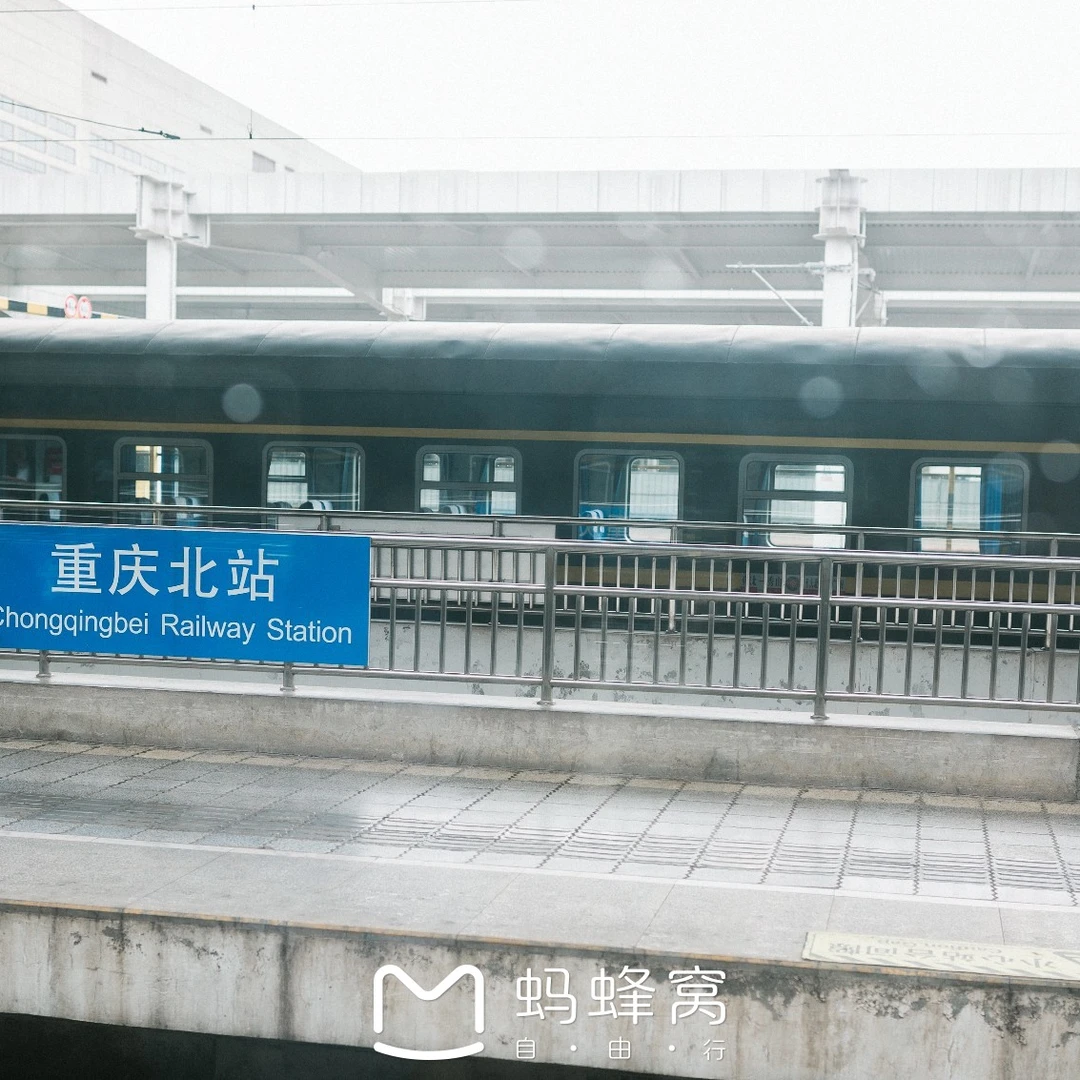
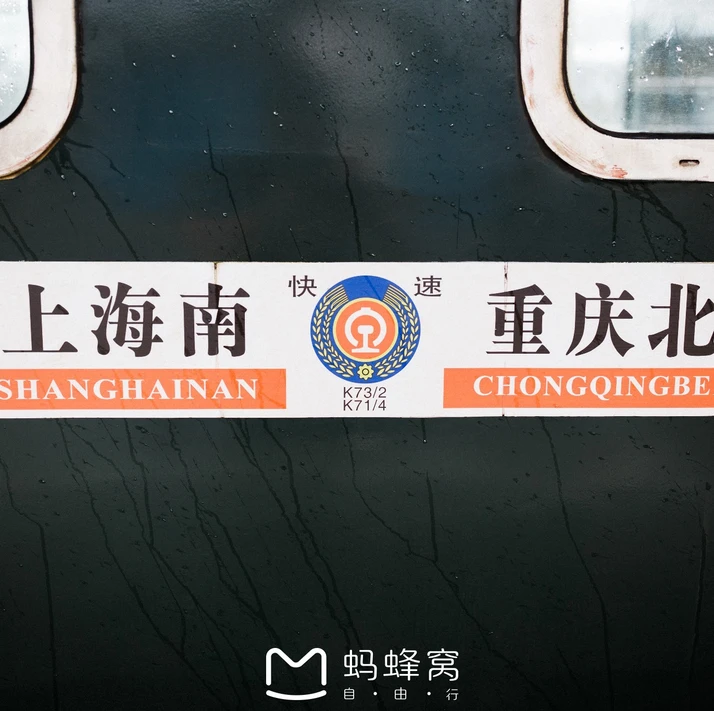
If you're flying into Chengdu from another city, consider this money-saving trick: fly into Chongqing first, then take a bullet train to Chengdu. Flights to Chongqing are often several hundred yuan cheaper than direct flights to Chengdu. The two-hour bullet train ride offers scenic views of the Sichuan-Chongqing region—a bonus you won't get on a direct flight.
Where to Stay in Chengdu: Best Areas for First-Time Visitors
Most of Chengdu's top attractions are concentrated in the city center, which isn't very large. The most convenient areas to stay are:
- Chunxi Road – Bustling commercial district with subway, bus, and bike-sharing options
- Kuanzhai Alley (Wide and Narrow Alley) – Historic area with traditional architecture
- Jinli Ancient Street – Charming pedestrian street near Wuhou Shrine
For this trip, I recommend staying near Chunxi Road. Step outside, and you're in the heart of the action with easy access to everything.
Day 1: From Chongqing to Chengdu – A Prelude for the Taste Buds
Chongqing's Nine-Grid Hotpot: Peijie Old Hotpot
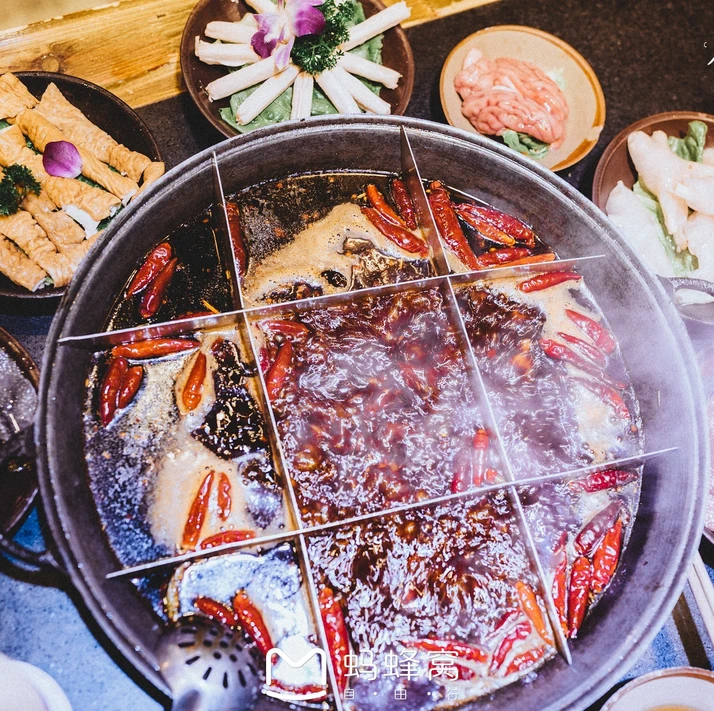
After a day and night on the train, we landed in Chongqing. Our first stop? Peijie Old Hotpot, a heavyweight in Chongqing's hotpot scene. We ordered a nine-grid pot with mild spicy broth. The ingredients were fresh, but the flavor wasn't as stunning as I'd hoped. Compared to it, Xiaoyu Hotpot (which I'd tried before) was more to my liking. Still, for first-timers, the nine-grid experience is a ritual worth having.
First Impressions of Chengdu: Han Baozi and Yogurt Cow
After the bullet train arrived in Chengdu, we dropped off luggage and headed out to find food. Our first stop was Han Baozi, a long-standing baozi shop in Chengdu. The buns had thin skins, plenty of meat, and were bursting with soup. One bite, and the satisfaction was overwhelming.
Next, we grabbed a cup of the signature purple rice yogurt from A Yogurt Cow at a roadside stand. The purple rice was chewy and generous, and the yogurt was just the right sweetness—a perfect summer refresher.
A Night Stroll on Chunxi Road: Long Chao Shou and Lai Tangyuan
Chunxi Road was dazzling at night. On the basement level of Qunguang Plaza, we stumbled upon Panda Pocky—not sure if it's a Chengdu exclusive, but it made for a great photo. The chicken soup wontons (jizhi chaosou) at Long Chao Shou were rich in broth and fresh in flavor, but the Lai Tangyuan (glutinous rice balls) were disappointing—they tasted frozen, far inferior to Ningbo-style tangyuan. As for a certain old-brand fried egg noodle place, it was too greasy—skip it.
Day 2: Slow Living Meets History and Culture
People's Park: Chengdu's Philosophy of Slowness
In the morning, we visited People's Park, the best place to experience Chengdu's slow-paced lifestyle. No admission fee is required. The park is filled with local vibes: elderly women dancing in groups, young people boating, seniors taking leisurely walks—everything feels so natural.
At Heming Teahouse, we ordered a cup of tea and found a spot by the lake. A gentle breeze brushed our faces, and time seemed to slow down. This is Chengdu—no need to worry about life's trivialities; just enjoy the moment.
Xiaomingtang and Liao Laoma Pig Trotters
Before heading to People's Park, we ate at Xiaomingtang nearby, trying their handmade sweet-spicy noodles (tianshui mian) and cold rice cake (liang gao). The noodles were a mix of sweet, salty, and spicy, with a unique texture—my first perfect score recommendation of the trip. The rice cake was chewy with a strong brown sugar flavor, a must-try for dessert lovers.
For lunch, we went to Liao Laoma Pig Trotters across from People's Park. The entire street is lined with pig trotter shops, but this one is the most authentic. The trotter soup was rich and the meat tender—one bowl warmed both the heart and stomach.
Kuanzhai Alley: Highlights and Pitfalls
Kuanzhai Alley was packed with tourists, but the food in the scenic area often doesn't live up to the hype. Take "Three Cannons" (san da pao) —ten yuan for a serving, but it was just hard, sticky rice cakes with brown sugar. A total letdown.
However, the Liang Ji Chang Fen (vermicelli with pork intestines) in the alley wasn't bad. It's a long-standing shop with authentic flavors, though the intestines were too sparse. After snapping a few photos, we moved on to Kuixinglou Street—the real food paradise for locals. Unfortunately, we arrived too late. Popular spots like Maojiao Huola and Ganmei'er's Cold Skewers were already closed. We only managed to get a tofu pudding ice cream at a dessert shop—layers of tofu pudding at the bottom, topped with ice cream, cream, taro balls, and red beans. Rich in texture, highly recommended.
Wuhou Shrine and Jinli Ancient Street: Red Walls, Green Bamboo, and a Hanfu Night
Admission to Wuhou Shrine was 60 yuan, half-price for students. I mainly came for the red walls—red walls with green bamboo, dappled light and shadow. Photos taken with a film camera had a special charm.
Jinli Ancient Street is right next to Wuhou Shrine, but we decided to go back to our hostel first to change into Hanfu (traditional Chinese clothing) before exploring. That evening, we ate at a skewer shop near Jinli, charged by the stick at 0.5 yuan each. It was affordable and delicious, with many locals dining there. The ice jelly (bing fen) was a lifesaver for cooling down—if I hadn't been saving room for skewers, I could've downed three bowls.
[Link: Best Hanfu rental shops in Chengdu]
Day 3: Pandas, Wenshu Monastery, and Artistic Time at Taikoo Li
Giant Panda Base: Wake Up Early to See Active Cubs
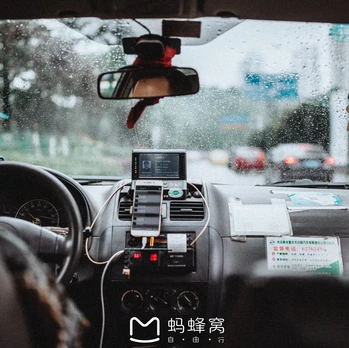
You absolutely must go early to see the pandas! Arriving before 9 a.m. is best because the pandas nap when it gets hot at noon. We took the subway to Panda Avenue and then hailed a Didi (ride-hailing service)—it was fast.
The panda cubs at the base were adorable: eating bamboo, rolling around, climbing trees—every moment melted our hearts. Unfortunately, it was too hot, and they soon fell asleep, so we had to leave reluctantly.
[Link: Tips for visiting Chengdu Panda Base]
Wenshu Monastery: A Food Hub
Wenshu Monastery itself was just a quick stop; the real target was the food nearby. Shuangliu Laoma Rabbit Head is famous, but it had too little meat and was too spicy for my taste. The Zhong Shuijiao (Zhong-style dumplings) were a pleasant surprise—both spicy and sweet, with a unique flavor.
But the most unforgettable was Dongzikou Zhang Erliang's Cold Noodles (liang fen) . The shop was packed with people. Their sweet-spicy noodles and various cold noodles were incredibly delicious—affordable, generous portions, and amazing taste. This was my second perfect score recommendation of the trip.
Taikoo Li: Trendy Shops and Bookstore Visits
In the afternoon, we arrived at Taikoo Li. I wanted to check out the Magnum flagship store, but the line was wrapped around three times, so we gave up. Instead, we visited the trendy shop "Natural Dull" (tian ran dai) —a must-visit for unique souvenirs and art pieces.
Day 4: Art, Culture, and Local Life
Note: The original source article ends at Day 3. For a complete 5-day itinerary, here are additional recommendations based on common Chengdu travel experiences.
Morning: Chengdu Museum or Sichuan Opera
Visit the Chengdu Museum for a deeper understanding of the city's history, or catch a Sichuan Opera performance at Shufeng Yayun Teahouse for face-changing and fire-spitting shows.
Afternoon: Wide and Narrow Alley (Kuanzhai Alley) Revisited
Return to Kuanzhai Alley for a daytime stroll. This time, explore the quieter side streets and try authentic snacks like dan dan noodles and fuqi feipian (husband-and-wife lung slices).
Evening: Hotpot Dinner at a Local Favorite
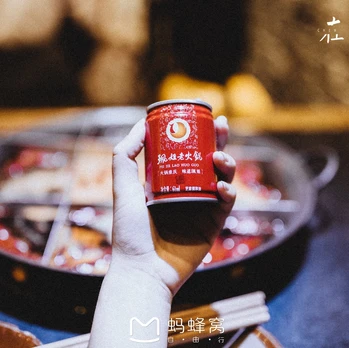
End your day with a hotpot dinner at Huangcheng Laoma or Shu Daxia—both are beloved by locals for their rich broth and fresh ingredients.
Day 5: Last-Minute Souvenirs and Departure
Morning: Jinli Ancient Street Shopping
Visit Jinli Ancient Street for last-minute souvenirs. Pick up Sichuan embroidery, bamboo crafts, or panda-themed gifts.
Lunch: Mapo Tofu and Twice-Cooked Pork
Enjoy a final Sichuan meal at Chen Mapo Tofu, a legendary restaurant known for its authentic mapo tofu and twice-cooked pork.
Afternoon: Departure
Head to Chengdu Shuangliu International Airport or Chengdu Tianfu International Airport for your flight home.
Frequently Asked Questions (FAQ)
1. What is the best time to visit Chengdu?
The best time to visit Chengdu is spring (March to May) and autumn (September to November) when the weather is mild and pleasant. Summer can be hot and humid, while winter is cold but rarely snowy.
2. How many days do you need in Chengdu?
A 5-day, 4-night itinerary is ideal for first-time visitors. It allows enough time to explore major attractions like the Giant Panda Base, Wuhou Shrine, and People's Park, while also enjoying Chengdu's famous food scene.
3. Is Chengdu expensive for tourists?
Chengdu is relatively affordable compared to Beijing or Shanghai. Budget travelers can expect to spend around 200-300 RMB per day on food, accommodation, and transport, while mid-range travelers may spend 500-800 RMB daily.
4. What should I eat in Chengdu?
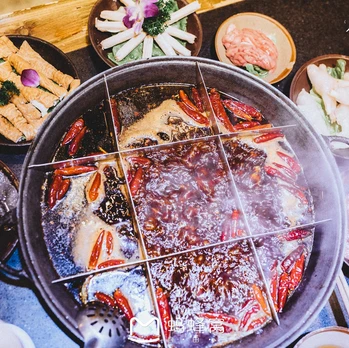
Must-try dishes include hotpot, dan dan noodles, mapo tofu, kung pao chicken, and sweet-spicy noodles (tianshui mian). Don't miss local snacks like rabbit head, cold noodles (liang fen), and ice jelly (bing fen).
5. How do I get around Chengdu?
Chengdu has an efficient metro system, buses, and bike-sharing services. For attractions outside the city center, Didi (ride-hailing) is convenient and affordable.
Conclusion: Your Chengdu Adventure Awaits
Chengdu is more than just a destination—it's an experience. From the red walls of Wuhou Shrine to the playful panda cubs at the base, from the steaming bowls of pig trotter soup to the late-night skewer stalls, this city invites you to slow down, savor every moment, and connect with its unique rhythm.
Whether you're a solo traveler, a couple, or a family, this 5-day itinerary will help you make the most of your time in the City of Hibiscus. So pack your bags, book your flights, and get ready for a journey that will leave you with unforgettable memories—and a craving for more Sichuan spice.
Ready to plan your Chengdu trip? Start by booking your accommodation near Chunxi Road, and don't forget to arrive early at the Panda Base. Your leisurely journey through Chengdu begins now.
You may also like


