A Joyful Journey Through Bashu: A Spontaneous Seven-Day Chengdu Adventure with Three
Meta Description: Discover the ultimate Chengdu family travel guide! From giant pandas to spicy hotpot, this 7-day itinerary covers Chunxi Road, Kuanzhai Alley, and more. Plan your Bashu adventure today.
Prologue: Escaping Winter, Embracing a Spring Promise
My obsession with Chengdu travel had been like a seed buried deep in my heart for many years. Every time I brought it up, there was always some reason to put it off—work was too busy, the kids' school schedules too tight, the holidays too short. But some impulses, once they take root, simply cannot be contained.
Just before the 2024 Spring Festival, I finally made up my mind: even if it was the busiest time of year, even if our child was buried in final exam preparations, we were going to take a "spur-of-the-moment" trip. Booking flights, reserving hotels, planning the itinerary—everything was finalized within a few days. On the third day of the Lunar New Year, our family of three boarded a flight to Chengdu.
This seven-day journey through Bashu transported us from the icy snows of northern China to the gentle, early spring warmth of the southwest. It was a deep dive into food, culture, and the art of slow living—and a journey toward making peace with ourselves.
Day One: From Tianjin to Chunxi Road – First Taste of Chengdu's Lively Spirit
Departure: A Leisurely Start
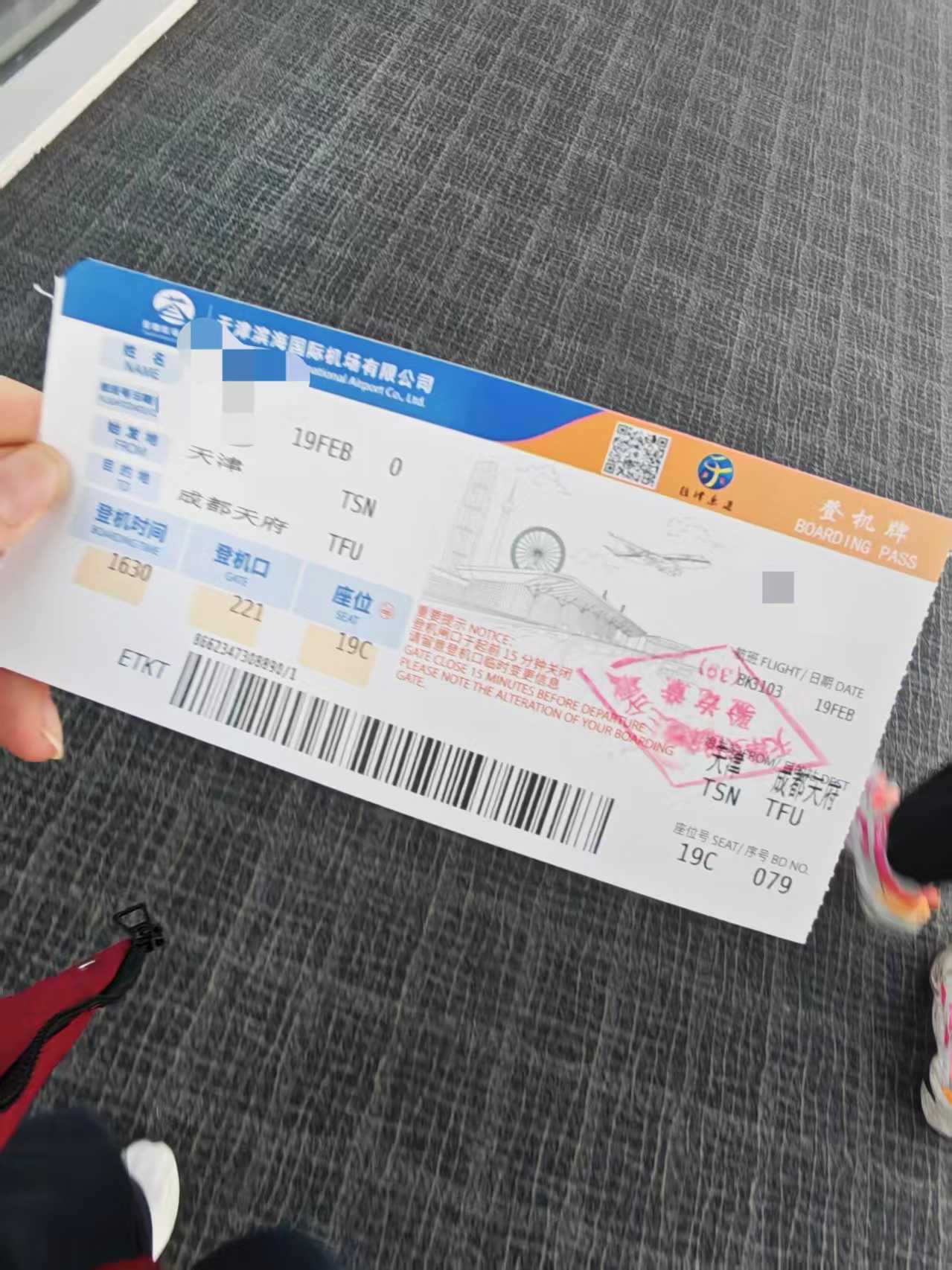
With a 5 PM flight, we had plenty of time to prepare. We woke up naturally, enjoyed a midday buffet, arranged for parking, and then headed to Binhai International Airport. This time, we tried a new travel method: light rail connecting to the subway. The entire journey took two hours, saving money compared to a taxi and offering more predictable timing. In practice, it proved to be a highly recommended option for Chengdu airport transfers.
We arrived at the airport by 3 PM, having already checked in online. Self-service baggage drop and ticket printing were handled on-site. A quick tip: the insurance agents at the airport offered policies at better rates than those found online, so it's worth waiting until you're there to purchase coverage.
Arrival: The Overwhelming Scale of Tianfu Airport
After a 2-hour-15-minute flight, we touched down smoothly at Chengdu Tianfu International Airport. My first impression? Massive. From deplaning to collecting our luggage, we had to walk a considerable distance and even take an inter-terminal rail shuttle. It reminded me of Singapore's Changi Airport—equally grand and awe-inspiring.
After retrieving our bags, we contacted the pre-booked airport transfer driver. A 40-minute drive later, we arrived at our hotel, just a five-minute walk from Chunxi Road—a prime location. However, the cramped room became the biggest disappointment of the trip. Worried about difficulty booking during the Spring Festival, we had rushed the selection without careful thought. This lesson hit home: never be careless with details.
Night Stroll on Chunxi Road: Energy at Midnight
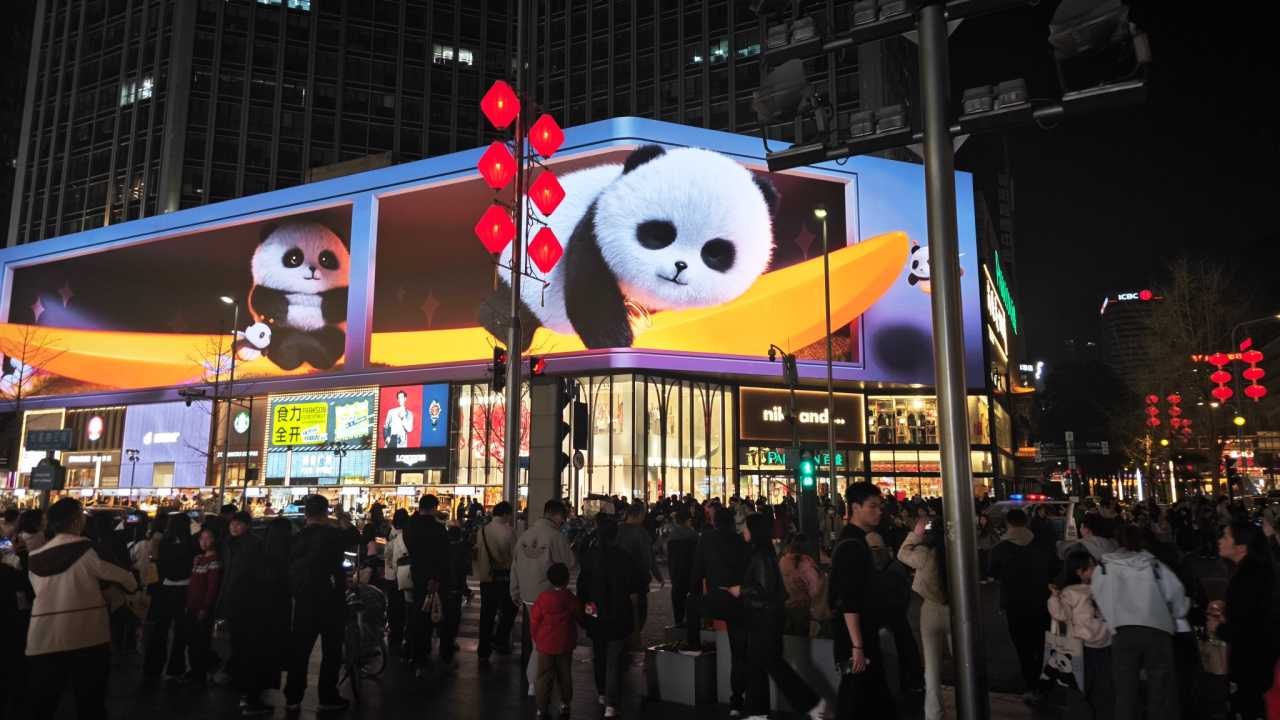
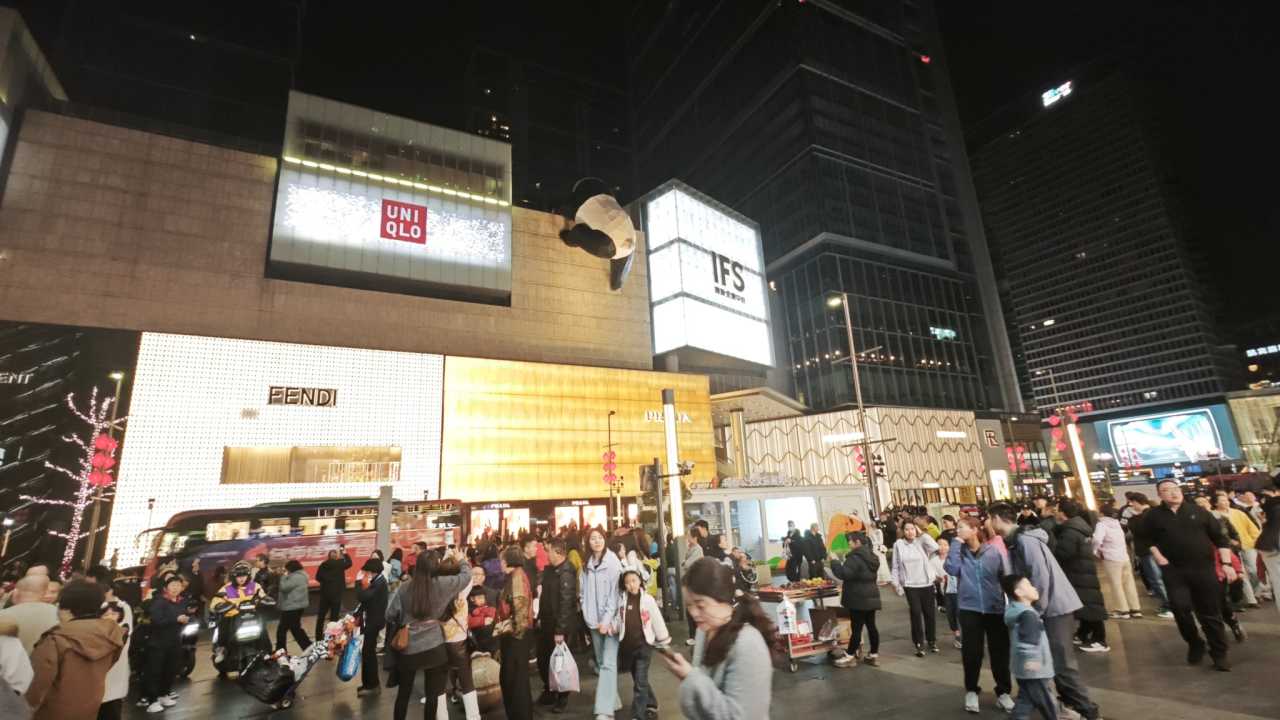
Even at nearly 10 PM, the area around our hotel was buzzing. Food stalls and skewer shops were packed with people, the air thick with tempting aromas. We headed straight for Chunxi Road, spotting the iconic naked-eye 3D screen from a distance, with countless people holding up their phones to capture it. And of course, we couldn't miss the famous panda bottom.
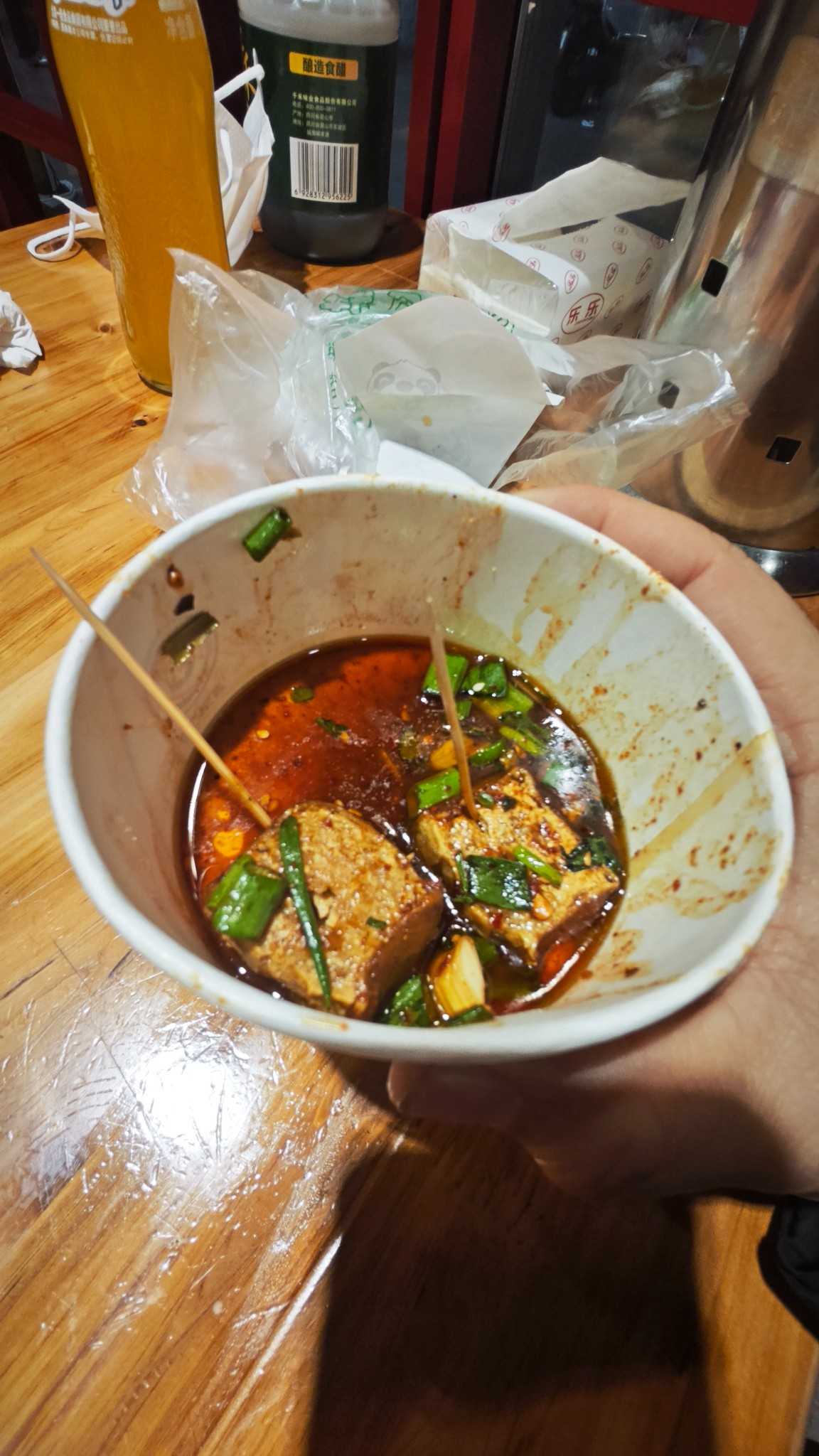
Along the way, local snacks like stinky tofu (毛豆腐, fermented tofu) and egg-steamed cakes (蛋蒸糕) were everywhere, though none seemed suitable for a proper meal. Restaurants in the malls all had long queues. Starving, we decided to solve the problem back near our hotel entrance. As a native northerner, seeing people lined up for hotpot at midnight was genuinely novel. This thick atmosphere of street life and everyday hustle truly conveyed the city's vitality and rhythm.
Back near the hotel, we bought egg-steamed cakes and stinky tofu from a roadside stall, then stopped at a nearby skewer shop for a mild-spicy option. Honestly, my core takeaway on Chengdu food culture wasn't the spice—it was the oil. Whether snacks, skewers, or hotpot, everything screamed "no oil, no joy." I managed fine for the first half of the trip, but by the later days, the greasiness caused some digestive discomfort, affecting our enjoyment.
Day Two: Close Encounters with National Treasures – A Dialogue with History at the Museum
Giant Panda Base: Early Birds Get the Pandas
Giant pandas are Chengdu's city card—how could we visit without seeing the national treasure? Word has it that pandas are most active in the morning, so we decided to rise early and head out. We tried a friend's recommendation for a ride-hailing service. Though no one accepted our request until just before departure, the driver's warmth touched us—he brought his wife along and, due to Spring Festival traffic restrictions, took a detour to drop us right at the base entrance, saving us considerable walking.
The queue at the entrance was dizzying, but it moved reasonably fast. We were inside within about half an hour. To maximize our visit, we hired a guide at the gate (120 yuan per person), joined a small group of ten or fewer, received headphones, and began our Chengdu panda tour.
Once inside, we were greeted by lush bamboo groves and colorful flowers. This year's Spring Festival fell later than usual (February 16th for New Year's Eve), and Chengdu's weather was pleasantly mild, with an early spring feel. The park was vast, but the crowds were even larger—especially around internet-famous panda "Hua Hua" and the Moon Nursery, where queues stretched at least two hours. Under our guide's direction, we weaved through the crowds and headed straight for the pandas—whether they were celebrities or not, we'd see them first.
The secret to finding pandas was simple: look for where people clustered, and you'd find the national treasure. The three of us took turns pushing to the front row. A fun fact: the park also has red pandas, which taught this "newbie" a lot—I learned that red pandas don't grow up to become giant pandas; they're entirely different species!
Our guide excitedly pointed to a small animal in the roadside trees, calling it a rare national protected species. We snapped away frantically, only to realize later it was a type of wild pheasant... Based on the guide's crowd flow intel, we decisively skipped the blockbuster spots with long lines and headed straight for Giant Panda Villa No. 2. Lucky for us, we got the clearest close-up shots of the national treasures right there—they were munching on bamboo, utterly adorable in their clumsy charm.
Tianfu Red: A Paradise for Anime Fans
At 1 PM, we parted ways with our guide and took the park shuttle and subway back to the city center. We got off at Tianfu Square Station and headed to a friend's recommendation, Tianfu Red, known for its anime atmosphere—a hit with the kids. We grabbed two milk teas at the underground food court in Tianfu Square for a quick rest, then took the escalator up to ground level.
As my视线 crossed the horizon, I was greeted by a sea of flowers, an open square, and a gentle spring breeze—it instantly lifted my spirits. Tianfu Red was right in front of us. We went up to the fourth floor, found a local hotpot restaurant, took a number, and waited. Incredibly, we were seated in a private room for ten people, with no extra charge—a truly humbling surprise.
Chengdu Museum: Echoes of History
At 4:30 PM, we arrived at the Chengdu Museum as planned. Visiting museums is a family tradition—a way to understand local history and civilization. Missing the museum in Urumqi on our last trip was a lingering regret, so we weren't about to repeat that mistake.
We emerged from the museum as darkness fell and took the subway back to the hotel. We'd clocked at least 20,000 steps that day, and our bodies were feeling it. But isn't that the point of travel? It's not about the scenery along the way, but the mood with which you appreciate it. Tired, yes—but worth it.
Day Three: Slow Life in Kuanzhai Alley – Lantern Feast at Wuhou Shrine
Morning in the Old City
Day three began with a leisurely breakfast at a local mian shop near our hotel. We ordered dandan mian and hongyou chaoshou—both were rich, aromatic, and surprisingly not as spicy as expected. The key? Balance. Chengdu's cuisine is about layering flavors, not just heat.
Kuanzhai Alley: A Walk Through History

Kuanzhai Alley (Wide and Narrow Alley) is a must-visit for any Chengdu itinerary. We arrived around 10 AM, just as the crowds were starting to build. The alley is divided into three sections: Wide Alley, Narrow Alley, and Well Alley. Each has its own character—Wide Alley is more commercial, Narrow Alley is cozier, and Well Alley offers a glimpse into traditional courtyard life.
We spent two hours wandering, stopping for long chaoshou (dragon wontons) and san da pao (three big cannon—a puffed rice snack). The kids loved the street performers and the calligraphy artists. [Link: Chengdu cultural experiences]
Wuhou Shrine: A Lantern Festival Spectacle
By late afternoon, we headed to Wuhou Shrine, a temple dedicated to Zhuge Liang, the legendary strategist of the Three Kingdoms period. During Spring Festival, the shrine hosts a spectacular lantern festival. The grounds were transformed into a sea of red lanterns, with intricate displays depicting scenes from Romance of the Three Kingdoms.
We stayed until dusk, watching the lanterns glow against the darkening sky. It was a magical moment—history, art, and family all converging under the Bashu sky.
Day Four: Leshan Giant Buddha – A Day Trip to Sacred Mountains
The Journey to Leshan
On day four, we took a Chengdu day trip to Leshan, home of the Leshan Giant Buddha. We booked a private car through our hotel (approximately 2 hours each way). The Buddha, carved into a cliff face, stands 71 meters tall and dates back to the Tang Dynasty.
Hiking the Cliffside
We opted for the hiking route rather than the boat tour. The climb is steep but manageable, with stunning views of the confluence of three rivers. The sheer scale of the Buddha is humbling—its toes alone are large enough to hold a dozen people.
Local Cuisine in Leshan
Lunch was at a local douhua (tofu pudding) restaurant near the base. Leshan is famous for its qiang jiao niu rou (braised beef) and bo bo ji (chicken in chili oil). We tried both—the beef was melt-in-your-mouth tender, and the chicken was a flavor bomb.
Day Five: Jinli Ancient Street – Souvenirs and Street Food
Jinli Ancient Street
Jinli Ancient Street is a pedestrian-only lane lined with traditional architecture, souvenir shops, and food stalls. We spent the morning browsing. Highlights included:
- Bingfen (ice jelly) with brown sugar and fruit
- Sichuan opera face-changing masks (a must-buy souvenir)
- Hand-pulled sugar paintings for the kids
Sichuan Opera Performance
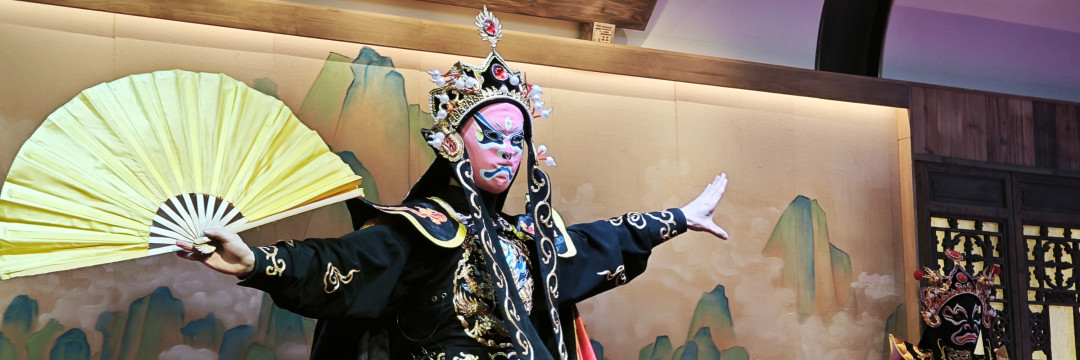
In the evening, we attended a Sichuan opera show at a local teahouse. The face-changing act was jaw-dropping—performers changed masks in the blink of an eye. The show also included fire-spitting and puppet theater. [Link: Chengdu evening entertainment]
Day Six: People's Park – A Taste of Local Life
Morning Tea at Heming Teahouse
People's Park is the heart of Chengdu's slow living. We arrived early and secured a table at Heming Teahouse, one of the oldest teahouses in the city. We ordered gaiwan cha (covered bowl tea) and watched locals play mahjong, practice tai chi, and chat over tea.
The Ear-Cleaning Experience
A unique Chengdu experience: ear cleaning. For 30 yuan, a street vendor used a set of tiny tools to clean my ears. It was oddly relaxing—and a great conversation starter.
Boat Ride on the Lake
We rented a paddleboat on the park's lake. The kids loved it, and we enjoyed the peaceful scenery. It was a perfect way to unwind after days of sightseeing.
Day Seven: Farewell to Chengdu – A Sweet Ending
Final Breakfast: Zhong Shui Jiao
For our last meal, we visited Zhong Shui Jiao, a famous dumpling chain. Their hongyou shui jiao (dumplings in chili oil) were the best we'd had all trip. We also ordered lai tang yuan (sweet rice balls in fermented rice soup)—a perfect sweet note to end on.
Departure: A Smooth Exit
We took the subway to Tianfu Airport, allowing 3 hours for check-in and security. The airport is massive, but well-signposted. We grabbed dan dan mian at a noodle shop in the terminal—our last taste of Chengdu.
FAQ: Chengdu Family Travel Guide
1. What is the best time to visit Chengdu?
 Spring (March–May) and autumn (September–November) offer mild weather and fewer crowds. Spring Festival is festive but busy.
2. How many days do you need in Chengdu?
A minimum of 5–7 days allows you to explore the city, visit the panda base, and take a day trip to Leshan.
3. Is Chengdu spicy food kid-friendly?
Yes! Many dishes can be ordered mild. Try dandan mian, long chaoshou, and steamed buns for kid-friendly options.
4. How do I get from Tianfu Airport to the city center?
Take the subway (Line 18) for 40 minutes, or book a private transfer (40 minutes by car). Taxis are available but can be pricey.
5. What should I pack for a Chengdu trip?
Comfortable walking shoes, a light jacket (spring/autumn), sunscreen, and an umbrella (rain is common). Don't forget a camera for pandas!
Final Thoughts: Why Chengdu Should Be Your Next Family Destination
This spontaneous Chengdu adventure taught us that the best trips are often the unplanned ones. From the giant pandas to the spicy hotpot, from the ancient alleys to the modern museums, Chengdu offers something for every traveler. It's a city that embraces you with warmth, feeds you with flavor, and leaves you with memories that last a lifetime.
Ready to plan your own Chengdu family adventure? Start by booking your flights and hotel early—especially during peak seasons. And don't forget to leave room for spontaneity. After all, the best memories are made when you least expect them.
[Link: Chengdu hotel recommendations] [Link: Chengdu packing checklist] [Link: Chengdu food guide for families]
This article is based on a real family travel experience. Prices and availability may vary. Always check current conditions before booking.
You may also like


