A Journey Through Ancient Shu: Six Days Through Jiuzhaigou, Huanglong, and Sanxingdui – A Rendezvous with Landscape and Civilization
Meta Description: Discover an epic 6-day solo journey through Sichuan's Ancient Shu civilization. Explore Jiuzhaigou's turquoise lakes, Huanglong's jade pools, Sanxingdui's mysteries, and Langzhong's ancient streets. Your ultimate Sichuan travel guide awaits.
Prologue: A Solo Journey Ten Years Overdue
Ever since our second child arrived, my travel map has been almost entirely filled with theme parks and beach resorts. For ten years, every trip revolved around the children's laughter and needs. It felt like the word "travel" had drifted further and further away from "myself."
Then a friend joked, "Why don't you just leave the kids at home and go have some fun on your own?"
I laughed and replied, "It's my life. I'm going to go see it."
So on May 19, 2025, I packed my camera and set off on a journey that was truly my own. Six days and five nights, flying from southern Zhejiang to western Sichuan – to see mountains, water, ancient artifacts, and giant pandas. This wasn't just a checklist of sights; it was a deep conversation with the ancient Shu civilization and the wonders of nature.
Six-Day Itinerary Overview: - DAY 1: Wenzhou → Chengdu → Langzhong, Nanchong – night tour of Langzhong Ancient City (overnight in Langzhong) - DAY 2: Langzhong → Qingxi Ancient Town → Jiuzhaigou (overnight in Jiuzhaigou) - DAY 3: Full day exploring Jiuzhaigou (overnight in Jiuzhaigou) - DAY 4: Jiuzhaigou → Huanglong → Chengdu (overnight in Chengdu) - DAY 5: Chengdu → Sanxingdui → Taikoo Li (overnight in Chengdu) - DAY 6: Chengdu → Giant Panda Base → Chengdu Airport → Wenzhou
Stop One: Langzhong Ancient City – Where Time Slows Down in Sichuan
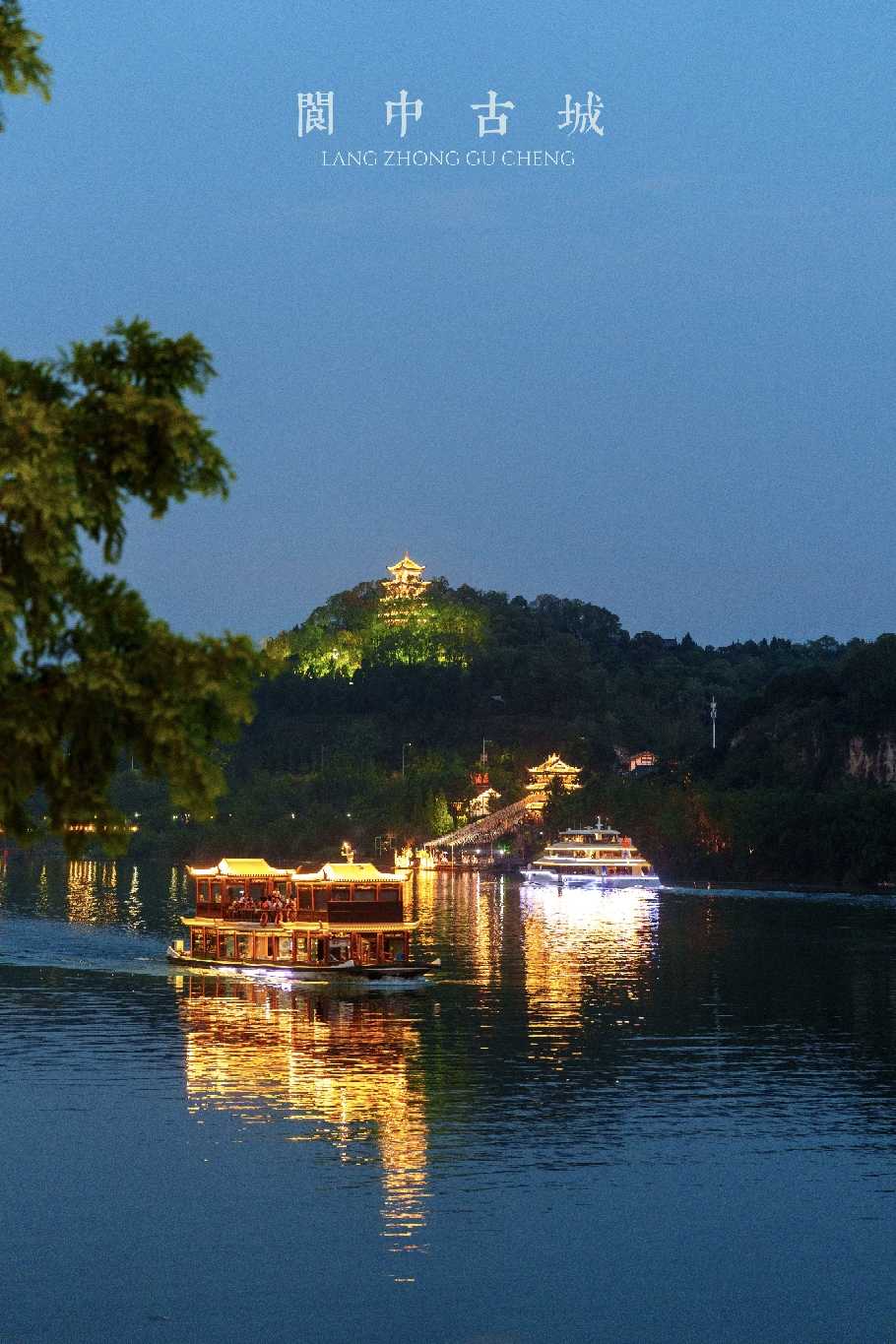
As the bus pulled into Langzhong in Nanchong, I lifted a corner of the curtain, and the lake-and-mountain scenery rushed in. In that moment, after three hours of flying and over three more hours on the road, all the fatigue was instantly healed by the landscape painting unfolding before my eyes.
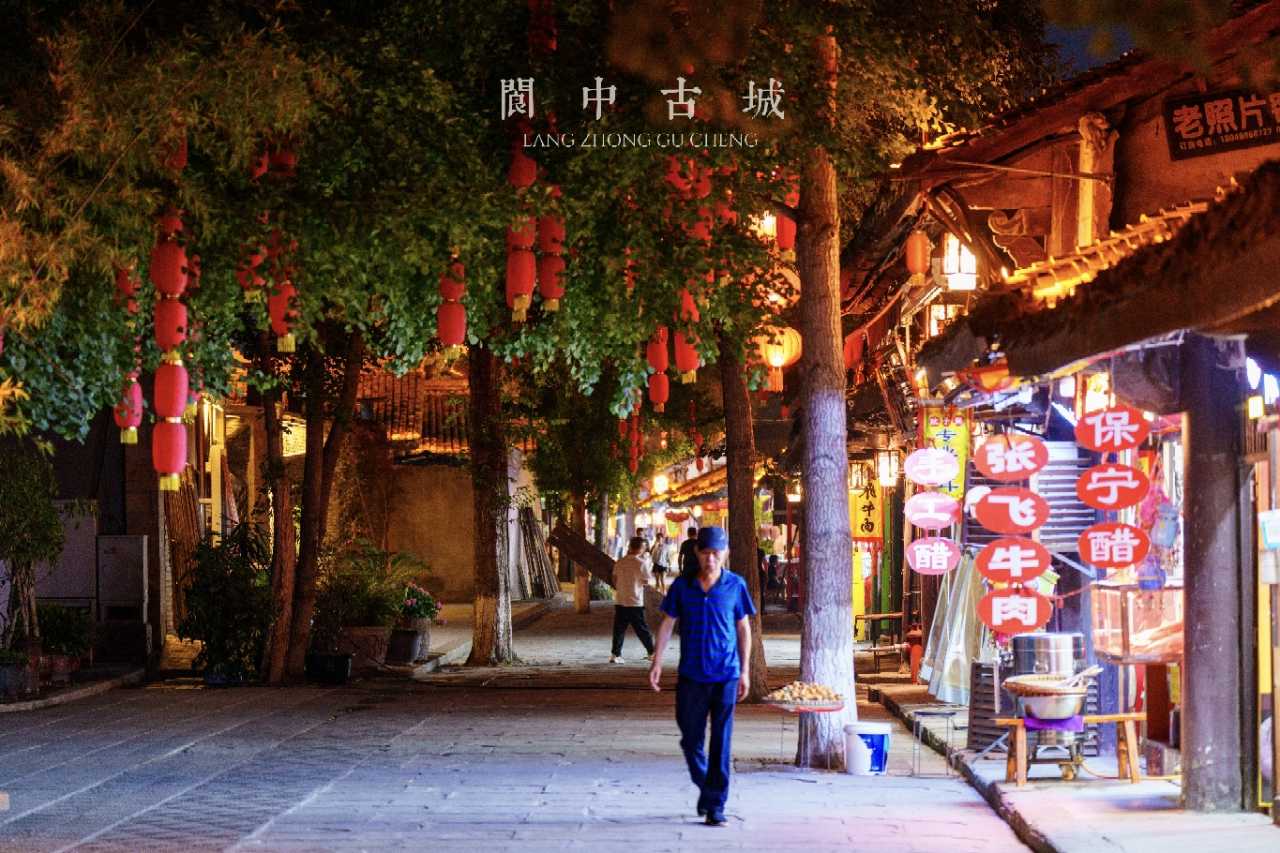
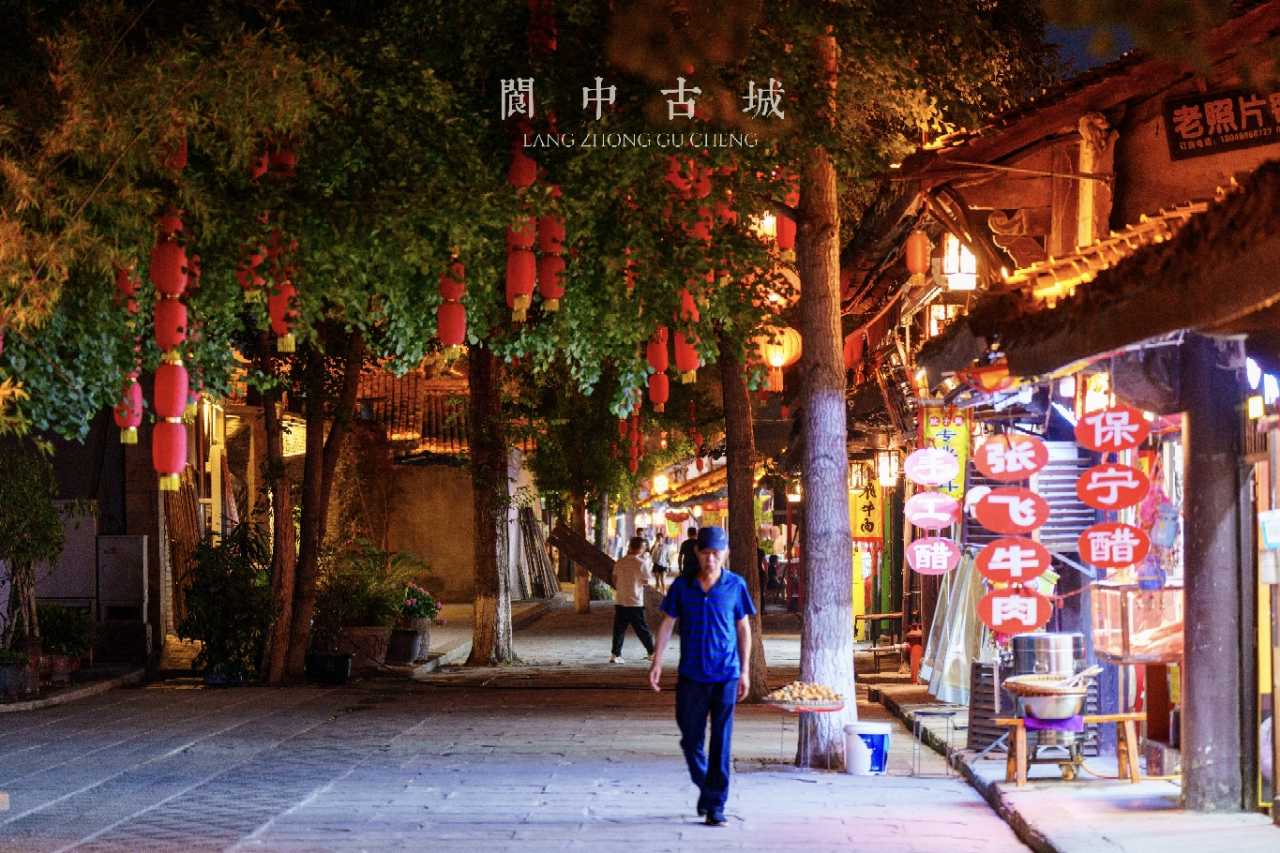
Langzhong is known as one of China's four great ancient cities, but to be honest, it feels more like a "reconstructed" old town. On the main street, the sour aroma of Baoning vinegar mingled with the savory scent of Zhangfei beef (a local spiced beef named after the legendary general). Foot-soaking stalls offering vinegar baths for 10 yuan were everywhere, and lazy melodies drifted from the bars. But when you turn into those dark, narrow alleyways without streetlights, the smooth feel of the bluestone slabs underfoot tells you – there really are centuries of stories hidden here.
I walked into a pitch-black lane. No scary dogs, just silhouettes flickering in the moonlight. At the entrance of a hidden clothing shop, fallen petals covered the ground, making me stop in my tracks. The most touching scene was the riverside bustle: small groups of villagers strolling, children chasing and playing, and occasionally the sound of a guitar from a bar.
Photo Tip: The Xicheng 1966 retro-artsy district, or the area opposite the Hanhuan Hou Temple (Zhang Fei Temple), are great spots for taking pictures.
[Link: Best ancient cities in Sichuan to visit]
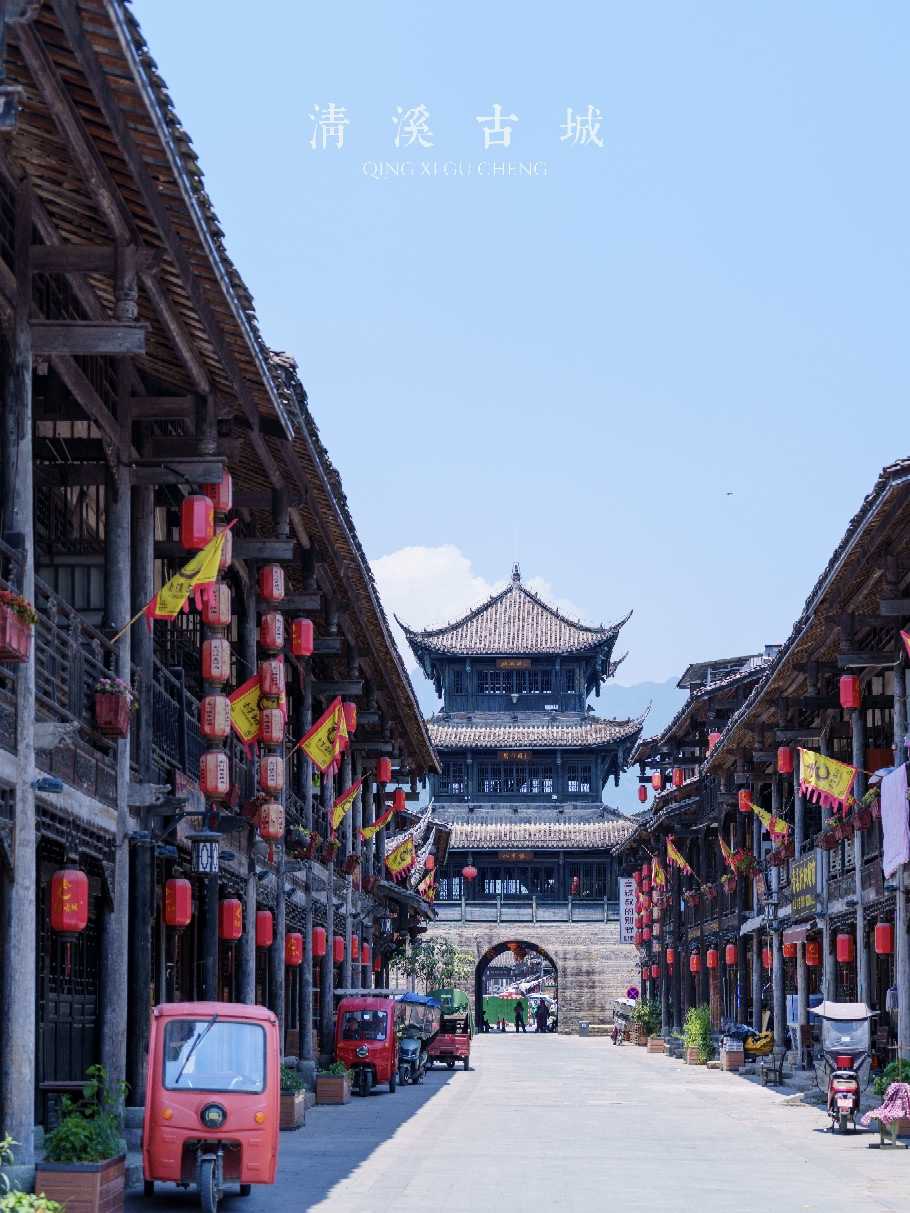
Stop Two: Qingxi Ancient Town – The Serenity of Time Forgotten
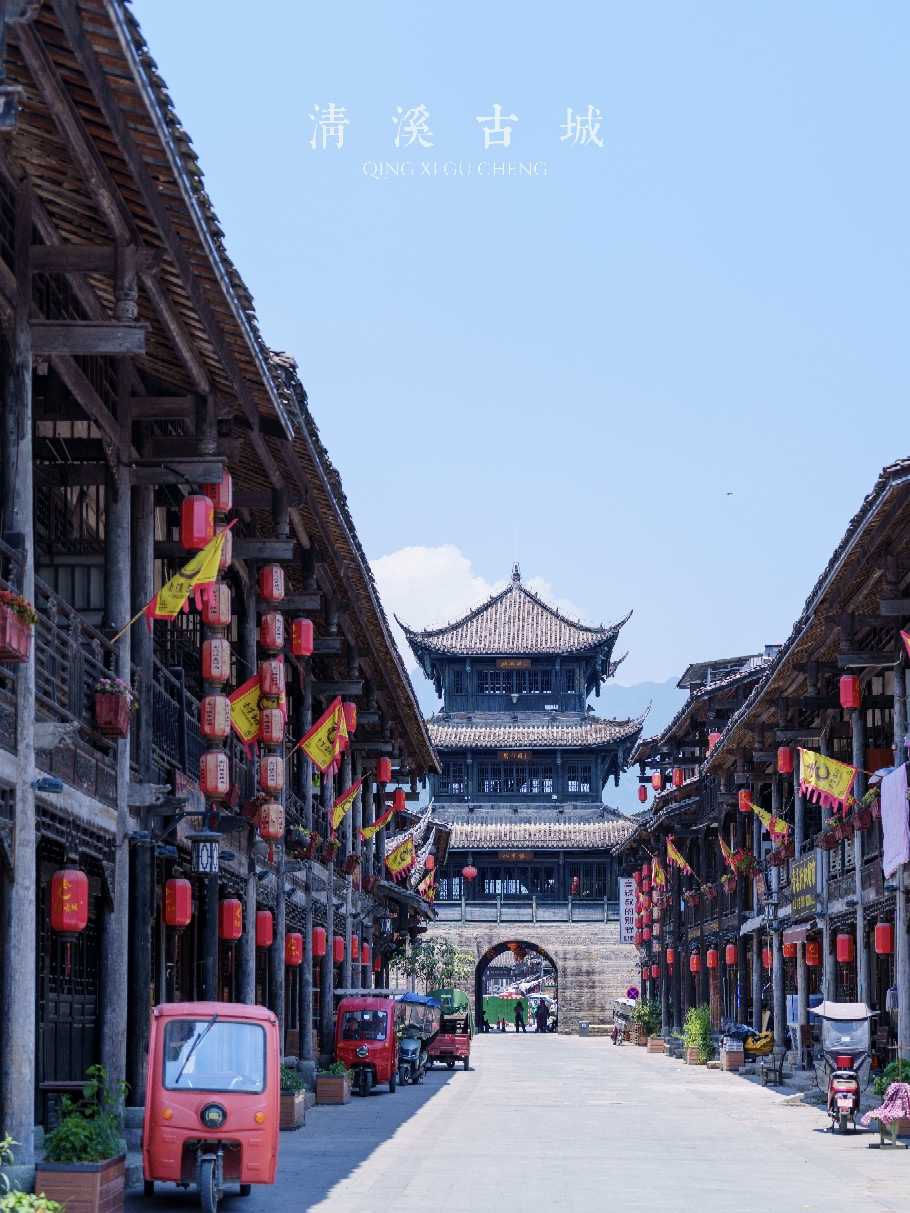
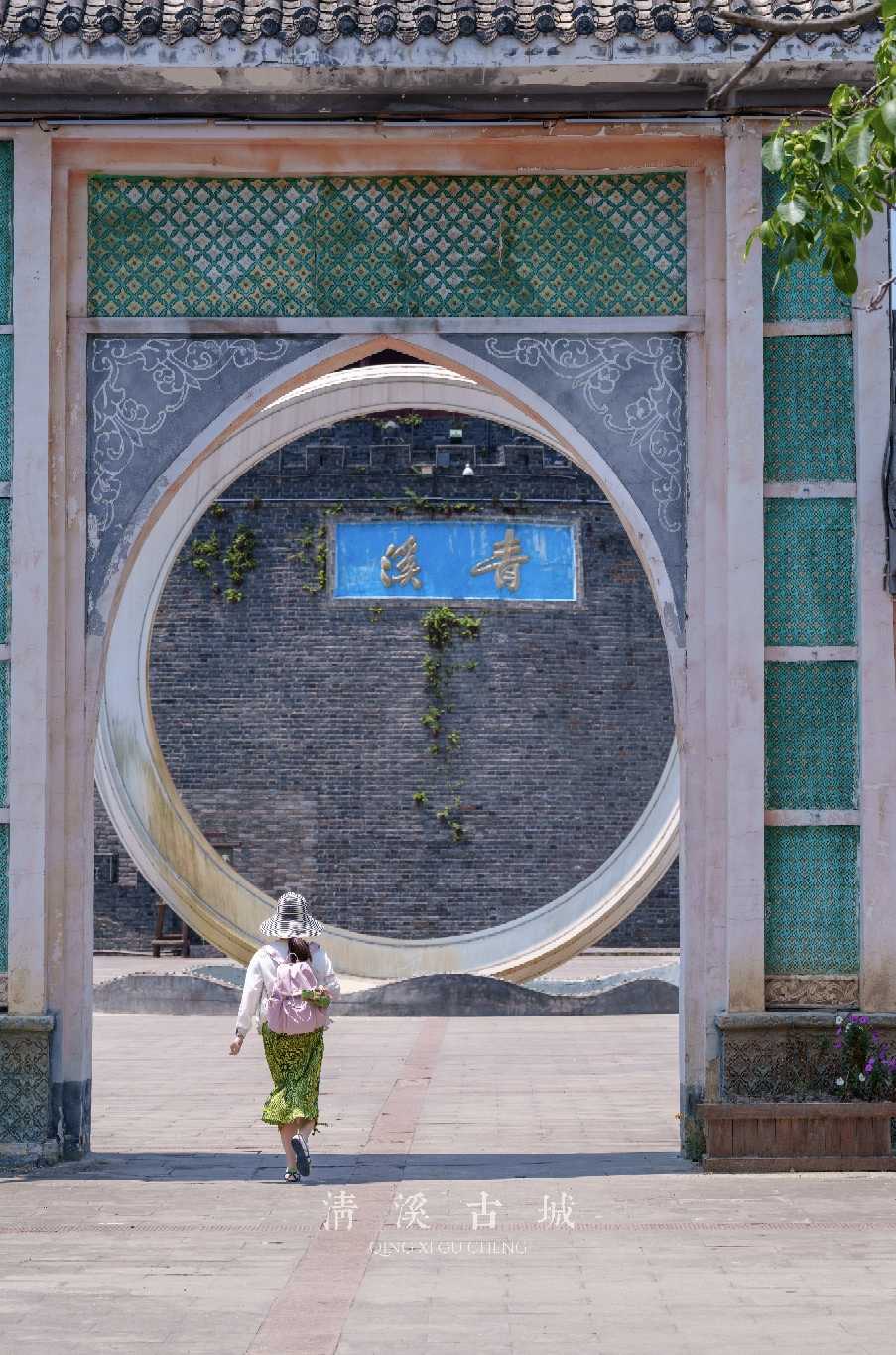
If Langzhong is a lively ancient city, then Qingxi is a small town forgotten by time.
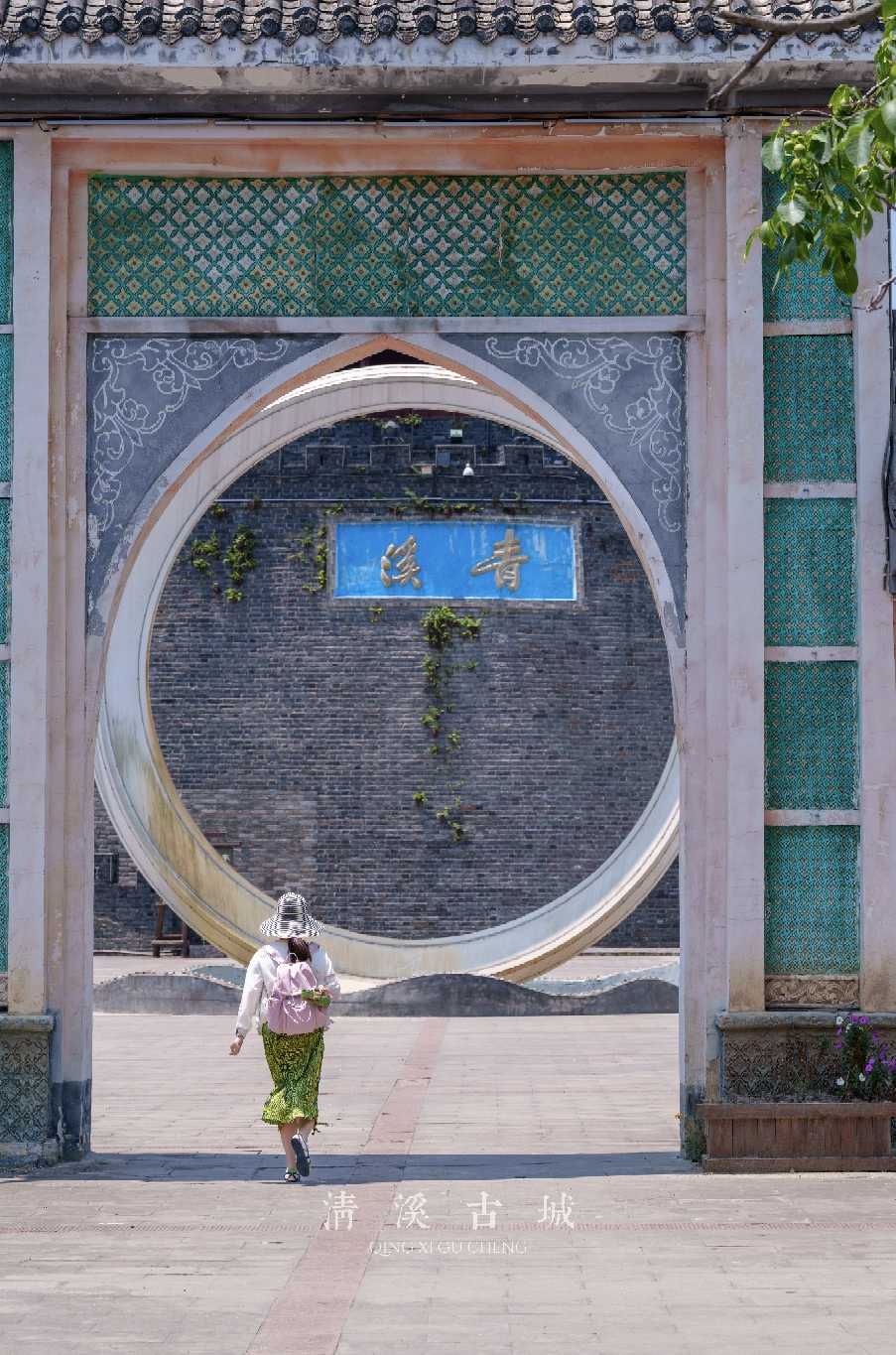
When I arrived at noon, the entire old town was utterly quiet, almost devoid of tourists. A stream ran through the town, flowers and plants dotted the streets casually, a cat stretched lazily in the shade, and the faint sound of mahjong tiles came from a small shop. I had a pot of yak meat hotpot – honestly, my southern Chinese stomach, used to potatoes, wasn't entirely comfortable with it. But the feeling of strolling through those silent streets was the truest definition of "peaceful times."
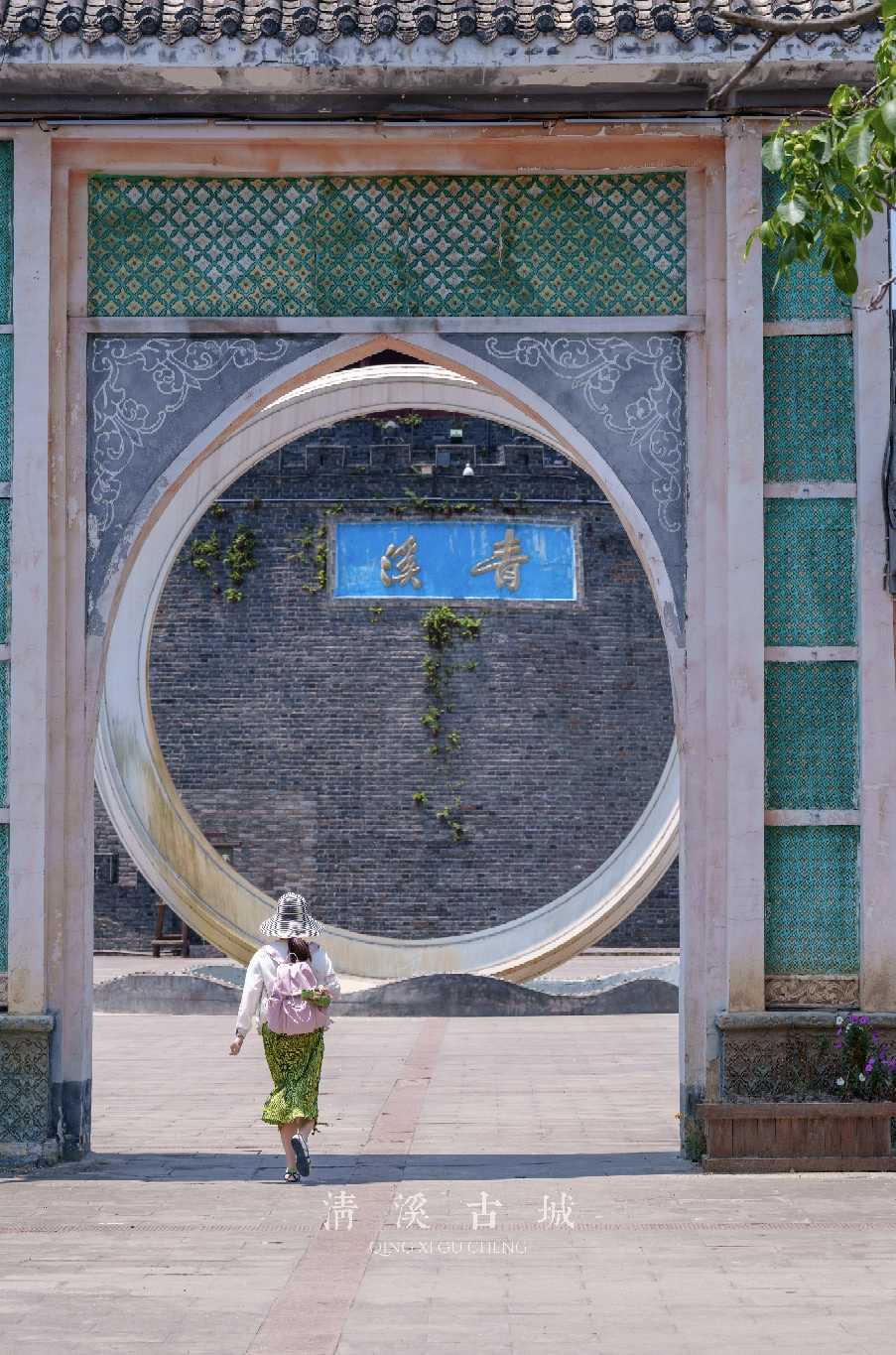
The people here aren't rushing through life; they are truly living it.
At 1:30 PM, we continued our journey to Jiuzhaigou. After a four-hour drive, we arrived at the Ganhai Yunjian Hot Spring Hotel at an altitude of 2,400 meters. For dinner, we experienced a Tibetan home banquet, singing and dancing with our Tibetan hosts. That communal joy is something city life can never replicate.
That evening, I walked briskly around the hotel for 5.58 kilometers – about 0.5 km per lap. In the pitch-black mountain valley, breathing in the fresh mountain air, I acclimated myself to the high-altitude trekking ahead. Life doesn't stop, and neither do the steps.
[Link: Tibetan home banquet experience in Jiuzhaigou]
Stop Three: Jiuzhaigou – Water is the Earth's Love Letter to the Sky
"You won't want to see another mountain after Huangshan; you won't want to see another body of water after Jiuzhaigou." The truth of this saying can only be understood when you stand before Jiuzhaigou itself.
We visited during the dry season, so spring's Jiuzhaigou wasn't as colorful as autumn's. But even the simple combination of emerald green mountains and turquoise-blue water was breathtakingly unreal. Jiuzhaigou has lakes as deep blue as the ocean, others so clear you can see submerged logs at the bottom in shades of light green, yellow-green, blue-green, and jade. There are lakes that wind through reeds like jade ribbons, vast meadows as green as emeralds, waterfalls that stretch horizontally at different heights, and waterfalls that cascade through the forest.
With each new sight, we couldn't help but gasp. Our understanding is like this – there's nothing truly new under the sun, but when beauty unfolds before you, you still find yourself awestruck again and again.
Must-See Spots in Jiuzhaigou Valley
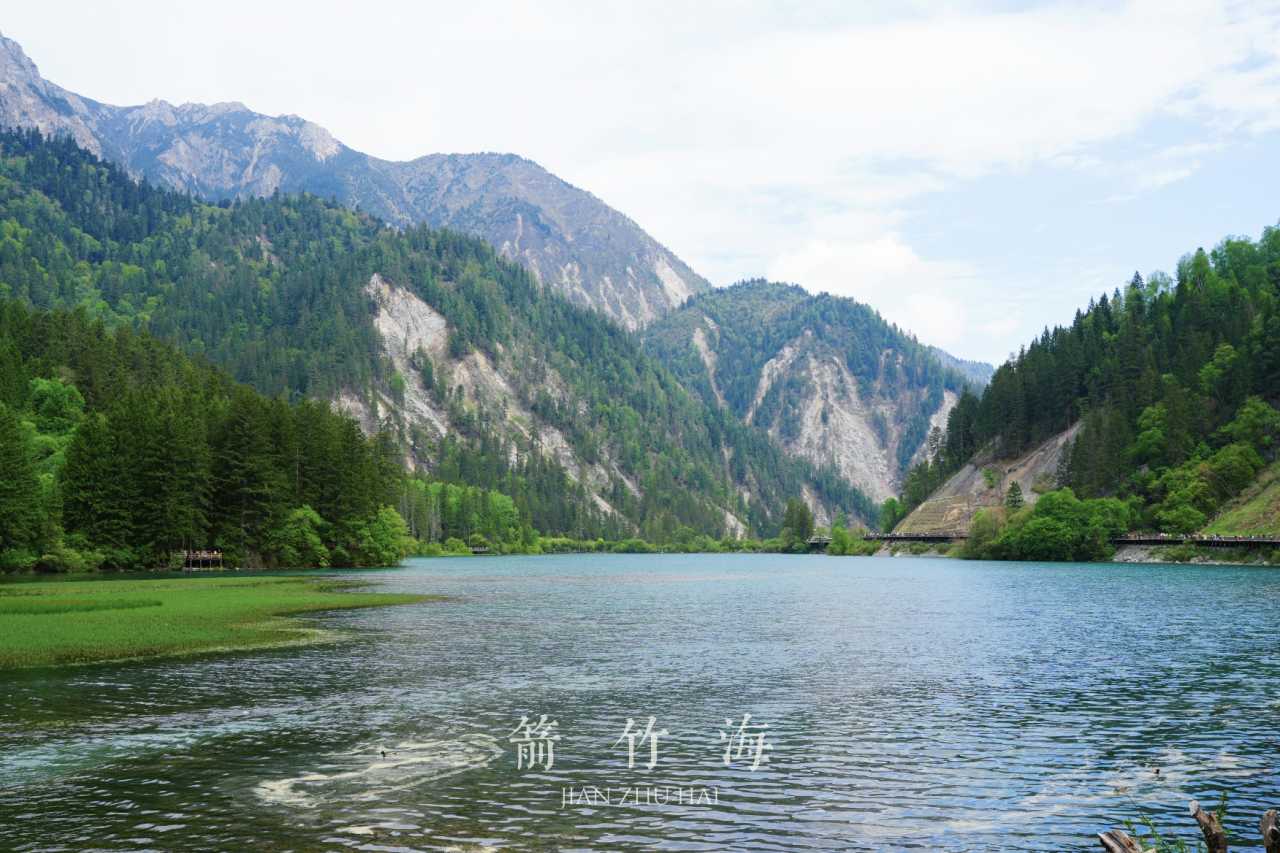
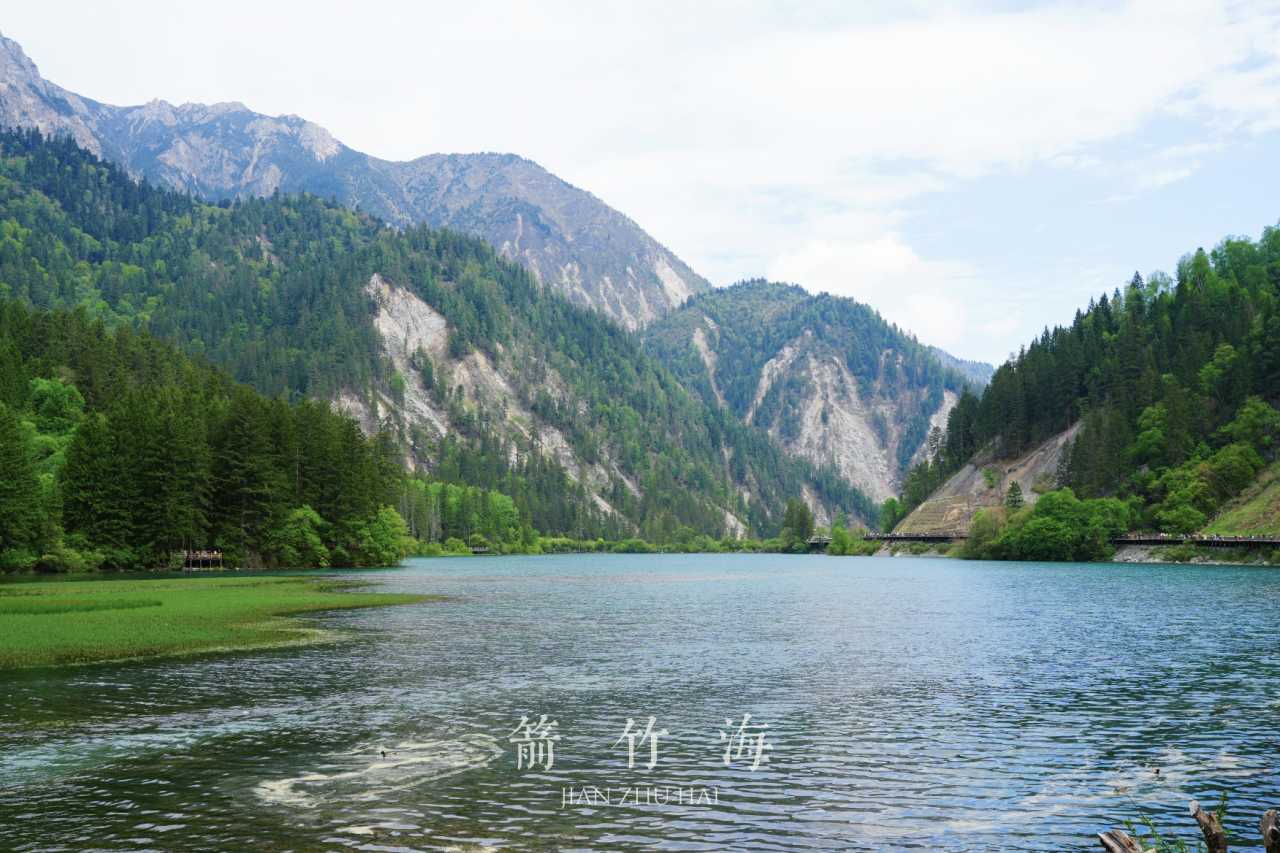
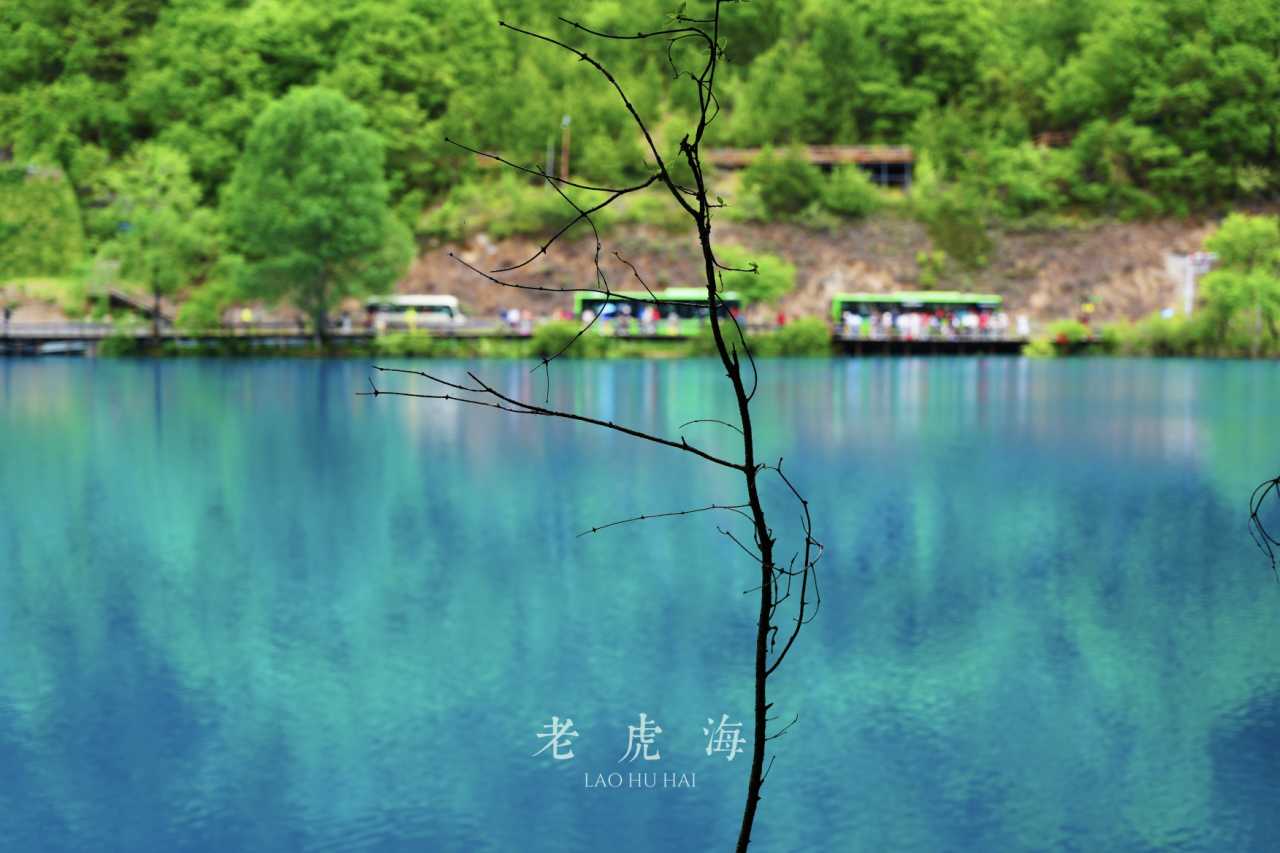
At Arrow Bamboo Lake (Jianzhu Hai) , were those mandarin ducks or just ducks? I couldn't tell, but their leisurely demeanor was enviable. Mirror Lake (Jing Hai) was like a giant mirror, reflecting the blue sky and white clouds. Five Flower Lake (Wuhua Hai) was a palette of spilled colors. At Tiger Lake (Laohu Hai) , the tree shadows reflected in the water, and under the sunlight, they looked like a spread-out tiger skin. The water spray at Pearl Shoal (Zhenzhu Tan) scattered like pearls. Five Color Pond (Wucai Chi) , though low on water, had a mesmerizing blue-green hue.
The most stunning view for me was the observation platform at Shuzheng Group Lakes (Shuzheng Qun Hai) – trust me, you have to climb up there. The panoramic view of the Shuzheng lakes was simply breathtaking.
When I reached Long Lake (Chang Hai) , it started pouring rain. Umbrella in hand, I suddenly lost the desire to take photos. I randomly snapped a picture of the snowy mountains at Long Lake, but I discovered that the rain gave it a uniquely stark, cold beauty.
The Tibetan people of Jiuzhaigou call the lakes "Haizi" – children of the sea. These lakes are far from the sea, yet close to the sky. If the mountains are the father of the Haizi, then the sea is their mother. In spring, the Haizi awaken in their father's embrace and rush towards their mother, the sea.
Jiuzhaigou truly lives up to its reputation. I think I'd love to see it again in autumn, when the forests are ablaze with color.
[Link: Best time to visit Jiuzhaigou for autumn colors]
Stop Four: Huanglong – Meeting the "Jade Pool on Earth" in the Highland Folds
In the folds of the western Sichuan plateau lies a yellow dragon.
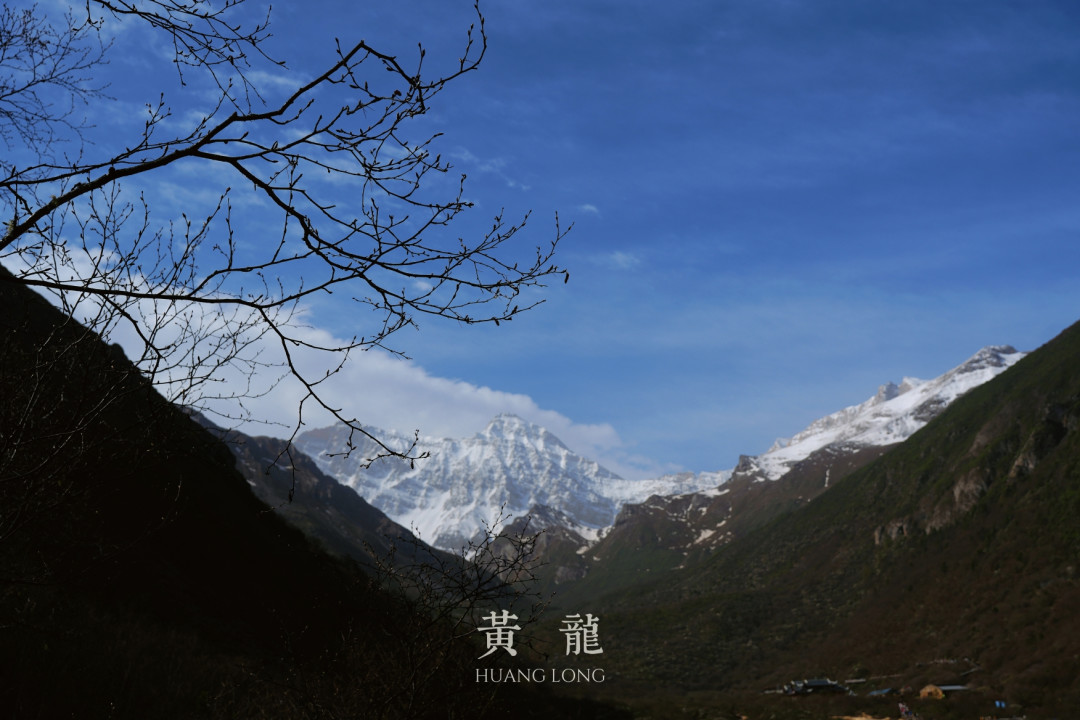
When the first rays of sunlight at Snow Treasure Peak (Xuebaoding) cut through the clouds, the multicolored travertine pools unfolded in the morning mist – this is the jade pool on earth, woven by the earth over eons of time.
From Jiuzhaigou to Huanglong, I put on the thickest clothes I had brought, but I was still cold. We took the cable car up and then hiked to the Five Color Pond, at an altitude of nearly 3,600 meters. The weather was perfect, with bright sunshine. But because it was the dry season, apart from the Five Color Pond at the top, most of the pools along the way down were dry.
At the far end of the Five Color Pond stood the Huanglong Ancient Temple. Mountain mist, infused with sunlight, drifted over the temple gate, merging with the distant snowy peaks, colorful pools, and travertine formations. Huanglong is famous for its Five Color Pond, but what I loved most were the dense forests and the snowy mountains.
Walking down the boardwalk step by step, I realized that Huanglong's true magic lies in its quiet resilience. The travertine formations are living sculptures, growing just one millimeter per year. To witness them is to witness millennia.
[Link: Huanglong vs Jiuzhaigou – which is better for your trip]
Stop Five: Sanxingdui – Unlocking the Mysteries of the Ancient Shu Civilization
No journey through Sichuan would be complete without a rendezvous with the ancient Shu civilization. The Sanxingdui Museum in Guanghan is a portal to a world that flourished over 3,000 years ago – a Bronze Age kingdom that left behind artifacts so surreal they challenge our understanding of ancient China.
The bronze masks with their protruding eyes, the towering bronze trees, the golden scepters – these are not relics of a forgotten dynasty; they are messages from a civilization that saw the world differently. Standing before the bronze standing figure, I felt a shiver run down my spine. Who were these people? What did they believe? Why did their civilization vanish so abruptly?
Sanxingdui is not just a museum; it's a mystery that invites you to become an archaeologist for a day. The sheer scale of the bronze castings, the precision of the gold work, and the enigmatic expressions on the faces of the masks – all of it speaks of a sophisticated society that thrived in the Sichuan basin long before the Qin unified China.
[Link: Sanxingdui Museum guide – what to see and how to get there]
Stop Six: Chengdu's Modern Pulse – Taikoo Li and the Giant Panda Base
After days of high-altitude trekking, Chengdu felt like a soft landing. Taikoo Li, with its blend of traditional Siheyuan architecture and modern luxury boutiques, is the perfect place to decompress. I wandered through the narrow lanes, sipping on a local tea, watching the city's youth blend seamlessly with its ancient roots.

The final morning was reserved for the Chengdu Research Base of Giant Panda Breeding. Seeing these gentle giants munching on bamboo, rolling on their backs, and playing with their cubs was the perfect end to a journey of discovery. The pandas are a living link to the ancient Shu landscape – creatures that have inhabited these mountains for millions of years, surviving alongside the civilizations that rose and fell.
As I boarded the flight back to Wenzhou, I realized that this journey wasn't just about checking sights off a list. It was about reconnecting with myself, with the ancient stories written in stone and water, and with the simple joy of being a traveler again.
Frequently Asked Questions (FAQ)
1. What is the best time to visit Jiuzhaigou and Huanglong?
Autumn (October–November) is the peak season for both, offering vibrant fall foliage and stable weather. Spring (April–May) is less crowded but still beautiful, with melting snow and blooming flowers. Summer is lush but rainy. Winter offers fewer crowds and snow-covered landscapes, but some trails may be closed.
2. How do I get from Jiuzhaigou to Huanglong?
The drive takes approximately 2–3 hours by car or tour bus. The route winds through high-altitude mountain passes, so be prepared for potential altitude changes. Most guided tours combine both destinations in a single day or overnight trip.
3. Is Sanxingdui worth visiting if I'm not a history buff?
Absolutely. The artifacts are visually stunning and unlike anything else in China. Even if you're not a history enthusiast, the mystery and craftsmanship of the bronze masks and trees will leave you in awe. It's a UNESCO World Heritage contender and a must-see for any traveler to Sichuan.
4. What should I pack for a Jiuzhaigou-Huanglong trip?
Layered clothing is essential: thermal base layer, fleece, waterproof jacket, and sturdy hiking boots. Even in summer, temperatures at higher elevations (3,000+ meters) can drop to single digits (Celsius). Bring sunscreen, sunglasses, a hat, and altitude sickness medication if you're prone to it. A reusable water bottle and snacks are also recommended.
5. Can I visit Jiuzhaigou and Huanglong in 2 days?
Yes, but it's a packed itinerary. Most travelers spend one full day at Jiuzhaigou and a half-day at Huanglong (via cable car). If you want to hike the full Huanglong trail, consider adding an extra half-day. A 3-day trip allows for a more relaxed pace and time to acclimatize to the altitude.
Ready to Plan Your Own Journey Through Ancient Shu?
This 6-day itinerary is designed for the solo traveler seeking a deep connection with nature, history, and self. Whether you're a first-time visitor to Sichuan or a seasoned explorer, the landscapes of Jiuzhaigou, the mysteries of Sanxingdui, and the warmth of Tibetan hospitality will leave an indelible mark on your soul.
Your next step:
- Book your flights to Chengdu (CTU) or Wenzhou (WNZ) if starting from southern Zhejiang.
- Reserve accommodations in Langzhong, Jiuzhaigou, and Chengdu in advance, especially during peak seasons.
- Consider a guided tour for Jiuzhaigou and Huanglong to handle logistics and altitude acclimatization.
- Don't forget travel insurance – high-altitude trekking and remote areas require coverage.
Start your journey today. The ancient Shu civilization and the jade pools of Huanglong are waiting for you.
[Link: Book a guided Jiuzhaigou-Huanglong tour]
[Link: Find flights to Chengdu]
[Link: Top hotels in Jiuzhaigou Valley]
This article was originally published on Mafengwo and has been optimized for SEO. All factual information, including dates, distances, and prices, has been preserved from the original source.
You may also like


