A Glimpse from Five Thousand Miles Away, Two Years in the Making: My Summer 2025 Pact with Mount Genie
Here is the SEO-optimized and rewritten article based on your source material, designed to rank for queries related to "Mount Genie travel guide," "Western Sichuan travel tips," and "altitude sickness prevention."
Title: The Ultimate 2025 Mount Genie Travel Guide: Two Years of Planning & Altitude Sickness Survival Tips
Meta Description: Dreaming of the wildflowers at Mount Genie? After two years of planning, I finally conquered Western Sichuan. This guide covers altitude sickness prevention, gear checklists, and the raw beauty of the 2025 summer bloom.
A Glimpse from Five Thousand Miles Away: My Summer 2025 Pact with Mount Genie
Some landscapes sear themselves into your soul the moment you see them. You never forget.
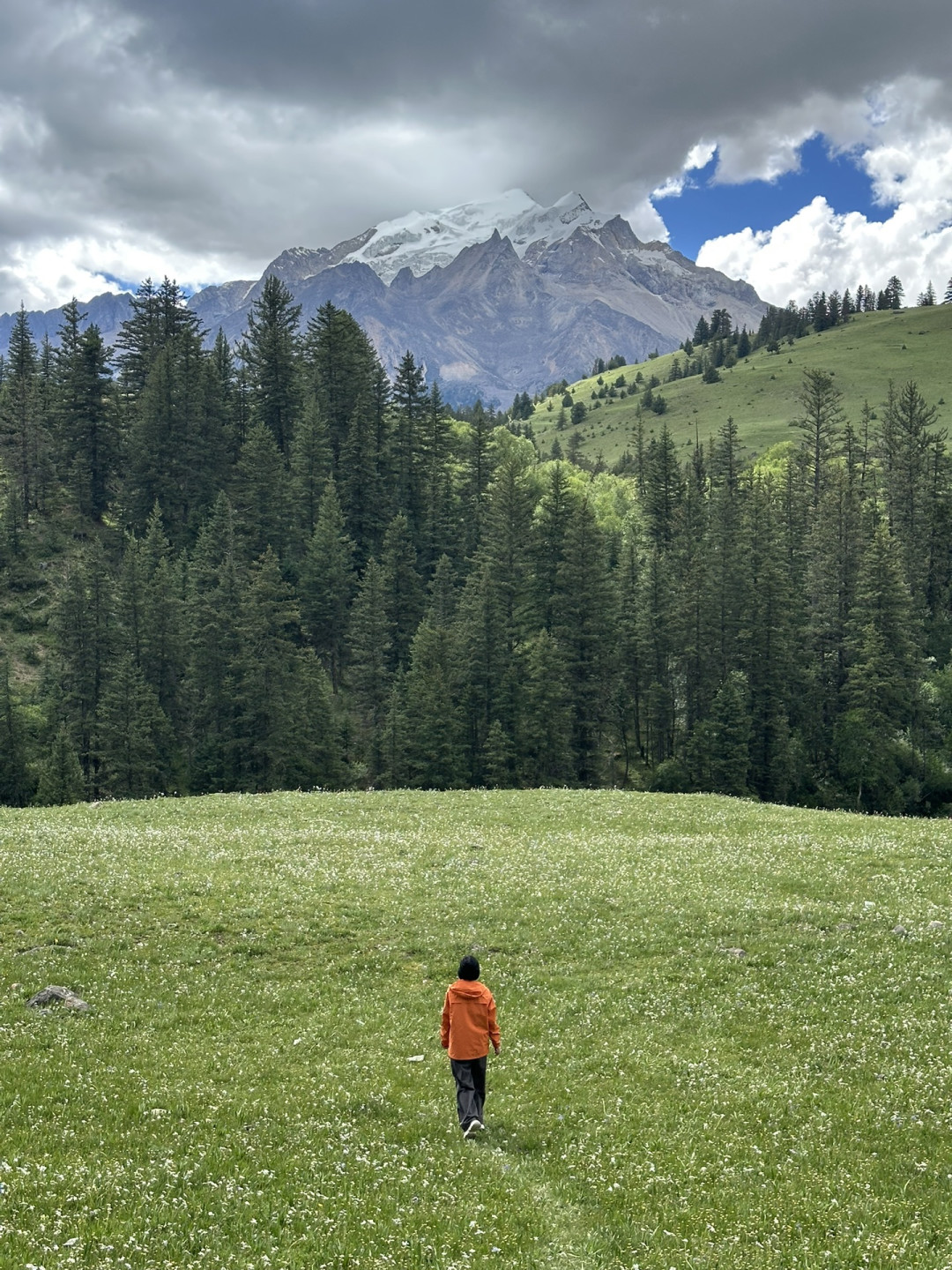
Two years ago, I stumbled upon a video by chance—wildflowers blooming into a sea at the foot of Mount Genie (Genie Shan) , glaciers silent for millennia, meeting these fleeting bursts of life for just one season each year. In that instant, my heart was pierced. From then on, the thought of going to Genie grew like wild grass, taking root in my heart, spreading, for two entire years.
On June 30, 2025, I finally set foot on that road. Not out of impulse, but because two years of waiting had rendered all fear and hesitation utterly insignificant. This is not just a travelogue; it is a tactical guide for anyone planning a Western Sichuan road trip and fearing the plateau.
Why Did I Wait Two Years? The Psychology of the Western Sichuan Road Trip
To be honest, I had my doubts.
The road to Western Sichuan (Chuanxi) was too far, altitude sickness (gao fan) too miserable, the rainy season too dangerous. These thoughts surfaced again and again, and I suppressed them each time. Two years gave me enough time to prepare for everything—researching routes, gathering supplies, drafting contingency plans, even simulating several escape routes.
On June 30, I set off, a mix of excitement and apprehension. Friends kept calling me "crazy," "wild," "too restless." But when they saw me sitting at the foot of the sacred mountain, facing those millennia-old glaciers, quiet as a blade of grass, they might have understood—
I wasn't crazy. I was just searching for the energy in life.
On National Highway 318 (G318) , there were drivers, motorcyclists, cyclists, hikers, and even a "swordsman" in a cloak riding a horse. They were all like me—seeking that spark that would ignite them. And this time, Mount Genie injected a massive wave of nuclear energy into my little universe.
The Dangers of Western Sichuan: Altitude Sickness is No Joke

This was my first official trip into Western Sichuan. I'd been afraid before, but now I know—it's truly beautiful, and truly treacherous. If you are planning a 2025 summer trip to Sichuan, you must respect the altitude.
Altitude Sickness: The First Hurdle
Altitude sickness is something you never truly understand until you've experienced it a few times. I’ve been to high altitudes three times, and each reaction was different.
My History with High Altitude: 1. Dachaidan (2,000m+): Showered, washed hair. Collapsed from dizziness. Classic rookie mistake. 2. Langmusi (3,000m+): Severe hypoxia. Brain shut down. I woke up gasping for air. 3. Qinghai-Gansu Loop (3,400m): No shower. No symptoms. Confidence restored.
Key Patterns of Altitude Sickness (Gao Fan Patterns):
- Not strictly tied to elevation: I was fine at a 4,600-meter pass with trees, but my temples throbbed in Litang (4,000m). It is related to vegetation and population density.
- Tied to physical condition: Colds, fatigue, and lack of sleep are high-risk factors. Don't overeat; I once gasped for breath in a 4,000m forest after a heavy breakfast.
- Indoor vs. Outdoor: Being fine outdoors doesn't mean you are fine indoors. Indoor air is thinner, especially during sleep.
- Delayed Effect: I bounced at 4,600m but felt incredibly drowsy after descending.
- Adaptive: Symptoms on day one may fade by day three.
- Varied Symptoms: Dizziness, palpitations, chest tightness, headache, insomnia, nausea, vomiting. Severe cases can lead to pulmonary edema.
The Ultimate Altitude Sickness Gear Arsenal for Mount Genie
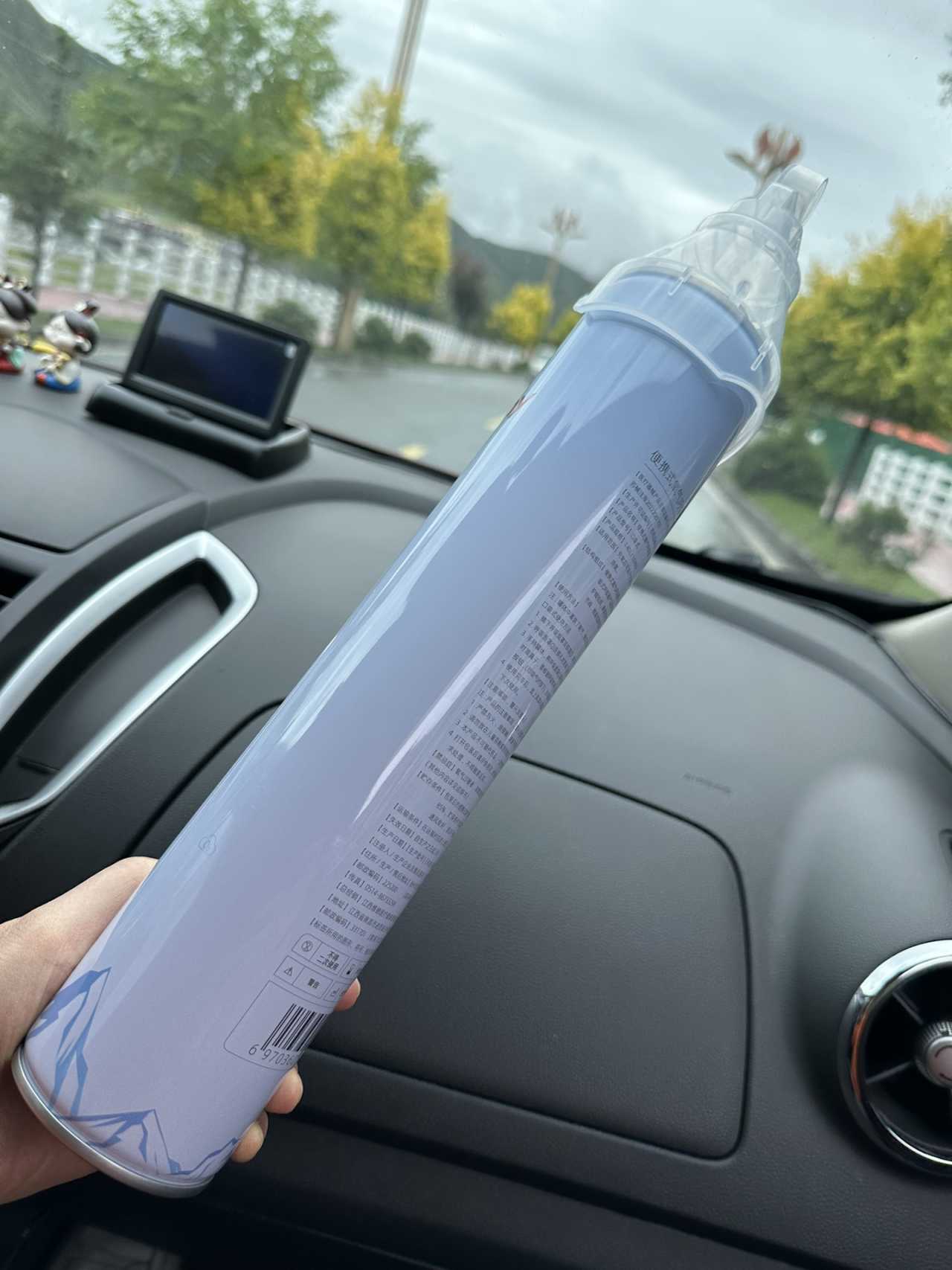
I brought everything from "small rifles" to "nuclear weapons." Here is my Western Sichuan travel gear checklist for surviving the plateau.
Level 1: Small Oxygen Cans (The Small Rifle)
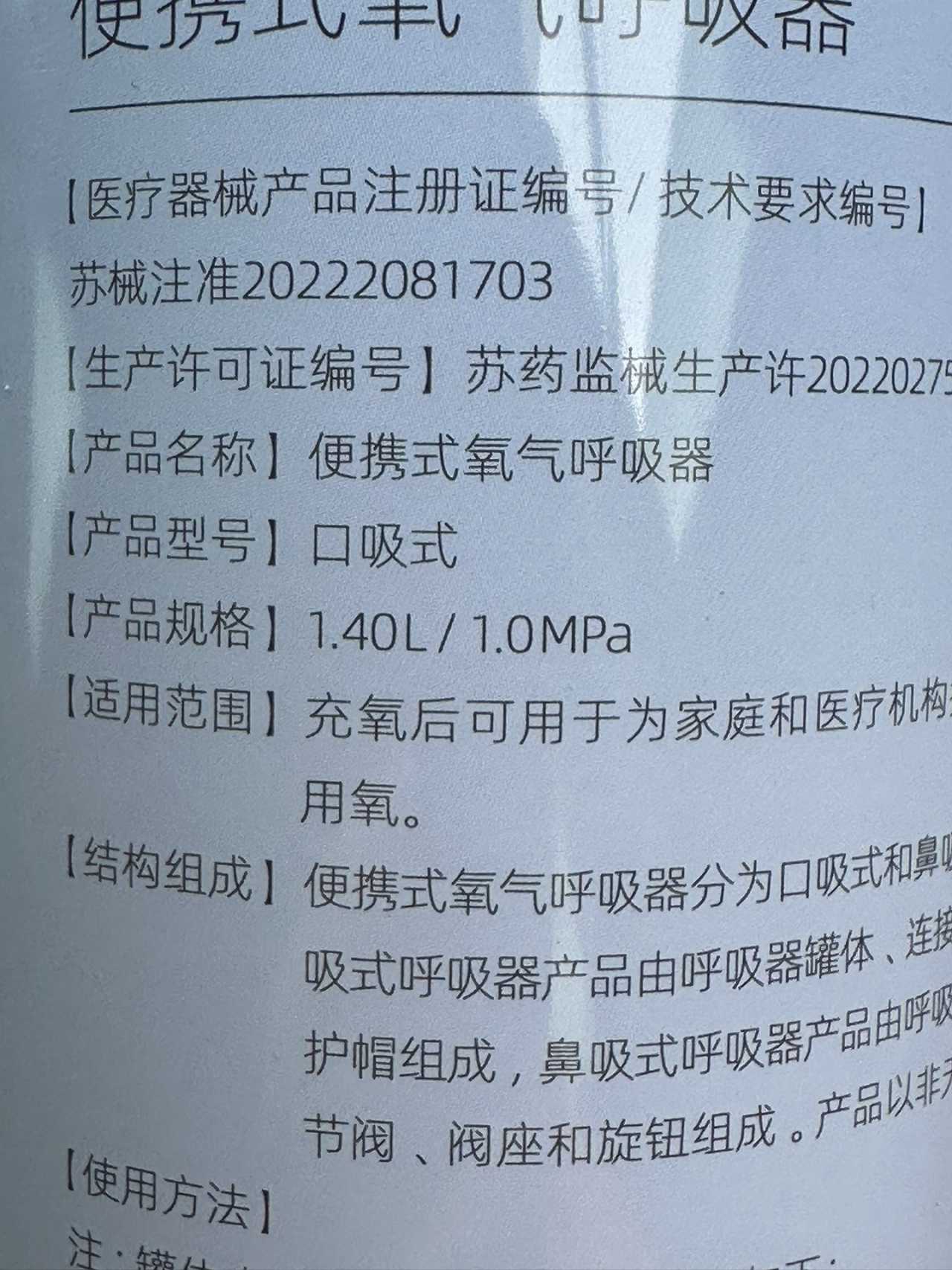
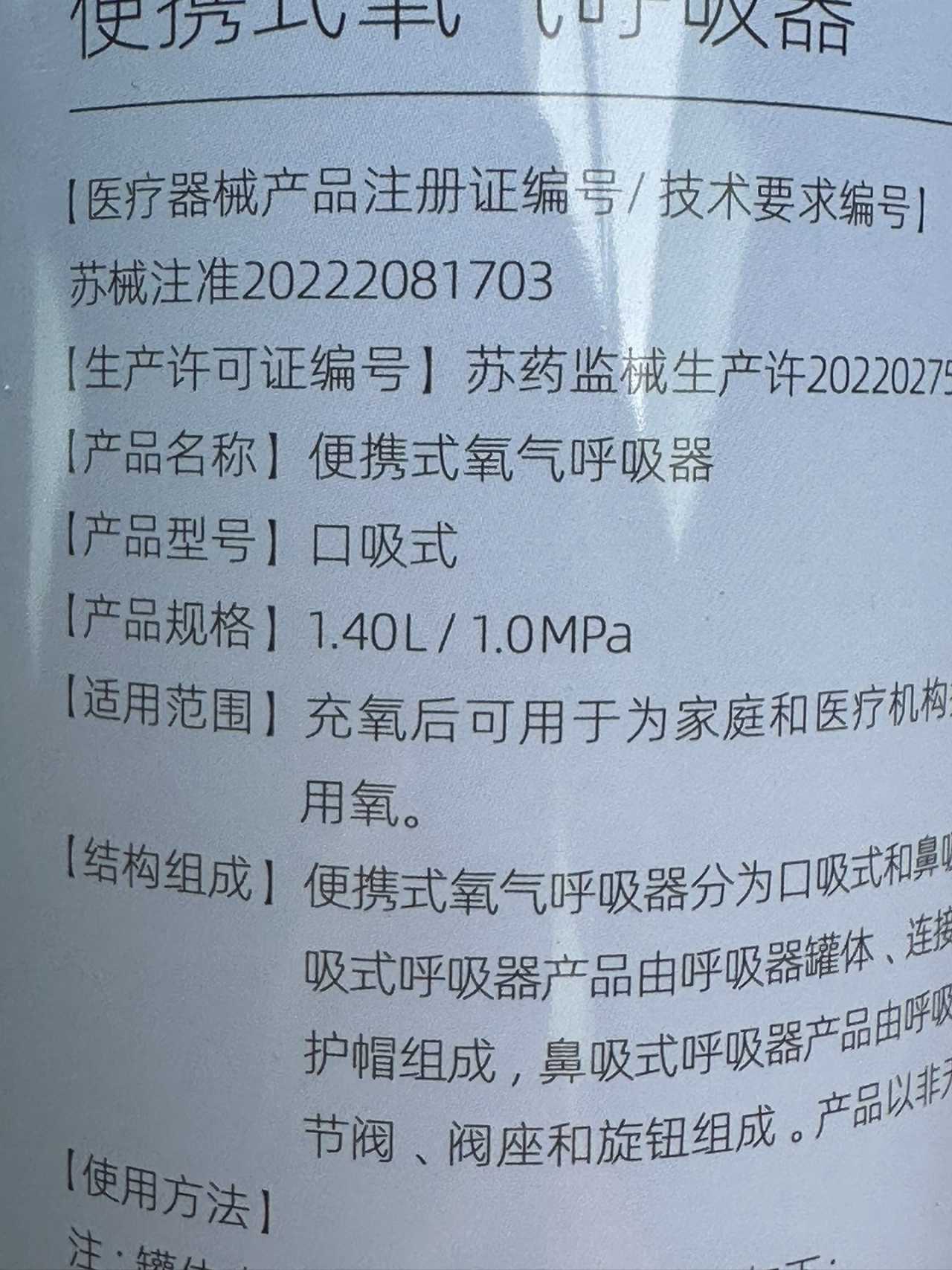
 The most common type. Press once for one burst. - Capacity: A 1.4L can at 1.0 MPa contains about 14 liters of oxygen. - Pro: Cheap, portable. - Con: Doesn't last long. In severe cases, you might not have the strength to press it. - Tip: Order online before departure. I brought six cans.
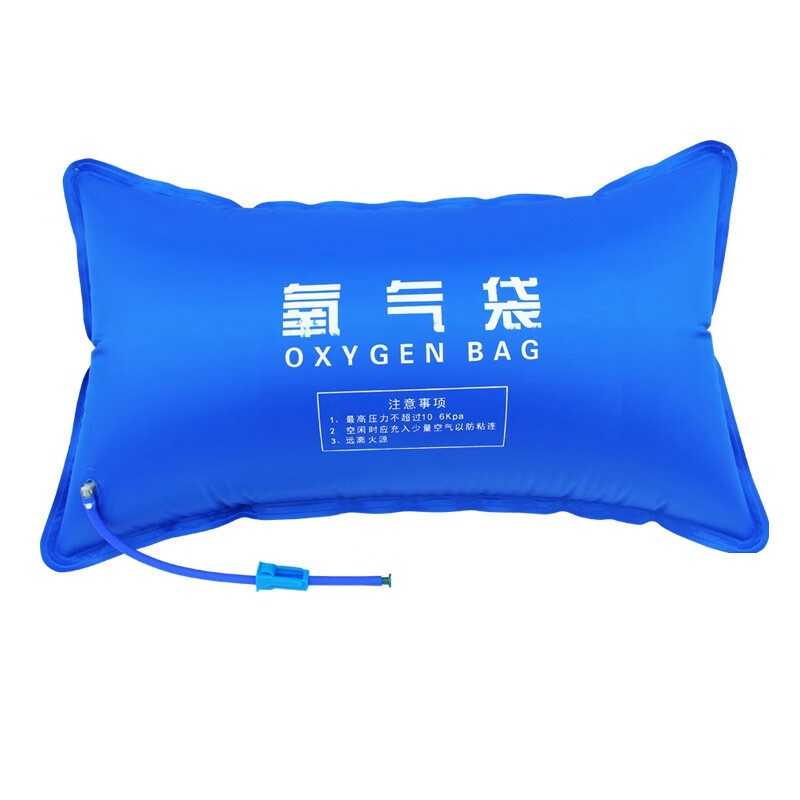
Level 2: Oxygen Bag (The Machine Gun)
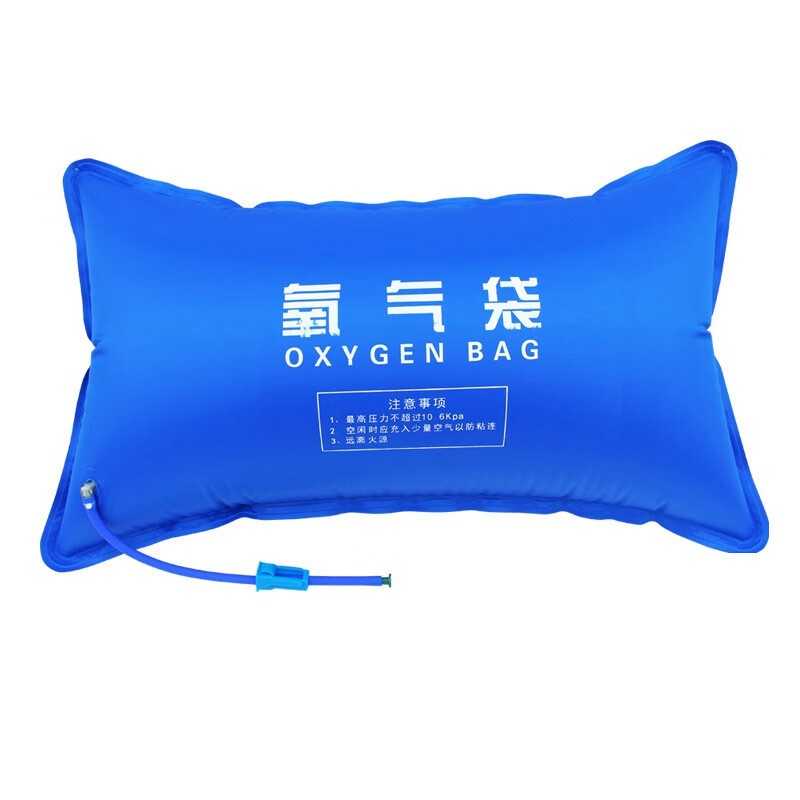
Large capacity, continuous oxygen supply. - Pro: Continuous flow. - Con: Pressure drops quickly; you have to press it by hand. New ones have a strong plastic smell. - Verdict: I returned mine. If you buy one, air it out for days beforehand.
Level 3: Portable Oxygen Concentrator (The Cannon)
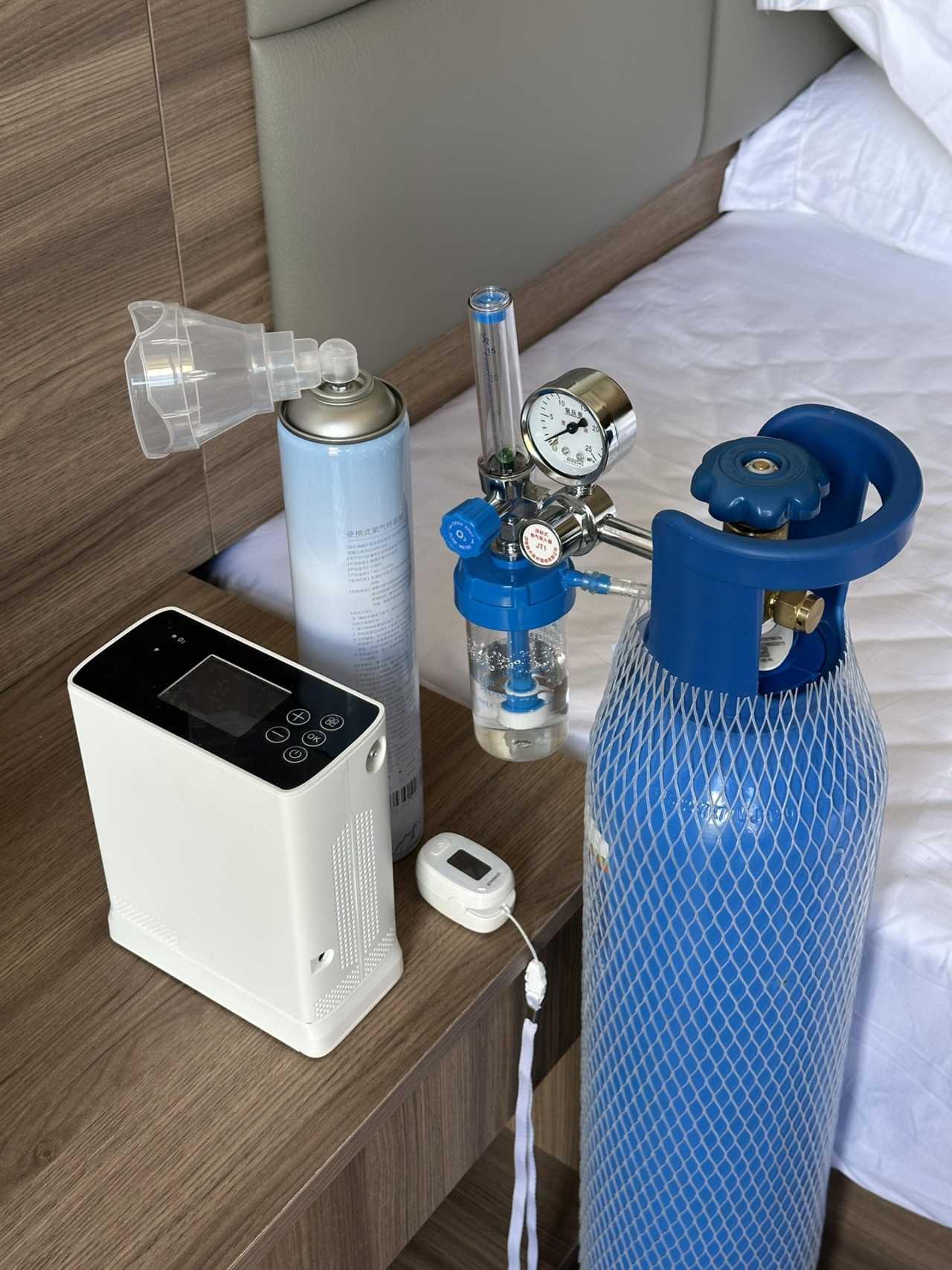
 This one is fantastic! - Pro: Compact, continuous supply, plugs into a wall or car cigarette lighter. - Battery: 6-8 hours. Lightest model weighs just over 3 pounds. - Con: Pricey and heavy. - Hack: I rented one on Xianyu (second-hand platform) for 299 yuan a week. It uses a pulse-sensing mechanism, so my husband and I took turns. It raised our blood oxygen levels instantly.
Level 4: Compressed Steel Oxygen Tank (The Nuclear Weapon)
 The kind used in hospitals. - Capacity: A 10L tank at 10 MPa holds about 1,000 liters of oxygen (approx. 16 hours at 1 L/min). - Pro: Continuous supply, guaranteed concentration. Dual connector allows two people to use it. - Con: Heavy (30+ pounds full). Refill stations are hard to find along G318. - Tip: I found a rental shop in Ya'an on Douyin. Deposit 650 yuan, refill 150 yuan. Reserve a day in advance.
Other Preventive Measures for High Altitude Travel

- Stay Warm: Temperatures fluctuate wildly. I packed a light down jacket, windbreaker, fleece, and thermal underwear. I put on thermals in Kangding and never took them off. Bright colored windbreakers look great against the grasslands.
- Limit Hair Washing: Avoid it if possible. We didn't wash until day four in Batang. Use a hat for greasy hair.
- Limit Activity: Take the sightseeing bus at scenic spots. Save your energy.
- Fuel Up: Bring glucose solution and chocolate to quickly raise blood sugar. (Some swear by cola).
- Medication: Don't be afraid to take painkillers for headaches. [Link: Best painkillers for high altitude travel]
FAQ: Planning Your Summer 2025 Trip to Mount Genie
Q1: When is the best time to see wildflowers at Mount Genie? A: The peak bloom is typically from late June to mid-July. My trip started on June 30, 2025, and the flowers were just beginning to explode. The glaciers are visible year-round, but the flower sea is fleeting.
Q2: Is it safe to drive National Highway 318 (G318) during the rainy season? A: It is treacherous. The rainy season (June-August) brings landslides and mudslides. Check local weather reports daily. Drive a high-clearance vehicle if possible. Always have a contingency plan and escape routes mapped out.
Q3: How do I prevent altitude sickness if I am flying into Litang (4,000m)? A: Do not fly directly into Litang. Acclimate in Kangding (2,600m) or Ya'an first. Spend the first night below 3,000m. Use an oxygen concentrator in your hotel room while sleeping. Avoid alcohol and heavy meals.
Q4: Can I rent oxygen equipment locally instead of bringing it? A: Yes, but plan ahead. You can rent portable concentrators on Xianyu or find oxygen tank rentals in Ya'an. Small cans are available at gas stations along the route, but they are expensive. I recommend bringing your own "cannon" (concentrator) from home.
Q5: What should I pack for a Western Sichuan road trip in summer? A: Thermal underwear (essential), a windbreaker, a thick hat, sunscreen, lip balm, glucose, painkillers, and your oxygen arsenal. Do not forget a power bank for your concentrator.
Final Thoughts: The Energy of the Plateau
I wasn't crazy. I was just searching for the energy in life.
On National Highway 318, there were drivers, motorcyclists, cyclists, hikers, and even a "swordsman" in a cloak riding a horse. They were all like me—seeking that spark that would ignite them. And this time, Mount Genie injected a massive wave of nuclear energy into my little universe.
Are you ready to answer the call?
The glaciers don't wait. The flowers bloom only for a moment. Your life is happening right now.
[CTA Button: Start Planning Your Mount Genie Trip] Download our free Western Sichuan Altitude Sickness Checklist below!
Internal Linking Suggestions: - [Link: Best Route Planning for G318 National Highway] - [Link: How to Rent Oxygen Gear on Xianyu] - [Link: Top 10 Wildflower Viewing Spots in Western Sichuan] - [Link: Hotels in Kangding with Good Oxygen Supply]
You may also like


