A Culinary Journey Through Sichuan and Chongqing: Measuring Two Cities' Lively Worlds with Your Taste Buds
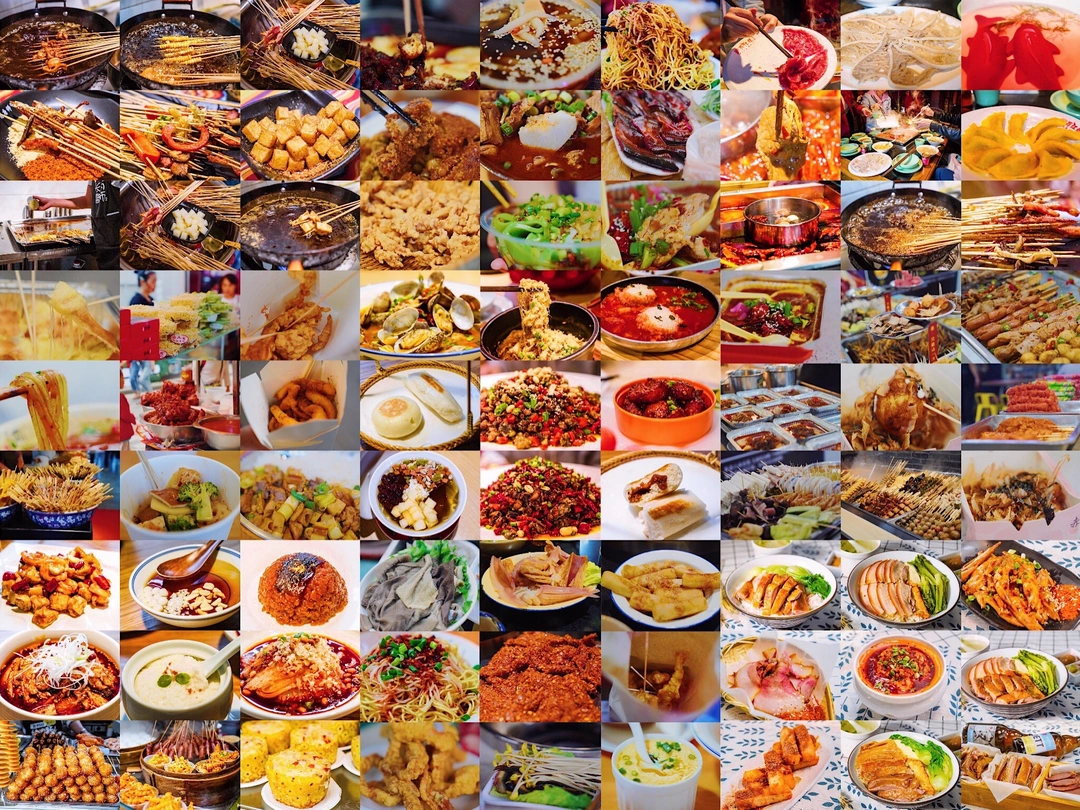
Meta Description: Explore the best Sichuan and Chongqing food guide—from heritage Sichuan cuisine to fiery Jianghu dishes and mountain-city hot pot. Discover hidden gems, local flavors, and why every bite feels like home.
Introduction: A Taste Migration About "Home"
In May 2019, I boarded a plane with a ticket and an empty stomach, embarking on a five-day food pilgrimage from Chengdu to Chongqing. As a 96-born Pisces girl who has traveled to 40 countries, I've always felt that nothing lingers in the memory quite like that blend of Sichuan peppercorns, chili peppers, and the smoky scent of everyday life wafting through the streets of Sichuan and Chongqing.
Before coming here, my imagination of these two cities was shaped by a song that goes, "Chengdu is spring, Chongqing is summer"—Chengdu like a panda lounging in a bamboo chair sipping jasmine tea, lazy and gentle; Chongqing like the neon lights along the river at dusk, passionate and intoxicating. It wasn't until I actually lived here that I understood the deeper meaning behind the saying, "Don't enter Sichuan when young, don't leave Sichuan when old"—it's not that comfort makes you lazy, but that every bite of food, every moment of time here is so tender it makes you reluctant to leave.
If you ever come to Sichuan and Chongqing, I want to take you to eat not the trendy internet-famous spots, but those flavors of "home" hidden in alleyways, tucked away in old residential buildings, and perched on the steps of this mountain city. Because for a foodie, the most romantic thing isn't "I love you"—it's "Let me take you to eat."
[Link: Best time to visit Sichuan and Chongqing for food tours]
Sichuan Cuisine vs. Jianghu Cuisine: One Dish, One Style, A Hundred Flavors of Life

Chengdu's Sichuan Cuisine: Heritage and Innovation in a National Trend
Sichuan cuisine, ranked first among China's eight major culinary traditions, has been celebrated by countless poets and scholars throughout history. Lu You once wrote, "Jade-like food from Mount Emei's wood ear, golden minced fish from Bing Cave," while a poem titled "Ode to Sichuan Cuisine" vividly captures its ever-changing flavors: "Cured, smoked, stir-fried, explosive, slippery, sweet, sour, salty, bitter, fragrant, spicy, numbing."
In Chengdu, the first Sichuan restaurant I recommend is 炒作大师·中华酒楼 (Master Stir-Fry·China Restaurant) near Kuanzhai Alley. This national-trend-style eatery, from its fiery red decor to the uniforms of its staff, shows the owner's thoughtful attention to detail. Even the drinks and beer are domestic brands, making you feel like you've time-traveled back to an era full of nostalgia.

The food here truly achieves "inner and outer excellence." Recommended dishes include: - 八宝辣子鸡 (Eight-Treasure Spicy Chicken): Spicy without being harsh, fragrant without being greasy - 好运来爆炒面 (Good Luck Explosive Stir-Fried Noodles): The waiter shakes it in a jar before pouring it onto a plate with a blessing, the bullfrog sauce perfectly melding with the noodles - 吉祥掌中宝 (Auspicious Chicken Cartilage): Generous portions, spicy but not heat-inducing - 太乙鱼香花甲 (Taiyi Fish-Fragrant Clams): My personal favorite—plump, juicy clams with a hint of sweetness, a perfect rice companion - 月老桃花酒 (Matchmaker Peach Blossom Wine): Three house-made fruit wines, sweet and refreshing, easy for women to enjoy
Another must-mention is 马旺子 (Ma Wangzi), a nearly century-old black-pearl-rated Sichuan restaurant that's been operating since 1923. When a friend came to Chengdu, I specifically took her there—only to give up the first time because there were 21 tables ahead of us. The second time, we lined up before the restaurant opened.
Recommended dishes: - 宫保茄香虾球 (Kung Pao Eggplant-Fragrant Shrimp Balls): Perfectly balanced sweet and sour, with large shrimp balls coated in sauce and eggplant that's great with rice - 鸡豆花 (Chicken Tofu Blossom): Tender tofu blossoms soaked in rich chicken broth, pure happiness in every bite - 口水鸡 (Mouthwatering Chicken): Numbing, spicy, fragrant, with silky smooth chicken—my friend and I couldn't stop eating, even as we chugged water
However, the brown sugar flatbread, oil-fermented rice cake, and sweet steamed pork were a bit too sweet for me—not recommended.
[Link: Top 10 traditional Sichuan dishes you must try]
Chongqing's Jianghu Cuisine: Rustic Boldness
If Sichuan cuisine is a refined symphony, then Jianghu cuisine is the rock and roll of the streets. Though not listed among the eight major culinary traditions, it's the flavor Chongqing locals love most—with a strong rustic character and an even more numbing, intense kick.
纯阳老酒馆 (Chunyang Old Tavern) on Thirty-Year Chunyang Cave Road is a must-visit on Chongqing's food charts. The first time I went, I walked ten minutes under the scorching sun only to find it closed. An elderly auntie saw our disappointed faces and pointed downstairs: "Girl, it's downstairs!" Turns out the original space was too small, so they moved underground.
The atmosphere was nice, the aunties were warm, and the food came out lightning fast—before I could finish photographing one dish, the next was already on the table. Two of us ordered ten dishes. At a place where the average cost is 60 yuan per person, we spent over 200. Recommended dishes: - 巷口烤脑花 (Alleyway Grilled Pig Brain): Soft, sticky, spicy—you won't understand the magic of pig brain until you try it - 儿时土豆片 (Childhood Potato Slices): Spicy with a nostalgic taste of childhood - 凉拌三丝 (Cold Three-Shred Salad): Refreshing and appetizing - 红糖糍粑 (Brown Sugar Glutinous Rice Cake): Mixed black and white glutinous rice, dipped in brown sugar, sweet without being cloying - 荔枝酒 (Lychee Wine): Sweet and refreshing, perfect for cutting through the spice—a must for women
[Link: Chongqing street food guide for budget travelers]
Hot Pot: Fiery Passion, Fiery Love
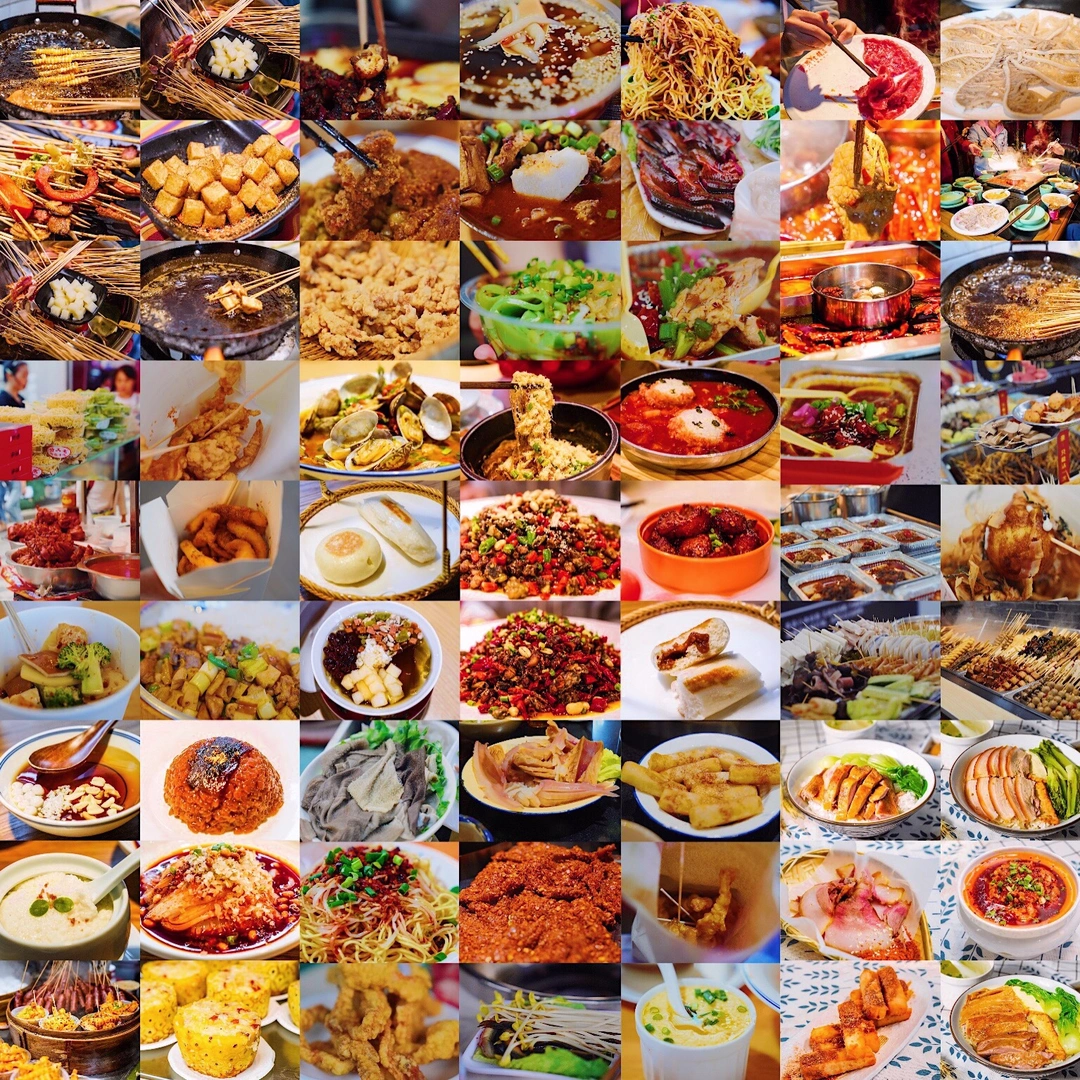
Hot pot isn't just a symbol of Sichuan and Chongqing—it's a calling card for Chinese cuisine. As the classic internet line goes: "How fragrant is it? Come taste for yourself. Grab the menu, just tick the boxes, bite after bite with all the fixings, a dual-flavor pot with some wine, and you'll live to ninety-nine."
Chengdu Hot Pot: Jianghu Spirit in a Three Kingdoms Theme
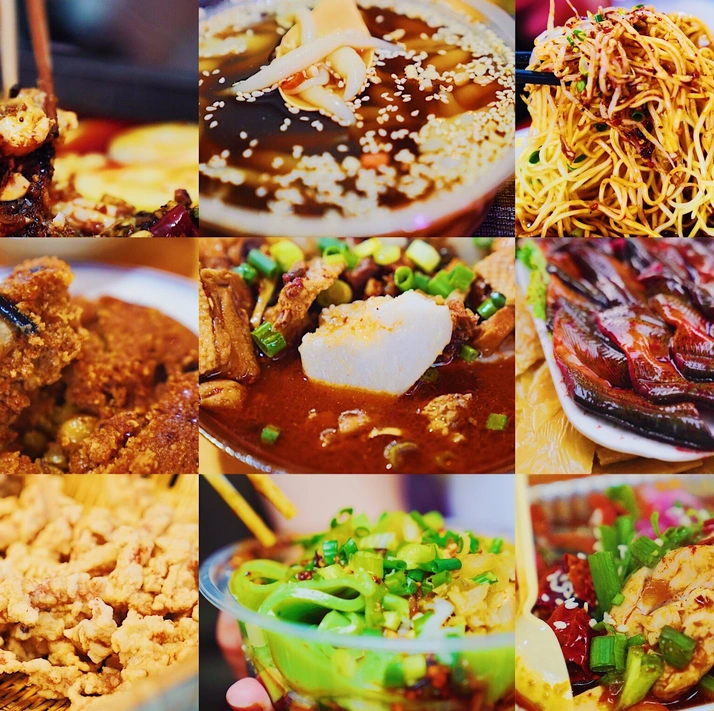
巴蜀大将 (Bashu General) is a hot pot place I've kept to myself, taking many friends there—all with great reviews. The entire restaurant is themed around the Three Kingdoms, with antique-style pavilions and towers. Sit in that big yellow chair, and you'll suddenly feel like you might have been Cao Cao (or Sima Yi) in a past life. Even the plating is filled with Three Kingdoms elements, like: - 草船借箭 (Borrowing Arrows with Straw Boats): Made of prawns, small chicken gizzards, and pork ribs - 桃园三结义 (Oath of the Peach Garden): A classic combo of tripe, yellow throat, and duck intestines - 双椒牛肉 (Double-Pepper Beef): Tender beef wrapped in minced bird's eye chili and green pepper, dropped into bubbling red oil—so good it "explodes" in your mouth - 红糖糍粑 (Brown Sugar Glutinous Rice Cake) and 水果冰粉 (Fruit Ice Jelly): The ultimate spice tamers
I'm actually not a big fan of spicy hot pot because I find it too greasy, but the beef tallow broth here gets richer the longer it cooks, without any greasiness. On a Friday night, gather a few friends, have a beer or some Wanglaoji herbal tea, and all your stress melts away.
[Link: How to eat hot pot like a local in Chengdu]
Chongqing Hot Pot: The "Hot Pot Mountain" of the Mountain City
枇杷园 (Loquat Garden) is a hot pot restaurant built into the mountain, said to have 999 tables and over 300 waitstaff. Layer upon layer of steps, a mountain surrounded by loquat trees—sit in a quaint pavilion with flowers blooming and loquats hanging around, and the setting is almost unreal. The most beautiful moment is descending the mountain at night, looking up from the base to see the entire hillside lit up with hot pot lanterns—like a "golden age."
The red oil broth leans toward the spicy side; locals go straight for the red oil pot, but outsiders are advised to choose the dual-flavor option. Recommended dishes: - 毛肚 (Tripe) and 鸭肠 (Duck Intestines): The signature items here—one bite and you'll be "happy forever" - 泥鳅 (Loach): Cooked until tender, absorbing all the spicy broth
[Link: Chongqing hot pot vs Sichuan hot pot: key differences]
FAQ: Your Sichuan & Chongqing Food Questions Answered
1. What's the difference between Sichuan cuisine and Chongqing Jianghu cuisine?
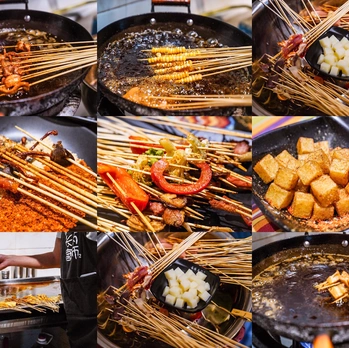 Sichuan cuisine is refined, balanced, and part of China's eight great culinary traditions—think delicate flavors, complex spice blends, and elegant presentation. Chongqing Jianghu cuisine is bolder, more rustic, and heavier on numbing spice—it's street food elevated to art, with bigger portions and a no-frills attitude.
2. Is all Sichuan and Chongqing food extremely spicy?
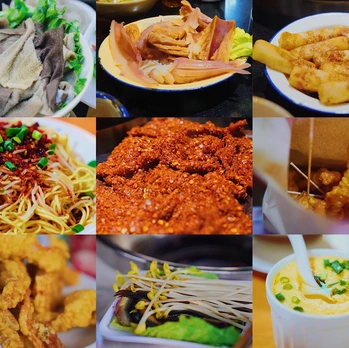 Not at all! While chili and Sichuan peppercorns are signature ingredients, many dishes are mild or sweet. Try 鸡豆花 (chicken tofu blossom), 宫保茄香虾球 (Kung Pao shrimp balls), or 红糖糍粑 (brown sugar rice cake) for non-spicy options. Always ask for "微辣" (mild spice) if you're sensitive.
3. How do I choose between Chengdu and Chongqing for a food trip?
If you want refined, historic, and diverse flavors—go to Chengdu. If you crave bold, rustic, and fiery street food with a mountain-city vibe—go to Chongqing. Ideally, visit both! They're only 1.5 hours apart by high-speed train.
4. What's the best hot pot for first-timers?
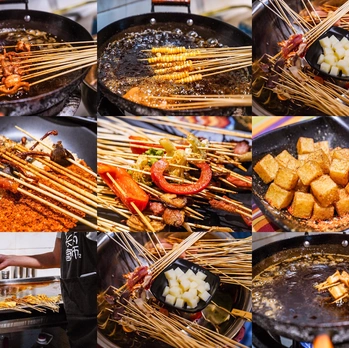 Start with a dual-flavor pot (鸳鸯锅)—one half spicy red oil, one half mild broth. Order tripe, duck intestines, and beef. Dip everything in sesame oil with garlic and cilantro. Avoid going straight for the red oil pot unless you're a spice veteran.
5. Where can I find authentic local food that's not touristy?
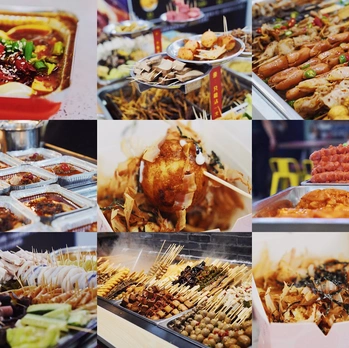
Look for restaurants in old residential areas, alleyways, or near local markets. Ask your hotel staff or taxi drivers—they know the hidden gems. Avoid places with long queues of tourists; instead, follow the lunchtime crowds of office workers.
[Link: How to find authentic local food in China]
Conclusion: Let Your Taste Buds Lead the Way
A culinary journey through Sichuan and Chongqing isn't just about eating—it's about tasting life itself. Every bite tells a story of heritage, passion, and the simple joy of sharing a meal with loved ones. From the refined elegance of Chengdu's Sichuan cuisine to the rugged fire of Chongqing's Jianghu dishes, and the communal warmth of hot pot shared under mountain lanterns—these flavors will linger in your memory long after you've left.
So pack your appetite, book your ticket, and come experience why every foodie says: "Don't enter Sichuan when young, don't leave Sichuan when old." The most romantic invitation isn't "I love you"—it's "Let me take you to eat."
Ready to start your own food pilgrimage? [Link: Book your Sichuan & Chongqing food tour now] or [Link: Download our free Sichuan food guide PDF]
Have you visited Sichuan or Chongqing? What dish stole your heart? Share your food story in the comments below!
You may also like


