72 Hours Back to the Center of the Earth: In 9,000 Meters of Darkness, I Found Something Brighter Than Light
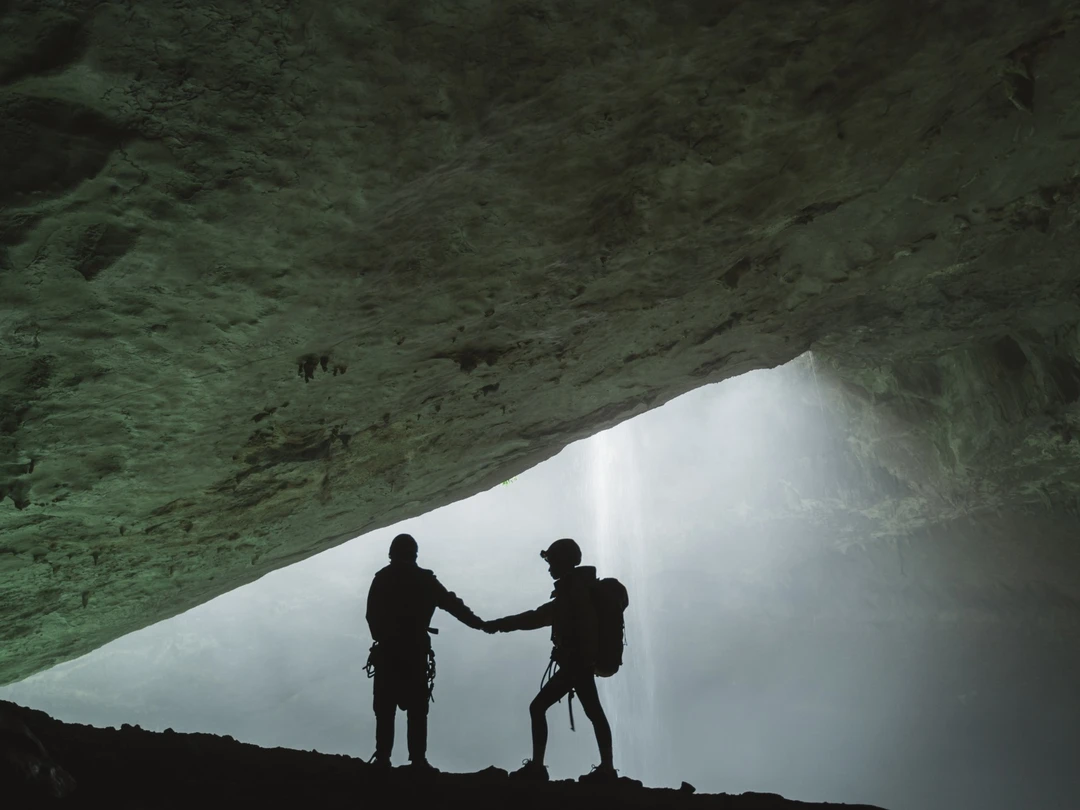
Meta Description: Descend 70 meters into Tianshi Cave on an extreme caving adventure in China. Discover how Single Rope Technique, trust, and teamwork transformed fear into awe in 9,000 meters of absolute darkness.
Have you ever wondered what the world becomes the moment you press that mute button on your phone?
Not airplane mode's "No Service." Not social media's "Offline." I mean the real thing—no light, no signal, no concept of time. Just a rope, a helmet, and a heart pounding with curiosity.
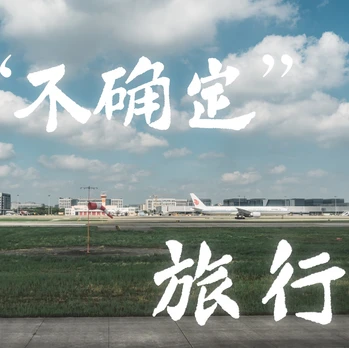
This isn't the opening scene of a sci-fi movie. It's a real journey to the center of the earth. In July 2021, my boyfriend George and I—celebrating our fifth anniversary—embarked on what we called an "uncertainty trip." We didn't even know the destination. All I knew before we left was that our flight went from Shanghai to Chongqing. Where we were going after that, what we'd be doing—George kept his lips sealed, wearing that smug "you'll never guess" grin.
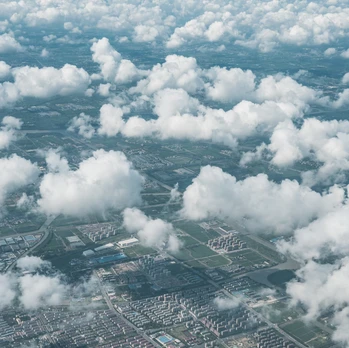
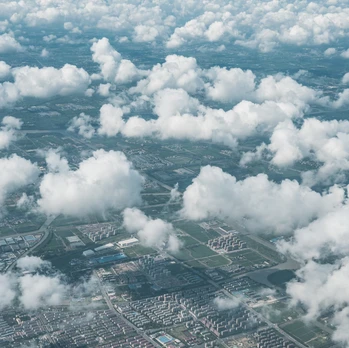
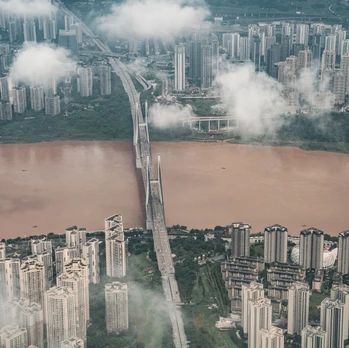
When we landed in Chongqing, I thought the mystery would be solved. He shook his head. "We still need to take the bullet train to Chengdu." What should have been a two-and-a-half-hour ride turned into four hours thanks to weather delays. By the time we reached Chengdu, it was already dark, and I was still baffled: What the hell was this trip hiding?
The next day, we carpooled to Yibin. That's when our two travel companions unzipped their backpacks—ropes, sleeping bags, carabiners, the whole arsenal. The secret was finally out: We were going caving. Not one of those tourist-friendly "show caves" with bright lights and paved walkways. No, this was the real deal—an untouched, wild cave called Tianshi Cave (Heavenly Lion Cave).
My first reaction was blank shock. Then excitement. Then pure nerves. As someone who'd rather sit than stand, I seriously doubted whether I could handle this challenge. But our instructor patted me on the shoulder. "Don't worry. We've got your back."
Alright then. Since I was already on this boat, I might as well sail toward the center of the earth.
[Link: Best extreme travel destinations in China]
First Encounters with SRT: One Rope Between Life and Death
Before we could enter the cave, we had to master a core skill: SRT, or Single Rope Technique. In simple terms, it means using a single rope to ascend and descend. Sounds easy enough—until you're standing at the edge of a 70-meter cliff, staring into a bottomless pit of darkness, with that rope as your only lifeline.

Our instructor said something I'll never forget: "You have to trust this rope completely. Only then will it carry you safely through the challenge."
Essential SRT Equipment for Extreme Caving
Our gear included:
- Hand ascenders and chest ascenders – for climbing upward
- Locking carabiners and main carabiners – for securing connections
- Caving harnesses – to distribute weight safely
- Descenders – for controlled rappelling
- Crush-style helmets – designed to shatter on impact, dispersing force to protect the head
For absolute beginners like us, the instructor pre-connected everything. We just had to strap on the leg loops and clip on the shoulder straps.
Beyond SRT gear, we needed headlamps, gloves, bandanas, caving suits, caving backpacks, and caving boots. The headlamp was our only hands-free light source in the cave. It had five brightness settings—we usually kept it on level two, and one battery lasted a full day.
The bandana was a multi-tool miracle: it kept hair from getting pinched by the helmet, filled the gap between helmet and scalp, and absorbed sweat. Since we wouldn't wash our hair for three days, that bandana was our "hygiene lifeline."
What to Pack for a Multi-Day Caving Expedition
As for tents, sleeping pads, and sleeping bags, we could rent them from the instructors. The sleeping bags needed to be rated for minus 10 degrees Celsius, because the cave was freezing cold. All we had to bring ourselves were:
- Workout clothes
- A windbreaker
- Slip-resistant waterproof shoes
- Dry food and water
As we packed, the instructor kept repeating: "Keep it minimal. Moving your luggage is already a major operation."
We set out from base camp, crossing a cornfield and a bamboo grove. It was only about 100 meters, but the ground was muddy and slippery from recent rain. George slipped near the cave entrance and scraped his arm. Luckily, the instructor had a medical kit on hand. After disinfecting and bandaging the wound, George flexed his arm, confirmed nothing was broken, and said firmly: "Let's keep going."
In that moment, I knew this adventure wasn't going to be easy.
[Link: Beginner's guide to adventure travel safety]
The 70-Meter Rappel: Learning to Trust in Fear
Instructor Xiaozhi went first. George and I followed close behind, with Instructor Kamu bringing up the rear. What awaited us was a 70-meter rappel—split into three sections, each with its own challenges.
Section 1: The 70-Degree Slope (10 Meters)
We were all nervous, so our descent was painfully slow. The rope was anchored to expansion bolts drilled into the rock, supposedly strong enough to hold several tons. When we reached the first platform, the instructor threw the rope down further, then used a separate black rope to lower our backpacks.
Section 2: The Negative-Angle Rock Face
This section was even more terrifying—a rock face that curved inward. We had to press our feet against the walls on either side, stepping down one careful foot at a time. For me, the hardest part of rappelling wasn't the height—it was finding footholds. As long as my feet had something solid to push against, I could keep my balance. Lose that footing, and I'd be spinning in midair.
The walls were dotted with carabiners that guided the rope, preventing it from fraying against the sharp cliff edges. By this point, the canyon had come into full view—deep, narrow, thick with vegetation. Clinging to the rock face felt like something out of a wuxia film, where martial artists scramble up cliffs to gather herbs.
Section 3: The 90-Degree Vertical Drop
The third section was a fully vertical, 90-degree rock face. The instructor helped us switch ropes midair, and in that moment, the fear was real. I kept telling myself, "Trust the rope," but my body wasn't listening—my legs were trembling. Yet once I actually started descending, I found this part was actually the easiest. Just keep your legs straight, and let yourself fall slowly.
The entire rappel required teamwork. George, at the bottom, used his chest ascender to keep the rope taut. The gear slid down from above. Everyone had to pull together to get both people and supplies down safely.

The temperature dropped sharply here, so we put on our windbreakers. For someone as out of shape as me, just that one rappel had drained almost all my energy. I grabbed my water bottle, took a few sips to rehydrate and replenish minerals, and forced myself to keep moving.
But the rappel wasn't the end. We still had another 100 meters of hiking to reach the actual cave. This stretch was steeper than any mountain trail, muddy, slippery, and strewn with jagged rocks. We had to crawl on all fours, facing backward, carrying our heavy packs. Compared to the rappel, this part was far more brutal on my body and my knees.
Panting and scrambling downward, I looked up and realized we had reached the valley floor. Only a sliver of sky was visible above, surrounded by sheer rock walls. In that moment, I thought: We are incredible. We just did something that felt impossible.
[Link: How to overcome fear of heights while traveling]
The Face of Tianshi Cave: Awe in the Darkness
When a massive black cave mouth appeared before us, my soul was shaken. All the uncertainty, all the fear and exhaustion—gone, swept away by pure wonder.

Tianshi Cave (Heavenly Lion Cave). A place so few people know about. It was first discovered in 1992 by a joint Sino-British expedition. To this day, it bears no trace of human destruction. Life flourishes at the entrance. Inside, nothing grows.
The cave stretches over 9,000 meters into the earth's darkness. As we stepped inside, the last sliver of daylight vanished. What replaced it was not emptiness—it was presence. The sound of dripping water. The cool, ancient air. The feeling of being inside something far older than humanity itself.
In that 9,000 meters of darkness, I found something brighter than light: the realization that we are capable of far more than we believe. Trust, teamwork, and the willingness to step into the unknown—these are the things that illuminate the darkest places.
Frequently Asked Questions About Extreme Caving in China
1. What is Tianshi Cave and where is it located?
 Tianshi Cave (Heavenly Lion Cave) is an untouched wild cave near Yibin, Sichuan Province, China. It was first discovered in 1992 by a joint Sino-British expedition and stretches over 9,000 meters underground. Unlike tourist caves, it has no artificial lighting or paved pathways.
2. Do I need prior experience to go caving in China?
 No prior experience is required for beginner-friendly expeditions. However, you must learn Single Rope Technique (SRT) before entering. Professional instructors provide training and pre-connect your gear. A reasonable level of fitness and a willingness to trust your equipment are essential.
3. What equipment do I need for a multi-day caving trip?
 Essential gear includes: SRT equipment (ascenders, descenders, carabiners, harness), crush-style helmet, headlamp, caving suit, waterproof boots, gloves, bandana, sleeping bag rated to -10°C, tent, sleeping pad, windbreaker, dry food, and water. Most specialized gear can be rented from instructors.
4. How dangerous is extreme caving?
 Extreme caving carries inherent risks including falls, hypothermia, and equipment failure. However, with professional guides, properly maintained gear, and strict safety protocols (redundant anchor points, medical kits, communication systems), the risks are minimized. Always choose reputable expedition companies.
5. What is the best time of year to visit Tianshi Cave?
The best time is during the dry season (October to April) when rainfall is minimal. Wet conditions make the approach trails dangerously slippery and increase the risk of rockfall. Summer months (June-August) can be challenging due to monsoon rains and higher humidity inside the cave.

Your Journey to the Center of the Earth Awaits
If this story stirred something in you—a flicker of curiosity, a longing for the unknown—then listen to it. The world is full of places that will never appear on Instagram feeds or travel brochures. Places that demand something from you. Places that give back far more than they take.

Tianshi Cave is one of those places. And if you're willing to trust the rope, trust your team, and trust yourself, you might just find something brighter than light in the deepest darkness.
Ready to plan your extreme caving adventure? Start by researching reputable expedition companies in Sichuan Province, China. Build your fitness gradually. And remember: the best adventures begin when you say yes to the unknown.
[Link: Book your Sichuan adventure travel consultation]
You may also like