A Beam of Sunlight, a Flake of Snow: The Ultimate Seda Pilgrimage Guide for 2024 Travelers
Meta Description: Planning a Seda pilgrimage during National Day? Discover the best routes, budget tips, and insider secrets to Larung Gar Buddhist Academy. Avoid crowds and altitude sickness with our expert guide.
Introduction: Why Seda Remains China's Most Sacred Hidden Gem
During the National Day Golden Week, when millions of Chinese travelers swarm popular destinations, a different kind of traveler seeks solitude and spiritual awakening. Seda (Sêrtar)—home to the world-famous Larung Gar Five Sciences Buddhist Academy—offers exactly that: a journey so challenging that only the truly committed undertake it.
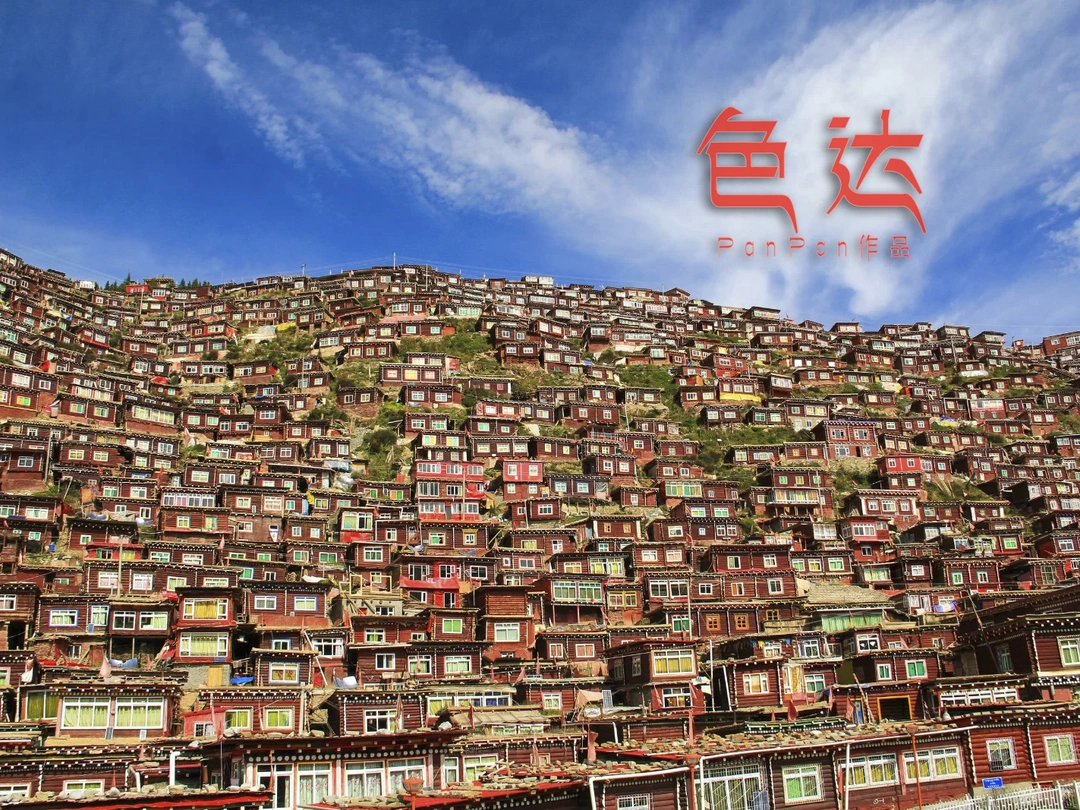
In October 2014, my companion and I embarked on this four-day pilgrimage. Two days of bone-rattling bus rides across the Tibetan Plateau. Two days of high-altitude trekking through a valley transformed into a sea of crimson monastic huts. Total cost per person: just 1,300 yuan. No entrance fees. No tourist traps. Just raw, unfiltered faith carved into a mountainside at 4,000 meters elevation.
This isn't just a travelogue—it's your complete Seda travel guide for 2024. Whether you're a spiritual seeker, a photography enthusiast, or an adventure traveler looking for the ultimate challenge, here's everything you need to know.
The Seda Pilgrimage: Understanding the Journey Before You Go

What Makes Seda Different from Other Tibetan Destinations?
Unlike Lhasa or Shangri-La, Seda offers no luxury resorts, no cable cars, no guided tours. The Larung Gar Buddhist Academy—home to over 40,000 monks and nuns—exists in a state of deliberate isolation. The red monastic huts that blanket the valley weren't built by developers; they were constructed by hand, one by one, by practitioners who walked here from across Tibet.
[Link: How Tibetan Buddhism Differs from Mainstream Buddhism]
Is Seda Open to Foreign Travelers in 2024?
As of 2024, Seda remains accessible to Chinese domestic tourists and foreign travelers with proper permits. However, restrictions have tightened since 2014. You'll need:

- A valid Chinese visa
- A Tibet Travel Permit (for foreign nationals)
- Advance booking through registered travel agencies
- Registration at the Seda county government office
Note: Always check the latest travel advisories from the Chinese Ministry of Culture and Tourism before planning your trip.
How to Get to Seda: 4 Routes Compared (2024 Update)

The roads to Seda are notoriously bad. From Chengdu, you have four options. Here's our updated comparison based on current road conditions:
Route 1: The Shortest but Most Brutal (Chengdu–Barkam–Seda)
- Distance: ~600 km
- Travel Time: 14-16 hours
- Road Condition: Poor (gravel, construction zones)
- Vehicle Required: High-clearance SUV or bus
- Pros: Most direct route
- Cons: Traffic jams common; small cars cannot pass
Route 2: The "Scenic Detour" (Via Zamtang & Nianlong)

- Distance: ~680 km
- Travel Time: 12-14 hours
- Road Condition: Good after Zamtang turnoff
- Vehicle Required: SUV recommended
- Pros: Newly paved asphalt; stunning mountain views
- Cons: 80 km longer; bad road before turnoff
Route 3: The Southern Route (Via Kangding & Luhuo)

- Distance: ~750 km
- Travel Time: 2 days (overnight in Xinduqiao)
- Road Condition: Poor from Luhuo to Seda
- Vehicle Required: 4x4 recommended
- Pros: Pass through Tagong Grassland
- Cons: Longest time; requires overnight stay
Route 4: The "Easy" Route (Via Aba & Jiuzhi)
- Distance: ~900 km
- Travel Time: 2 days
- Road Condition: Best of all options
- Vehicle Required: Any car
- Pros: Smooth roads; pass Nianbaoyuze Scenic Area
- Cons: 300 km extra; requires two overnight stays
Our Recommendation for 2024: Take the scheduled bus from Chengdu's Chadianzi Bus Station. Direct buses depart at 6:20 AM daily. During National Day, 1-3 extra buses run. Tickets cost 206-243 yuan (one-way). Book 3 days in advance through the Sichuan Bus Ticketing website—tickets sell out within minutes.
[Link: How to Book Sichuan Bus Tickets Online]
Where to Stay in Seda: Budget vs. Comfort

Seda County Town Accommodation
During National Day, rooms are scarce and expensive. Our experience:
- Golden Horse Hotel (Jinma Dajiudian): Landmark hotel, 500+ yuan/night. Mostly booked by government officials.
- Waxu Hotel: Similar price range. Difficult for individual tourists.
- Xinyi Business Hotel: 244 yuan/night for a twin room without private bathroom. Noisy (next to KTV).
- Last-minute options: Expect to pay 400+ yuan for poor conditions.
The Hidden Gem: Larung Guesthouse
Halfway up the mountain at the Buddhist Academy, this guesthouse offers:

- Private bathrooms with hot water
- WiFi connectivity
- Price: Just 160 yuan/night (same price as 2014!)
The Catch: Impossible to book directly. The front desk is often unmanned. You need a local contact or a registered travel agency to secure a reservation. During peak season, rooms are booked weeks in advance.
Pro Tip: If you can't get into Larung Guesthouse, consider staying in Seda county town and taking a taxi to the Academy each morning (40-50 minutes, 50-80 yuan).
What to Eat in Seda: A Realistic Food Guide

The Plateau Diet Challenge
At 3,800-4,200 meters elevation, your appetite will diminish. Altitude sickness affects digestion. Here's what to expect:
Sichuan Restaurants (County Town): - Noodles: Large bowl 12 yuan, small bowl 10 yuan (cooked in pressure cooker) - Stir-fried dishes: Twice-cooked pork, tomato and egg (acceptable) - Boiled beef in chili sauce: Avoid—flavor is weak at high altitude - Hidden Gem: Beef hotpot near Jinma Square. Packed with locals. Worth the queue.
Inside the Academy: - Noodle shop: 10 yuan/bowl, light flavor - Prices identical to county town
Golden Rule: The simpler the dish, the better it's made. Stick with basic stir-fries and noodles.
[Link: High-Altitude Cooking Tips for Travelers]
Surviving Altitude Sickness in Seda

The Reality Check

Altitude sickness hits without warning. My companion required hospital oxygen at 40 yuan per hour. Symptoms include:
- Headache (most common)
- Nausea and vomiting
- Shortness of breath
- Insomnia
- Loss of appetite
Prevention Tips
- Acclimatize properly: Spend 2-3 days in Chengdu (500m) before heading to Seda
- Stay hydrated: Drink 3-4 liters of water daily
- Avoid alcohol: Even one beer can trigger severe symptoms
- Medication: Bring acetazolamide (Diamox) from home
- Oxygen cans: Available in Seda county town (30-50 yuan)
When to Seek Medical Help

- Oxygen saturation below 85%
- Persistent vomiting
- Confusion or disorientation
- Coughing up pink frothy sputum (sign of pulmonary edema)
Emergency Contact: Seda County Hospital (0836-8523120)
The Larung Gar Buddhist Academy: What to Expect in 2024

The Visual Impact
Standing at the Academy's entrance, you'll understand why travelers call it "the red ocean." Thousands of crimson monastic huts climb the valley walls, each one built by hand. The golden spires of the main temple catch the first morning light—a beam of sunlight piercing through thin plateau air.
Rules for Visitors

- No photography of monks/nuns without explicit permission
- Dress modestly: Cover shoulders and knees
- No loud conversations near meditation halls
- No drones without special permit
- Respect prayer flags and religious objects
Best Photo Spots
- The viewing platform above the main temple (sunrise)
- The prayer wheel corridor (golden hour)
- The eastern hillside (overlooking the entire valley)
[Link: Tibetan Buddhist Photography Etiquette]
Seda Travel Budget: Complete Cost Breakdown (2024)

| Expense Category | Cost (Per Person) |
|---|---|
| Bus (round trip) | 600-700 yuan |
| Accommodation (3 nights) | 370-500 yuan |
| Meals | 200-300 yuan |
| Local transport | 100-150 yuan |
| Altitude sickness supplies | 50-100 yuan |
| Total | 1,320-1,750 yuan |
Note: Off-season discounts can reduce accommodation costs by 50%.
Frequently Asked Questions About Seda Travel

1. Is Seda safe for solo female travelers?
Yes, Seda is generally safe. The monastic community is peaceful. However, altitude sickness poses the biggest risk. Travel with a companion if possible, or join a small group tour.
2. When is the best time to visit Seda?

Best: May-October (warmest weather, clear skies) Avoid: November-March (heavy snow, road closures) Peak: National Day (Oct 1-7) and Tibetan New Year (February)
3. Do I need special permits for Seda?

Chinese citizens: No permit required. Foreign nationals: Tibet Travel Permit + advance registration through a licensed travel agency. Processing takes 7-10 days.
4. Can I visit the Buddhist Academy without a guide?
Yes, but hiring a local guide (200-300 yuan/day) enhances the experience. They can explain rituals, translate conversations, and help with photography permissions.
5. What should I pack for Seda?

- Warm layers (temperatures drop to -5°C at night)
- Sunscreen (UV index is extreme)
- Lip balm with SPF
- Reusable water bottle
- Basic first aid kit
- Power bank (limited charging options)
Conclusion: Your Seda Pilgrimage Starts Now
A beam of sunlight. A flake of snow. The crimson sea of monastic huts rising from a Tibetan valley. Seda isn't just a destination—it's a transformation.
The journey is brutal. The altitude is punishing. The accommodations are basic. But standing at the Larung Gar Academy, watching prayer flags snap in the thin plateau wind, you'll understand why thousands make this pilgrimage every year.
Your Next Step: Book your bus ticket from Chengdu to Seda today. Tickets for National Day 2024 go on sale in late September. Set your alarm for 6 PM—they sell out in minutes.
Pro Tip: Join our Seda Travel Community on WeChat (QR code below) for real-time updates on road conditions, accommodation availability, and permit requirements.
"The road to Seda is a spiritual practice in itself."
Article originally published on Mafengwo (2014). Updated for 2024 travel conditions. Prices subject to change. Always verify current information with local authorities before traveling.
[Link: Complete Tibet Travel Guide] [Link: High-Altitude Hiking Safety Tips] [Link: Tibetan Monasteries You Must Visit]
Disclaimer: This article contains affiliate links. We may earn a small commission at no extra cost to you. All recommendations are based on personal experience and research.
You may also like


