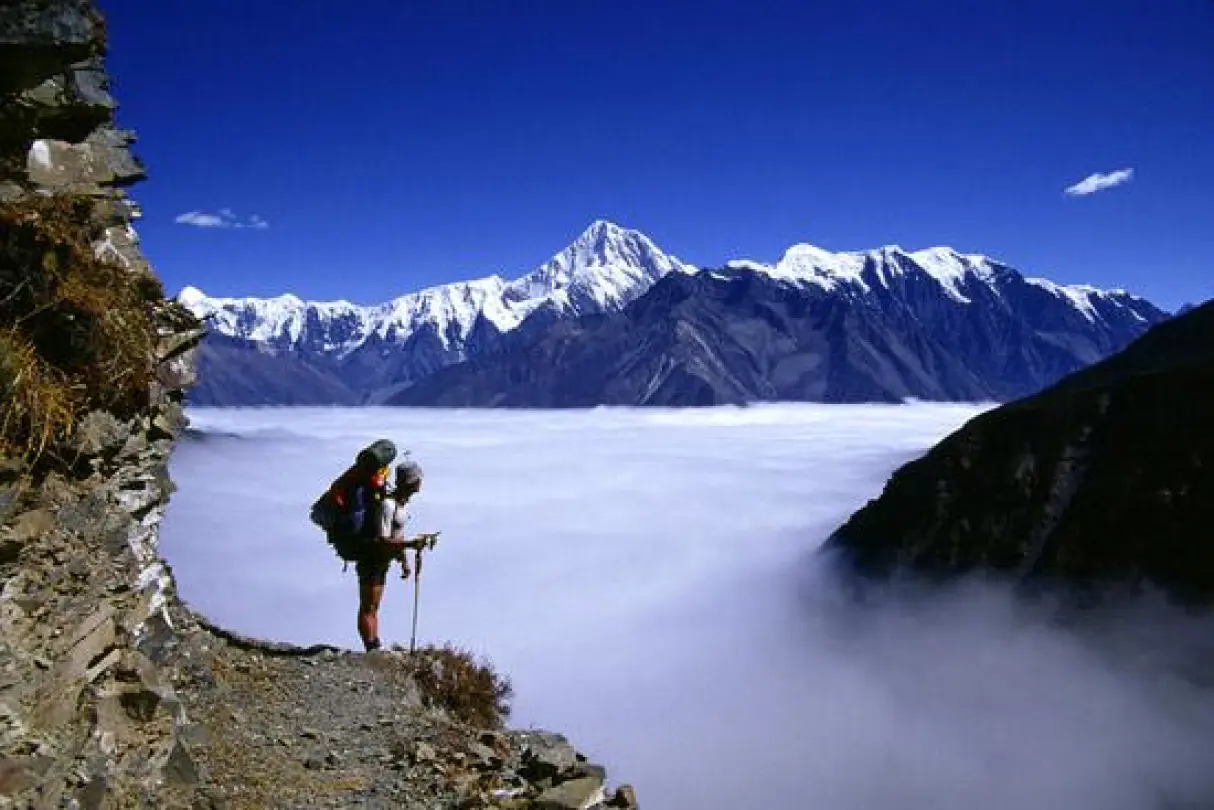
7-Day Litang Itinerary: Discover Dingzhen's Hometown & the Sky City of Sichuan
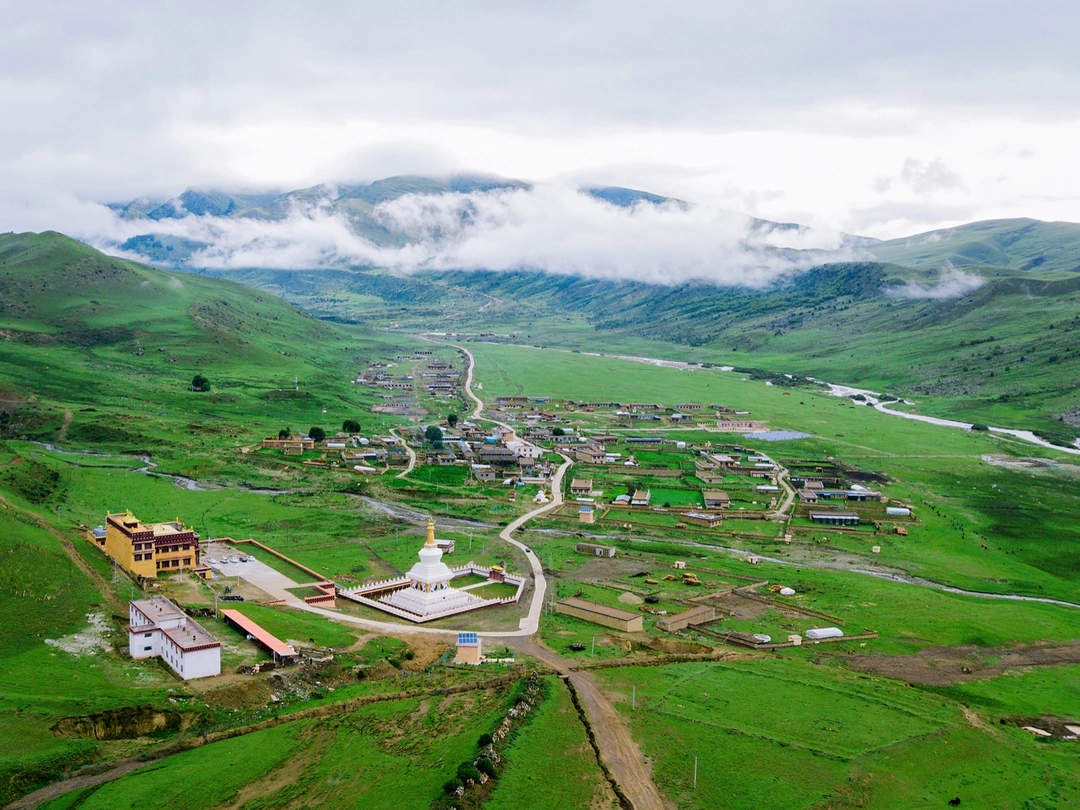
Meta Description: Plan your 7-day Litang deep dive with this complete guide. Explore Dingzhen's hometown, visit Xiazetong Village, hike Mount Genie, and experience authentic Tibetan culture at 4,000 meters. Your ultimate Litang travel guide.
For travelers from the lowlands, the high plateaus of western Sichuan often feel like a distant dream—a world where blue skies touch the horizon, snow-capped peaks pierce the clouds, endless grasslands stretch into infinity, and vibrantly colored monasteries dot the landscape. Horses gallop freely in the wind, and the smiles of Tibetan children sparkle like stars. Yet the reality is equally vivid: altitude sickness, scorching sun, biting winds, and sudden downpours are as real as the beauty.
But when you finally stand at 4,000 meters above sea level, breathing thin air and gazing at a world so different from your own, you realize: every hardship is worth it. This is Litang, Sichuan's "Sky City"—the hometown of internet sensation Dingzhen, and a place where warmth and freedom collide.
In June 2021, I embarked on a nine-day journey to Litang. This wasn't just a trip—it was a pilgrimage to find "Dingzhen's World." That Khampa boy with clear eyes and an innocent smile—his hometown is Litang County in Garze, Sichuan. This 7-day Litang itinerary will guide you through the best of this highland paradise.
Why Visit Litang? | Tsangyang Gyatso's Poetry & Dingzhen's World
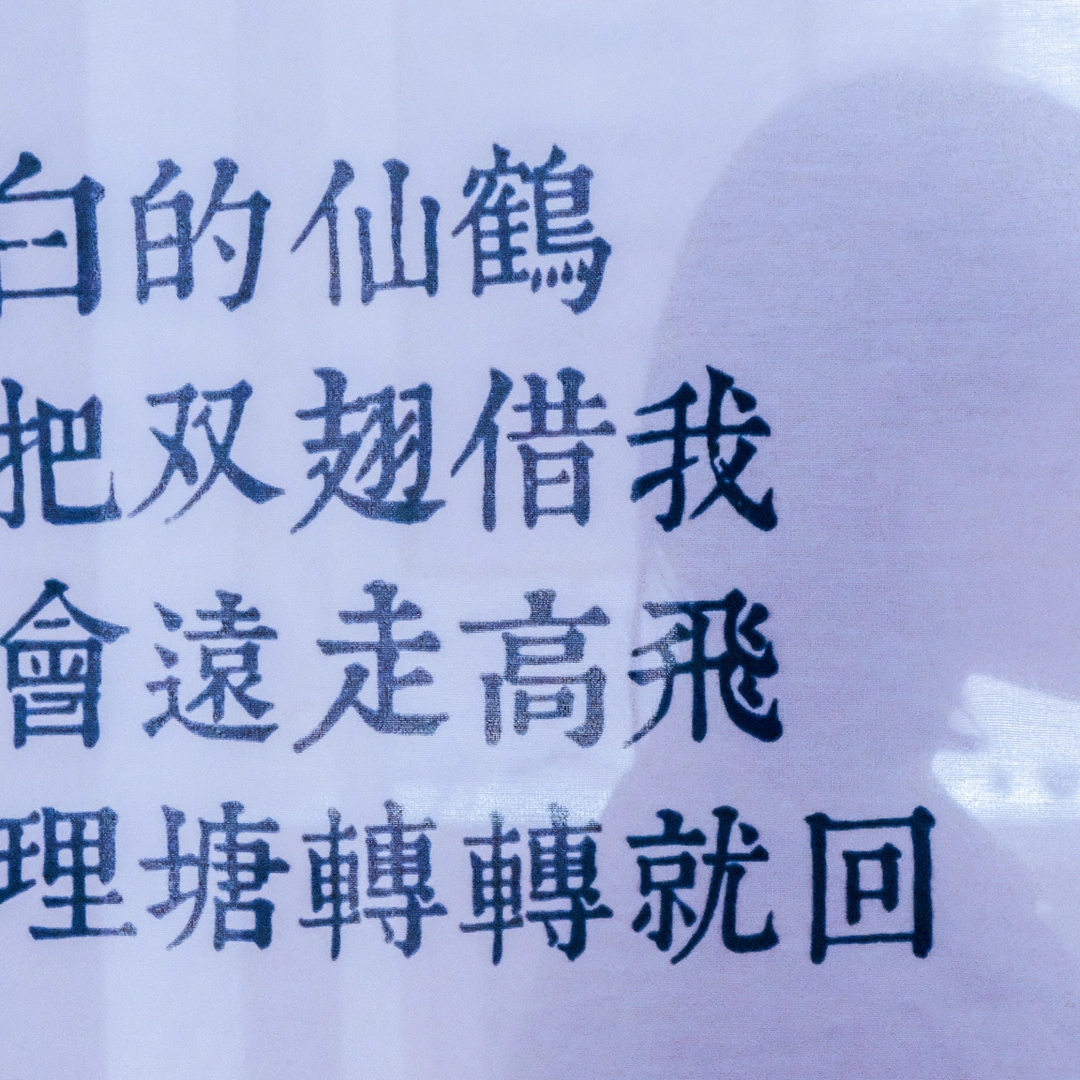
"White crane, lend me your wings, I will not fly far, just to Litang and back."
This famous poem by the Sixth Dalai Lama, Tsangyang Gyatso, has turned Litang into a distant dream for countless travelers. Perched at 4,014 meters above sea level, Litang is known as "the place closest to the sky." The Litang described in the poem was a land Tsangyang Gyatso longed to reach but never could—and it's easy to understand why.
In 2020, the "sweet and wild boy" Dingzhen exploded onto the internet overnight. In the tourism promotional film Dingzhen's World, the Khampa boy gallops across grasslands—snow mountains, glaciers, monasteries, white pagodas, friends, and endless love songs make up his world. This gave me the perfect excuse to explore Dingzhen's hometown.
But Litang offers far more than one celebrity. The chanting at Changqing Chunke'er Monastery (also known as Litang Monastery), the moonlight atop East Mountain, the sunrises and sunsets over the grasslands, and the vast starry sky beneath the white pagoda—all of it calls to the soul.
[Link: Best time to visit Litang, Sichuan]
Day 1-2: Arriving in Litang & Acclimatizing to the Sky City

Getting to Litang
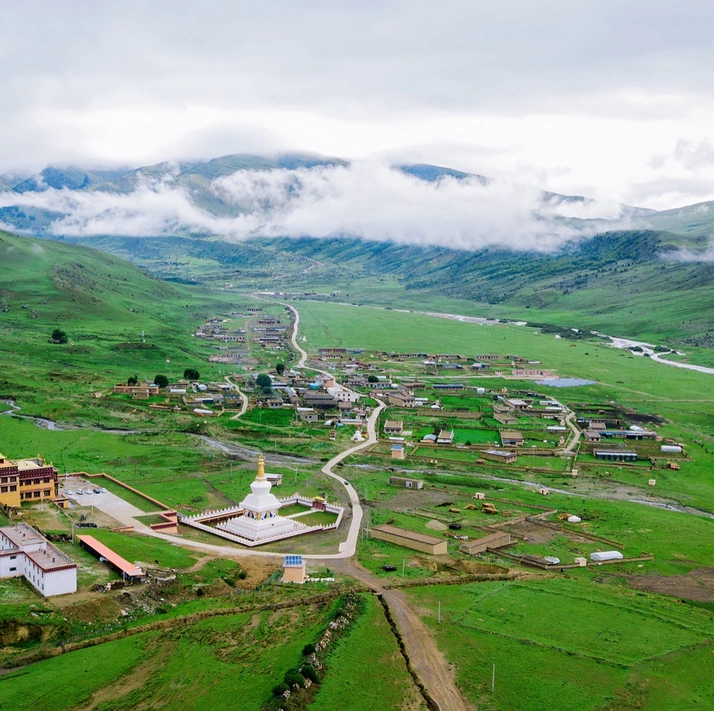
Most travelers reach Litang via National Highway G318 from Chengdu—a legendary road trip through western Sichuan. Alternatively, you can fly into Litang Airport (one of the highest in the world at 4,400 meters) for a quicker arrival, though altitude acclimatization is essential.
Pro tip: Spend your first day in Litang county town resting and hydrating. Altitude sickness is real at 4,000 meters—avoid alcohol, drink plenty of water, and consider taking acetazolamide if prescribed.
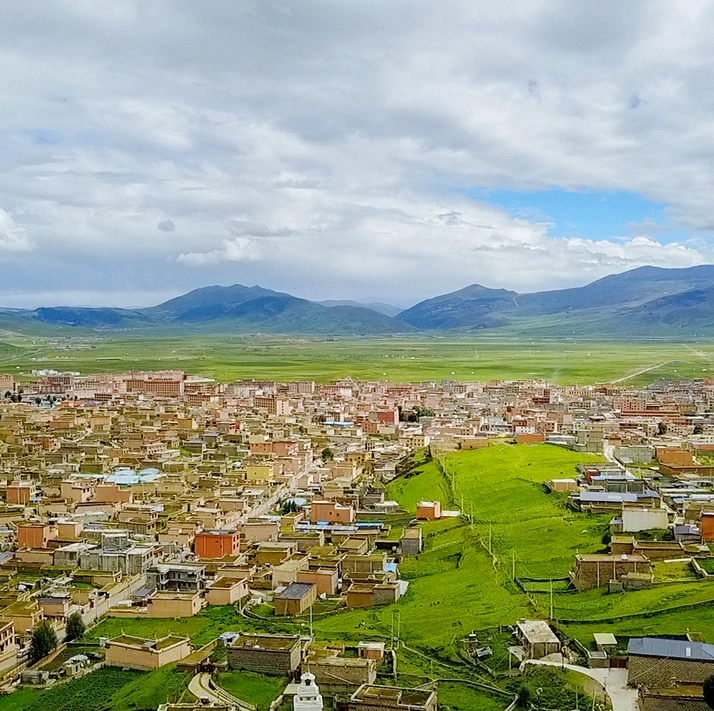
Exploring Litang County Town
Once acclimatized, explore the town's highlights:
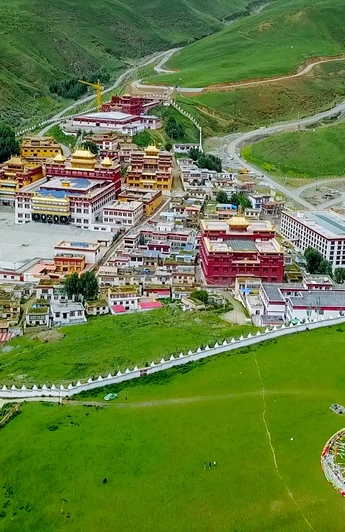
- Litang Monastery (Changqing Chunke'er Monastery): One of the largest Gelugpa monasteries in Garze, with stunning golden roofs and prayer halls.
- Crane Avenue: The main street, named after Tsangyang Gyatso's poem, lined with shops and restaurants.
- East Mountain: A short hike offers panoramic views of the town and surrounding grasslands.
- White Pagoda: A sacred site where locals gather for prayer, especially beautiful at sunset.
[Link: Altitude sickness prevention tips for Sichuan highlands]
Day 3-4: Xiazetong Village | Where the Gods Dwell
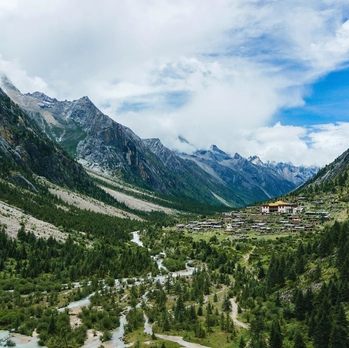
The journey from Litang county town to Xiazetong Village takes about three hours by car. The road isn't easy—you need an experienced driver familiar with highland terrain. But when the car enters Zetong Grassland, and you push open the door to see Mount Genie (6,204 meters) right in front of you, with a small stream flowing gently past the village—you'll know it was worth every bump.
Tibetan Breakfast & Zanba
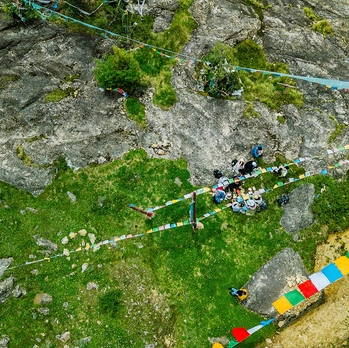
We stayed at a guesthouse run by Sangden's younger brother. In the morning, the family invited us to try a traditional Tibetan breakfast: zanba (roasted barley flour) and butter tea.
Butter tea is my favorite drink in Tibetan areas—slightly salty, creamy, and warming. Making zanba by hand was a first. The process involves crushing barley flour, butter, dried milk curds, and sugar together, then kneading with butter tea until it forms a solid lump. On that drizzly morning, sipping hot butter tea and eating sweet zanba, I was transported back to childhood—taste and memory intertwine like light and shadow.
The Uncle's Shop & Village Life
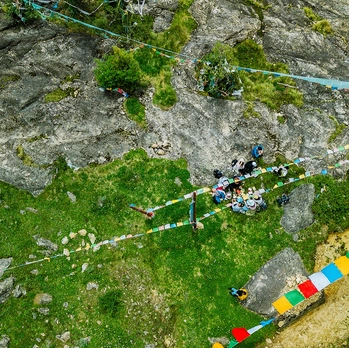
After breakfast, explore the village. The two-story building on the left belongs to Dingzhen's uncle—it's also the village's "tourist center" and "CBD." Every morning at nine, villagers arrive on Lifan motorcycles or leading their beloved horses, waiting to be assigned guiding work. The uncle's little shop stocks everything from snacks and instant noodles to socks and masks.
On clear days, sitting on the steps outside the uncle's shop, staring at the mountaintops and drifting clouds, you could easily spend the whole day there.
Mount Genie & Highland Creatures
The Genie region is home to numerous snow-capped peaks, but the most revered are three sacred mountains: Mount Genie (6,204m), Mount Xiaoza (5,807m), and Mount Kemailong (5,780m). During the rainy season, we only caught a glimpse of Mount Kemailong—like a spear thrusting into the sky, though clouds hid its summit.
As someone easily impressed, I spent a good while examining a fresh pile of yak dung on the road and concluded: even yak poop smells like fresh grass. Newborn calves lay sprawled lazily under their shelters—a scene of pure contentment.
[Link: Tibetan culture and etiquette guide]
Making Baozi & Dancing Guozhuang
At noon, we visited Lama's sister's house to make baozi (steamed buns) filled with beef and potato. They might not have looked perfect, but the taste was fantastic—food you make yourself always tastes best.
In the evening, we borrowed Enzhu's younger brother's kitchen to cook a fragrant spicy hotpot. When night fell, the village came alive. Every evening at nine, the community center hosts a guozhuang (Tibetan circle dance) party. Tourists form circles and dance along with the villagers. Nobody cares if you dance well—the only thing that matters is having fun.
Farewell & a Promise
On the morning we left Xiazetong, rain kept falling. I stood at the entrance of the little shop waiting for the bus back to Litang, watching smoke rise from distant Tibetan houses as a large herd of yaks ambled slowly past. The uncle walked out, still half-asleep, and we exchanged "Tashi Delek." The village chief, wearing a blue short-sleeved shirt, waved and said, "Come back next time for the grassland festival!"
In that moment, I understood why some people return to the same place again and again. In this vast, gentle, and free wilderness of life, only the wind speaks softly. And thankfully, I heard it.
Day 5: The Eye of Genie | A Wounded Heaven
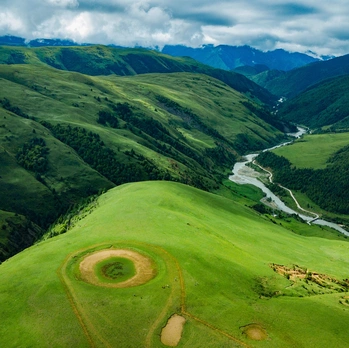
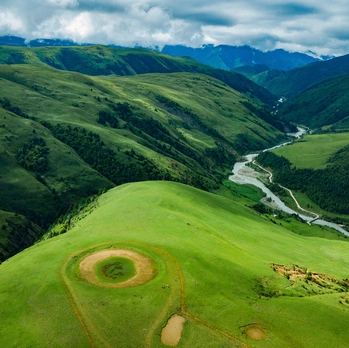
The Eye of Genie sits at 3,885 meters above sea level, a core attraction within the Haizi Mountain National Nature Reserve's Genie Scenic Area. Seen from above, it looks like a perfectly clean, pure pupil—a flawless oval on the grassland. When we visited, it was dry; apparently, it only fills with water around August or September.
I first learned about the Eye of Genie from a 2019 news report: a famous scenic spot had been run over by off-road vehicles, and it would take over ten years for the vegetation to recover. Given the already fragile highland ecosystem, this destruction was heartbreaking.
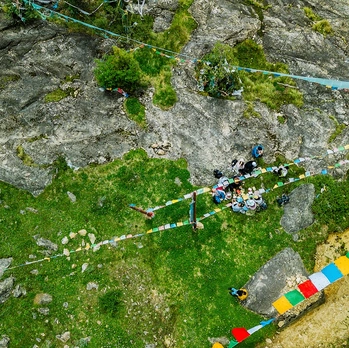
Even more infuriating, in June 2021, the scenic area company started installing concrete posts and building boardwalks around the Eye of Genie. Although construction was halted after media exposure and online protests, and some boardwalks were removed, how many years will it take for the dug-up turf and the scars left by concrete nails to heal?
Travel responsibly: The beautiful grassland was riddled with wounds. Scenic area development must remain rational—don't become an executioner. Stay on marked paths, avoid off-road driving, and respect the fragile ecosystem.
[Link: Responsible travel tips for Tibetan Plateau]
Day 6-7: Deeper Exploration & Return
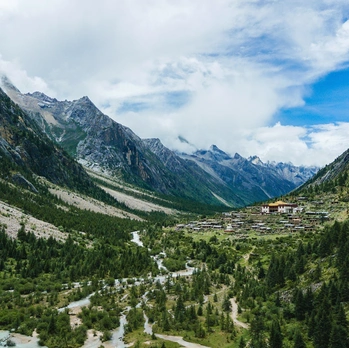
Alternative Activities in Litang Region
- Horseback riding on Zetong Grassland
- Visiting nearby monasteries like Lenggu Monastery
- Photography tours of snow-capped peaks and starry skies
- Local homestay experiences with Tibetan families
Return Journey
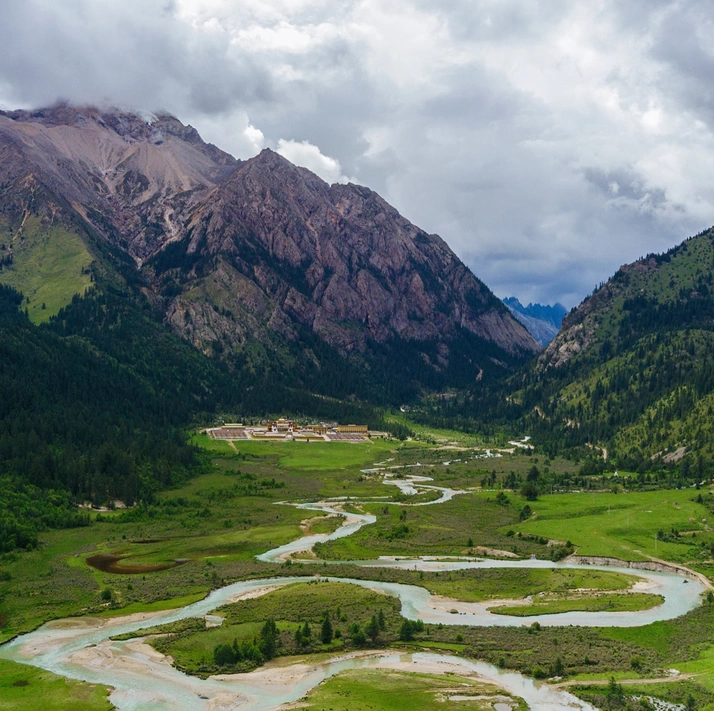
On your final day, head back to Litang county town for last-minute souvenir shopping (Tibetan jewelry, yak wool scarves, butter tea) before departing. Consider extending your trip to nearby Daocheng Yading or Kangding for a longer western Sichuan adventure.
FAQ About Litang Travel
Q1: What is the best time to visit Litang?
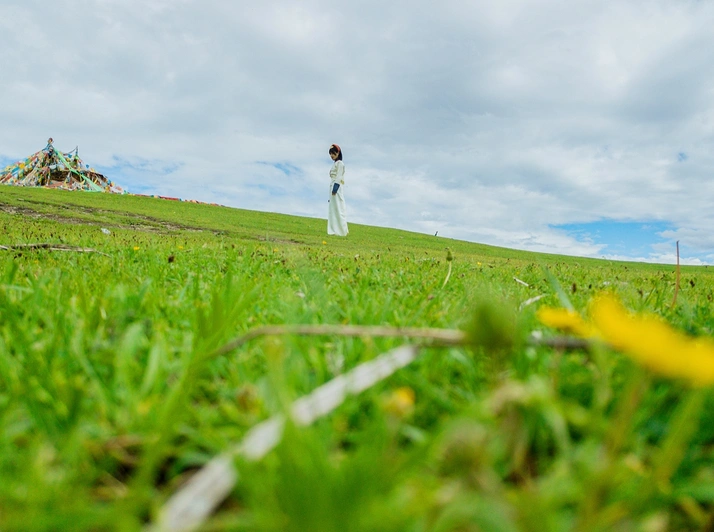
The best time is June to September when temperatures are milder (10-20°C) and grasslands are lush. August offers the Litang Horse Racing Festival, a spectacular cultural event. Avoid winter (November-March) when temperatures drop below -10°C and roads may be icy.
Q2: How do I deal with altitude sickness in Litang?
Acclimatize gradually: spend the first day resting, drink plenty of water, avoid alcohol, and consider medication like acetazolamide (consult your doctor). If symptoms worsen (severe headache, nausea, confusion), descend immediately. Litang county town has a hospital with basic facilities.
Q3: Can I visit Dingzhen's hometown independently?
Yes, but hiring a local driver is strongly recommended. The road to Xiazetong Village is rough, and public transportation is limited. Many guesthouses in Litang can arrange drivers. Alternatively, join a small group tour from Chengdu.
Q4: What should I pack for a Litang trip?
Pack layers: thermal underwear, fleece, waterproof jacket, and sturdy hiking boots. Don't forget sunscreen (SPF 50+), sunglasses, lip balm, a reusable water bottle, and altitude sickness medication. A power bank is essential—electricity can be unreliable in remote villages.
Q5: Is Litang safe for solo female travelers?
Generally yes, but take precautions. Stick to well-traveled routes, avoid hiking alone after dark, and inform your guesthouse of your plans. The Tibetan communities are welcoming, but cultural sensitivity is key—dress modestly and ask before photographing people.
Your Litang Adventure Awaits
Litang is more than a destination—it's a journey into the heart of Tibetan culture, a meeting point between earth and sky, and a place where freedom feels tangible. From the sacred mountains of Genie to the warm smiles of Xiazetong Village, every moment in the Sky City leaves an imprint on your soul.
Ready to plan your trip? Start by booking your flight to Chengdu or Litang, and connect with local drivers through reputable travel agencies. Don't forget travel insurance that covers high-altitude activities.
Share your Litang story in the comments below—or tag us in your photos from Dingzhen's hometown. The wind is calling, and the Sky City is waiting.
Tashi Delek.
You may also like