6 Days, 5 Nights in Xichang and Lugu Lake: Misty Clouds Whisper the Romance of Lugu Lake; Mountain Shadows and Blue Waters Sing the Lingering Charms of Qionghai!
Here is the SEO-optimized and rewritten article based on your source material. It is structured to target high-intent keywords, improve readability, and drive engagement, while strictly maintaining the factual accuracy and narrative charm of the original travelogue.
SEO Title: 6 Days in Xichang & Lugu Lake: The Ultimate Guide to Mosuo Culture, Pig-Trough Boats & Qionghai Scenery
Meta Description: Discover the romance of Lugu Lake and the charm of Xichang in 6 days. Explore Mosuo matrilineal culture, ride pig-trough boats, and see the "Watery Casanova" flowers. Your complete itinerary awaits.
6 Days, 5 Nights in Xichang and Lugu Lake: A Complete Travel Guide to Paradise
Introduction: The Call of the "Last Matrilineal Society"
Some places exist in our minds like a half-remembered poem, waiting for the right moment to be fully read. For many travelers, Lugu Lake is that poem. Nestled between Sichuan and Yunnan, this stunning alpine lake is famous not only for its crystal-clear waters and misty mountain views but also for the mysterious Mosuo people—often called "China's last matrilineal society."
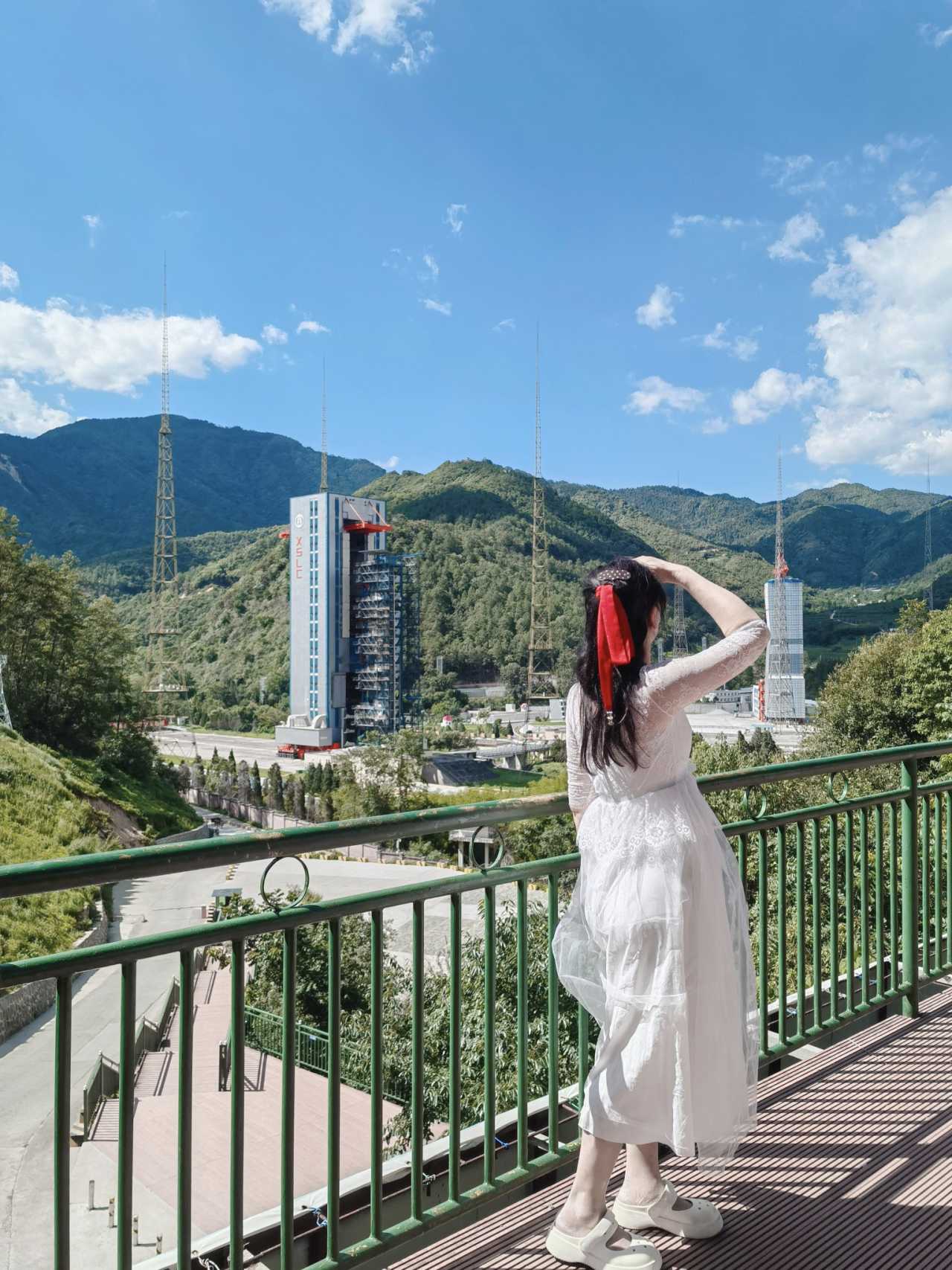
When news broke that the Boye Haicaihua (wave-leaf water plantain flowers) were blooming again, it was the signal for a journey. This 6-day, 5-night adventure takes you from the "Spring City" of Xichang—home to the beautiful Qionghai Lake and a famous space launch center—to the heart of Mosuo culture on Lugu Lake.
Whether you are a solo traveler seeking romance, a culture enthusiast, or a nature photographer, this guide will help you plan the perfect trip. Let’s explore the misty clouds, the "Walking Marriage" bridges, and the lingering charms of the Daliangshan region.
Part 1: The Journey Begins – Xichang to Lugu Lake
H2: The Scenic (and Winding) Drive to Lugu Lake
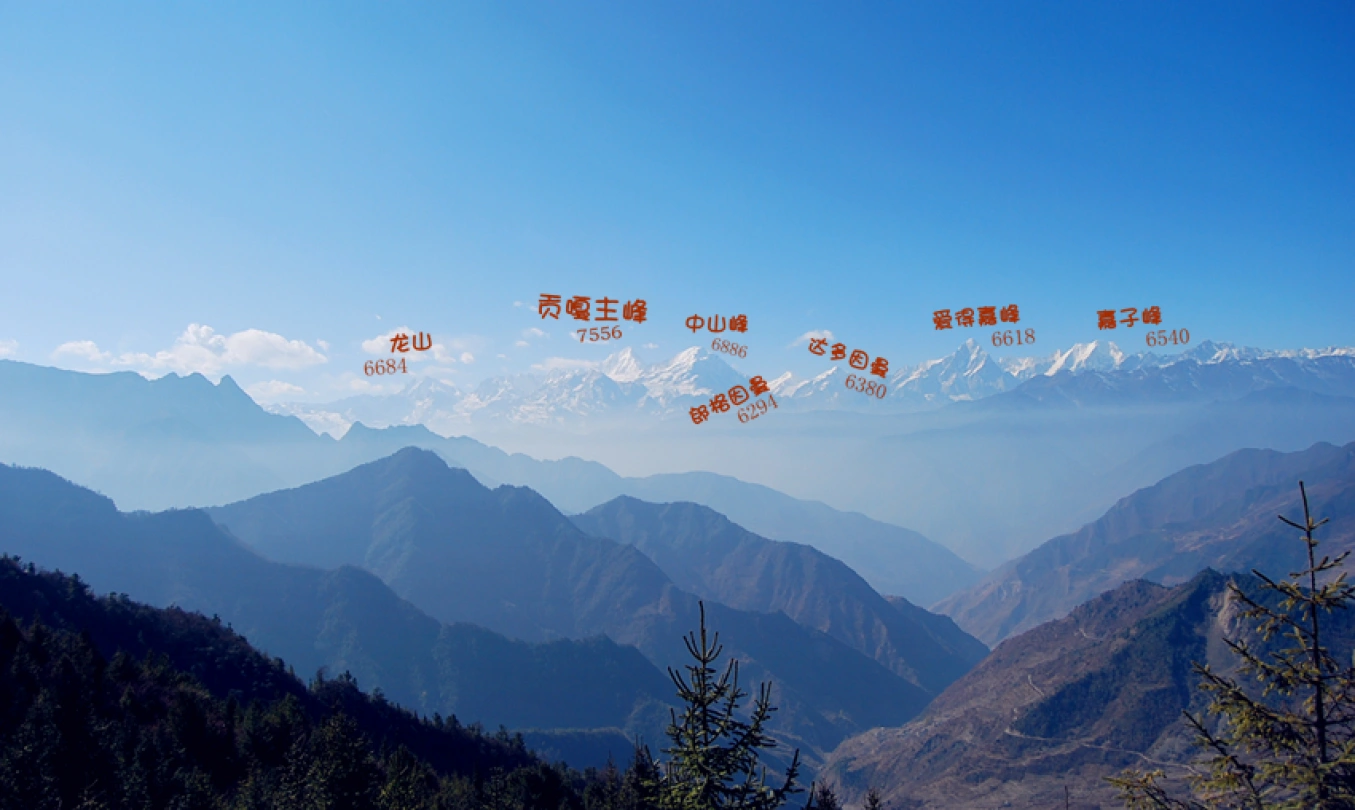
The journey from Xichang to Lugu Lake is an adventure in itself. While the distance is only about 248 kilometers, the travel time can stretch to over 8 hours. The road snakes through the mountains with countless sharp bends, offering dramatic views of the rugged landscape.
Key Travel Tip: If you are prone to motion sickness, book a seat in the front row. The winding roads and occasional falling pebbles make for a thrilling, albeit bumpy, ride.
H3: Unexpected Stop: Gongmu Mountain (Male-Female Mountain)
Along the way, you might encounter the unique geological wonder of Gongmu Mountain. Located about five kilometers southwest of Yanyuan County, this 4A-rated scenic area is named for two rock formations that resemble male and female genitalia—a natural curiosity that has made it a sacred site for Taoism, Confucianism, and Buddhism.
- The "Male" Stone: Stands about 40 meters tall.
- The "Female" Stone: Rises about 100 meters, featuring a natural crevice wide enough for one person to pass through.
While time constraints often limit visitors to a distant gaze, the area is also home to ancient temples hidden among the trees. [Link: Best sacred sites in Sichuan province]
Part 2: Lugu Lake – Romance and Mystery

H2: The Walking Marriage Bridge: The "World's Greatest Love Bridge"
At 4:20 PM, we arrived at the iconic Lugu Lake Walking Marriage Bridge. This wooden bridge, spanning the Grass Sea, is over 300 meters long. Built during the chieftain era, it is more than just a crossing; it is the romantic promenade where Mosuo Axia (lovers) meet for the first time.
- The Legend: Local guides often joke that those with happy marriages should avoid stepping off the far end, or their marriage might "not survive." It’s a playful warning that adds to the bridge’s mystique.
- Activities:
- Hair Braiding: Local women offer to braid your hair into tiny plaits (10 yuan per person).
- Costume Rentals: Rent Yi ethnic costumes for photos (starting at 100 yuan per set).
- Drone Photography: Private operators offer aerial shots of the bridge and the Grass Sea.
SEO Keyword Tip: When searching for this spot, use long-tail keywords like "Walking Marriage Bridge history" or "Mosuo love bridge photos."
H2: Bonfire Party in the Rain: The Soul of Mosuo Culture
Even a torrential downpour couldn’t dampen the spirit of the Mosuo Bonfire Party. Held at the "Enchanted Mosuo Song and Dance Evening" in Wuzhiluo, this is a must-do experience.
The highlight is the Jiacuo Dance, a national intangible cultural heritage. The movements, derived from daily labor, are both healing and earthy. Despite the rain, the bonfire blazed, and the Mosuo brothers and sisters danced with infectious energy.
Interesting Fact: The performers are local residents who work during the day (often as boatmen) and perform at night. You might recognize your boatman from the previous night’s dance.
H2: Pig-Trough Boats and the "Watery Casanova" Flowers
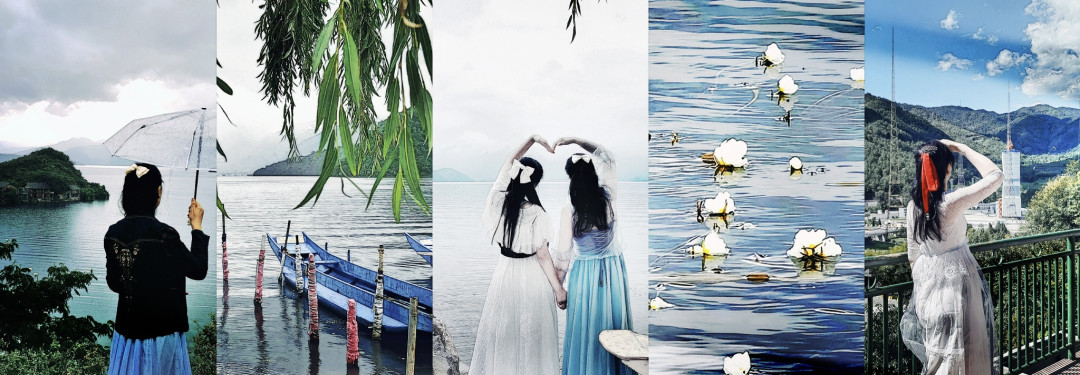
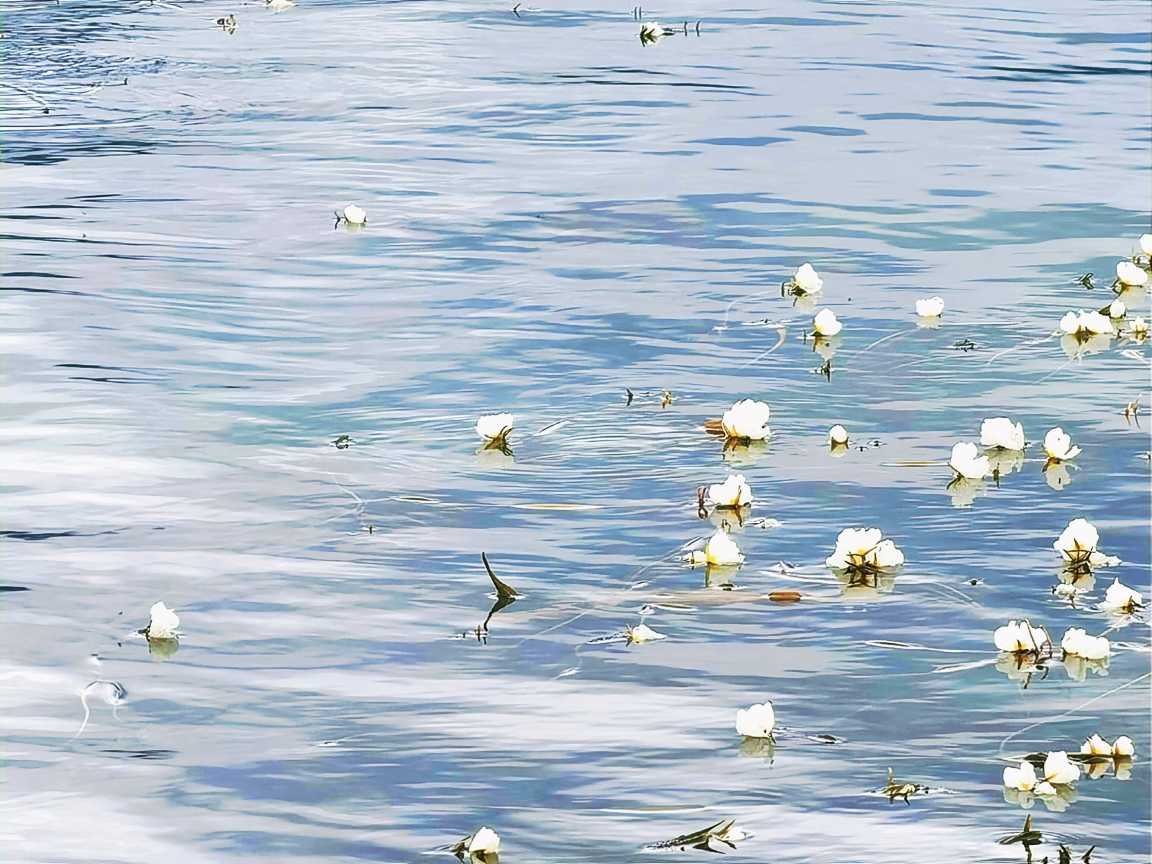
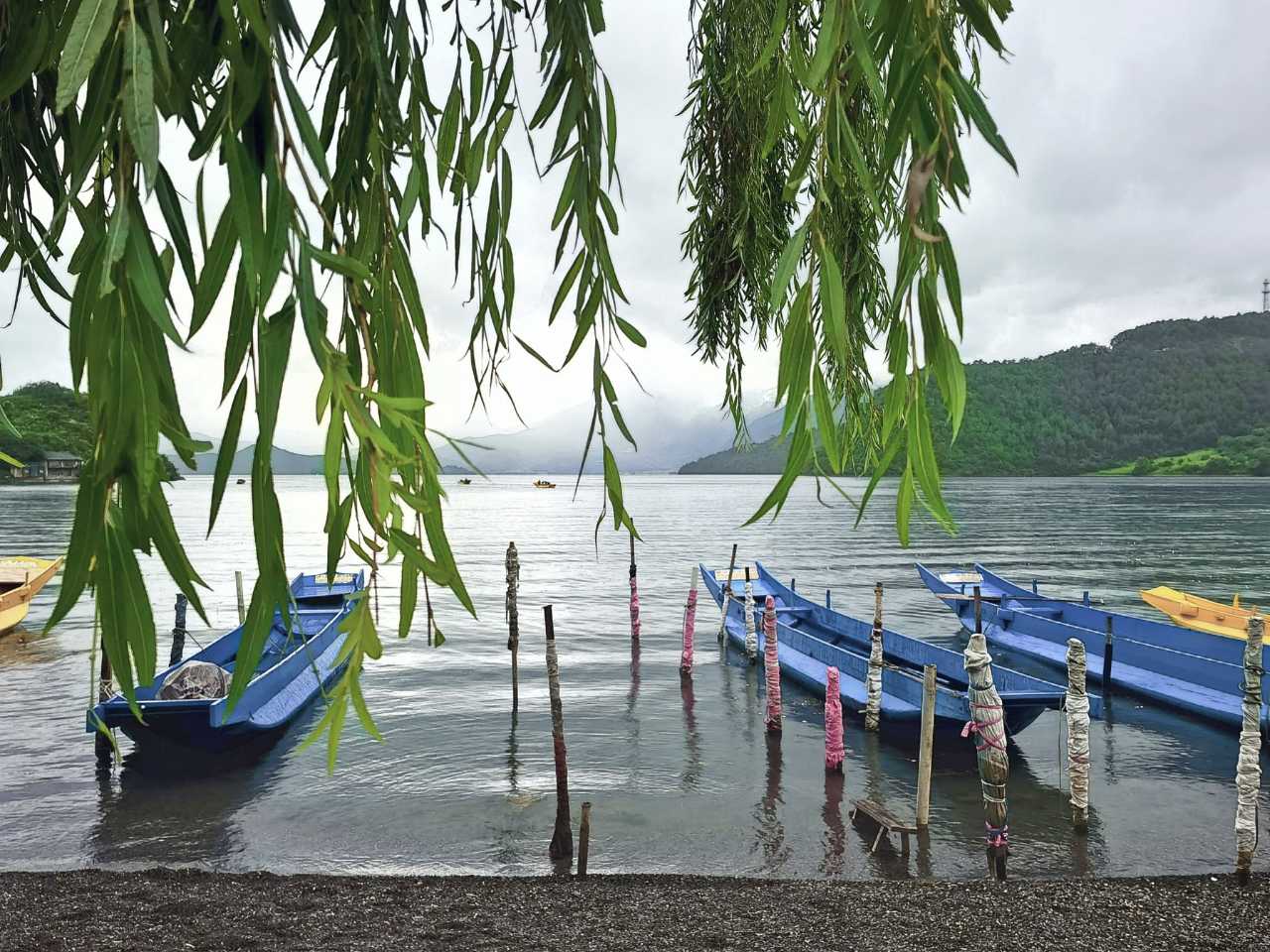
A trip to Lugu Lake is incomplete without a ride on a pig-trough boat. These traditional Mosuo wooden boats glide silently through the reeds, offering a front-row seat to the lake’s most famous residents: the Boye Haicaihua.
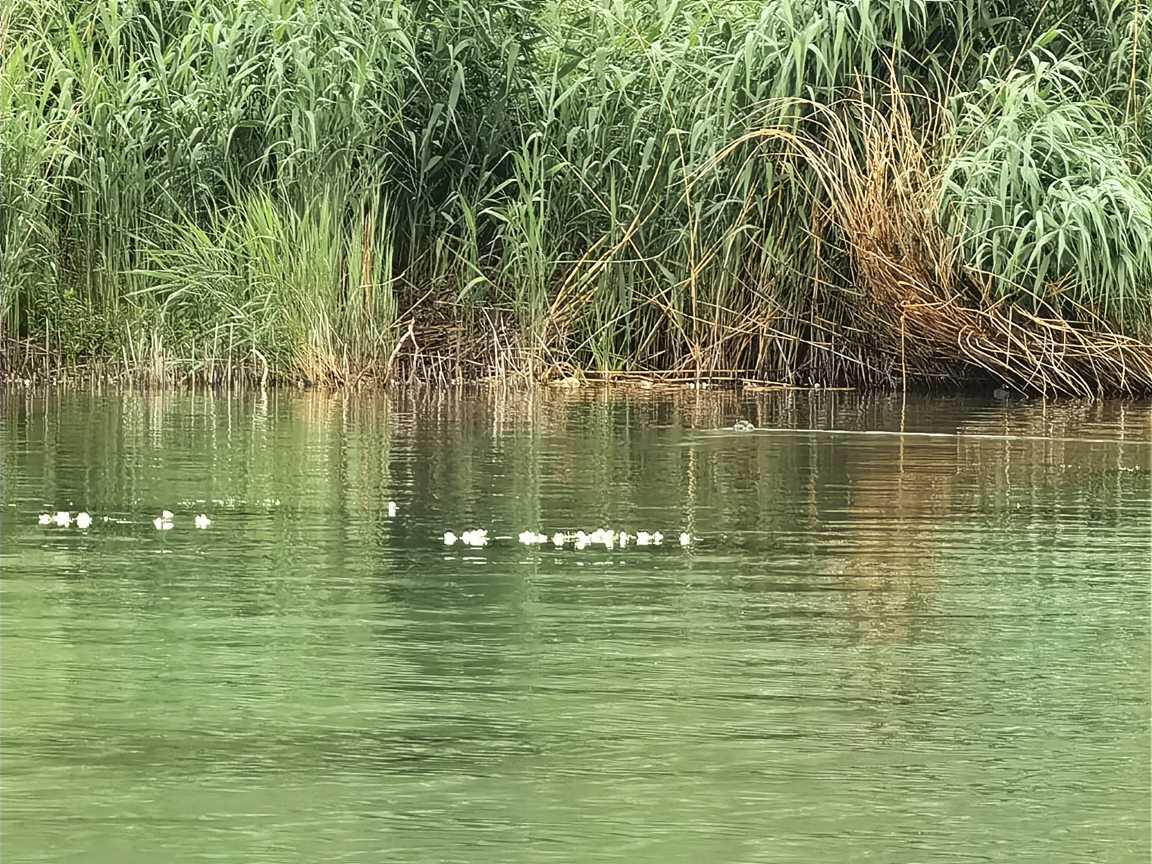
Known locally as "Watery Casanova" flowers, these delicate white blooms float on the surface like stars. They are incredibly sensitive to water quality, thriving only in the purest waters.
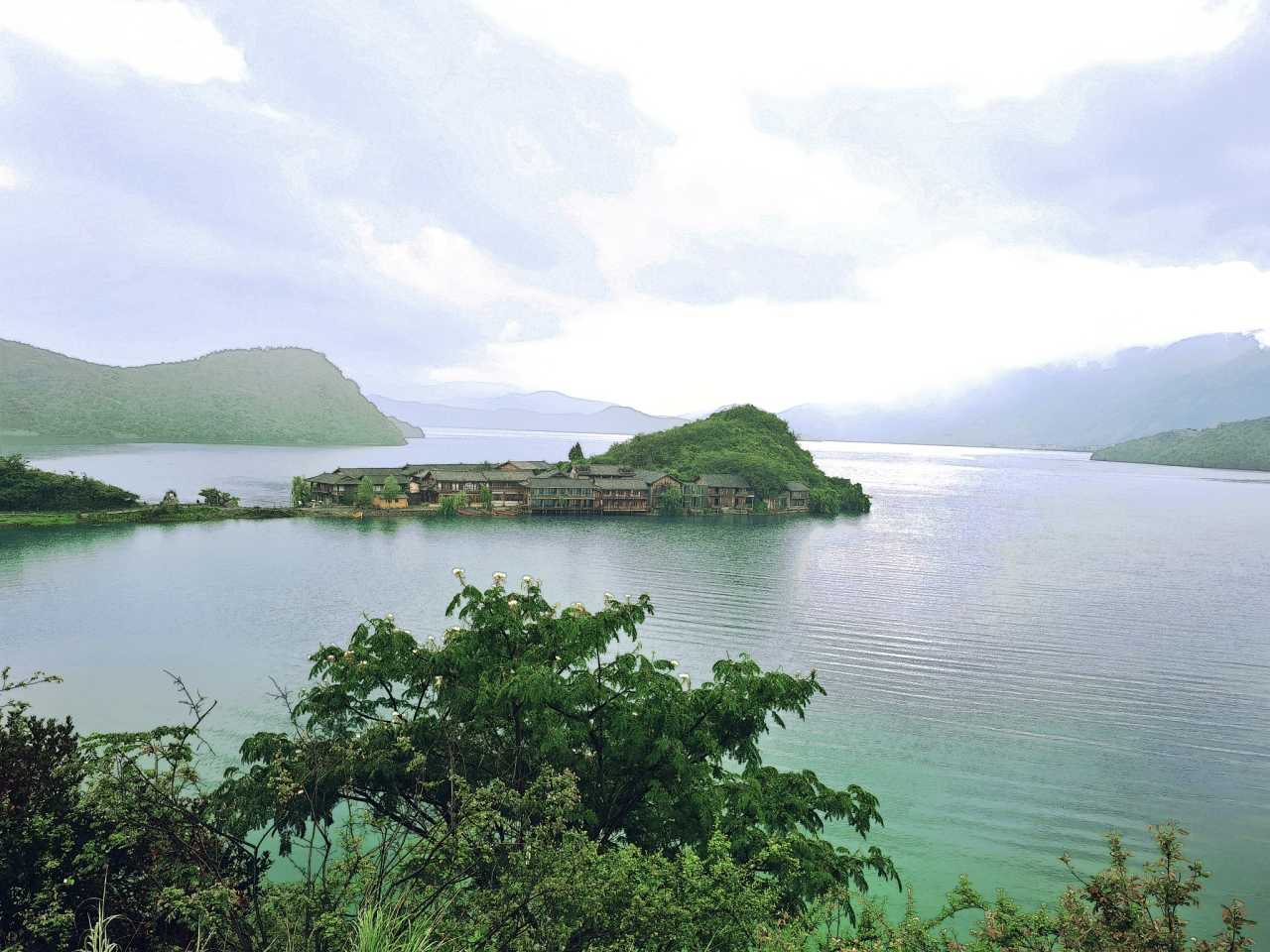
- What to Do: The boat will take you to Princess Island. Here, you can visit the Princess Palace Museum and a dedicated "mirror of the sky" photo spot (20 yuan per person, including 6 digital photos).
H2: Visiting a Mosuo Ancient Village: Inside the Matrilineal Society
The Mosuo people are famous for their matrilineal family structure and the "walking marriage" custom. In the ancient village of Maluoluo, a Mosuo sister invited us into her home.

The traditional house is a quadrangle courtyard built with logs. Key rooms include:
- The Grandmother’s Room: The heart of the family, where the eldest grandmother holds the financial reins.
- The Flower Tower: The young woman’s room, where her Azhu (male lover) visits for the "walking marriage."
- The Sutra Hall: A space for religious worship.
Cultural Note: In a walking marriage, partners do not live together. The man visits the woman’s Flower Tower at night and returns to his own family home in the morning. Children are raised by the mother’s family.
Part 3: Practical FAQ for Your Lugu Lake Trip
FAQ Section
Q1: What is the best time to visit Lugu Lake for the "Watery Casanova" flowers? A: The Boye Haicaihua (wave-leaf water plantain) typically blooms from late spring through summer. The peak season is usually June to August, but it’s best to check local bloom reports before booking.
Q2: How do I get from Xichang to Lugu Lake? A: The most common route is by bus or private car. The drive is approximately 248 km but takes 6-8 hours due to winding mountain roads. A new high-speed rail line has been partially completed, but the final leg to the lake still requires a road transfer.

Q3: Is the "Walking Marriage" still practiced today? A: Yes, but it has evolved. While the traditional custom is less common among younger generations who move to cities, many Mosuo families in the villages around Lugu Lake still maintain the matrilineal structure and the concept of the walking marriage. It remains a core part of their cultural identity.
Q4: Can I take a drone to Lugu Lake? A: Yes, drones are generally allowed in many open areas around the lake, including the Walking Marriage Bridge. However, you should be respectful of local privacy, especially around villages and religious sites. Private operators also offer aerial photography services.
Q5: What should I pack for a 6-day trip to Xichang and Lugu Lake? A: Pack layers. The weather can change quickly from sunny to rainy and cool. Essentials include: - A waterproof jacket (for rain and boat rides). - Comfortable walking shoes. - Sunscreen and a hat (the UV rays are strong at high altitude). - Motion sickness medication (for the winding roads).
Conclusion: Your Journey Awaits
From the misty romance of Lugu Lake to the serene blue waters of Qionghai in Xichang, this 6-day itinerary offers a rare glimpse into a world where nature and ancient culture coexist. Whether you are dancing under a rain-soaked bonfire or drifting past "Watery Casanova" flowers in a pig-trough boat, this is a journey that will linger in your heart.
Are you ready to experience the "Last Paradise for Women"?
Book your Mosuo Family Tour today and let the misty clouds whisper their romance to you.
[Link: Similar 5-day itineraries for Sichuan] [Link: Guide to Mosuo cultural etiquette] [Link: Best hotels near Lugu Lake Grass Sea]