2026 Labor Day Western Sichuan Itinerary: A 5-Day Sky City Odyssey Through the Plateau
Meta Description: Plan your 2026 Labor Day escape to Western Sichuan's Sky City. This 5-day itinerary covers Xinduqiao, Litang, and Cuopu Valley with altitude tips, scenic drives, and family-friendly advice. (158 characters)
Introduction: Why Western Sichuan Plateau Should Be Your 2026 Labor Day Destination
Some say the Western Sichuan Plateau is the homeland of yaks and horses—where animals roam free across endless grasslands, their breath carrying the shape of the wind. For travelers seeking a five-day odyssey through the "Sky City" (a poetic term for the high-altitude towns of Litang and beyond), this itinerary offers the perfect blend of natural wonder, cultural depth, and practical planning.
After more than a decade away, I returned to Western Sichuan with my family during the 2026 Labor Day holiday. What awaited was not a conquest of altitude or distance, but a reclamation of freedom—the kind that only the plateau's vast skies and sacred mountains can offer. This guide will help you navigate the same journey, with insider tips on routes, altitude sickness, and hidden gems.
Day 1: Xinduqiao – From Dawn to Hail, Your First Taste of Western Sichuan
Beating the Labor Day Crowds: The Early Departure Strategy
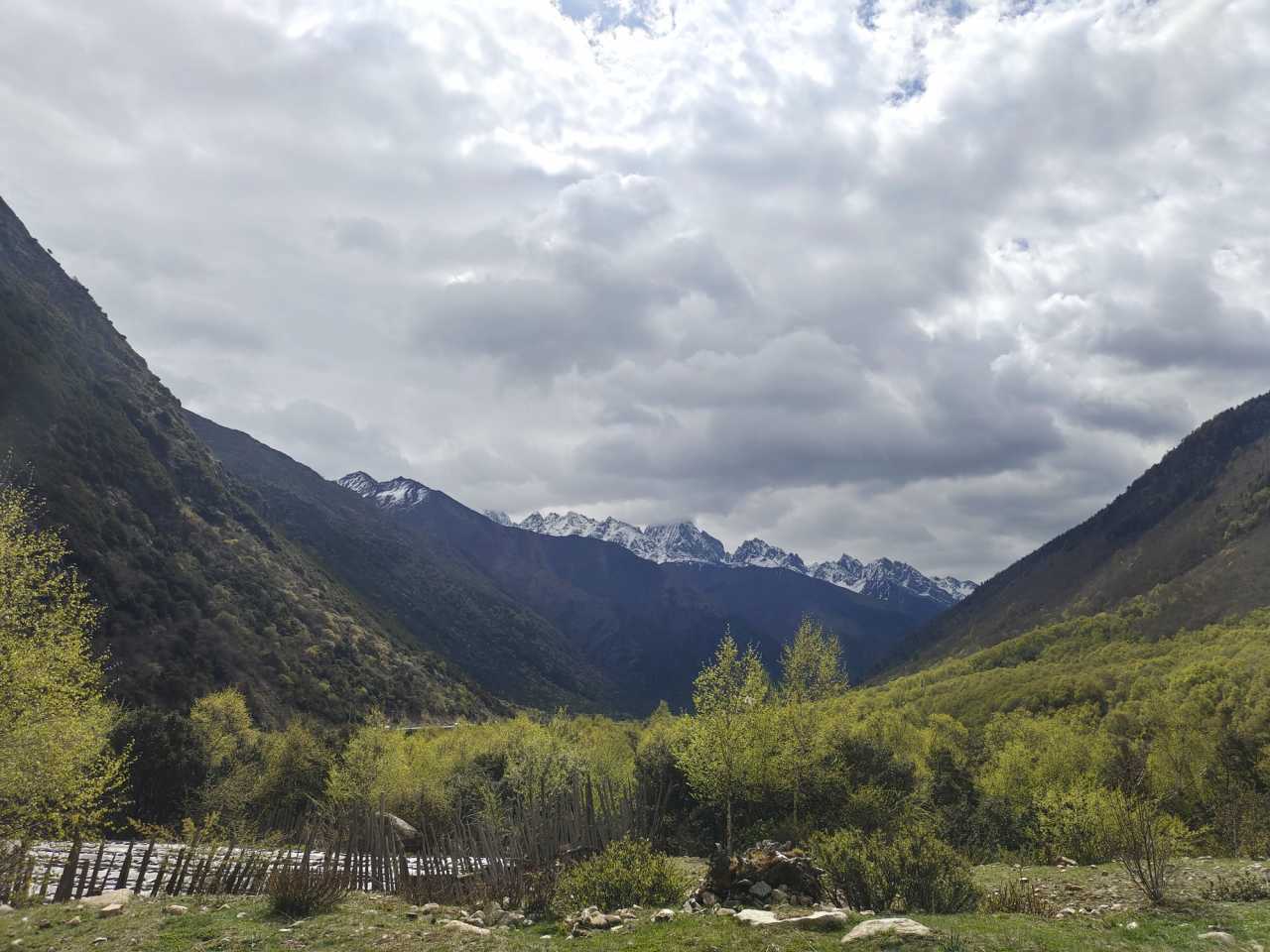
At 5 a.m., Chengdu was still asleep as we quietly slipped away. To avoid the notorious Labor Day traffic jams on the Sichuan-Tibet Highway, this timing proved perfect. The roads were clear all the way, and by 10 a.m., we'd reached the Tianquan Service Area. After a short break, we arrived smoothly at Xinduqiao by 1 p.m.
Key Route Update: The Ya'an–Yecheng Expressway has significantly shortened travel time to Western Sichuan. However, Zheduo Mountain remains a notorious "snow trap" during spring. After exiting the expressway at Kangding, we took Provincial Road S434—passing through Mugecuo (Muge Lake) and Honghaizi (Red Sea Lake)—to reach Xinduqiao. This alternative route uses only a short stretch of National Highway G318, offers fewer large trucks, and delivers breathtaking scenery.
[Link: Best routes to Western Sichuan during holidays]
Honghaizi: A First Snow Encounter and a Plateau Survival Lesson
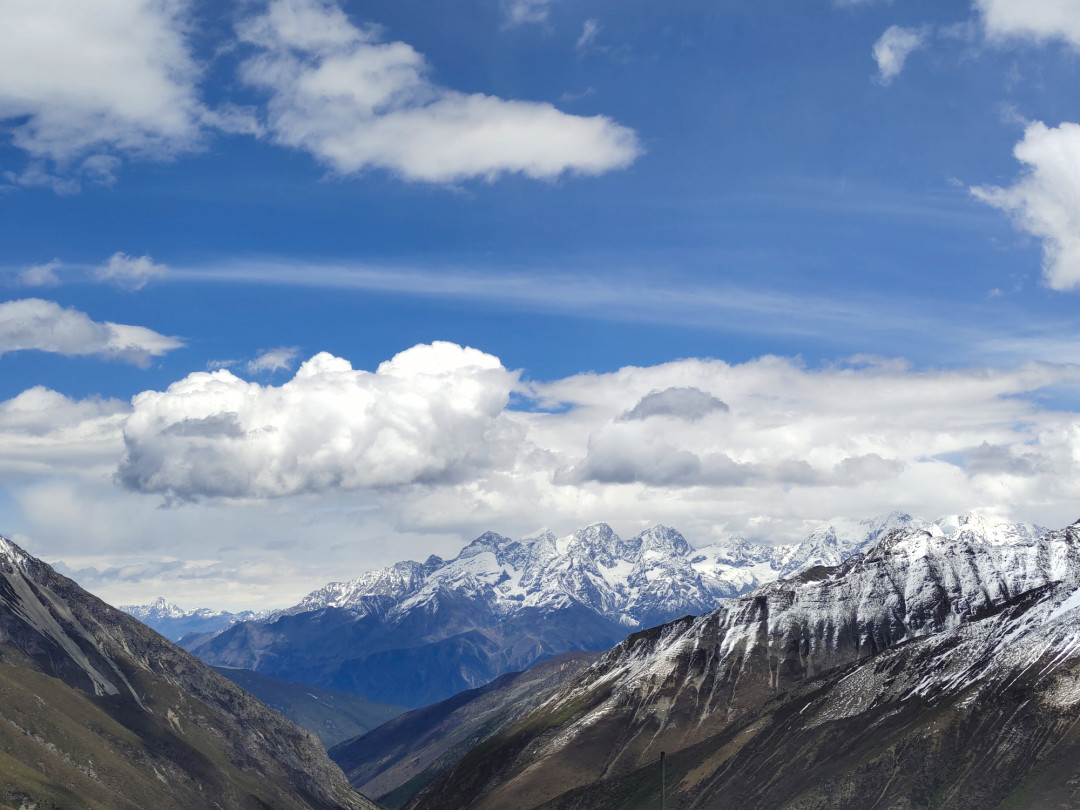
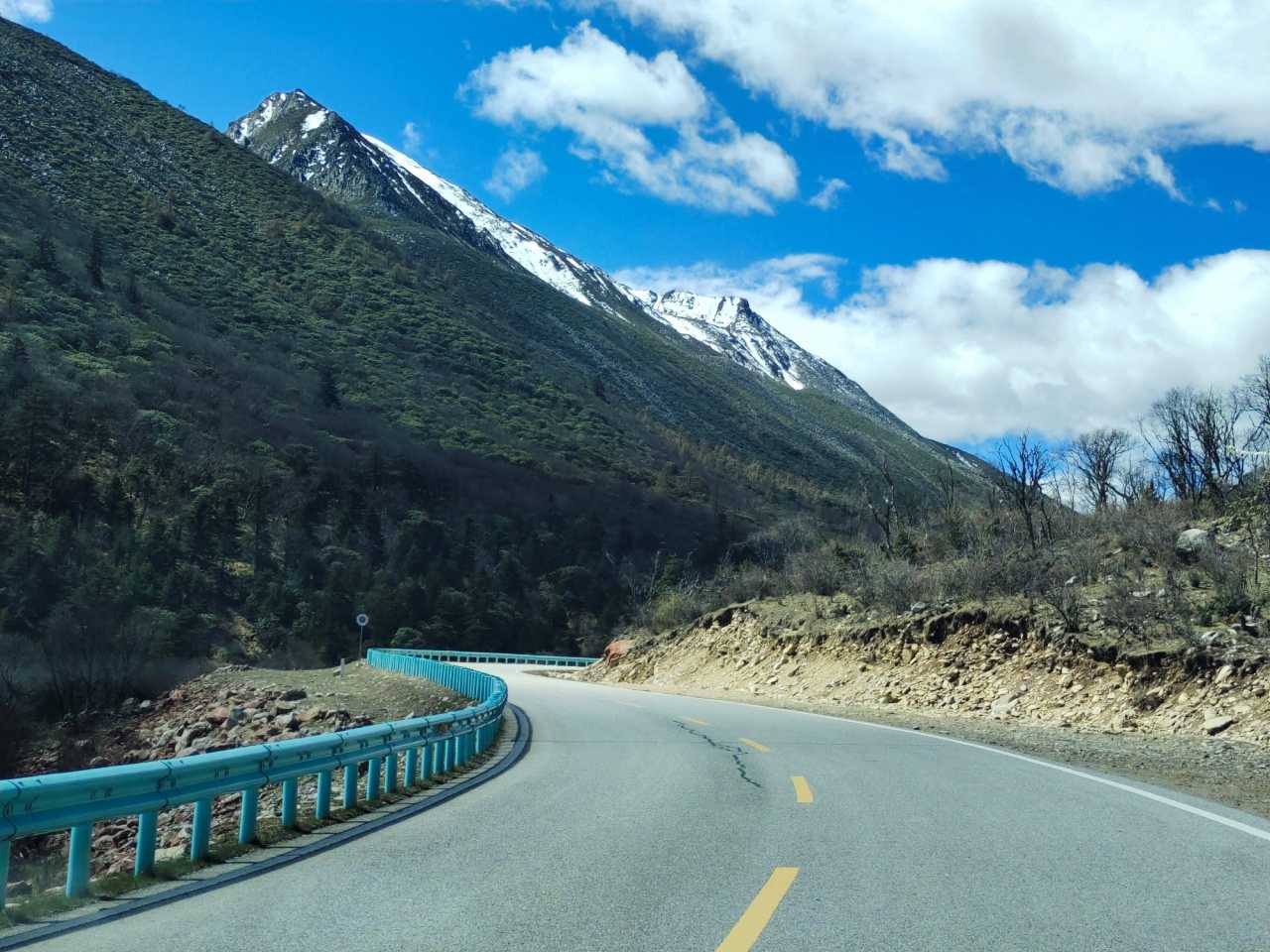
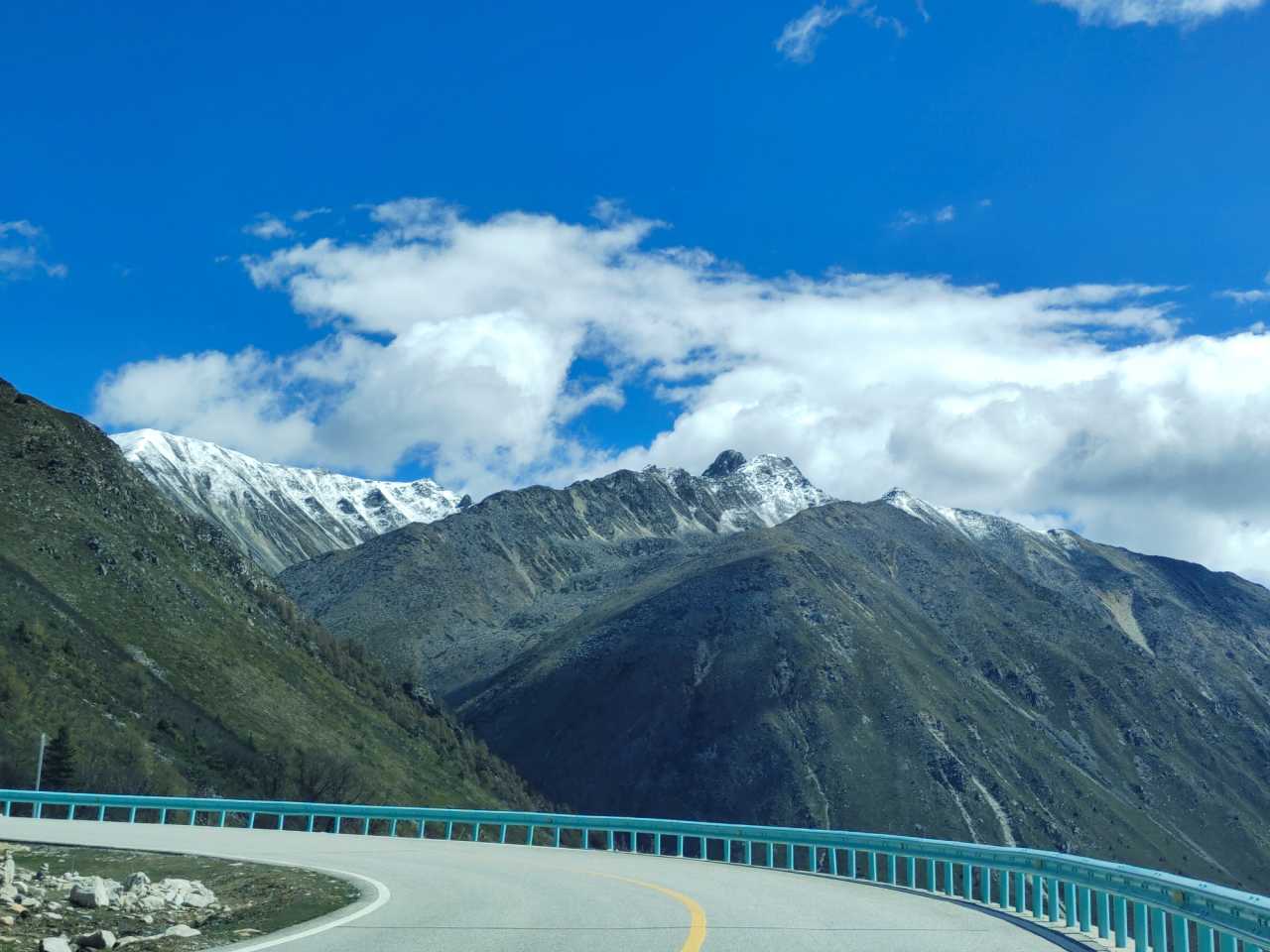
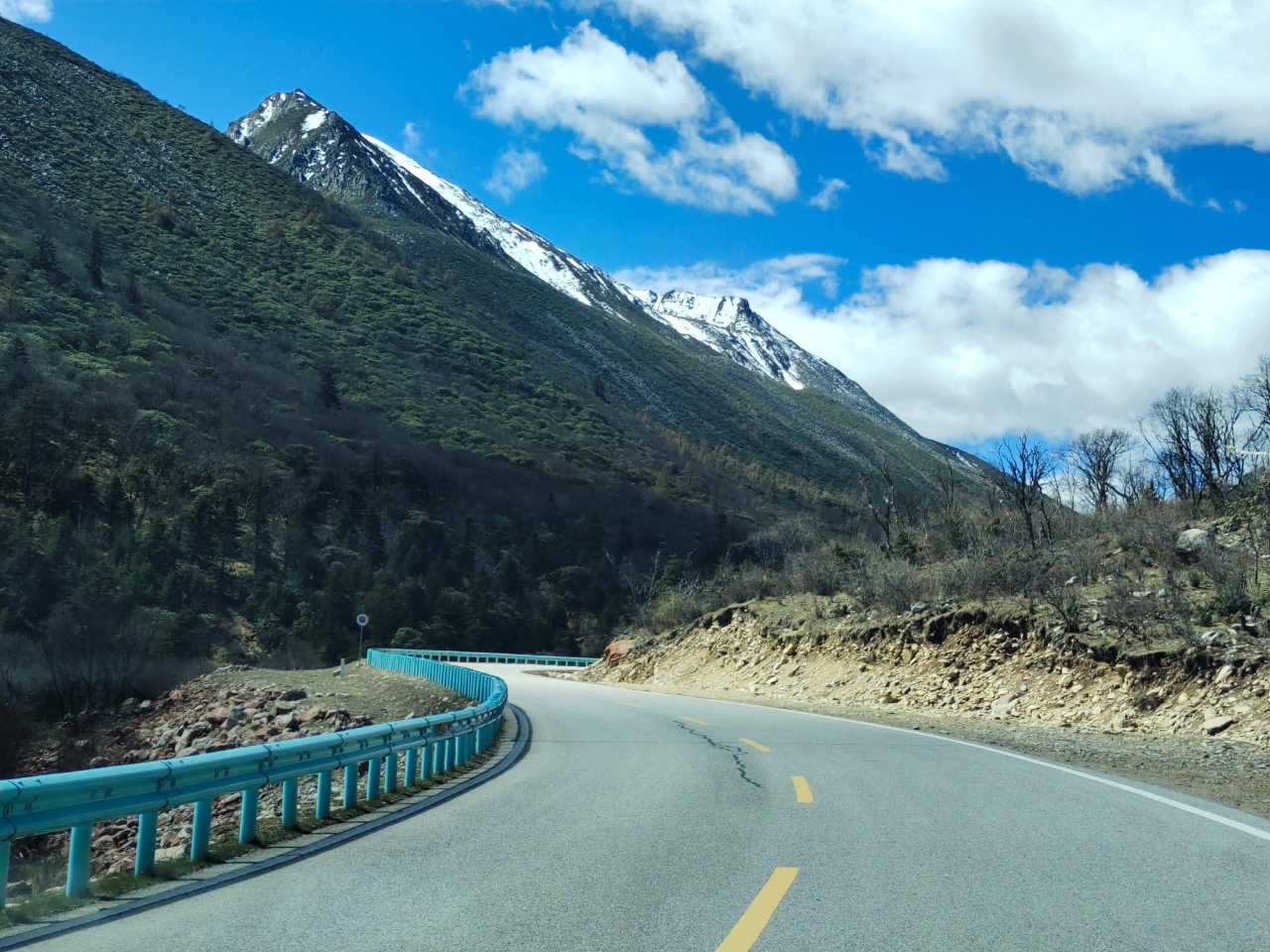
The charm of Western Sichuan has never been in the scenic spots, but on the road itself. Mount Yala appeared and disappeared outside the window, its white peak gleaming against the blue sky. The road was excellent—smooth asphalt, wide and flat, flanked by endless grasslands and snow-capped mountains.
Honghaizi was our first stop. The lake mirrored the mountains and clouds in a scene so beautiful it felt unreal. Our child, experiencing the plateau for the first time, jumped out of the car excitedly, scooped up a handful of snow, and stuffed it into his mouth. Within minutes, his lips turned purple—altitude sickness hit without warning. A quick dose of oxygen, and the little guy recovered. It served as a vivid "plateau survival lesson" for the whole family.
Munya Holy Land: Hail, Sunshine, and the "Four Seasons in One Day" Experience
In the afternoon, we arrived at Munya Holy Land (Muyashengdi). The scenic area thoughtfully provided bottled water and oxygen canisters. Before boarding the sightseeing bus, we polished off the self-heating rice we'd brought from Hailuogou—this "late" lunch became one of the most memorable meals of the trip.
Weather Note: The mountain weather changed rapidly. At noon, it was sunny with drifting clouds, but in an instant, hail came crashing down. Before we could even react, the rain cleared, and sunlight once again bathed the grassland. This "four seasons in one day" experience is uniquely Western Sichuan.
Down on the grassland, yaks grazed leisurely, with snow-capped mountains stretching into the distance. In that moment, all my anxieties melted away—Western Sichuan was still Western Sichuan.
Accommodation and Altitude Adjustment: The First Night's Challenge
That night, we checked into the Kangding Liuyun Lanyue Hotel (Xinduqiao branch). The room was nice, but the power went out for half an hour, leaving us in cold darkness. We crawled into bed early. The first night's altitude sickness hit—I woke up several times, breathing a bit short. But this was just the plateau's "welcome gift."
Altitude Tip: Xinduqiao sits at approximately 3,300 meters. If you're prone to altitude sickness, consider spending your first night at a lower elevation like Kangding (2,600m) before ascending.
[Link: Altitude sickness prevention tips for first-time plateau travelers]
Day 2: Litang – Faith and Poetry Amid Snow and Rain at the "Highest City in the World"
Changqingchun Kersi Monastery: The Solemnity of a Sacred Site in Southern Kham
Driving 200 kilometers from Xinduqiao, we arrived at Litang, the "Highest City in the World" at 4,100 meters. Our first stop was Changqingchun Kersi Monastery, also known as Litang Monastery. This Gelug school monastery was founded by the Third Dalai Lama, Sonam Gyatso, during the Ming Dynasty's Wanli era. The golden-roofed main hall was built into the mountain, layered and majestic. Inside, exquisite thangkas, murals, and statues inspired quiet reverence.
Historical Highlight: The Old Shakyamuni Hall left the deepest impression. Though smaller than the three main halls, it was more refined. Inside enshrined a life-sized statue of Shakyamuni Buddha, consecrated by the Buddha himself at age eight. This statue was part of the dowry brought by Princess Bhrikuti of Nepal when she married Songtsen Gampo during Emperor Taizong's reign in the Tang Dynasty.
The weather was also "cooperative"—first snow, then rain, then sleet—as if adding solemnity to this thousand-year-old monastery.
Letong Ancient Town: Tsangyang Gyatso's Love Poems and the Seventh Dalai Lama's Birthplace
In the afternoon, we strolled along Renkang Ancient Street in Letong Ancient Town. Renkang Ancient House is the birthplace of the Seventh Dalai Lama, Kelzang Gyatso, while next to it stands the memorial hall of the Sixth Dalai Lama, Tsangyang Gyatso. This legendary poet-lama left behind not only religious devotion but also those touching love poems:
"In this world, can I ever find a perfect way / To be true to my Buddha and not betray my love?"
Reading his verses, you could almost see him on the plateau, indulging in poetry and wine, chasing love.
Accommodation Experience: Adjusting to 4,100 Meters
That night, we stayed at the Litang 318 National Highway Holiday Inn Express. The room was equipped with a diffuse oxygen supply system. Though the altitude was a staggering 4,100 meters, after a night of adaptation, we began to find our rhythm. Waking up the next morning, our breathing was much smoother.
Pro Tip: When booking accommodation in Litang, prioritize hotels with oxygen supply systems. Even with adaptation, sleeping at 4,100 meters can be challenging for first-timers.
[Link: Best hotels in Litang for altitude-sensitive travelers]
Day 3: Cuopu Valley – A Fairy Tale World of Snow Mountains, Hot Springs, and Marmots
Maoya Prairie: A Masterpiece of Infrastructure and Natural Beauty
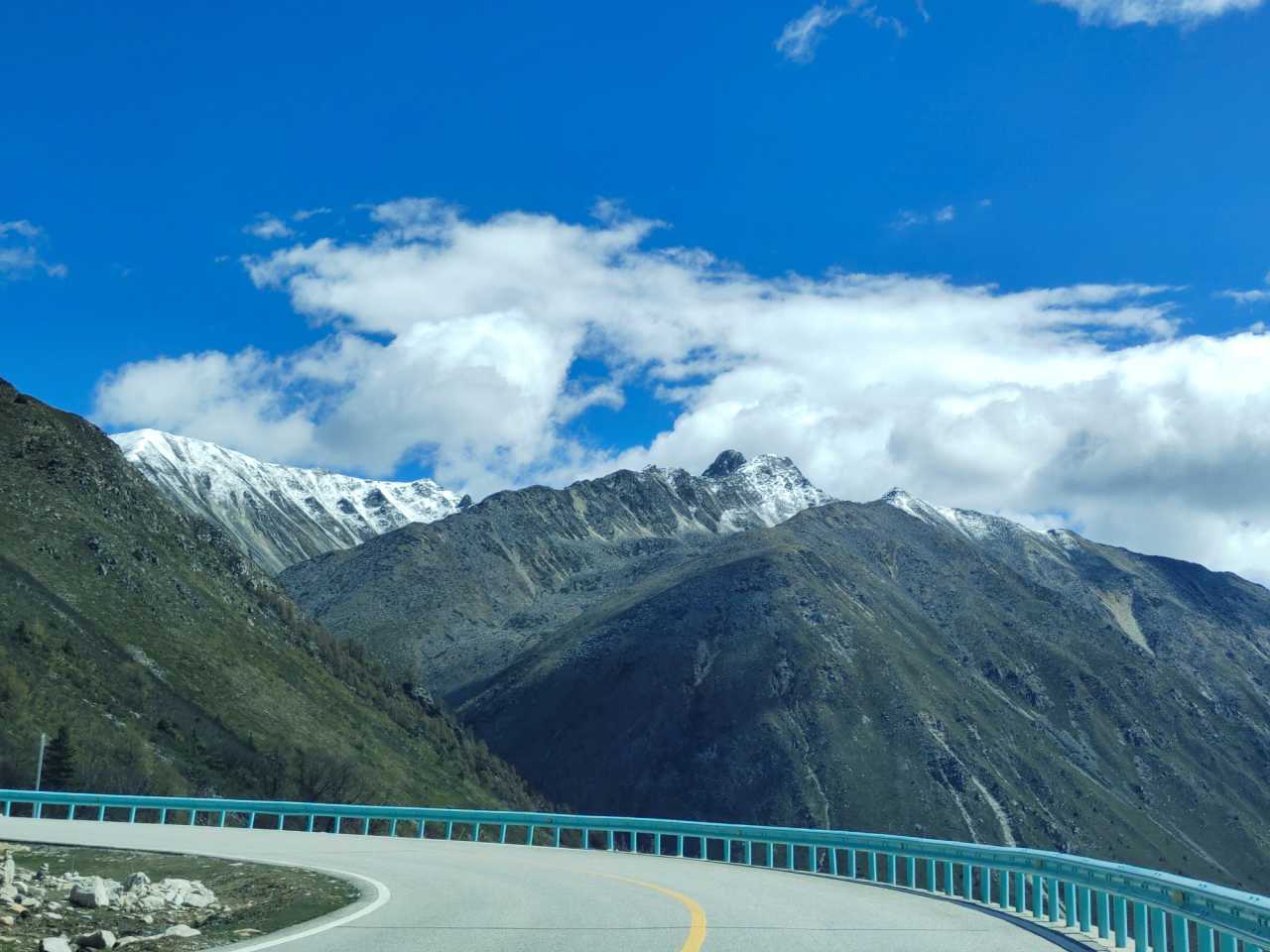
From Litang, a 120-kilometer, two-hour drive took us through the vast, boundless Maoya Prairie. The grasslands stretched endlessly, with herds of yaks dotting the landscape. But what truly stunned me were the bridge pillars and high-voltage power lines spanning the prairie—a remarkable fusion of human engineering and natural scenery that made you admire the "infrastructure maniacs'" ingenuity and courage.
Cuopu Valley: A Perfect Blend of Self-Driving and Hiking

Cuopu Valley Scenic Area allows self-driving to Cuopu Lake, but the core area requires a shuttle bus. This place is a paradise for nature lovers—hot springs, monkeys, marmots, and endless snow mountains, grasslands, and yaks. The cutest were a group of white-eared pheasants. They weren't afraid of people and circled around us, but unfortunately, I'd already eaten the bag of sunflower seeds I'd brought.
Must-Visit: Cuopu Monastery, backed by the sacred Zhajinjiabo Mountain, has a main hall equally exquisite. The beef buns at the monastery are so fragrant you can't stop eating them, and the hot butter tea is the perfect antidote to altitude sickness—one bowl, and you feel warm all over.
Weather and Accommodation: Sleeping Soundly Through Heavy Snow
This day was truly cold. That night, Litang was hit by a blizzard of goose-feather snow. But after three days of acclimatization, we were no longer out of breath. The heavy snow created a winter wonderland outside our window, and we slept soundly, cocooned in warmth.
Packing Tip: Even in early May, Western Sichuan can experience blizzards. Pack thermal layers, waterproof outerwear, and warm sleeping bags if camping.
[Link: What to pack for a Western Sichuan spring trip]
FAQ: Essential Questions for Your 2026 Labor Day Western Sichuan Trip
1. Is the 2026 Labor Day holiday a good time to visit Western Sichuan?
Yes, but with caveats. Labor Day (early May) offers spring scenery—snow on mountains, blooming grasslands, and relatively stable weather. However, it's a major Chinese holiday, so expect crowds at popular spots like Xinduqiao and Litang. Book accommodations 2-3 months in advance and plan early departures to avoid traffic.
2. How do I prevent altitude sickness on the Western Sichuan Plateau?
- Ascend gradually: Spend your first night at Kangding (2,600m) or Xinduqiao (3,300m) before going to Litang (4,100m).
- Stay hydrated: Drink plenty of water and avoid alcohol.
- Use oxygen: Portable oxygen canisters are available at most scenic areas and hotels.
- Medication: Consider taking acetazolamide (Diamox) under medical advice.
- Listen to your body: If symptoms worsen, descend immediately.
3. What's the best route from Chengdu to Litang during Labor Day?
The most efficient route is via the Ya'an–Yecheng Expressway to Kangding, then take Provincial Road S434 through Mugecuo and Honghaizi to Xinduqiao. From Xinduqiao, take National Highway G318 to Litang. This avoids the worst traffic on G318 and offers superior scenery.
4. Are the roads safe for self-driving in early May?
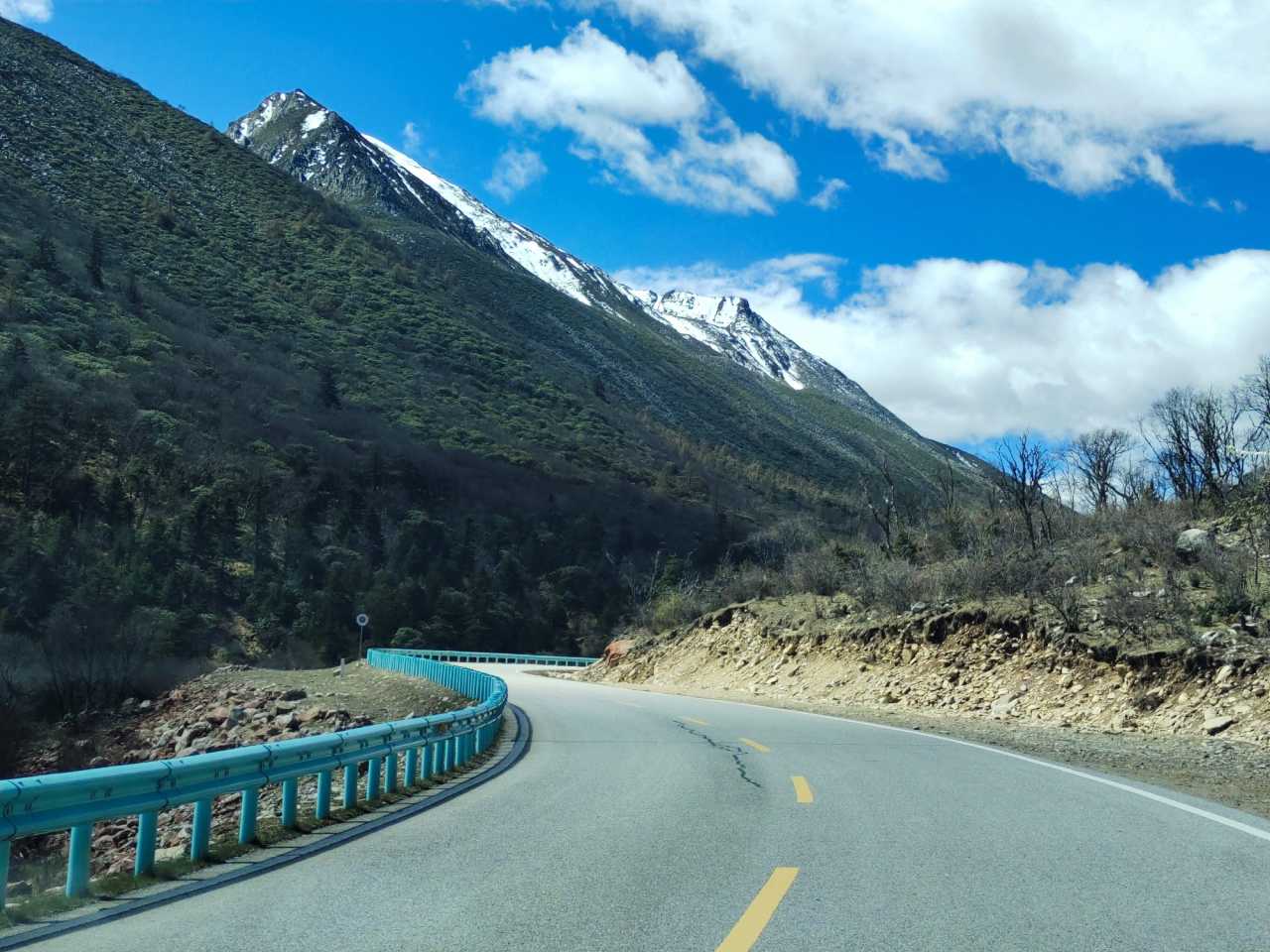
Most roads are well-maintained asphalt, but spring brings risks: snow on passes like Zheduo Mountain, potential landslides after rain, and occasional hailstorms. Check weather forecasts daily, carry chains, and drive cautiously. Consider hiring a local driver if you're not experienced with plateau conditions.
5. Can I visit Cuopu Valley as a day trip from Litang?
Yes, Cuopu Valley is about a 2-hour drive from Litang. Start early to maximize your time. The scenic area allows self-driving to Cuopu Lake, but the core area requires a shuttle bus. Plan for 4-6 hours of exploration, including hiking and visiting Cuopu Monastery.
Conclusion: Your Western Sichuan Odyssey Awaits
The 2026 Labor Day holiday offers a rare window to experience Western Sichuan's "Sky City" in all its spring glory—snow-capped peaks, blooming grasslands, sacred monasteries, and the warm hospitality of the plateau. Whether you're a first-time visitor or returning after years away, this five-day itinerary provides the perfect balance of adventure, culture, and practical planning.
Your next steps:
- Book early: Reserve flights to Chengdu and accommodations in Xinduqiao, Litang, and Cuopu Valley by February 2026.
- Prepare your vehicle: If self-driving, ensure your car is serviced for high-altitude conditions and pack emergency supplies.
- Train for altitude: If possible, spend a few days at moderate elevation before your trip.
- Pack smart: Thermal layers, waterproof gear, sun protection, and plenty of snacks.
The Western Sichuan Plateau is calling. The yaks are grazing, the snow is falling, and the love poems of Tsangyang Gyatso echo through the valleys. Don't just dream about it—make 2026 the year you reclaim your freedom in the Sky City.
Ready to plan your trip? [Link: Book Western Sichuan guided tours] or [Link: Download our full packing checklist]
This article was originally published on Mafengwo and has been optimized for SEO. All factual details about routes, altitudes, and attractions remain accurate as of the 2026 Labor Day season.
You may also like


