2024 Solo Journey to the Past: Exploring Anyue and Dazu Stone Carvings – A Travel Guide
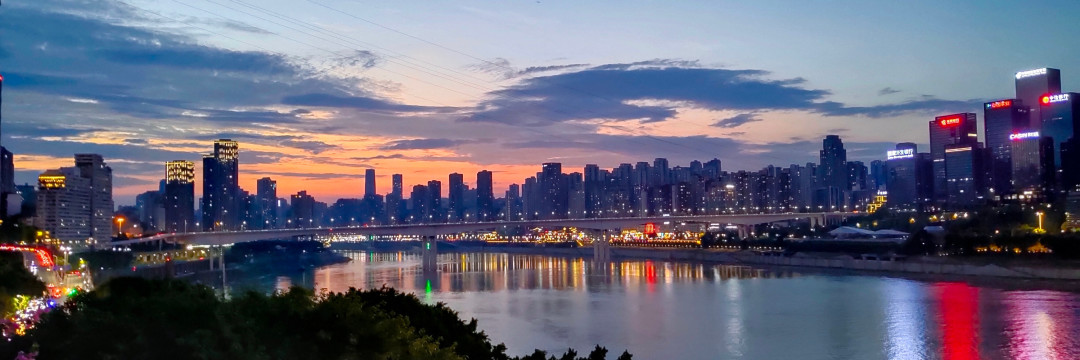
Meta Description: Discover the hidden gems of Bashu cave art in this 2024 solo travel guide to Anyue and Dazu stone carvings. Explore Tang Dynasty reclining Buddhas, Song Dynasty Avalokiteshvara, and ancient Buddhist sutras carved into stone.
Introduction: A Pilgrimage to the Final Glory of Chinese Cave Art
Living in the city, but my heart has always been on the road.
In September 2024, I set off alone on a solo journey to Anyue in Sichuan and Dazu in Chongqing. The purpose of this trip was simple — to see the stone carvings scattered across the land of Bashu. They represent the final glory of Chinese cave art, masterpieces carved by both time and faith.
Months earlier, when I first saw photos of the stone carvings at Mingshan Temple, I was struck by their beauty — eroded by time yet still solemn and majestic. I knew I had to see them with my own eyes.
This article is your comprehensive guide to planning your own Anyue and Dazu stone carving pilgrimage, covering travel logistics, must-see sites, and the historical significance of these ancient Buddhist treasures.
Why Visit Anyue and Dazu Stone Carvings?
The Bashu grottoes — spanning Anyue County in Sichuan and Dazu District in Chongqing — represent the final flowering of Chinese cave temple art. While the famous Mogao Caves in Dunhuang and Longmen Grottoes in Luoyang declined after the Tang Dynasty, the stone carvings of Sichuan and Chongqing flourished from the 7th to 13th centuries.
Key highlights include: - Tang Dynasty reclining Buddha at Wofo Temple (23 meters long) - Song Dynasty Avalokiteshvara at Yuanyue Cave - Over 400,000 characters of Buddhist sutras carved into stone - The Ten Ordeals of Liu Benzun at Piyu Cave - Water-Moon Avalokiteshvara — one of China's most beautiful Buddhist statues
For travelers interested in Chinese Buddhist art history, ancient stone carving techniques, or off-the-beaten-path cultural tourism, this region offers an unparalleled experience.
How to Get to Anyue from Shanghai
Departure from Shanghai to Chongqing
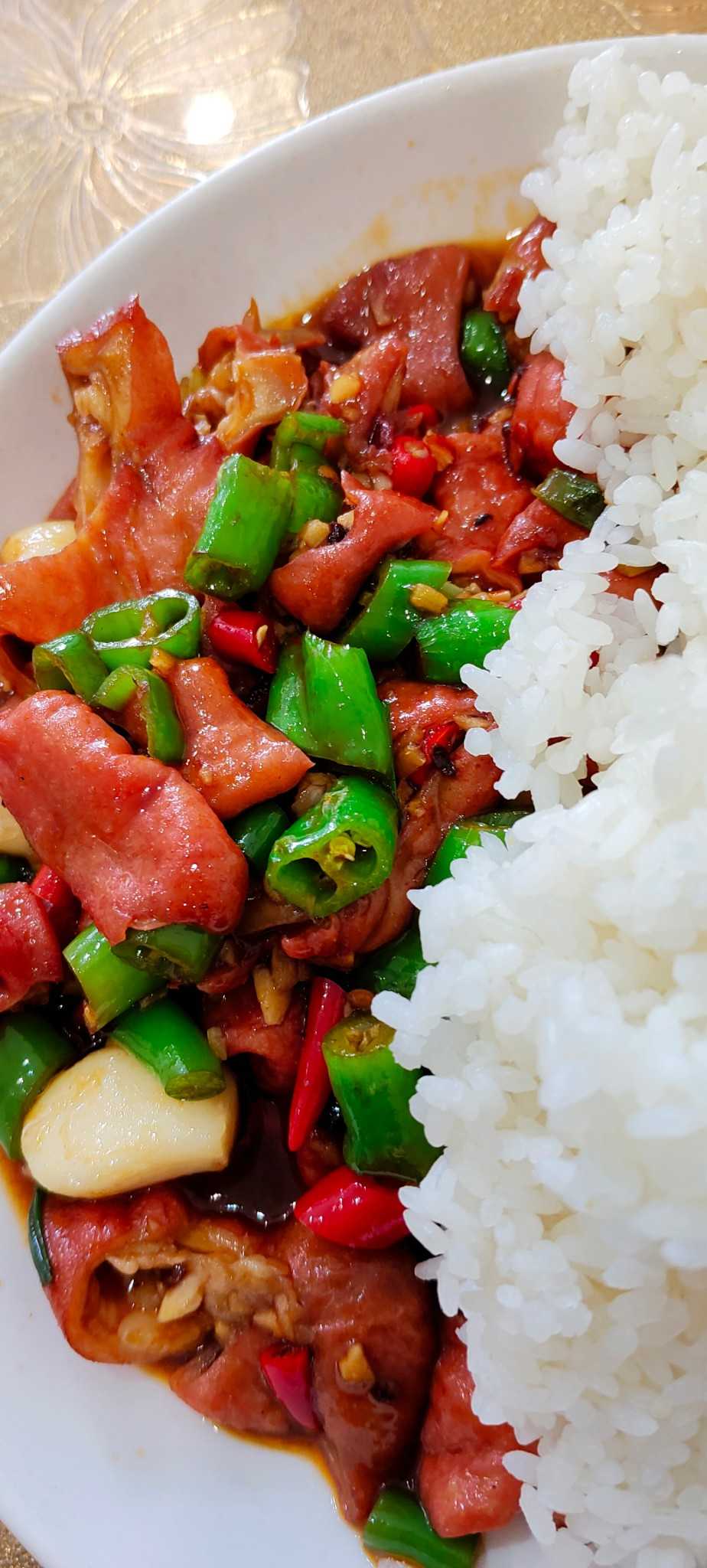
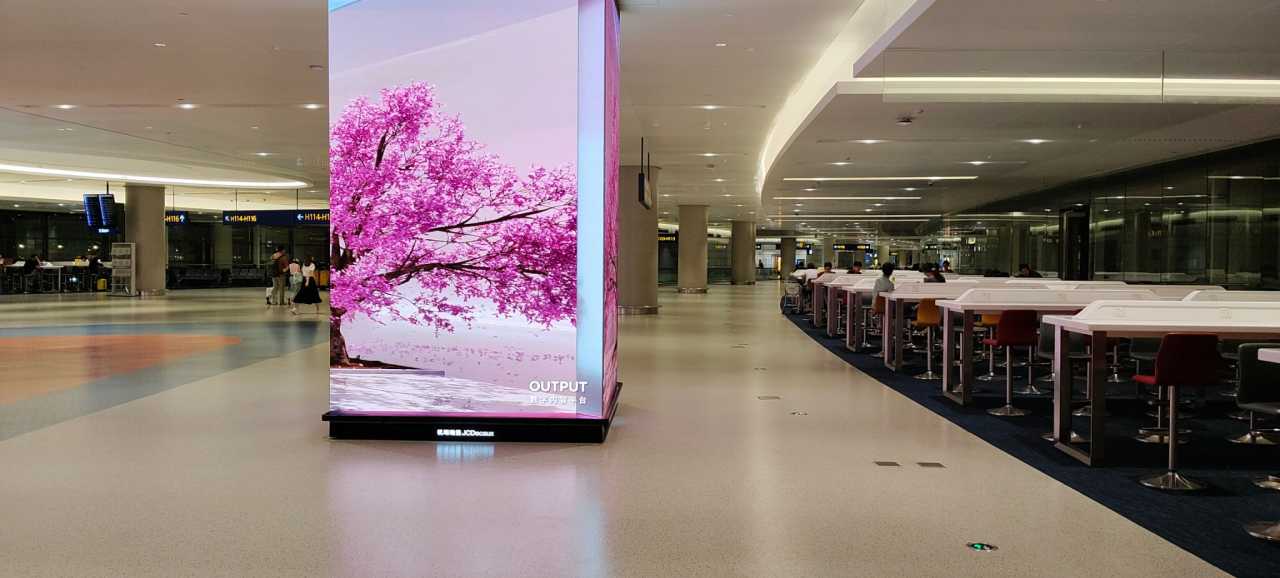
The day of departure was a Friday. After a hurried bowl of 盖浇饭 (rice with toppings) at a small restaurant across from my office, I took the subway to Pudong Airport.
Travel tip: Shanghai in 2024 experienced 52 scorching days, with 12 days exceeding 37°C (98.6°F). But as I later discovered, this heat was nothing compared to Chongqing's humidity.
Night Arrival and Transfer to Anyue
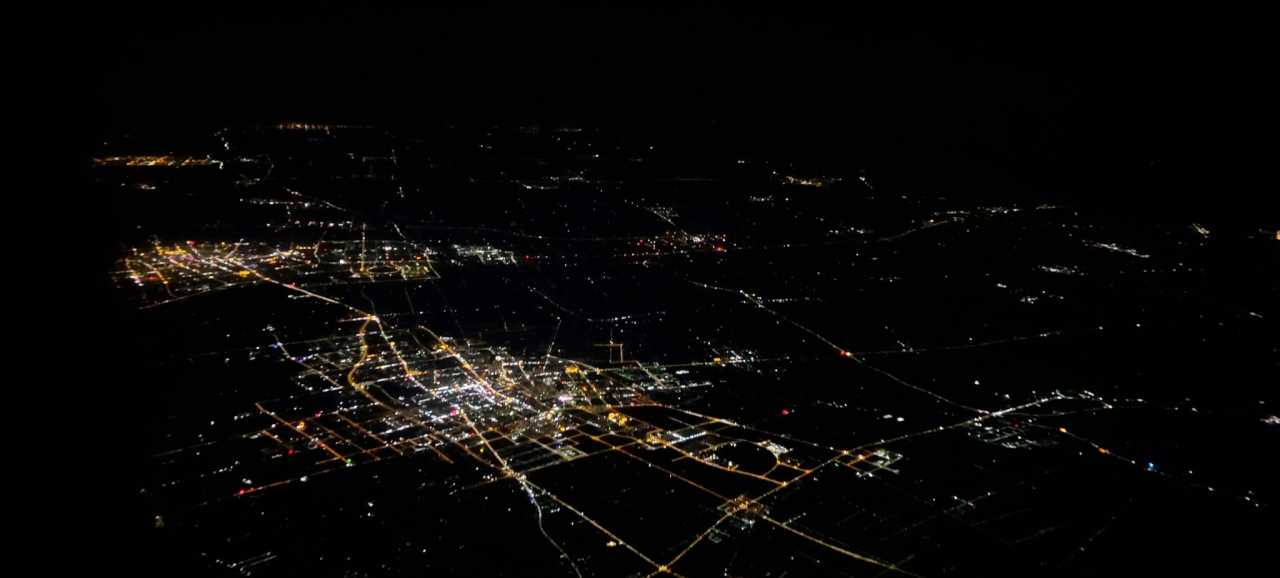
The plane landed at Chongqing Jiangbei Airport in the early hours. After the familiar routine of remote parking and shuttle bus, I booked a rideshare for the 160-kilometer (100-mile) journey to Anyue.
Warning: The driver drove aggressively — reaching 120 km/h (75 mph) on provincial roads and rural lanes. For safety, consider booking a daytime transfer or taking the bus from Chongqing's main bus stations.
Arrival in Anyue at 4 AM
I arrived in Anyue around 4 a.m. The bus station was deserted. Streets were completely empty — no shared bikes, no taxis available on ride-hailing apps. I walked over a kilometer to find an early-opening breakfast shop.
Local food recommendation: I ordered a bowl of 酸辣鸡杂面 (sour and spicy chicken giblet noodles) with a fried egg. It was delicious — the first comfort of the journey. [Link: Sichuan noodle dishes to try]
Day One: Exploring Anyue's Stone Carvings
Wofo Temple (Reclining Buddha Temple): Tang Dynasty Silence and Splendor
From Anyue bus station, I took a bus to Wofo Town, about 23 kilometers (14 miles) away. Important logistics note: Buses run only once every two hours. Once in town, get the driver's number and arrange a pickup — this area is too remote for ride-hailing apps.
Wofo Temple has been converted into a proper scenic area, but visitors are few. I remembered what Yuan Rongsun wrote in "Bashu Grottoes" — that this place was once used by farmers to dry rice. Now it's completely transformed.
The Reclining Buddha: A Tang Dynasty Masterpiece
The centerpiece is a 23-meter (75-foot) Tang Dynasty reclining Buddha — a depiction of Shakyamuni entering nirvana. This is the essence of Anyue's stone carvings and a vital relic of Bashu Buddhist art.
Standing before the Buddha's feet is a majestic guardian deity. Above the head, a group of preaching figures with Shakyamuni seated in the center, surrounded by disciples, bodhisattvas, and celestial beings — each with distinct expressions, solemn and dignified.
The "Tang Dynasty Library on Stone Walls"
The caves at Wofo Temple were mainly carved during the Tang Dynasty, from the Kaiyuan to Dali eras (713–779 AD). They stretch about a kilometer along the cliffs on both sides of the Wofo Valley.
Key features: - 15 scripture storage caves - Over 20 Buddhist sutras engraved, including the Mahaparinirvana Sutra and Lotus Sutra - More than 400,000 characters, with about 260,000 still legible - Called a "Tang Dynasty library on stone walls"
During my visit, many caves were under renovation with scaffolding erected. I took the chance to climb up and get close to the caves. Unfortunately, some engraved scriptures had been eroded or blurred by water damage.
A Sad Historical Note
What struck me most was a door carved into a cave in the last century. A family had opened it to make feeding their pigs more convenient, damaging a large number of Buddhist scriptures. It sounds absurd, but in an era of material scarcity, who could blame them? Many of Bashu's stone carvings are scattered across the countryside, once allocated to local residents for housing, so traces of daily life remain everywhere.
Standing before these engraved scriptures, I thought of the Fangshan Stone Sutra Mountain in Beijing. Though I know almost nothing about Buddhist texts, the sincerity, devotion, and selfless effort behind them deeply moved me. [Link: Fangshan Stone Sutra Mountain travel guide]
Yuanyue Cave (Perfect Enlightenment Cave): Song Dynasty Elegance
Getting back to the county seat from Wofo Town was challenging. Motorcycles demanded high prices. Eventually, I found a mute driver willing to take me to Yuanyue Cave for 50 yuan. Perhaps because communication was difficult, he accepted a lower fare.
Yuanyue Cave was carved during the Tang, Five Dynasties, and Song periods, with the Song Dynasty carvings being the highlight.
Must-See Carvings at Yuanyue Cave
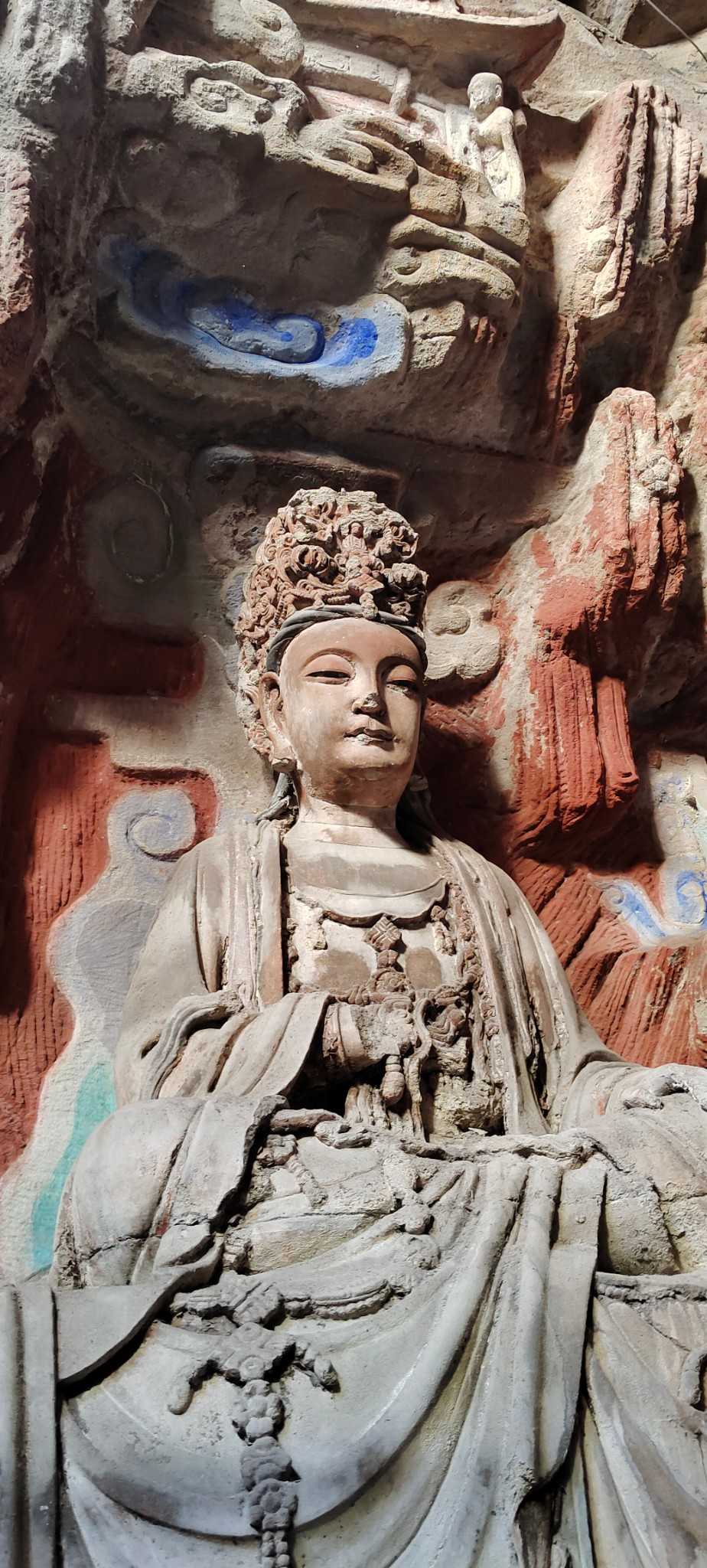
- 7-meter (23-foot) tall Avalokiteshvara (Guanyin) holding a pure vase and willow branch
- Twelve Perfect Enlightenment Bodhisattvas — each with distinct poses and exquisite garments
- Shakyamuni Buddha at the center
The standing Avalokiteshvara is adorned in ornate robes with traces of Song Dynasty polychrome paint — a masterpiece of Anyue's Song Dynasty stone carving. Inside the cave, the Twelve Perfect Enlightenment Bodhisattvas exhibit gentleness and compassion that make you stop and gaze.
Travel tip: The weather was scorching during my visit. I had a bowl of 抄手 (wontons) for lunch in the county seat before taking a bus to Shiyang Town.
Peacock Cave, Mingshan Temple, Huayan Cave, Piyu Cave, and Tapo: Scattered Treasures
In Shiyang Town, I hired a motorcycle driver in his fifties for an afternoon of exploration. This is the best way to visit these scattered sites.
Peacock Cave
The gate was locked. The driver urged me to leave, but later I read other travelers' accounts saying you could call the cultural heritage caretaker to open it. Historical note: In the 1960s, people lived here, and the Peacock King statue was blackened by decades of smoke from cooking fires. That blackness is a mark of time and a witness to history.
Mingshan Temple
Mingshan Temple is remote. It gained fame after the game Black Myth: Wukong, but the roads are still terrible — narrow enough for only one car, making passing nearly impossible. But a motorcycle was fine.
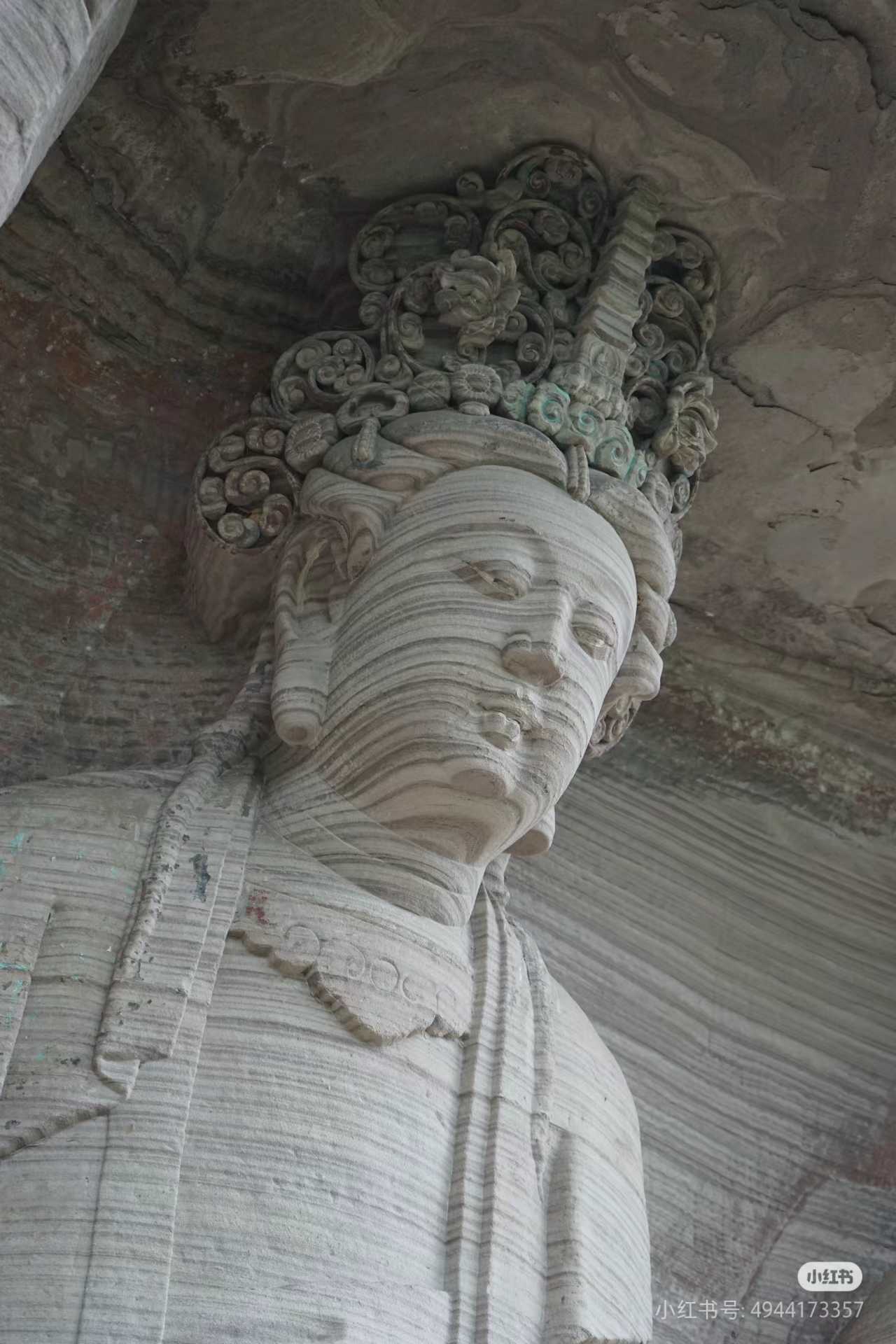
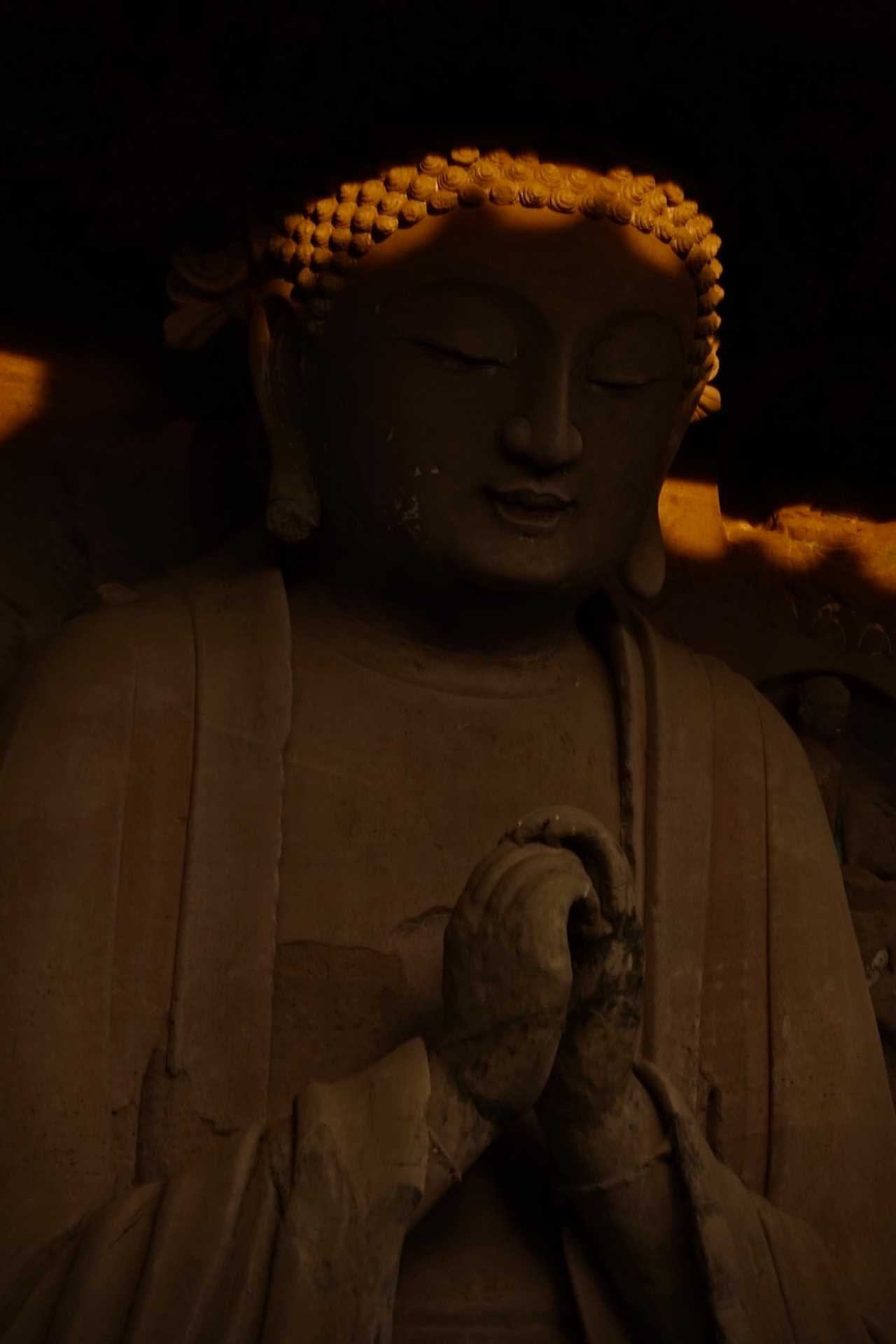
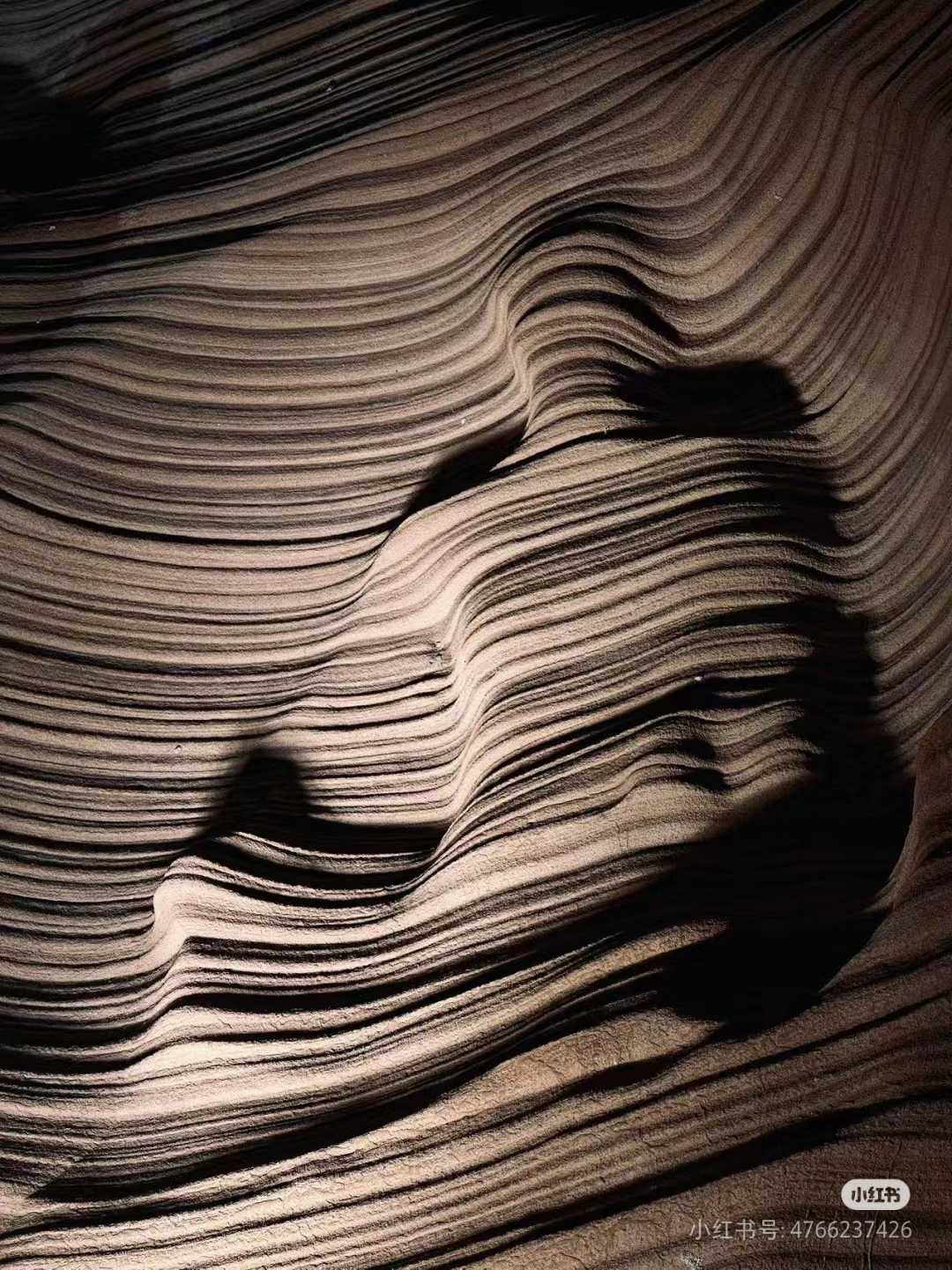
Highlight: The standing statues of Mahasthamaprapta, Avalokiteshvara, and Manjushri have been weathered by wind and rain into flowing, water-like lines. Their beauty is beyond words.
Huayan Cave
Carved during the Northern Song Dynasty, with the Three Saints of Huayan as the main deities. At the entrance, I met a woman who had driven there. She recommended a book — the issue of Chinese Heritage magazine on Anyue and Dazu. I said, "I have it in my backpack right now."
Piyu Cave
Piyu Cave represents the peak of Song Dynasty Vajrayana (Esoteric Buddhist) stone carving. The most shocking feature is the "Ten Ordeals of Liu Benzun" — self-mortification practices like burning fingers, standing in snow, and burning the crown of the head.
Historical context: These practices seem almost like cult behavior today. But in the late Tang to Five Dynasties period, this was a form of ascetic propagation popular in Esoteric Buddhism, with the core idea being demonstrating devotion through self-sacrifice. As Buddhism moved toward doctrinal standardization, such extreme practices were gradually abandoned.
Water-Moon Avalokiteshvara
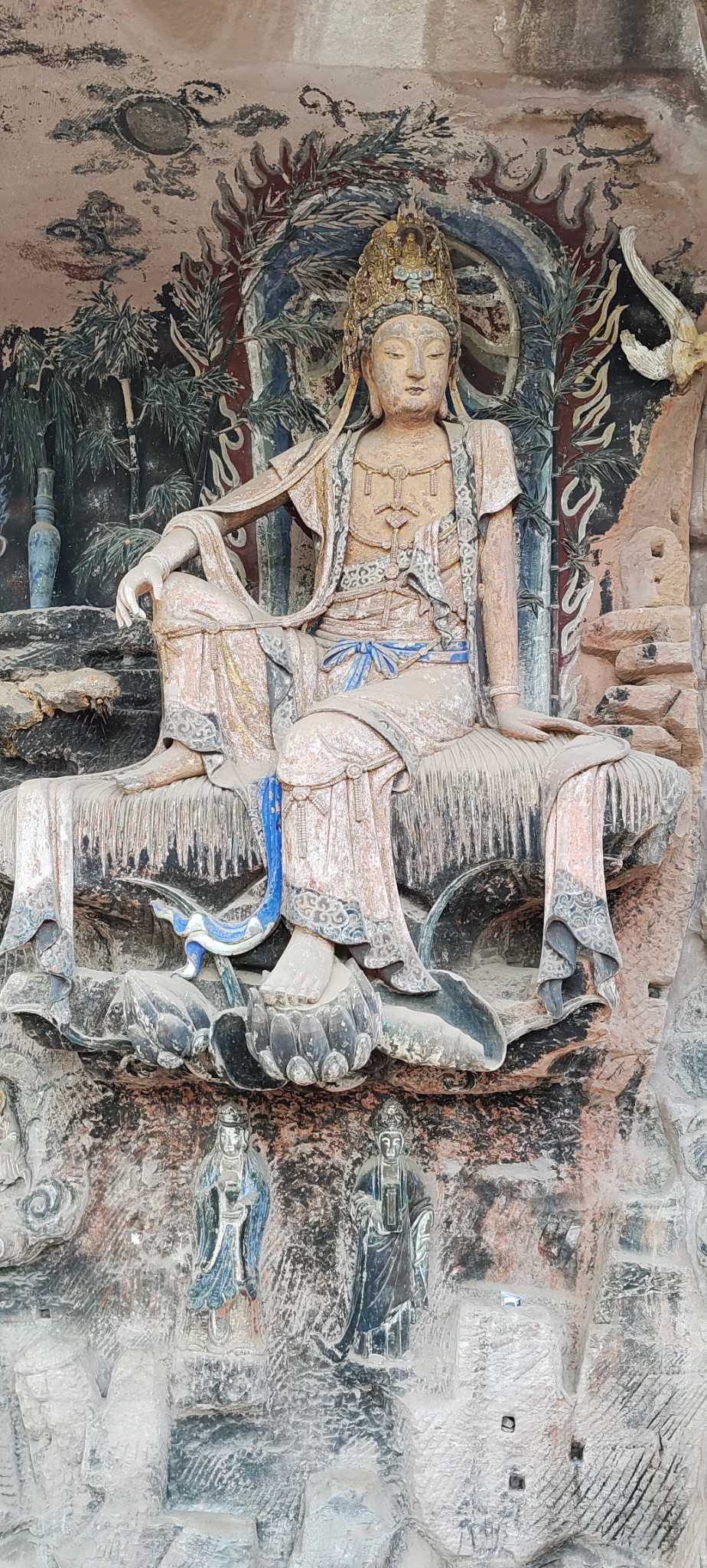
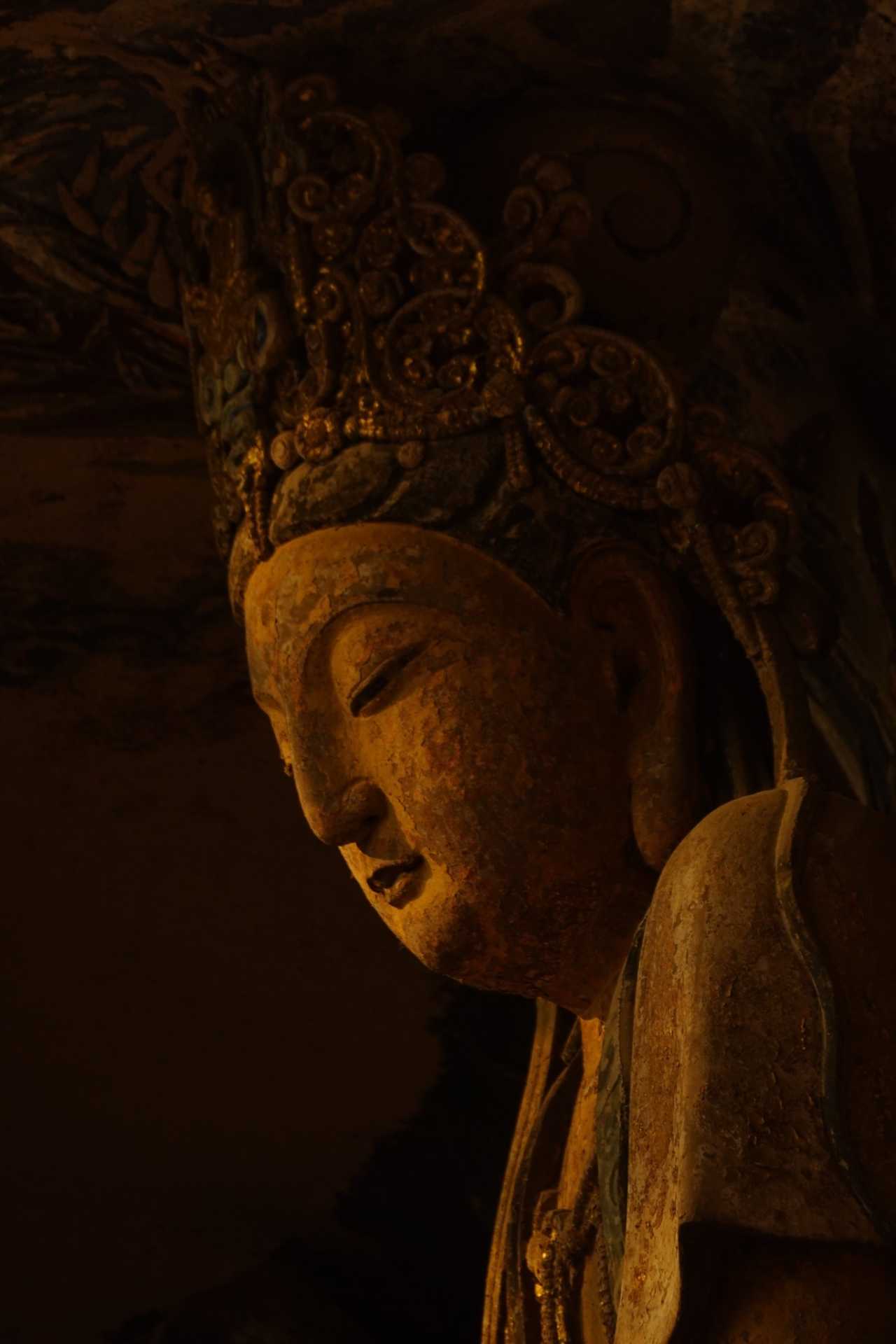
The Water-Moon Avalokiteshvara sits casually on a rock throne. Its left hand was later repaired and reattached, but it's still breathtakingly beautiful. The National Museum has a 1:1 replica, but some say it doesn't account for the viewer's perspective, so it doesn't look as beautiful as the original.
Tapo
Tapo was not open to visitors during my visit. Tourists could only stand on chairs at the temple gate to peer inside. I tried asking the caretaker to open it, but was refused — they were applying for national heritage status. However, I've heard recently that it has opened.
At Tapo, I met a woman from Yunnan who had driven to several sites. That evening, she sent me the photos she took that day — a reminder of the community you find on solo journeys.
Practical Tips for Visiting Anyue and Dazu Stone Carvings

Best Time to Visit
- Spring (March-May) and Autumn (September-November) offer the most comfortable temperatures
- Avoid summer (June-August) when temperatures can exceed 37°C (98.6°F)
- Winter (December-February) is mild but can be foggy
Transportation
- From Chongqing: Take a bus from Chongqing to Anyue (about 2-3 hours)
- Within Anyue: Buses are infrequent (every two hours); hire a motorcycle or car for the day
- To remote sites: Get the driver's contact information and arrange pickup times
What to Bring
- Sun protection (hat, sunscreen, sunglasses)
- Comfortable walking shoes
- Water and snacks (food options are limited at remote sites)
- Camera with good zoom (some carvings are high on cliffs)
- Cash (many smaller vendors don't accept digital payments)
Entry Fees and Opening Hours
Check with local tourism offices, as many sites are still under development or renovation. Some sites may require calling the cultural heritage caretaker in advance.
FAQ: Anyue and Dazu Stone Carvings
Q1: How do Anyue and Dazu stone carvings compare to Mogao Caves or Longmen Grottoes?
A: While Mogao and Longmen are larger and more famous, Anyue and Dazu represent the final golden age of Chinese cave art. They feature unique Song Dynasty carvings with exceptional detail and emotional expression. The sites are also less crowded, offering a more intimate experience.
Q2: Is it safe to visit these remote sites alone?
A: Yes, but plan carefully. Buses are infrequent, and ride-hailing apps don't work in remote areas. Hire a local driver or motorcycle for the day, and always get their contact information for pickup. The local people are generally friendly and helpful.
Q3: How many days should I spend visiting Anyue and Dazu?
A: A minimum of 2-3 days is recommended: - Day 1: Anyue sites (Wofo Temple, Yuanyue Cave, Mingshan Temple) - Day 2: Shiyang Town sites (Peacock Cave, Huayan Cave, Piyu Cave, Tapo) - Day 3: Dazu Rock Carvings (a separate UNESCO World Heritage site about 1 hour away)
Q4: Are the stone carvings well-preserved?
A: Preservation varies. Some carvings have been damaged by weather, water erosion, and historical human activity. However, many are in remarkable condition, especially those protected within caves. Recent conservation efforts have improved the situation.
Q5: What is the significance of the "Ten Ordeals of Liu Benzun"?
A: These carvings depict the self-mortification practices of Liu Benzun, a Tang Dynasty Buddhist monk. They represent extreme asceticism popular in Esoteric Buddhism during that period. The carvings are important for understanding the diversity of Buddhist practice in medieval China.
Conclusion: Why You Should Embark on This Solo Journey
This 2024 solo journey to Anyue and Dazu was more than a sightseeing trip — it was a pilgrimage to witness the final glory of Chinese cave art. Standing before the 23-meter reclining Buddha at Wofo Temple, gazing at the elegant Song Dynasty Avalokiteshvara at Yuanyue Cave, and tracing the weathered lines of the bodhisattvas at Mingshan Temple — these experiences connect you to centuries of faith, artistry, and human devotion.
The stone carvings of Bashu are not just tourist attractions. They are living history, bearing witness to the rise and fall of dynasties, the evolution of Buddhist art, and the resilience of cultural heritage.
Your turn: Have you visited Anyue or Dazu stone carvings? Share your experiences in the comments below. If you're planning a trip, use this guide to navigate the remote treasures of Sichuan and Chongqing.
Ready to plan your own solo journey? Start by booking your flight to Chongqing and arranging transportation to Anyue. The road may be bumpy, but the rewards are timeless.
This article is based on a personal travel experience in September 2024. Conditions may have changed since publication. Always check current travel advisories and site opening hours before planning your trip.
You may also like


