1413: East of Garzê, A Journey That Brushed Past the Snow Mountains – An Ultimate Western Sichuan Travel Guide
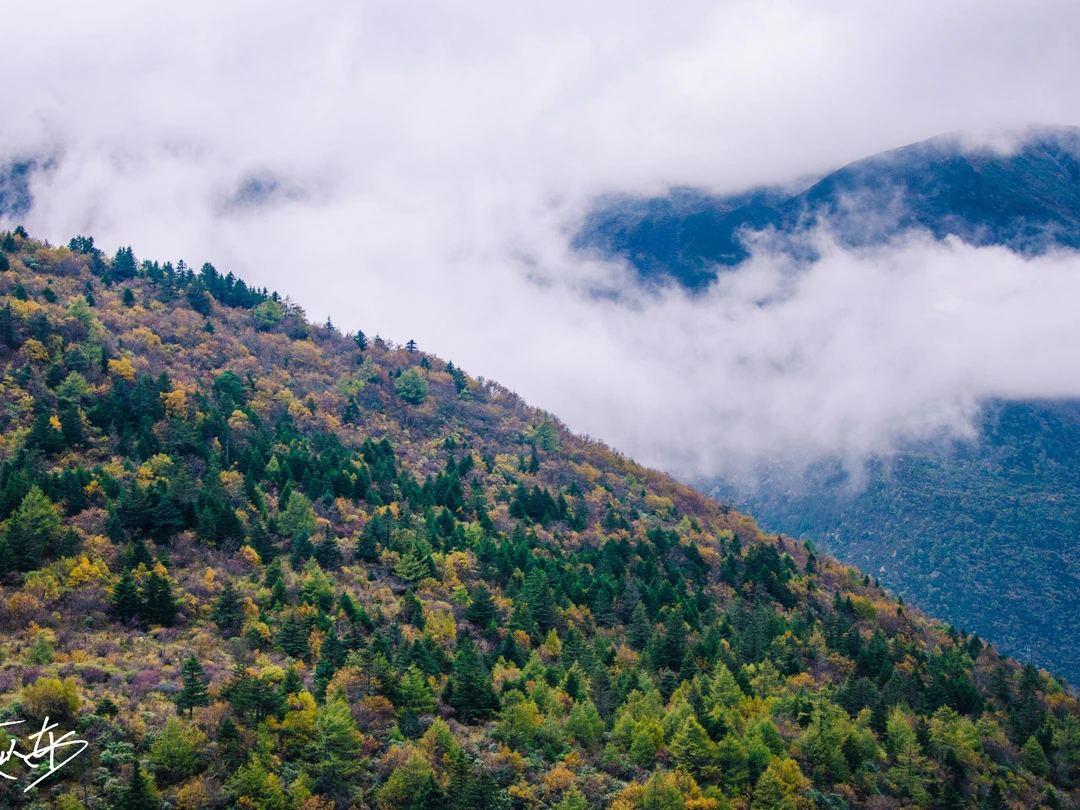
Meta Description: Explore Garzê, western Sichuan's hidden gem. From Hailuogou glaciers to Gongga hot springs, this 6-day itinerary reveals snow-capped peaks, Tibetan culture, and essential travel tips for your next adventure.
Introduction: Why Garzê Should Be Your Next Western Sichuan Destination
Two days before the National Day holiday, I was still staring blankly at my computer screen in the office, but my mind had already flown to that land in western Sichuan, carved by sunlight and wind. Garzê Tibetan Autonomous Prefecture — the very name carries the breath of the plateau. Covering 153,000 square kilometers, bordering Qinghai, Tibet, and Yunnan, it's the folded transition zone where the Tibetan Plateau descends toward the Sichuan Basin.
The temperatures are low, the sunshine abundant. Even in midsummer, you need a thick jacket. In autumn, though the sun is generous, the wind cuts to the bone — later, at Mugecuo (Muge Lake), our whole group was sniffling and sneezing, a scene that could only be described as a collective cold epidemic.
Before setting off, I did my homework. Roads in western Sichuan are notoriously difficult — that's common knowledge. G318 and S211 are the two main routes from Chengdu into the Tibetan areas, but during holidays, traffic jams are the norm. If you want to avoid being trapped in a sea of cars, you can try the Hongya Expressway — it's almost never congested. The trade-off? On the return trip, you'll likely be stuck at the Chengdu or Chongqing highway toll booths. As for trains, don't even think about it — long travel times, and tickets are hard to come by.
Pro tip: Pack plenty of luggage, bring extra clothes, wear sunscreen, and stock up on dry food and water. When you're stuck in traffic, you could even bring a badminton racket and play a game on the roadside — after all, you've got nothing better to do.
[Link: Best time to visit Garzê – seasonal guide]
6-Day Garzê Itinerary: On the Road Every Day, Changing Hotels Every Night
Six days, five nights, a different place to stay each night. The reason is simple: from eastern to western Sichuan, driving takes six or seven hours. And in Tibetan areas, 200 kilometers can take you the better part of a day. Our route looked like this:
- Day 1: Depart at noon, head straight for Ya'an
- Day 2: Ya'an → Hailuogou (Gongga Glacier Forest Park) → Gongga Holy Soup Hot Springs
- Day 3: Hailuogou → Kangding
- Day 4: Kangding → Mugecuo → Danba
- Day 5: Danba → Jiaju Tibetan Village → Luding
- Day 6: Return home from Luding
Every day was a race against time. Every day was filled with anticipation. Exhausting, yes. But worth it.
[Link: Driving tips for western Sichuan mountain roads]
Hailuogou Glacier Forest Park: Glaciers, Hot Springs, and a Thick Fog
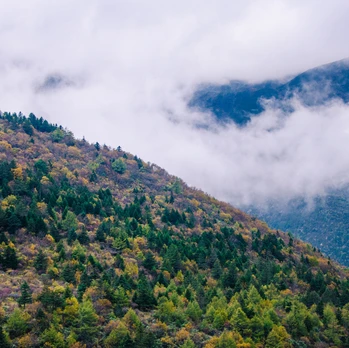
The Road to Hailuogou: Altitude and Scenery

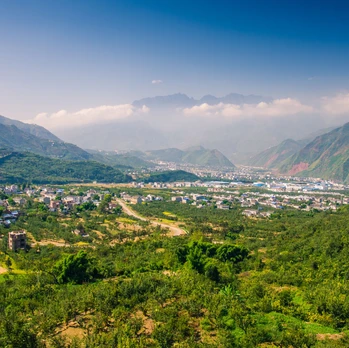
On the road from Ya'an to Hailuogou, the mountains grew higher, the clouds thicker. Eventually, when we opened a bottle of mineral water in the car, a puff of air burst from the mouth — proof of the altitude change. We passed a city nestled in a mountain hollow. I've forgotten its name, but the scenery was so beautiful it made you want to stop and live there forever.
Gongga Holy Soup Hot Springs: Soaking at the Foot of a Glacier
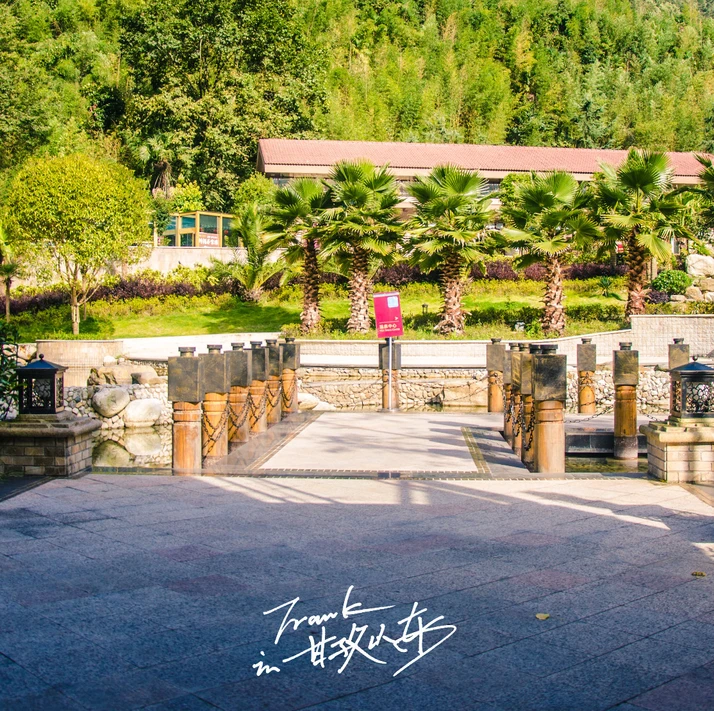
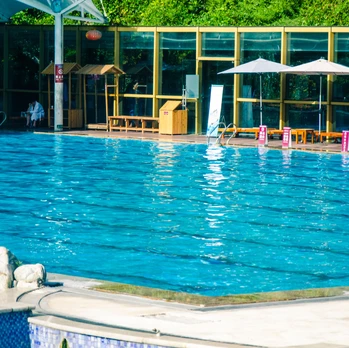
We arrived at Hailuogou at 4 PM — clearly not the smartest time to enter the park. So instead, we headed straight for the Gongga Holy Soup Hot Springs. What's it like to soak in a hot spring at the foot of a glacier? In simple terms: you've been exhausted all day, your body feels hollowed out, and then you sink into water over 40 degrees Celsius. All your fatigue evaporates with the steam.
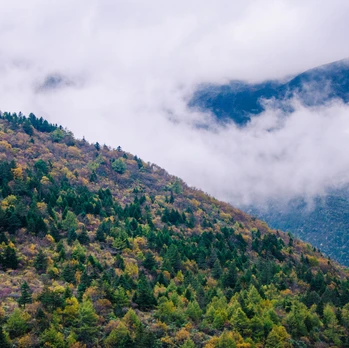
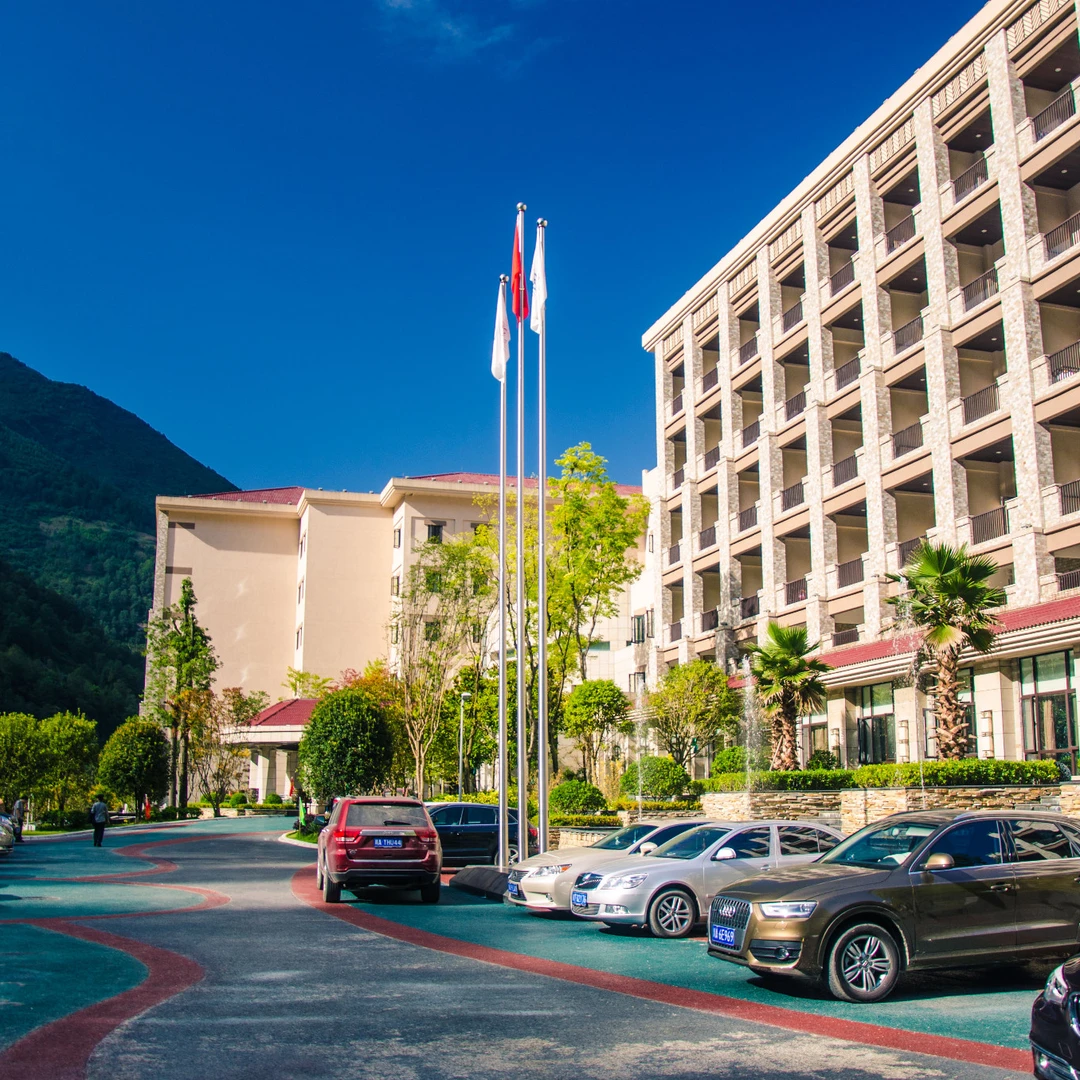
The area is full of hot spring hotels — even the smallest ones have their own pools. Local villagers told us the springs are all natural. The nearby river, milky white and turbid, is rich in sulfur. Its surface temperature hovers around 10 degrees year-round, but the water at the bottom reaches 70 to 80 degrees. The hotels pump that bottom water to supply their springs.
The advantage of staying at a hot spring hotel: free access to the pools, anytime you want. Peak season prices aren't cheap, but in the off-season, you can get a decent room for around 100 yuan. As for the Gongga Holy Soup Hot Springs themselves, admission is 168 yuan per person, half price for children under 1.2 meters.
Pro tip: There's no need to go there specifically — staying at a hotel gives you more freedom. After soaking, head to a small restaurant outside and order a roast chicken or rabbit, paired with wild mushrooms and mountain greens. The taste — I'm salivating just thinking about it.
[Link: Best hot springs in western Sichuan]
Hailuogou Scenic Area: Hiking Through Primeval Forest
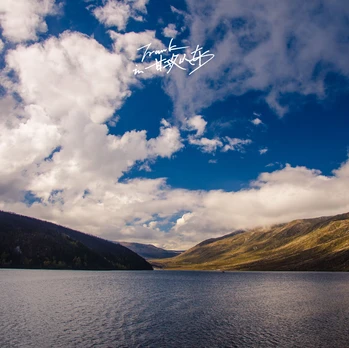
The next morning, we went to Hailuogou Scenic Area. Admission was 80 yuan per person, with a sightseeing bus costing 60 yuan — a one-time ticket that covers the entire route. We didn't take the cable car, which goes straight to the glacier summit, because the day was foggy and drizzly — even if we went up, we wouldn't see anything. The walking trail to the summit was tough, but we decided to try anyway.
As we queued to enter, the crowds were massive — though still fewer than at Jiuzhaigou. Still, the entire hike felt like being pushed uphill. While waiting in line, a group of elementary school students was helping maintain order — a slightly absurd sight. At the entrance, troops of Tibetan macaques squatted in groups, some as tall as a person when standing. Young and old monkeys alike surrounded tourists begging for food, while visitors competed to take photos with the babies. Fortunately, these monkeys weren't as aggressive as those on Mount Emei — at least none tried to snatch my backpack.
Walking along the path through primeval forest, towering green trees surrounded us on all sides. Every few steps, there was a small alpine lake (haizi). The air was icy cold, and the trees were covered in something — I couldn't tell if it was dew or ice crystals. We followed the trail until the trees thinned out and the mountains loomed ahead. Unfortunately, Hailuogou had been drizzling for days. During the day, there was no rain, but the cloud cover was thick. I wondered: on a clear day, could you see the distant snow peaks directly?
The Glacier Experience: Walking on Millennium Ice
At the cable car station, one side led to the glacier summit via cable car, the other to a several-kilometer walking trail. We still had time, so we chose to walk. Though it was only a few kilometers, the constant uphill left us drenched in sweat. Outside, the temperature was low; inside, our bodies were burning. That's when you're most likely to catch a cold — my back was soaked, while the trees still held their ice crystals.
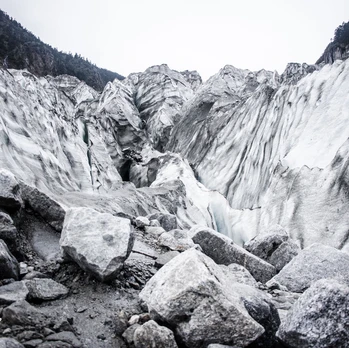
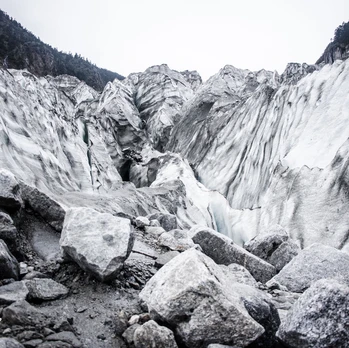
Full of anticipation, we stepped onto the glacier. This ice had formed over hundreds of millions of years. From a distance, it looked like a pile of dirt, but beneath our feet, it was all ice — ice and sediment fused together, white and dense, white and heavy. To be honest, when I saw these mountains, my heart sank. I had come to see the Gongga Snow Mountain (Minya Konka), but in this weather, even the locals said you couldn't see the "sunshine on golden mountain" (rizhao jinshan) even if you got up early.
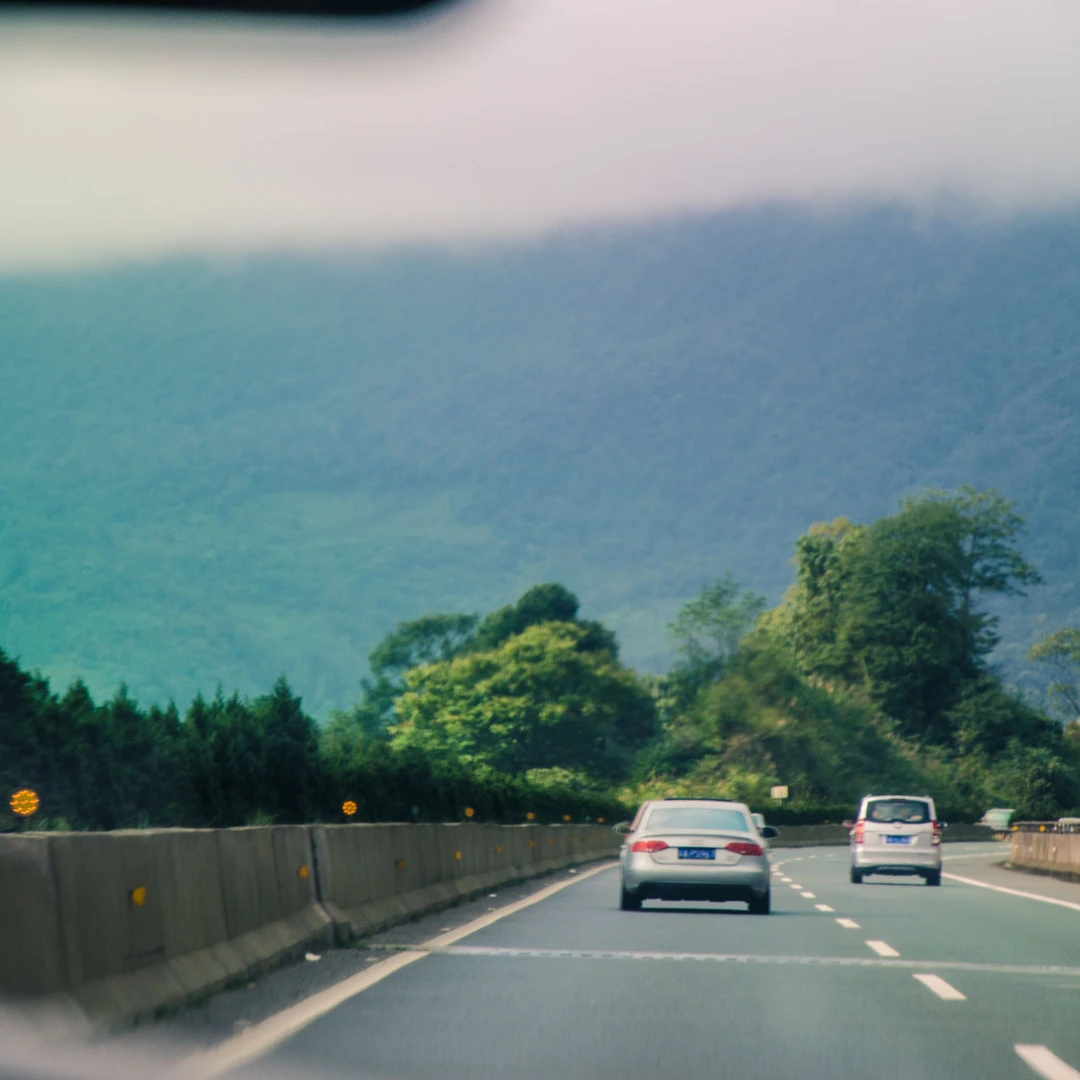
And then I walked down, along paths completely devoid of vegetation. Oh, so this is the glacier. Underfoot, it was either muddy trails, uneven rocks, or slippery ice. Climbing the glacier was treacherous — you absolutely need the right shoes, or you'll fall flat in front of everyone. After going up and down, slipping and falling, and getting completely soaked, I finally saw the ice — right under my feet, right beside me, in massive chunks. Meltwater from the surface flowed down, washing away the sediment to reveal pure white ice.
Don't ask me what temperature "millennium ice" is — it's still ice temperature. But after eons, the entire glacier is a single, fused mass of ice. Nature is incredible. The white of the ice is thick and solid, though mixed with sediment, some white, some gray. In many places, the ice had unique formations that, with enhanced contrast, became visually striking. I regretted not taking more photos here.
[Link: Gongga Snow Mountain trekking guide]
Kangding to Mugecuo: Tibetan Culture and Alpine Lakes
Coming down from the glacier, we had to rush to Kangding. As we crossed Yajia Pass, thick fog enveloped us. The higher the altitude, the denser the fog, the fewer the trees. At its worst, visibility dropped to less than 10 meters — with a mountain on one side and a cliff on the other. Ever experienced that heart-in-your-throat moment? This was it.
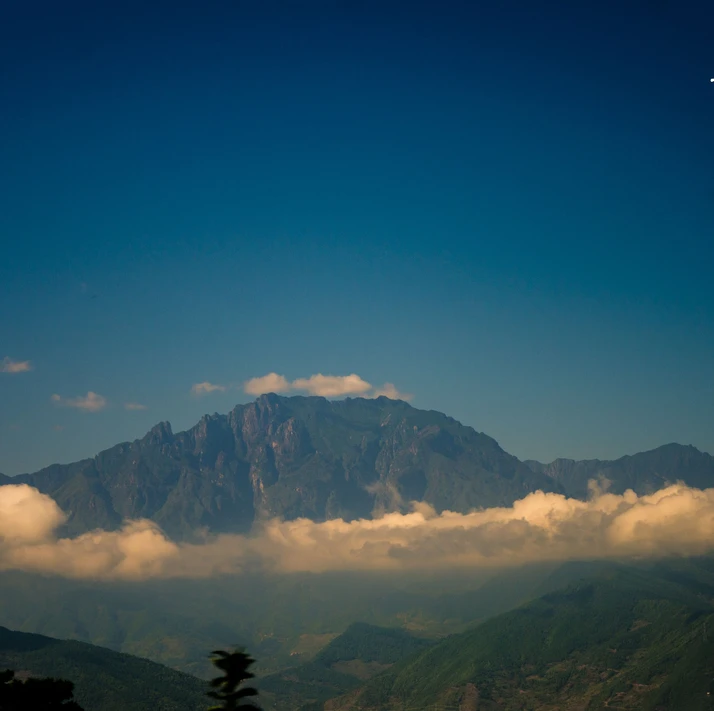
Kangding itself is a charming Tibetan town at the confluence of cultures. From here, we headed to Mugecuo (Muge Lake), a stunning alpine lake surrounded by snow-capped peaks. The lake's crystal-clear waters reflect the surrounding mountains, creating a postcard-perfect scene. Unfortunately, the cold had caught up with us — our entire group was sniffling and sneezing, a scene that could only be described as a collective cold epidemic.
Pro tip: Bring thermal layers, a windproof jacket, and plenty of tissues. The altitude (over 3,000 meters) combined with the wind can make even a sunny day feel freezing.
[Link: Kangding travel guide – attractions and accommodation]
Danba and Jiaju Tibetan Village: Ancient Architecture and Hospitality
From Kangding, we drove to Danba, known as the "Land of Beauty" in Tibetan culture. The drive itself was breathtaking — terraced fields, white stupas, and traditional Tibetan houses dotting the hillsides.
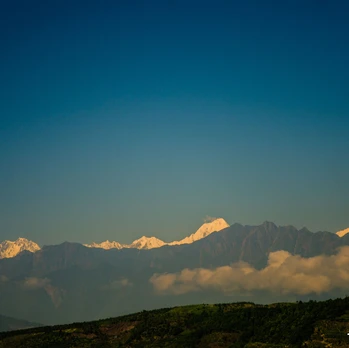
Jiaju Tibetan Village is a UNESCO World Heritage candidate, famous for its well-preserved Tibetan-style watchtowers and houses. Walking through the village felt like stepping back in time. The locals were incredibly warm — we were invited into a home for butter tea and tsampa (roasted barley flour). The watchtowers, some over 100 years old, offer panoramic views of the valley below.
Pro tip: Visit early morning or late afternoon for the best light on the watchtowers. The village is small — you can explore it in 2-3 hours.
[Link: Danba Tibetan villages – complete travel guide]
Luding: The Return Journey
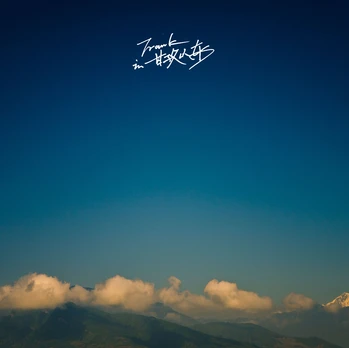
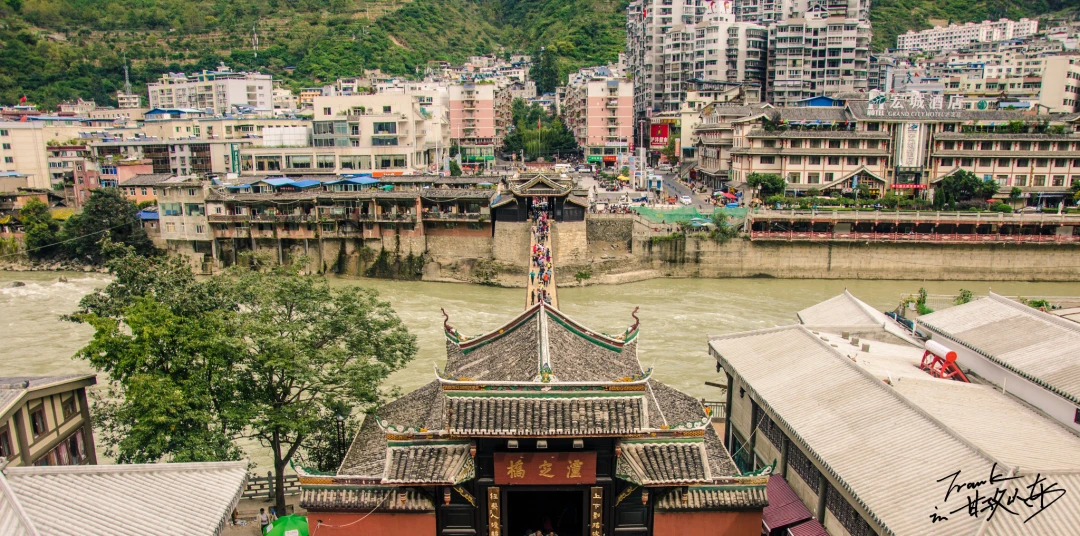
Our final stop was Luding, a historic town on the Dadu River. The Luding Bridge — a chain bridge built during the Qing Dynasty — is a must-see. It's also a significant site from the Long March, where Red Army soldiers famously crossed under enemy fire.
From Luding, we headed home, exhausted but fulfilled. The journey had been a whirlwind — six days, five nights, countless memories.
FAQ: Your Garzê Travel Questions Answered
1. What is the best time to visit Garzê?
 The best time is May to October, when temperatures are milder and roads are generally clear. July and August are peak season, but also bring afternoon thunderstorms. For snow views, October to November offers clear skies and golden autumn foliage.
2. How difficult is driving in western Sichuan?
 Very difficult. Roads are narrow, winding, and often unpaved. Altitude sickness is a real risk — drivers should be experienced with mountain roads. Always check road conditions before setting out, and carry chains for your tires in winter.
3. Do I need a permit to visit Garzê?
 Yes, for certain areas. Foreign tourists need a Tibet Travel Permit for parts of Garzê near the Tibetan border. Domestic tourists generally don't need permits, but some restricted military zones may require advance approval. Check with your travel agency.
4. What should I pack for a Garzê trip?
 - Clothing: Thermal layers, windproof jacket, hat, gloves, scarf - Footwear: Sturdy hiking boots with good grip - Health: Altitude sickness medication, pain relievers, sunscreen, lip balm - Food: High-energy snacks, plenty of water, dry food for traffic jams - Gear: Camera, power bank, flashlight, basic first-aid kit
5. Is it safe for solo travelers?
Generally yes, but solo travel in remote areas is not recommended due to road conditions and limited services. Join a small group tour or hire a local driver-guide. Always share your itinerary with someone back home.
Final Thoughts: Why This Journey Matters
This journey through Garzê, western Sichuan, was more than a vacation — it was a reminder of nature's raw power and beauty. From the millennium ice of Hailuogou to the warmth of Gongga's hot springs, from the fog-shrouded passes to the golden watchtowers of Danba, every moment was a brush with something extraordinary.
Ready to plan your own Garzê adventure? Start by checking road conditions, booking your hot spring hotel in advance, and packing for all four seasons in one day. The snow mountains are waiting — and they don't care about your schedule.
Share your Garzê travel stories in the comments below! Have you been to Hailuogou or Danba? What was your favorite moment? Let's inspire each other to explore this incredible corner of China.
[Link: Book your Garzê guided tour] [Link: Western Sichuan road trip checklist]
You may also like


