⛰️ Racing 200 Kilometers to the Secret Land of Western Sichuan: A Spiritual Encounter with Mount Siguniang
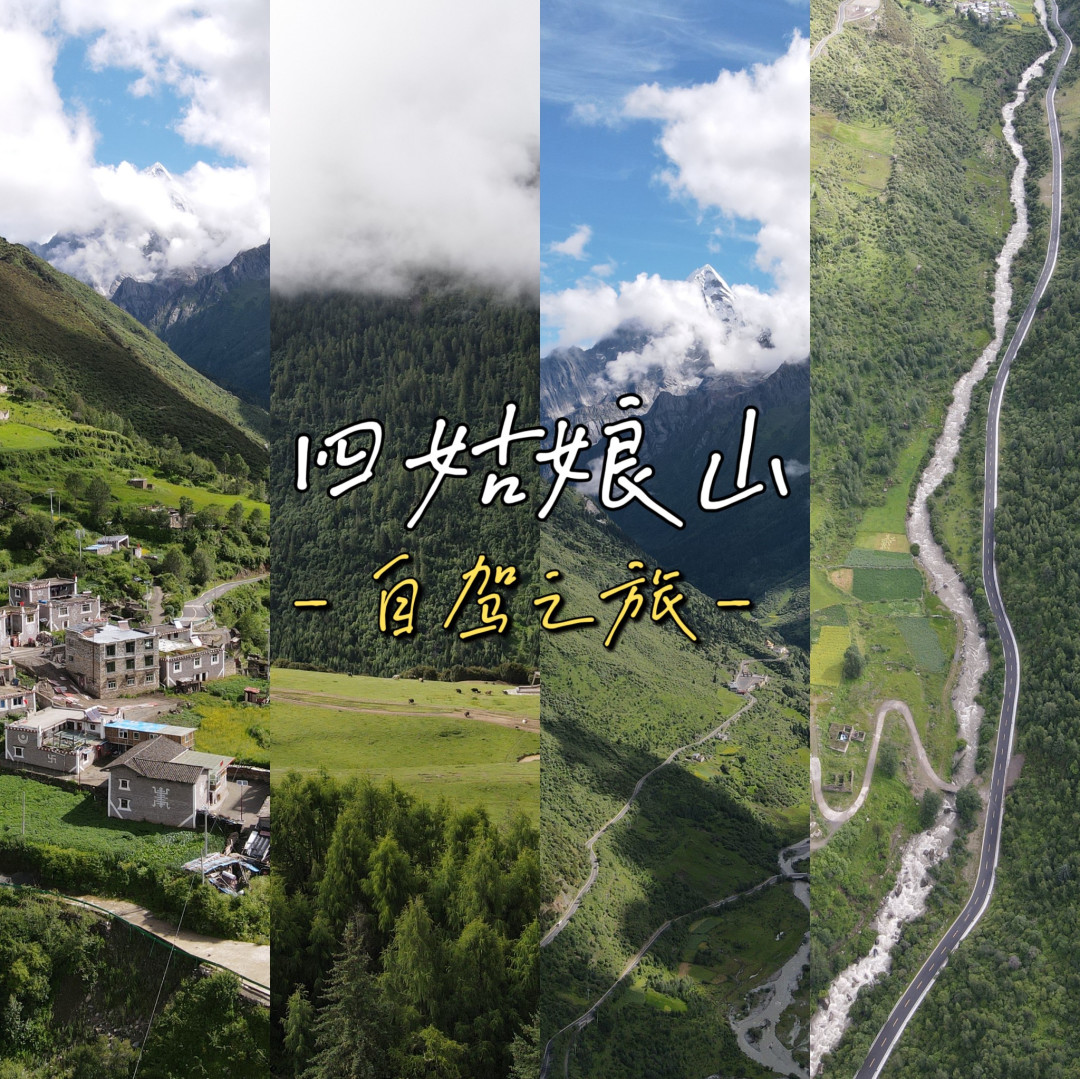
Meta Description: Discover the spiritual beauty of Mount Siguniang on a 200-km road trip from Chengdu. Explore Shuangqiao Valley, Bonsai Beach, and the "Queen of Sichuan Mountains" in this SEO-optimized travel guide.
Prologue: A Spontaneous Highland Adventure
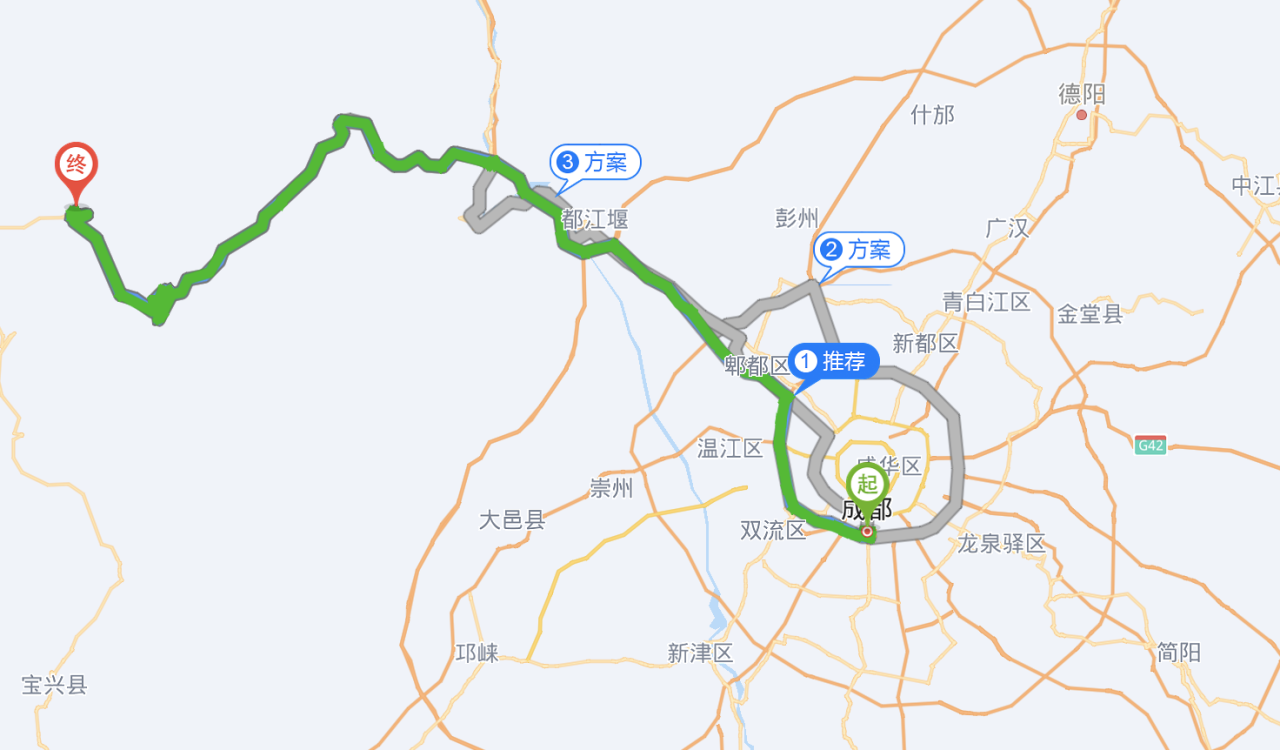
Some journeys are about escape; others are about discovery. This time, I chose a westward path—departing from Chengdu, driving over 200 kilometers to keep a rendezvous with Mount Siguniang.
Mount Siguniang—the name itself carries an ethereal quality. Legend has it that four beautiful sisters transformed into four majestic peaks to protect the peace of the Zala River, imbuing every inch of this land and every wisp of wind with spirituality. For me, this was more than just a road trip; it was an expedition into the unknown. During these extraordinary times of the pandemic, I set out on a road leading to a highland hidden realm, measuring distances with my wheels, collecting scenery with my eyes, and receiving nature's gifts with my heart.
West of Chengdu lie the snow-capped peaks and glaciers of the Hengduan Mountains; to the north, the towering Qinling Range; to the south, the lush landscapes of the Yunnan-Guizhou Plateau; and to the east, the winding paths of the Three Gorges in Badong. Our choice was to go west, ever westward, toward the land known as the "Eastern Alps."
Chapter One: Chengdu—A Symphony of Modernity and Leisure
A Stroll Through the City Before Departure

Our journey began in Chengdu. On the surface, this city is the hottest influencer capital of Southwest China, but at its core, it flows with the blood of ease and contentment. Chunxi Road teems with crowds, the alleys of Kuanzhai Xiangzi waft with the aroma of tea, and hotpot restaurants steam with bubbling broth—this is Chengdu, a place that perfectly blends a modern metropolis with the warmth of everyday life.
Chengdu's Taikoo Li is a particular favorite of mine. Unlike conventional commercial districts that feel rigid, it incorporates the simplicity and openness of traditional Western Sichuan residential architecture into its design. Ancient alleyways have been preserved, allowing the charm of old Chengdu to mingle with contemporary commerce. Luxury brands like Hermès and Gucci line the streets, but around a corner, you might find a small stall selling pig brain—yes, pig brain is my guilty pleasure in Chengdu, each bite bursting with the city's unmistakable烟火气 (the lively, earthy essence of everyday life).
Chengdu IFS, with its "city within a city" design concept, has become a landmark. Its facade features a playful arrangement of "boxes," a rooftop garden atop the podium, and scattered sculpture courtyards and art exhibition halls, all exuding artistic flair. When we visited, we saw many people lying on the grass, chatting and stargazing—a kind of casual bliss that only Chengdu seems to offer.
Setting Off: The Transformation from Plain to Plateau
From Chengdu, we drove west along the Cheng-Guan Expressway. The scenery outside the window gradually shifted from towering skyscrapers to lush green mountains, and the air began to carry the crisp, clean chill unique to the highlands. Our first stop was Yingxiu Town—the epicenter of the 2008 Wenchuan earthquake.
Time seems to have left an eternal mark here. At the earthquake ruins, collapsed school buildings and a frozen clock silently narrate the devastation of that disaster. Today, the area has been rebuilt, and all is calm, but the memories in people's hearts have never faded. Standing here, I offered a silent blessing: may our homeland always be safe, and may the mountains and rivers remain unscathed.
[Link: Best Chengdu to Mount Siguniang road trip itinerary]
Chapter Two: Driving into the Hidden Realm—The Call of Mount Siguniang
Winding Mountain Roads, Scenery Like a Painting
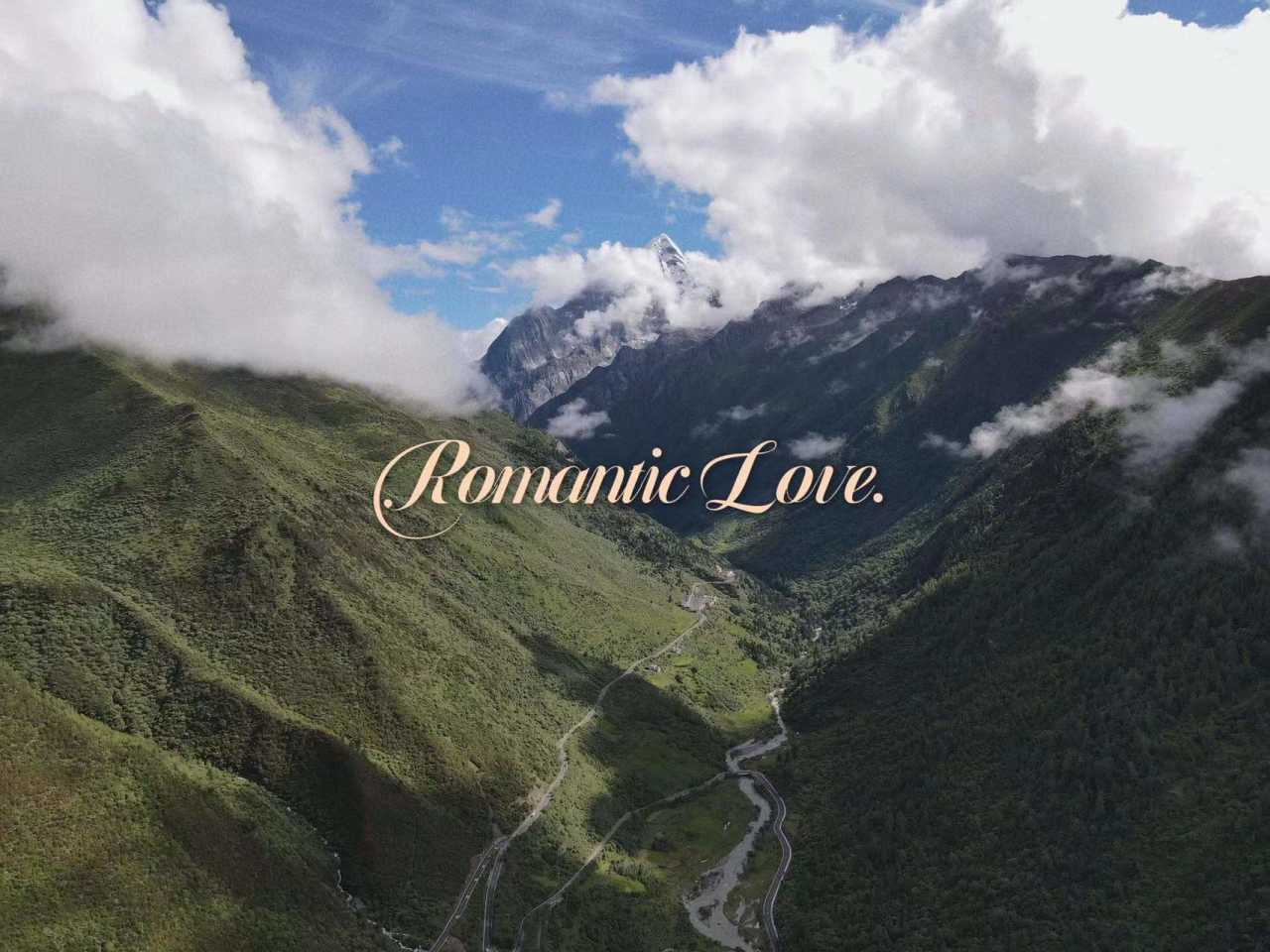
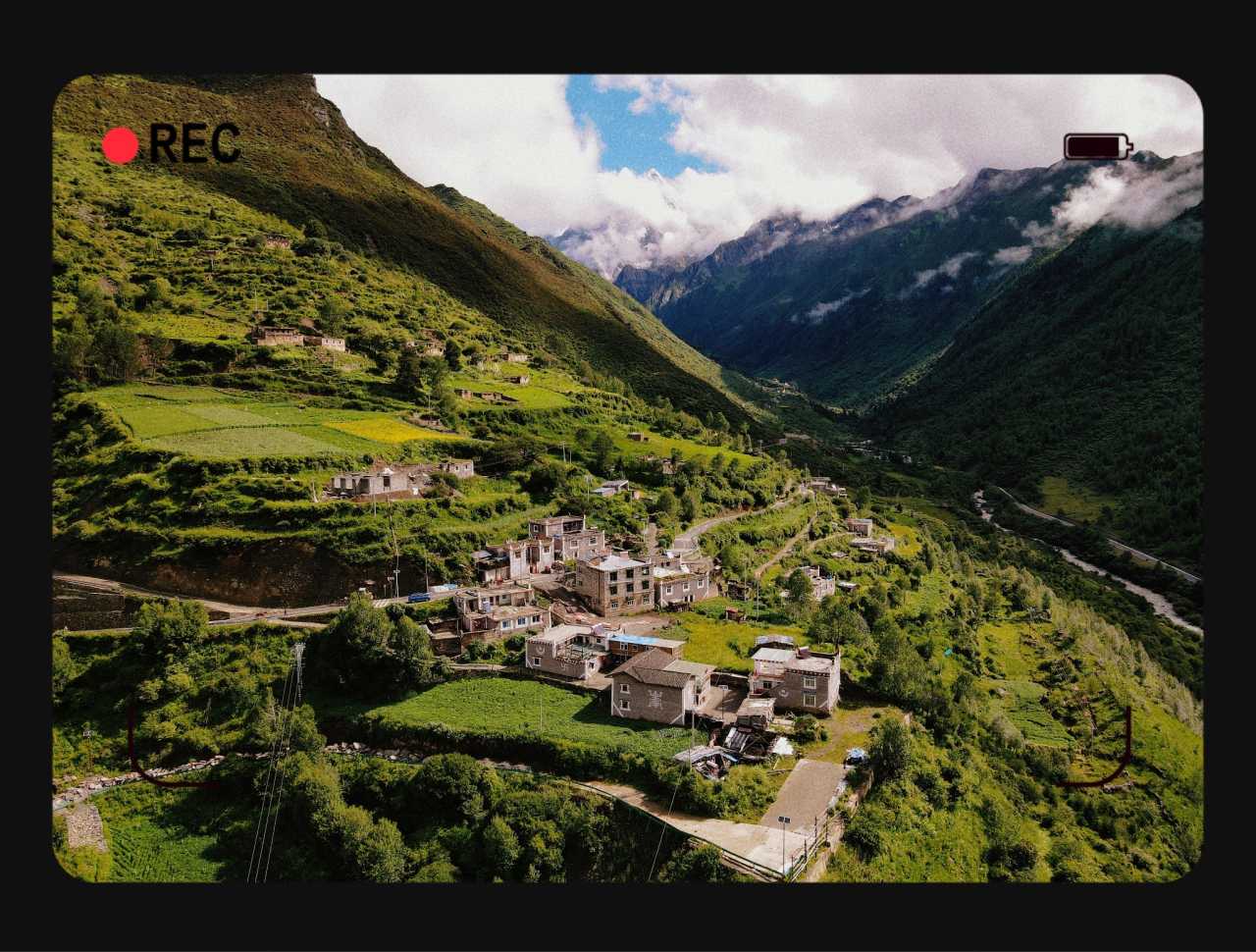
Leaving Yingxiu, we officially entered the winding mountain roads. The altitude climbed steadily, and the temperature dropped accordingly. The mountain weather was unpredictable—sometimes drizzling, sometimes bathed in sunlight. Along the way, streams ran crystal clear, and clouds shifted their shapes among the peaks, as if playing a prelude to our highland journey.
What surprised me most was encountering herds of sheep along the road. They strolled leisurely, completely unafraid of cars or people, as if they were one with this land. In that moment, I truly understood the meaning of "spirituality"—the creatures here live in symbiosis with nature, dancing with heaven and earth.
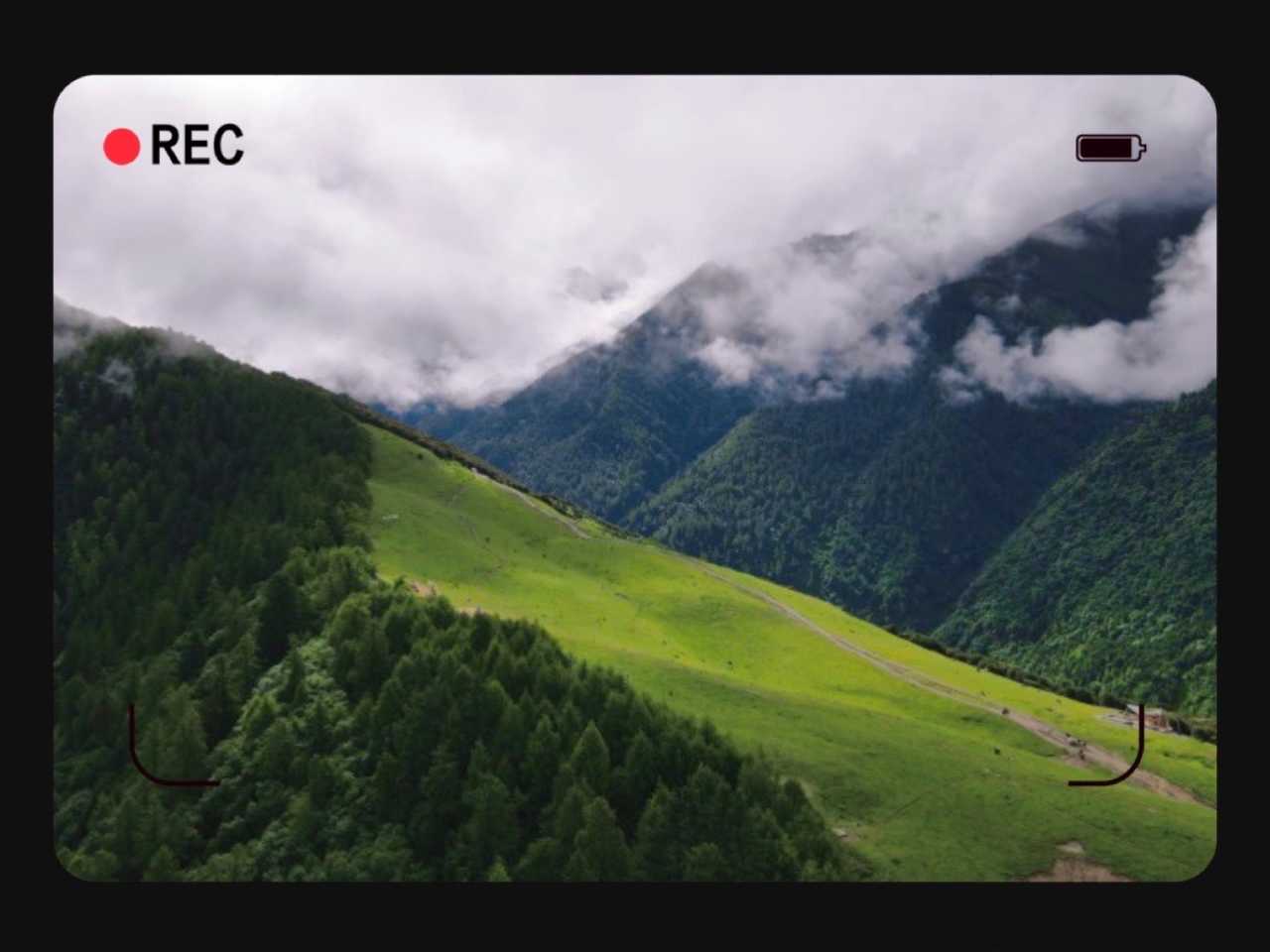
The winding road rose and fell with the mountains, villages appearing and disappearing in the mist. Halfway up the slope, rain suddenly began to fall, and thick fog enveloped everything, shyly veiling the face of Mount Siguniang. But I wasn't disappointed—the rainy version of the mountain has its own unique charm. The hazy distant peaks formed a natural ink-wash painting, with perfect gradations of light and dark, utterly captivating.
Clearing Skies: Meeting the "Queen of Sichuan Mountains"
Luck was on our side. By the time we arrived at Siguniangshan Town, the sky had cleared. The clouds parted, and the four snow-capped peaks revealed themselves one by one—in that moment, I almost held my breath.
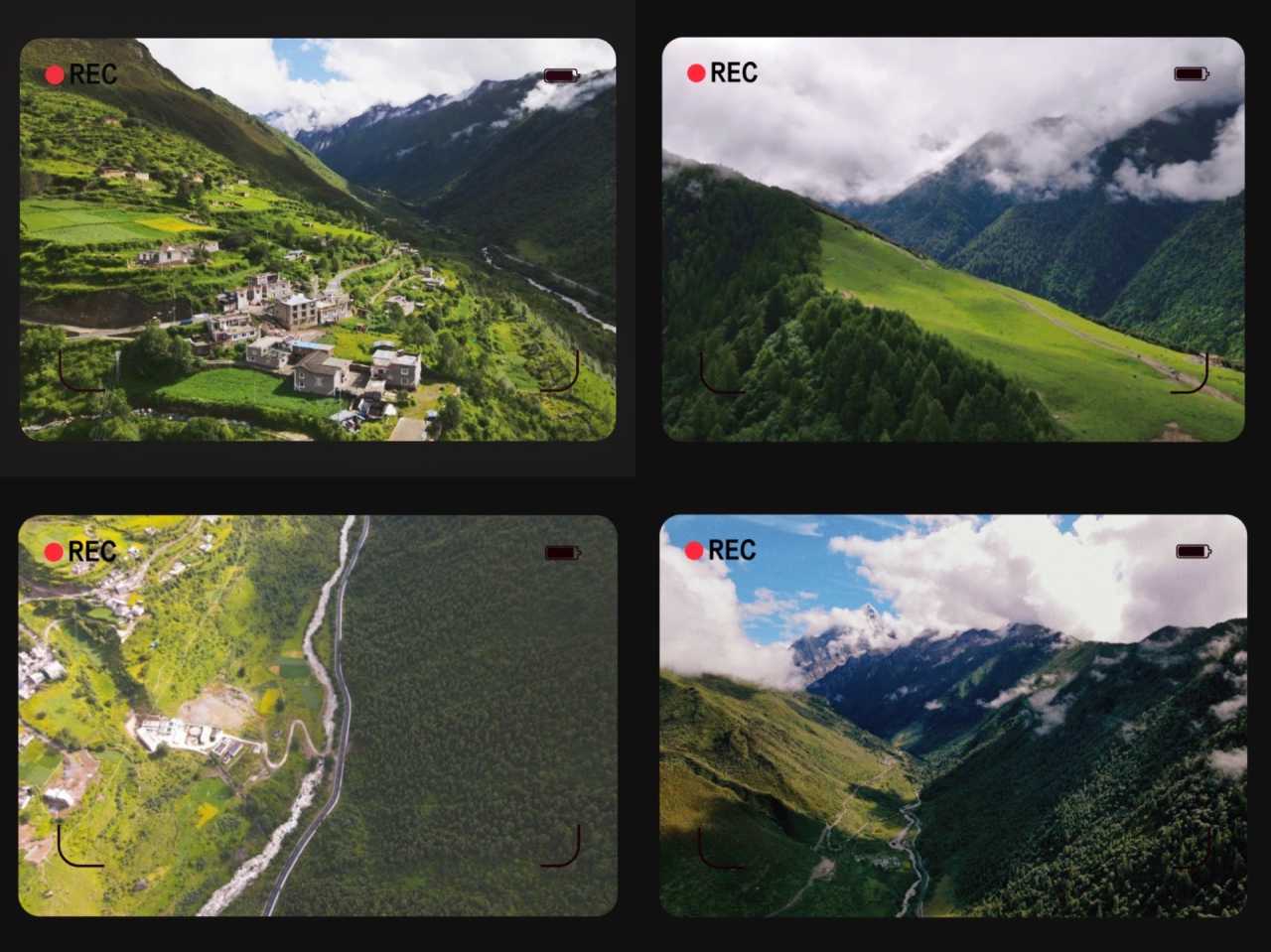
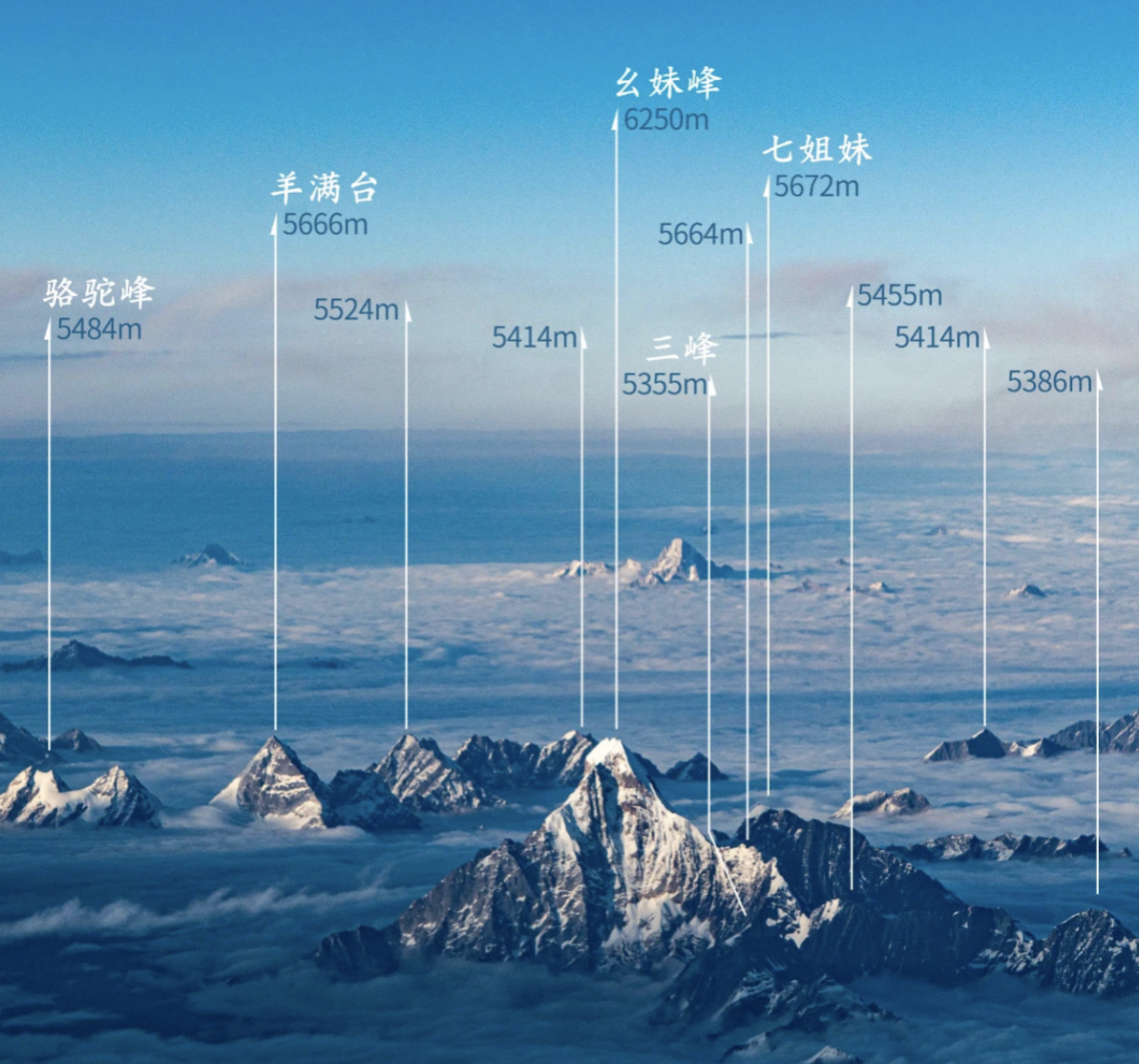
Mount Siguniang is located in Xiaojin County, Ngawa Tibetan and Qiang Autonomous Prefecture, Sichuan Province, and belongs to the Qionglai Range of the Qinghai-Tibet Plateau. The four peaks stretch from north to south: Dafeng (5,355 meters), Erfeng (5,454 meters), Sanfeng (5,664 meters), and Yaomei Feng (6,250 meters). Yaomei Feng is the second-highest peak in Sichuan, second only to Mount Gongga, and is known as the "Queen of Sichuan Mountains." It stands in distant view of the "King of Sichuan Mountains," Mount Gongga—a king and queen guarding the land of western Sichuan.
From a high vantage point, the full panorama of Mount Siguniang unfolded before us. Alpine meadows, primeval forests, glacial lakes... it encompassed almost every vision of beauty I had ever imagined. Yaomei Feng was particularly elegant, set against the blue sky and white clouds, like melting ice cream at the corner of a young girl's mouth in midsummer—gentle and refined. Sunlight spilled over the peaks, shimmering brilliantly, while snow and colorful forests created a dreamlike patchwork that stirred the soul.
[Link: Mount Siguniang vs Mount Gongga: Which peak to visit?]
Chapter Three: Shuangqiao Valley—The Embodiment of Paradise on Earth
Three Valleys, Three Charms
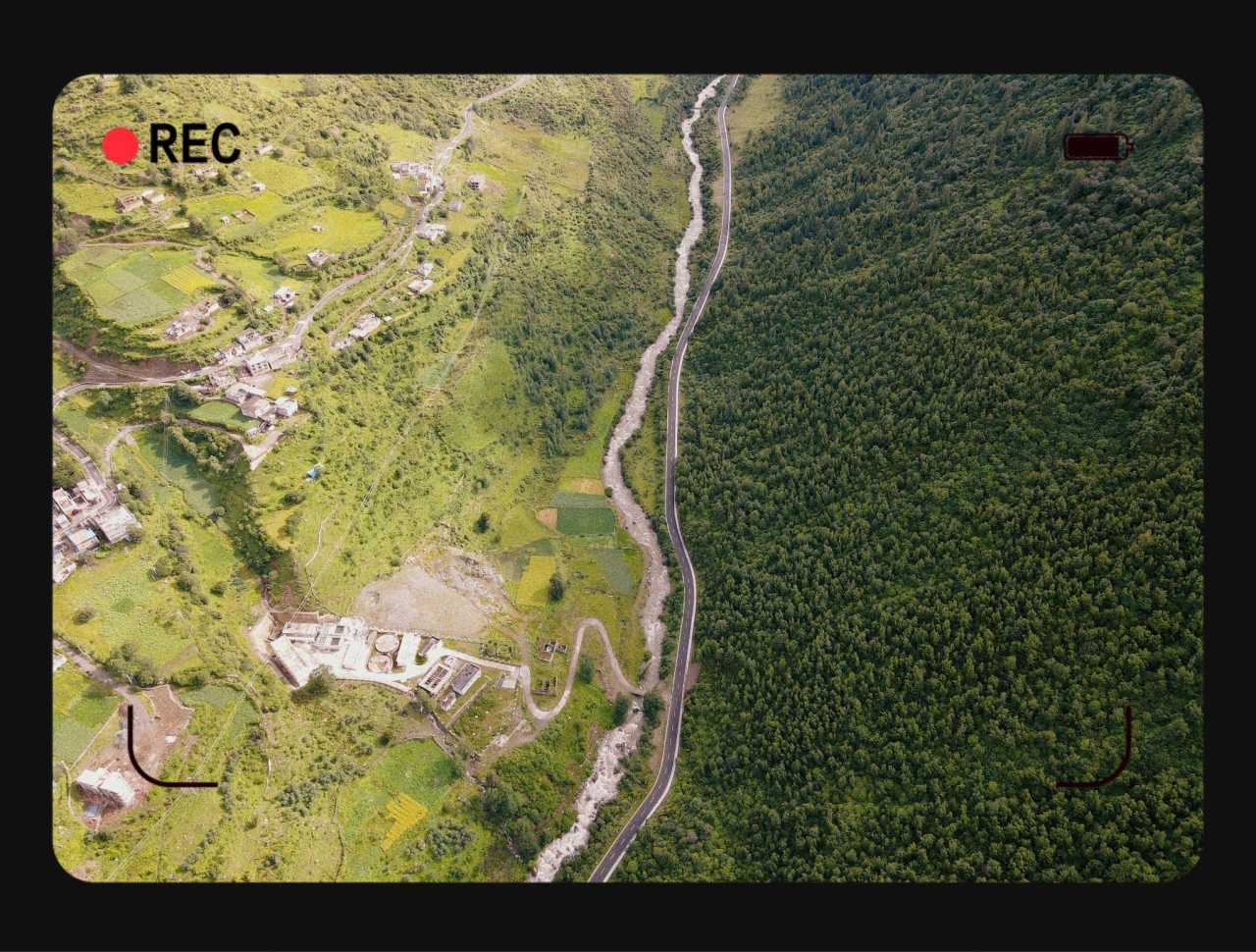
The Mount Siguniang scenic area mainly features three valleys: Changping Valley, Haizi Valley, and Shuangqiao Valley. Changping Valley preserves the most pristine ecology, dense with ancient cypresses and pines. Haizi Valley offers an up-close experience of the majestic snow mountains, with alpine meadows and lakes embedded like emeralds. Shuangqiao Valley, the most developed of the three, has a sightseeing bus service and takes about three to four hours to explore, offering the most concentrated scenic spots.
We chose Shuangqiao Valley. The valley is flanked by mountains on both sides, yet each mountain is distinct; everywhere you look, there is scenery, yet each scene is unique. From birch and poplar forests in the lower altitudes to spruce, fir, and larch at higher elevations, and then to thickets of sea buckthorn, shrubs, and deciduous trees—it felt like a botanical museum created by nature.
Bonsai Beach: The Miracle of Life That Refuses to Fall
About a mile into the valley from Wuse Mountain, the peaks gradually recede, and the valley widens. Before us appeared a peculiar sight: thousands of ancient sea buckthorn trees, some twisted, some stretching in odd directions, possessing both the ruggedness of old pines and the elegance of garden bonsai. This is one of the eight scenic wonders of Shuangqiao Valley—Bonsai Beach.

Why do these sea buckthorn trees remain standing even after death? The answer lies in the silt deposited by mountain floods, which blocked and diverted the river, drowning the trees that originally grew on dry land. However, the stream water is rich in calcium compounds. Before drowning, the trees absorbed as much calcium as possible, which petrified their trunks. The result is a surreal forest of "stone trees"—dead yet standing, resilient and eternal.
[Link: Shuangqiao Valley hiking guide and tips]
FAQ: Planning Your Mount Siguniang Adventure

1. How long does it take to drive from Chengdu to Mount Siguniang?
 The drive covers approximately 200 kilometers and takes about 4–5 hours, depending on traffic and weather conditions. The route includes mountain roads, so plan for extra time during peak seasons or rainy weather.
2. What is the best time of year to visit Mount Siguniang?
 The ideal seasons are spring (April–May) for wildflowers, autumn (September–November) for vibrant foliage, and winter (December–February) for clear skies and snow-covered peaks. Summer (June–August) is lush but can be rainy and foggy.
3. Which valley should I visit first—Shuangqiao, Changping, or Haizi?
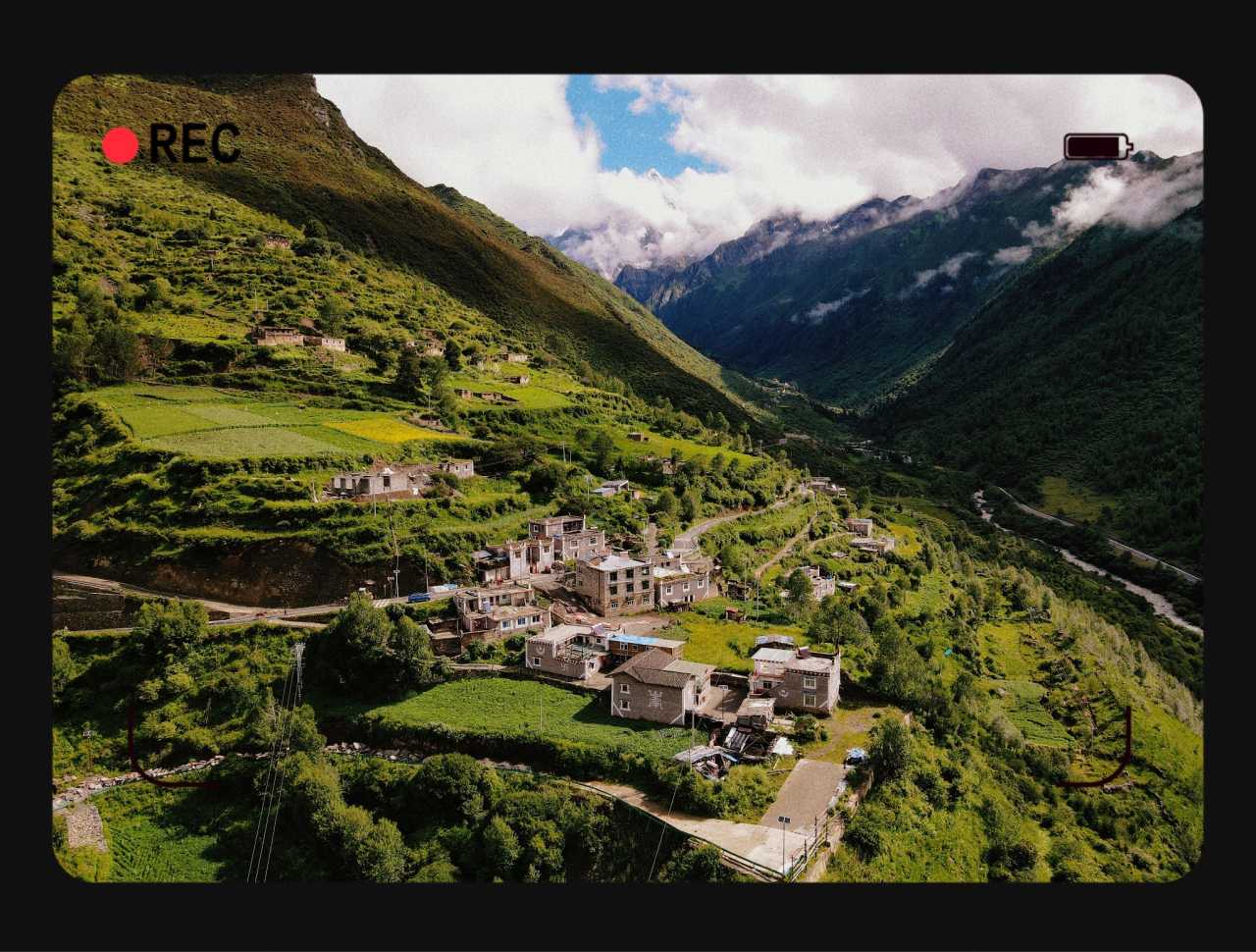 Shuangqiao Valley is the most accessible with a sightseeing bus, perfect for first-timers or those with limited time. Changping Valley suits trekkers seeking untouched nature, while Haizi Valley offers close-up views of snow peaks and alpine lakes.
4. Do I need altitude sickness precautions for Mount Siguniang?
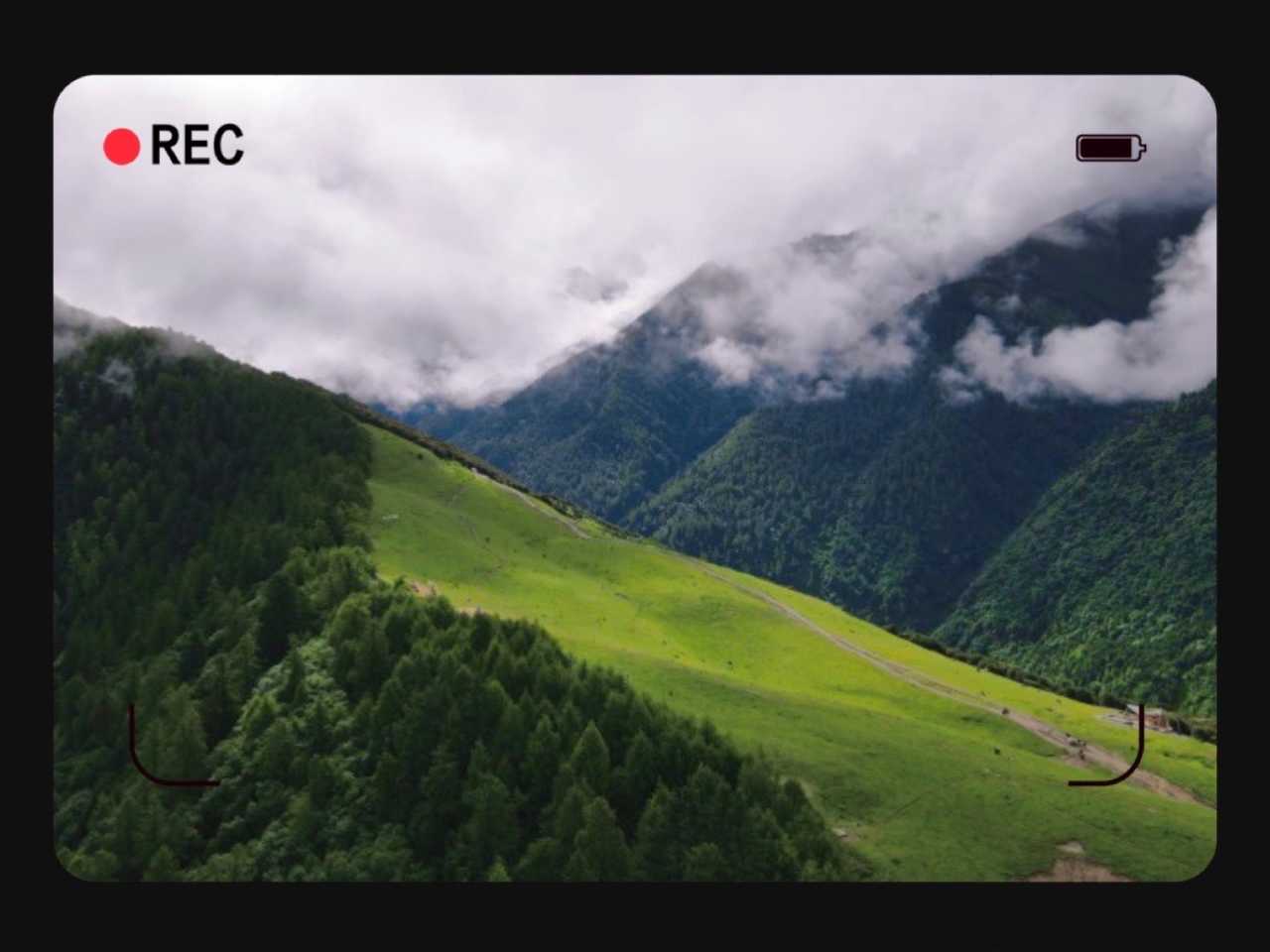 Yes. The scenic area starts around 3,000 meters, and Yaomei Feng reaches 6,250 meters. Acclimatize in Chengdu (500m) first, stay hydrated, avoid alcohol, and consider bringing altitude sickness medication. If you feel dizzy or short of breath, descend immediately.
5. Can I visit Mount Siguniang without a car?
Yes. Public buses run from Chengdu's Chadianzi Bus Station to Xiaojin County, with stops at Siguniangshan Town. Alternatively, join a guided tour from Chengdu. However, a car offers flexibility to stop at viewpoints like Yingxiu Town and along the mountain roads.

[Link: Western Sichuan road trip packing checklist]
Conclusion: A Spiritual Encounter That Stays Forever
As the sun set behind Yaomei Feng, painting the sky in shades of orange and purple, I realized that this journey was more than just a road trip. It was a spiritual encounter—a reminder that beauty exists in the wild, in the resilience of petrified trees, in the calm of alpine meadows, and in the unshakable presence of the "Queen of Sichuan Mountains."
Whether you seek adventure, solitude, or simply a break from the chaos of modern life, Mount Siguniang offers a sanctuary. The 200 kilometers from Chengdu are not just a distance; they are a transformation—from the buzz of city streets to the silence of snow-capped peaks, from the weight of everyday worries to the lightness of being in nature.
Your Turn: Have you visited Mount Siguniang or any of its valleys? What was your most memorable moment? Share your story in the comments below—or better yet, start planning your own journey. The mountains are waiting.
[Link: Book your Mount Siguniang tour]
[Link: Download our Western Sichuan travel planner PDF]
Note: This article is based on a first-hand account from a road trip to Mount Siguniang. All factual details—including distances, altitudes, and scenic descriptions—are accurate as of the original source. For the latest travel advisories and park regulations, check the official Mount Siguniang website before your trip.
You may also like


