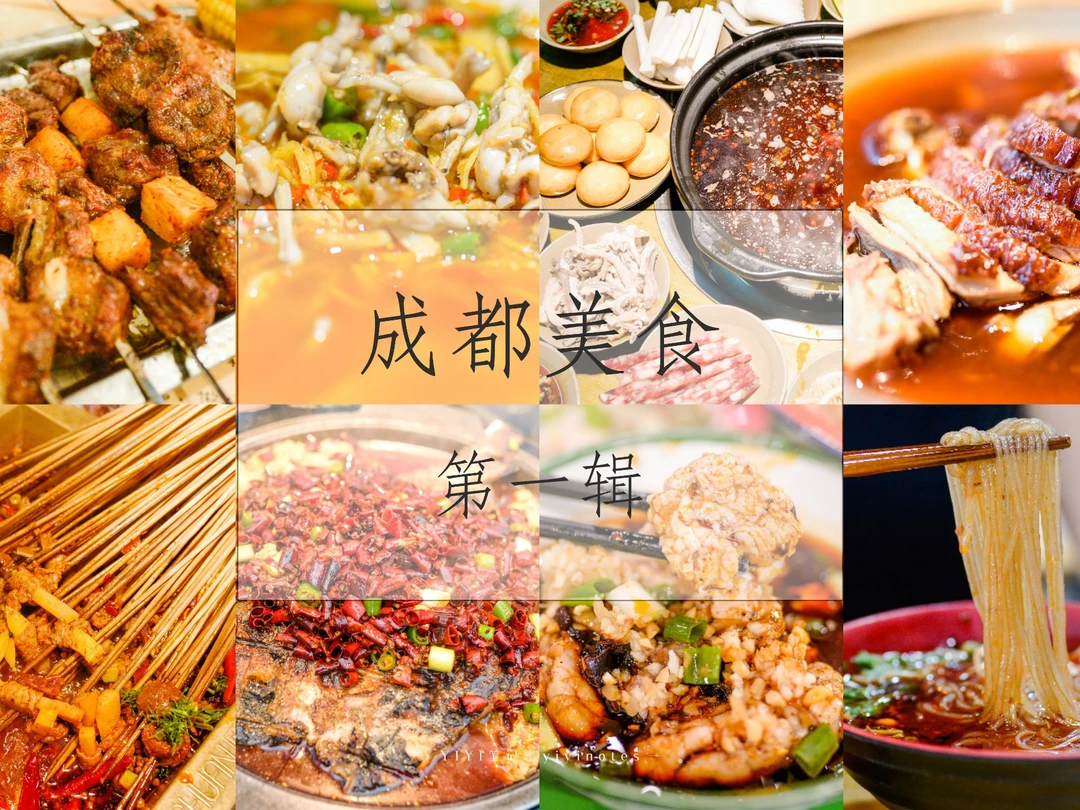
Yulin: Chengdu's Softest Underbelly, Where the City's Soul Resides
Meta Description: Discover Yulin, Chengdu's most authentic neighborhood. From the legendary Little Bar to the bustling Yulin Comprehensive Market, explore where locals live, eat, and create. Your ultimate guide to Chengdu's real soul.
If you ask a Chengdu local where the most captivating part of the city lies, nine times out of ten they'll tell you — Yulin.
Not Kuanzhai Alley. Not Jinli. Not Taikoo Li. Those places belong to tourists. Yulin belongs to everyone who truly lives in this city.
In the autumn of 2009, I moved from Chongqing to Chengdu for school, and stayed for nine years. During that time, I traveled to over a dozen countries, visited hundreds of cities, and wrote more than a hundred thousand words of travel notes — yet I never wrote a single word about Chengdu. It wasn't that I didn't want to. It was that I knew it too well, so well that I didn't know where to begin.
Until this year, when I finally decided to put pen to paper. The first piece is dedicated to Yulin — Chengdu's most authentic neighborhood, its cultural heart, and its hidden gem for food, music, and local life.
Why Yulin is Chengdu's Most Authentic Neighborhood
Yulin is not a tourist trap. It's a living, breathing residential district where Chengdu locals have built their lives for decades. Unlike the polished facades of Taikoo Li or the curated nostalgia of Kuanzhai Alley, Yulin offers raw, unfiltered Chengdu culture. It's where you'll find Chengdu's best street food, its liveliest vegetable market, and its most iconic music venues.

If you're looking for things to do in Chengdu off the beaten path, Yulin should be at the top of your list.
Little Bar: A Time Machine to a Golden Era
When talking about Yulin, you can't avoid Little Bar (小酒馆). Zhao Lei's song Chengdu turned this place into an internet-famous check-in spot, but honestly, that song never captured the Yulin in my heart.
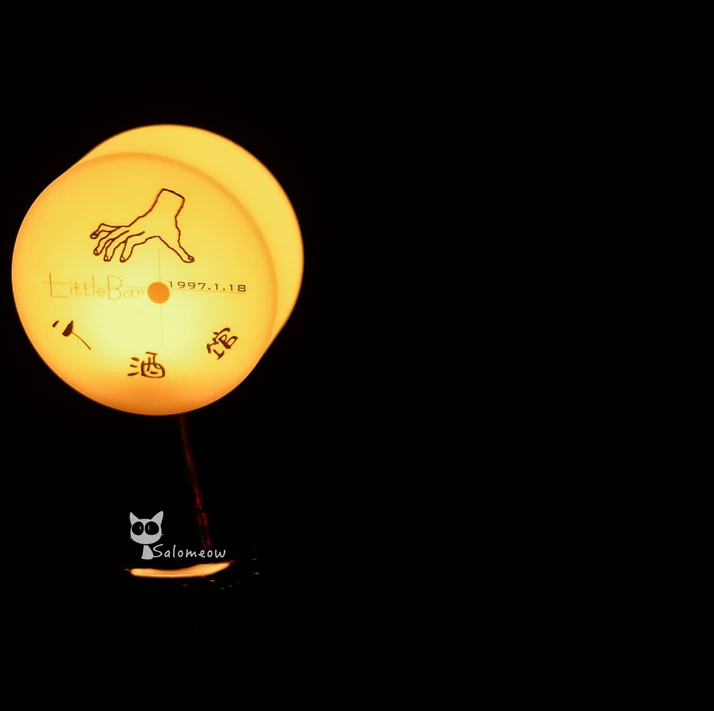
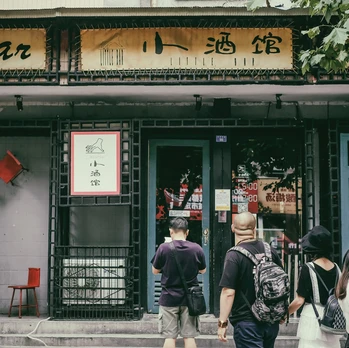
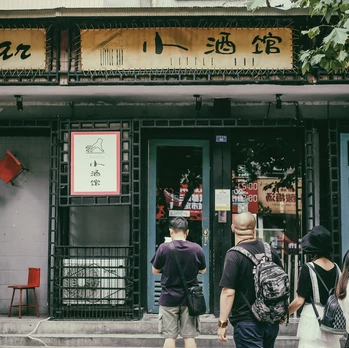
On Yulin West Road, a sketch of a hand with exaggeratedly bent fingers has hung for 21 years. Today, the crowd outside Little Bar is thick enough to block the street — most people queue up for a photo outside and then hurry away, while a smaller group pushes through the door to take selfies at the bar.
But Little Bar was never a 4A-grade scenic spot.
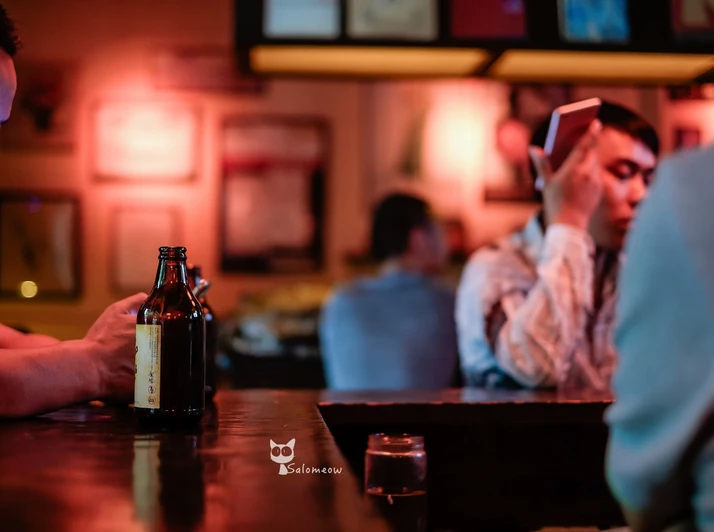
It has grown, flesh and blood, in Chengdu for 21 years, witnessing both the past and unfolding stories of contemporary Chinese art. Every day at 3 PM when the doors open, the dim yellow lighting, posters on the walls, photographs, and hand-drawn sketches pull you back to that most captivating golden era — not just of Sichuan, but of all China.
The History of Little Bar: From Artist's Living Room to Rock 'n' Roll Sanctuary
In 1997, at No. 55 Yulin West Road, a bar that was up for transfer was taken over by Tang Lei and transformed into "Little Bar." This old house, about 70 square meters, housed some of the most important figures in contemporary Chinese art: Zhang Xiaogang, Zhou Chunya, He Duoling, Ye Yongqing... Back then, they painted during the day and spent their evenings at Little Bar.
Later, Little Bar evolved from an artist's living room into a base for original bands. That unremarkable little stage became a sacred space. Long-haired rock-and-roll youth with nowhere to perform would drink plain water if they couldn't afford alcohol, sweating it out as they left their passion for original music at Little Bar. And so, Little Bar became the "underground Chengdu" of that era, and Tang Lei became Chengdu's "rock 'n' roll nanny."
This was where Sound Toys and Asura had their first performances, where Qiu Ye once broke a bass string, where Zhou Yunpeng performed while still dating Lü Yao, where Zhang Chu would come to Chengdu for a drink, and where Mr. Sea Turtle settled after moving to Chengdu. Zhao Lei, traveling all the way from Lhasa, worked here as a bartender, writing Train to Beijing and Biting Spring before he ever sang Chengdu. Yu Kewei, before she joined Super Girl, also performed here with her COCO band.
Low Kus, Mosaic, Escape Plan, Re-Chaobo, Secret Action... so many bands you can name are connected to this place.
Ye Yongqing once wrote: "Under Chengdu's gray, hazy sky, only Little Bar's light has always stayed on. As time slips away, half of our lives have irredeemably vanished, and people have long since started new lives completely different from the past..."
So when you go to Little Bar, take a good look at it. Its name was chosen by Shen Xiaotong, its logo was drawn by Qiu Anxiong, and its exterior was designed by Liu Jiakun. The way it looks now carries the flavor of that golden age.
[Link: Best live music venues in Chengdu]
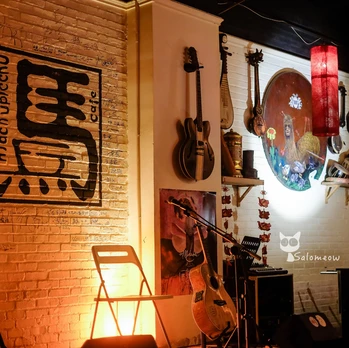
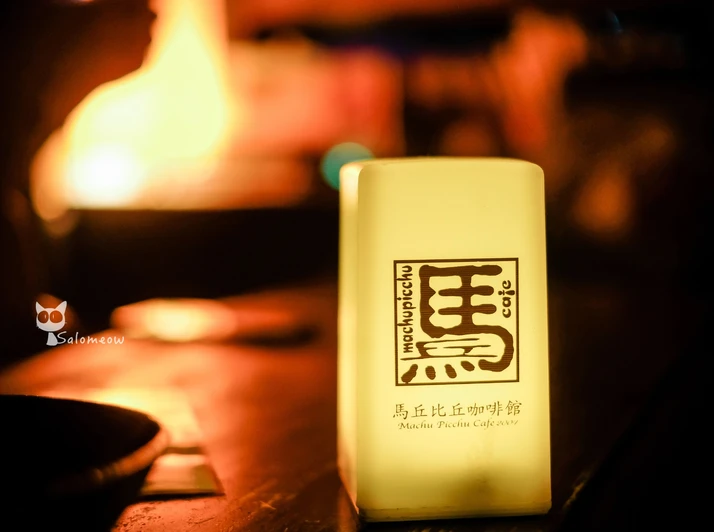
Machu Picchu: A Secret Sanctuary for Folk Music Lovers for Fifteen Years
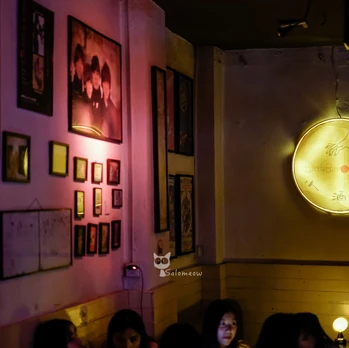
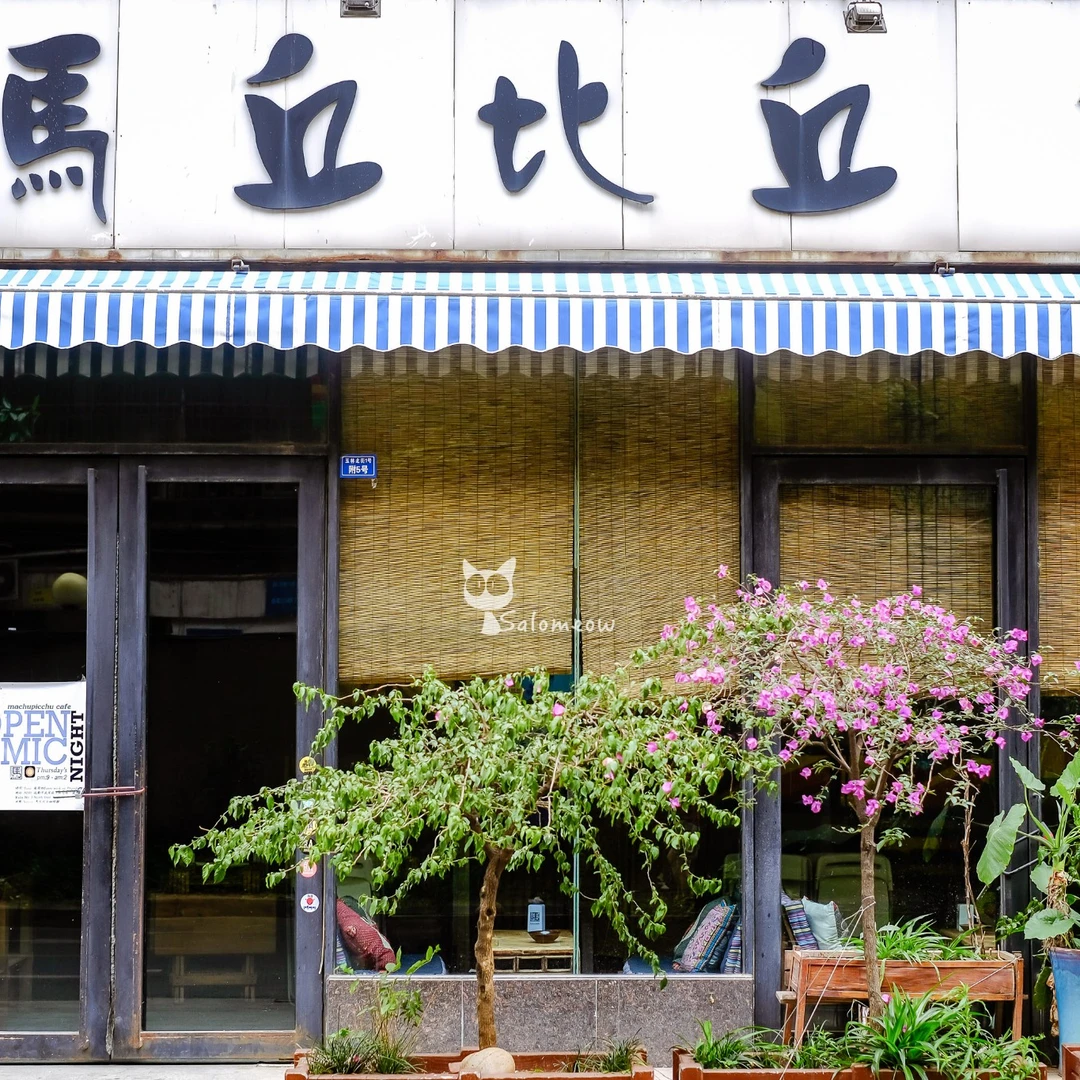
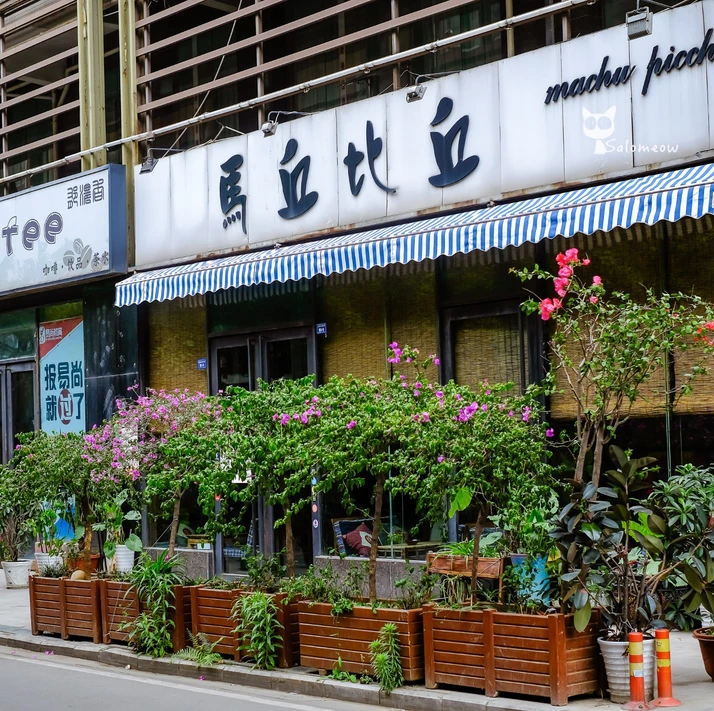
Compared to Little Bar's widespread fame, I have a soft spot for Machu Picchu on Yulin North Street.
Zhou Fei, a Chengdu native, created a space with no particular style on the first floor of a residential building. The decor isn't fancy — it doesn't even feel cohesive. The sofas and tables were handmade by Zhou Fei and his friends, the paintings on the walls were done by foreign friends, and the menu offers both alcohol and milk. Stay sober and listen to the music; get drunk and sing along.
Zhao Lei sang Chengdu here. Zhao Muyang sang Yellow River Ballad. Shu Zi sang Old Years...
What Makes Machu Picchu Special: Open Mic Night and Acoustic Vibes
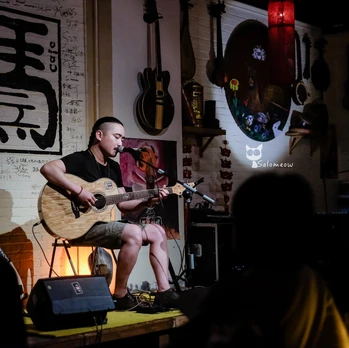
The most interesting thing about Machu Picchu is Thursday night's Open Mic Night. Musicians from all over the world, from all walks of life, bring their prepared acts — singing, playing instruments, telling stories, or dancing — and showcase their talents on stage. This idea originally came from the "Earth Hour" lights-off event, but Zhou Fei turned it into Machu Picchu's most anticipated moment.
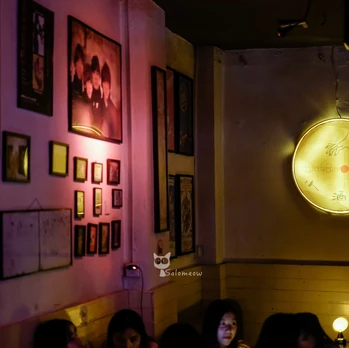
While most bars are still bouncing with EDM, belting out tunes, and half-nakedly waking the city up, Machu Picchu's quiet acoustic performers lure you with their fingertips to stay a while. No dice games, no drinking contests. The singer plays softly on stage, and you rest your chin in your hands and listen from your seat — just right.
[Link: Chengdu folk music scene guide]
Yulin Comprehensive Market: The Perfect Footnote to Life's Bustling烟火
Who was it that said: If a person feels utterly hopeless and contemplates the unthinkable, send them to a vegetable market.
Yulin Comprehensive Market is a building of modest size. Inside, it's a riot of colorful, fresh fruits and vegetables; outside, it's wrapped in the aroma of cooked foods and flower shops. It's the engine of this neighborhood. Starting early each morning, you hear the vendors' clear greetings. No aggressive haggling — just familiar exchanges like, "Two buns as usual, right?"
Nobody here follows trends either. Today's queue might be at the steamed bun shop; tomorrow's might be at the braised meat stall. If you like something, come early, stand in line, and chat with your neighbors about the latest gossip or news.
Compared to the trendy internet-famous shops just one street away, the Comprehensive Market is the most human part of old Yulin.
What to Eat at Yulin Comprehensive Market
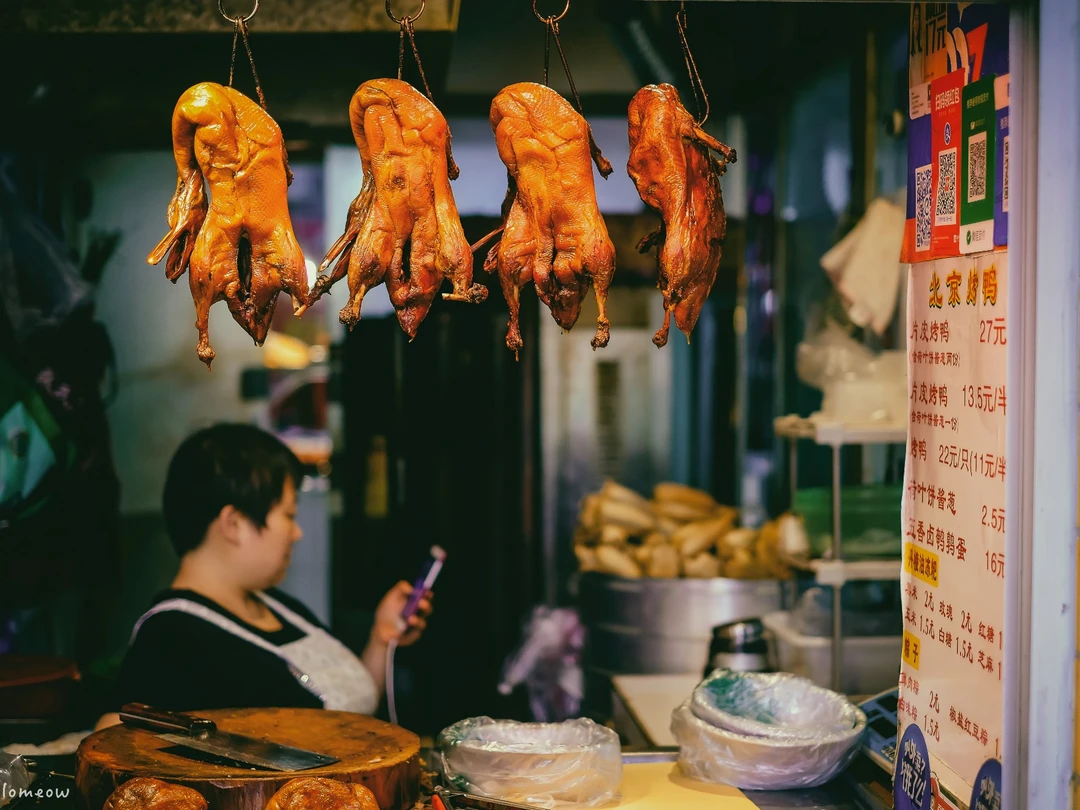
That vegetable seller knows your name because you've bought from him a few times, and he always peels the winter melon for you. That couple selling cooked food will pick up a freshly marinated crucian carp and tell you the best way to eat it. When you buy ribs and tomatoes, the boss throws in a few spring onions as a bonus. The freshly baked sweet-skin duck comes with the guarantee of a Leshan-accented owner's hometown flavor. The bubbling pot of braised spices outside the tripe shop is fired up again, its aroma drifting over walls and across the street. As for roast chicken, roast goose, and roast duck, the drumsticks are all neatly lined up, pointing skyward like the honor guard at Tianfu Square's New Year's flag-raising ceremony.
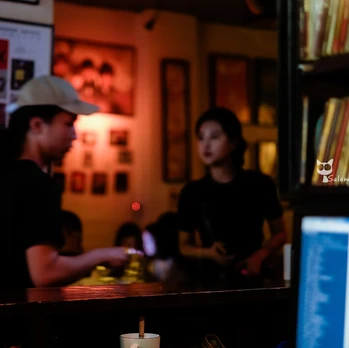
During the day, the square in front of the Comprehensive Market gathers the oldest residents of the neighborhood. They play cards, chess, chat, and brag about their grandchildren, dispersing at noon and evening only to gather again. Interactions here are simple — the elderly women can tell at a glance whether you're a long-time resident or not. If you're new, they'll quietly let you know which stall has fresher vegetables and which has better meat. It's the kindness they habitually offer in the day-to-day life of Yulin's meals.
You could say that aside from museums, vegetable markets are my favorite places to visit. Sure, there's the occasional chaos — chickens flying, mud splashing — but here you find the essentials for sustaining life. Its genuine liveliness and warmth let me see what real living looks like.
[Link: Best street food in Chengdu]
Chen Ji Egg Pancake: A Taste of Childhood Memory Passed Down
Compared to today's He Ji, Lu Ji, Gao Ji, and other so-called old-school Chengdu egg pancakes (蛋烘糕), Chen Ji is a shared memory for most of Chengdu's post-80s generation. After tasting theirs, all other egg pancakes become mere compromises.
Chen Ji Grandpa and Grandma Egg Pancake has been serving Yulin for decades. Their recipe is a closely guarded family secret, passed down through generations. The pancake itself is light, airy, and slightly sweet — a perfect vessel for savory or sweet fillings. Whether you choose pickled vegetables, shredded pork, or sweet bean paste, each bite is a trip back to childhood.
If you're looking for where to eat in Yulin, Chen Ji is a must-try. It's not flashy. It's not Instagram-worthy. But it's real, it's delicious, and it's a taste of Chengdu's culinary heritage.
[Link: Traditional Chengdu snacks guide]
Frequently Asked Questions About Yulin, Chengdu
1. Is Yulin worth visiting in Chengdu?
 Absolutely. Yulin is Chengdu's most authentic neighborhood, offering a genuine local experience far from tourist crowds. It's home to iconic music venues, a vibrant food market, and some of the city's best street food.
2. How do I get to Yulin from downtown Chengdu?
 Yulin is located in the Wuhou District, easily accessible by metro (Line 1 or Line 3) or taxi. It's about 20 minutes from the city center.
3. What is the best time to visit Yulin?
 Visit during the morning to experience the Yulin Comprehensive Market at its liveliest, then head to Little Bar or Machu Picchu in the evening for live music. Weekdays are less crowded than weekends.
4. What should I eat in Yulin?
 Don't miss Chen Ji Egg Pancake for a classic Chengdu snack, and explore the Yulin Comprehensive Market for fresh produce, braised meats, and local specialties like sweet-skin duck and crucian carp.
5. Is Little Bar still a good place to visit?
Yes, despite its fame from Zhao Lei's song, Little Bar remains a living piece of Chengdu's music history. It's worth visiting for the atmosphere, the history, and the chance to catch a live performance.
Conclusion: Why Yulin is the Heart of Chengdu
Yulin isn't a tourist attraction. It's a living, breathing community where the past and present coexist effortlessly. From the hallowed stage of Little Bar to the bustling aisles of the Comprehensive Market, from the intimate acoustic sets at Machu Picchu to the nostalgic taste of Chen Ji's egg pancakes — Yulin is where Chengdu's soul truly resides.
If you're planning a trip to Chengdu, don't just hit the highlights. Spend a day in Yulin. Walk its streets. Eat its food. Listen to its music. Talk to its people. You'll leave with a deeper understanding of what makes this city so special.
Ready to explore Yulin? Book your Chengdu trip today and make sure Yulin is at the top of your itinerary. Whether you're a music lover, a foodie, or a culture enthusiast, Yulin has something for you.
[Link: Chengdu travel itinerary planning] [Link: Best neighborhoods to stay in Chengdu]
Have you visited Yulin? Share your experience in the comments below, or tag us in your photos on social media. We'd love to see your Yulin adventure!
You may also like