Winter Road Trip from Lijiang to Daocheng: A Photographer’s Private Journal & SEO Guide
Meta Description: Discover the ultimate winter photography road trip from Lijiang to Daocheng Yading. This SEO-optimized guide covers hidden spots, altitude tips, and camera settings for capturing snow mountains and starry skies.
Introduction: Why a Winter Road Trip from Lijiang to Daocheng Belongs on Your Bucket List
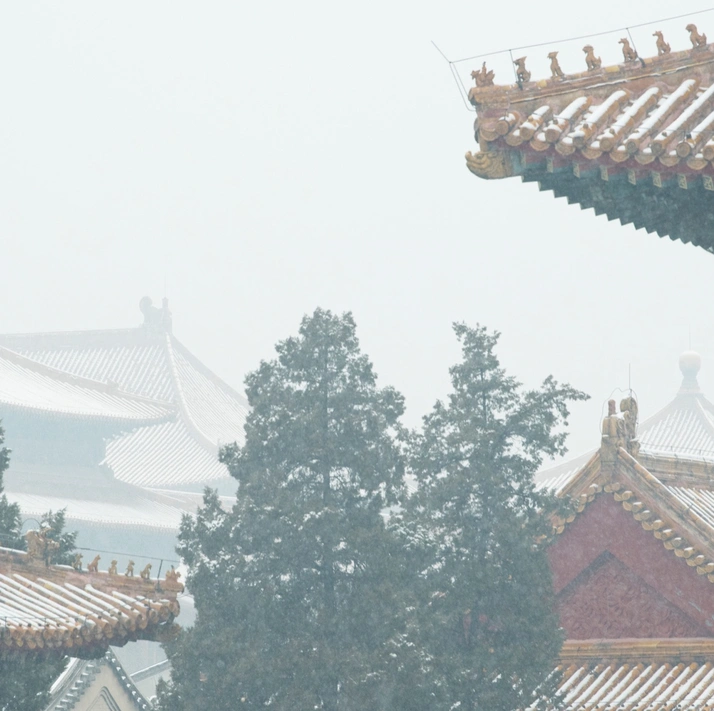
In January 2020, after several snowfalls blanketed Beijing, I found myself standing at the floor-to-ceiling windows of Daxing Airport. Watching ground crews push long trails through snow on the runway, a question surfaced: What is the best thing I own? The answer wasn’t a camera or a ticket. It was possibility.
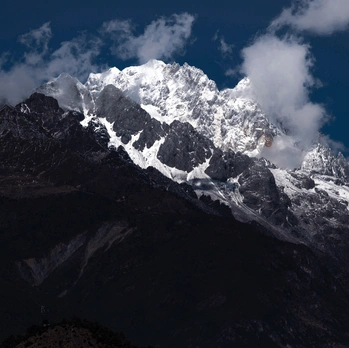
That possibility led me to book a spontaneous flight on a friend’s whim: “Winter exclusive: the entire Daocheng Yading scenic area, all to yourself—a private tailor-made experience.” From Lijiang, we drove through Shangri-La, crossed mountains, and kept a rendezvous with snow-capped peaks and starry skies.
This wasn’t my first time in Lijiang or Daocheng. But over a decade ago, before I picked up a camera, my understanding of photography was stuck at “taking pictures.” This time, I brought a Sony RX100 VII and a portrait photographer friend named Jiao Jiao. We planned to retrace this route with fresh eyes.
What you’ll learn in this guide: - The best photography spots from Lijiang to Daocheng - How to avoid altitude sickness while shooting - Hidden gems like Yuhu Village and Wenhai Lake - Camera settings for winter landscapes
[Link: Best Winter Photography Destinations in China]
Lijiang Photography Spots: First Glimpses at the Foot of the Snow Mountain

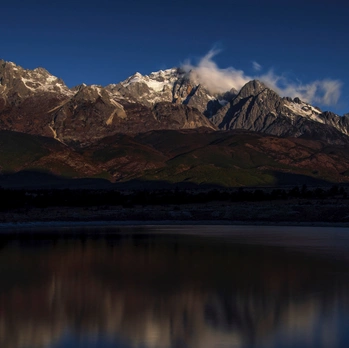
Yuhu Village: Chasing a Belated Snow Mountain Reflection
Why visit: A 20-minute drive from Lijiang Old Town brings you to Yuhu Village. This village entered the public eye thanks to American explorer Joseph Rock, who lived here for over 20 years. His photographs in National Geographic revealed the legendary Shangri-La.
How to get there: Search “Yuhu” on your navigation app. After leaving the paved road, you’ll encounter a short gravel stretch—manageable for any car. Parking is free.
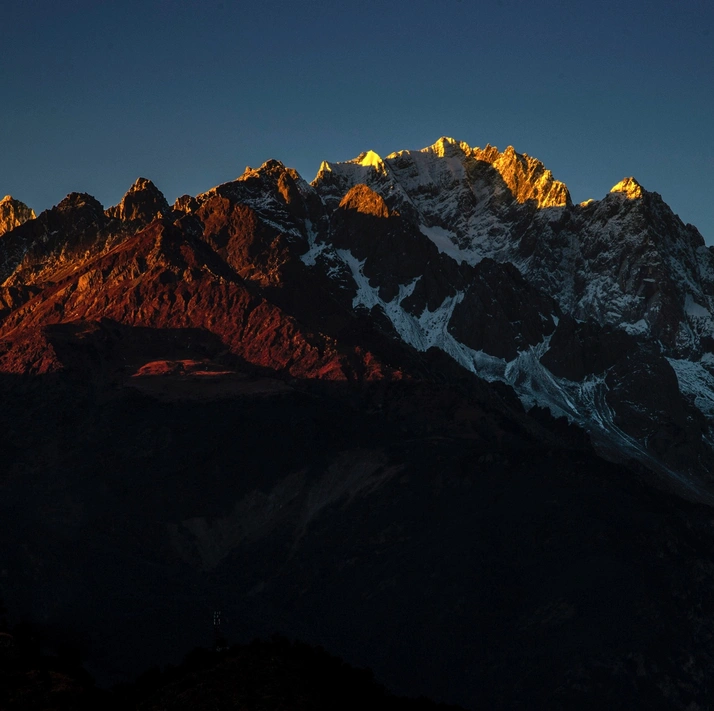
Photography tip: The lake is modest in size with a wooden boardwalk. Follow it to the opposite side of Jade Dragon Snow Mountain for the perfect reflection shot. A solitary tree stands in the middle—in winter, stripped of color, it evokes the Wanaka tree in New Zealand.
Best time: Sunrise or sunset. Many local couples come for wedding photos—a testament to its charm.
Camera settings: Use a polarizing filter to reduce glare on the lake. ISO 100, aperture f/8-f/11 for maximum sharpness.
[Link: How to Photograph Snow Mountain Reflections]
Wenhai: A Pristine Winter Exclusivity
Why visit: From Yuhu, circle around the back of Jade Dragon Snow Mountain via a winding mountain road (over an hour). Pass Baisha Ancient Town and Fuguosi Temple—a Tibetan Buddhist temple free of tourists and admission.
What to expect: Wenhai is a high-altitude lake. In winter (the wet season), water levels peak. The water is vivid blue, contrasting with yellow meadows and pristine white snow. The palette is simple yet comforting.
Photography tip: The wind is strong, creating restless water surfaces. This gives shots a cinematic quality. After circling most of the lake, find a small path between villages on the eastern shore leading directly to the water’s edge—excellent for Japanese-style portraits.
Heads-up: In winter, surrounding farmhouses and inns are closed. Stock up on water and snacks in the car.
Camera settings: Use a fast shutter speed (1/500s or faster) to freeze ripples. Alternatively, use a slow shutter (1/15s) for silky water effects—but bring a tripod.
[Link: High-Altitude Lake Photography Tips]
Baisha Ancient Town: A Snow Mountain Corner Store for the Soul
Why visit: Compared to Dayan and Shuhe, Baisha offers more quiet and a richer sense of ethnic culture. It’s an ancient town at the foot of the snow mountain—perfect for photography.
How to get there: Search “Baisha Murals” on your navigation. Using the village as a foreground highlights the snow mountain’s role as a guardian of the land.
Hidden gem: On the main street, a quirky café also sells vintage goods. The shop is split: one side sells vintage clothing and knick-knacks; the other serves coffee. Order a small cup of local coffee, sit in the sun, gaze at Jade Dragon Snow Mountain, and chat with the owner.
Photography tip: Use the vintage shop interior for moody, warm-toned portraits. Combine with snow mountain views for contrast.
[Link: Best Cafés in Lijiang for Photographers]
Black Dragon Pool: A Hidden Corner for Classical Portraits
Why visit: Before setting off, I wanted classical Chinese-style photos. A small shop in Dayan Ancient Town recommended Black Dragon Pool Park.
Entry: Show proof of the Old Town maintenance fee (50 RMB per person). The park isn’t large but has pavilions, towers, bridges, and flowing water.
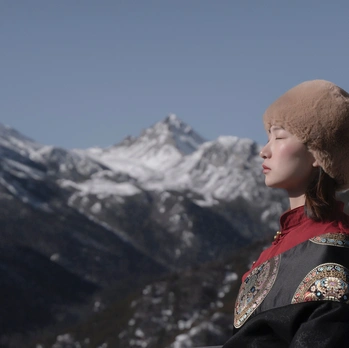
Photography tip: For classical-style portraits, makeup and styling account for about 60% of success. Beyond standard techniques, focus on details: props, body parts, clothing texture, and the surrounding environment. These indirect elements convey emotion and leave room for the viewer’s imagination.
Best time: Late afternoon for golden hour light filtering through pavilions.
Camera settings: Use a wide aperture (f/2.8-f/4) for shallow depth of field. Shoot at eye level or slightly lower for intimate portraits.
[Link: Classical Portrait Photography Techniques]
Shangri-La Photography Guide: Passing Through Your World
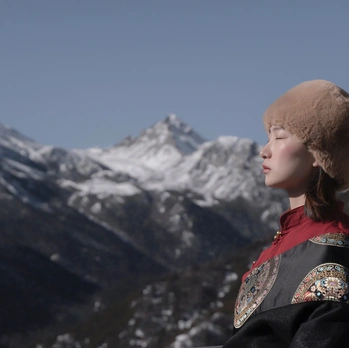
National Highway 214: Sun on the Left, Snow Mountain on the Right
Why drive this route: Bidding farewell to Lijiang, follow G214 towards Shangri-La. The entire journey takes about 3.5 hours with excellent road conditions.
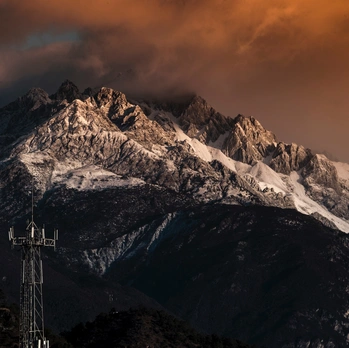
What to expect: Every kilometer or so, there’s a viewing platform. Pull over and gaze at distant snow-capped peaks. The sun is on your left, snow mountains on your right. The ever-changing scenery eases driving fatigue.
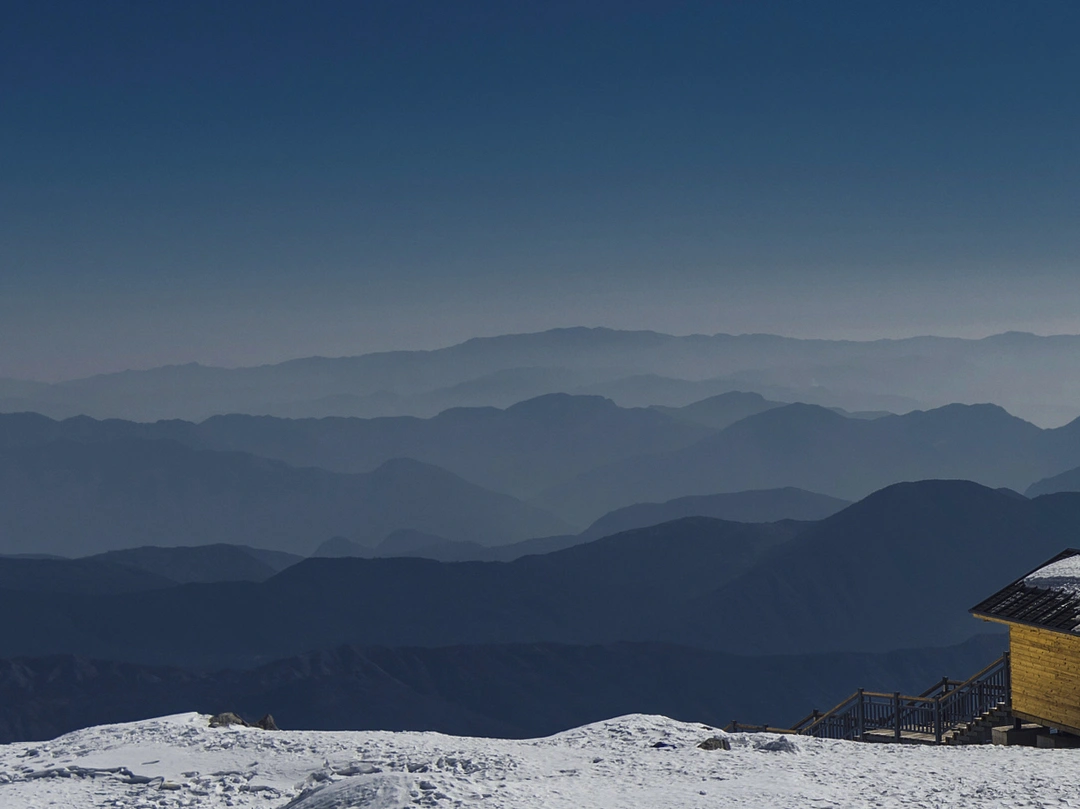
Photography tip: Use a telephoto lens (70-200mm) to compress the landscape and emphasize snow mountain layers. Shoot from the platform for foreground interest.
Stop recommendation: Upon arriving in Diqing, check into the Shangri-La Hotel in the old town. A hot shower and good sleep work wonders. Wake up, push open louvered windows, and enjoy the view of snow mountains and temples. Morning sunlight streams in. Sit on the sofa, light a cigarette, and prepare for the next 7.5-hour drive.
[Link: Best Road Trips for Photography in Yunnan]
Songzanlin Monastery: A Heart-Stopping Moment in the Morning Mist
Why visit: Songzanlin Monastery is the largest Tibetan Buddhist monastery in Yunnan and the center of the Gelug school in the Sichuan-Yunnan region.
Entry fee: During the off-season, only 60 RMB.
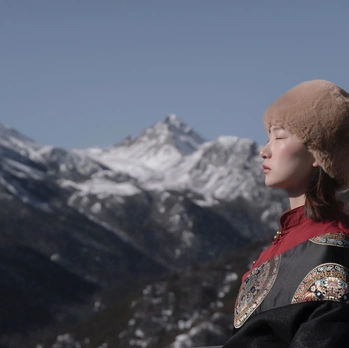
Photography tip: Arrive early for morning mist. The monastery emerges from fog like a mythical city. Use a wide-angle lens (16-35mm) to capture the sprawling complex against snow mountains. For portraits, position subjects on the steps with prayer wheels in the foreground.
Personal note: To capture this shot, I braved altitude sickness to get up early—and ended up being chased by a yak. But when you stand at the foot of a snow mountain and press the shutter, all hardship becomes worth it.
Camera settings: Use aperture priority mode (f/8-f/11) for landscape sharpness. For misty shots, underexpose by 0.7-1.0 EV to retain highlights.
[Link: Tibetan Monastery Photography Guide]
Daocheng Yading Winter Photography: The Ultimate Reward
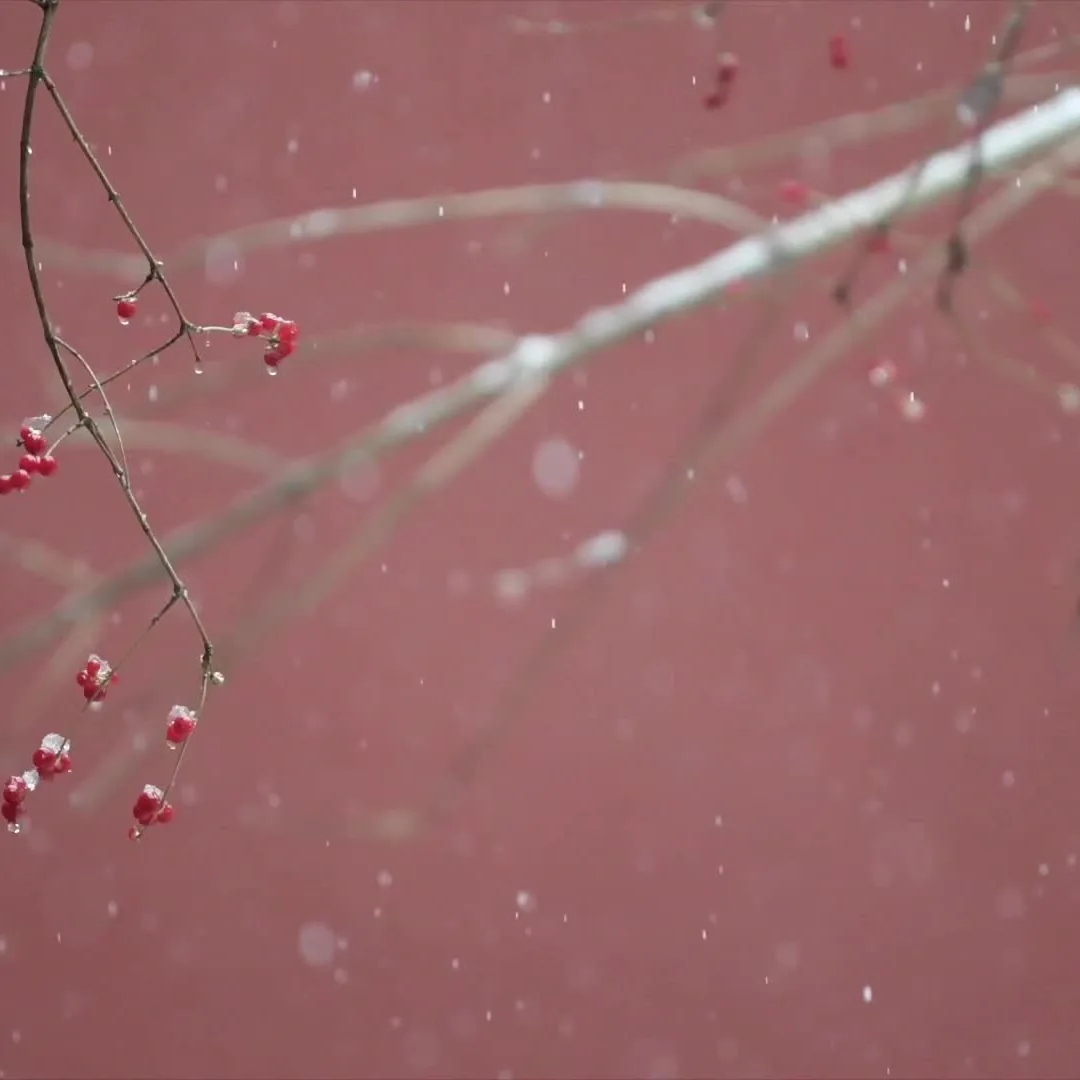
Why Winter is the Best Season for Daocheng Photography
Crowd-free experience: During winter, the entire Daocheng Yading scenic area feels like a private tailor-made experience. You can have snow-capped peaks, frozen lakes, and starry skies all to yourself.
Unique light: Winter sun angles create long shadows and golden hour that lasts longer than in summer. Snow reflects light, reducing harsh shadows.
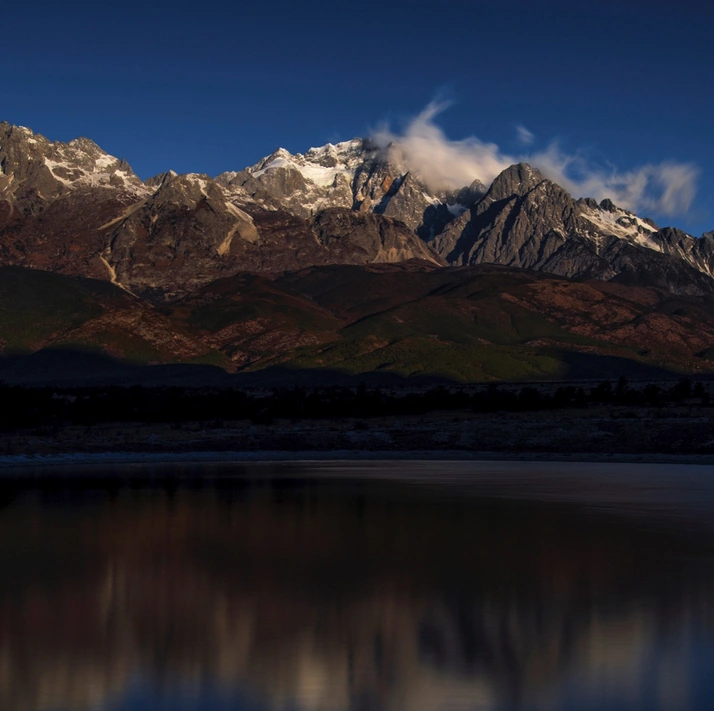
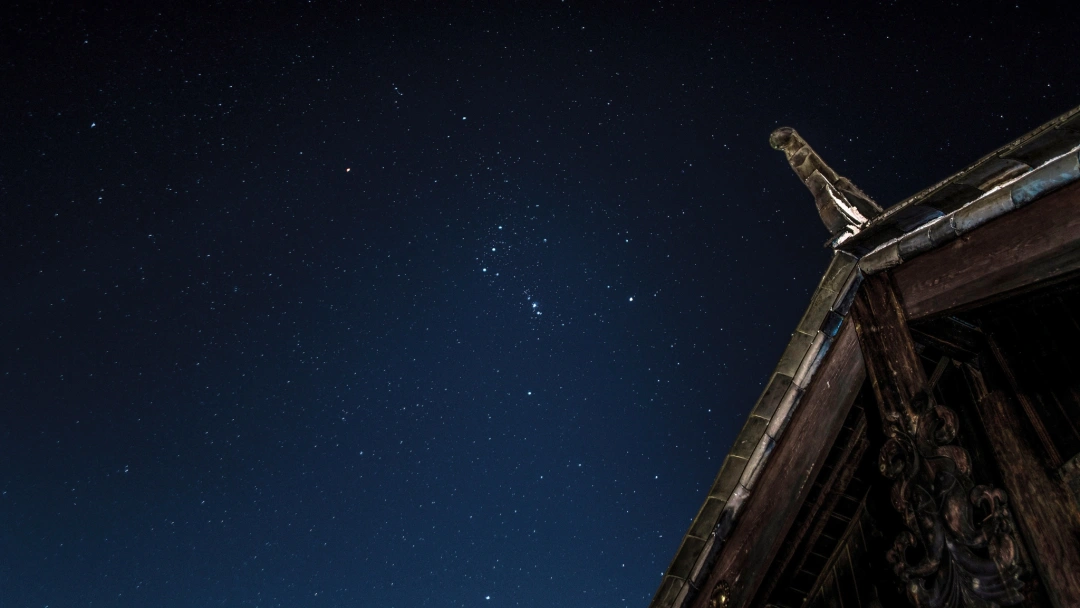
Photography tip: Bring a wide-angle lens for sweeping landscapes. Use a telephoto lens for compressed mountain views. For starry skies, bring a fast wide-angle lens (f/1.4-f/2.8) and a tripod.
Heads-up: Altitude sickness is a real concern. The memory of my last trip to Tibet was vivid and uncomfortable. But for the scenery I missed before, it was worth trying again.
Altitude sickness tips: - Acclimatize for 1-2 days in Lijiang (2,400m) before heading higher - Drink plenty of water and avoid alcohol - Carry acetazolamide (Diamox) if prescribed - Use portable oxygen canisters for emergencies
[Link: How to Avoid Altitude Sickness While Traveling]
Photography Gear Checklist for the Lijiang to Daocheng Road Trip
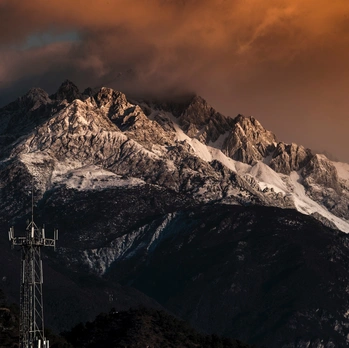
| Item | Purpose | Recommendation |
|---|---|---|
| Camera body | Main shooter | Sony RX100 VII (compact) or DSLR/mirrorless |
| Wide-angle lens | Landscapes, architecture | 16-35mm f/2.8 |
| Telephoto lens | Compressed mountain views | 70-200mm f/2.8 |
| Tripod | Long exposures, starry skies | Carbon fiber for portability |
| Polarizing filter | Reduce glare on water | Circular polarizer |
| Extra batteries | Cold drains battery | Keep in inner pocket to stay warm |
| Memory cards | Ample storage | 64GB+ per day |
| Portable charger | For phone and camera | 20,000mAh+ |
| Camera cleaning kit | Remove snow/dust | Lens pen, microfiber cloth |
[Link: Winter Photography Gear Essentials]
FAQ: Winter Road Trip from Lijiang to Daocheng
Q1: Is it safe to drive from Lijiang to Daocheng in winter?
Answer: Yes, with precautions. National Highway 214 is well-maintained and cleared of snow regularly. However, check weather forecasts before departure, carry snow chains, and drive slowly on mountain passes. Avoid driving at night.
Q2: What is the best time of day for photography along this route?
Answer: Golden hour (sunrise and sunset) is ideal. Sunrise shots work well at Yuhu Village and Songzanlin Monastery. Sunset is perfect for Wenhai Lake and Black Dragon Pool. For starry skies, aim for the new moon phase.
Q3: How do I avoid altitude sickness during the trip?
Answer: Acclimatize in Lijiang (2,400m) for 1-2 days. Ascend gradually—don’t drive directly from Lijiang to Daocheng (3,700m) in one day. Stay hydrated, avoid alcohol, and consider acetazolamide (Diamox) with a doctor’s prescription. Use portable oxygen canisters for emergencies.
Q4: What camera settings work best for snow photography?
Answer: Use aperture priority mode (f/8-f/11) for sharp landscapes. Underexpose by 0.7-1.0 EV to prevent snow from appearing gray. Use a polarizing filter to reduce glare. For action shots (like yaks), use shutter priority (1/500s or faster).
Q5: Are there any hidden fees or permits required?
Answer: Black Dragon Pool Park requires proof of the Old Town maintenance fee (50 RMB per person). Songzanlin Monastery charges 60 RMB in the off-season. Daocheng Yading has an entrance fee (check current prices). No special permits are needed for this route.
Conclusion: Your Winter Photography Adventure Awaits
From Lijiang’s snow mountain reflections to Daocheng’s starry skies, this winter road trip offers a photographer’s paradise. The journey isn’t just about arriving—it’s about the encounters, the light, and the moments that make you press the shutter.
Your next steps: 1. Book your flight to Lijiang (check winter deals) 2. Rent a car with winter tires and snow chains 3. Pack your gear using the checklist above 4. Share your photos with the community using #LijiangDaochengWinter
Call to Action: Ready to capture your own winter wonderland? [Download our free photography cheat sheet for snow landscapes] or [Book a guided photography tour] to make the most of your trip.
Final thought: When you truly love something, it can be both your armor and your Achilles’ heel. To capture a photo of Songzanlin Monastery in the morning mist, I braved altitude sickness to get up early—and ended up being chased by a yak. But when you stand at the foot of a snow mountain and press the shutter, all the hardship becomes worth it.
Safe travels and happy shooting!
You may also like


