Winter in Western Sichuan: A Four-Day Journey of Solemnity, Through Ice, Snow, and Faith
Meta Description: Explore Western Sichuan in winter: a 4-day itinerary through Jiuzhaigou, Dagu Glacier, and Xuebaoding. Discover ice-covered lakes, snow-capped peaks, and the solemn beauty of faith at 4,860 meters.
Introduction: Why Winter Is the Best Time to Visit Western Sichuan
A friend once asked me: “What’s the one wish you most want to fulfill?”
I answered without hesitation: “Travel the world—starting with China.”
“The road to Shu is harder than the road to heaven.” Li Bai’s famous line is etched into the memory of countless people, and Western Sichuan (川西) is the truest embodiment of that verse. So I decided that this winter, I would board a high-speed train and see for myself the land that the Poet Immortal once sang about.
Winter in Western Sichuan isn't just cold—it's a pilgrimage through ice, snow, and faith. The crowds vanish, the lakes freeze into mirrors, and the mountains wear a crown of silence. If you're looking for a winter road trip in Sichuan that feels both adventurous and contemplative, this four-day itinerary is your answer.
Pre-Trip Tips: How to Plan Your Western Sichuan Winter Journey
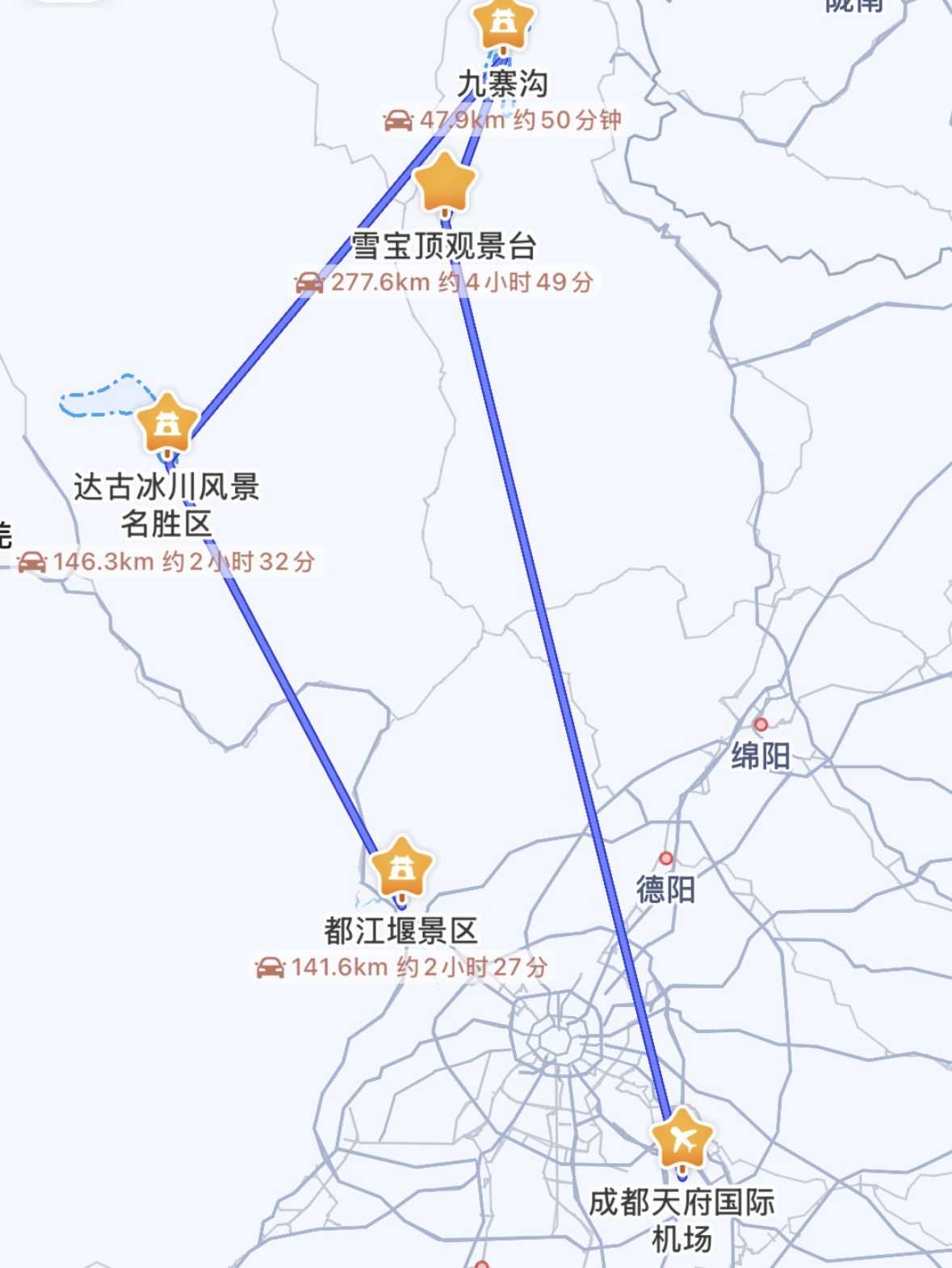
Our destination was mainly in the Aba Prefecture (阿坝州). Over four days, we followed a classic small loop route:
Four-Day Western Sichuan Itinerary
Day 1: Chengdu Tianfu Airport → High-speed rail to Huanglong Jiuzhai Station → Songpan (松潘) → Xuebaoding (雪宝顶) → Overnight near Jiuzhaigou
Day 2: Full-day Jiuzhaigou tour → Overnight in Songpan Ancient Town
Day 3: Songpan Ancient Town → Dagu Glacier (达古冰川) → Overnight in Dujiangyan
Day 4: Dujiangyan → Overnight in Chengdu
Transportation: Self-Driving in Winter
We rented a Tank 300 through a car-sharing platform (Dolphin Rentals). We picked up the car at Huanglong Jiuzhai Station on the first day and returned it at Chengdu High-Speed Rail Station on the fourth day—super convenient.
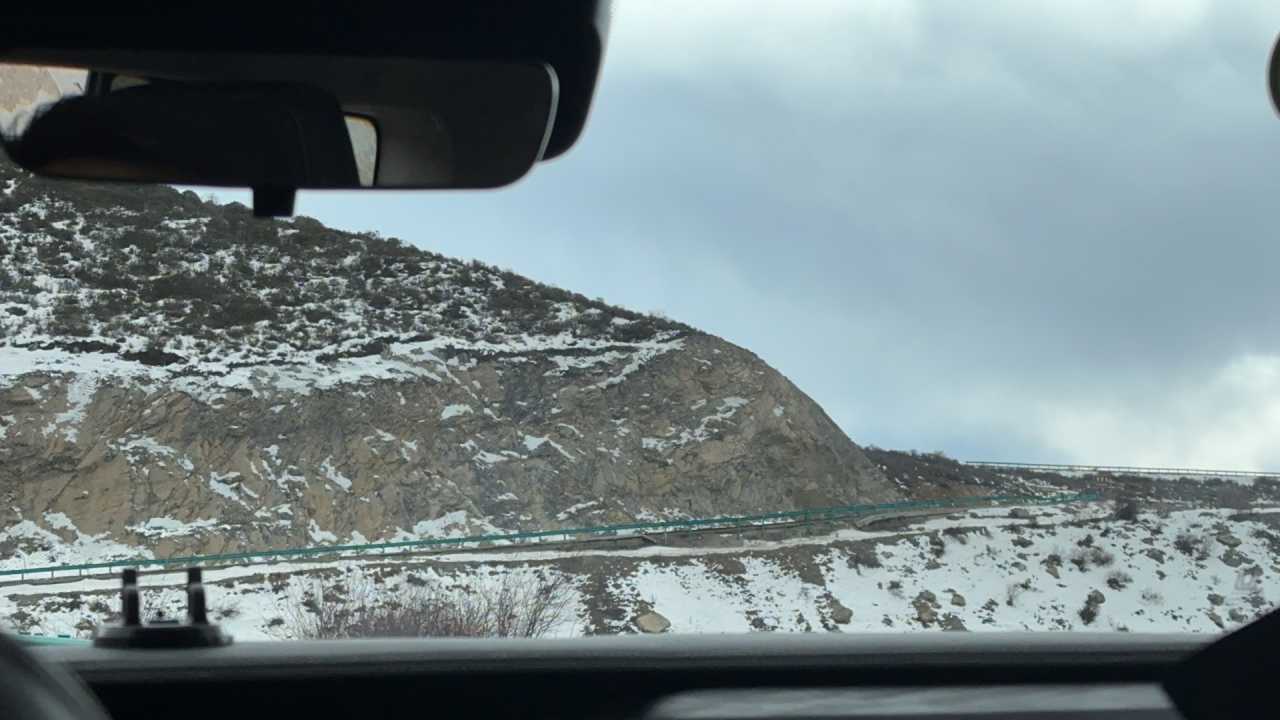
Pro tip: Winter roads in Western Sichuan can be icy. Snow chains are essential, and we recommend renting a 4WD vehicle.
Ticket Information (Purchased via “Aba Tourism Network” WeChat Mini-Program)
| Attraction | Ticket Price |
|---|---|
| Xuebaoding | Free |
| Jiuzhaigou | Admission + sightseeing bus: 160 RMB |
| Dagu Glacier | Admission + sightseeing bus + cable car: 370 RMB |
| Dujiangyan Scenic Area | Admission 80 RMB, internal sightseeing bus one-way 10 RMB |
Accommodation Recommendations for Winter Travel
- Night 1: Qianhe Hotel (千鹤酒店) near Jiuzhaigou
- Night 2: Nansheqi (楠舍栖) in Songpan Ancient Town (the old town is very quiet)
- Night 3: Shucheng Hotel (舒程酒店) in Dujiangyan (right inside the ancient street)
- Night 4: Atour Hotel (全季酒店) on Yulin Road, Chengdu (Yulin Street is right downstairs)
Essential Supplies for High-Altitude Winter Travel
- Oxygen canisters: Buy several at a small convenience store near the parking lot after picking up the car. Start intermittent oxygen inhalation early to reduce altitude sickness.
- Warm clothing: Thermal underwear, down jacket, snow boots, scarf, gloves, hat. At high altitudes, exposed skin freezes instantly.
- Snow chains, hand warmers, and a thermos for hot drinks are highly recommended.
Xuebaoding: First Encounter at 4,000 Meters
After picking up the car, we headed straight for Xuebaoding (Snow Treasure Peak).
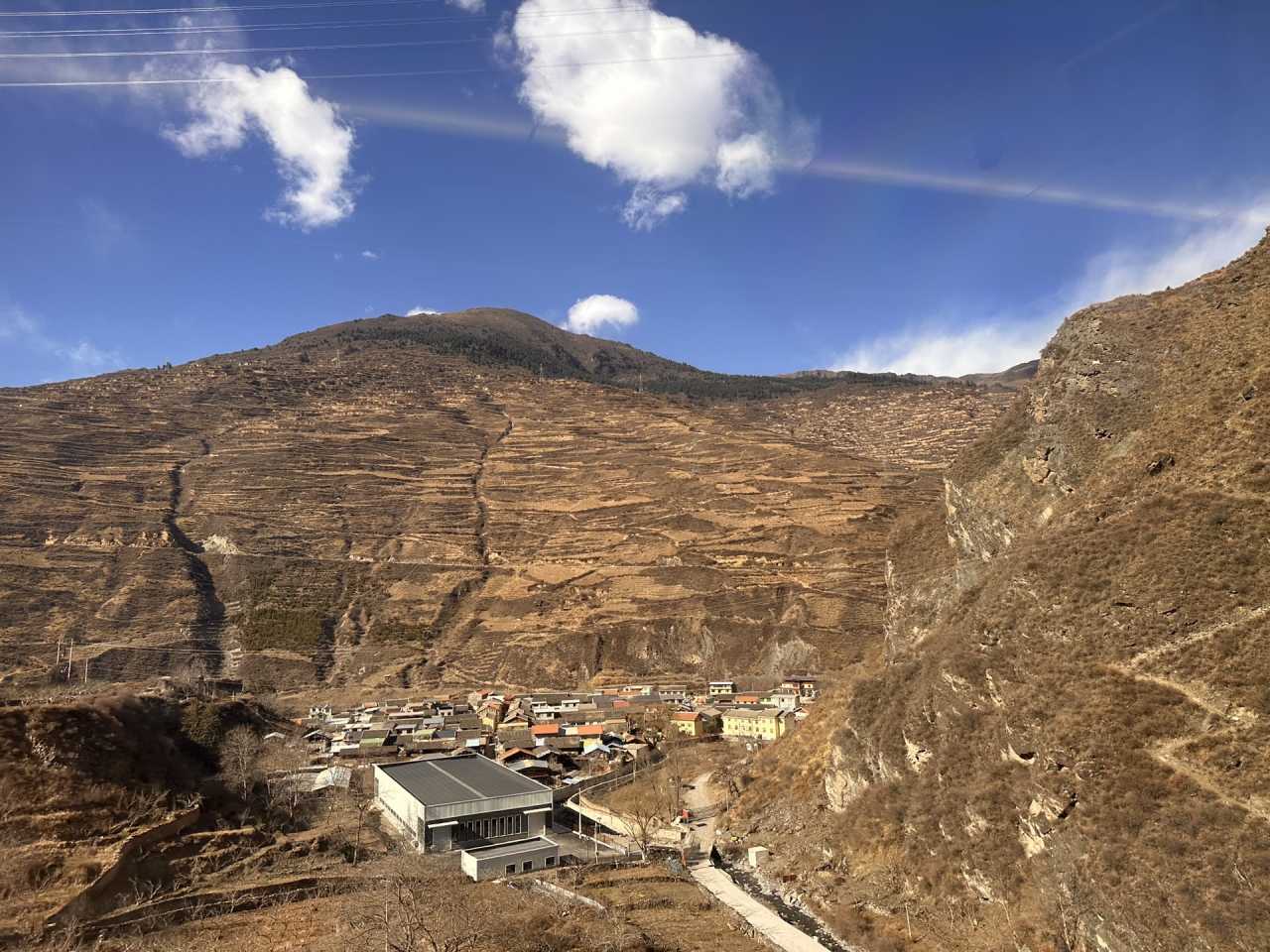
The altitude rose slowly, and the snow and ice increased. Occasionally, we saw leisurely cattle and horses by the roadside. The winding mountain roads reminded me of my childhood, when tunnels hadn’t yet been built and we had to take similar mountain roads to get to the city.

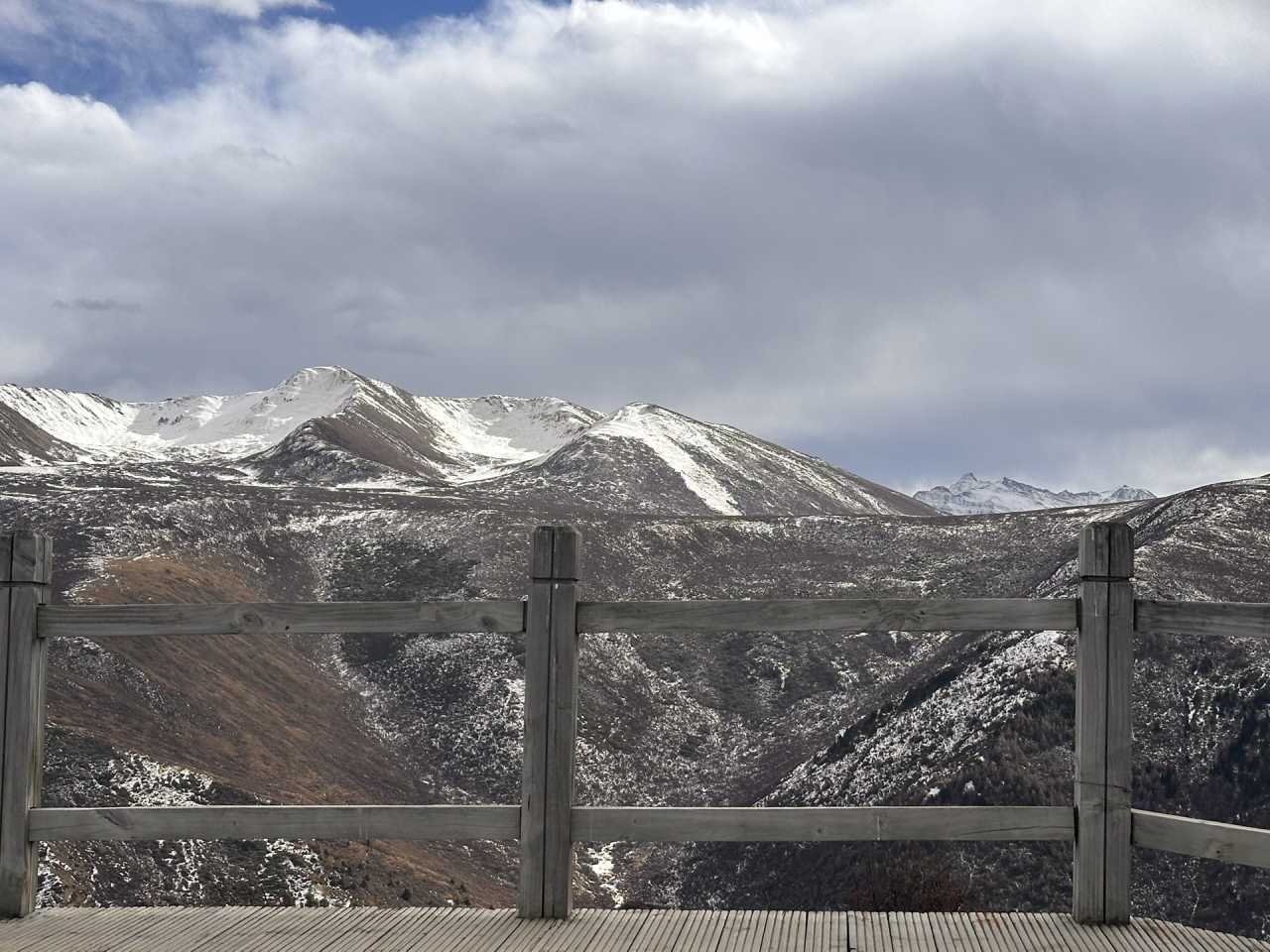
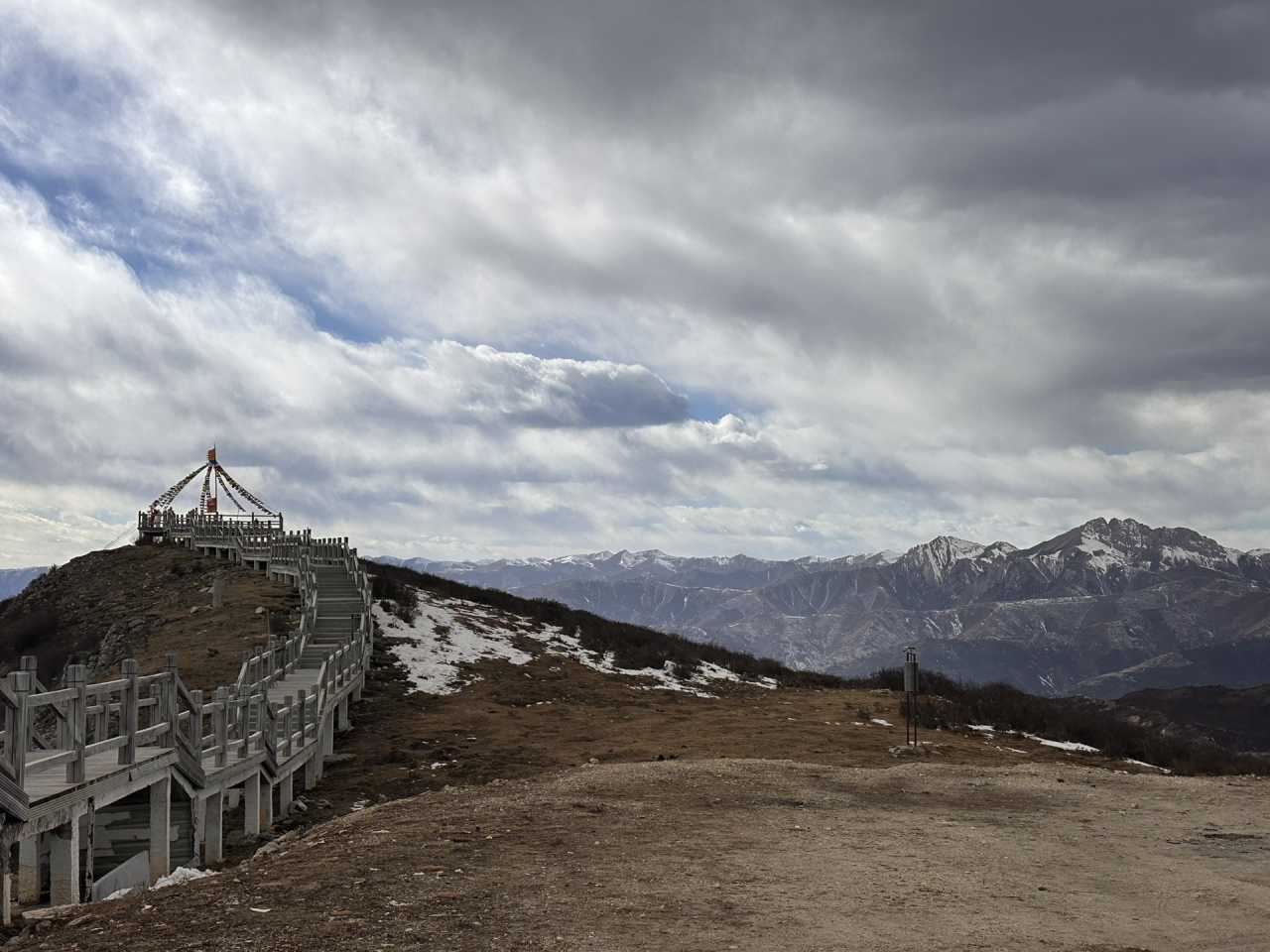
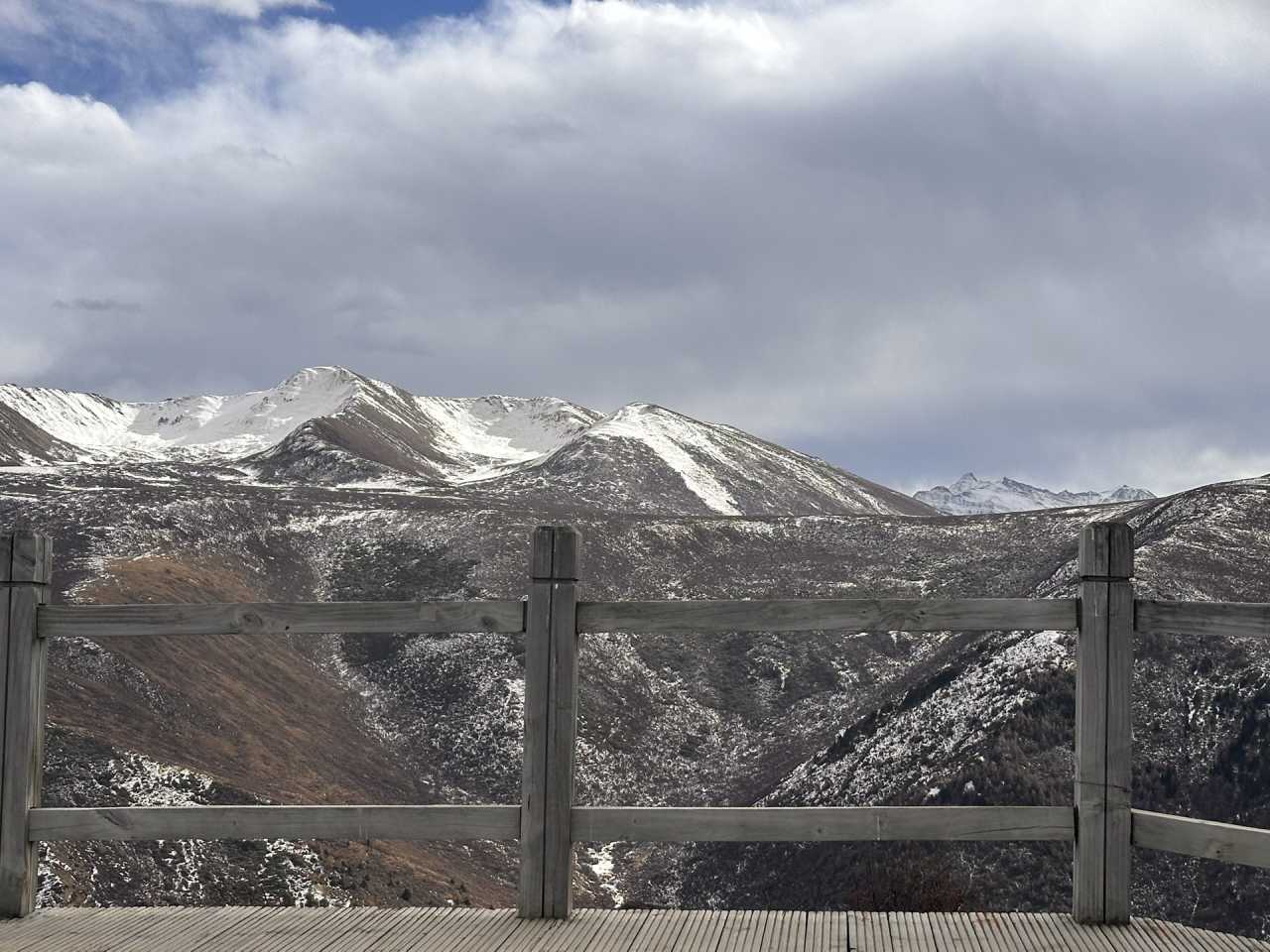
The higher we drove, the thinner the air became. About half an hour later, we arrived at the Xuebaoding viewing platform. It was 3:30 in the afternoon. The sky was clear, and the distant mountain peaks were dotted with patches of white snow. Endless mountain ranges intertwined with deep, bottomless valleys. The cold wind hit our faces—crisp and refreshing, lifting our spirits.
Xuebaoding is just over 4,000 meters above sea level. After just a few steps, we were out of breath. Some patches of snow had been compacted and become slippery, so we let ourselves slide a short distance on the snow—our first intimate contact with this highland.
[Link: Best high-altitude destinations in Sichuan for winter hiking]
Jiuzhaigou in Winter: The Solemn Beauty of Ice and Snow
“After Jiuzhaigou, no other water is worth seeing.” This saying isn’t without reason. We visited during the off-season. Some people prefer Jiuzhaigou in spring or summer, when the mountains are lush green and the water is vibrant blue and green. But I think winter gives Jiuzhaigou a unique solemnity—like a silent sage, quietly watching the passage of time.
Legend has it that the male deity Dage (达戈) polished a precious mirror from wind and moonlight as a gift for the goddess Woluo Semo (沃洛色嫫). But a devil interfered, shattering the mirror. The fragments scattered across the earth, turning into 114 crystal-clear alpine lakes. The legend is beautiful, but science tells us it’s the result of glacial movement, earthquakes, and limestone dissolution.
Winter Jiuzhaigou Tour Route
First Stop: Arrow Bamboo Lake (箭竹海) — Over 2,600 Meters Elevation
Named for the arrow bamboo growing around its shores that giant pandas love to eat. The lake is wide and long, with emerald-blue water like a giant mirror.
Second Stop: Panda Lake (熊猫海) and Panda Lake Waterfall
Walking down the wooden boardwalk, we arrived at a place where pandas are said to have once appeared. The lake water is a deep green, with mountain shadows reflected on its surface. Small waterfalls can be seen along the boardwalk. Some parts were frozen on the surface, but water still flowed beneath the ice.
Third Stop: Five Flower Lake (五花海)
Five Flower Lake was very calm, with a layer of ice on its surface. Walking along the shore, we could hear the sound of ice cracking—“dong, dong, dong”—like the heartbeat of the earth. The ice colors transitioned from transparent to white, blue, light green, and deep green.
Fourth Stop: Mirror Lake (镜海)
If I remember correctly, further down we could see a lake as green as an emerald, with trees sleeping beneath the water, like the fingerprints of the water itself.
Fifth Stop: Pearl Shoal (珍珠滩) and Waterfall
We took the bus to Pearl Shoal, the filming location for the ending theme of the classic TV series Journey to the West. When we got off, it didn’t look like much. But as we walked down the steps and looked up—wow—the scene instantly came to life: the four disciples crossing this stretch of water, as if right before our eyes.
Sixth Stop: Long Lake (长海)
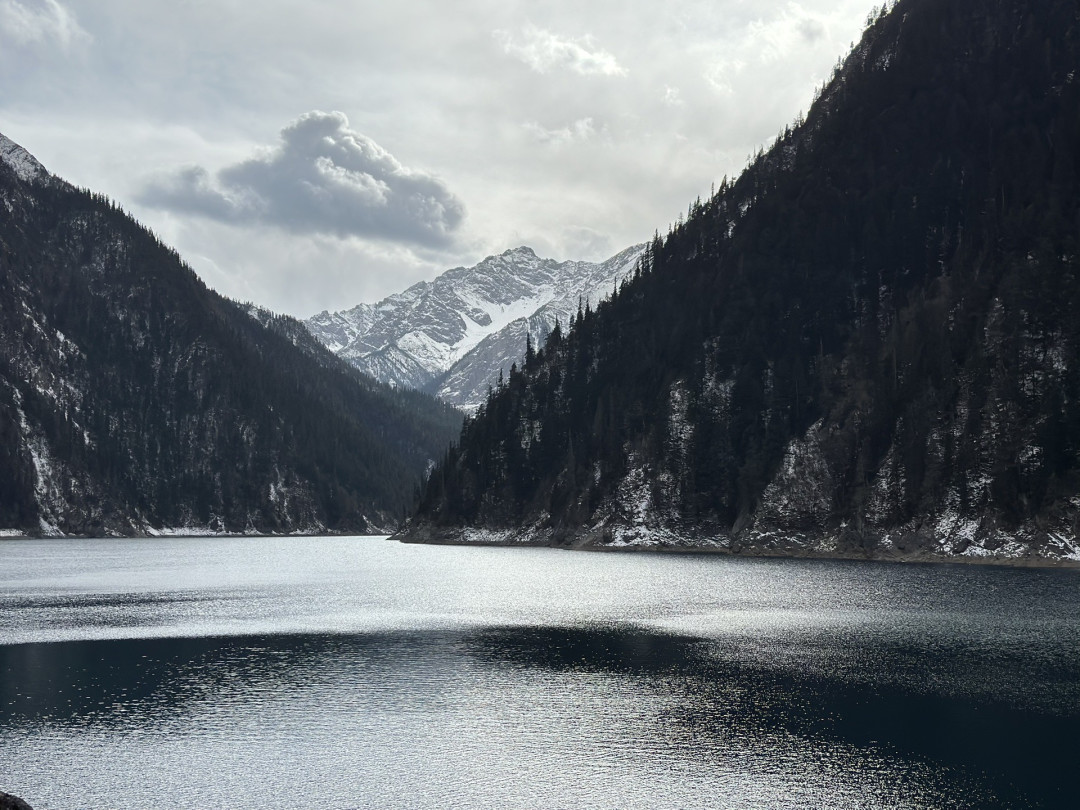
We took a short break at Nuorilang Center (诺日朗中心站), had a bowl of noodles, and then headed to Long Lake on the left branch. Long Lake is the largest lake in Jiuzhaigou, curving along the mountain, its head hidden deep in the layered valleys. The peaks at the far end of the lake are snow-covered year-round, all above 4,000–5,000 meters.
Here, for the first time, I truly understood what “solemn” means. Black mountains intertwined with ink-green and emerald water, like an ink-wash painting. They were so quiet, as if sleeping.
Seventh Stop: Five Color Pond (五彩池)
Five Color Pond is the smallest lake in Jiuzhaigou, known as the “Eye of Jiuzhaigou.” What we saw that day wasn’t the vibrant version often seen in photos, but it was still as emerald green as a gemstone.
Eighth Stop: Shuzheng Group Lakes (树正群海) and Shuzheng Waterfall
After viewing Five Color Pond, we took the bus to Shuzheng Valley. The scenery here might not be as stunning as the two branches, but it’s still worth a visit. Several lakes like green mirrors dotted the grassland.
Ninth Stop: Spark Lake (火花海) and the Goddess Semo’s Portrait
Legend says that the male deity Mountain Dage and the female deity Mountain Semo face each other from afar. From a distance, the dark yellow and black rocks looked like the goddess’s face and shadows.
Tenth Stop: Double Dragon Lake (双龙海) and Reed Lake (芦苇海)
Continuing downhill on foot, we passed Double Dragon Lake and Reed Lake. Reed Lake lived up to its name—a green silk ribbon cutting through a sea of reeds, so beautiful it took your breath away.
[Link: Jiuzhaigou winter photography tips and best viewpoints]
Dagu Glacier: The Loneliest Coffee Shop at 4,860 Meters
From Songpan Ancient Town, it took about four hours by car to reach Dagu Glacier. Songpan was the point where Princess Wencheng (文成公主) left the Tang dynasty to marry the Tibetan king—a place steeped in history and faith.
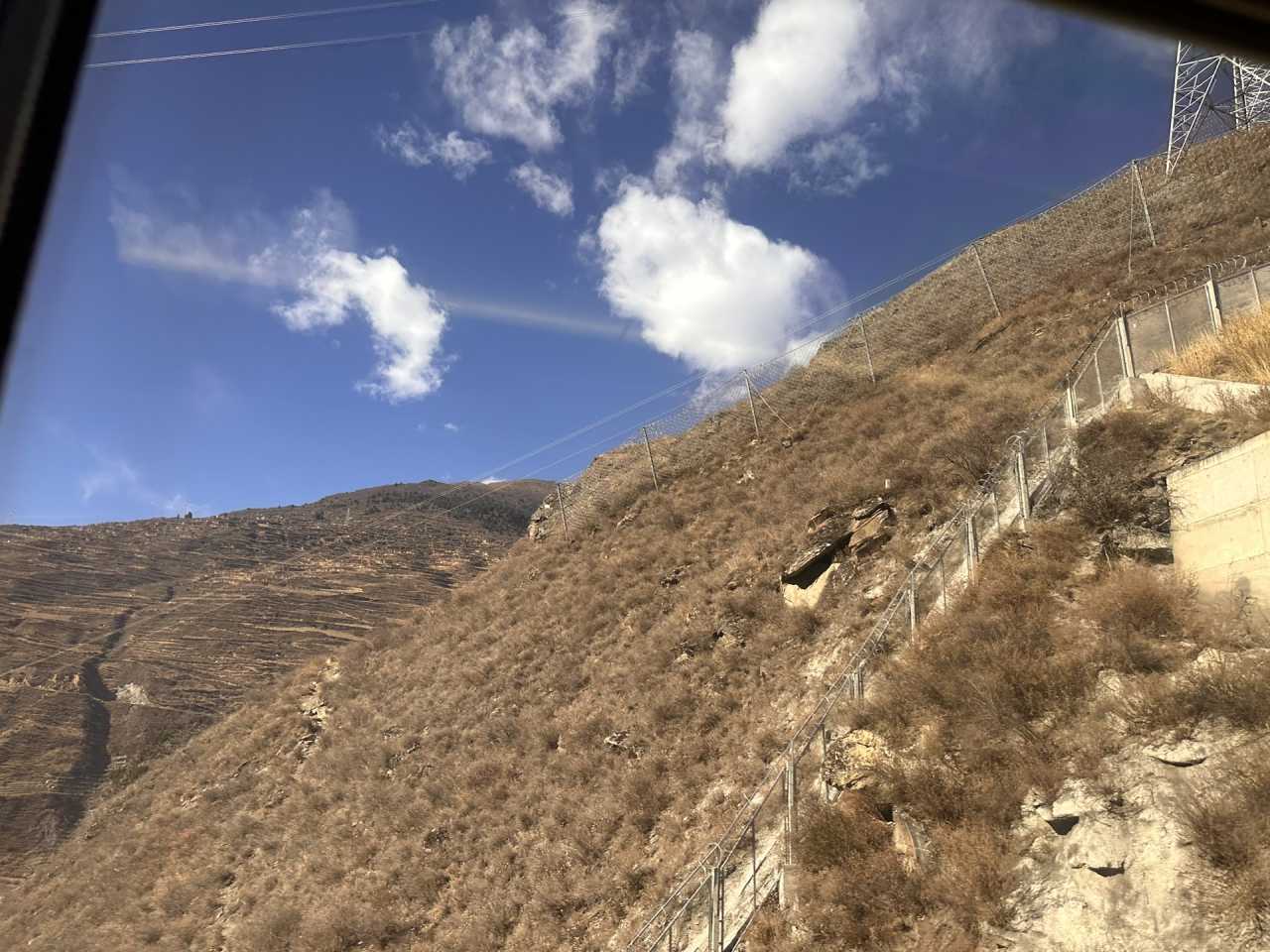
Dagu Glacier is home to the world’s highest cable car and what’s often called the “loneliest coffee shop in the world” at 4,860 meters. The ascent is breathtaking—literally. As the cable car climbs, the landscape transforms from forest to alpine tundra to a world of pure white.
At the top, the air is thin and the wind is fierce. The coffee shop offers a warm refuge with floor-to-ceiling windows overlooking the glacier. Sipping a hot latte while staring at an ancient ice field is an experience that stays with you.
Pro tip: Acclimate at lower altitudes before attempting the summit. Use oxygen canisters and move slowly.
[Link: Dagu Glacier travel guide: altitude, tickets, and best time to visit]
Dujiangyan: A Peaceful End to the Journey
After the high-altitude drama of Dagu Glacier, Dujiangyan offered a gentle landing. This ancient irrigation system, built over 2,000 years ago, is a UNESCO World Heritage site. In winter, the crowds are sparse, and the water flows with a quiet power.
We stayed at the Shucheng Hotel, right inside the ancient street, and spent the evening wandering through lantern-lit alleys, eating hotpot and sipping local tea.
Frequently Asked Questions About Winter Travel in Western Sichuan
1. Is it safe to drive in Western Sichuan in winter?
Yes, but with precautions. Roads can be icy, especially at higher elevations. We recommend renting a 4WD vehicle, carrying snow chains, and checking weather forecasts daily. Drive slowly and avoid night driving.
2. What is the best time to visit Jiuzhaigou in winter?
December to February offers the most dramatic ice and snow scenery. The off-season means fewer crowds and lower ticket prices. However, some boardwalks may be closed due to ice.
3. How do I prevent altitude sickness in Western Sichuan?
Start using oxygen canisters early, even before you feel symptoms. Stay hydrated, avoid alcohol, and ascend gradually. If you feel severe symptoms, descend immediately.
4. Can I visit Dagu Glacier in one day from Chengdu?
It’s possible but very rushed. We recommend staying overnight in Songpan or Dujiangyan to break up the drive and allow for proper acclimatization.
5. What should I pack for a winter trip to Western Sichuan?
Thermal underwear, a down jacket, snow boots, scarf, gloves, hat, hand warmers, oxygen canisters, and a thermos for hot drinks. Don’t forget sunscreen—the sun is intense at high altitudes even in winter.
Final Thoughts: Why Winter in Western Sichuan Is a Journey of the Soul
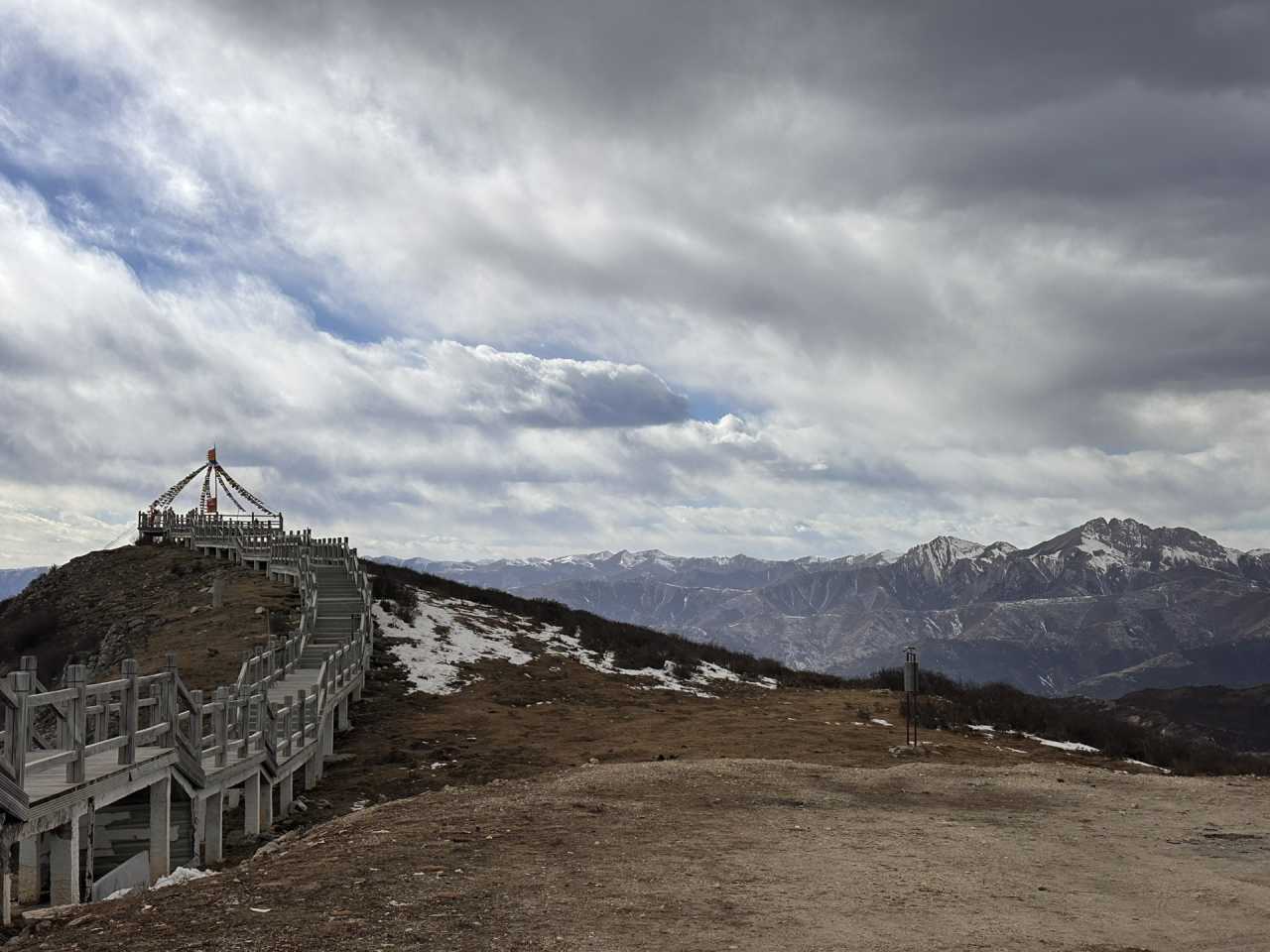
Winter in Western Sichuan isn’t just a trip—it’s a pilgrimage. The frozen lakes, snow-covered peaks, and ancient legends create a landscape that feels both sacred and solitary. Whether you’re standing at the Xuebaoding viewing platform at 4,000 meters, listening to the ice crack at Five Flower Lake, or sipping coffee at the top of Dagu Glacier, you’ll feel something shift inside you.
This is the road less traveled in winter. And it’s absolutely worth taking.
Ready to Plan Your Western Sichuan Winter Adventure?
Start your journey today: Book your high-speed train to Huanglong Jiuzhai Station, rent a 4WD vehicle, and pack your warmest gear. The ice, snow, and faith of Western Sichuan are waiting.
[Link: Book your Western Sichuan winter tour package]
[Link: Rent a car for Sichuan road trips]
[Link: Download our complete Western Sichuan packing checklist]
Have you visited Western Sichuan in winter? Share your experience in the comments below!
You may also like


