Westward Journey: Exploring the Ancient Shu Road – A Winter Adventure from Sanxingdui to Mount Emei
Meta Description: Discover the ultimate winter road trip from Sanxingdui to Mount Emei. Explore ancient Shu Road, Jiuzhaigou's frozen sapphire lakes, Leshan Giant Buddha, and Emei's snowy peaks. Expert tips for a 4-day Sichuan adventure.
Introduction: Why Winter is the Best Season for an Ancient Shu Road Adventure
When the poet Li Bai wrote that the Shu Road was "harder than climbing to the sky," he probably didn't imagine modern travelers tackling it in winter—with snow-capped peaks, frozen waterfalls, and steaming hotpot waiting at every turn. Our spontaneous decision to explore Sichuan's ancient Shu Road turned into a 4-day "special forces-style" expedition that packed millennia of history, jaw-dropping natural wonders, and culinary bliss into one unforgettable journey.
This winter itinerary from Sanxingdui to Mount Emei isn't for the faint of heart. It involves late-night mountain drives, sub-zero temperatures, and enough stairs to make your quads cry. But for those willing to brave the cold, the rewards are extraordinary: near-empty scenic spots, crystalline winter landscapes, and a profound connection to one of China's most storied regions.
Day 1: Sanxingdui – Unraveling the Mysteries of a Lost Civilization
Sanxingdui Museum: A Glimpse into the Bronze Age
Ticket: 72 RMB per person (reserve via official WeChat account)
Parking: Ample above-ground and underground lots with clear signage
The Sanxingdui Museum is not just a museum—it's a portal to a civilization that vanished without a written record. Even during the off-season, the three permanent exhibition halls—"Century of Dream-Chasing," "Majestic Royal Capital," and "Heaven, Earth, and Man"—were buzzing with visitors. Standing before the bronze standing figure, you truly understand what "awe" means.
Must-See Treasures at Sanxingdui
- The Standing Figure: Towering so high you have to crane your neck to take it all in
- The Sun-shaped Artifact: Looks eerily like an alien steering wheel
- The Bronze Sacred Tree: Layer upon layer, as if reaching toward the heavens
- The Bronze Beast Mask: Square face, wide mouth, triangular eyes—the more you look, the more unsettling it becomes
- The Golden Scepter: A staff wrought in gold, mysterious and majestic
Internet-Famous Oddities That Will Make You Smile
Pottery pigs, stone dogs, bronze chickens, and even what looks like an ancient "barbecue grill"—these thousand-year-old "cute objects" are guaranteed to make you smile. They remind us that ancient people had a sense of humor too.
The World of Masks: Alien or Divine?
What's most captivating about Sanxingdui are the masks in all their variety—bronze, gold, square-faced, wide-mouthed, triangular-eyed. Standing before them, you can't shake the feeling that you've stumbled into an alien world. That sense of mystery is both mesmerizing and spine-chilling.
Special Exhibition: The Marquis of Haihun
A small hall displaying only a portion of gold ingots, but those gleaming treasures still hold your gaze, impossible to look away.
Pro Tip: Allocate at least 2.5–3 hours for Sanxingdui. The crowds are thinner in winter, but the exhibits are world-class and deserve your full attention.
[Link: Sanxingdui travel tips and guided tours]
Day 2: Jiuzhaigou – A Frozen Sapphire in the Mountains
Jiuzhaigou Winter Wonderland: Why "After Jiuzhaigou, No Other Water Is Worth Seeing"
Ticket: 160 RMB per person (reserve via Aba Tourism Ticket Service)
Parking: At the scenic area parking lot or your hotel lot
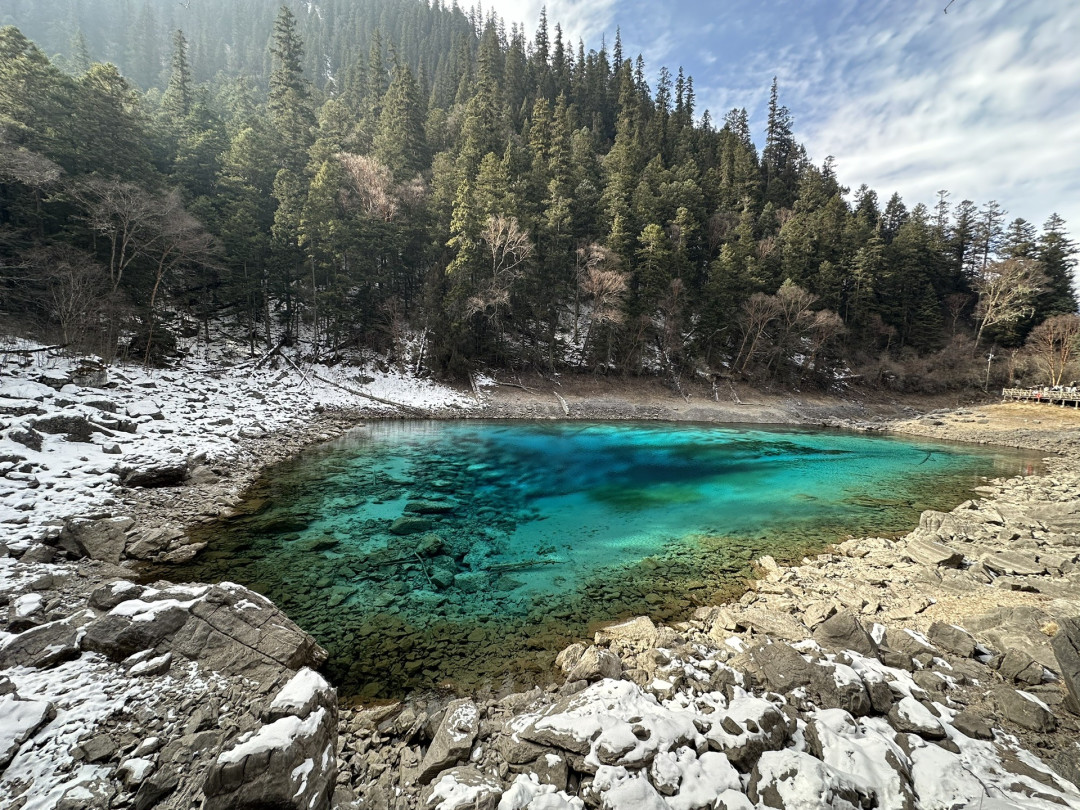
"After Jiuzhaigou, no other water is worth seeing"—this old saying holds true even in winter. Though temperatures had plummeted and the alpine lakes (haizi) were either lower or frozen over, the water's charm hadn't faded one bit. Instead, it took on a serene, cool beauty. When sunlight broke through, the surface glittered like scattered silver coins.
Navigating Jiuzhaigou's Y-Shaped Tour Route
Jiuzhaigou's tour route forms a Y-shape: - Left branch: Zechawa Valley (Nuorilang → Long Lake) - Right branch: Rize Valley (Nuorilang → Arrow Bamboo Lake) - Middle: Shuzheng Valley (entrance → Nuorilang)
The scenic shuttle buses adjust their routes based on conditions, heading to either Long Lake or Arrow Bamboo Lake. Each bus has a guide, and every stop has clear signage—even without a plan, you'll navigate it smoothly.
Rize Valley: Winter Silence and Snow-Capped Reflections
In winter, Rize Valley loses the summer crowds and gains a quiet tranquility. Arrow Bamboo Lake's surface was covered in a thin layer of ice, reflecting the distant snow-capped mountains—a scene so beautiful it looked like a painting.
Zechawa Valley: High-Altitude Beauty
Key sights include: - Long Lake: The highest elevation, prone to altitude sickness—take it easy - Five-Color Pond: Like a blue sapphire - Upper and Lower Seasonal Lakes: Requiring a hike
Shuzheng Valley: Nuorilang Waterfall
Pressed for time and exhausted, we skipped Shuzheng Valley and only visited Nuorilang Waterfall, the tallest in the valley. Here, glaciers and flowing water coexist—one still, one dynamic—creating a breathtaking spectacle.
Essential Winter Gear for Jiuzhaigou
Tip: Winter at Jiuzhaigou is bitterly cold. We happened to arrive just after a snowfall, and our hands were numb. Bring gloves and a thermos—otherwise, your bottled water will turn into icy slush.
[Link: Jiuzhaigou winter travel guide and packing list]
Day 3: Leshan Giant Buddha – The Shock of a Mountain-Sized Statue
Leshan Giant Buddha: Boat Tour vs. Mountain Hike
Ticket: 70 RMB per person (boat tour)
Parking: Official lot 10 RMB; private lot near the entrance 20 RMB

To be honest, the experience at Leshan Giant Buddha wasn't great. The site feels a bit run-down, but because it's so famous, you feel you have to visit. The boat ticket lets you view the full statue from the river at a distance, while the mountain ticket allows you to get up close. We chose the boat tour and gazed at the Buddha, as tall as the mountain itself, feeling awed by its sheer scale.
Pro Tip: If you're short on time or weather is poor, the boat tour is sufficient. For a more immersive experience (and better photos), hike the mountain path.
[Link: Leshan Giant Buddha history and best photo spots]
Day 4: Mount Emei – A Fairyland in Paintings
Mount Emei Winter Scenery: One Mountain, Four Seasons
Ticket: 420 RMB per person (includes shuttle bus)
Parking: Navigate to "Zero Kilometer Parking Lot"—the official lot is huge, and during the off-season, it's nearly empty
The scenery along the way up Mount Emei truly lives up to the saying, "One mountain has four seasons, and every ten miles the sky is different." At the parking lot, it felt like spring; as we climbed, the leaves turned withered and yellow; and after getting off the cable car, we were greeted by a world of pure white snow.
Golden Summit Sea of Clouds: A Bucket-List Experience
Reaching the summit, the first thing that struck us was the 48-meter-tall golden statue of Samantabhadra (Puxian), gleaming brilliantly under the blue sky. We trudged through the snow to the viewing platform, where misty clouds and rolling mountains formed a traditional ink-wash painting. Every climber who made it up couldn't help but exclaim, "Wow! So beautiful!"
The Mountain Macaques: Cute but Cunning
Mount Emei is famous not only for its sunrise and sea of clouds but also for its cheeky monkeys blocking the path. Some just watch the commotion, others climb trees, some tear open bread, and a few boldly snatch peanuts right out of visitors' hands—their speed is startling. Park signs warn: Don't carry food in your hands—it will be stolen.
Essential Gear for Mount Emei in Winter
- Sunglasses (snow goggles are even better): Snow plus sunlight equals 1000% eye strain
- Waterproof, slip-resistant shoes: If you're worried about slipping, buy crampons (available at the Buddha Light Plaza at the base)
- Waterproof jacket with a hood: Prevents snow from falling off tree branches down your neck
[Link: Mount Emei hiking routes and winter safety tips]
A Taste of Sichuan: Spicy, Numbing, and Unforgettable
Unnamed Little Shop (Wangjin Farmers' Market)
Price: 136 RMB
This is the "omakase" of Sichuan cuisine—you queue up to pick your dishes, and the cooks prepare them at their own pace. The menu isn't extensive, but every dish is heavy on oil and spice, though not as fiery as it looks.
Recommendations: - Braised tofu with pork brain (naohua doufu) - Stir-fried pork liver and kidney (baochao yaogan) - Scallion braised pork intestines (congduan feichang)
Skip: The twice-cooked pork (huiguorou) was too salty.
Luo'er Hotpot Restaurant
No Sichuan adventure is complete without hotpot. Look for a busy local spot—the queue is always a good sign. Order the spicy mala broth, add tripe, lotus root, and sliced beef, and thank the culinary gods you made this trip.
[Link: Best Sichuan food in Chengdu and surrounding areas]
FAQ: Planning Your Winter Ancient Shu Road Adventure
1. Is it safe to drive the Shu Road in winter?
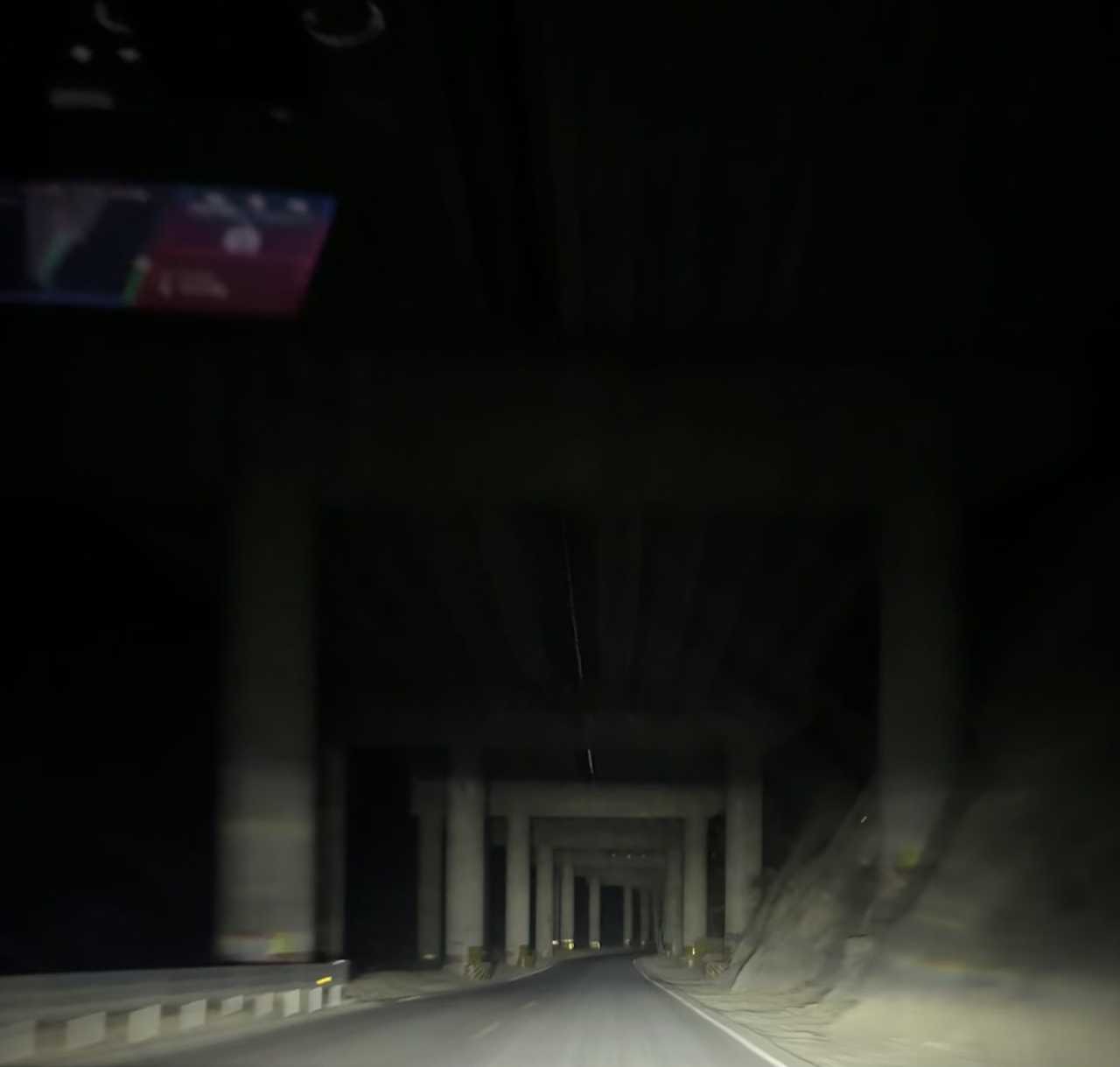
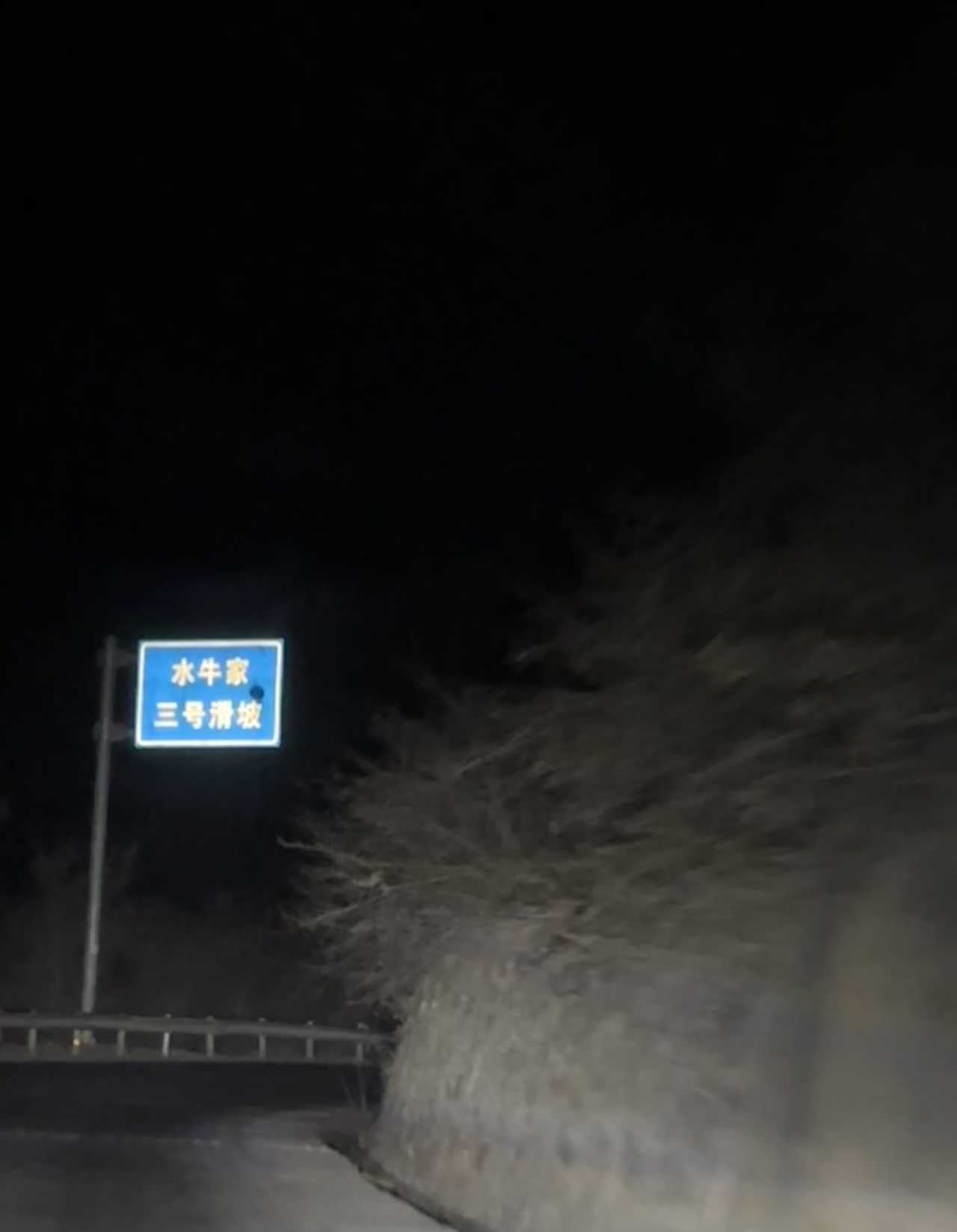
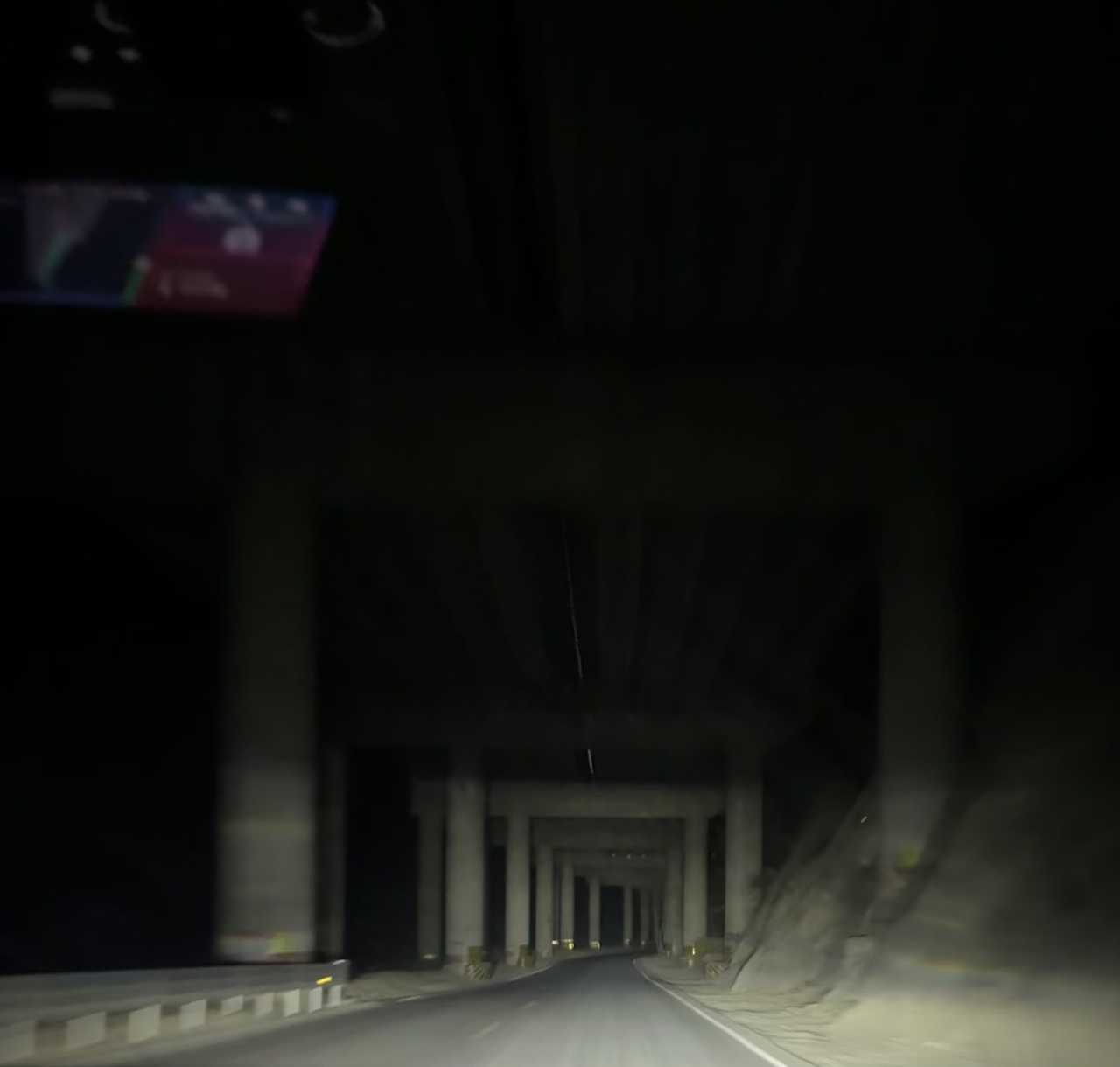
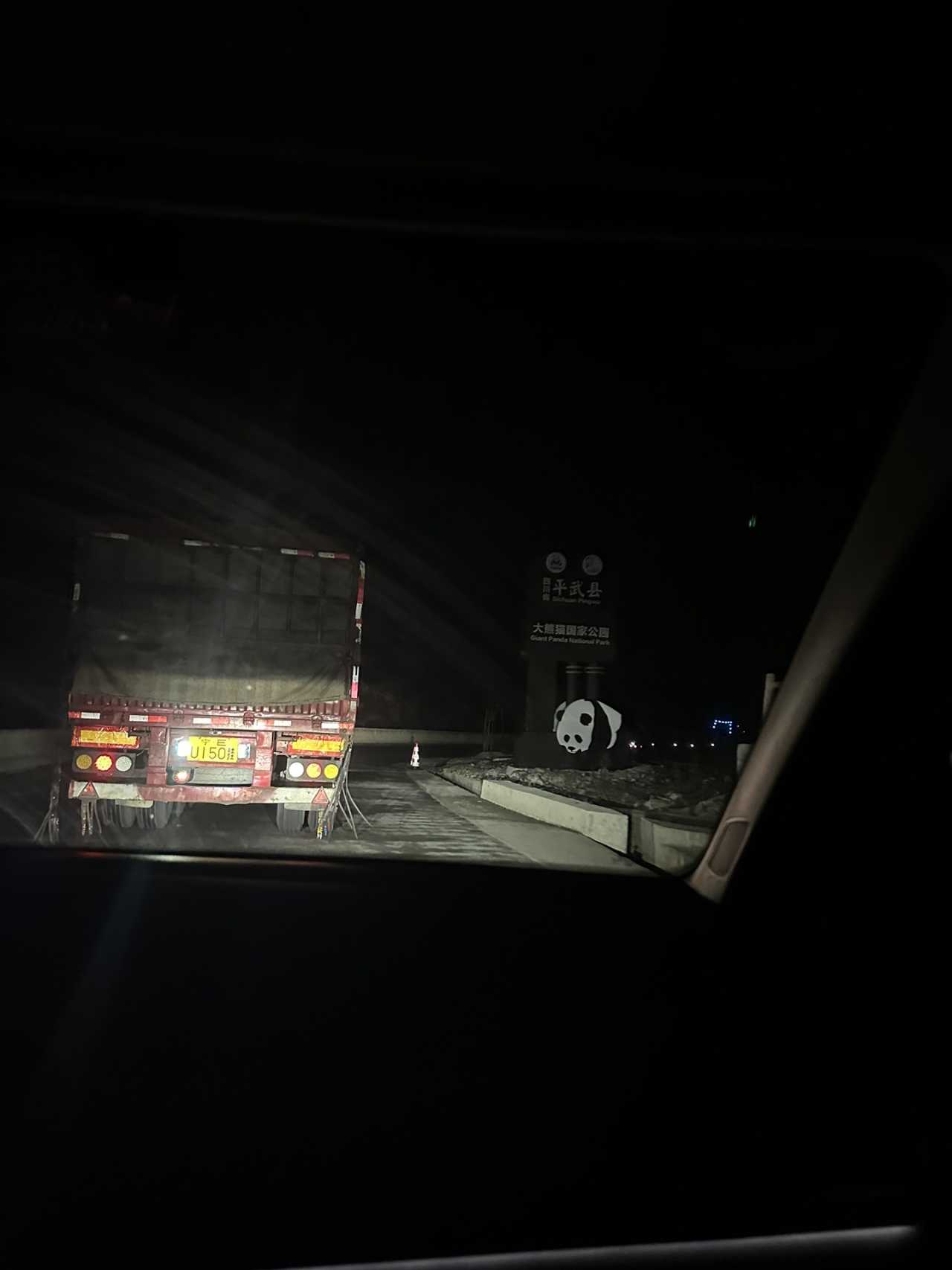
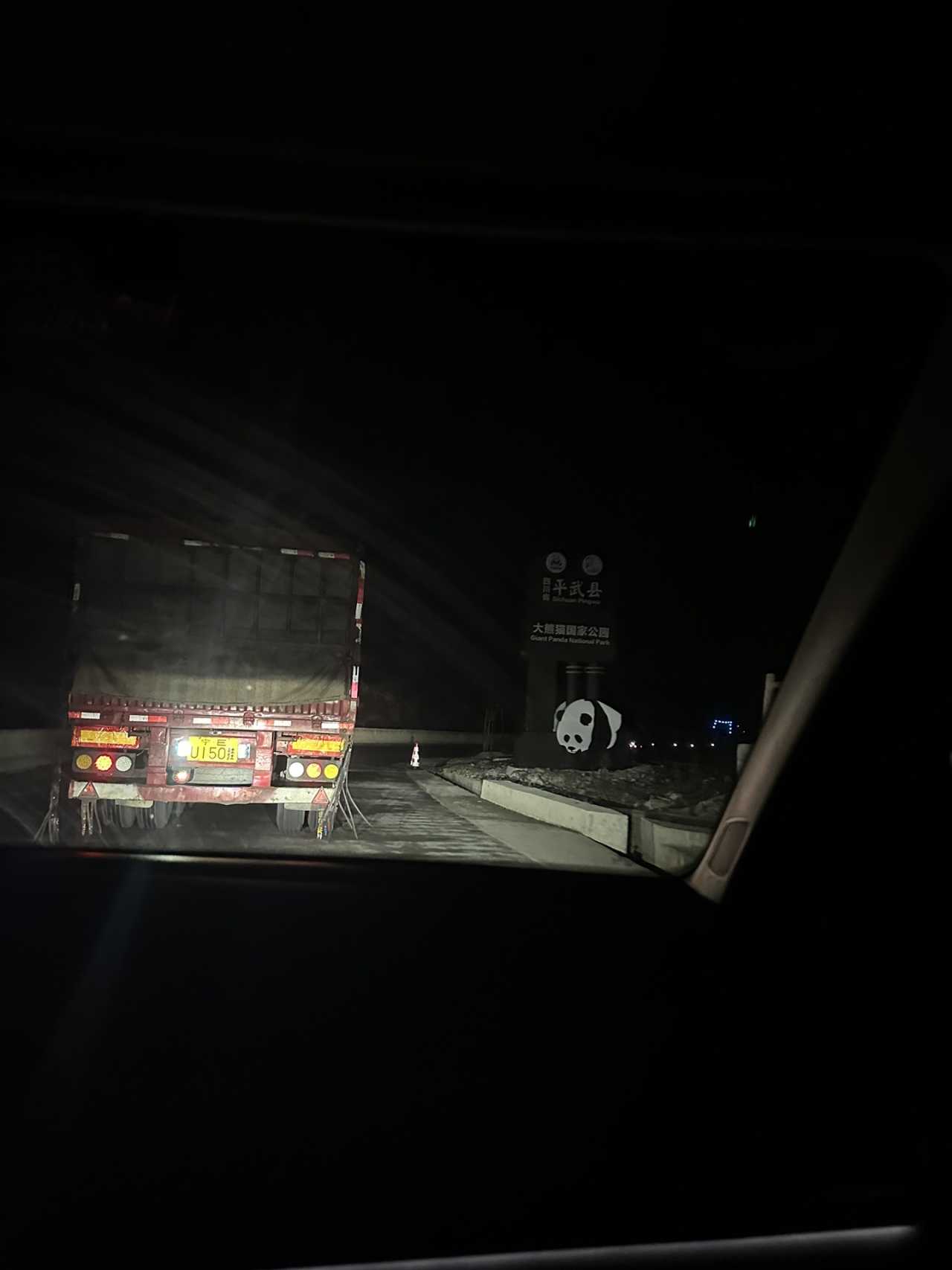
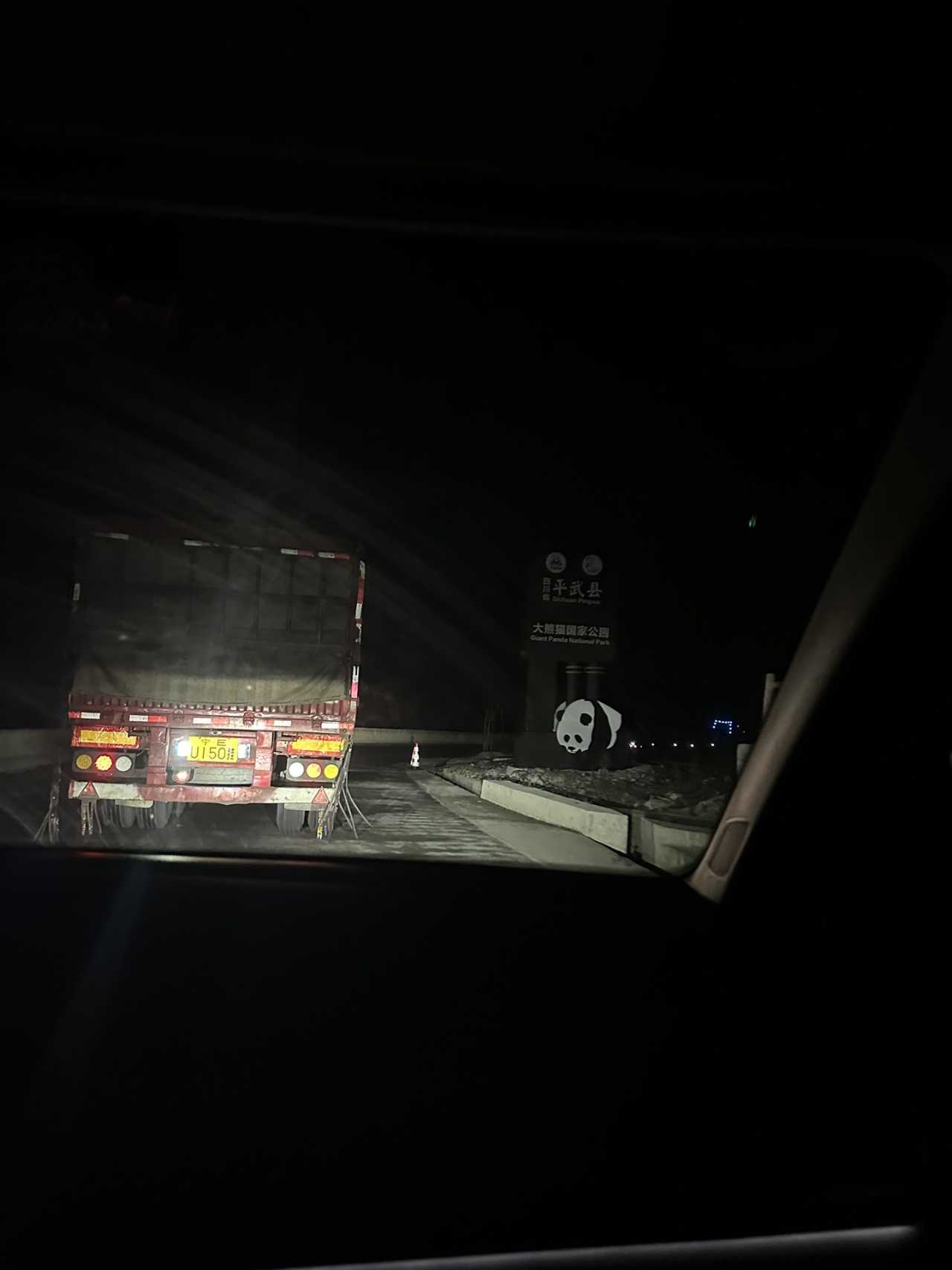
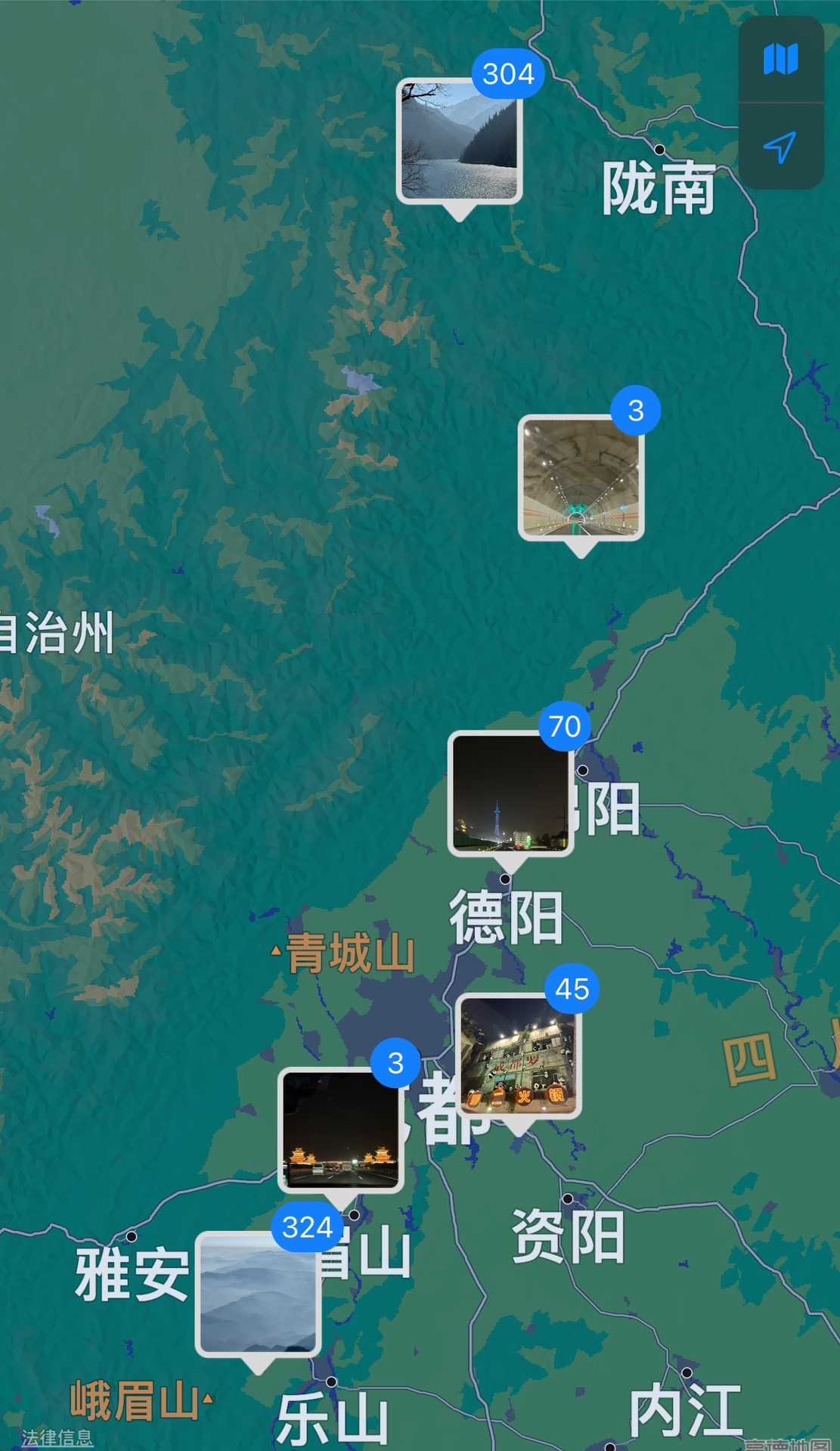
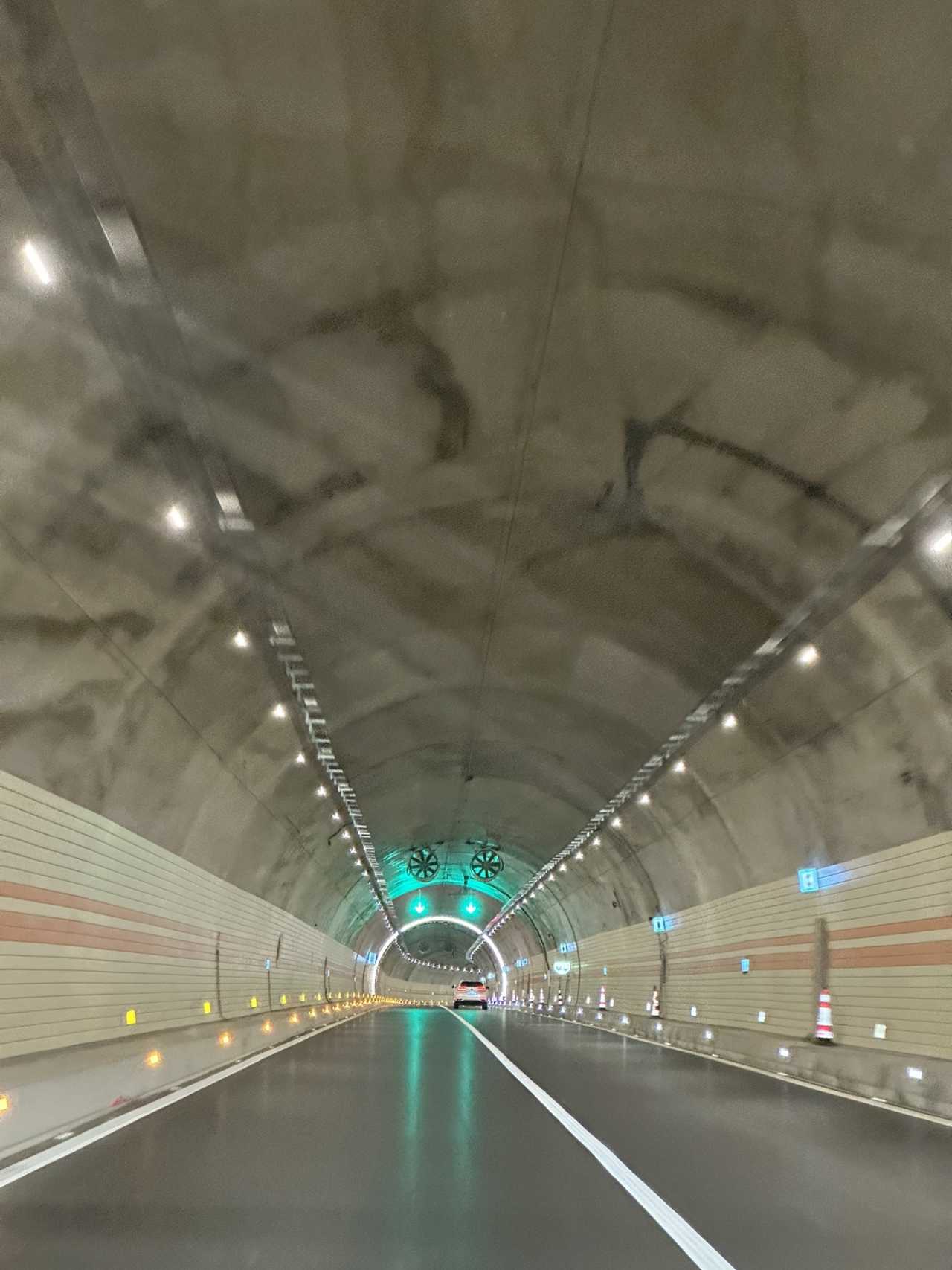
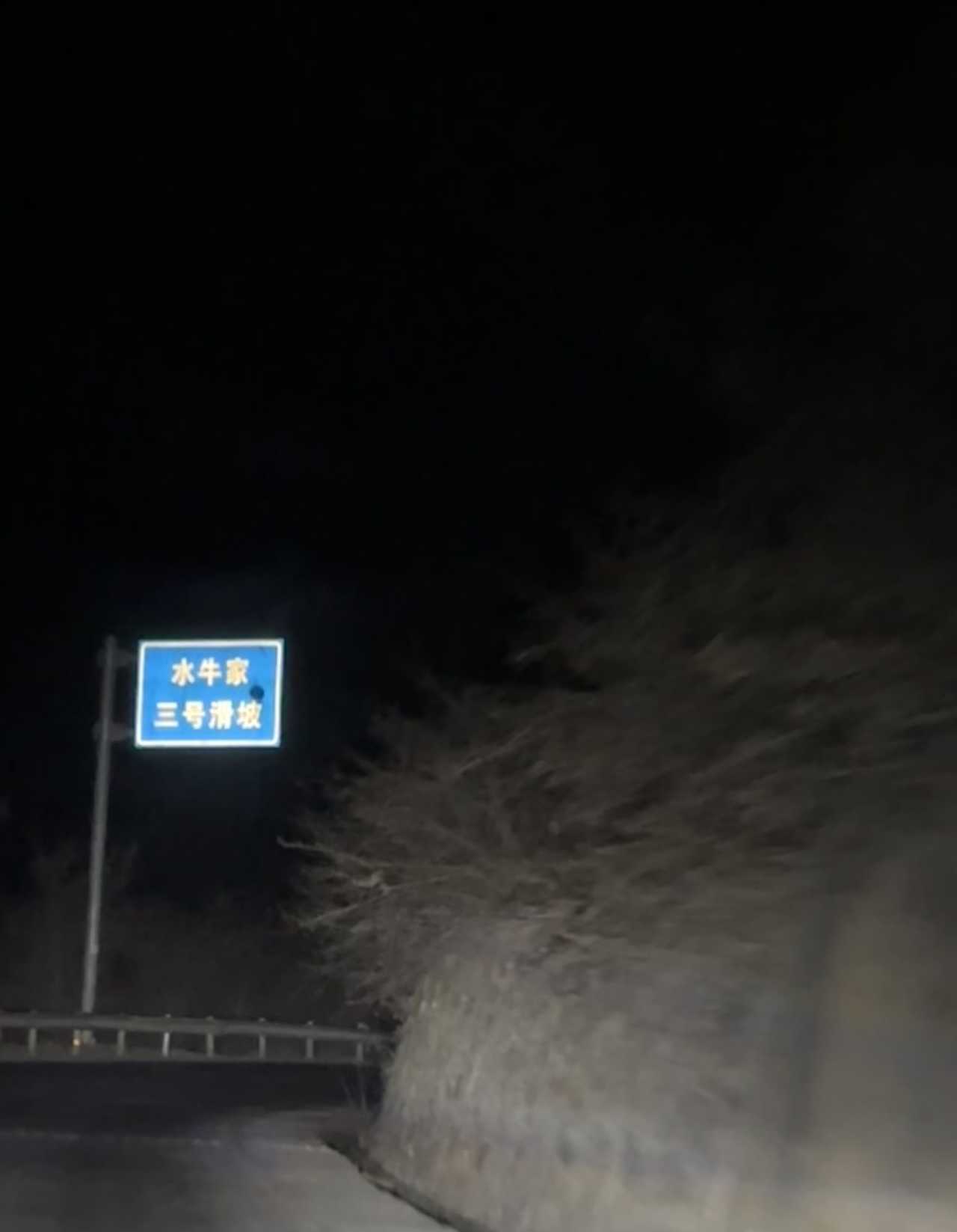
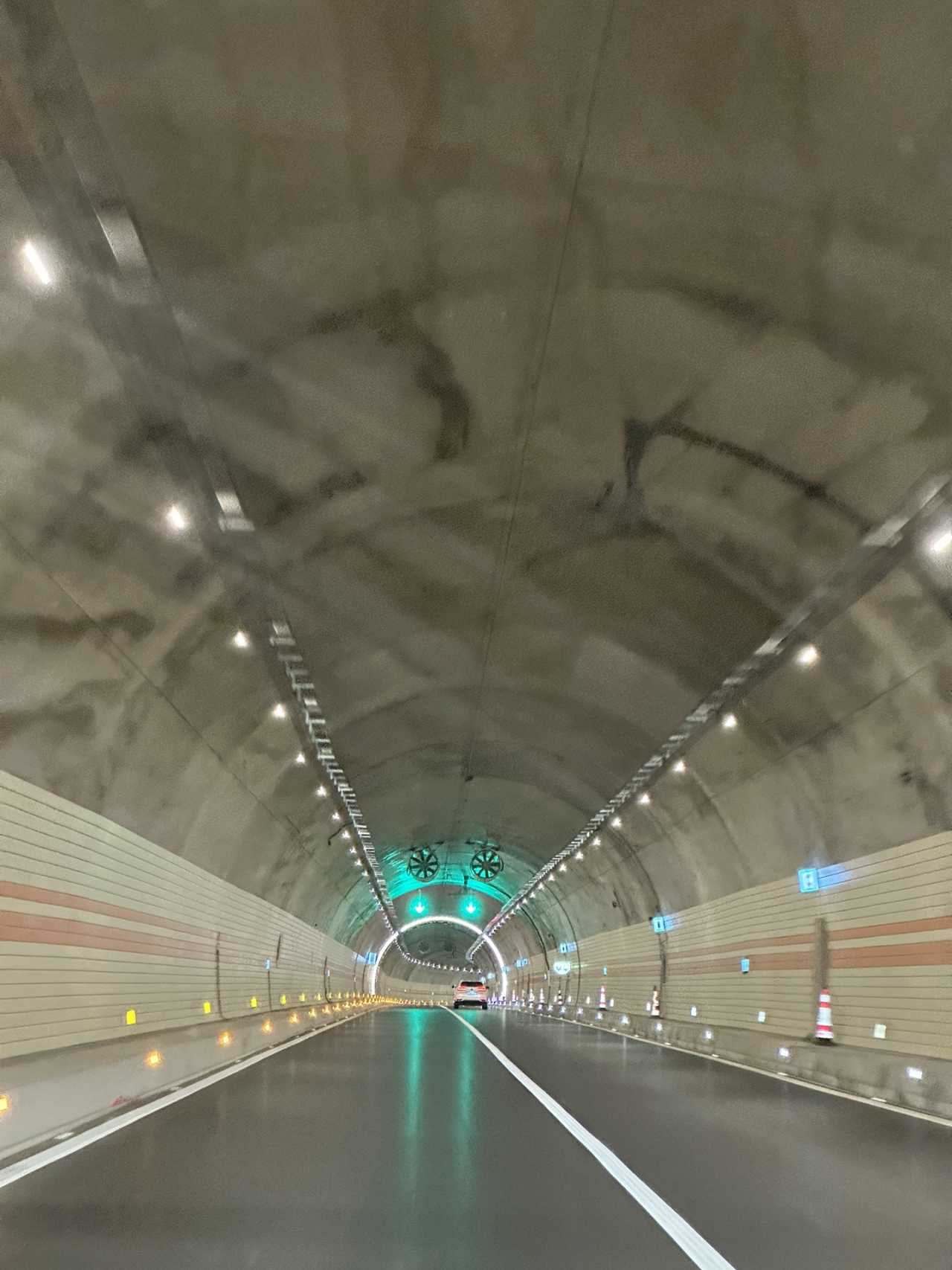
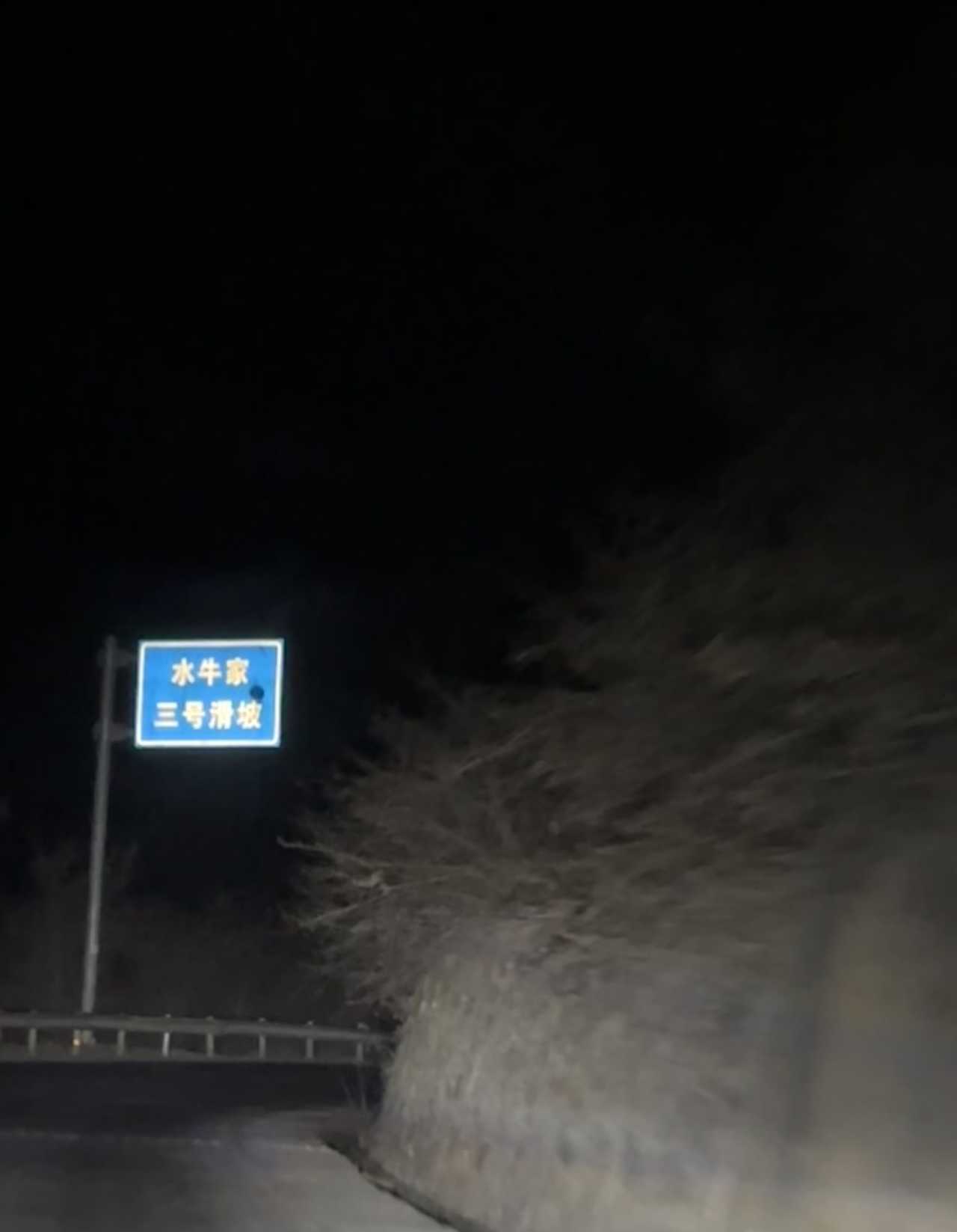
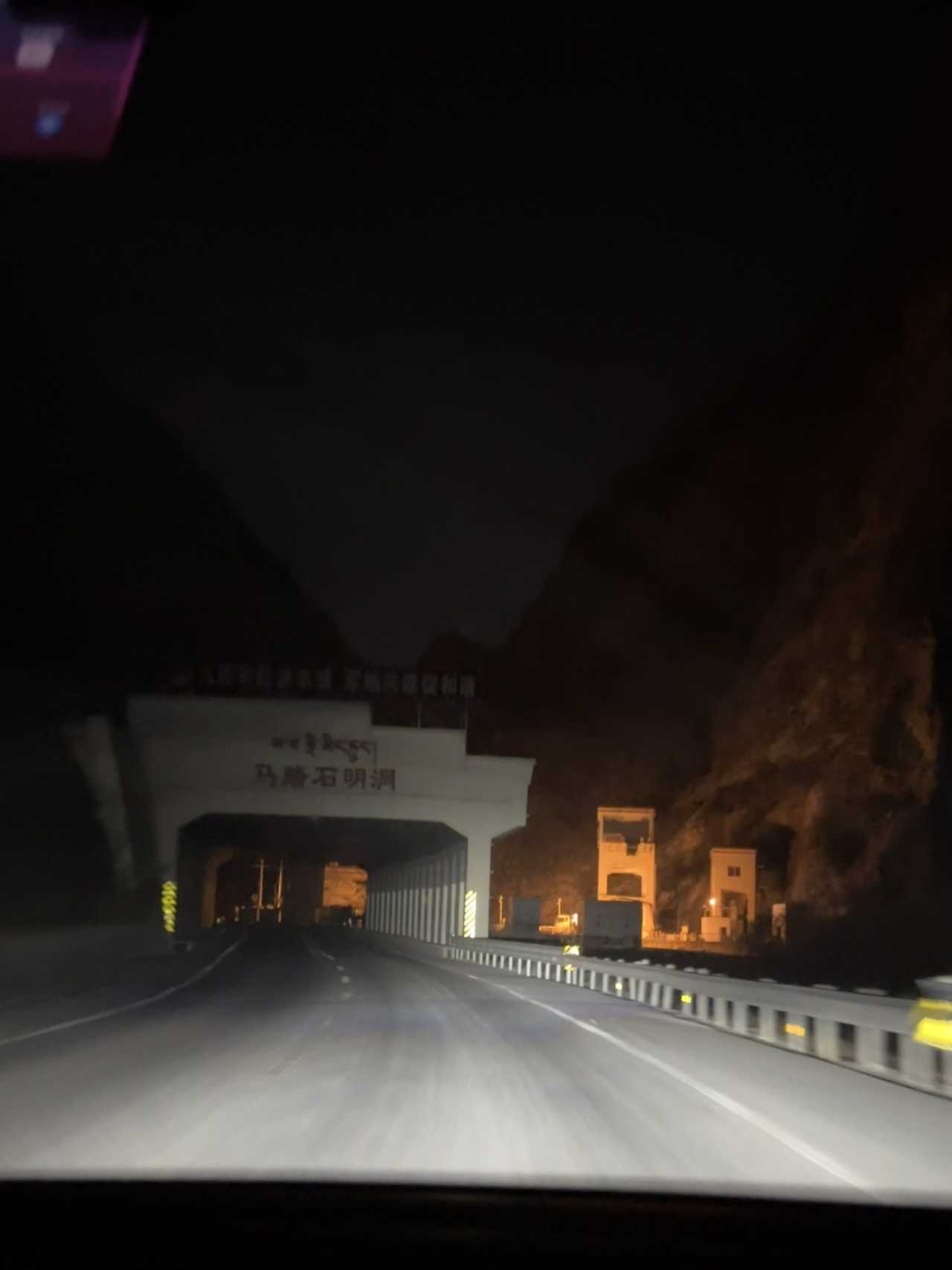
Driving the Shu Road in winter is challenging but manageable for experienced drivers. The highway to Jiuzhaigou was closed during our trip, forcing us to take mountain roads via Baima. The route was nothing but tunnels and covered roadways, pitch black all around, with the occasional dark yak darting out of nowhere. Without solid experience driving on mountain roads at night, don't even think about attempting this. Consider hiring a local driver or joining a tour group.
2. What is the best time to visit Sanxingdui and Mount Emei in winter?
Best time: Late December to early February for the most reliable snow at Mount Emei and fewer crowds at Sanxingdui. Weekdays are ideal. Avoid Chinese New Year (late January/early February) when domestic tourism peaks.
3. How many days do I need for this itinerary?
Our "special forces-style" itinerary was 4 days, but it was extremely tight. We recommend 5–6 days for a more relaxed pace: - Day 1: Arrive Chengdu, visit Sanxingdui - Day 2: Drive to Jiuzhaigou, explore - Day 3: Jiuzhaigou morning, drive back to Chengdu - Day 4: Leshan Giant Buddha, overnight at Mount Emei base - Day 5: Mount Emei summit, return to Chengdu - Day 6: Depart
4. What should I pack for a winter trip to Sichuan?
Essentials: - Thermal layers (base + mid + waterproof outer) - Waterproof, slip-resistant boots (crampons optional but helpful) - Gloves, hat, scarf, and hand warmers - Sunglasses or snow goggles - Thermos for hot drinks - High-energy snacks (trail mix, chocolate) - Power bank (cold drains batteries fast)
5. Can I visit Sanxingdui and Jiuzhaigou in one day?
Technically yes, but we don't recommend it. Sanxingdui is a 1-hour drive from Chengdu, and Jiuzhaigou is a 5.5-hour drive from Sanxingdui. That's over 6 hours of driving plus sightseeing. If you attempt this, start early (before 7 AM) and hire a driver so you can rest in the car. Better yet, split it into two days.
Conclusion: Your Winter Adventure Awaits
From the alien-like masks of Sanxingdui to the frozen sapphire lakes of Jiuzhaigou, from the mountain-sized Leshan Giant Buddha to the snowy peaks of Mount Emei—this winter journey along the ancient Shu Road is a once-in-a-lifetime experience. Yes, it's cold. Yes, the drives are long. Yes, the monkeys might steal your snacks. But the memories? They'll last a lifetime.
Ready to plan your trip? Book your flights to Chengdu, reserve your Sanxingdui tickets, and start packing your thermals. The ancient Shu Road is waiting—and winter is the perfect time to walk it.
[Link: Book your Sichuan winter tour package]
[Link: Rent a car with driver for Shu Road adventure]
[Link: Download our free Sichuan winter packing checklist]
You may also like


