Western Sichuan Travel Guide: Three Journeys to a Realm More Enchanting Than Tibet
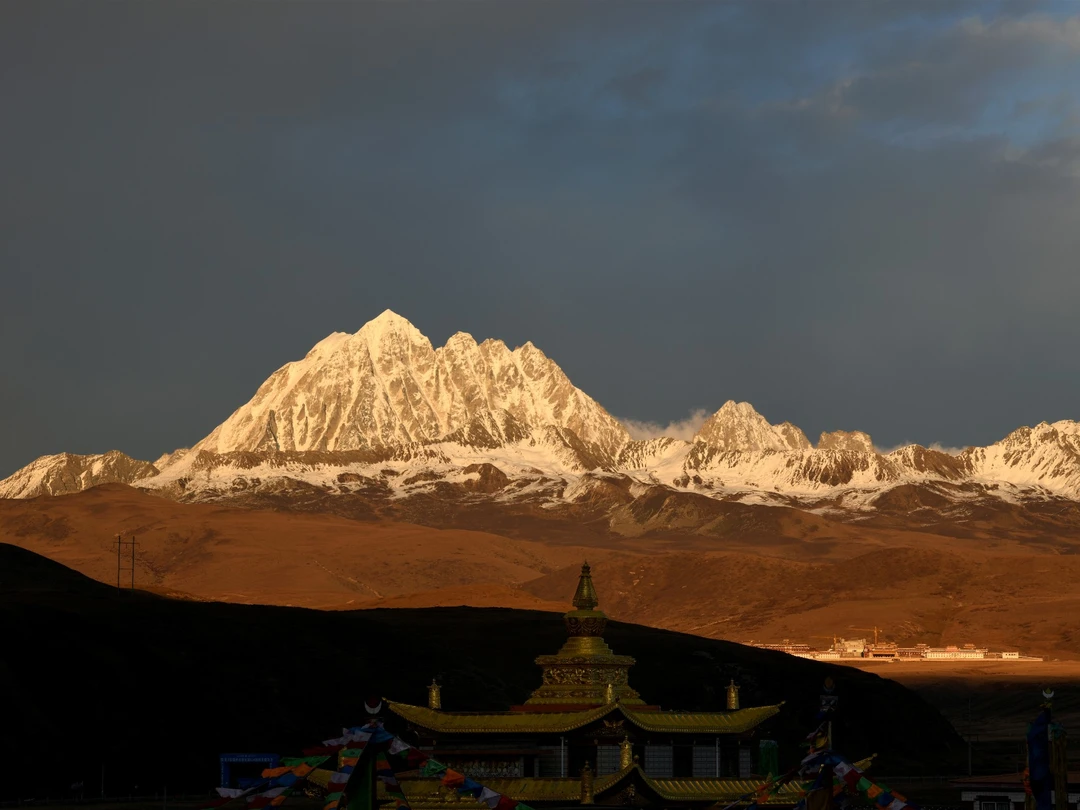
Meta Description: Discover Western Sichuan—a hidden gem more breathtaking than Tibet. This 1500-word guide covers three epic road trips, practical tips, and must-see destinations like Mount Siguniang, Xinduqiao, and Cuopu Valley. Plan your adventure now!
Introduction: Why Western Sichuan Deserves Your Bucket List
When people dream of high-altitude landscapes, Tibet often tops the list. But there's a lesser-known paradise that rivals—and in many ways surpasses—the "Roof of the World." Welcome to Western Sichuan, a region where snow-capped peaks, turquoise lakes, Tibetan monasteries, and golden autumn forests converge in a symphony of natural beauty.
Spanning the Aba Tibetan and Qiang Autonomous Prefecture and Garze Tibetan Autonomous Prefecture, Western Sichuan offers everything Tibet has—prayer flags, yak butter tea, and sacred mountains—but with lower altitudes, better roads, and richer biodiversity. It's a place where you can experience the soul of Tibet without the extreme altitude sickness.
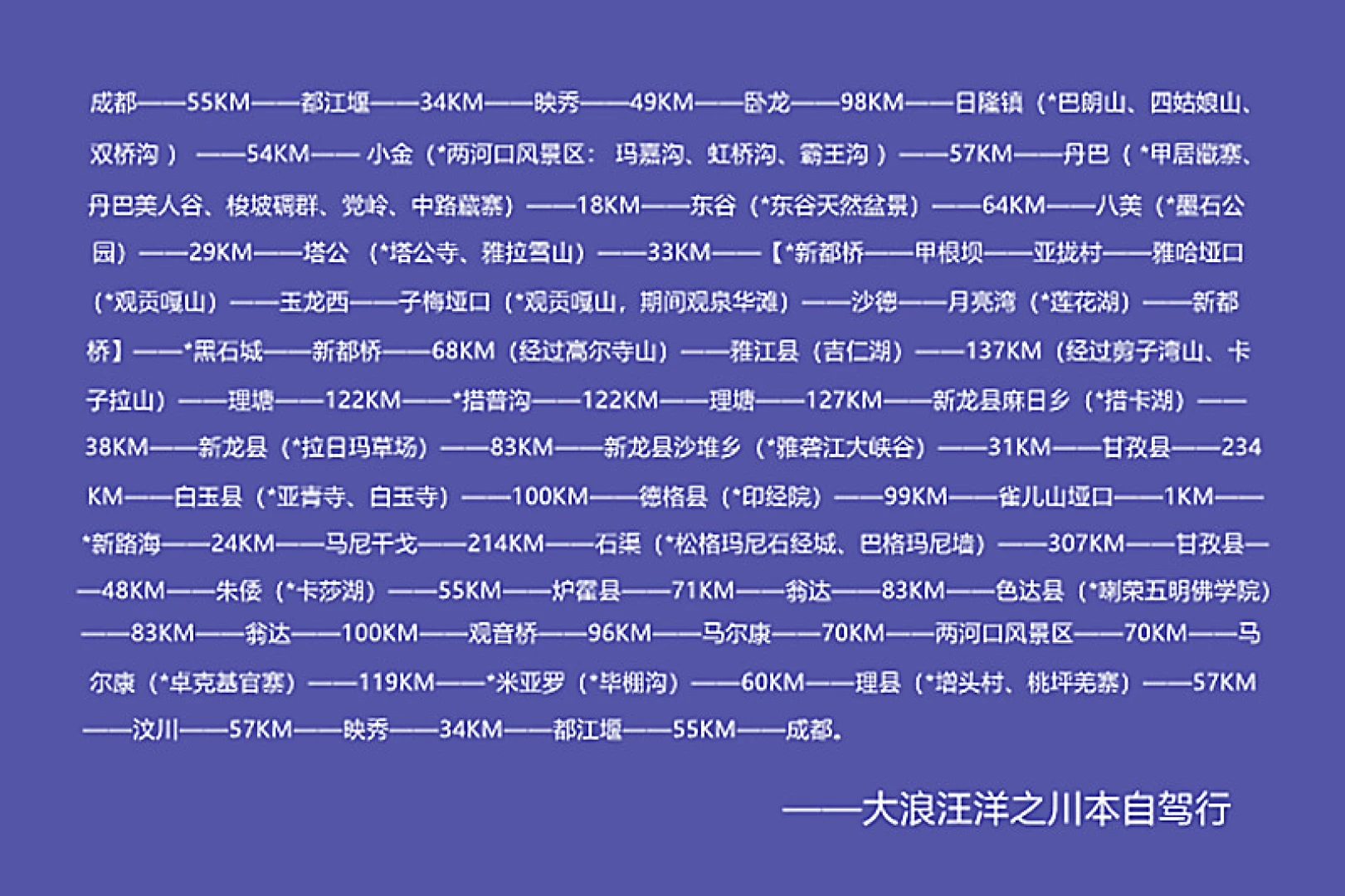
In this comprehensive guide, I'll share my three separate journeys to Western Sichuan, covering over 3,200 kilometers of road, 13 days on the plateau, and countless unforgettable moments. Whether you're a first-time visitor or a seasoned traveler, this article will help you plan the trip of a lifetime.
Where Exactly Is Western Sichuan? A Tibetan Paradise at Lower Altitudes
Western Sichuan refers to the vast region west of the Chengdu Plain. It's not a single city or attraction but a collection of breathtaking landscapes, including:

- Aba Tibetan and Qiang Autonomous Prefecture – Home to Jiuzhaigou, Huanglong, and Mount Siguniang
- Garze Tibetan Autonomous Prefecture – Featuring Tagong Grassland, Yarchen Monastery, and Cuopu Valley
What makes Western Sichuan unique is its accessibility. While Tibet requires permits, high-altitude acclimatization, and long drives, Western Sichuan offers similar scenery at lower elevations. You can drive from Chengdu to Mount Siguniang in just 3-4 hours, and many attractions sit between 2,000 and 4,000 meters—manageable for most travelers.
Why it's "more enchanting than Tibet": - Lower average elevation (less altitude sickness) - Better road infrastructure - More vegetation layers (forests, grasslands, alpine zones) - Easier access to Tibetan culture without border restrictions
Journey One: Mount Siguniang & Danba – Regret and Resilience
Balang Mountain: The Cloud Sea Wonder
Our first journey began on October 14th, driving from Chengdu to Mount Siguniang (Four Sisters Mountain). The highlight was crossing Balang Mountain via the old abandoned road—a decision that rewarded us with legendary cloud sea views.
At 4,523 meters above sea level, Balang Pass offers three cloud sea wonders: - Windless days: White clouds billow from the deep valley like surging waves - Windy days: Clouds roll like dragons, their howls piercing the silence - Mirage effect: The canyon sometimes conjures floating buildings and lakes—a city in the sky
Mount Siguniang: The Oriental Alps
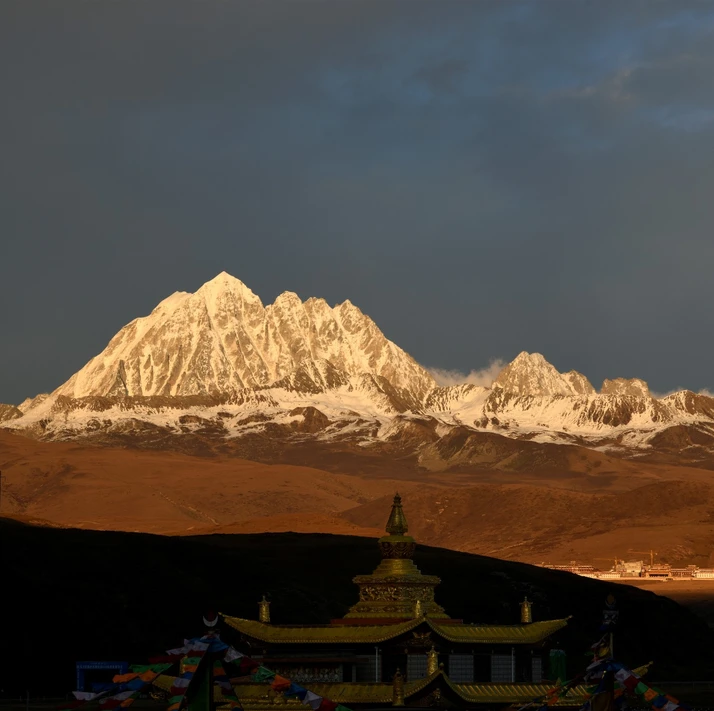
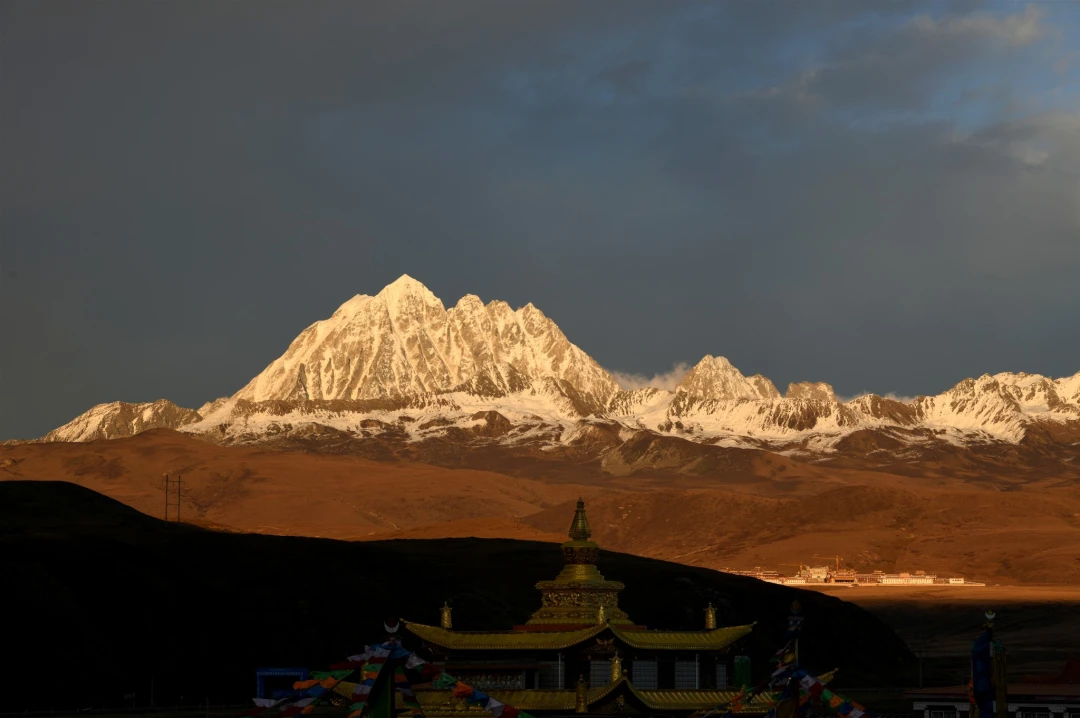
Mount Siguniang, known as the "Queen of Sichuan Mountains," has four peaks. The youngest sister peak stands at 6,250 meters, making it Sichuan's second-highest mountain. Its slender, graceful silhouette earned it the nickname "The Oriental Alps."
We stayed two nights at the base town, climbing Mao'er Ridge four times to catch the golden sunrise. The weather refused to cooperate—overcast skies and thick clouds hid the peaks until our departure day. But the morning mist swirling through the valley, with the little town appearing and disappearing like a fairyland, was healing enough.
Shuangqiao Valley (Double Bridge Valley) was our first surprise. Over 42 kilometers of valley floor, snow-capped mountains surrounded us 360 degrees. From Bonsai Beach to Pearl Beach, every step felt impossible to move on. My favorite spot was the calcified seabuckthorn grove—trees submerged by flash floods and preserved by calcium deposits, standing "dead but never fallen" against the snowy peaks.
Danba: Terror at Zhonglu Tibetan Village
On the third day, at Zhonglu Tibetan Village in Danba, disaster struck. My wife suddenly broke out in hives—first red spots on her face, then spreading across her entire body. Her tongue and throat began swelling, threatening to "cut off her breath."
At 2,100 meters elevation, we had no medication and immense psychological pressure. The next morning, we abandoned all plans and drove straight back to Chengdu. The hospital diagnosed urticaria, and thankfully it wasn't serious. But in that moment, I thought my Western Sichuan dream was over.
Lesson learned: Always carry antihistamines and emergency medication when traveling to remote areas.
Journey Two: Xinduqiao to Cuopu Valley – The Toughest, Yet the Most Spectacular
Xinduqiao: The Photography Paradise
My wife recovered quickly. A week later, she surprised me by saying, "Let's go. I'll come with you." On October 26th, we set off again.
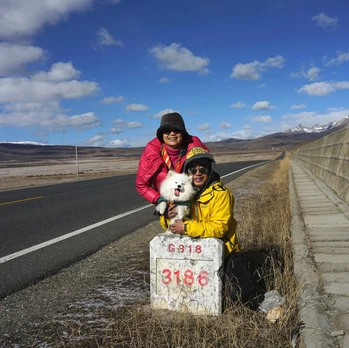
This time, we took the newly opened Yarkang Expressway and reached Xinduqiao by afternoon. Xinduqiao itself has no fixed attractions, but the two stretches of road—from Zheduo Mountain to Xinduqiao, and from Xinduqiao to Tagong—offer over 10 kilometers of breathtaking scenery. Golden poplars, winding rivers, scattered Tibetan villages—every snapshot could be a masterpiece.
Pro tip: Visit in late October for peak autumn colors. The golden poplars against blue skies create stunning photo opportunities.
Yarchen Monastery & Cuopu Valley: Pure Serenity
Over the following days, we crossed Yala Snow Mountain, Moshí Park (Ink Stone Park), and Garze, finally arriving at the places I'd most longed to see: Yarchen Monastery and Cuopu Valley.
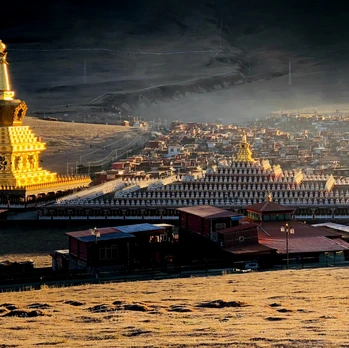
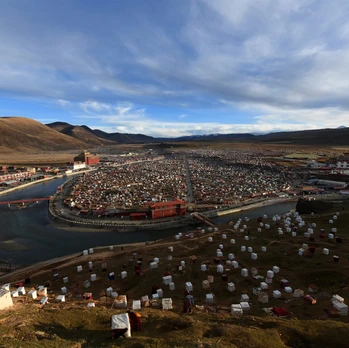
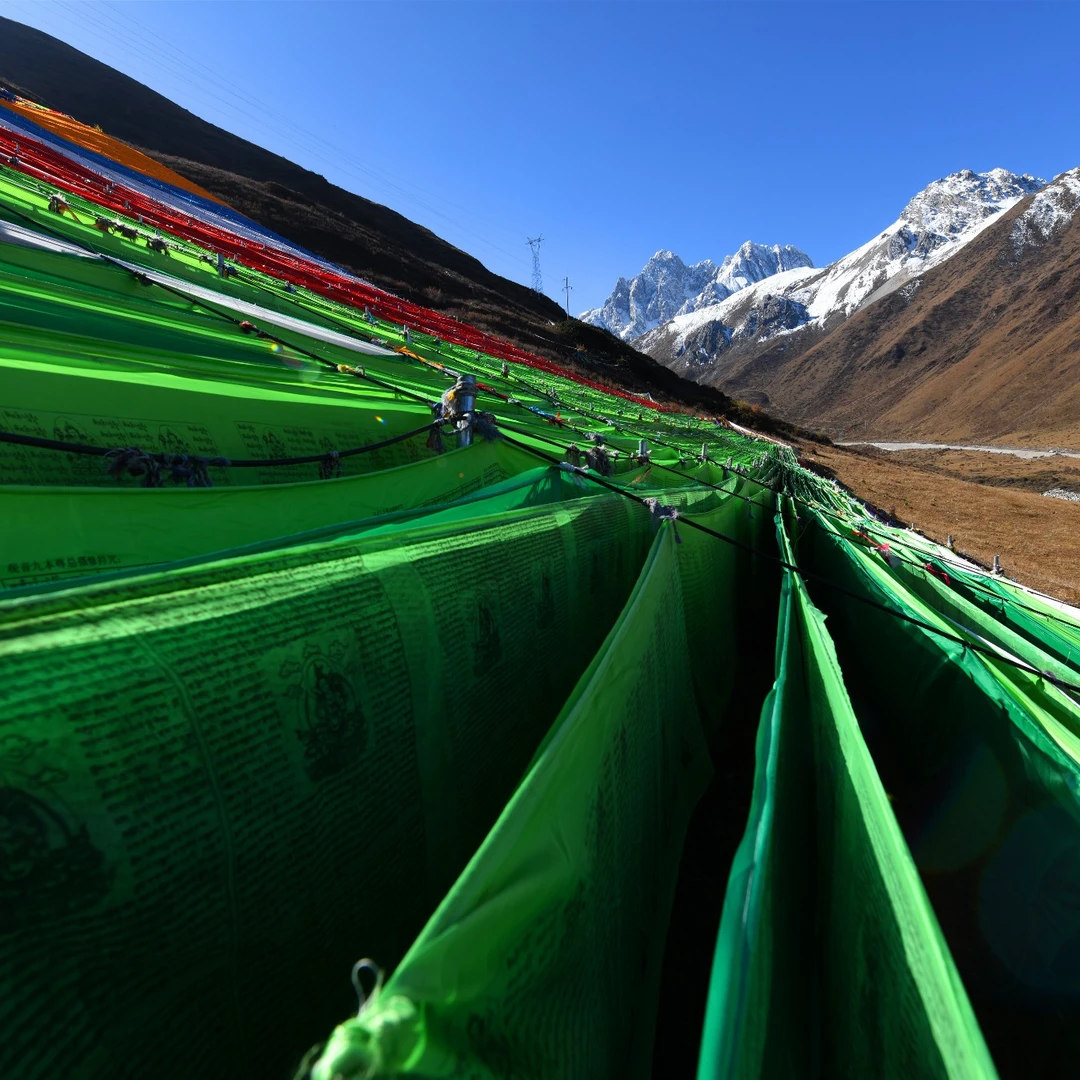
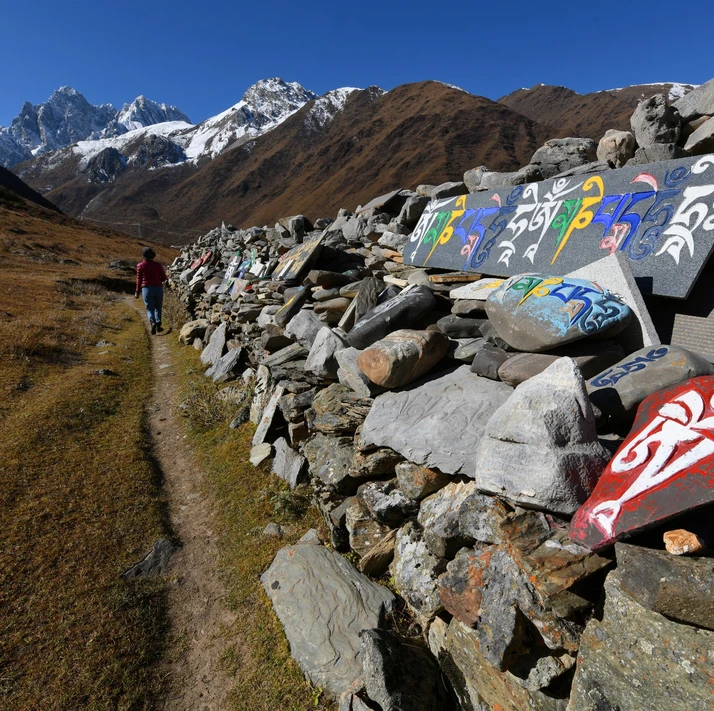
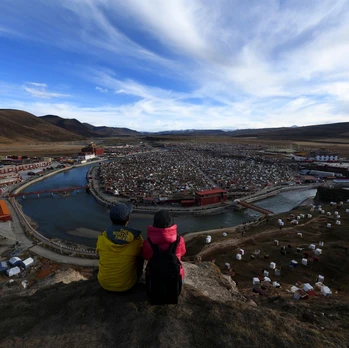
Yarchen's meditation huts blanket the hillside in dense clusters, quieter and more primitive than Sertar (Larung Gar). The atmosphere is deeply spiritual—monks and nuns in maroon robes walk silently, prayer flags flutter in the wind, and the only sounds are chanting and birdsong.
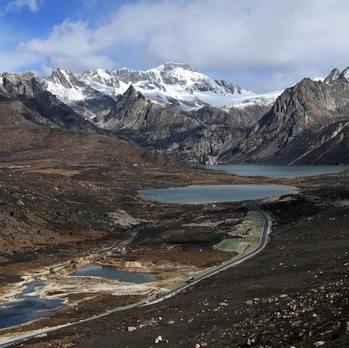
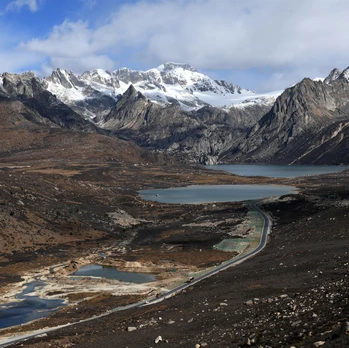
Cuopu Valley's lake shimmered like jade, with the Sisters Lakes at Haizi Mountain reflecting snowy peaks. It felt as if only this pure expanse remained in the world—a place where time stands still.
Coping with Altitude Sickness
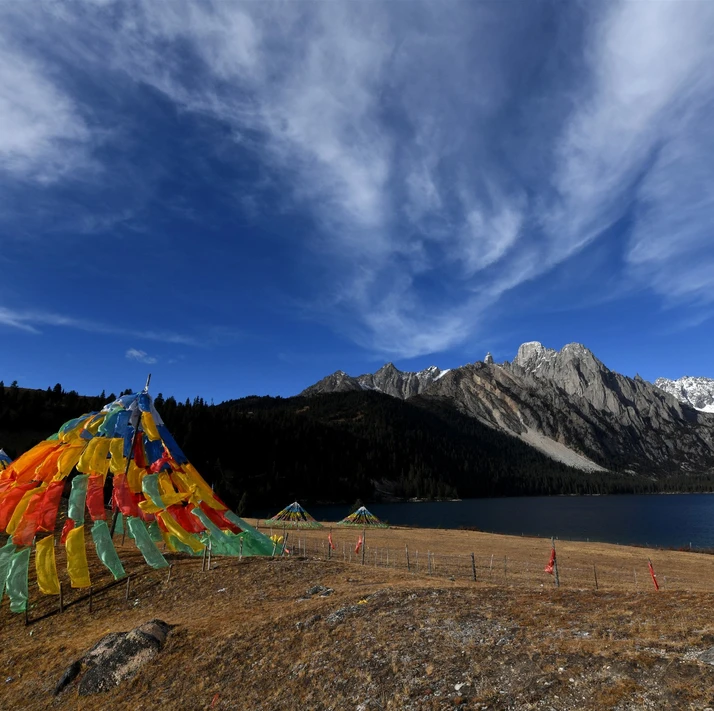
At Yarchen, my wife's hives flared up again, accompanied by severe altitude sickness. Fortunately, we were prepared this time, carrying ample medication. She gritted her teeth and accompanied us through the entire journey.
Altitude sickness tips: - Ascend gradually (don't go from 500m to 4,000m in one day) - Stay hydrated (drink 3-4 liters of water daily) - Avoid alcohol and heavy meals - Carry Diamox (acetazolamide) for prevention - Know the symptoms: headache, nausea, dizziness, shortness of breath
Journey Three: Miyaluo & Bipeng Valley – Autumn's Finale
Miyaluo: A Spilled Palette of Red Leaves
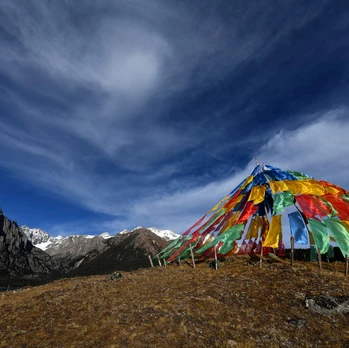
On October 31st, we returned to Chengdu from Litang. After two days of rest, we set out again on November 3rd. This time, our targets were Miyaluo and Bipeng Valley—places where autumn colors linger latest and burn brightest.
Miyaluo's red leaves covered the mountainsides like a spilled palette. The contrast between crimson foliage, golden poplars, and snow-capped peaks created a visual feast. This is one of the best places in China for autumn photography, with trails suitable for all fitness levels.
Bipeng Valley: Tranquil Beauty
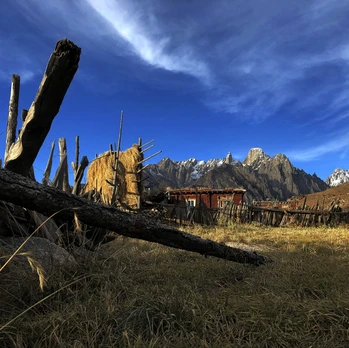
Bipeng Valley offered a different kind of beauty—snow peaks reflected in the lake, so tranquil you dared not speak loudly. The lake's surface was like a mirror, perfectly capturing the surrounding mountains and forests. We spent hours just sitting by the water, soaking in the peace.
Since K-ge (Brother K) couldn't join due to family matters, my wife and I traveled light. This gave us an unexpected sense of freedom—we could stop anywhere, stay as long as we wanted, and truly immerse ourselves in the moment.
Other Highlights
In just 13 days across three segments, we visited: - Balang Mountain – Cloud sea views - Mount Siguniang – Queen of Sichuan Mountains - Shuangqiao Valley – 42km of valley scenery - Suopo Watchtowers – Ancient Qiang architecture - Zhonglu Tibetan Village – Authentic Tibetan culture - Xinduqiao – Photography paradise - Yala Snow Mountain – Sacred peak - Moshí Park – Ink Stone landscape - Yarchen Monastery – Meditation hub - Cuoka Lake – Alpine lake - Haizi Mountain Sisters Lakes – Twin turquoise lakes - Cuopu Valley – Jade-like lake - Miyaluo – Red leaves wonderland - Bipeng Valley – Reflective lake - Zengtou Village – Traditional Tibetan village - Taoping Qiang Village – Ancient Qiang fortress
Practical Guide: Food, Accommodation, Transport, and Photography Tips
Best Time to Visit
| Season | Highlights | Considerations |
|---|---|---|
| Spring (April-May) | Wildflowers, green meadows | Some roads may be closed |
| Summer (June-August) | Lush landscapes, festivals | Rainy season, landslides possible |
| Autumn (September-November) | Golden poplars, red leaves | Peak season, book ahead |
| Winter (December-March) | Snow-covered peaks, fewer crowds | Cold temperatures, some closures |
Best season: Late October to early November for autumn colors. The golden poplars at Xinduqiao and red leaves at Miyaluo are at their peak.
How to Get There
- From Chengdu: Drive via the Yarkang Expressway (3-4 hours to Mount Siguniang)
- Public transport: Buses from Chengdu to Kangding, Litang, or Garze
- Self-drive: Rent a car in Chengdu (4WD recommended for mountain roads)
- Tours: Join a group tour from Chengdu (many operators offer Western Sichuan packages)
Accommodation Options
- Mount Siguniang base town: Budget hotels and guesthouses (CNY 100-300/night)
- Xinduqiao: Tibetan-style inns and homestays (CNY 150-400/night)
- Yarchen Monastery: Basic guesthouses (CNY 50-100/night)
- Miyaluo/Bipeng Valley: Resorts and hotels (CNY 200-500/night)
Booking tip: Reserve during peak autumn season (October-November) at least 2 weeks in advance.
Photography Tips
- Best times: Sunrise (6:00-8:00 AM) and sunset (5:00-7:00 PM)
- Recommended gear: Wide-angle lens for landscapes, telephoto for snow peaks
- Filters: Polarizing filter to reduce glare on lakes
- Settings: Use aperture priority (f/8-f/11) for maximum sharpness
- Drone: Check local regulations—some areas restrict drone use
FAQ: Everything You Need to Know About Western Sichuan
1. Is Western Sichuan safe for solo travelers?
Yes, Western Sichuan is generally safe for solo travelers. However, be aware of altitude sickness, remote areas with limited cell service, and weather changes. Always carry a first-aid kit, extra food, and water. Inform someone of your itinerary before heading to remote spots.
2. What's the difference between Western Sichuan and Tibet?
Western Sichuan offers similar Tibetan Buddhist culture, snow mountains, and grasslands but at lower altitudes (2,000-4,000m vs. 3,500-5,000m in Tibet). It's more accessible, requires no special permits, and has better road infrastructure. Vegetation is richer, and autumn colors are more vibrant.
3. How many days do I need for a Western Sichuan trip?
For a comprehensive trip covering major attractions, plan 10-14 days. A shorter 5-7 day trip can cover Mount Siguniang, Xinduqiao, and Tagong. For Yarchen Monastery and Cuopu Valley, add 3-4 more days.
4. What should I pack for Western Sichuan?
- Clothing: Layered clothing (thermal base, fleece, waterproof jacket), warm hat, gloves
- Footwear: Hiking boots with good grip
- Gear: Sunscreen (SPF 50+), sunglasses, lip balm, power bank
- Medications: Altitude sickness pills, antihistamines, pain relievers
- Documents: ID card, travel insurance, emergency contact numbers
5. Can I visit Western Sichuan in winter?
Yes, but with caution. Winter (December-March) offers fewer crowds and snow-covered landscapes, but some mountain passes may be closed due to snow. Roads require 4WD vehicles with snow chains. Temperatures can drop to -15°C at night. Spring and autumn are more comfortable for first-time visitors.
Internal Linking Suggestions
- [Link: Best time to visit Sichuan for autumn colors]
- [Link: How to prepare for high-altitude travel]
- [Link: Top 10 Tibetan monasteries in China]
- [Link: Chengdu to Western Sichuan road trip itinerary]
- [Link: Photography tips for snow-capped mountains]
Conclusion: Your Western Sichuan Adventure Awaits
Western Sichuan is more than a destination—it's a journey of resilience, wonder, and transformation. From the cloud seas of Balang Mountain to the jade lakes of Cuopu Valley, from the golden poplars of Xinduqiao to the red leaves of Miyaluo, every corner of this region tells a story.
My three journeys taught me that the best adventures don't go according to plan. They're shaped by unexpected detours, health scares, and moments of pure magic. But they're always worth it.
Ready to plan your own Western Sichuan adventure? Start by choosing your season, mapping your route, and packing your bags. Whether you're a solo traveler, a couple, or a family, this land of snow peaks and prayer flags will leave an indelible mark on your soul.
Book your trip today and discover why Western Sichuan is truly more enchanting than Tibet. [Link: Western Sichuan tour packages] [Link: Rent a car in Chengdu for Western Sichuan road trip]
Note: This article is based on personal travel experiences. Altitudes, distances, and conditions may vary. Always check current travel advisories and road conditions before your trip.
You may also like


