Western Sichuan Travel Guide: A Fleeting Encounter with Snowy Peaks and Alpine Meadows
Meta Description: Discover the magic of Western Sichuan in this 5-day travel guide. From Yala Snow Mountain's hidden campsites to Yuzixi's golden sunset views, experience alpine meadows and sacred peaks like never before.
Introduction: Why Western Sichuan Deserves a Spot on Your Bucket List
Sometimes, the best journeys begin without meticulous planning. A friend's spontaneous request, a shared yearning for the open road, or simply an unexplainable pull toward distant horizons—that's how I found myself in Western Sichuan in July 2023. Five days. Not too long, not too short. But enough to fall completely, irrevocably in love with this land of snowy peaks and alpine meadows.
If you've ever dreamed of running across a green carpet of alpine meadow with snow-capped mountains before your eyes and a crystal-clear stream at your feet, Western Sichuan delivers that dream in spades. It's different from Xinjiang, yet possesses a beauty just as breathtaking—every frame urges you to press the shutter, every moment deserves to be treasured.
In this comprehensive guide, I'll share my firsthand experience, practical tips, and the hidden gems that made my Western Sichuan road trip unforgettable. Whether you're planning a Sichuan self-drive tour or a Western China adventure, this article will help you make the most of your journey.
Yala Snow Mountain: An Unexpectedly Enchanting Stop
First Impressions of This Sacred Peak
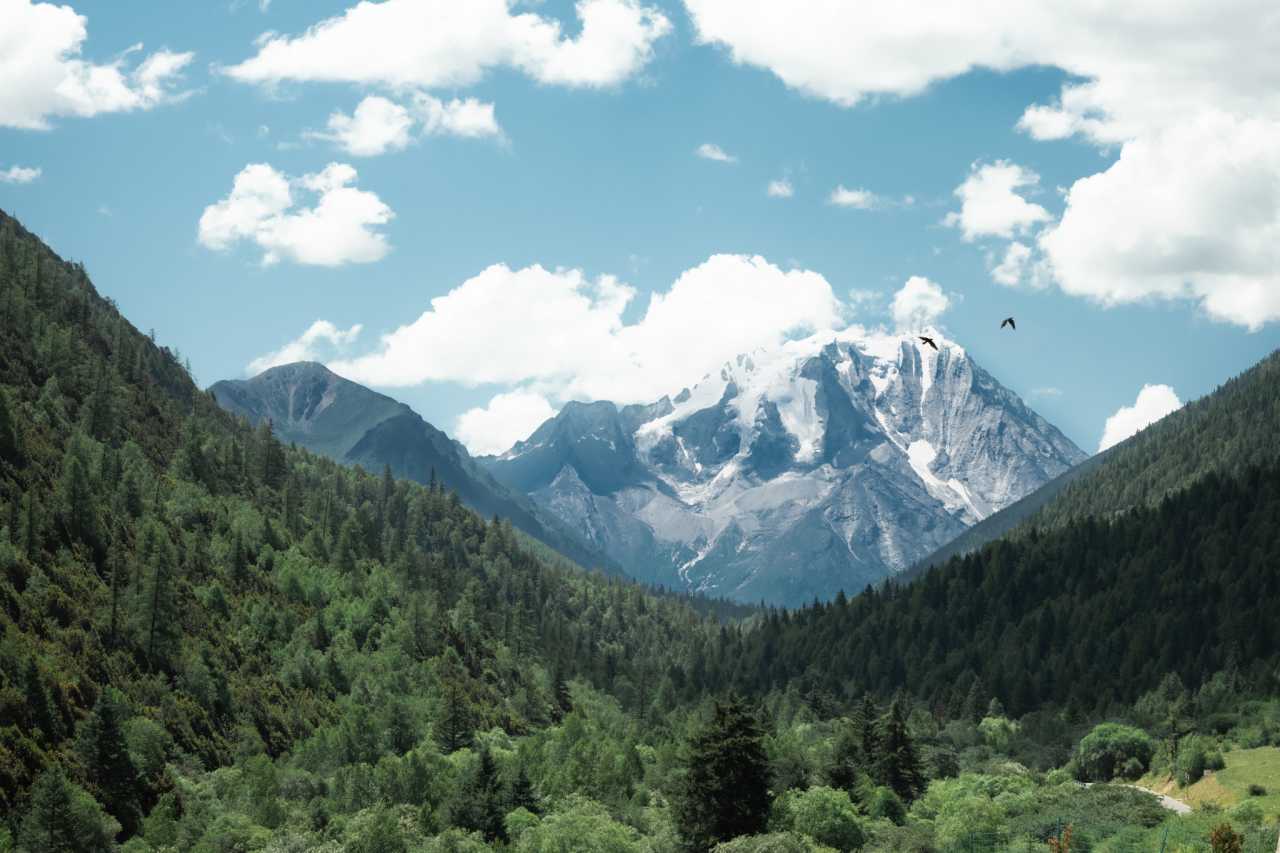
Yala Snow Mountain wasn't the first stop on our itinerary, but I can't wait to write about it. I'm afraid time will blur the memories, that those beautiful images will fade before I can put them into words.
How do I describe this place? Unexpected, yet utterly captivating. The snow mountain stands there, majestic and imposing. Standing before it, I felt small yet not oppressed. Given more time, I would have loved to watch the cold, stern peak wrapped in the glow of sunset—dusk descending, tender and romantic.
Imperfect Service, Perfect Scenery
Let's be honest: the service experience at Yala Snow Mountain left much to be desired. The area is still under development—tickets must be purchased on-site with cash and your ID card. While the toilets are no longer pit latrines, the hygiene is still questionable. There's no network coverage throughout the scenic area; if you get separated from your companions, you're essentially out of contact. The shuttle bus goes straight to the end point, barely stopping at intermediate stations.
These issues would be enough for most people to give it a thumbs down, but I still want to speak up for it—it's worth the journey, worth the stay.
We almost missed the most beautiful scenery. The shuttle dropped us directly at the visitor center at the end of the line. The staff told us we had only two options: either hike or ride a horse further up to see the alpine lakes and waterfall, or head straight back down. Just as we were hesitating whether to leave, I remembered the tips my friend had given me before departure—the campsite midway was stunning.
The Hidden Campsite That Stole Our Hearts
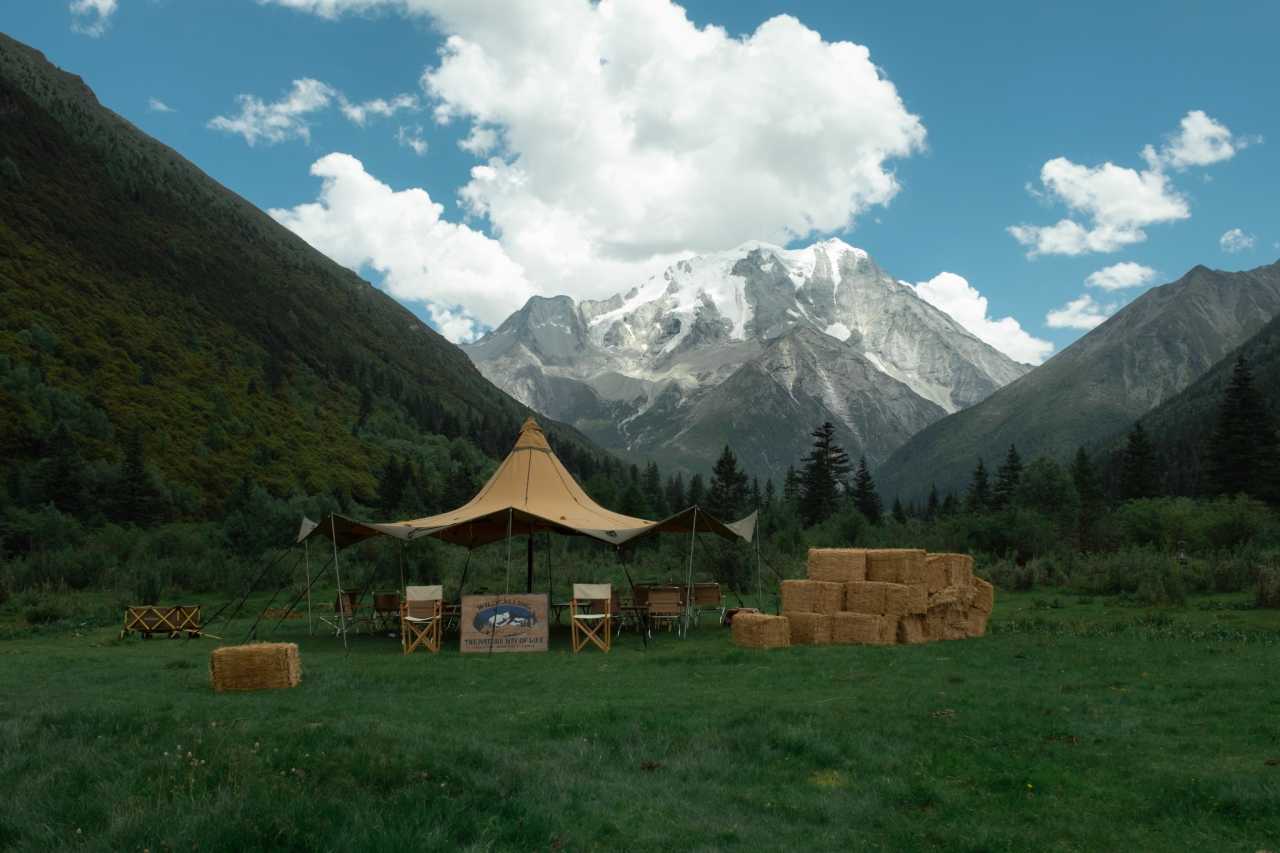
Fortunately, on the return trip, we met a warm-hearted driver. He recommended everyone get off at the campsite to explore, but few people took his advice—perhaps they thought he was just trying to push something. We decided to take a gamble, and it turned out to be the best decision we made.
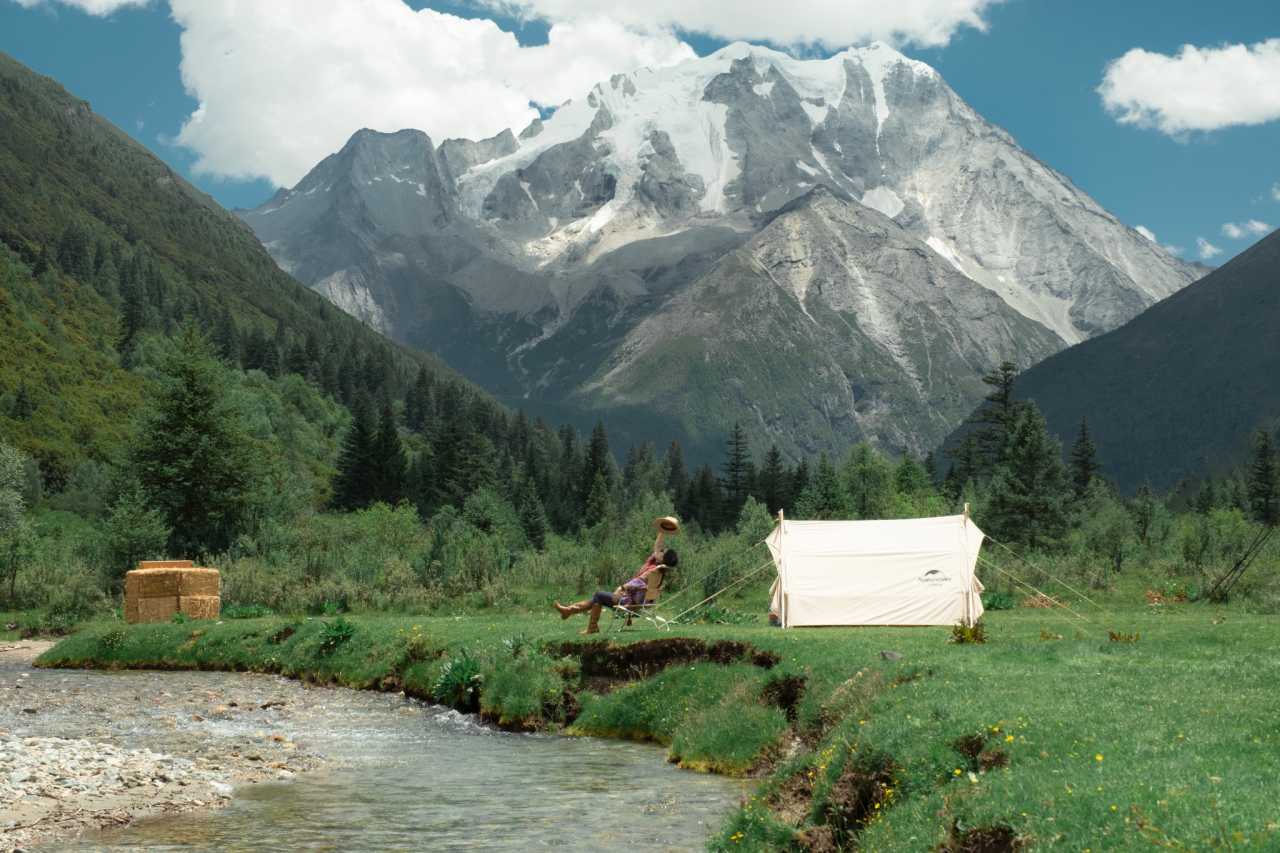
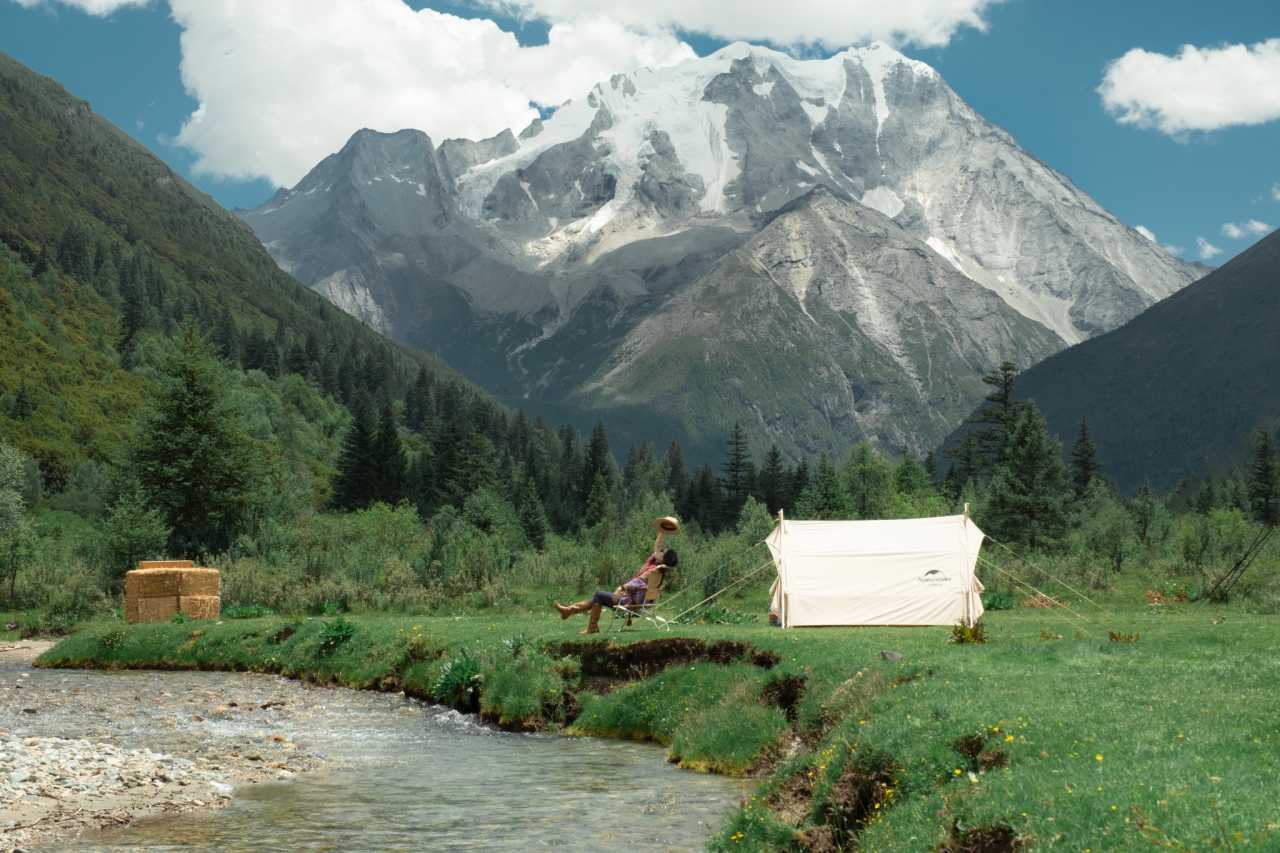
Crossing a small bridge and walking a dozen meters through the woods, we arrived at the campsite. Everything here felt amplified in its beauty: the snow mountain, the greenery, the lawn, the stream. People were playing in the water, soaking in the coolness of melted snow. At the campsite, we also met a young man with an artistic vibe. He told us there was coffee here, that we could rest under the canopy, and take photos freely. He said he had been to many campsites, but this was the place he'd stayed the longest.
I really wanted to grab a chair, sit quietly by the water, listen to the babbling stream, feel the moist air, and watch the last tender rays of sunlight linger on the snow mountain with my best friend. But we were just passing travelers, snatching only a moment of beauty—yet it was enough to fill us with joy for a long time.
Practical Tips for Yala Snow Mountain
- Tickets: Purchase on-site with cash—150 RMB/person (includes entrance and shuttle). Bring your ID card.
- Camping: Allowed; bring your own gear for 200 RMB/person. Reserve through the scenic area's official WeChat account.
- Network: No coverage in the scenic area. If traveling in a group, try not to split up.
- Shuttle buses: Run infrequently (about every 40 minutes), so plan your time accordingly.
- Intermediate stops: The shuttle can stop at intermediate points—just communicate with the driver in advance.
- Time: Allow at least 3 hours for your visit.
[Link: Best campsites in Western Sichuan]
Yuzixi: The Unmatched Tenderness of Sunset
Chasing the Golden Mountain Phenomenon

I crave the grand beauty of sunset and sunrise—fleeting, elusive, and serendipitous. The orange-tinged sky gradually transforms into a dreamy blue-purple. Snow-capped mountains paired with a setting sun create a scene like a painting. My biggest wish on this trip was to witness the "Golden Mountain" phenomenon—when the peaks are bathed in golden light. It didn't go perfectly, but when does life ever? Nine times out of ten, things don't go as planned; having one or two moments that do is enough.
The Long Mountain Road and Inner Peace
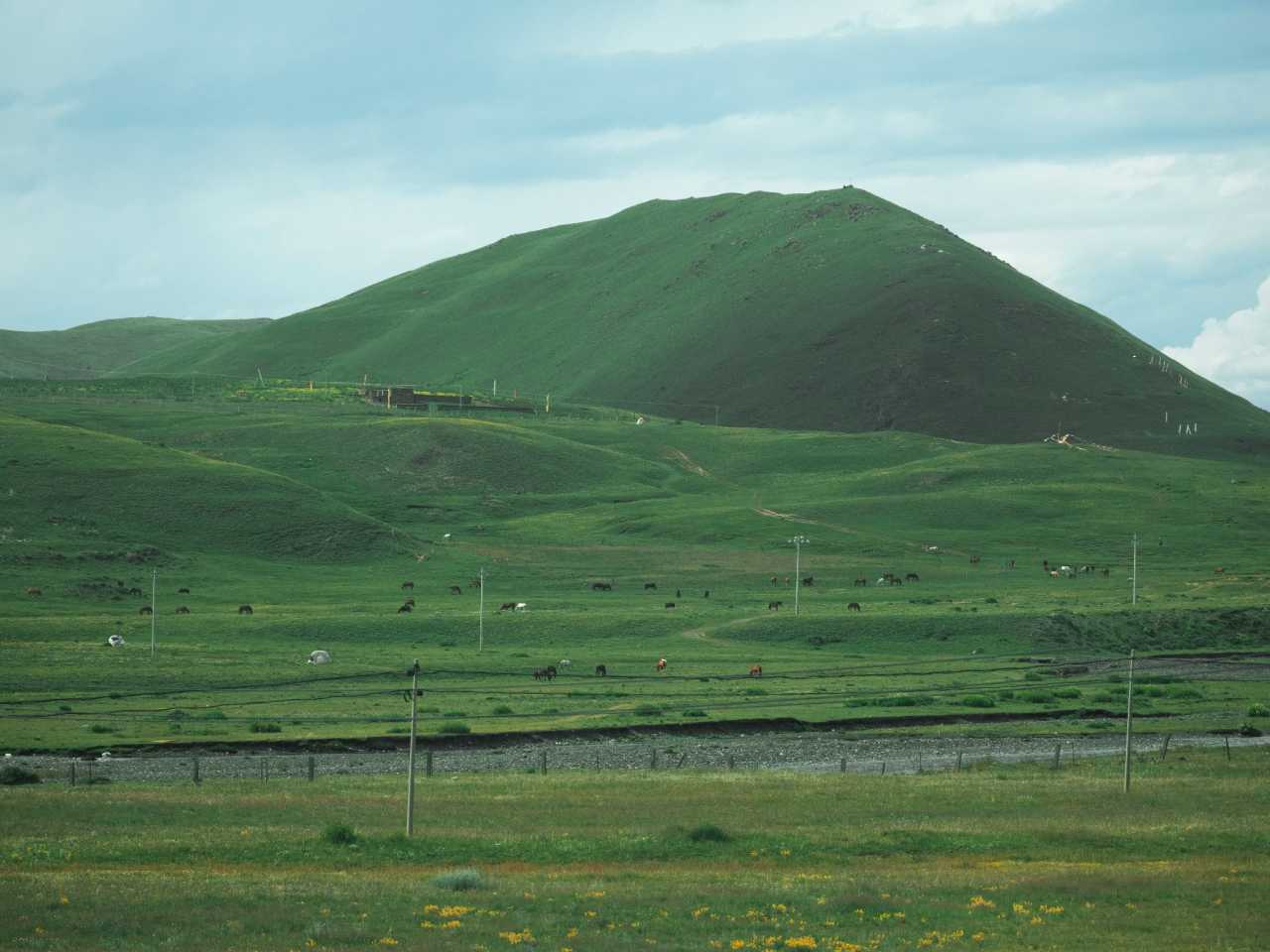
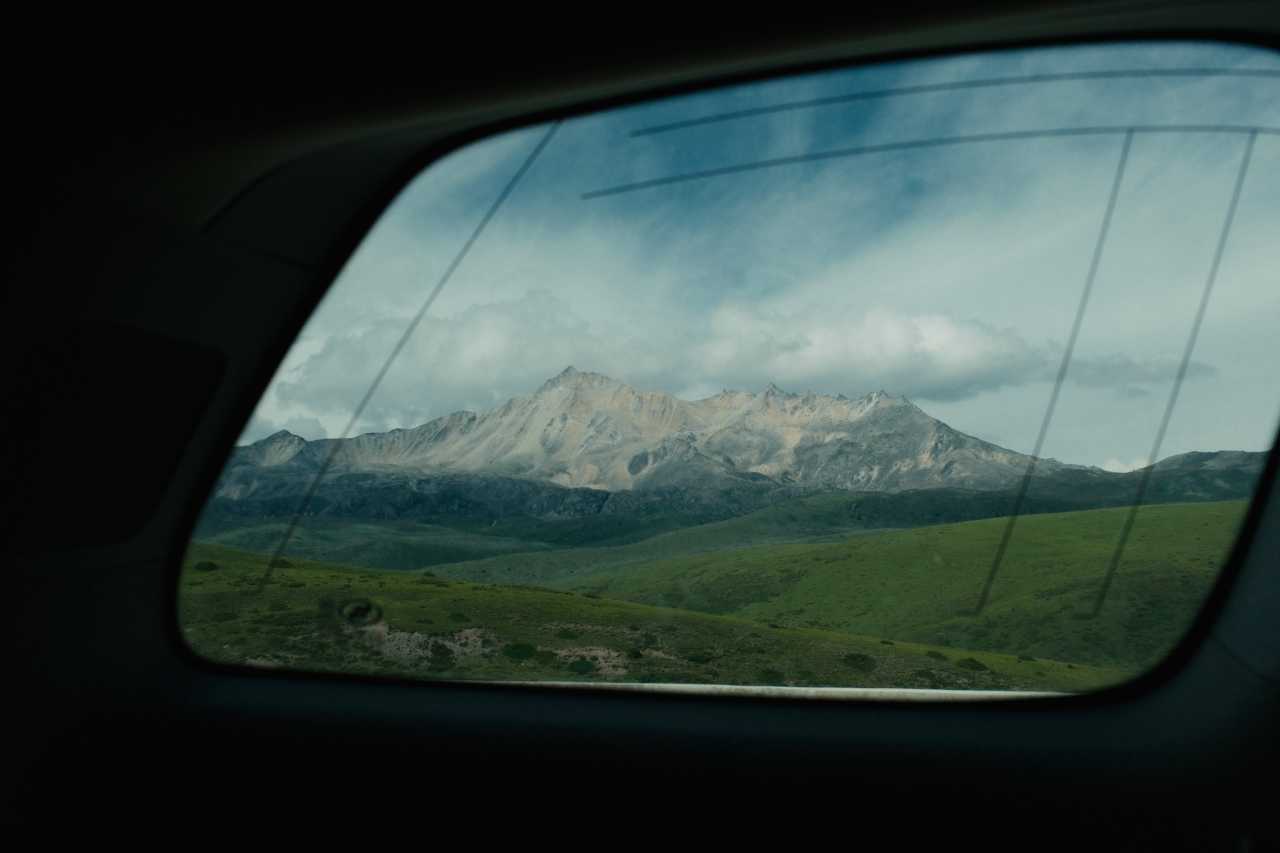
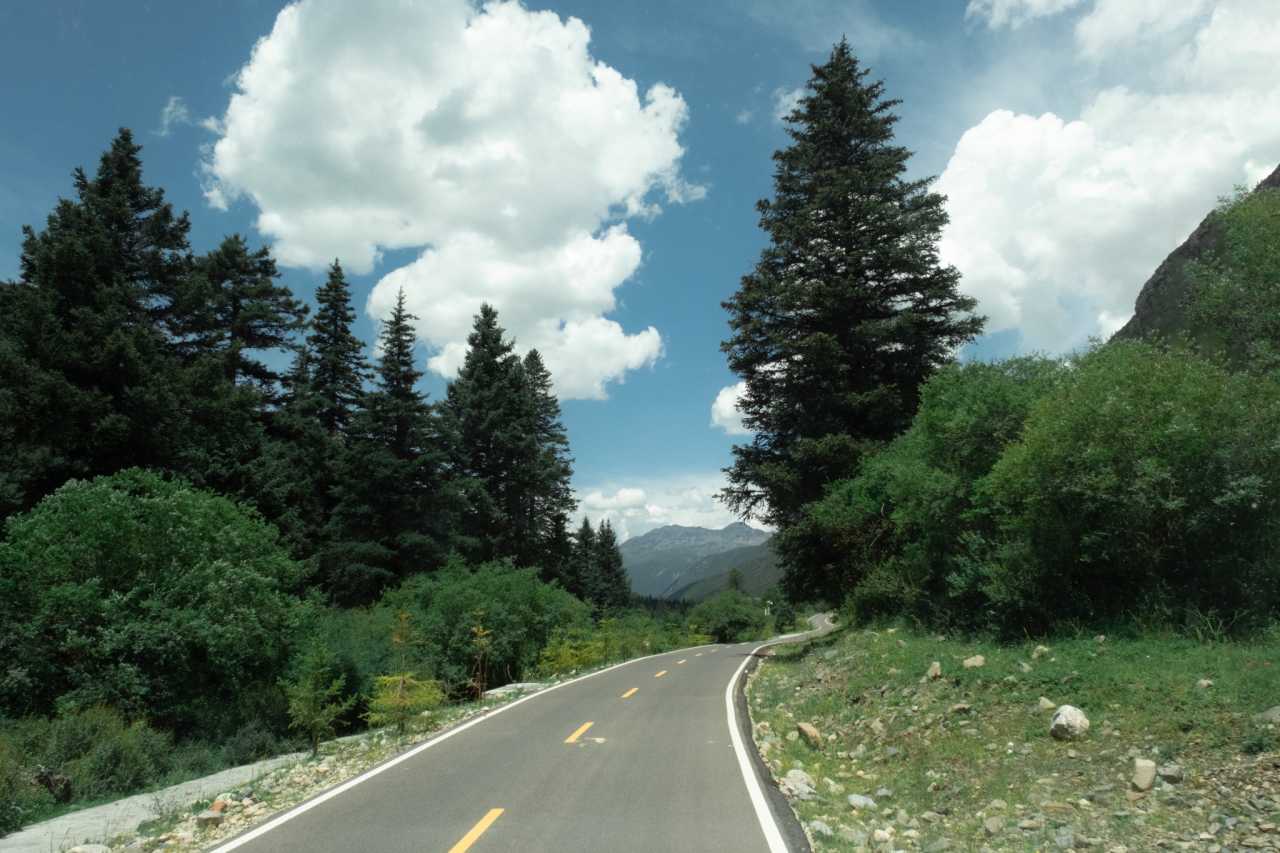
Leaving Yala Snow Mountain, we headed straight for Yuzixi via Tagong Grassland. The scenery along the way was stunning, but we barely stopped because we were in a hurry. Reaching Yuzixi required traversing a long mountain road, entirely unpaved with gravel and no guardrails. My best friend was so nervous her palms were sweating the whole time, but I was strangely calm. For me, when safety is in the driver's hands, excessive worry only adds unnecessary stress.
It reminded me of an experience shortly after I got my driver's license. I went on a road trip with some photographer friends in Xiamen. They accidentally rented a manual transmission car, and I was the only one who could drive stick. Forced into the driver's seat, with everyone shouting directions, my anxiety only grew, and I ultimately couldn't handle it. Everyone needs recognition, but in reality, how many people can directly express gratitude and encouragement?
Romance at High Altitude: What to Wear and Bring
If you're going to watch the sunset, staying warm is the top priority. Once the sun's warmth fades, the temperature plummets, and with the strong winds at the summit, it's easy to catch a chill. We put on every warm layer we brought—thin down jacket, leather jacket, hat—not a single piece could be spared. Don't think you can just wear a dress with bare legs, snap a few photos, and leave. Even one minute of exposure to the wind and cold can trigger a chain of discomfort.
Essential packing list for Yuzixi: - Thermal base layer - Thin down jacket or fleece - Windproof outer layer - Warm hat and gloves - Scarf or neck gaiter - Comfortable hiking boots
Capturing the Moment: Photography Tips
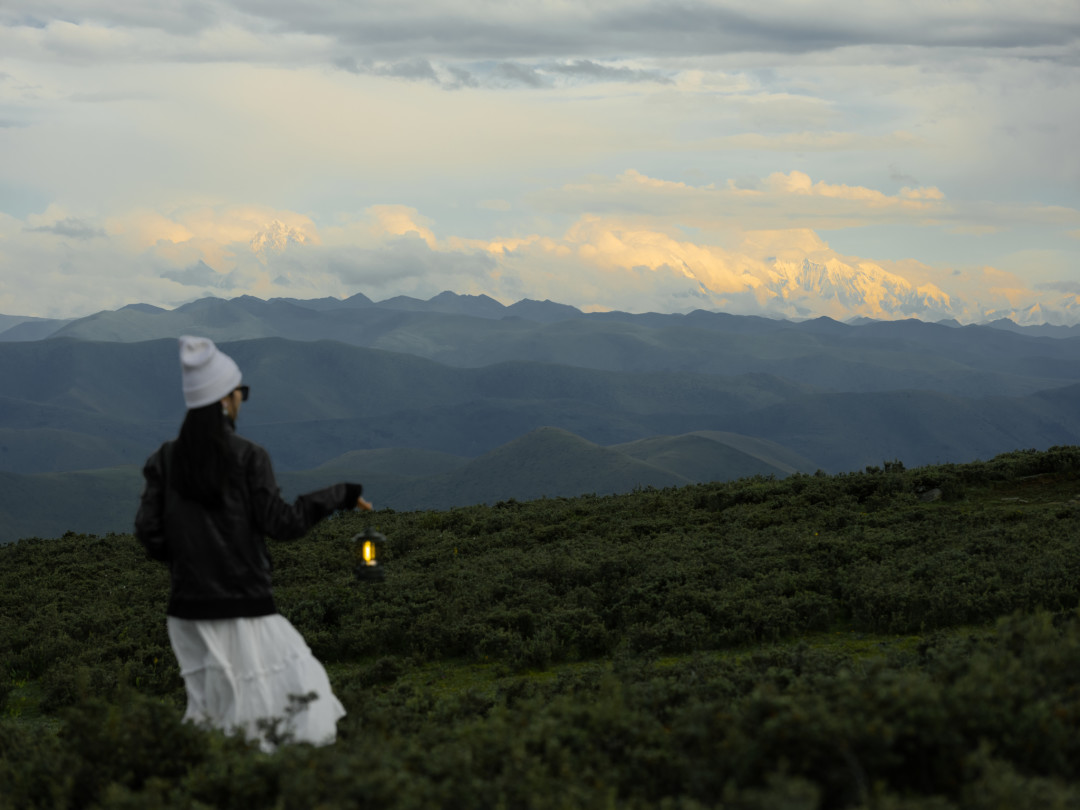
Freedom, spontaneity, romance—that's what I felt at Yuzixi. Surrounded 360 degrees by sacred mountains, feeling the wind mess up my hair, I wanted to go with it, to see more of the vast landscapes. I come from the plains, walking through the highlands, gazing at the wildness of life. I don't really know these mountains, but that doesn't stop me from feeling that the distant peaks, snow, and clouds are magnificently vast.
Before the trip, I wanted to take a photo of myself walking toward the mountain with a lantern in hand against the backdrop of snow peaks. At Yuzixi, I finally got my wish. A lantern—it adds atmosphere to the frame, and it's also a symbol of direction. So if you want to capture that kind of mood, bring a small lantern—it'll make your photos stand out.
[Link: High-altitude photography tips for Sichuan]
The People Waiting for Sunset
There were many people on the platform waiting for the sunset. I happened to catch a glimpse of a father and his son. The father looked young, pulling the little boy across the platform toward the direction where the sun was hitting the snow mountains. The boy walked slowly, pulled along by his father. When he looks back on this later, will he think it's something to be proud of—standing with his dad on a mountain at 4,100 meters at such a young age?
In terms of education, I believe taking children out to see the world broadens their perspective in ways no classroom can. Western Sichuan offers families a unique opportunity to connect with nature and each other.
Frequently Asked Questions About Western Sichuan Travel
1. When is the best time to visit Western Sichuan?
The ideal time for a Western Sichuan road trip is from May to October. July and August offer the most vibrant alpine meadows and comfortable temperatures, though they're also the peak rainy season. September and October provide clearer skies and stunning autumn colors.
2. Do I need special permits to visit Western Sichuan?
Most areas in Western Sichuan are open to domestic and international travelers. However, some remote regions near the Tibetan border may require permits. Always check current regulations before your trip.
3. How do I handle altitude sickness in Western Sichuan?
- Ascend gradually—don't go from Chengdu (500m) to 4,000m in one day
- Stay hydrated and avoid alcohol
- Consider taking acetazolamide (Diamox) after consulting your doctor
- Carry portable oxygen cans for emergencies
- Listen to your body—if symptoms persist, descend immediately
4. Is it safe to drive in Western Sichuan?
Self-driving in Western Sichuan requires experience with mountain roads, gravel paths, and occasional landslides. If you're not confident, consider hiring a local driver or joining a tour group. Always check road conditions before departing.
5. What should I pack for a Western Sichuan trip?
Beyond the usual travel essentials, bring: - Warm layers (temperatures can drop below 10°C even in summer) - Sun protection (high altitude = strong UV rays) - Cash (many remote areas don't accept cards) - Power bank (charging opportunities are limited) - Snacks and water (restaurants are sparse between towns)
Conclusion: Your Western Sichuan Adventure Awaits
Western Sichuan isn't just a destination—it's a feeling. It's the moment you stand before Yala Snow Mountain and feel both small and infinite. It's the golden glow of sunset at Yuzixi that makes you forget the cold. It's the unexpected campsite that becomes your favorite memory.
Five days in this land of snowy peaks and alpine meadows taught me that the best journeys aren't the ones perfectly planned—they're the ones where you take a gamble, trust a stranger's advice, and discover something extraordinary.
Ready to plan your own Western Sichuan adventure? Start by mapping out your route, packing those warm layers, and leaving room for spontaneity. The mountains are calling—will you answer?
[Link: Complete Western Sichuan itinerary guide] [Link: Sichuan road trip essentials checklist]
Have you visited Western Sichuan? Share your favorite memory in the comments below, or ask any questions you have about planning your trip. I'd love to help you create your own unforgettable encounter with these sacred peaks and alpine meadows.
You may also like


