Western Sichuan Small Loop: A Complete 9-Day Road Trip Itinerary from Chengdu
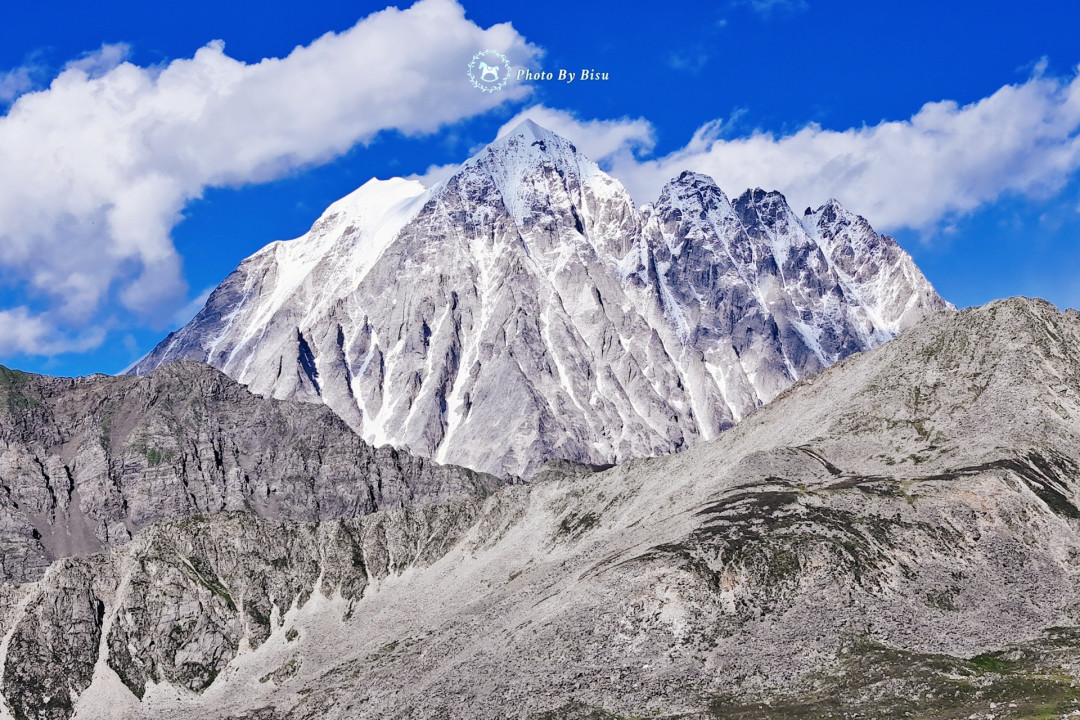
Meta Description: Discover the ultimate Western Sichuan Small Loop itinerary, a 9-day self-drive adventure through Garzê Tibetan Autonomous Prefecture. Explore Mount Siguniang, Danba, Xinduqiao, and more. Perfect for couples seeking plateau landscapes and authentic Tibetan culture.
Introduction: When the Mountains Call, You Must Go
After six months marinating in the "office smell" of Shenzhen's fast-paced corporate life, I felt the familiar burnout creeping in. The endless cycle of KPIs, deadlines, and fluorescent lights had wrapped itself around every cell like an invisible film. My wife and I knew we needed an escape—a long journey where the only metrics were altitude gain and the number of snowy peaks we could count.
We chose the Western Sichuan Small Loop over the Qinghai-Gansu Grand Loop for deeply personal reasons. We'd planned this trip two years ago but had to divert to Guizhou after the Aba earthquake. Plus, we completed our graduate studies in Chongqing nearly a decade ago, and we were craving that authentic Sichuan mala flavor—tongue-numbing, spicy, and unforgettable.
The only sacrifice? Our little dog, "Ice Cream," had to stay at a pet boarding facility. Those innocent eyes as we left tugged at my heart. But every great journey requires some sacrifices, doesn't it?
Trip Snapshot: - Destination: Garzê Tibetan Autonomous Prefecture, Western Sichuan - Duration: June 28 – July 6, 2024 (9 days) - Cost: Approximately 5,000 RMB per person - Travel Style: Couple's self-drive road trip
Day 1: Shenzhen to Chengdu – Departure Under Nightfall
At 10 PM on June 28, after a two-hour delay, our plane finally lifted off from Bao'an Airport. Through the window, Shenzhen's lights shrank into a sea of stars, while my thoughts had already flown to that high plateau.
This journey had officially begun. The Western Sichuan road trip adventure was calling.
Day 2: Chengdu to Mount Siguniang – First Encounter in the Mist
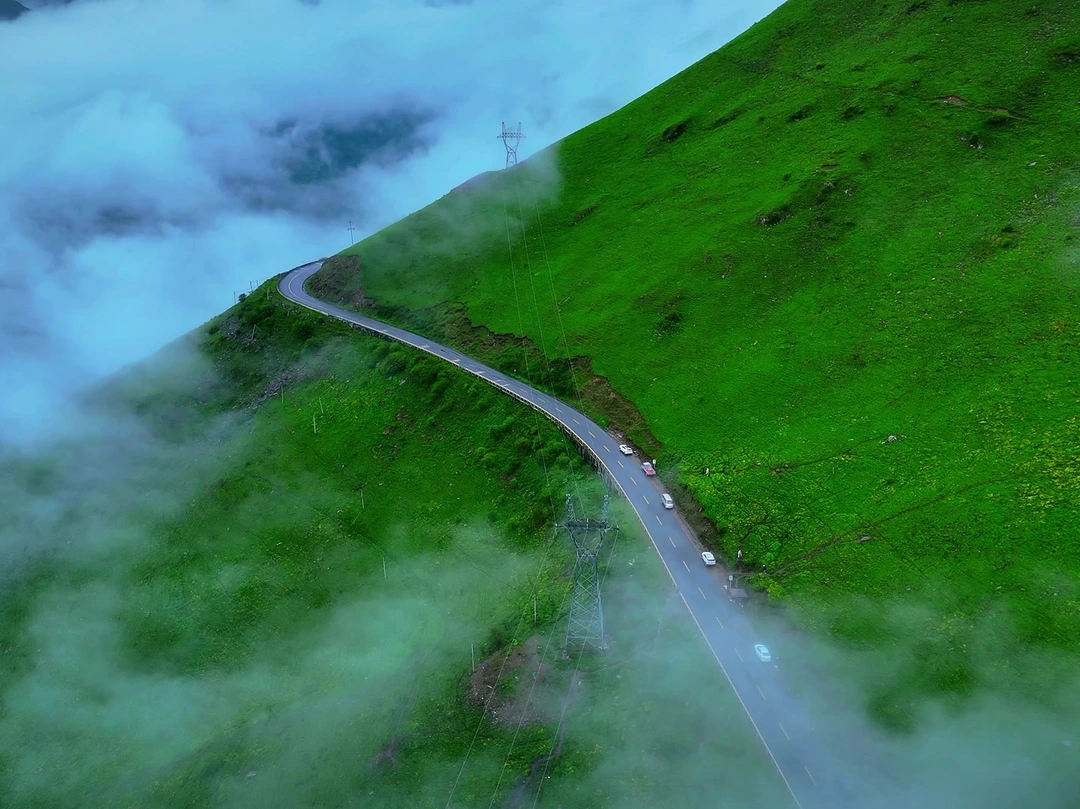
China Panda Avenue: The Most Scenic Highway in China
After an early breakfast, we headed straight to the airport car rental counter, picked up our vehicle, and stocked up on essentials—instant noodles, self-heating rice, bottled water, and canned oxygen. We chose to drive the loop counterclockwise to avoid traffic jams.
Leaving Chengdu, we exited the expressway at Yingxiu and turned onto China Panda Avenue, hailed as "China's Most Beautiful Scenic Highway." This road winds through the canyon between Yingxiu and Mount Siguniang, passing by the Giant Panda Shenshuping Base (where Fu Bao lives—super popular, causing major traffic jams).
As we crossed Balang Mountain, the altitude climbed with the winding cliffside road. The scenery was stunning, but the drive was thrilling. Unfortunately, the Balang Mountain Pass is now closed, so we couldn't enjoy a panoramic view from above. To make matters worse, it started raining. The little yellow flowers on the hillsides were blooming beautifully, but thick fog obscured most of the scenery.
After passing through the Balang Mountain Tunnel, we arrived at the Maobiliang Viewing Platform. Mount Siguniang was hidden behind heavy clouds—not just the youngest peak, but even the larger ones were completely invisible. It was a "empty-handed" first encounter.
Siguniangshan Town: First Night on the Plateau
After a 6-hour drive, we arrived at Siguniangshan Town at 6 PM. A heads-up: Mount Siguniang has three hiking routes. Changping Valley and Haizi Valley are in town, with convenient food and accommodation. But most people choose Changping Valley, which requires driving about 8 kilometers from the town center.
We booked a hotel near Shuangqiao Valley, where dining options were limited. To conserve energy, we had dinner at the hotel and canceled our original plan to head to the Jiajinshan Pass.
Pro Tip: If you're driving directly from Chengdu to Mount Siguniang, avoid staying in Xiaojin County. Maps may show it's close, but the actual drive is long, adding about two hours of round-trip detour. It's too exhausting.
Day 3: Mount Siguniang to Danba – Surprises and Regrets Under Clear Skies

Shuangqiao Valley: Quiet Time Beneath the Snowy Peaks
After weighing our options, we chose Shuangqiao Valley. We got lucky—it was a rare sunny day. But due to mild altitude sickness the night before, we hadn't rested well, so our plan to visit Maobiliang at dawn fell through.
Exploring Shuangqiao Valley is simple: take the sightseeing bus to the terminal at Hongshanlin (Redwood Forest), then work your way down, visiting:
- Budala Peak – Stunning snowy mountain views
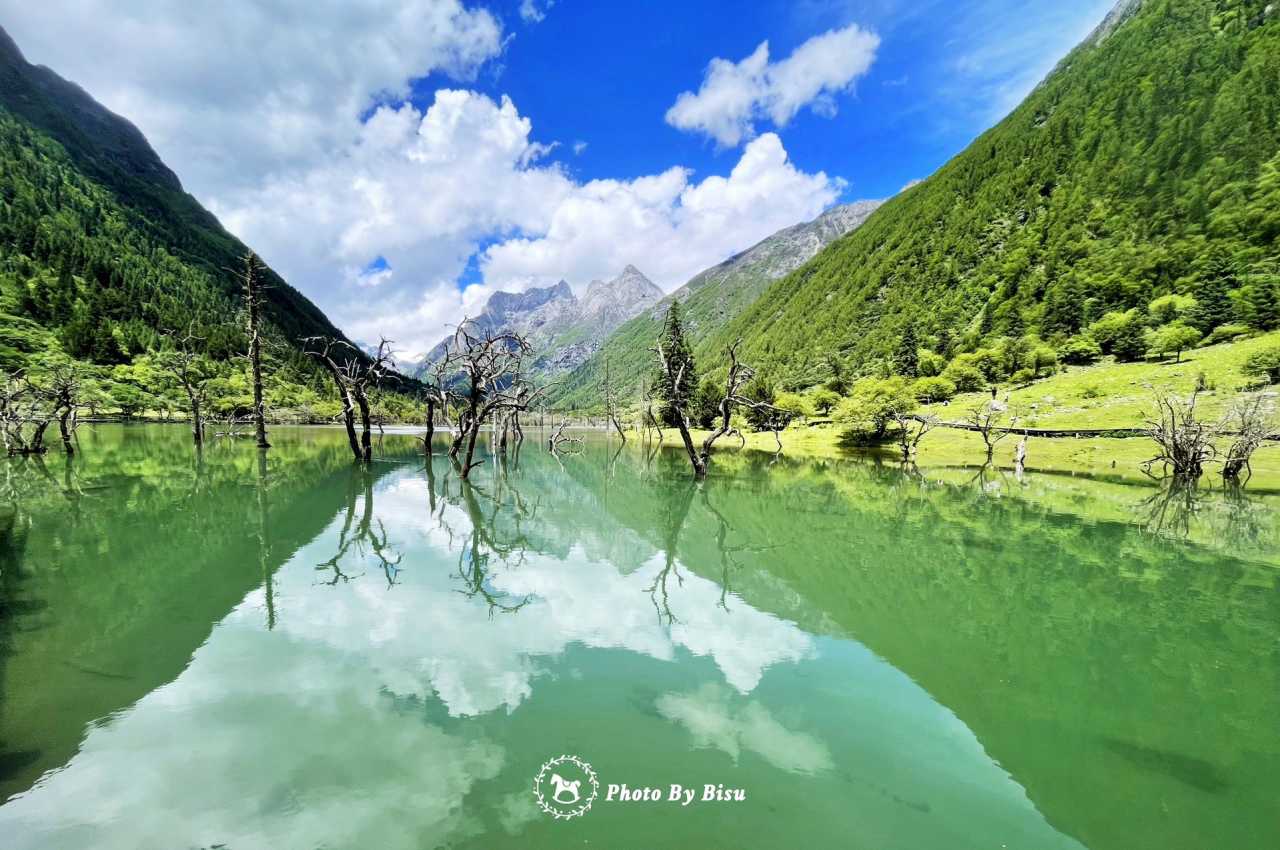
- Sigunacuo – Alpine lake with crystal-clear water
- Nianyuba – Popular rafting spot
- Longzhucuo – Peaceful meadow scenery
- Science Education Base – Learn about local ecology
- Renshenguo (Ginseng Fruit) Meadow – Perfect for photo stops
Every stop is beautiful. If you have time, you can hike between stops, wandering beneath the snowy mountains and across alpine meadows. Experiencing the little bridges, flowing water, grazing cattle, and horses on the plateau is genuinely uplifting.
We planned to stay that night at Zhonglu Tibetan Village in Danba. To avoid driving in the dark, we relied entirely on the sightseeing bus, missing many scenic spots along the way.
The Nianyuba Rafting Experience: The rafting at Nianyuba is quite popular online, but I personally found it a bit pricey (90 RMB per person). The rafting is slow and very steady, occasionally bumping against the stream's edge. The water is icy cold and clear—if you look closely, you can see small fish swimming. Flanked by snowy mountains and grazing cattle, the scenery is stunning. Still, I prefer the rowboat-style rafting at Xiaoqikong, which offers more interaction.
Essential Tips for Shuangqiao Valley
- Enter Early: Shuangqiao Valley isn't a full-on hiking destination. The earlier you enter, the better—you can experience the tranquility beneath the snowy peaks without crowds ruining your photos.
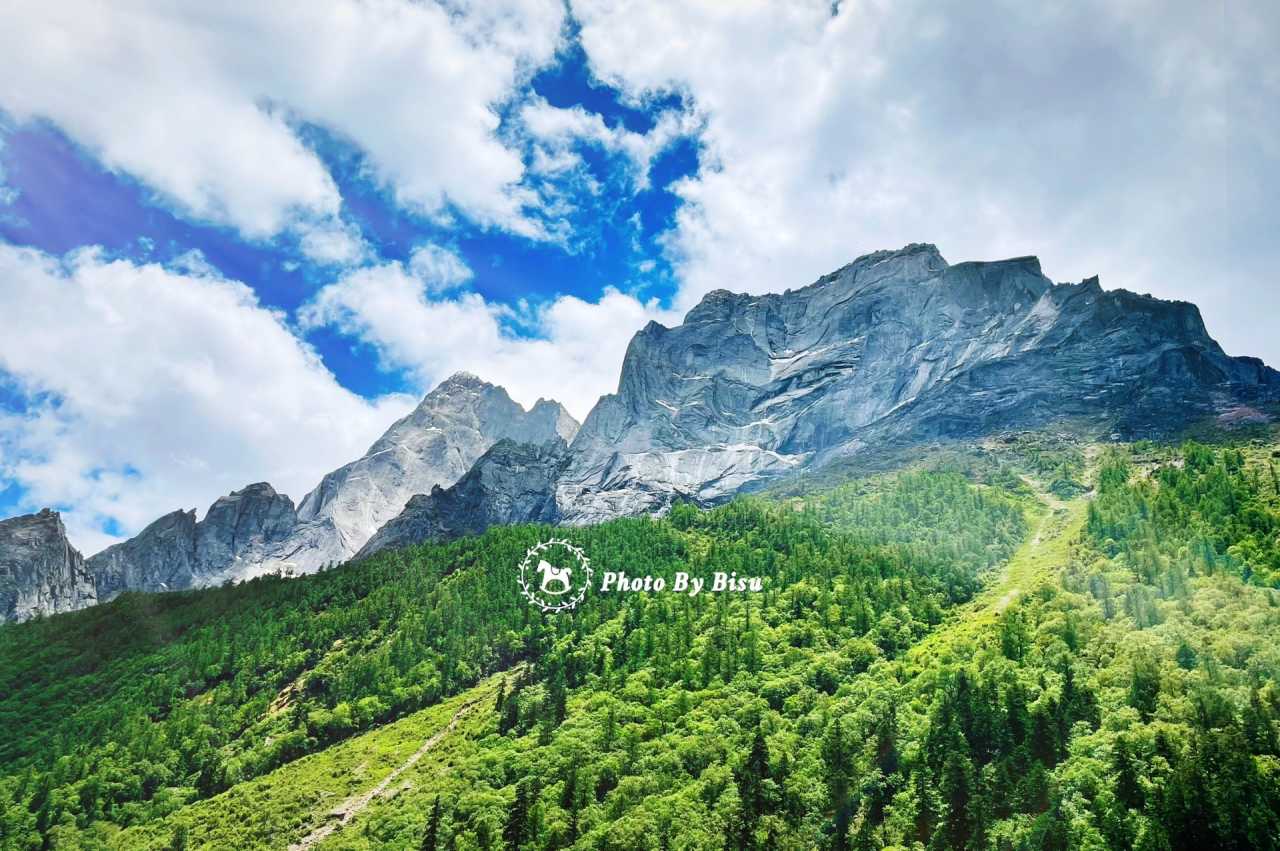
Plan for 5 Hours: Even with the shuttle bus, plan for about 5 hours. We spent too much time flying our drone and taking photos at Budala Peak, leaving insufficient time to hike at other stops. Good planning is key.
Listen to Onboard Commentary: Many guides suggest sitting on the right side of the bus for better views, but I recommend listening carefully to the onboard introductions about each spot. Knowing the background stories and legends enriches the experience.
Rest on the Bus: If you have altitude sickness, rest well on the bus. The drivers treat the shuttle like an F1 car—the elevation gain from the entrance to Hongshanlin is nearly 1,000 meters. I saw many people throwing up on board.
Avoid Xiaojin County: If you're heading directly from Chengdu to Mount Siguniang, try not to stay in Xiaojin County. Maps may show it's close, but the actual drive is long, adding about two hours of round-trip detour. It's too exhausting.
The Plateau's Temper: Changeable as Ever
Weather on the plateau is always unpredictable. From clear skies to dark storm clouds, it changes in an instant. When we came out of Shuangqiao Valley at 3 PM, a torrential downpour suddenly hit. Our connection with Mount Siguniang just wasn't meant to be this time. We'll have to return another day to truly see its "face."
Leaving the scenic area, we drove along China Panda Avenue straight to Danba. The road snakes through the canyon alongside a rushing river, like two ribbons weaving through the landscape. While visually stunning, it's also dangerous—rocks frequently fall from the cliffs onto the road.
Safety Warning: July and August are the rainy season in Western Sichuan. Road conditions like this are prone to mudslides. After returning to Shenzhen, we saw news of various natural disasters in Western Sichuan—the section between Mount Siguniang and Danba had been hit by a mudslide, washing away the road. Always check weather conditions before driving.
[Link: Western Sichuan road trip safety tips]
Day 4: Danba to Xinduqiao – Sacred Ground and Golden Snowcaps
Zhonglu Tibetan Village: Where People and Gods Long to Be
At 5:30 PM, after a cycle of clear skies, light rain, and downpours, we finally reached Danba. As a transit stop, we chose a guesthouse in Zhonglu Tibetan Village over Jiaju Tibetan Village.
In Tibetan, "Zhonglu" means a place where people and gods long to be. Across from Zhonglu Tibetan Village stands the sacred Mount Mordo.

From the moment we turned off Panda Avenue into the entrance of Zhonglu Tibetan Village, we understood why it's called "where people and gods long to be." The entire village is built on a cliffside halfway up the mountain. The road, though paved, has a gradient of at least 50 degrees, climbing continuously.
The village offers breathtaking views of the valley below and the sacred mountain ahead. Traditional Tibetan houses with white walls and flat roofs dot the hillside, surrounded by terraced fields and prayer flags fluttering in the wind.
Why Choose Zhonglu Over Jiaju: - Less touristy and more authentic - Stunning views of Mount Mordo - More affordable accommodation - Quieter atmosphere for relaxation
Day 5: Xinduqiao – The Photographer's Paradise
Exploring the "Must-See" Stops Along the Way
From Danba, we continued toward Xinduqiao, often called the "Photographer's Paradise" in Western Sichuan. The drive itself is spectacular, passing through valleys, along rivers, and over high passes.
Key Stops on the Danba to Xinduqiao Route: - Tagong Grassland – Vast alpine meadows with yaks and horses - Tagong Monastery – A significant Gelugpa Buddhist monastery - Yala Snow Mountain Viewpoint – Stunning panoramic views
Xinduqiao: The Golden Autumn Destination
Xinduqiao is famous for its autumn colors, but even in summer, the scenery is breathtaking. The town sits at an elevation of around 3,300 meters and offers views of multiple snowy peaks.
Must-Do Activities in Xinduqiao: - Sunset Photography – Capture the golden light on the mountains - Visit Local Tibetan Homes – Experience authentic hospitality - Hike to the River Valley – Peaceful walks through meadows
[Link: Best photography spots in Xinduqiao]
Day 6-7: Exploring the Kangding Region
From Xinduqiao to Kangding
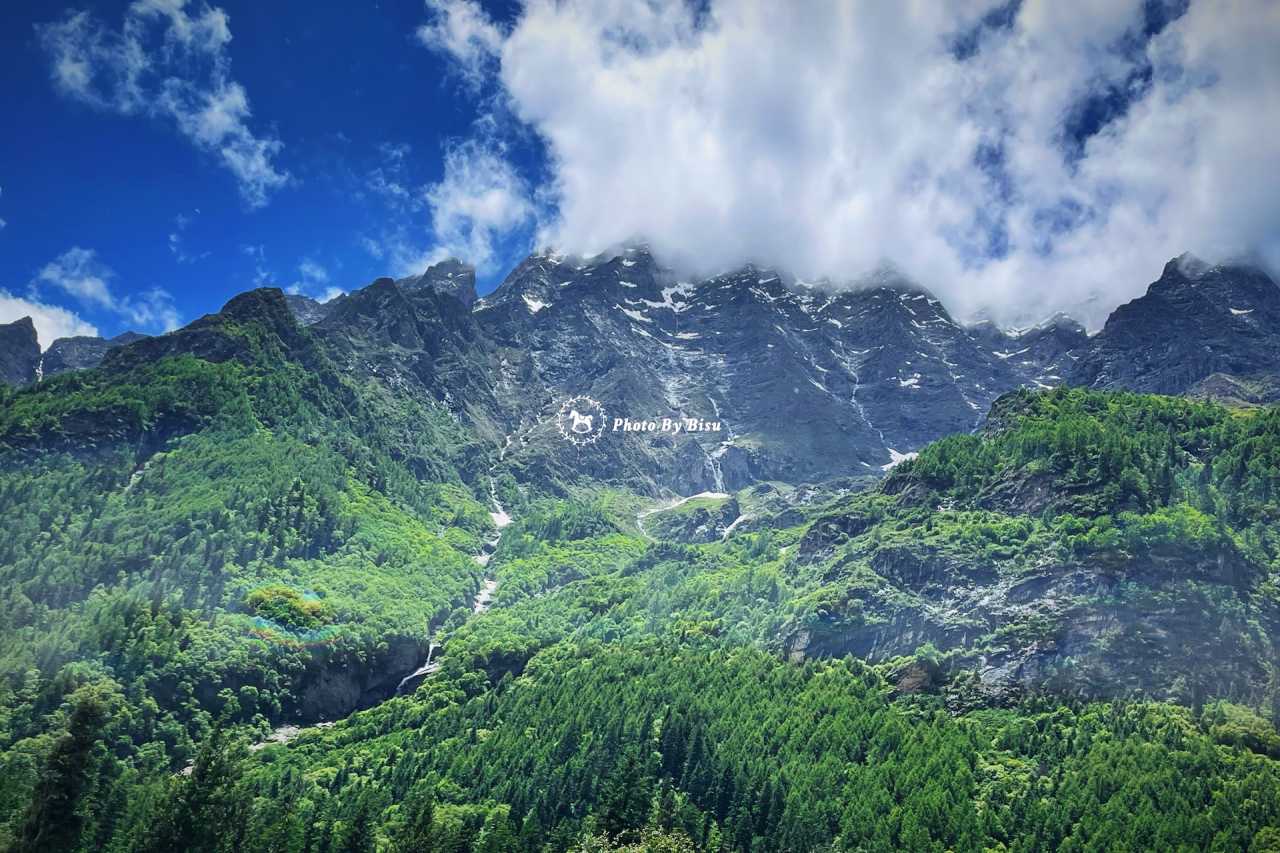
The drive from Xinduqiao to Kangding takes about 2 hours, passing through the Zheduo Mountain Pass at 4,298 meters. The scenery transitions from high-altitude grasslands to lush valleys.
Kangding Highlights: - Paoma Mountain – Light hike with city views - Kangding Love Song Scenic Area – Cultural experience - Hot Springs – Relax after days of driving
Day 8-9: Return to Chengdu
The Final Stretch
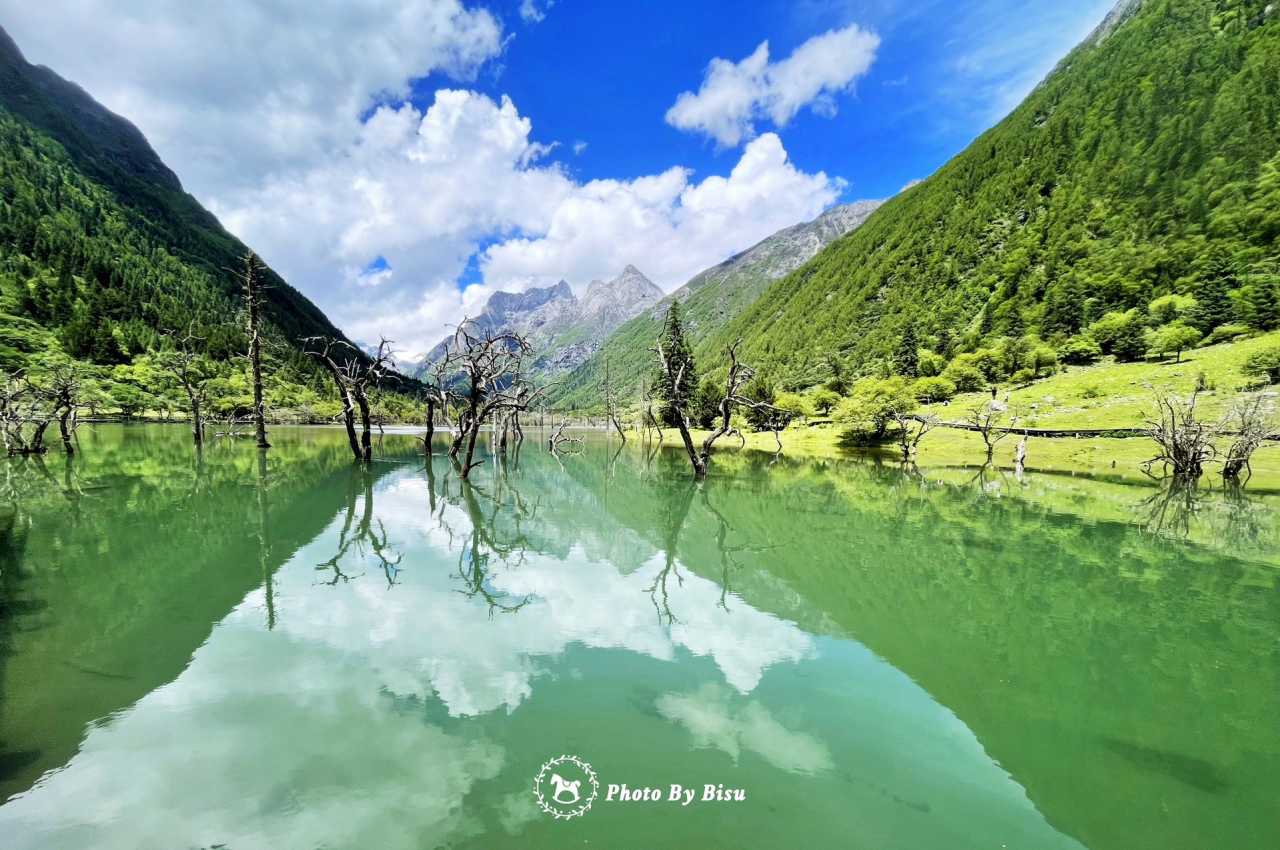
From Kangding, it's a straightforward drive back to Chengdu via the expressway. The journey takes about 4-5 hours, depending on traffic.
Tips for the Return Journey: - Leave early to avoid afternoon thunderstorms - Stop at Luding Bridge for a historical break - Enjoy a final Sichuan hotpot in Chengdu before flying home
FAQ: Western Sichuan Small Loop
1. When is the best time to drive the Western Sichuan Small Loop?
The best time is May to October, with July and August being the peak summer season. However, July and August are also the rainy season, so expect afternoon thunderstorms. September to October offers the most stable weather and stunning autumn colors. Winter (November to March) is beautiful but many passes may be closed due to snow.
2. How difficult is the driving on the Western Sichuan Small Loop?
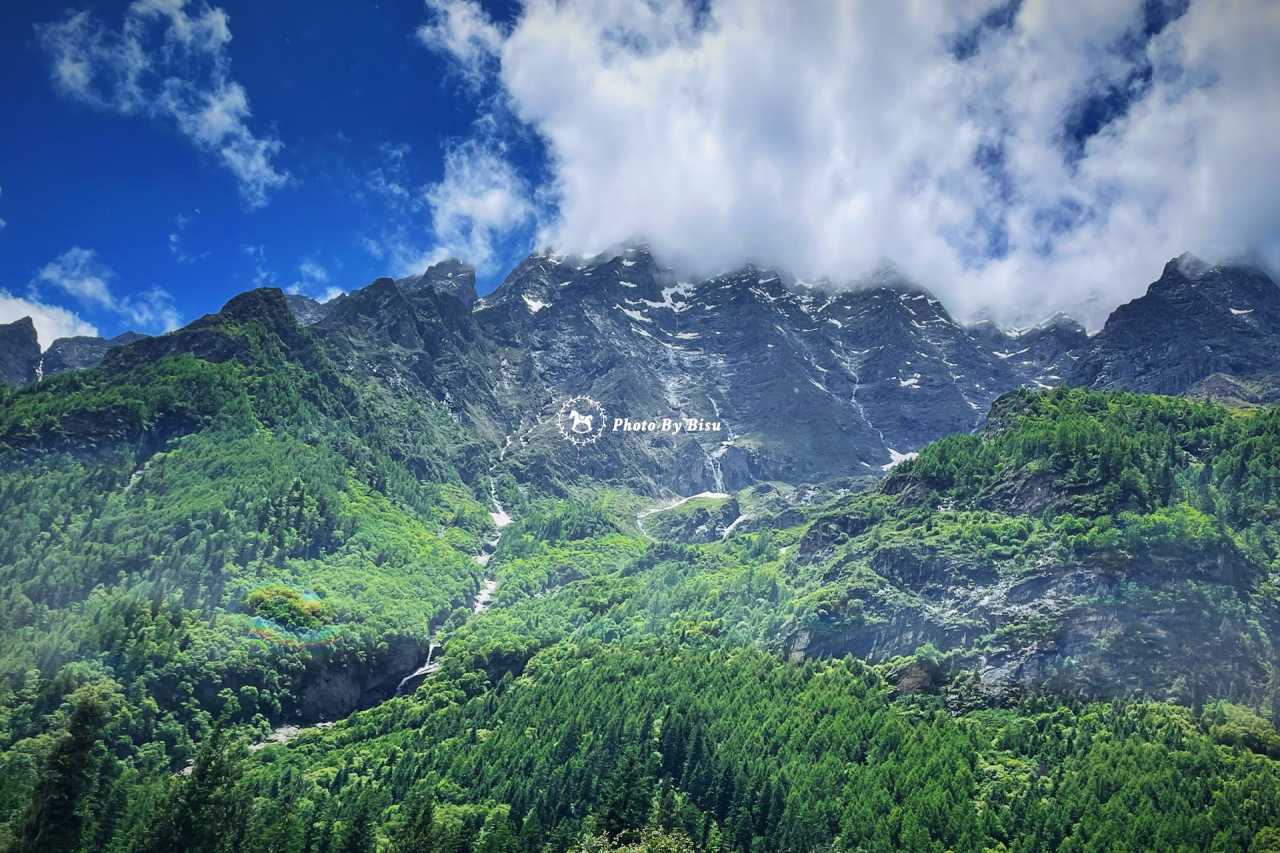
The driving is moderately challenging. Roads are mostly paved but winding, with steep gradients and occasional rockfalls. The Balang Mountain section and the road between Mount Siguniang and Danba require extra caution, especially in rain. A 4WD vehicle is recommended but not essential for the main route.
3. What altitude sickness precautions should I take?
Essential precautions include: - Acclimatize gradually – don't gain more than 500 meters per day - Carry canned oxygen and medication (Diamox) - Stay hydrated – drink at least 2-3 liters of water daily - Avoid alcohol and heavy meals in the first few days - Rest when you feel symptoms – headache, nausea, dizziness
4. How much does the Western Sichuan Small Loop cost?
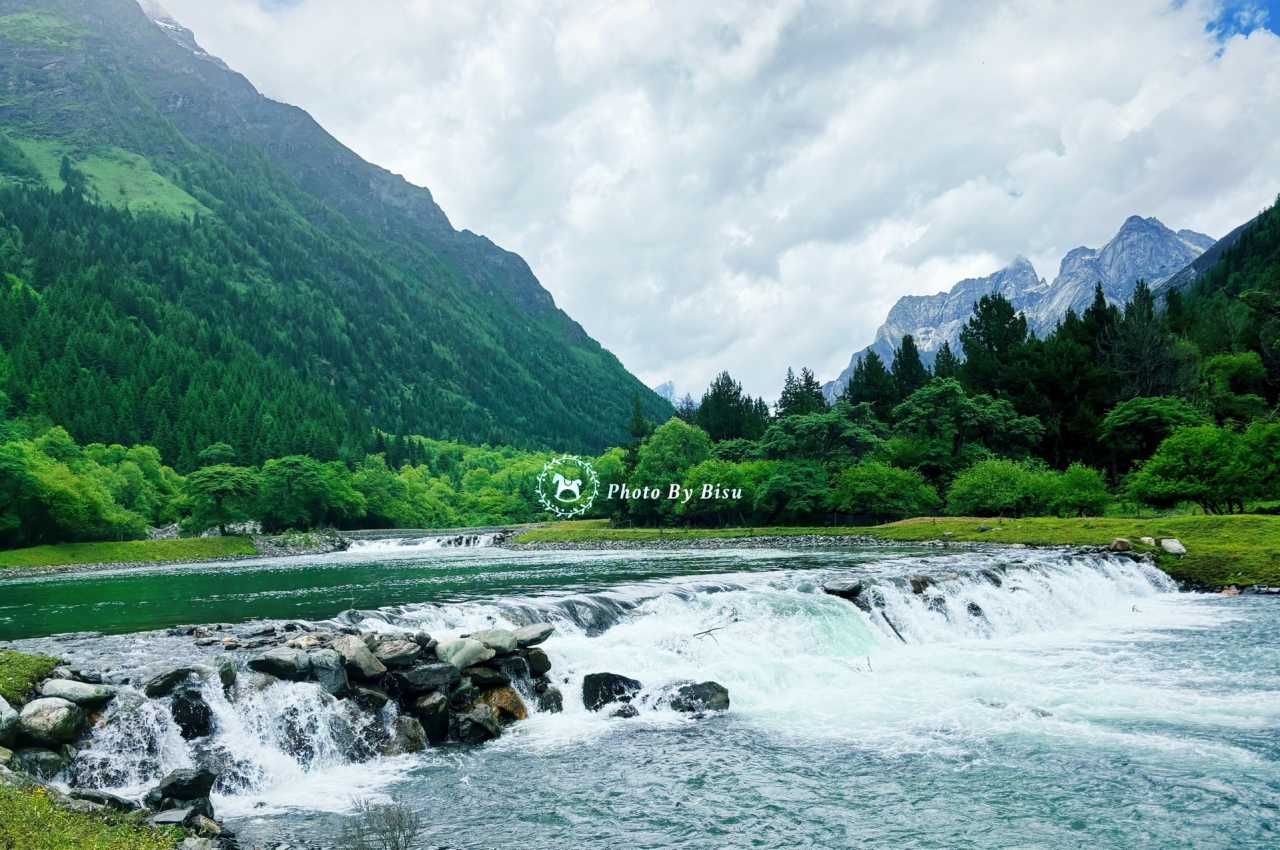
For a 9-day trip, budget approximately 5,000 RMB per person. This includes: - Car rental: ~2,500 RMB for 9 days - Fuel: ~1,000 RMB - Accommodation: ~800 RMB (mid-range guesthouses) - Food: ~600 RMB - Scenic area tickets: ~400 RMB - Miscellaneous: ~200 RMB
5. What should I pack for a Western Sichuan road trip?
Packing essentials: - Warm layers (temperatures drop significantly at night) - Rain jacket and waterproof shoes - Sunscreen and sunglasses (UV is intense at high altitude) - Hat and gloves for high passes - Snacks and water bottles - First-aid kit with altitude sickness medication - Camera with extra batteries (cold drains batteries quickly)
Conclusion: The Mountains Will Wait for You
The Western Sichuan Small Loop is more than just a road trip—it's a journey into the heart of Tibetan culture, a confrontation with nature's raw beauty, and a chance to reset your soul. From the misty peaks of Mount Siguniang to the sacred grounds of Zhonglu Tibetan Village, every mile offers something unforgettable.
Yes, the weather can be unpredictable. Yes, the roads can be challenging. Yes, you might return with regrets about missed photo stops or incomplete hikes. But that's the beauty of this region—it gives you a reason to come back.
Your Turn: Ready to trade the office smell for the scent of alpine meadows? Start planning your Western Sichuan Small Loop adventure today. Book your flights to Chengdu, rent a reliable vehicle, and prepare for the journey of a lifetime.
Pro Tip: Join our [Western Sichuan Travel Community] for real-time road condition updates, accommodation recommendations, and fellow traveler tips.
The mountains are calling. Will you answer?


