Western Sichuan in May: A Complete Travel Guide to Snow Peaks, Plateau Romance & Spring's Finale
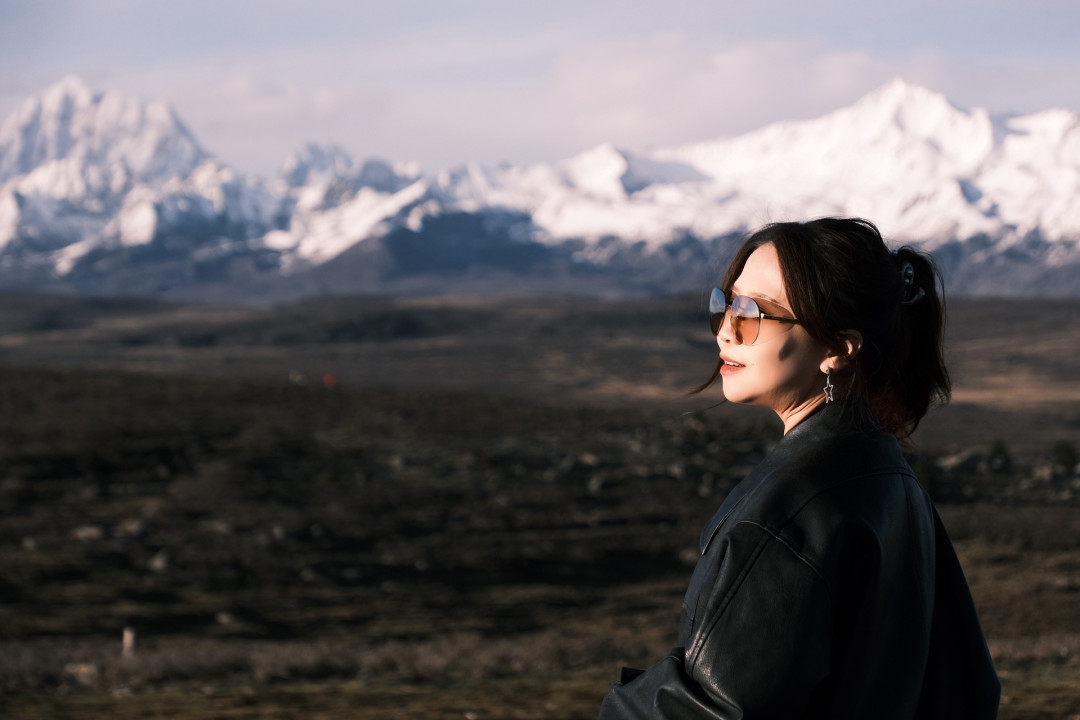
Meta Description: Discover Western Sichuan in May—where spring's tail meets plateau romance. From Mount Siguniang to Moshi Park, this guide covers hidden gems, practical tips, and unforgettable experiences. Plan your May Day escape now.
Haruki Murakami once wrote: "People never know the value of a moment until it becomes a memory." Sitting at my computer after editing that 21-minute video, I stared at the final frozen frame—Mount Gongga bathed in soft orange light at dusk from Yuzixi, like a young girl's inadvertent glance and smile. In that moment, I suddenly understood: some landscapes aren't meant to impress anyone. They exist so that, one day in the future, you'll suddenly remember how free you once were.
In May, Western Sichuan's rainy season always looms in the weather forecast like a shadow. But when we finally set foot on this land, the endless chain of snow-capped peaks seemed to have heard some devout prayer, revealing themselves without reservation. Driving west from Chengdu, the high-rises outside the window gradually faded, replaced by winding mountain roads and an overwhelming sense of vastness. This journey began with a traffic jam, but ended as a grand baptism for the soul.
Why Visit Western Sichuan in May? Spring's Finale Meets Plateau Majesty
May is the sweet spot for Western Sichuan travel. The weather is mild—neither the bitter cold of winter nor the heavy rains of summer. Snow-capped peaks still glisten, wildflowers begin to bloom, and tourist crowds haven't peaked. It's the perfect time for a Sichuan plateau road trip that blends spring's gentle warmth with the raw beauty of high-altitude landscapes.
[Link: Best time to visit Western Sichuan]
Chapter One: On the Road—First Encounters with Mount Siguniang
Traffic Jams as a Kind of Ritual
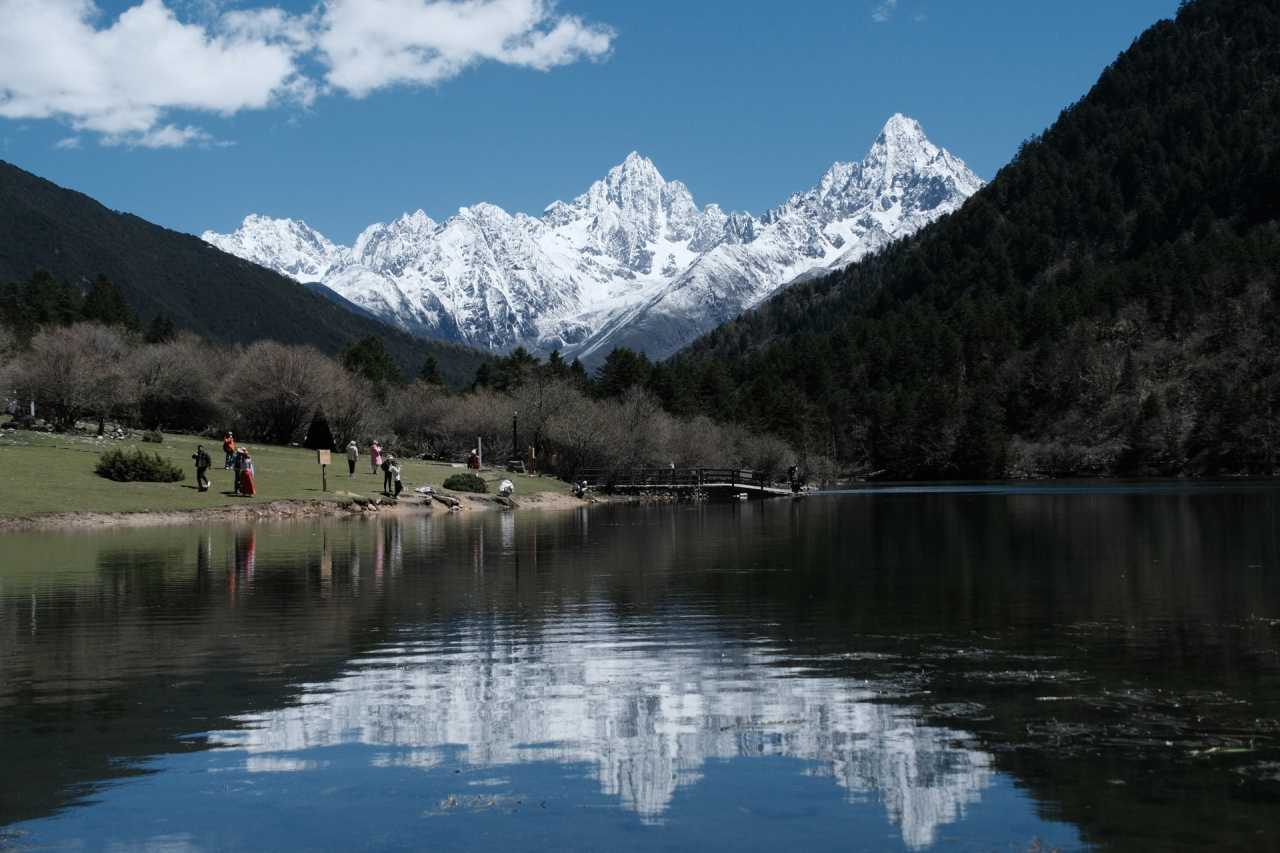
On the first day of the May Day holiday, we were predictably stuck on the Chengdu-Ya'an Expressway. For a full hour, the traffic crawled like a slow-moving giant serpent, as if reminding us: the beauty of Western Sichuan never reveals itself easily. But when you catch sight of the first snow-capped peak emerging from the clouds, all the waiting becomes worthwhile.
"Wow—" three exclamations exploded from the car almost simultaneously, yanking me, still half-asleep, back to reality. I grabbed my camera and frantically pressed the shutter. It wasn't the most perfect雪山 photo of the trip, but it was our first greeting with Mount Siguniang—steep, solemn, like a silent guardian standing quietly between heaven and earth.
Cat's Nose Ridge: When the Golden Sunset Doesn't Appear
The viewpoint called Cat's Nose Ridge (Mao Biliang) has a vivid name—the ridge's shape resembles a crouching cat, facing Mount Siguniang directly. At 3,500 meters above sea level, breathing became heavier, our steps slowed, but this pace actually allowed us to focus more deeply on the awe before us.
We found seats in the viewpoint's café and ordered a tiramisu latte—unexpectedly good. In the distance, the four peaks of Mount Siguniang stood side by side; nearby, the aroma of coffee filled the air. Life, it seems, should be like this: sharing beautiful views and coffee with like-minded friends, even if we never saw the legendary golden sunset.
We waited three consecutive days, but never witnessed the spectacle of the sun setting over the golden peaks. But so what? Those moments when we checked our blood oxygen at 3,651 meters, the joy of "rescuing" bloated snack bags, and that energetic little dog bouncing around the viewpoint—these fragments pieced together memories far more precious than any perfect photograph.
Practical Tips: - Cat's Nose Ridge viewpoint requires no hiking; it's right by the road - Best photo time is one hour before sunset - There's a restaurant called "Shu Zhi Xian Yan Bang Cai Guan" (Fresh Salt Cuisine) at the foot of the mountain—strongly recommend avoiding it - Bring a portable oxygen canister if you're prone to altitude sickness
[Link: Altitude sickness prevention tips]
Chapter Two: Shuangqiao Valley—See the Mountains, Feel the Wind, Find Yourself
A Fairy Tale World After Fresh Snow
The next morning, the floor-to-ceiling window in our hotel revealed a vast expanse of silver-white. We argued about whether it was fog or frost—until we entered Shuangqiao Valley and realized it had snowed overnight.
The way to explore Shuangqiao Valley is unique: first, take a sightseeing bus for 40 minutes up to Redwood Forest at 3,850 meters, then work your way back down. Important reminder before entering: those roadside "official parking lots" run by private vendors are tiny and shabby. The real official parking lot is right across from the scenic area, with two large lots—one above ground, one underground—so space is never a problem.
On the sightseeing bus, the girl in the back row kept muttering: "You have to sit on the right!" She was right. When the snow-capped mountains suddenly appeared on the right side of the window, the chorus of "wows" made those on the left green with envy. Even though the dirty windows made it impossible to film, the sheer awe of first seeing Shuangqiao Valley was enough to satisfy.
Redwood Forest: 3,850 Meters High, 100% Stunning

After fresh snow, the Redwood Forest was impossibly beautiful. Under the blue sky and white clouds, the Sichuan redwoods looked like a carefully painted oil painting. Kids by the roadside were having snowball fights and building snowmen; someone had even made a snow duck—we shamelessly asked a child to "borrow" it for photos. The scene was simply adorable.
Potala Peak: The Best of the Best

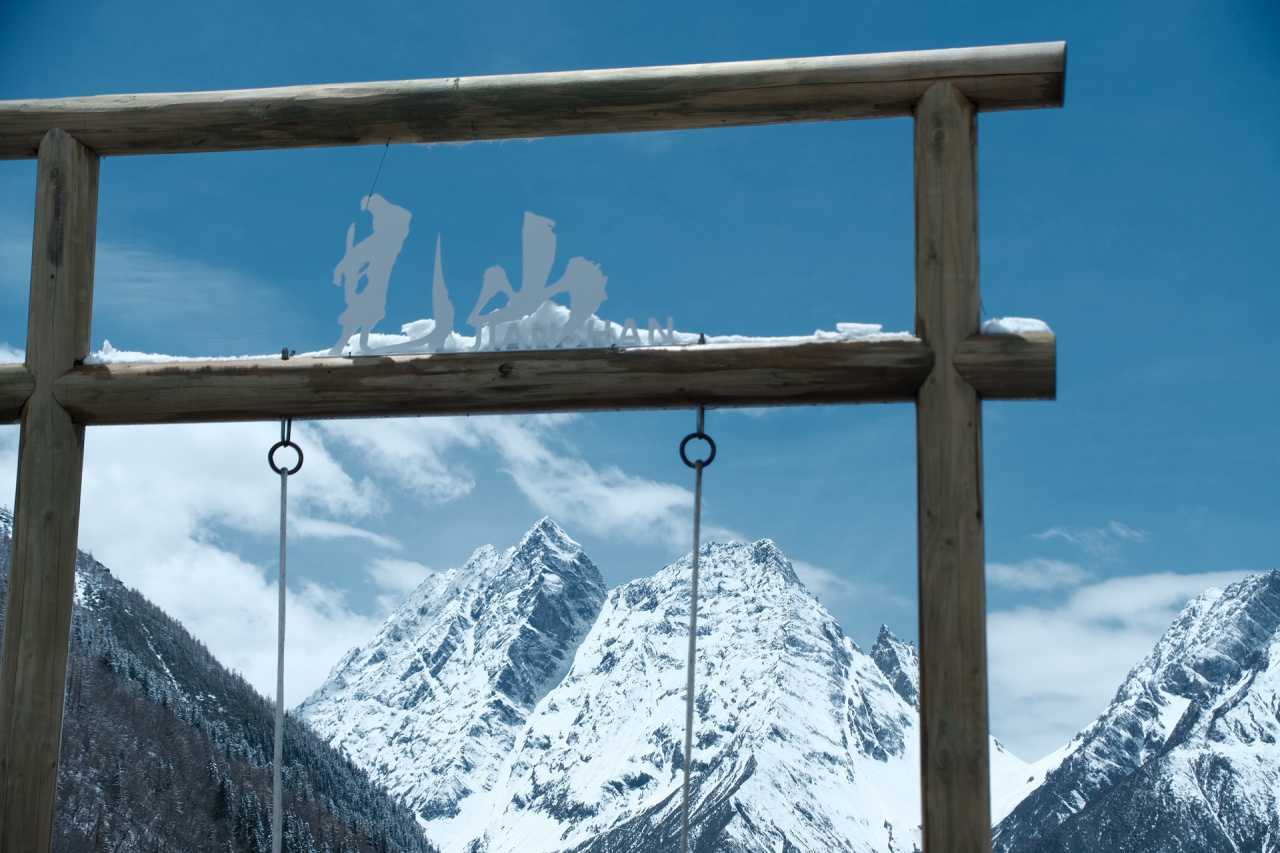
Potala Peak station is the highlight of the entire Shuangqiao Valley. Snow-capped mountains, a road, a white stupa, meadows—every frame is wallpaper-worthy. We queued 20 minutes for the网红 swing, but the moment we stood on it, all the waiting was worth it. Sitting on the swing, staring at the mountains, the wind nearly blew us silly, but that feeling of flying free made us want to laugh out loud.
Fun Fact: Potala Peak gets its name because the mountain's shape resembles the Potala Palace in Lhasa. Simple and straightforward, but very fitting.
Nianyuba: Rafting and Bumper Boats
The rafting at Nianyuba covers 4.5 kilometers and takes about 30 minutes. It's more like bumper boats than rafting—the current isn't strong, but the boats spin so much you can't take any decent photos. We gave up and just focused on having fun. Sunlight sparkled on the water, a gentle breeze blew, neither hot nor cold—it was so comfortable we almost fell asleep.
Rafting Tip: Rocking left and right can speed you up and help you escape getting stuck, but it's really tiring. Wear waterproof gear—you will get splashed.
[Link: Shuangqiao Valley complete guide]
Chapter Three: On Horseback Through Changping Valley and Haizi Valley
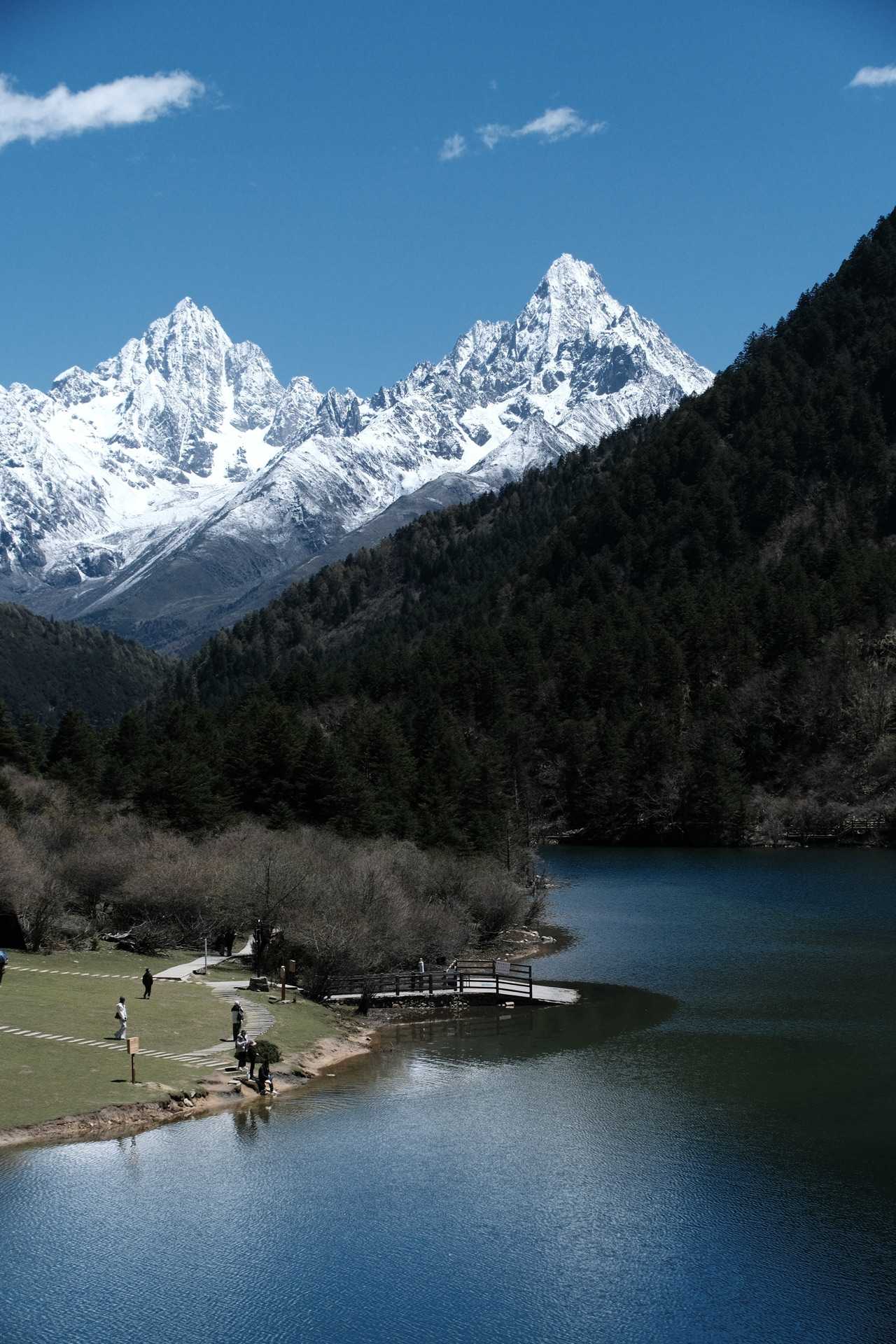
Changping Valley: Mountains Close, Forests Nearer
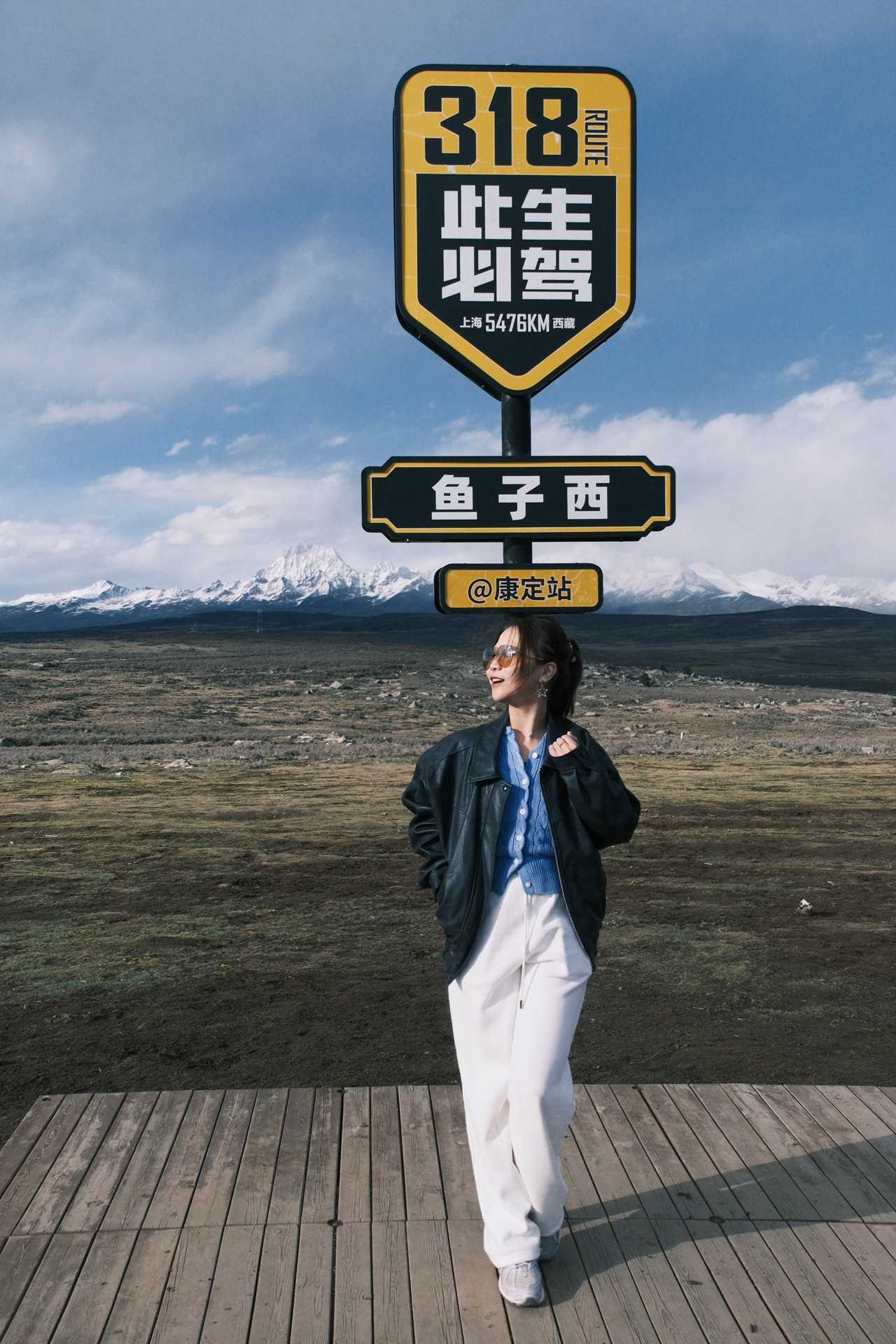
Day three was planned as "a day on horseback"—morning in Changping Valley, afternoon in Haizi Valley, riding horses all day.
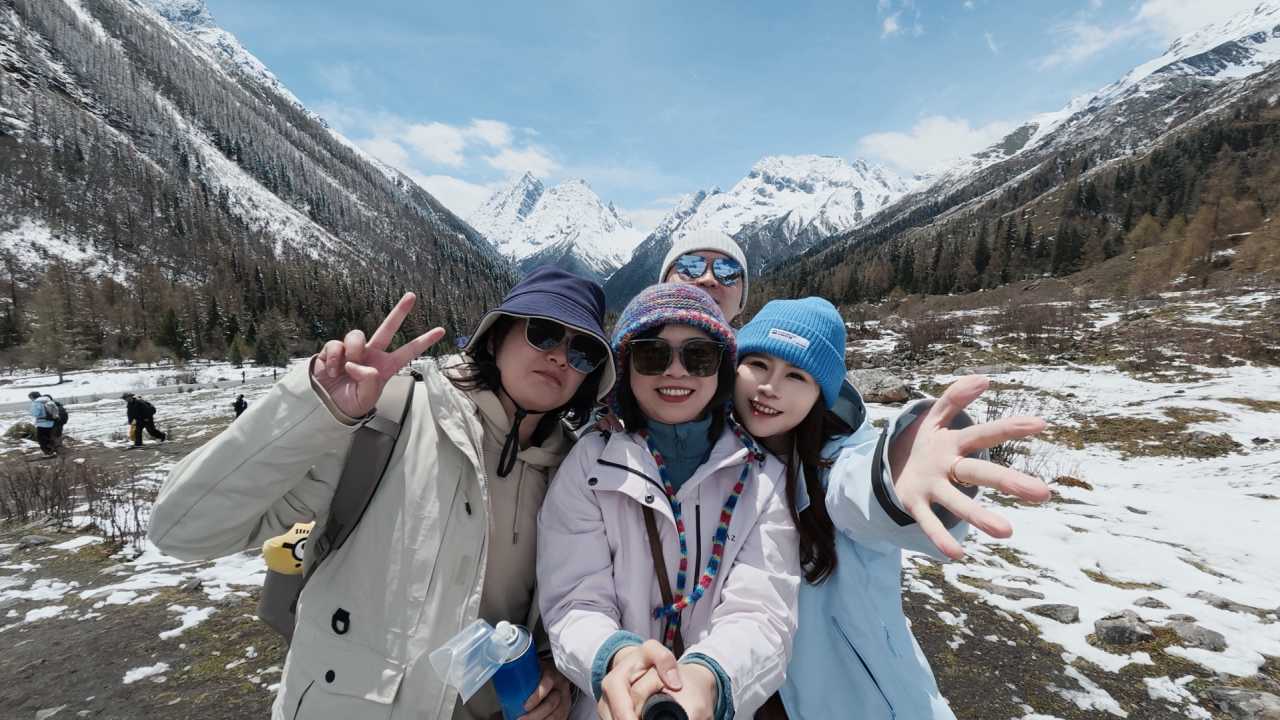
Changping Valley is the main valley of Mount Siguniang and was once an ancient battlefield. A light snow began to fall as the sightseeing bus climbed higher; the snow grew heavier. From the drop-off point to the horse-riding area, there's a 500-meter boardwalk—the reason being "the horse trail is too steep, we're worried about tourist safety." My friend grumbled: "Isn't this a horse trail? Why do I have to walk it?" I laughed and replied: "Because you're a beast of burden."
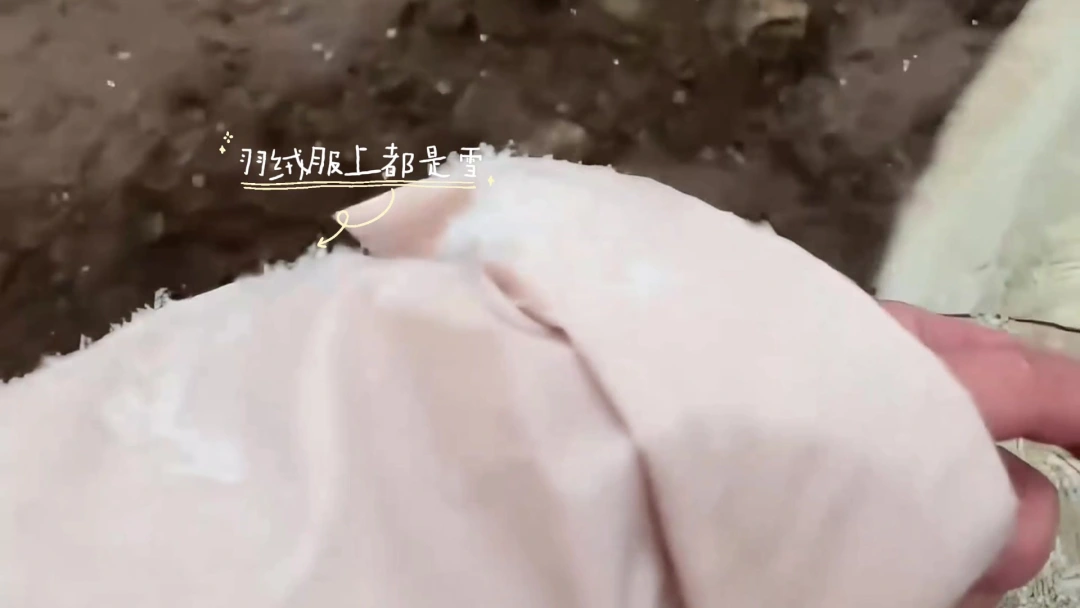
We mounted the horses and rode through the primeval forest. The snowy forest had a unique romance; snowflakes fell softly from the trees, and you could hear the sound of them landing. The woman leading the horses said we could see the full view of Mount Siguniang from here, but the snow was too heavy—we couldn't see a thing. But that was okay. Imagining Mount Siguniang in our minds was a unique experience in itself.
Haizi Valley: The Wildest Freedom
Haizi Valley has no sightseeing bus; you can only hike or ride a horse. There are significant climbs, so watch out for altitude sickness. We mounted our horses again, this time for a real ascent. Riding along the ridge, the vast views were exhilarating. Even though the heavy snow obscured everything, the romance of riding slowly through the snow was something no clear sky could replace.
On the way down, we met a guy who had just come down from the Second Peak. When we interviewed him about his climbing experience, he said: "Anyone can climb it! If you've got legs, you're good!" — classic humblebrag from a pro.
Horseback Riding Tips: - Wear long pants—saddle friction is real - Bring a face mask—dust and wind can be intense - Tipping your horse leader is appreciated (20-50 RMB) - Don't wear sandals—your feet will freeze
[Link: Horseback riding in Siguniangshan]
Chapter Four: Moshi Park—An Alien Planet with Marmots
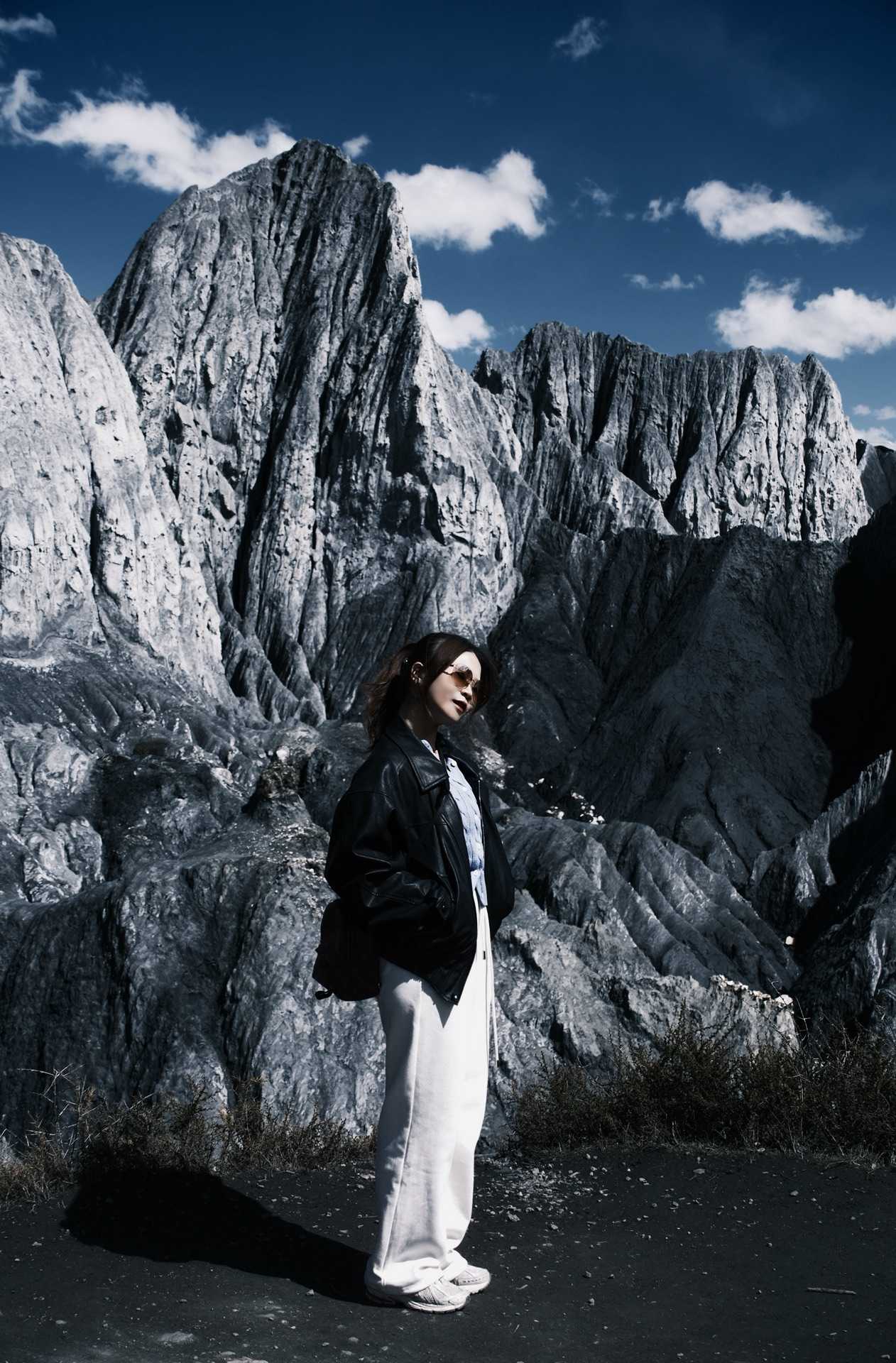
Beauty in Controversy
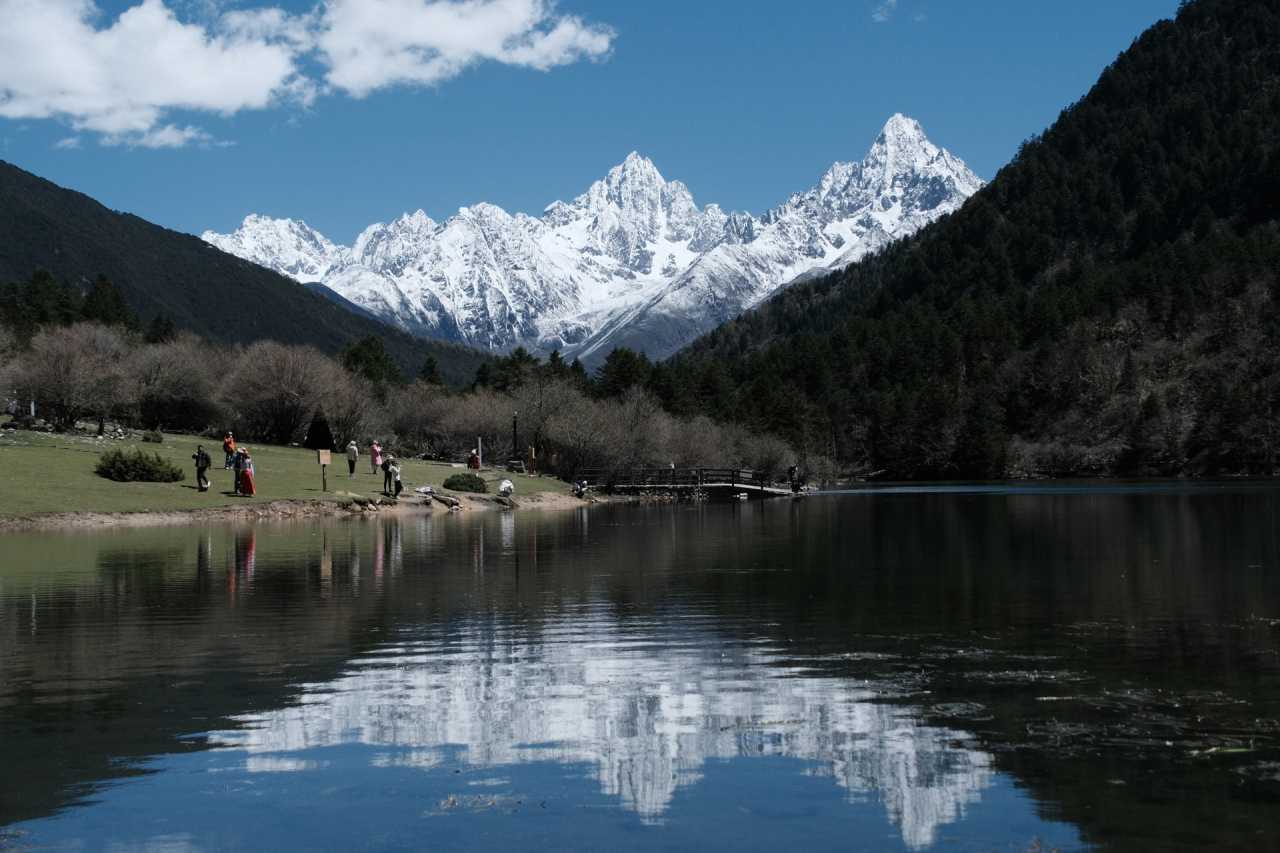
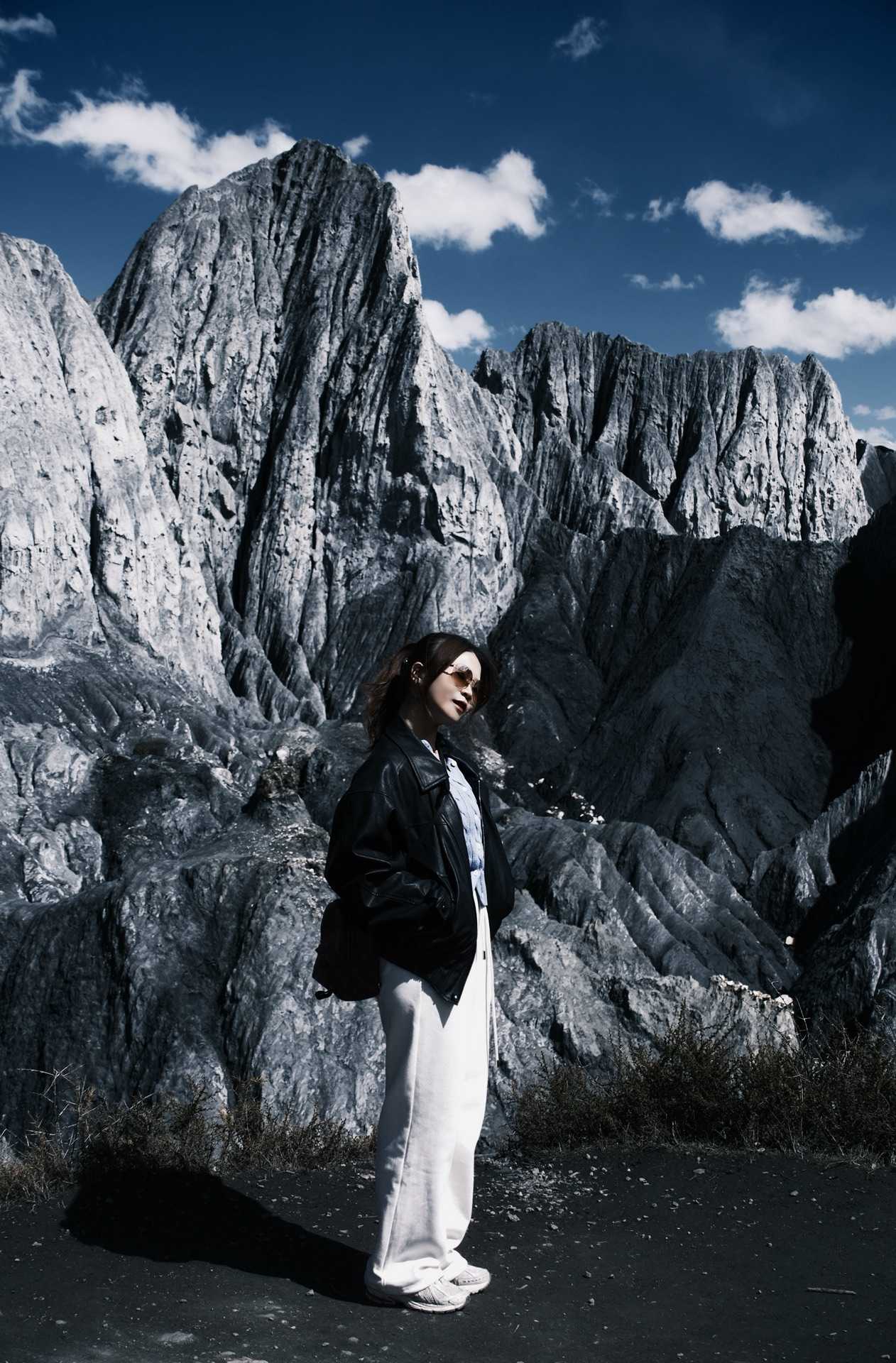
Moshi Park (Moshi Gongyuan) is a highly controversial spot—some say it's boring, others call it romantic, and some claim it's perfect for photography. The truth? It's all of the above.
Located at an elevation of 3,400 meters, this "stone park" features bizarre rock formations that look like they belong on another planet. The landscape is stark, grey, and utterly unique—a stark contrast to the lush valleys you've just explored.
The Marmot Factor
What makes Moshi Park truly special? The Himalayan marmots. These chubby, curious creatures pop out of their burrows and will happily pose for photos—especially if you have snacks. They're wild, so don't get too close, but watching them scurry around is pure joy.
Moshi Park Tips: - Visit in the morning for best light - Bring a telephoto lens for marmot photos - Wear sturdy shoes—the terrain is uneven - Combine with a visit to nearby Tagong Grassland for a full day trip
[Link: Moshi Park vs Tagong Grassland]
Western Sichuan in May: Essential Travel Tips
What to Pack
| Item | Why |
|---|---|
| Layered clothing | Temperature swings from 5°C to 20°C |
| Sunscreen + sunglasses | UV is intense at altitude |
| Portable oxygen | Altitude sickness can hit anyone |
| Waterproof jacket | May snow or rain unexpectedly |
| Power bank | Cold drains phone batteries fast |
Altitude Sickness Awareness
Most Western Sichuan attractions sit between 3,000 and 4,000 meters. Symptoms include headache, nausea, and fatigue. Prevention tips: - Ascend gradually—don't fly directly to high altitude - Stay hydrated (drink 3+ liters daily) - Avoid alcohol and heavy meals - Consider Diamox (acetazolamide) if you're prone to AMS
Getting Around
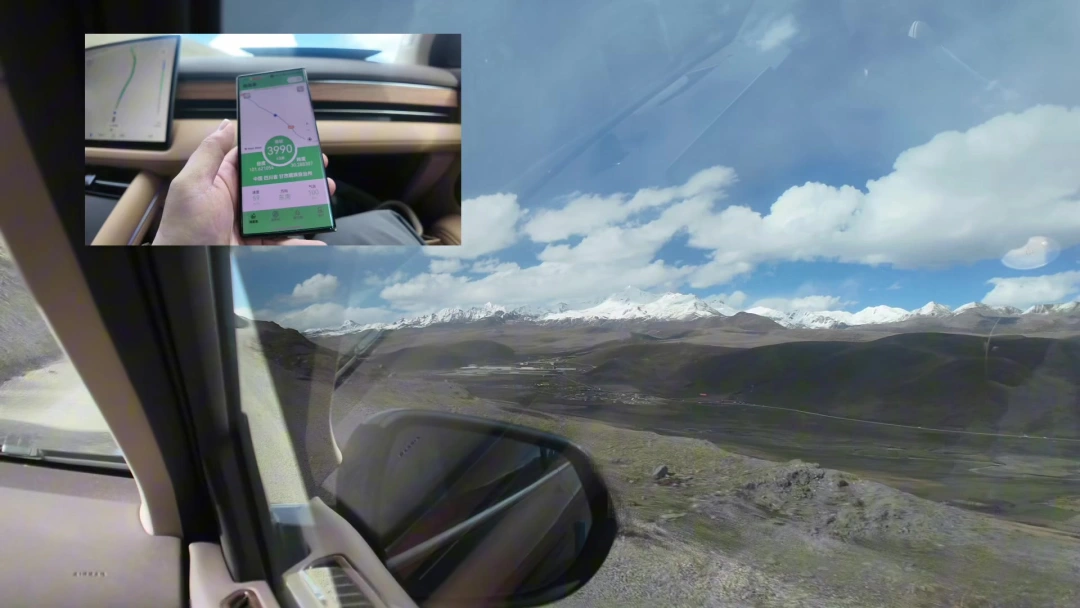
A self-drive road trip is the best way to explore Western Sichuan. Roads are generally good, but expect: - Winding mountain roads - Occasional road closures due to weather - Limited gas stations in remote areas - High-altitude driving requires caution
[Link: Western Sichuan road trip itinerary]
FAQ: Western Sichuan in May
Q1: Is May a good time to visit Western Sichuan?
Absolutely. May offers mild weather, fewer crowds than October, and the tail end of spring wildflowers. Snow is still present on peaks, creating stunning contrasts. Just be prepared for occasional rain or snow showers.
Q2: Do I need to worry about altitude sickness?
Yes. Most attractions are above 3,000 meters. Symptoms are common but manageable. Acclimatize in Chengdu (500m) or Kangding (2,600m) before heading higher. Carry oxygen and take it slow.
Q3: How many days do I need for Western Sichuan?
A minimum of 5-7 days is recommended for a proper trip. This allows time for: - 2 days in Siguniangshan (Cat's Nose Ridge + Shuangqiao Valley) - 1 day for Changping/Haizi Valley - 1 day for Moshi Park - Travel time between locations
Q4: Can I visit Western Sichuan without a car?
Yes, but it's less flexible. Public buses run from Chengdu to major towns (Kangding, Xiaojin). From there, you can hire local drivers or join group tours. Private drivers cost 400-800 RMB/day.
Q5: What should I eat in Western Sichuan?
Don't miss yak meat hotpot, Tibetan butter tea, and highland barley wine. In Siguniangshan, try local mushroom dishes. For a quick bite, roadside stalls sell grilled yak skewers—delicious and cheap.
Your Western Sichuan Adventure Awaits
Western Sichuan in May isn't just a trip—it's a journey into the heart of the plateau, where every turn reveals a new wonder. Whether you're chasing golden sunsets at Cat's Nose Ridge, riding horses through snowy forests, or watching marmots play at Moshi Park, this is a destination that rewards the curious and the patient.
Ready to plan your trip? Start by booking your Chengdu-Siguniangshan car rental or joining a small-group tour. The best memories are made when you step off the beaten path—and Western Sichuan has plenty of paths waiting for you.
Have you visited Western Sichuan in May? Share your experience in the comments below! For more travel guides and tips, [subscribe to our newsletter] and get the latest updates delivered to your inbox.
You may also like


