Western Sichuan: A Four-Season Wilderness Dream – The Ultimate High-Altitude Road Trip Guide
Meta Description: Discover Western Sichuan's breathtaking beauty across four seasons. From Kangding's hot springs to Gunong Village's golden snow peaks, this 6-day road trip guide covers altitude prep, hidden gems, and photography spots. Plan your wilderness dream today.
Introduction: When the Soul Encounters Freedom on the Roof of the World
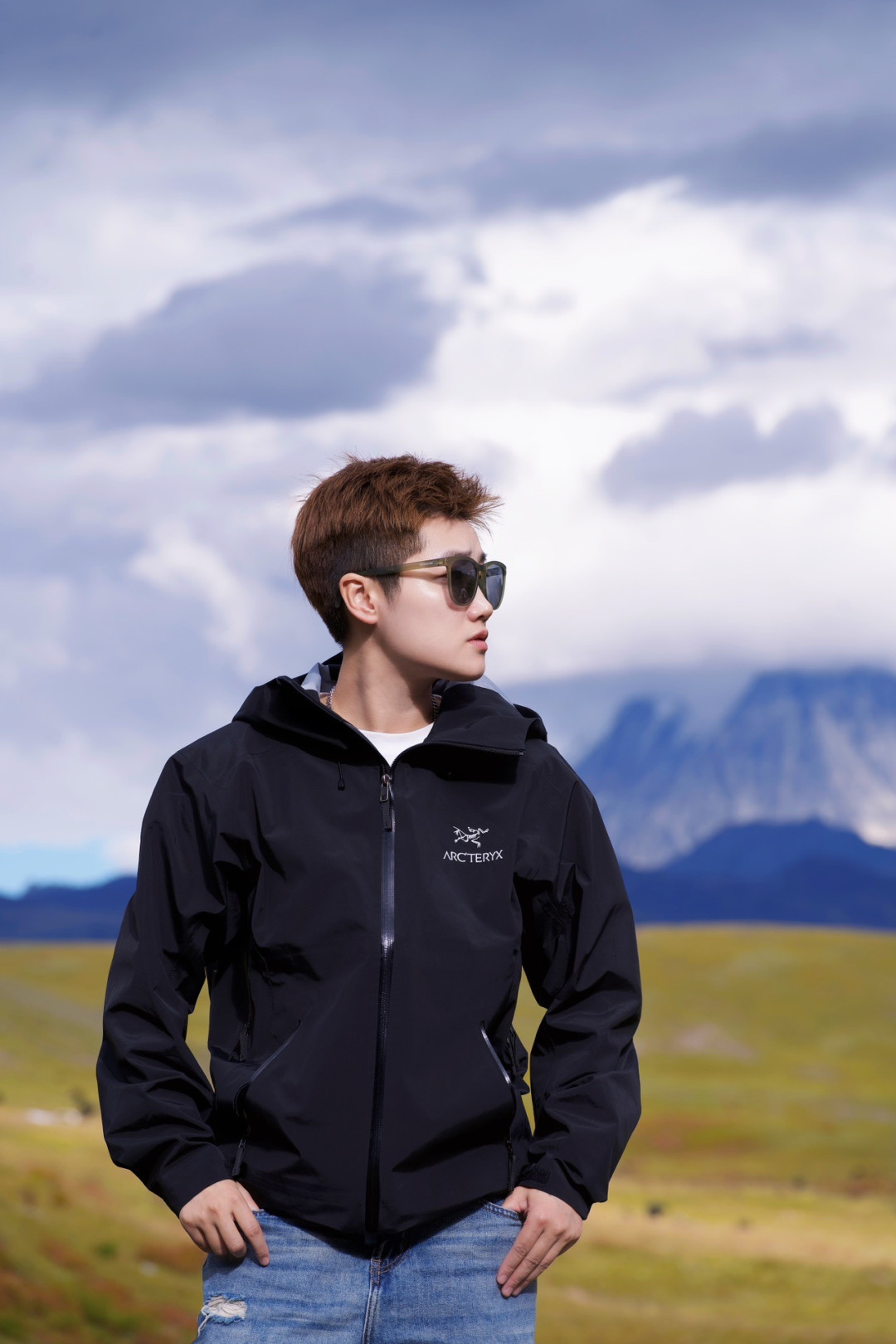
Some say the beauty of Western Sichuan is a shock no camera can replicate. Others describe it as a thick, romantic book—every page reveals a new surprise. But I would say Western Sichuan is a journey of self-discovery—at the foot of snow-capped mountains, on the edge of vast grasslands, in the wind where prayer flags flutter, you will meet the version of yourself buried beneath city noise.
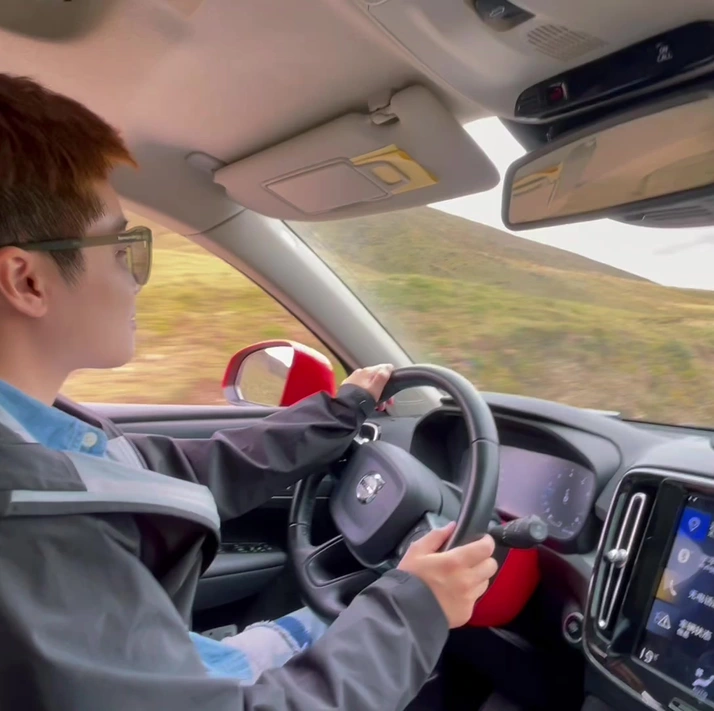
In late autumn 2023, my friend and I set foot on this magical land. Six days and five nights, we drove westward from Luzhou, experiencing all four seasons in a single trip. The sun poured generously over every inch of earth, pristine white snow peaks shimmered under blue skies. This wasn't ordinary travel—it was a cleansing of the soul.
Why Western Sichuan? This region offers some of China's most dramatic landscapes: snow-capped peaks exceeding 6,000 meters, rolling grasslands dotted with yaks, ancient monasteries, and hot springs nestled in valleys. It's a paradise for photographers, hikers, and anyone seeking authentic cultural experiences.
Pre-Departure Preparations: Essential High-Altitude Travel Checklist
Altitude Acclimatization: Your First Priority
Western Sichuan's average elevation ranges from 3,000 to 4,500 meters (9,800–14,800 feet). Altitude sickness is real. Here's how to prepare:
- Gradual ascent: Spend at least one night below 3,000m before pushing higher
- Hydration: Drink 3-4 liters of water daily
- Medication: Consult your doctor about acetazolamide (Diamox)
- Listen to your body: Headache, nausea, or dizziness means rest, not pushing forward
What to Pack for a Western Sichuan Road Trip

The climate on the plateau changes in an instant—you might experience all four seasons in a single day. Here's our must-have checklist:
| Category | Items | Why Important |
|---|---|---|
| Sun Protection | High-SPF sunscreen (50+), UV sunglasses, wide-brimmed hat | UV radiation is 3x stronger at altitude |
| Warm Clothing | Down jacket, windbreaker, thermal underwear | Temperature swings exceed 15°C (27°F) daily |
| Emergency | Oxygen canisters, first-aid kit, portable humidifier | Dry air causes nosebleeds; altitude sickness is common |
| Energy | Chocolate, beef jerky, trail mix | High altitude burns calories 20% faster |
| Essentials | Thermos, power bank (20,000mAh+), rain jacket | Limited charging options; sudden rainstorms |
Six-Day Western Sichuan Road Trip Itinerary Overview
Day 1: Luzhou → Kangding (Ligou Hot Spring Resort)
Day 2: Kangding → Zheduo Mountain → Xinduqiao → Muya Monastery → Gunong Village
Day 3: Xinduqiao → Jagenba → Ritou Village
Day 4: Xinduqiao → Qingrao Sacred Mountain → Moshí Park (Stone Forest) → Danba
Day 5: Danba → Mount Siguniang → Chengdu
Day 6: Chengdu Eastern Suburb Memory → Luzhou
First Stop: Kangding – The Gentle Haven of Love Songs
Ligou Hot Spring: A Rendezvous of Hot Springs and Sunset
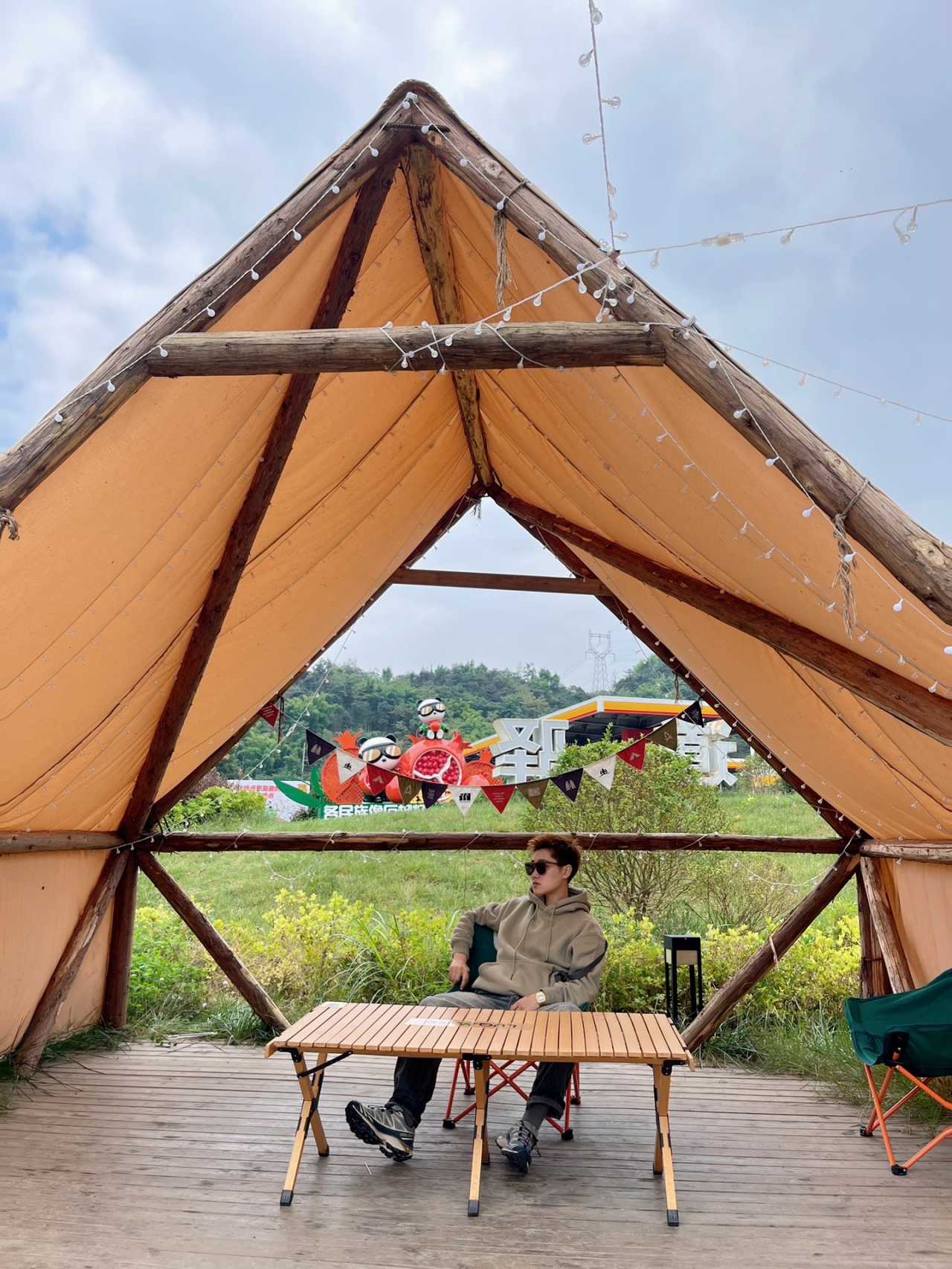
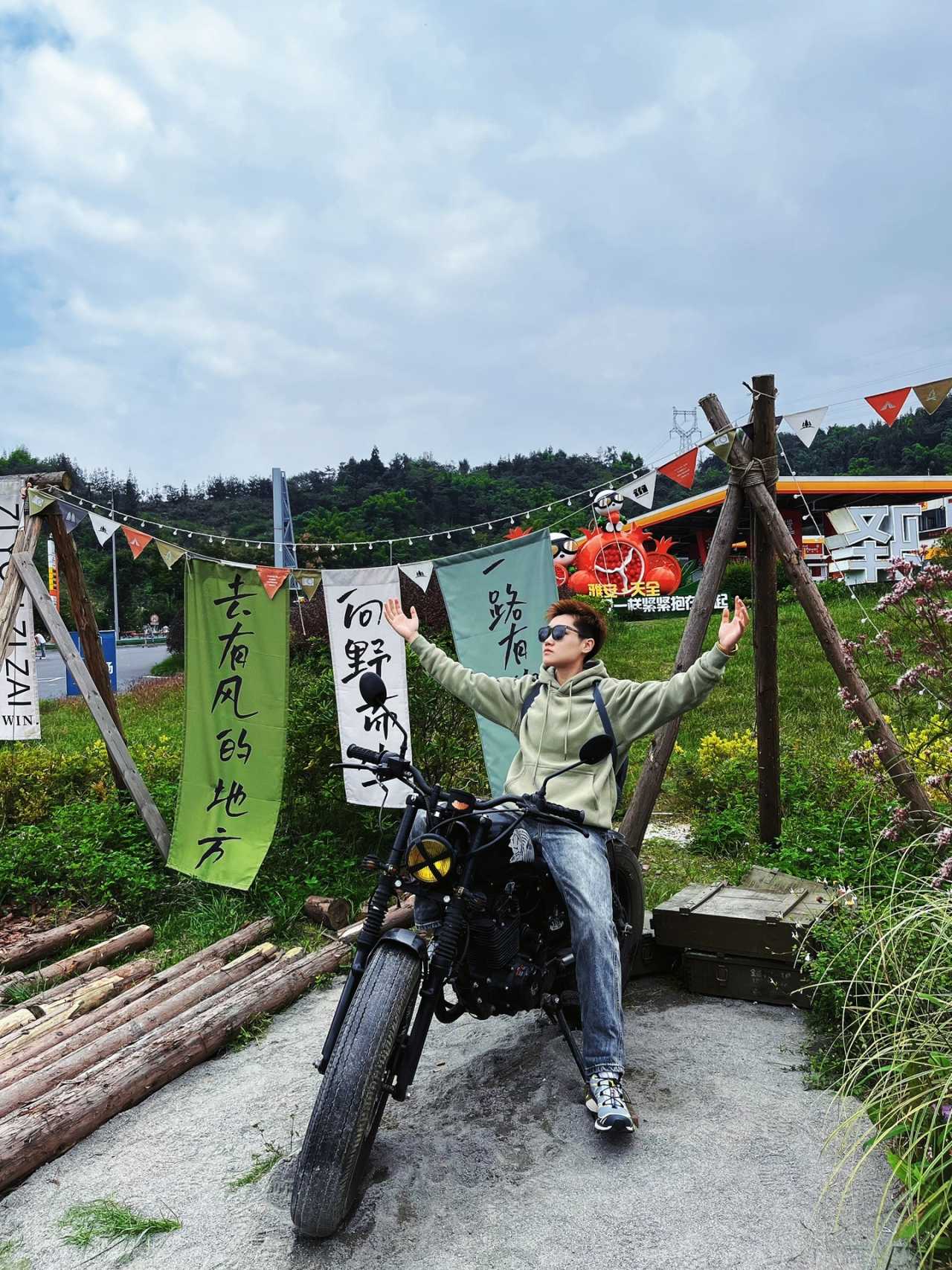
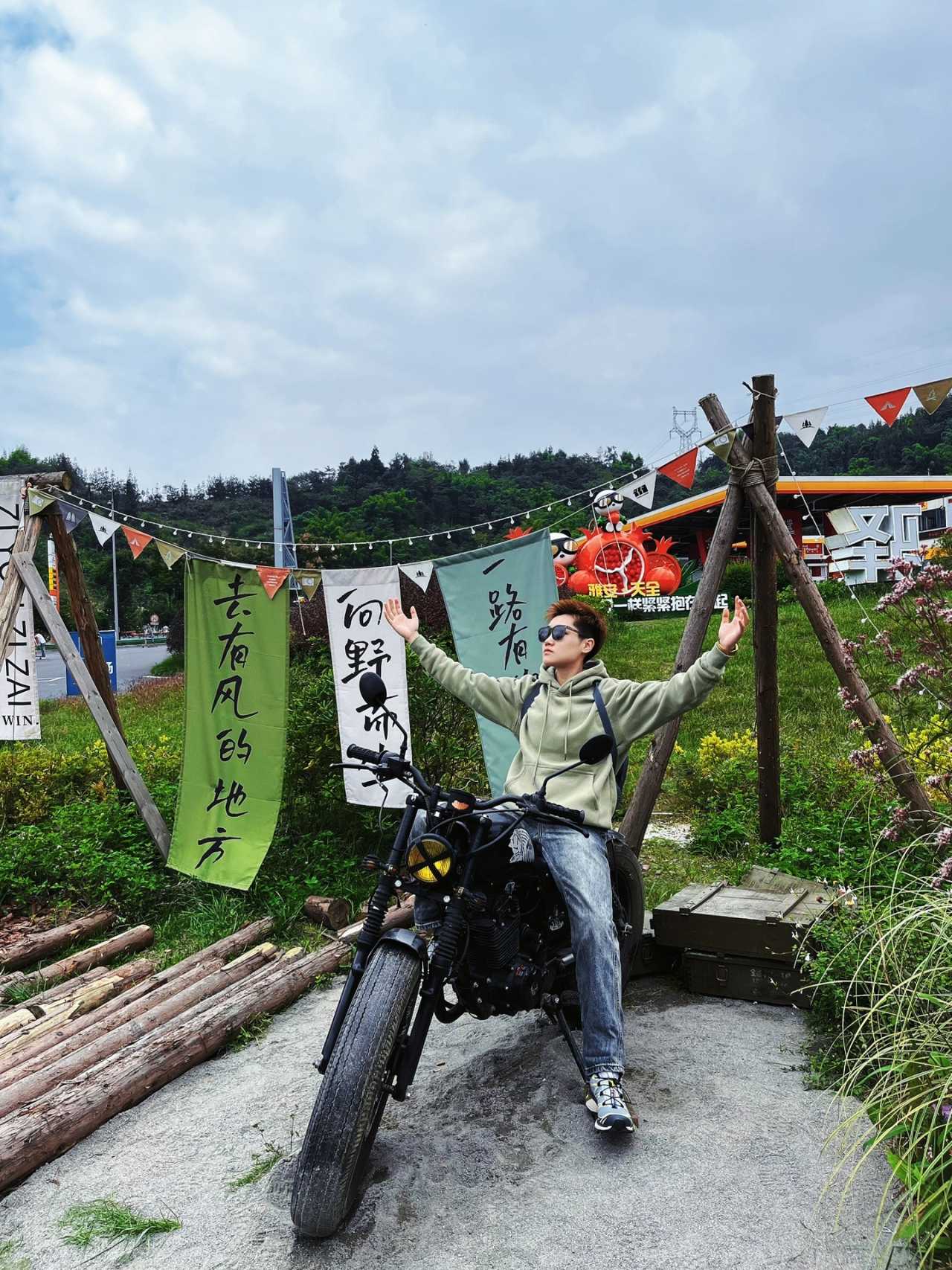
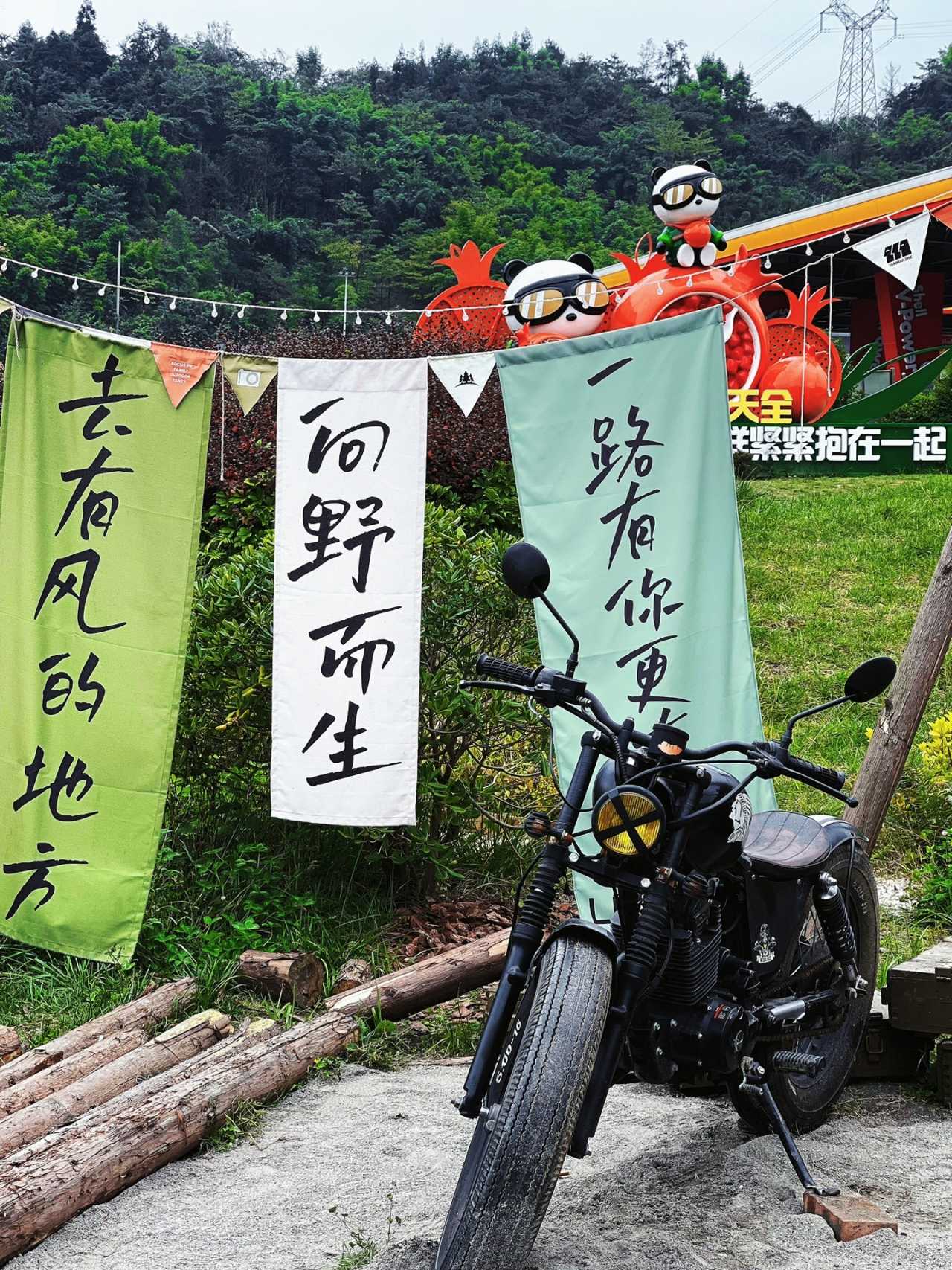
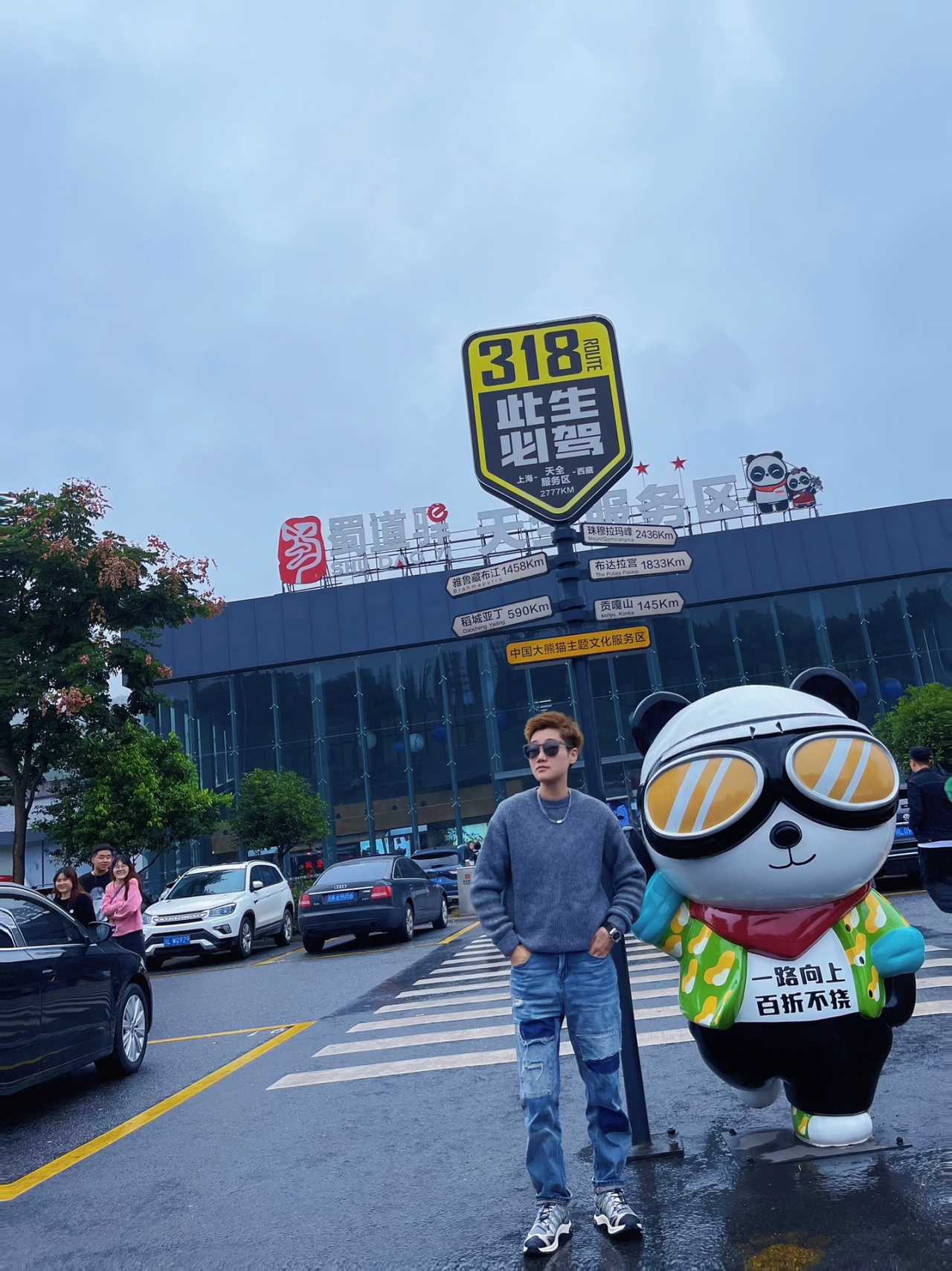
Our first stop was Kangding's newest social media hotspot—Ligou Hot Spring Resort. Leaving Luzhou, we drove west along National Highway 318. Our first major rest point was the Tianquan Service Area, a themed stop filled with panda elements. Refueling, dining, and photo ops—it has it all.
Upon arriving in Kangding, we headed straight for Ligou. This hot spring resort hotel is located in Erdaoqiao Village, Yala Township—just a 10-minute drive from the lively "Liuli" city center. While the accommodation wing won't officially open until January 2024, the hot springs, afternoon tea, and dining are already available. The huge parking lot is a relief, and the biggest surprise? A 9.9 RMB (about $1.40) group-buy coffee that photographs beautifully.
Soaking in natural hot springs, watching the sky blush with pink sunset hues—at that moment, all fatigue evaporated. No wonder people say: "What can warm you, besides a lover's embrace, is the hot spring at Ligou."
Makye Ame: The Taste of Tsangyang Gyatso's Love Poetry
For dinner, we chose Makye Ame—a restaurant named after the love poems of the 6th Dalai Lama, Tsangyang Gyatso. In Kangding, it's hard to pick a bad restaurant, but Makye Ame left a strong impression. Their set dinner for two included soup, shredded potatoes, beef strips, and beef buns—authentic flavors that pair perfectly with rice. The real standout was butter tea: rich, fragrant, and reportedly helpful in preventing altitude sickness.
The restaurant has two floors. The first is open and airy; the second offers more privacy. Sitting by oversized glass windows, sunlight spilling onto the table, we savored our meal while enjoying the riverside view. It was so cozy we didn't want to leave.
[Link: Best restaurants in Kangding]
Second Stop: Gunong Village – Poetic Living Beneath the Snow Peaks
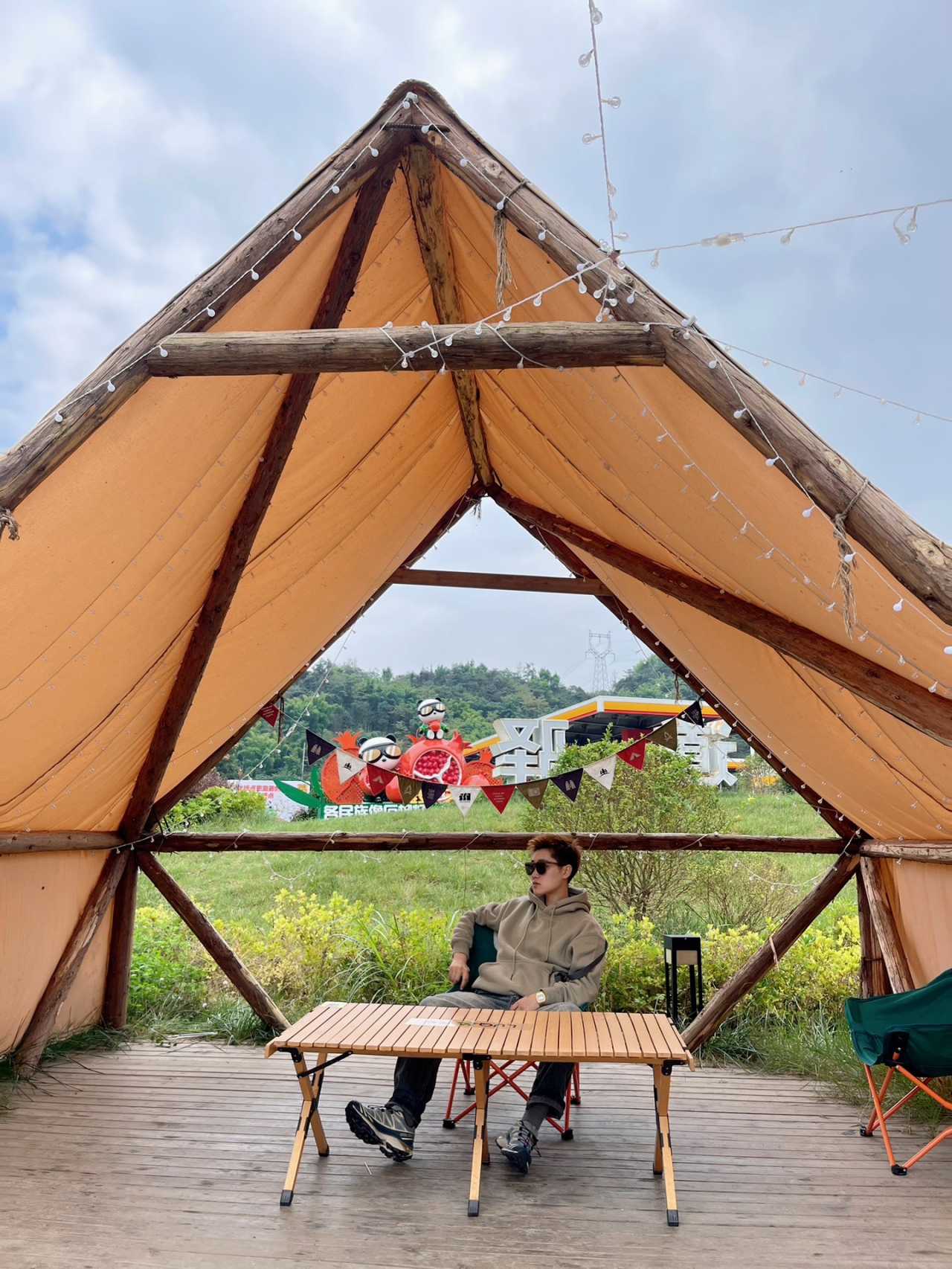
Gangri Dawa: A Room with a View of Golden Snow Mountain
From Kangding, a three-hour drive brought us to Gunong Village near Xinduqiao. Known as "the hidden gem beside Tagong Grassland," this is a paradise for camping enthusiasts. Our accommodation was Gangri Dawa, a guesthouse perched on the mountainside.
The owner, a post-90s guy, was warm and genuine—we quickly became friends. Outside the glass window of our room stood the majestic Yala Snow Mountain. Opening the window at dawn, the mountain glowed with golden light. At that moment, my eyes welled up—some beauty truly moves you to tears.
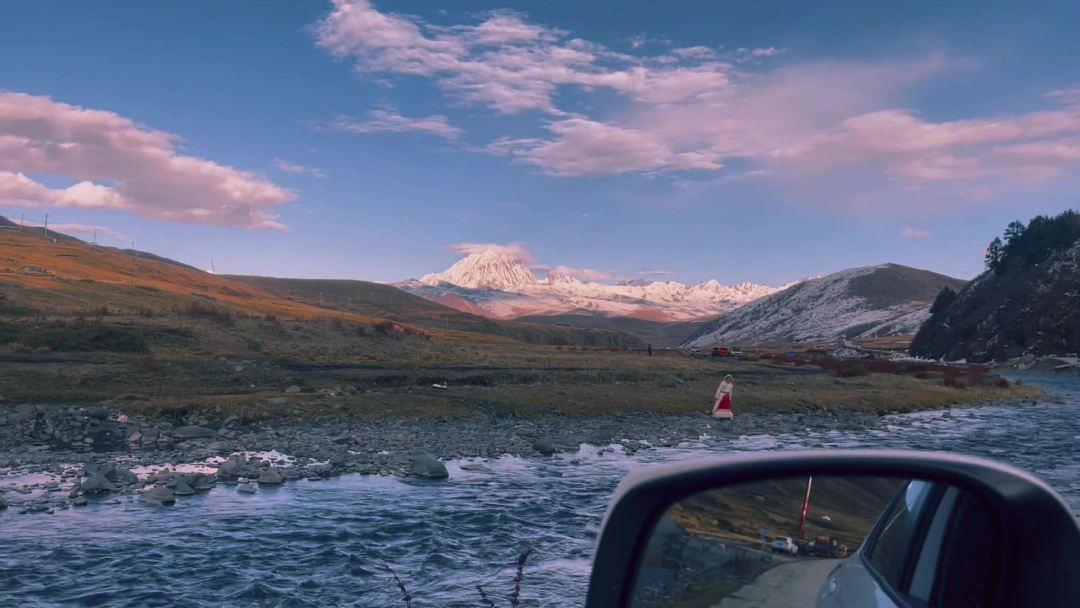
At an altitude of 3,850 meters (about 12,630 feet), the guesthouse presented some challenges, but the sunset view made us forget any discomfort. The setting sun painted the snow peaks in shades of pink and gold, a stream murmured below, and yaks grazed lazily on the grassland. There was no city noise here—only the sound of wind and the breath of nature.
Camping and Sightseeing: A Conversation with Yala Snow Mountain
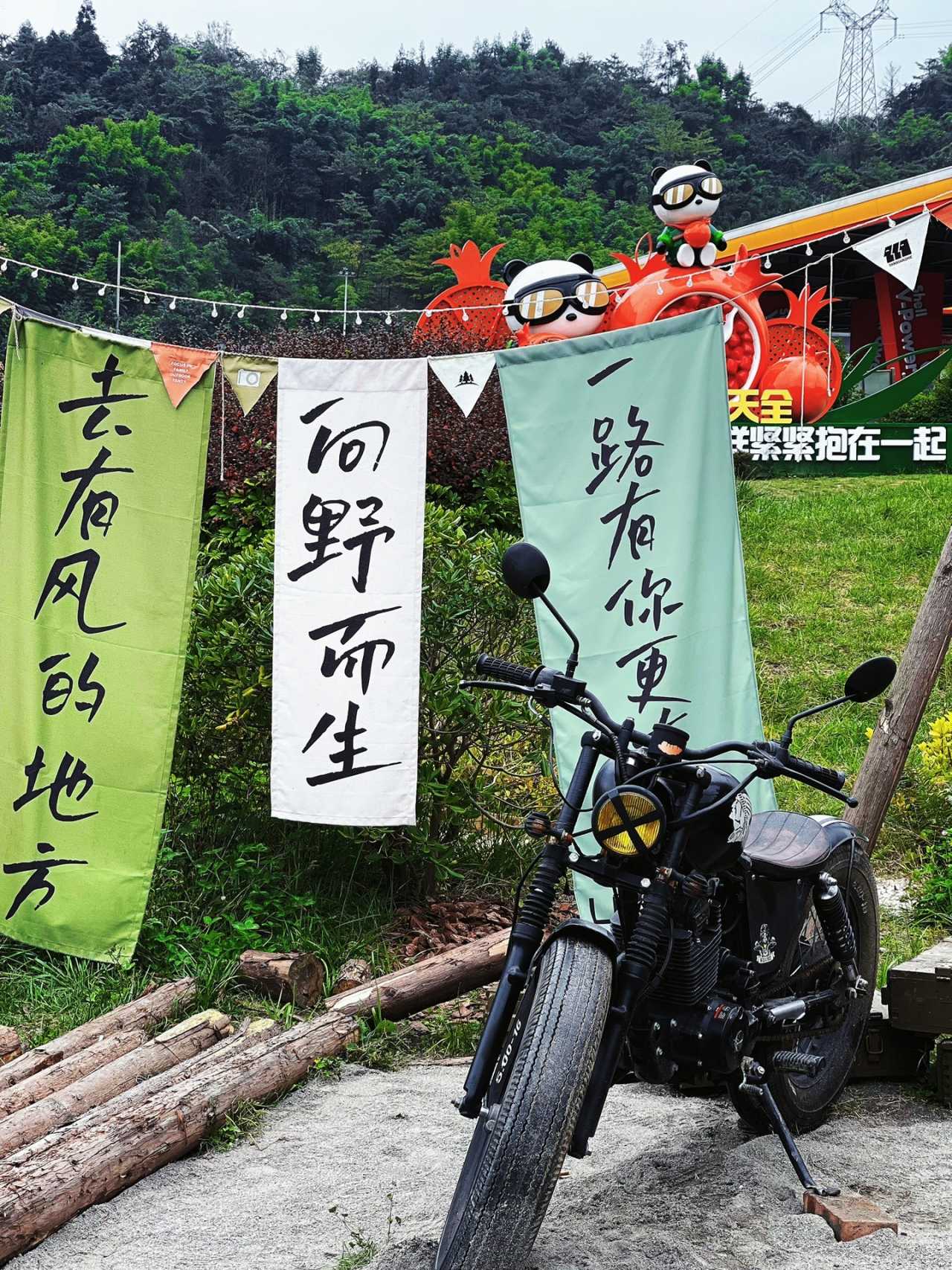
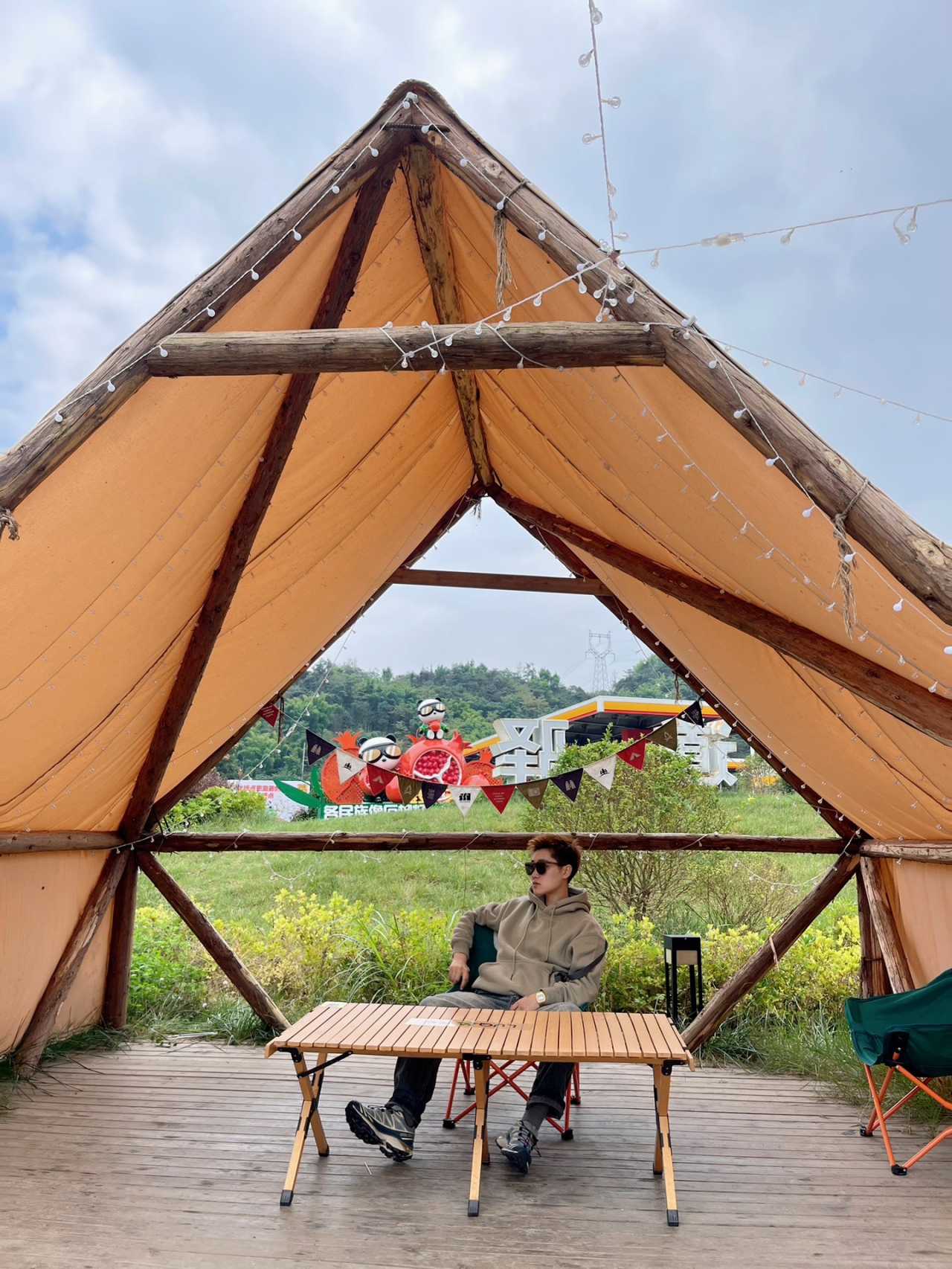
The camping facilities in Gunong Village are quite developed. You can pay to camp on-site or bring your own gear. Driving a bit further from the village, you'll reach the Balangshengdu Observation Deck—a little-known spot for viewing Yala Snow Mountain. Standing on the platform, the view opens wide, and the entire mountain range stretches before you.
Alternative route for photography enthusiasts: - D1: Chengdu → Kangding → Zheduo Mountain → Gedilamu → Xinduqiao - D2: Xinduqiao → Tagong Grassland → Gunong Village → Balangshengdu → Xinduqiao - D3: Xinduqiao → Jagenba → Lenggacuo (Lengga Lake) → Xinduqiao (great for stargazing photography) - D4: Xinduqiao → Red Sea → Airport Road → Chengdu
[Link: Best camping spots in Western Sichuan]
Third Stop: Jagenba – A Photographer's Paradise
Songdun Niji: Catching the Tail of Autumn
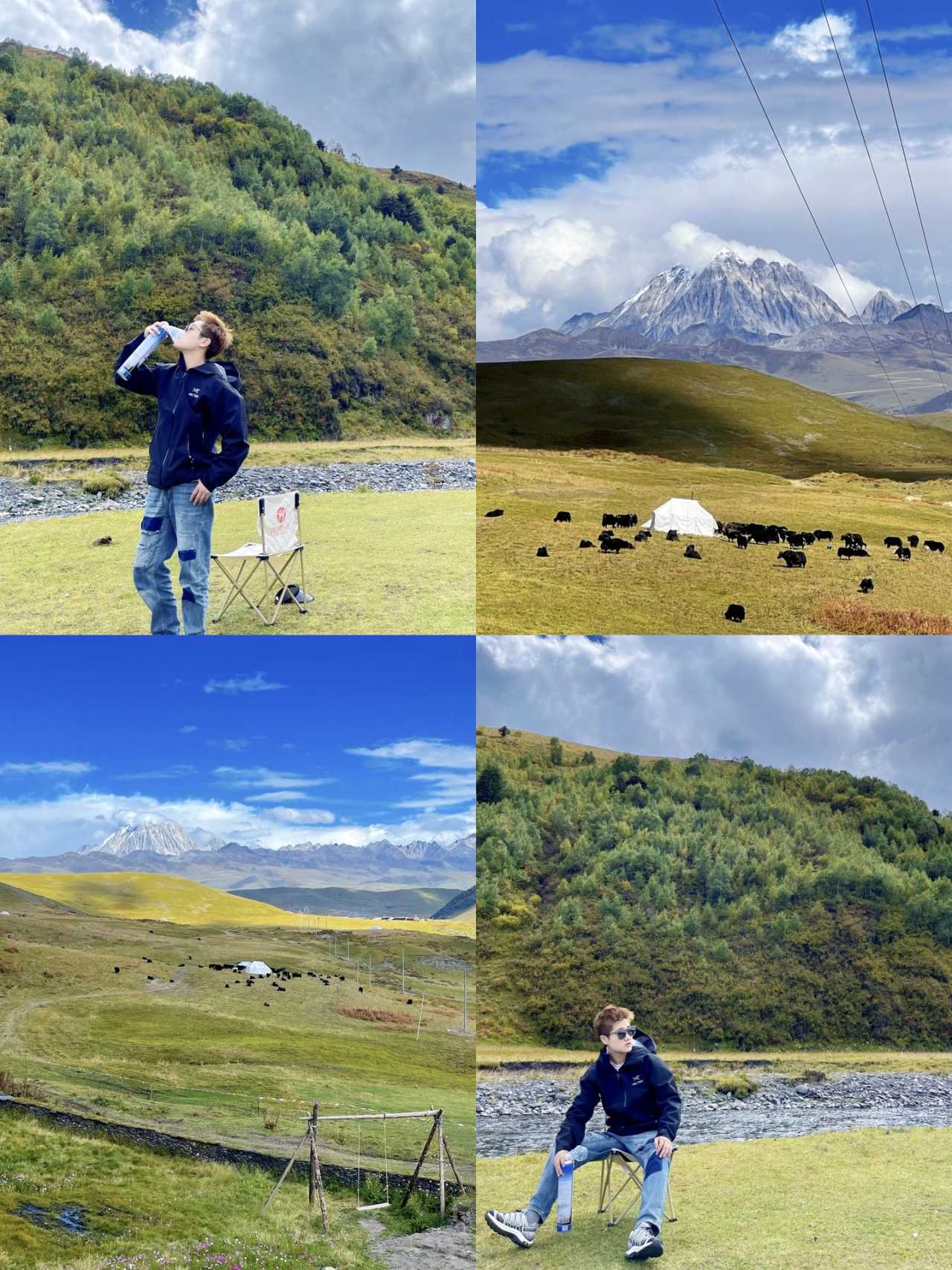
Leaving Xinduqiao, we followed National Highway 248 to Jagenba. This is a paradise for photography enthusiasts, especially in late autumn. Golden leaves, winding streams, and herds of yaks and sheep create a vibrant oil painting at every turn.
Navigate to "Songdun Niji Post Station" on your map—but don't enter the station. Drive about 10 meters past it, and you'll see a small concrete bridge on the left. The scene beneath the bridge is breathtaking: a gentle stream, a golden meadow, and cattle and sheep wandering leisurely. Here, we stumbled upon a coffee truck. The owner was a traveler with stories to tell, brewing coffee while sharing tales of the road. The sense of ease made time stand still.
Ritou Village: The Quiet Hours of an Ancient Settlement
Continuing from Jagenba, we accidentally found our way to Ritou Village—a tiny, secluded ancient settlement. Its watchtowers have stood for nearly a thousand years, grand and weathered. The villagers were warm and simple. That evening, we shared homemade flatbreads with them—a humble meal, but deeply satisfying.
When night fell, we looked up to find a sky full of stars. Far from any light pollution, the Milky Way stretched overhead, so clear it felt almost within reach. I captured the starry sky with my phone, and in that moment, every worry seemed trivial.
[Link: Photography tips for Western Sichuan starry skies]
Fourth Stop: Xinduqiao – Living Inside the Landscape
Zanba Mingjing: The Perfect Fusion of Luxury and Nature
In Xinduqiao, we checked into what's been called "the ceiling of Sichuan hotels"—Zanba Mingjing. With only 19 rooms, this hotel strikes an exquisite balance between luxury and nature. The rooms are equipped with Dyson hairdryers, heated floors, and floor-to-ceiling windows framing the surrounding peaks.
The property sits at 3,300 meters elevation, making it an excellent base for acclimatization before heading higher. The on-site restaurant serves Tibetan-Western fusion cuisine—try the yak burger and butter tea latte.
[Link: Luxury accommodations in Xinduqiao]
FAQ: Western Sichuan Travel Questions Answered
1. When is the best time to visit Western Sichuan?
Answer: Each season offers unique beauty: - Spring (April-May): Wildflowers bloom; fewer crowds - Summer (June-August): Green grasslands; warmest temperatures (15-25°C / 59-77°F) - Autumn (September-October): Golden leaves; clearest skies; peak photography season - Winter (November-March): Snow-covered peaks; fewer tourists; colder (-5 to 10°C / 23-50°F)
Best overall: Late September to mid-October for autumn colors and stable weather.
2. How do I prevent altitude sickness in Western Sichuan?
Answer: Follow these guidelines: - Ascend gradually—spend 1-2 days below 3,000m before going higher - Stay hydrated (3-4 liters daily) - Avoid alcohol and heavy meals - Consider acetazolamide (Diamox) after consulting your doctor - Carry portable oxygen canisters for emergencies - If symptoms worsen, descend immediately
3. Is a 4WD vehicle necessary for Western Sichuan road trips?
Answer: For the route described (National Highway 318 and 248), a standard sedan works in dry conditions. However, a 4WD or SUV is recommended for: - Winter/spring travel (snow and ice on mountain passes) - Off-road detours to hidden spots like Balangshengdu - Gravel roads to remote villages - Safety in case of sudden weather changes
4. What permits do I need for Western Sichuan?
Answer: Most areas are open to domestic and international travelers. However: - Foreign nationals need a Tibet Travel Permit for areas near the Tibet border - Some military zones (e.g., near Daocheng Yading) may require advance registration - Always carry your passport/ID card - Check local regulations before visiting remote monasteries or border areas
5. How much does a Western Sichuan road trip cost?
Answer: Budget approximately: - Budget: 300-500 RMB/day per person (hostels, local food, public transport) - Mid-range: 800-1,200 RMB/day (guesthouses, private driver, nicer restaurants) - Luxury: 2,000+ RMB/day (boutique hotels like Zanba Mingjing, private guide, fine dining)
Our 6-day trip cost approximately 4,500 RMB per person including accommodation, meals, fuel, and activities.
Conclusion: Your Western Sichuan Wilderness Dream Awaits
Western Sichuan is more than a destination—it's a transformation. From the hot springs of Kangding to the starry skies above Ritou Village, from the golden meadows of Jagenba to the snow-capped majesty of Yala Mountain, every moment etches itself into memory.
But the real gift? The version of yourself you discover along the way. The one who slows down enough to watch a sunset paint snow peaks gold. The one who shares flatbread with strangers under a canopy of stars. The one who remembers that freedom isn't a place—it's a feeling.
Ready to plan your Western Sichuan adventure? Start with these steps: 1. Check your passport/visa validity 2. Book accommodations early (especially autumn) 3. Pack for all four seasons 4. Download offline maps (cell service is spotty) 5. Respect local customs and environment
The mountains are calling. Will you answer?
Note: This article is based on a real journey in November 2023. Conditions, prices, and availability may change. Always verify current information before traveling.
You may also like


