Vast Land, Peaceful Abode: The Ultimate Guang'an Travel Guide – Exploring Deng Xiaoping's Hometown & Bashu Culture
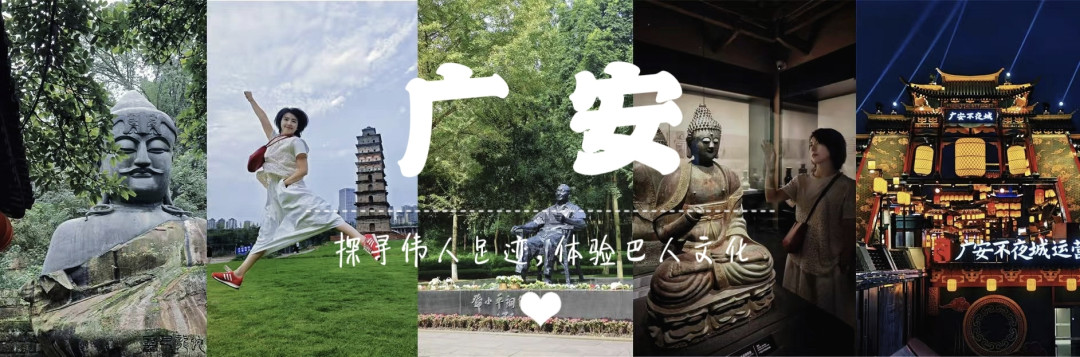
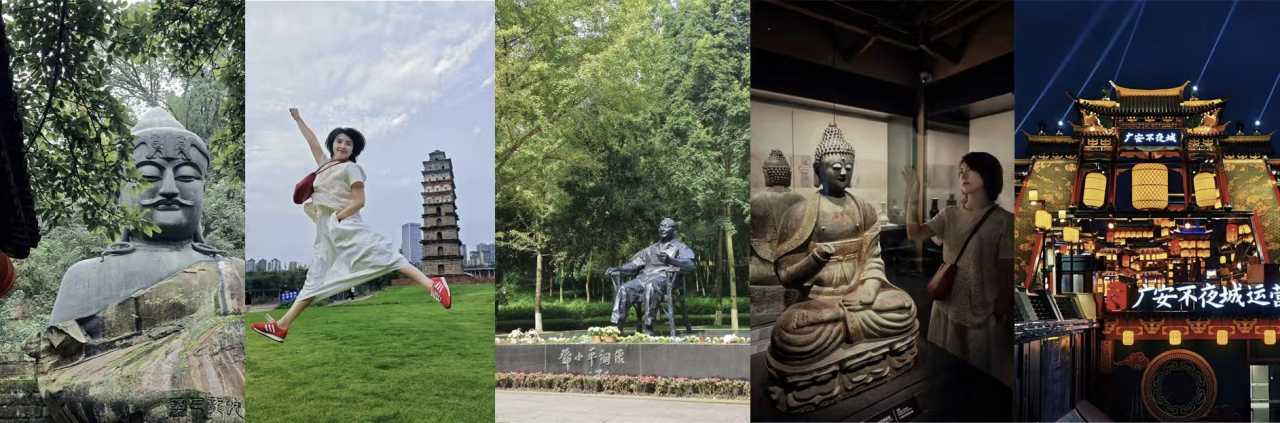
Meta Description: Discover Guang'an, the hometown of Deng Xiaoping. Explore the great man's former residence, ancient Song Dynasty pagodas, Ba People's fortresses, and immersive Bashu culture in this comprehensive 2-day travel itinerary.
Introduction: Why Guang'an Should Be Your Next Sichuan Getaway
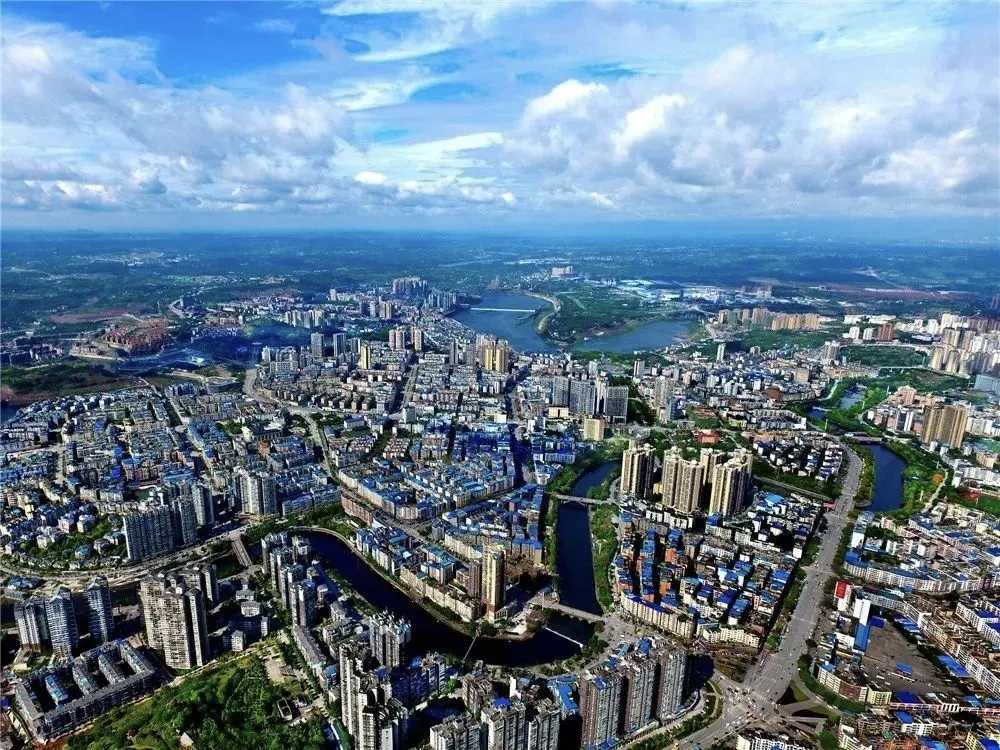
Nestled just an hour's drive from Chongqing lies a city that defies easy categorization. Guang'an (广安) – whose name means "vast land, peaceful governance" – is simultaneously a revolutionary shrine, a treasure trove of ancient Ba culture, and a gateway to the misty forests of Mount Huaying. While it's globally recognized as the birthplace of Deng Xiaoping, the architect of China's reform and opening-up, this Sichuan city offers far more than red tourism.
In this comprehensive Guang'an travel guide, we'll take you through a two-day journey that balances historical reverence with cultural immersion. From the quiet dignity of Deng Xiaoping's childhood home to the thousand-year-old White Pagoda, from the immersive exhibits at the Guang'an City Museum to the mysterious Ba People's Stone Fortress, this itinerary proves that Guang'an is one of the most underrated destinations in the Sichuan Basin.
I. Guang'an: A Red Pearl on the Banks of the Jialing River
Historical Significance & Modern Identity
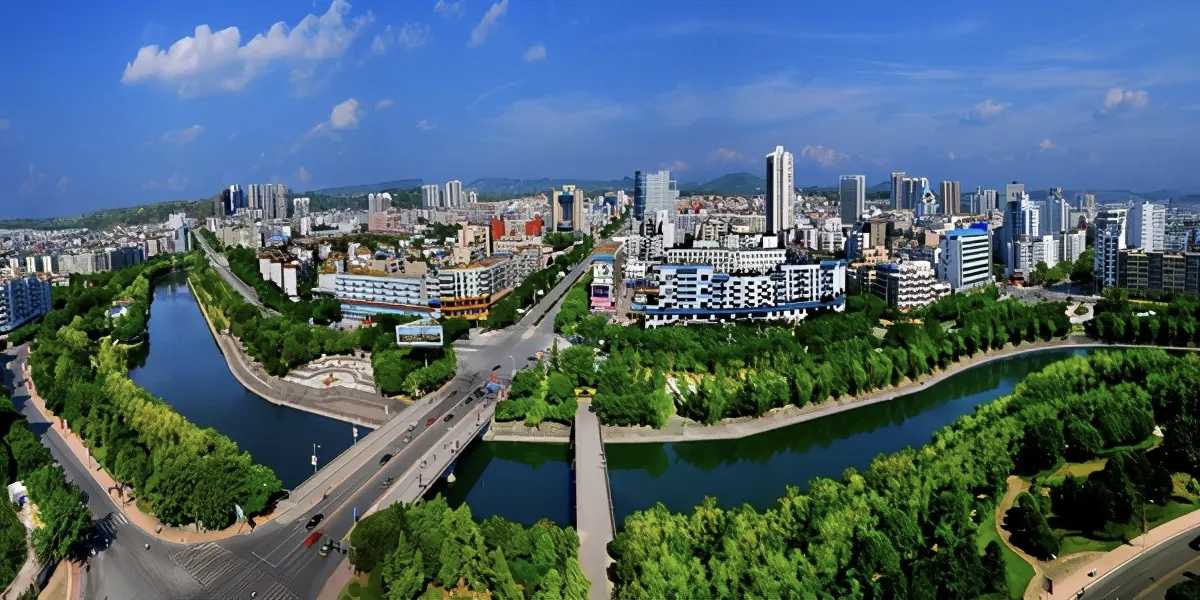
Guang'an, known in ancient times as Congcheng (賨城), sits strategically where the Jialing River meets the Qu River. The name "Guang'an" dates back to 969 AD during the Northern Song Dynasty, and the city has preserved this heritage through centuries of change. Upgraded from a prefecture to a prefecture-level city in 1998, Guang'an has modernized rapidly while maintaining its historical soul.
The city's most powerful calling card is undoubtedly its connection to Comrade Deng Xiaoping, who spent his first fifteen years here. But Guang'an is also one of the birthplaces of the Red Rock Spirit – the revolutionary flame that burned during the Huaying Mountain Uprising. This unique blend of revolutionary history and ancient Ba culture makes Guang'an a destination with both emotional warmth and intellectual depth.
Key Facts: - Location: Northeastern Sichuan Basin, 1 hour from Chongqing - Historical name: Congcheng (賨城) - Famous for: Hometown of Deng Xiaoping, Song Dynasty architecture, Ba culture - Best time to visit: Spring (March-May) and Autumn (September-November)
II. Deng Xiaoping's Hometown: A Journey Through the Great Man's Youth
The Former Residence: A Boyhood in a Traditional Courtyard
Location: Paifang Village, Xiefang Town, Guang'an District
Rating: National 5A-level Scenic Area
Suggested time: 3-4 hours (half-day for deeper exploration)
The Deng Xiaoping Former Residence complex is the crown jewel of Guang'an tourism. The centerpiece is the "Old Deng Family Courtyard" – a traditional farmhouse facing east, built during the Tongzhi reign of the Qing Dynasty by Deng Xiaoping's great-grandfather. The green-tiled roof and whitewashed walls epitomize simple Sichuan rural architecture.
Above the main gate hangs a plaque inscribed by former President Jiang Zemin: "Former Residence of Comrade Deng Xiaoping." Walking through the courtyard, you can almost see a young Deng Xiaoping reading beneath the trees or chasing friends through the rice fields. Every brick and tile here carries the weight of those formative years.
Must-See Spots: - The main courtyard with original furniture - The well where young Deng drew water - The ancient banyan tree that witnessed his childhood
The Memorial Hall: Discovering the Great Man's Hobbies
Designed with the concept of "coming home," the Deng Xiaoping Memorial Hall offers a more personal view of the leader. The exhibition space includes a recreation of his Beijing residence – complete with his dining room, reception room, and office. Most exhibits were donated by his family, offering unprecedented intimacy.
Surprising Exhibits: - Trophies from bridge tournaments (Deng was an avid bridge player) - A video tape of "Football Highlights" gifted by former German Chancellor Helmut Kohl - Over 180 pieces of his personal handwriting
These details remind visitors that great men are not distant icons – they had hobbies, friendships, and personal lives. The memorial hall humanizes Deng Xiaoping in a way that history books cannot.
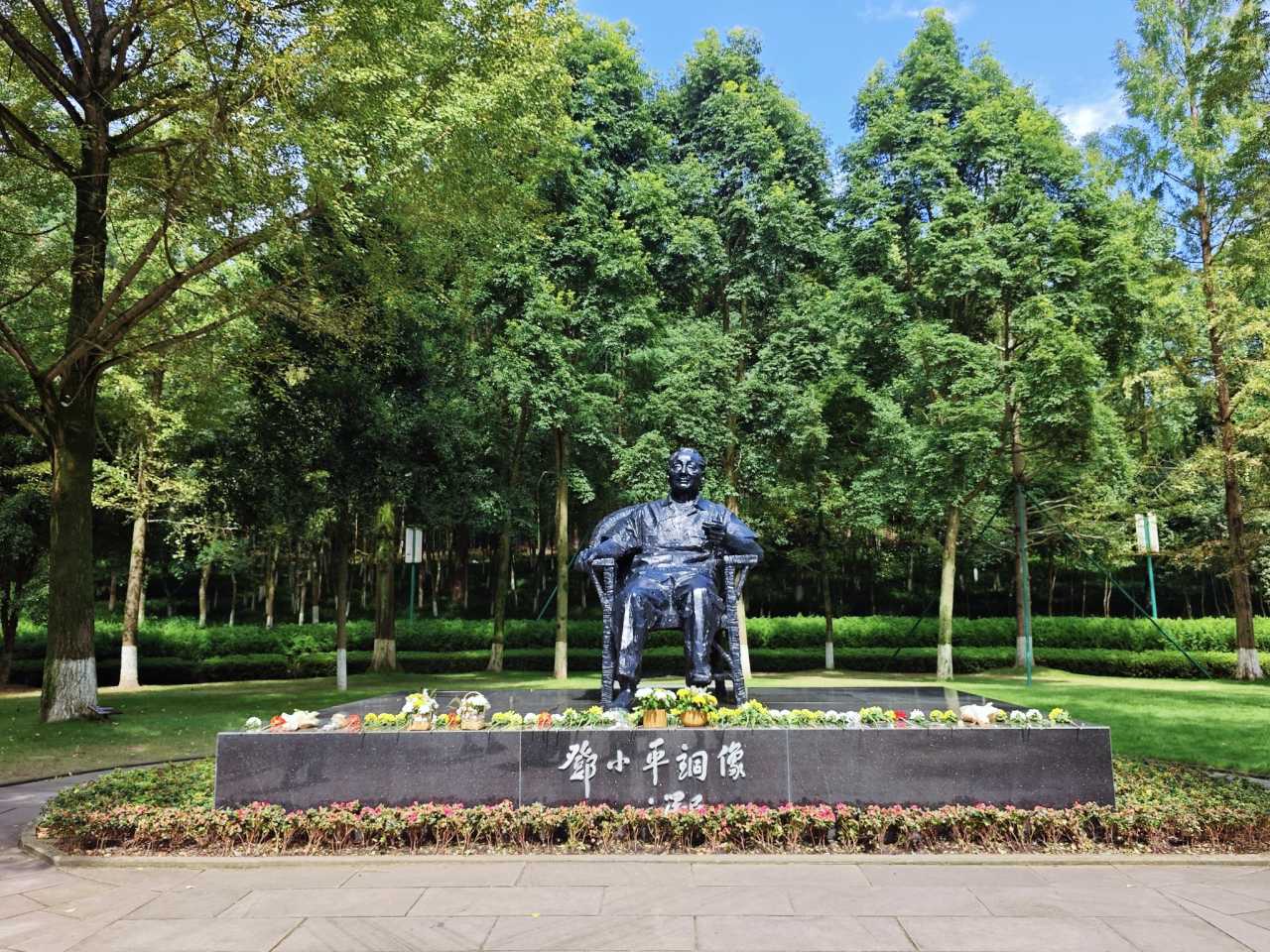
Bronze Statue Square: Quiet Companionship with a Kindly Elder
The most serene spot in the entire complex, Bronze Statue Square covers 26 mu (about 4.3 acres). Surrounded by hills on three sides, the square is shaped like a chair. Deng Xiaoping's bronze statue faces south, standing tall in the center of the lawn.
We sat here for a while as sunlight filtered through the trees. In that moment, we felt an extraordinary peace – a reminder that peace, prosperity, and democracy were hard-won by those who came before us. Gratitude should be accompanied by determination to keep moving forward.
Travel Tips for Deng Xiaoping's Hometown: - Suggested Route: Park entrance → Bronze Statue Square (offer flowers) → Former Residence → Exhibition Hall → Memorial Hall → Hanlin Courtyard - Time Allocation: 3-4 hours minimum; half-day to full day recommended - Local Food to Try: Guang'an Salted Duck Eggs (盐皮蛋), Deng Family Salted Duck Eggs, Huaying Mountain Bracken Fern
III. Guang'an City Museum: A Thousand-Year Story from the Qu River
An Underrated Treasure of Sichuan Museums
Address: Near the Qu River, Guang'an City
Building Area: 11,700 square meters
Exhibition Space: 4,000 square meters
Collection: Tens of thousands of artifacts from Neolithic to Republic of China periods
The Guang'an City Museum is one of the most underrated cultural institutions in Sichuan. Its collection spans bronze ware, ceramics, calligraphy, paintings, stone carvings, and wood carvings – each piece telling a chapter of Guang'an's story.
Museum Treasures You Can't Miss
The museum's "crown jewels" include: - A red pottery kneeling figurine (Neolithic period) - A round jade pendant carved as a young boy (Han Dynasty) - A Song Dynasty bronze guardian beast modeled after Warring States designs - A gilded bronze incense burner with a unicorn lid (Ming Dynasty)
But the most breathtaking feature is the atrium's towering digital ice screen – a massive display showing Guang'an's sixteen ancient scenic views. The mist of Mount Huaying flows across the moving screen, creating a living landscape painting that cascades from the third floor.
Three Major Exhibitions: Three Immersive Experiences
- "I Came from the Qu River" – Traces Guang'an's development from ancient times through the Qu River culture thread
- "Rural Memories" – Recreates Guang'an's labor, daily life, and folk customs through miniature scenes and furniture displays
- "Song Charm Guang'an" – A fully immersive 3D experience using 30 projectors with 8,000 lumens each. It feels like traveling back to the Southern Song Dynasty – Guang'an's version of "Along the River During the Qingming Festival"
Historical Note: Guang'an was an important part of the Sichuan-Shaanxi Revolutionary Base Area. The museum's extensive revolutionary history displays show how the red gene of "seeking truth from facts and daring to be the first" has been passed down through generations.
[Link: Other historical museums in Sichuan province]
IV. White Pagoda Park: Eight Hundred Years of Vigil

The Iconic Song Dynasty Pagoda
Location: Binjiang Road, beside the Qu River's Longzi Beach
Built: Between 1174-1224 AD (Chunxi to Jiading reigns, Southern Song Dynasty)
Height: Nine stories, pavilion-style
The White Pagoda (白塔) ranks first among Guang'an's sixteen scenic views, known as "White Pagoda Reaching the Clouds." Also called the "Sarira Stupa," it was built by An Bing, a Grand Academician of the Southern Song Dynasty.
Architectural Highlights: - Lower five stories: Heavy solid stone construction - Upper four stories: Red brick, painted in red and white - Striking color contrast that makes it visible from afar
While safety concerns prevent climbing the pagoda, a leisurely walk around it allows you to feel its solemn dignity after more than eight centuries. On January 1, 2025, White Pagoda Park officially opened with green spaces, plazas, landscaped gardens, and a children's playground – achieving a fusion of ecology and culture.
Best Photo Spot: The riverside walkway at sunset, when the pagoda is reflected in the Qu River.
V. Guang'an Never-Sleeping City: Traveling Back to Song Dynasty Streets
A Modern Recreation of Ancient Bustle
Guang'an Never-Sleeping City (广安不夜城) is located on the platform of the frame corridor, offering a vibrant recreation of Song Dynasty street life. This is where the city's ancient heritage meets modern entertainment.
What to Expect: - Traditional architecture with modern lighting - Street food stalls offering local specialties - Cultural performances and interactive experiences - Souvenir shops with handcrafted items
The "Never-Sleeping City" concept has become popular across China, but Guang'an's version has a unique authenticity because it's built on genuine historical foundations. The Song Dynasty was a golden age for Guang'an, and this district captures that spirit.
Evening Recommendation: Start with dinner at a local restaurant (try the Guang'an-style hotpot), then stroll through the illuminated streets. The combination of ancient architecture and modern lighting creates a magical atmosphere.
VI. Ba People's Stone Fortress: Ancient Mysteries in the Mountains
A Glimpse into Pre-Qin Civilization
The Ba People's Stone Fortress (巴人石头城) is one of the most mysterious archaeological sites in the Sichuan Basin. Located in the mountains surrounding Guang'an, this fortress dates back to the Ba Kingdom period (before 316 BC).
What Makes It Special: - Massive stone blocks fitted without mortar - Strategic mountain-top location with defensive walls - Mysterious carvings and symbols that scholars still debate - Panoramic views of the surrounding valleys
The Ba people were known for their fierce independence and unique culture. This fortress offers a rare window into their world – a world that existed before the Qin unification of China.
Hiking Tip: The fortress is accessible via a moderate hiking trail. Wear comfortable shoes and bring water. The effort is rewarded with spectacular views and a sense of stepping back in time.
[Link: Other ancient fortress sites in Sichuan]
VII. Hobbit Hiking Trail: Forest Bathing on Mount Huaying
A Unique Eco-Trail in Sichuan
The Hobbit Hiking Trail (霍比特徒步线) on Mount Huaying offers a completely different experience from the historical sites. Named for its whimsical, winding paths through dense forest, this trail is perfect for nature lovers and families.
Trail Highlights: - Shaded paths through ancient forests - Small streams and waterfalls - Bird watching opportunities - Picnic spots with mountain views
The trail is well-maintained and suitable for hikers of all levels. It's a wonderful way to experience the "forest bathing" (shinrin-yoku) trend that has become popular in China.
Practical Tips: - Duration: 2-3 hours for the main loop - Difficulty: Easy to moderate - Best season: Spring and autumn for comfortable temperatures - What to bring: Water, snacks, insect repellent
VIII. Guang'an Travel FAQ
Q1: How do I get to Guang'an from Chongqing?
A: Guang'an is approximately 1 hour by car from downtown Chongqing. You can also take a high-speed train from Chongqing North Station to Guang'an South Station (about 40 minutes). Buses are available from Chongqing's long-distance bus stations.
Q2: What is the best time of year to visit Guang'an?
A: Spring (March-May) and autumn (September-November) offer the most comfortable temperatures and clear skies. Summer can be hot and humid, while winter is mild but occasionally foggy. The Deng Xiaoping Former Residence is beautiful in spring when the gardens are in bloom.
Q3: How many days should I spend in Guang'an?
A: Two days is ideal for a comprehensive visit. Day 1: Deng Xiaoping's Hometown and the City Museum. Day 2: White Pagoda Park, Ba People's Stone Fortress, and the Hobbit Hiking Trail. If you have only one day, focus on the Deng Xiaoping sites and the museum.
Q4: What local foods should I try in Guang'an?
A: Must-try dishes include Guang'an Salted Duck Eggs (盐皮蛋), Deng Family Salted Duck Eggs, Huaying Mountain Bracken Fern, and Guang'an-style hotpot. The Never-Sleeping City has excellent street food options.
Q5: Is Guang'an suitable for family travel?
A: Absolutely. The Deng Xiaoping Former Residence is educational and family-friendly. The City Museum has interactive exhibits for children. The Hobbit Hiking Trail is easy enough for kids, and White Pagoda Park has a children's playground.
Conclusion: Why Guang'an Deserves a Spot on Your Sichuan Itinerary
Guang'an is a city of beautiful contradictions. It's a revolutionary shrine that also preserves ancient Ba culture. It's famous because of one great man, yet it offers far more than his legacy. It's a modern city that has carefully preserved its thousand-year heritage.
In just two days, you can pay tribute at the childhood home of China's reform architect, trace the texture of history at an ancient Ba fortress, feel the forest's breath along a whimsical hiking trail, and watch the sunset paint a Song Dynasty pagoda gold. This journey is both a search for red memories and an immersive experience of Bashu culture.
Plan Your Trip Today: Guang'an is ready to welcome you with open arms. Whether you're a history buff, a nature lover, or simply someone seeking a meaningful travel experience, this city offers something unique. Book your train tickets, pack your walking shoes, and prepare to discover why "vast land, peaceful governance" is more than just a name – it's a promise.
[CTA] Ready to explore Guang'an? Start planning your trip with our detailed itinerary guide. Share your Guang'an travel photos with us on social media using #VastLandPeacefulAbode!
You may also like


