Travels in Sichuan and Chongqing: From Meishan to Chongqing – A Journey of Unexpected Gifts
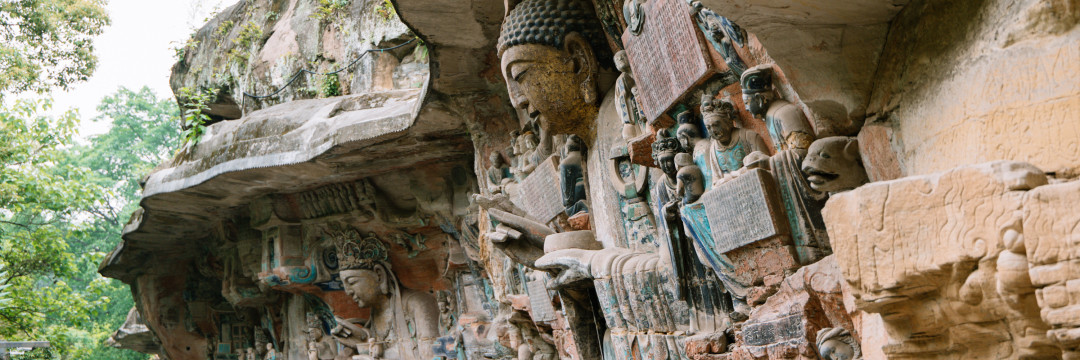
Meta Description: Discover the hidden gems of Sichuan and Chongqing travel, from Su Dongpo's hometown in Meishan to the ancient Anyue Grottoes and Dazu Rock Carvings. A solo journey through history, culture, and serendipity.
Introduction: When the South Calls
Spring in Beijing lingers like an uninvited guest. But late May in Chengdu? The south had already surrendered to summer. Stepping off the plane, I was greeted by bougainvillea blazing like fire against a sea of green. The warm, humid air wrapped around me—a stark contrast to the dry northern climate that had kept me coughing for weeks. Within hours, that cough vanished. It had been a decade since I last set foot in the south, and this trip was never planned. It was an escape, pushed forward by fate.
This is the story of a solo journey through Sichuan and Chongqing—from Meishan to Chongqing—a route that unfolded with unexpected gifts at every turn.
A Decade Later, Dreaming of Chengdu
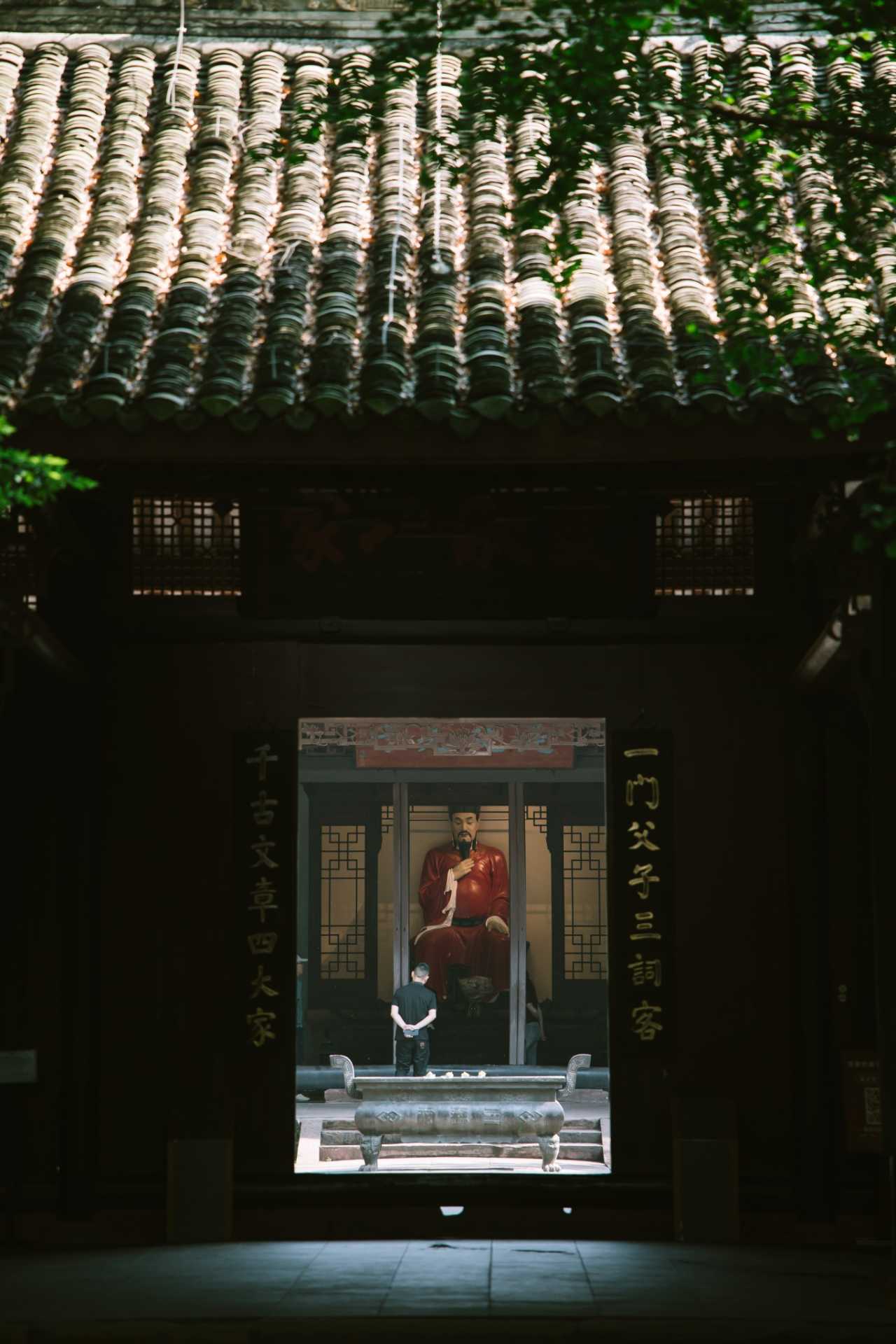
Ten years ago, I first came to Chengdu on a business trip. Fresh from my hometown to Beijing, I carried a heart full of curiosity. Back then, Chengdu was a coordinate point: "The hotpot is amazing, and those uncles and aunties playing mahjong by the roadside look so relaxed." A local colleague laughed and said, "Stay in Chengdu. Housing is only 3,000 yuan per square meter."
I didn't stay. But the memory remained. Now, passing through Chengdu again, seeing that brilliant bougainvillea at night felt like returning to a world still unfolding—before it showed its harsh side.
A Derailed Plan, an Unexpected Beginning
The original plan was simple: take the May Day holiday to visit Weifang with my parents. I had mapped the route, scouted restaurants. But plans never survive reality.
In April, my father fell ill. Facial paralysis. His mouth twisted, his speech slurred. My mother rushed him to the hospital. The doctor prescribed medication and acupuncture. On the third day, his face grew more distorted. Illness had crept onto his already frail body.
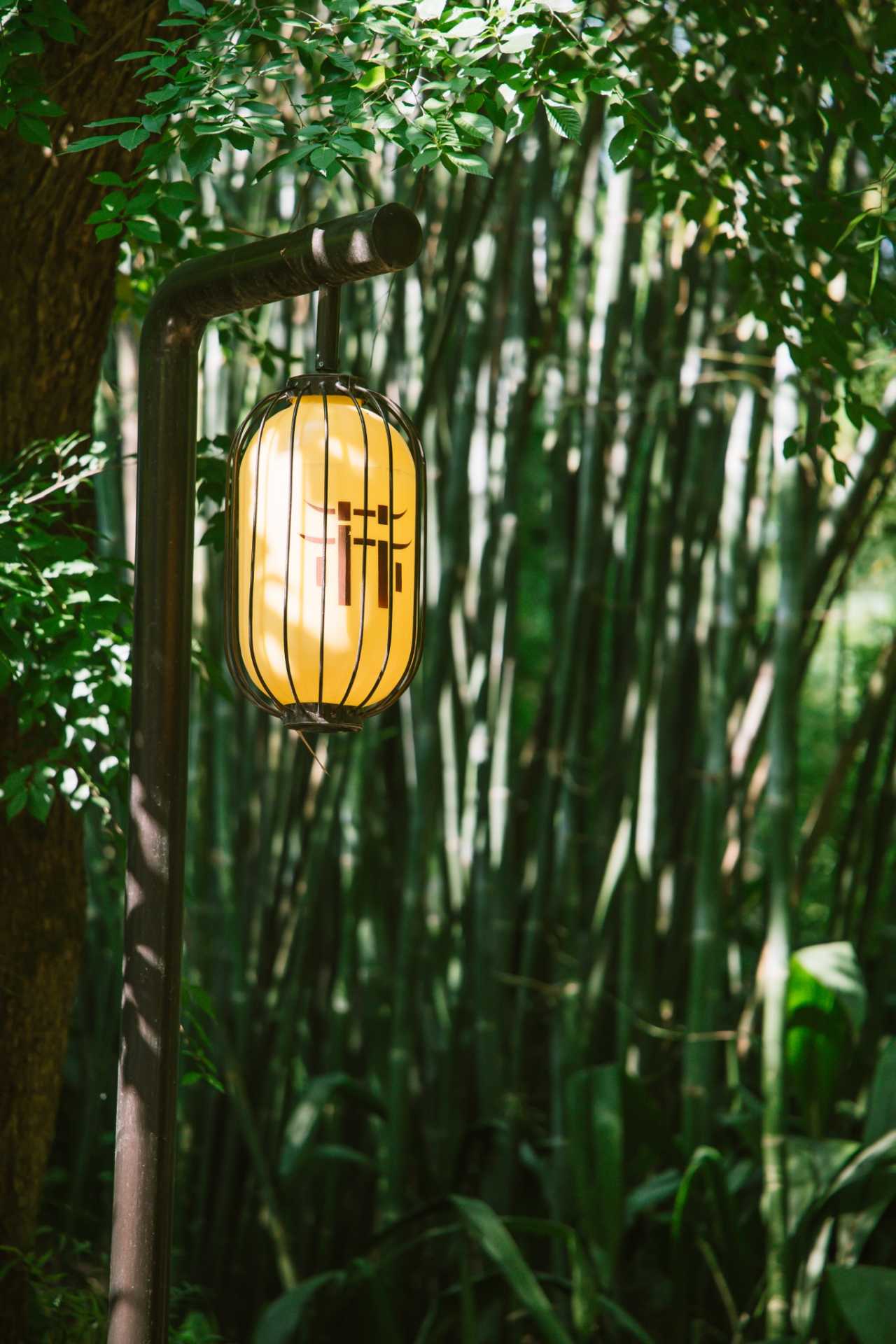
At the same time, I was weathering my own silent storm. I had hoped the trip would calm my suddenly fragile nerves, but the plan had to be abandoned. My mother said, "Go wherever you want. Don't worry about us."
I found myself torn between traveling alone or going home. In the past, I would have gone home no matter what. But profound changes accumulate slowly, only to surface abruptly. I gave myself an excuse: I didn't want to see my father's distorted face—I was afraid I'd cry.
So I decided to go alone. A few days before departure, I made a new plan: transit through Chengdu to Meishan, then to Anyue to see the grottoes, then to Dazu in Chongqing for the rock carvings, and finally back to Beijing from Chongqing.
The focus of this trip became Meishan (for Su Dongpo) and Chongqing (for the first time). But Anyue—a place I stumbled upon while looking at a map—became the most important part of the journey. The scattered carvings, the difficulty of reaching them, the serendipity—it all revolved around Anyue.
Finding a Companion: Signals in the Digital Void
The Anyue Grottoes are located in Anyue County, Ziyang City, Sichuan Province. After the An Lushan Rebellion in the Tang Dynasty, the Central Plains were devastated, and Buddhist stone carving nearly halted. But Anyue, situated on a key route through Sichuan, remained prosperous and peaceful. Monks, artisans, and pilgrims passed through, creating a new Buddhist world.
But how to visit ten ancient grotto sites spread across nearly 100 kilometers? No public transportation. Limited time. Hiring a private car was expensive and risky alone. Finding a companion was the best option.
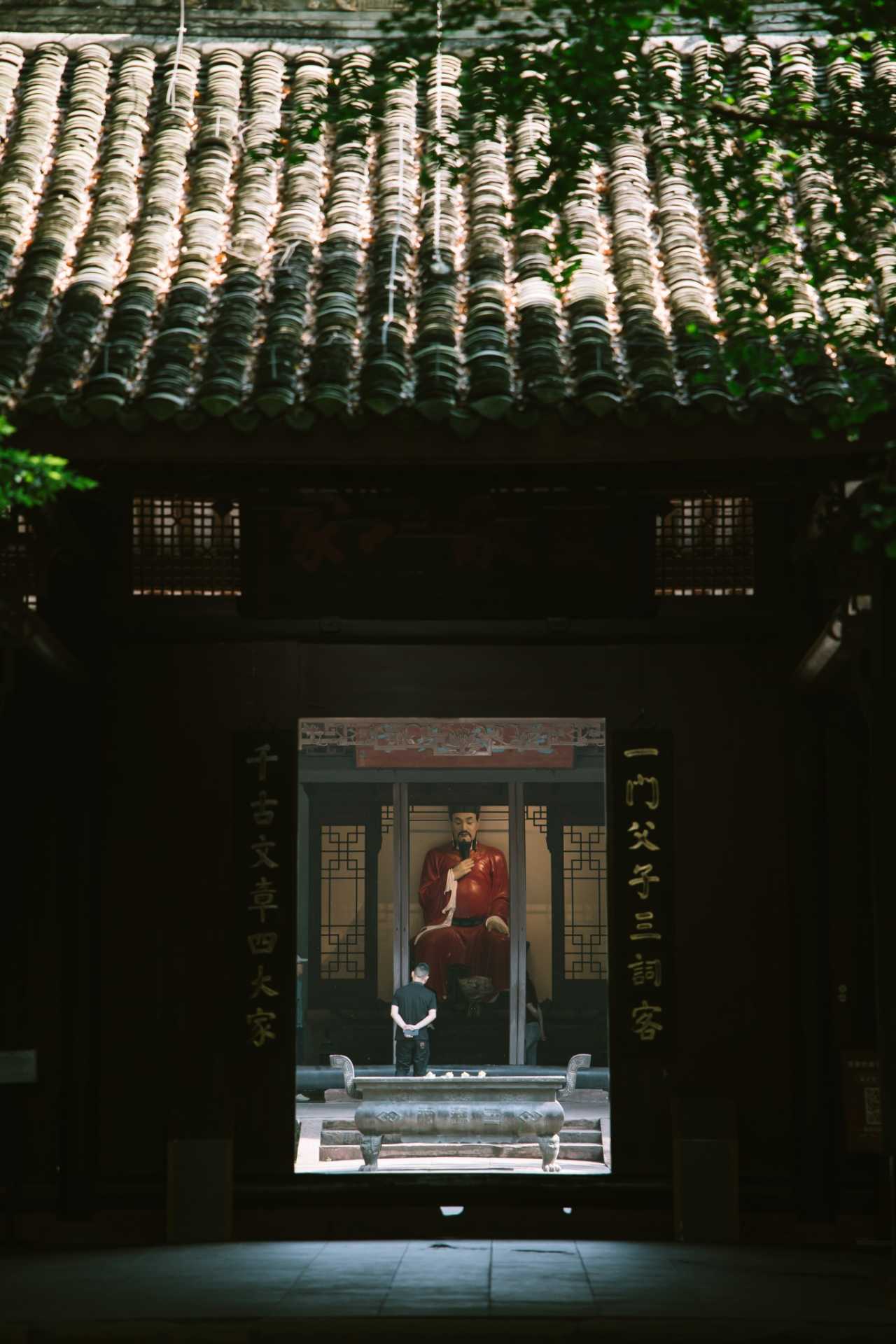
I posted in two ancient-site enthusiast groups with over 700 members. No response. I decided to stick to my original route—go to Meishan first, then see how things went.
Then, one day before departure, my companion and I found each other. We had both searched the vast internet, both asked the same driver for a quote, made the same efforts. Across countless digital signals, two strangers connected: "Do you want to hire a car for both the northern and southern routes?"
And so began a journey full of surprises, joy, emotion, and exhaustion.
Meishan: Tracing Su Dongpo's Footsteps
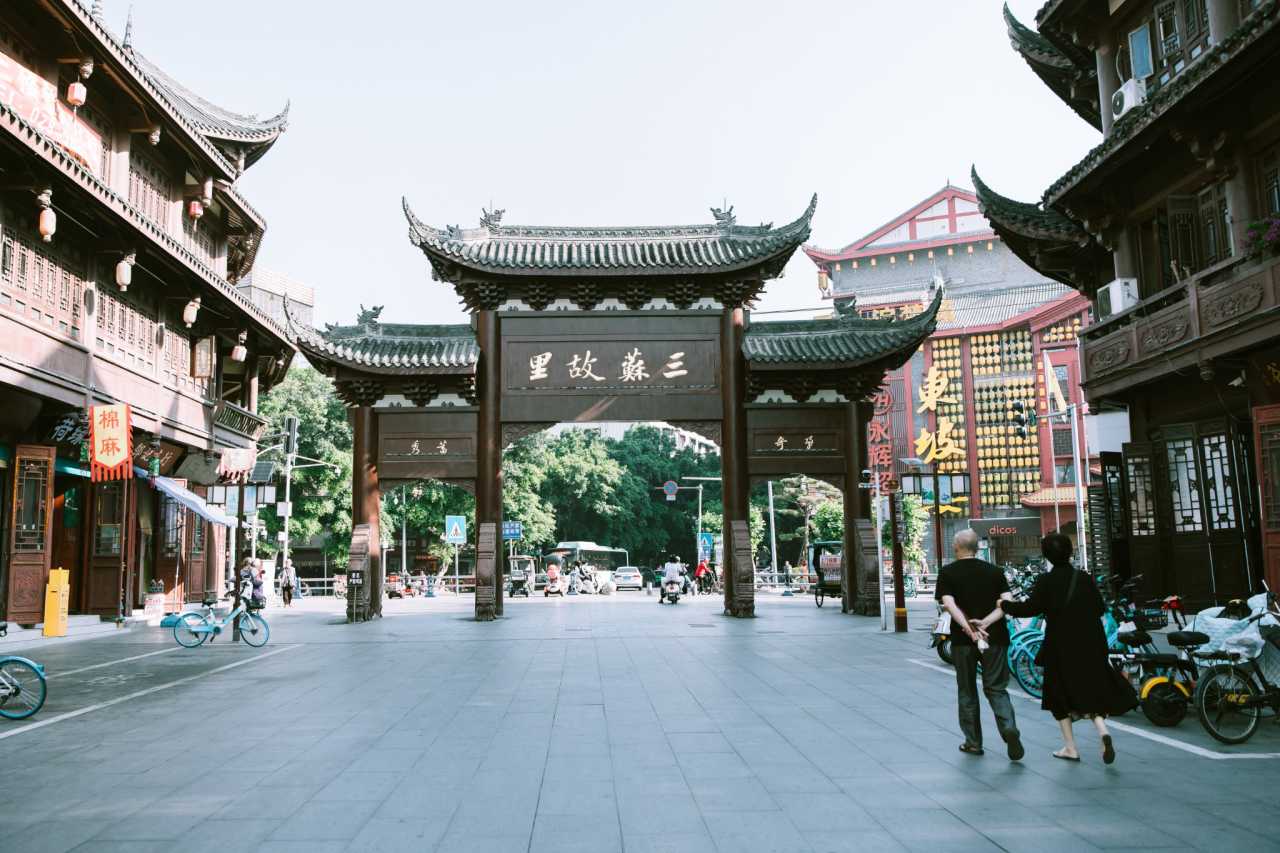
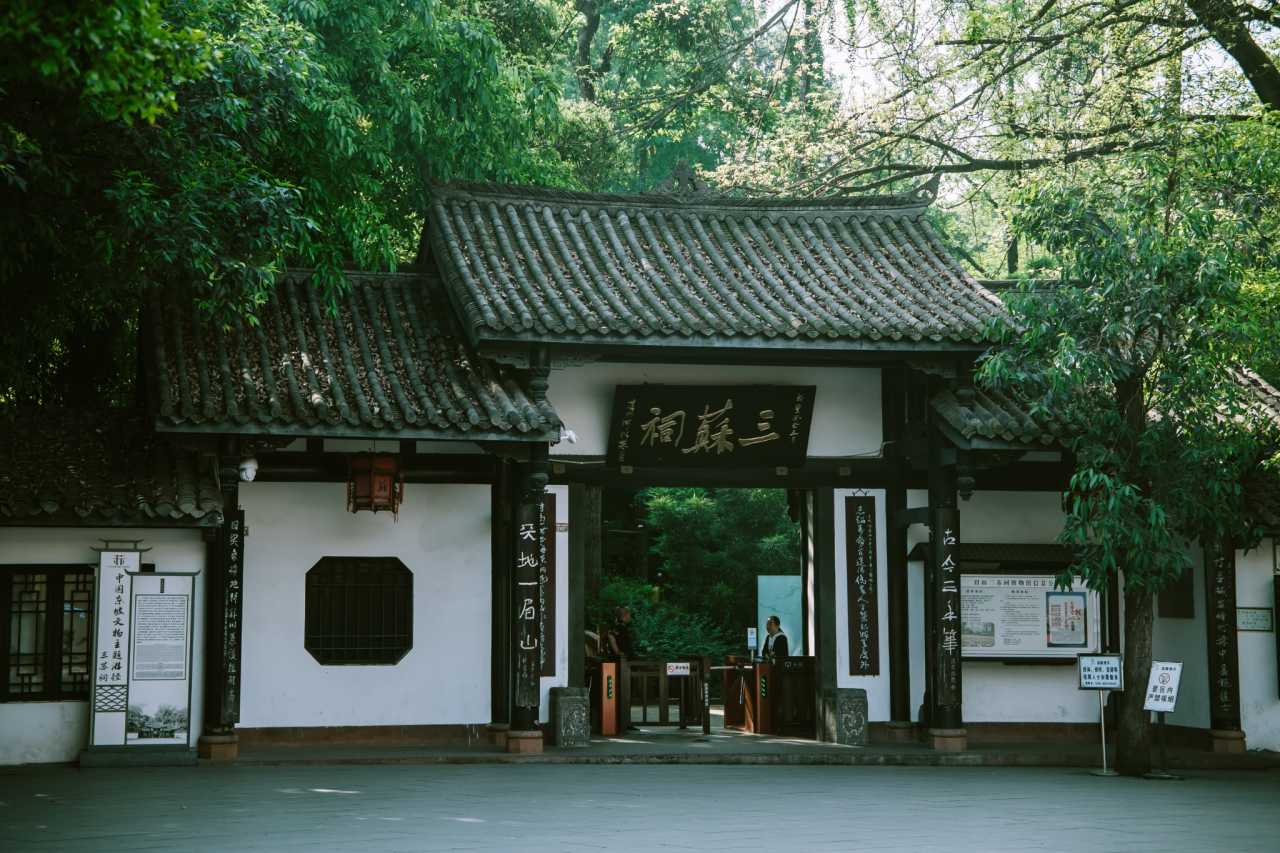
I stuck to my plan and headed to Meishan first. Eight years ago, I started tracing Su Dongpo's footsteps from Zhucheng in Shandong, visiting Xuzhou, Yangzhou, Changzhou, Suzhou, Hangzhou, and Huanggang. In 2023, I went to Jia County in Henan—where Su Dongpo was buried. Eight years later, I finally stumbled into his hometown.
Words cannot describe my excitement.
In 1037, Su Dongpo was born in Meishan, Sichuan. His father, Su Xun, loved traveling, so Su Dongpo and his younger brother Su Zhe were raised by their mother, Lady Cheng. The two brothers studied hard together, reading by lamplight through rainy nights. When Su Dongpo turned 20, he went to the capital for the imperial exams and made a name for himself overnight. Then, his mother, father, and wife passed away one after another. In 1066, he escorted his father's and wife's coffins back to Meishan. After his period of mourning ended, Su Dongpo, then 32, left Sichuan. From then on, his life was marked by turbulence, and he never returned home until his death at 66.
What kind of place could nurture a soul like Su Dongpo's? That was the question I brought to Meishan. [Link: Su Dongpo travel guide]
Anyue Grottoes: A Hidden Treasure of Buddhist Art
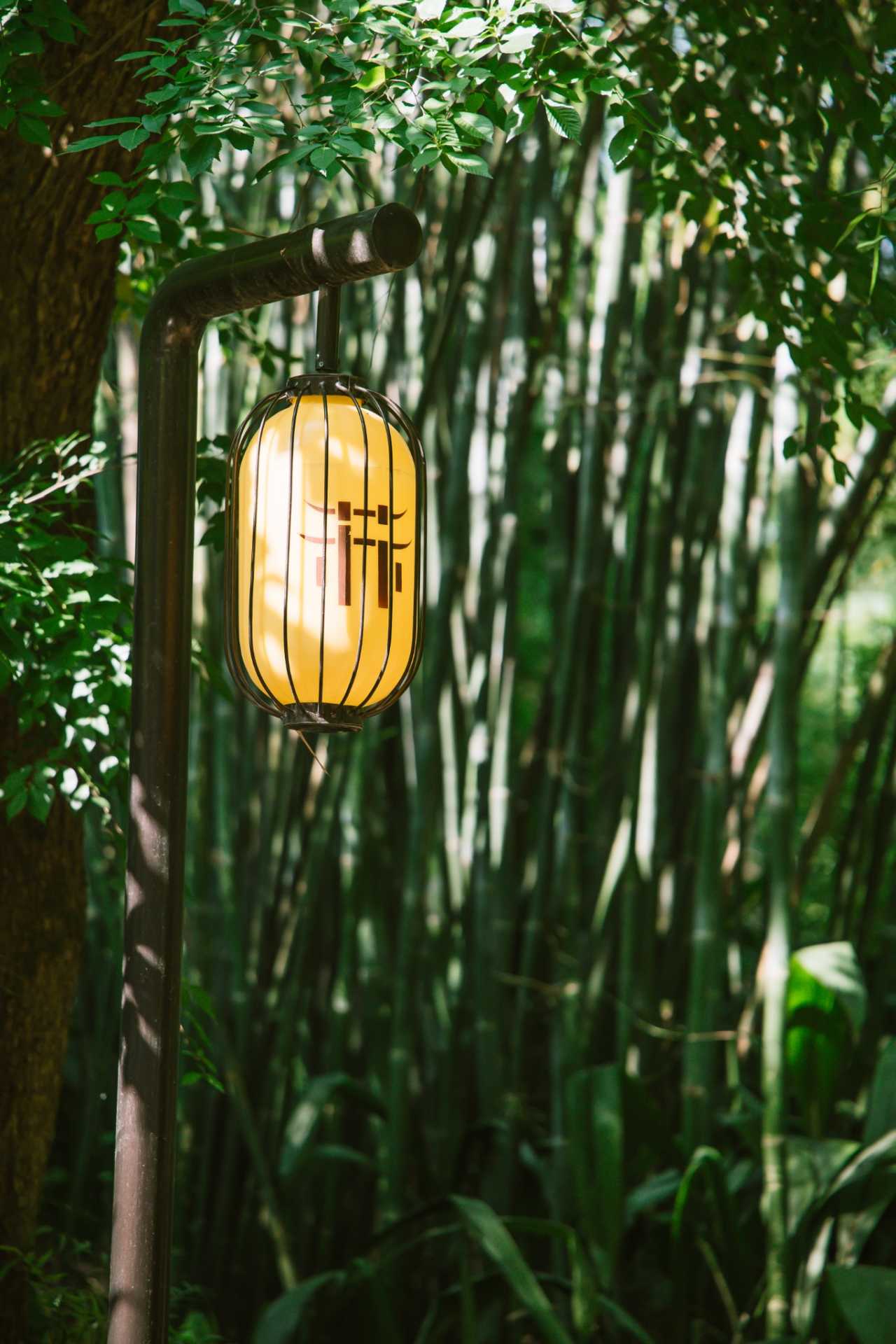
The Anyue Grottoes are a must-visit for anyone passionate about ancient Chinese art. Unlike the more famous Dazu Rock Carvings, Anyue remains relatively undiscovered, offering a raw, intimate experience.
Northern Route: The Ancient Sites

The northern route took us to sites like Yuanjue Cave and Kunlun Hall. The carvings here date back to the Tang and Song dynasties, depicting Buddhist deities, celestial beings, and scenes from scripture. The craftsmanship is exquisite—each figure seems to breathe, their robes flowing as if caught in a gentle wind.
Southern Route: The Hidden Gems
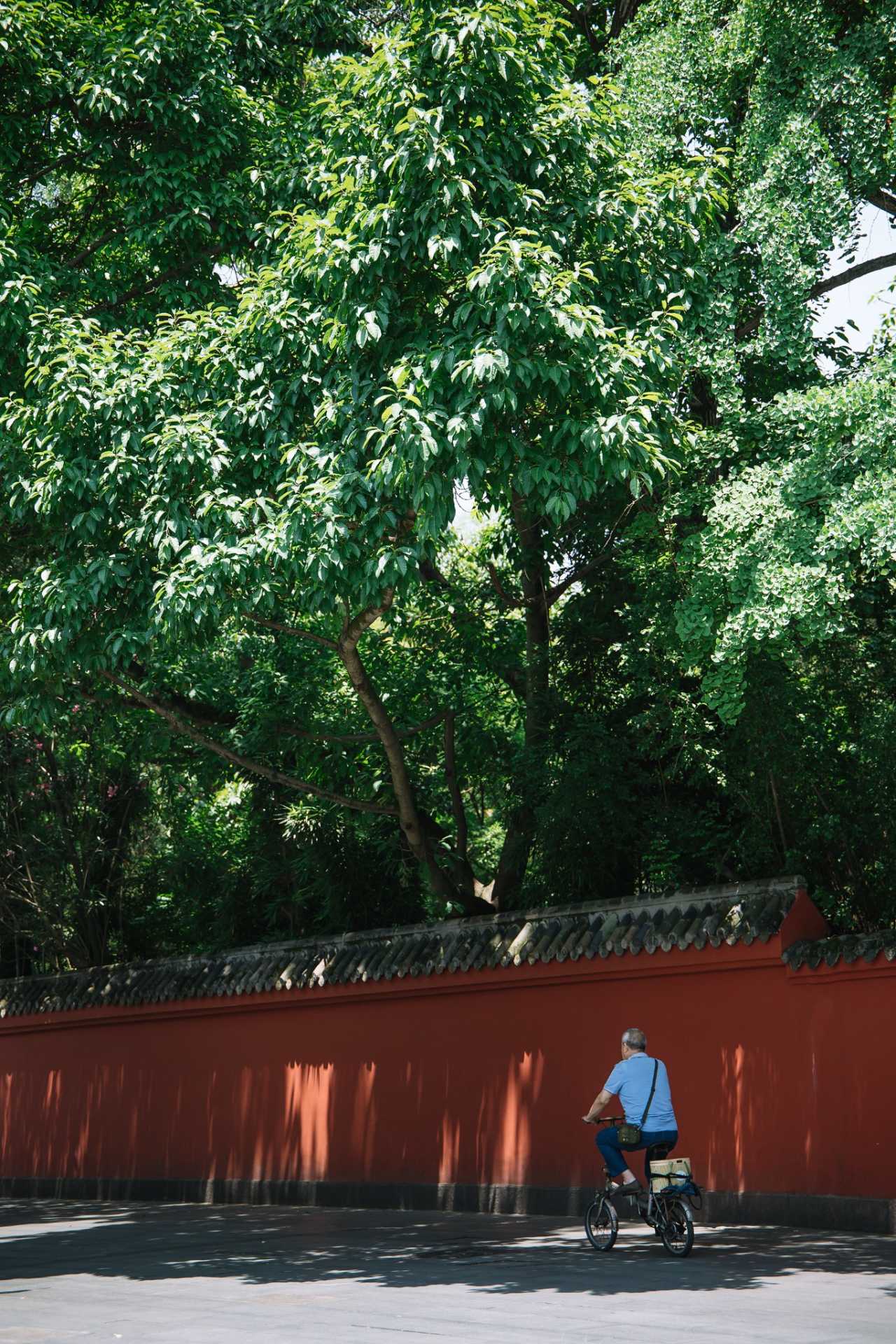
The southern route was more challenging. The roads wound through rural villages, and some sites required hiking. But the reward was worth it. At Mingyue Temple, we found a Tang dynasty statue of the Buddha with a serene smile, untouched by time. At Shiyang, the carvings were hidden behind a farmer's house—we had to ask permission to enter. [Link: Anyue Grottoes travel tips]
Dazu Rock Carvings: The Grand Finale
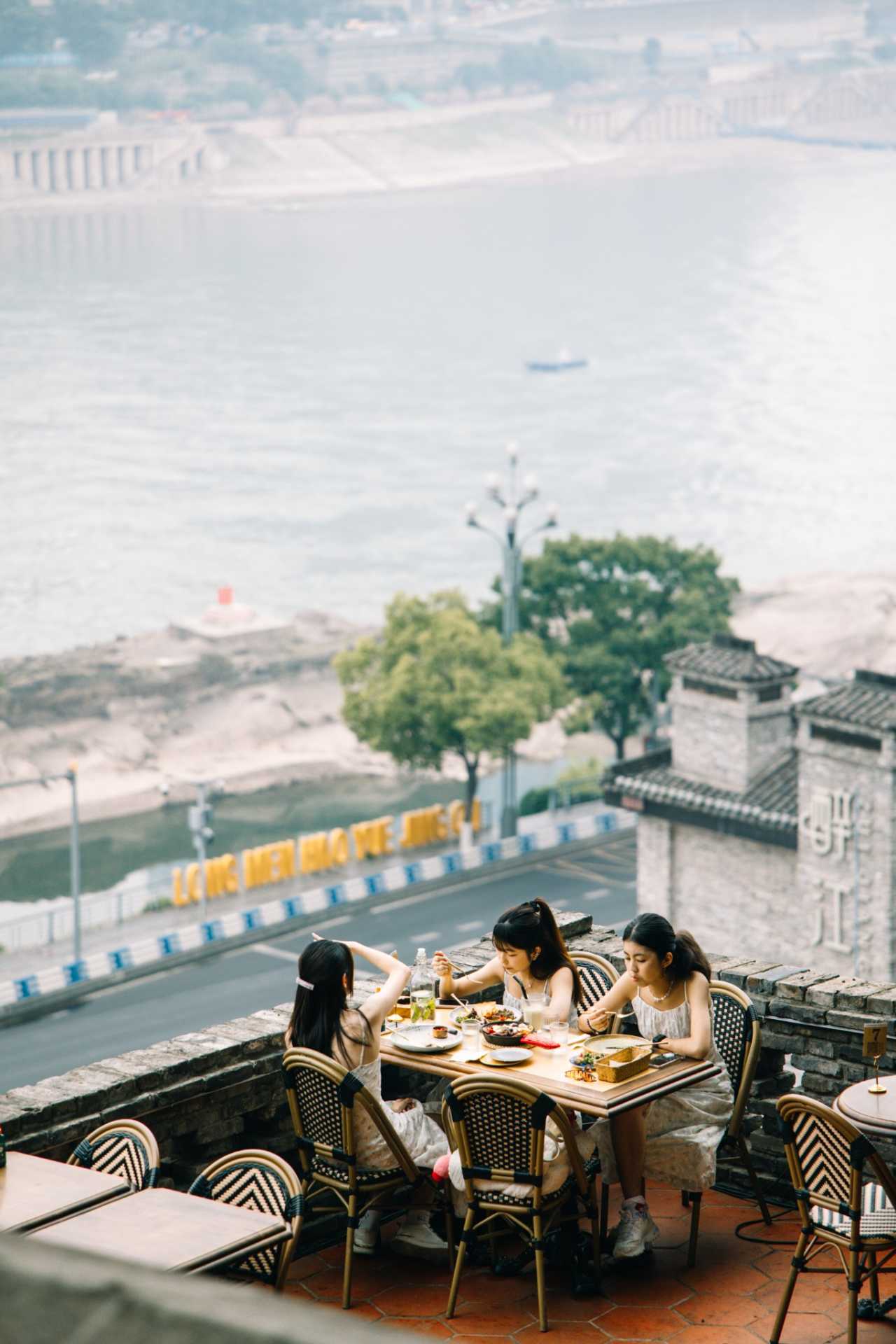
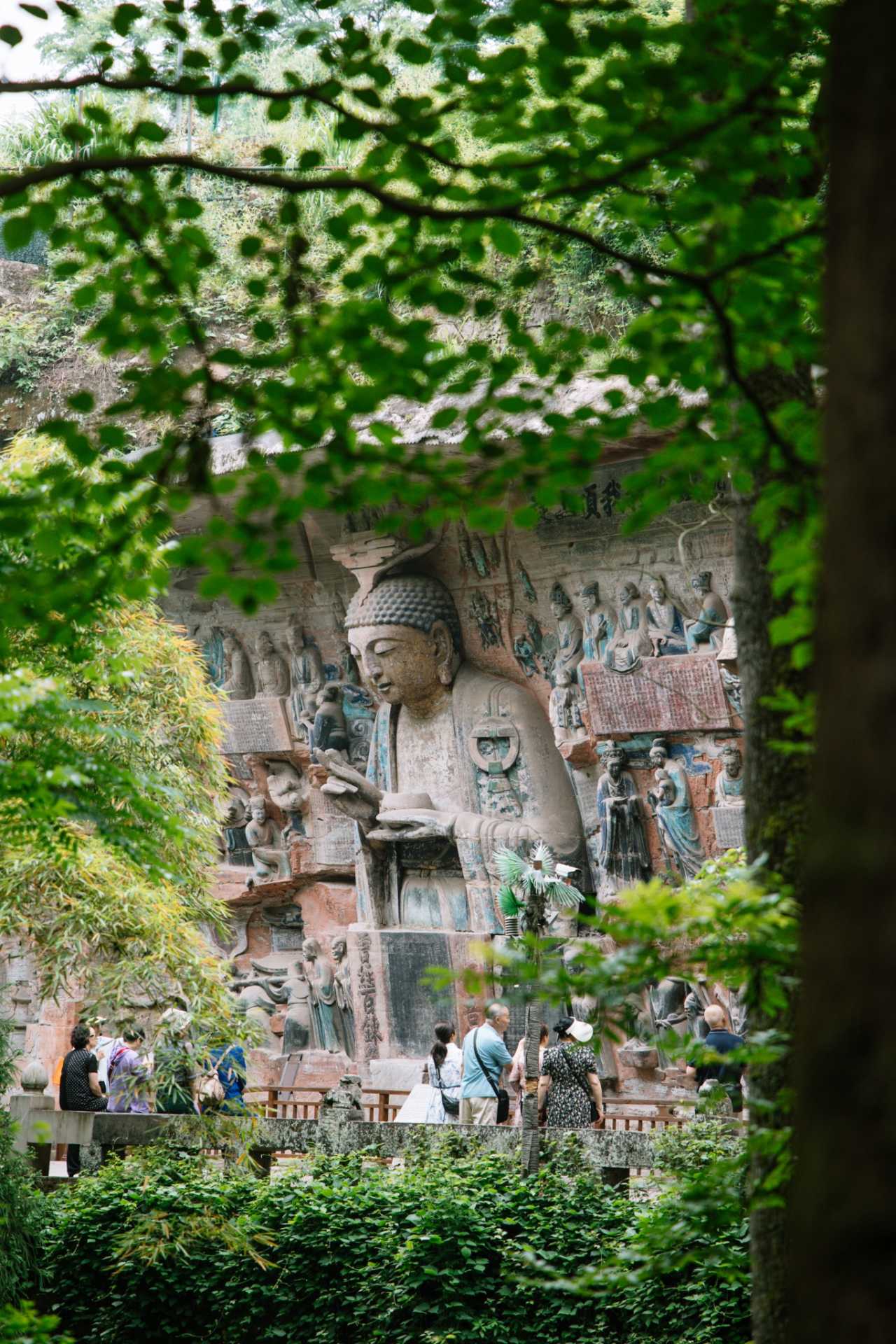
From Anyue, we headed to Dazu in Chongqing. The Dazu Rock Carvings are a UNESCO World Heritage site, and for good reason. The carvings here are grander, more polished, and more accessible than those in Anyue. But they lack the raw, serendipitous charm of the hidden grottoes.
Still, Dazu is a must-see. The Baodingshan carvings, in particular, are breathtaking—a massive cliff face covered in thousands of figures, telling stories of Buddhist teachings, filial piety, and the cycle of life.
Chongqing: The City of Mountains and Rivers
Finally, I arrived in Chongqing—the city of mountains and rivers. I had never been before, and it did not disappoint.
The Skyline and the Streets
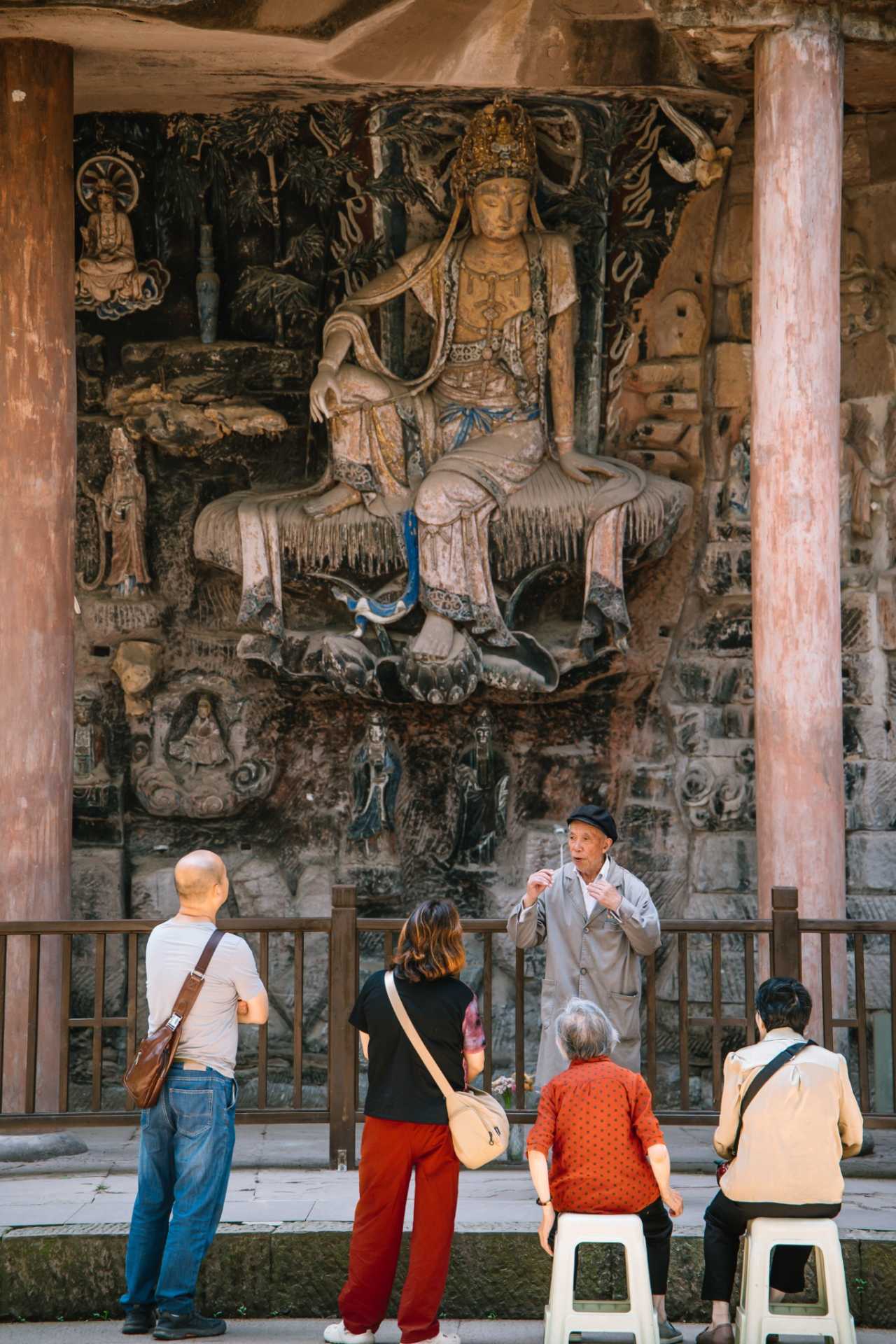
Chongqing's skyline is a futuristic dream—skyscrapers rising from steep hills, bridges spanning the Yangtze and Jialing rivers. But the real charm lies in the streets: narrow alleys lined with hotpot restaurants, street vendors selling spicy skewers, and the constant hum of life.
The Food
Chongqing hotpot is legendary. I found a small, unassuming restaurant and ordered a spicy pot. The broth was red with chili oil, bubbling with Sichuan peppercorns. I dipped slices of beef, tripe, and vegetables into the broth, then into a sesame oil dip. It was fiery, numbing, and utterly addictive.
The People
The people of Chongqing are warm and direct. A taxi driver told me about his son studying in Beijing. A street vendor insisted I try her handmade noodles. In a city of 30 million, I felt strangely at home. [Link: Chongqing travel guide]
FAQ: Planning Your Sichuan and Chongqing Trip
Q1: What is the best time to visit Sichuan and Chongqing? A: Spring (March to May) and autumn (September to November) offer mild weather and fewer crowds. Avoid summer if you dislike heat and humidity.
Q2: How do I get to the Anyue Grottoes? A: Anyue is about 2 hours from Chengdu by bus. Once there, hiring a private car is the best option, as public transportation to the grottoes is limited. Consider finding a companion to share costs.
Q3: Are the Dazu Rock Carvings worth visiting after Anyue? A: Absolutely. While Anyue offers a raw, intimate experience, Dazu is grander and more polished. Both are complementary and worth seeing.
Q4: What should I eat in Chongqing? A: Try Chongqing hotpot, spicy skewers (chuanchuan), and noodles (xiaomian). Don't forget to order a glass of cold beer or a sweet dessert to balance the heat.
Q5: Is it safe to travel alone in Sichuan and Chongqing? A: Yes, both regions are safe for solo travelers. However, hiring a guide or companion for remote sites like the Anyue Grottoes is recommended.
Conclusion: The Gift of Unexpected Journeys
This trip was never planned. It was an accident, an escape, a gift. From the bougainvillea in Chengdu to the hidden carvings in Anyue, from Su Dongpo's hometown to the fiery hotpot of Chongqing, every moment was unexpected and beautiful.
If you're thinking about traveling to Sichuan and Chongqing, don't overplan. Leave room for serendipity. Let the journey unfold. You never know what gifts await.
Ready to plan your own adventure? [Link: Book a guided tour of Sichuan and Chongqing] or [Link: Download our free Sichuan travel checklist]. The south is waiting.
You may also like


