Those Radiant Days: Seven Days and Six Nights Trekking Through Gongga – The Ultimate Trekking Guide
Meta Description: Discover the raw, unfiltered story of a 7-day Gongga trek through Sichuan. From chaotic teammates to breathtaking alpine scenery, this SEO-optimized guide covers everything you need to know for your own Gongga adventure.
Introduction: Why the Gongga Trek is a Bucket-List Adventure
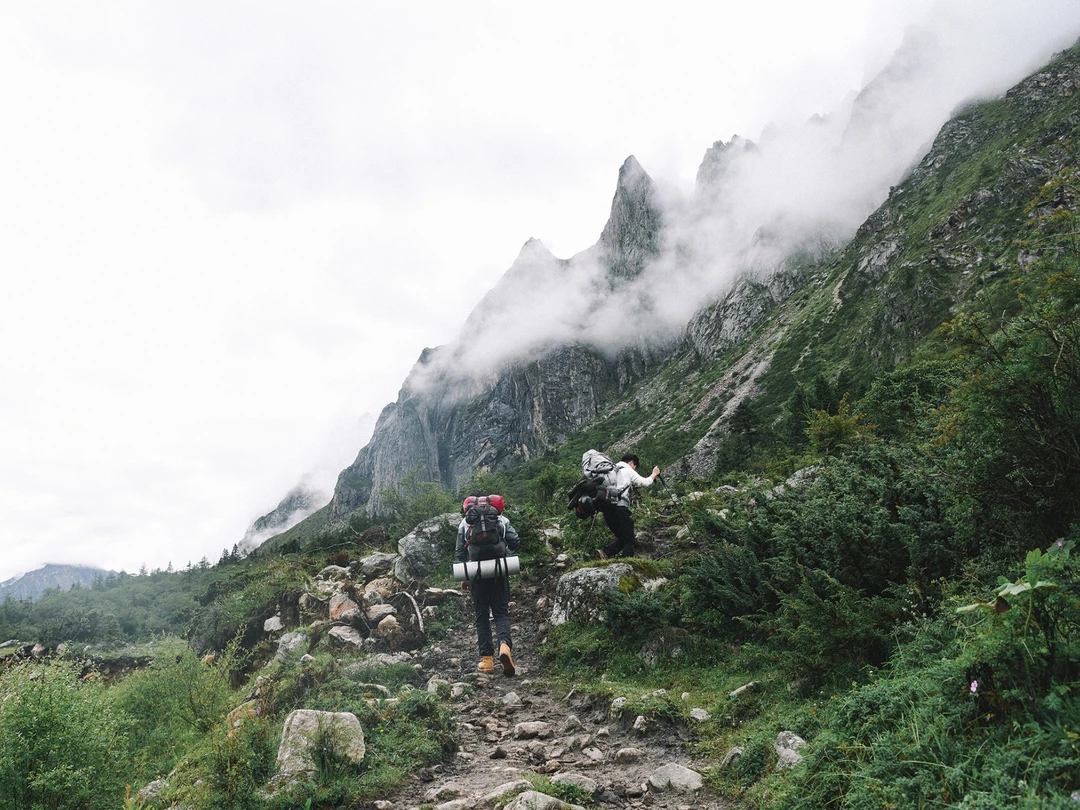
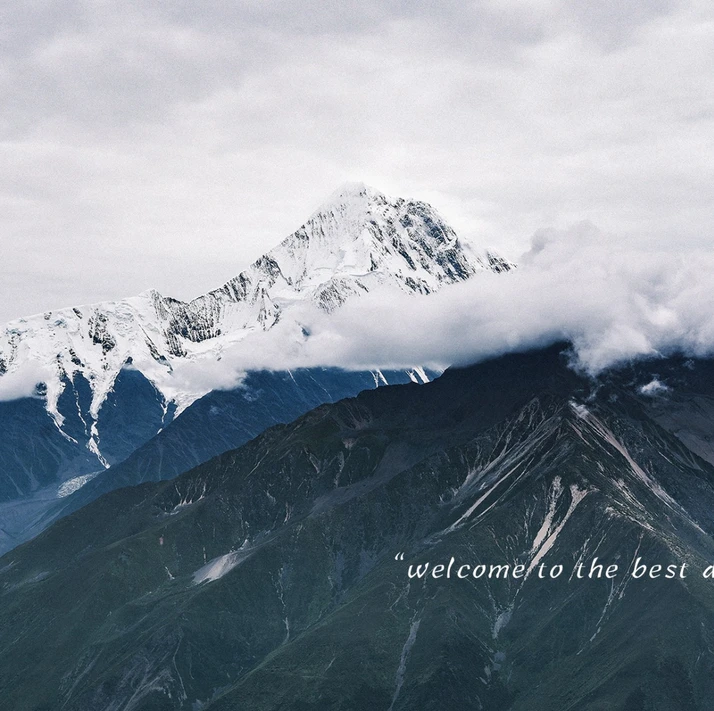
The Gongga Mountain (Minya Konka) trek is one of China's most challenging and rewarding high-altitude treks. Stretching over seven days and six nights, this journey through the heart of Sichuan's Daxue Shan range offers trekkers a rare glimpse into untouched glaciers, alpine meadows, and Tibetan culture. But as our story proves, the real adventure often begins long before you hit the trail.

The Jitters Before Departure: Three "Unreliable" Teammates
The night before leaving Beijing, I stood at a subway station exit waiting for Hoho, arriving from Tianjin. His suitcase appeared first—then his face. Pure misery. That look foreshadowed everything.

I tore through his luggage, tossing out unnecessary items and repacking everything. Mian Tiao stood nearby, photographing my stressed expression as I debated whether to cancel our tickets entirely.
Key lesson for Gongga trekkers: Pack light. Every gram counts when you're carrying gear for seven days.
By morning, we gathered at Beijing West Station. None of us looked great. Mian Tiao suggested a group photo—disaster. Hoho gave me a pained smile on the escalator. I still remember that look.
"Traveling without a suitcase is cool," I thought. "But that silhouette... why does it look so heartbreaking?"
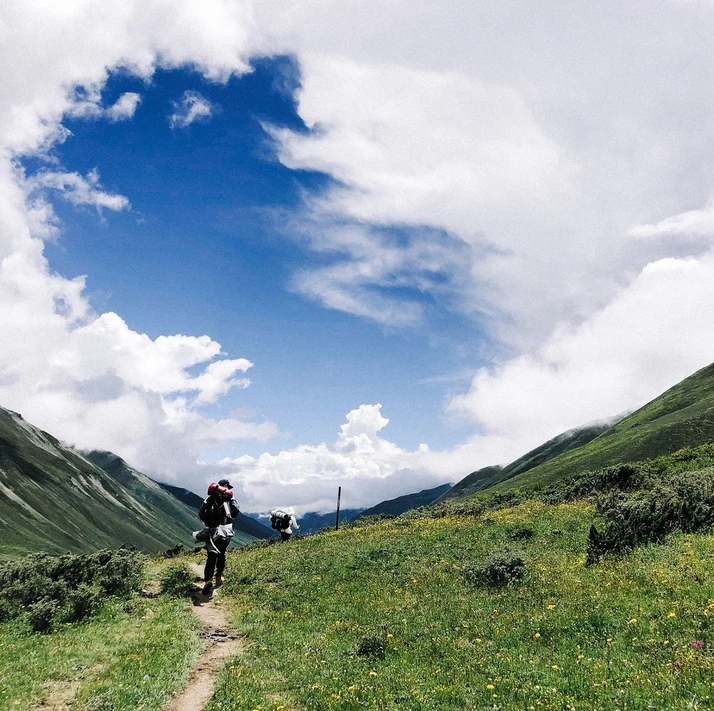
Train G89 from Beijing West to Chengdu East. Before departure, Mian Tiao and Hoho devoured most of our snacks, then collapsed asleep on either side of me. Hoho slept like a log; Mian Tiao kept waking him at the worst moments. I opened my phone's map, matching it to the passing scenery, and slowly relaxed. We were already on our way.
[Link: How to prepare for high-altitude trekking in Sichuan]
Chengdu: Hotpot, Jinli, and Hoho's "Lost" Moments
Back in Chengdu after a few years—still with these two knuckleheads. The classic scene repeated at the exit: Hoho slapped his thigh, panicked. "I lost my ID card!"
"Didn't I tell you to put it in your phone case?"
"Oh, right."
Of course. Everyone had warned us: keep an eye on Hoho.
From the station to the metro, we struggled. Mian Tiao claimed a certain pose could make your face look V-shaped. Hoho held up his camera for a selfie—the entire subway car awkwardly looked away. Actually, you're overthinking it. He really was just taking a selfie.

Chengdu humidity is no joke. A few steps from the metro and we were drenched. The walk to our accommodation felt like a test: Can we really make it through these next few days?
We dropped our bags, debated going out, and finally ventured to Wuhou Shrine. The ticket price was too expensive—we didn't enter. Next door was Jinli Ancient Street, which we'd missed on our last trip. This made up for it.
Jinli and Kuanzhai Alley feel similar—touristy commercial veneer hiding what they once were. But I loved the old stages, little bridges over flowing water, and red fish. Crowded, yet I unexpectedly liked it—drifting with the flow, holding food and drinks, chatting with companions. Just a little hot.

The red lanterns were another reason I loved Jinli. Hoho always got drawn to weird things. Mian Tiao was probably checking out girls. We spent the entire time roasting Hoho, from Jinli to the hotpot restaurant.
Before hotpot, Hoho ate a bunch of snacks: "I'm afraid it'll be too spicy. I won't be able to eat much."
Mian Tiao said, "No problem. You just pay the bill."
We ordered a split pot to accommodate Hoho, but even Mian Tiao relied on the mild broth. I drank the spicy broth and became a meme.
On the way back, we bought supplies. Mian Tiao insisted on dried noodles plus a whole head of cabbage. That pack of noodles later traveled from Chengdu, through Gongga, and back to Chengdu—it covered more ground than we did.
[Link: Best Chengdu hotpot restaurants for trekkers]
Kangding: The Transition from City to Wilderness
We took a bus to Kangding. Group photo in front of the station—Mian Tiao and I thought it was perfect. Hoho disagreed. We reluctantly took another.
The long-distance bus was more comfortable than expected. Hoho and Mian Tiao sat on either side of me. Hoho asked why he had to sit by the window. "I'm afraid I'll lose you," I said. Mian Tiao claimed his long legs needed the spacious seat.
On my left, a protesting Hoho. On my right, Mian Tiao in his "business class."

Hoho commented on how long the tunnel was, pulled out his phone to record—the screen went completely white. I held back laughter.
On the right side, a majestic bridge appeared. No one knew its name. Mian Tiao seemed to know every road—national highways, routes—I couldn't keep up. The winding mountain road slowed us. On the slopes, large patches of cactus grew.

At a rest stop, they tried to stop me from buying snacks. We ate them on the bus, enjoying every bite. The "it's delicious" rule always holds true.
Back on the bus, Mian Tiao and I tried to take photos while Hoho was still off the bus. Why have three people when two is perfect? We took a few shots. Then Mian Tiao turned around and got spooked—Hoho had appeared like a ghost in every single photo. Except the first one, he was in all of them.
We had no idea he was behind us. Talk about eating our words.
Hoho's photobombing skills—I had to hand it to him. Since we couldn't avoid him, we might as well enjoy it. As much as I complained about him, he was truly our source of joy.
[Link: Kangding travel guide – gateway to Gongga trekking]
The Starting Point: When Dreams Meet Reality
Outside the Kangding bus station, drivers swarmed us. After asking about prices, we decided to eat lunch first—we wouldn't get proper meals for days.
After walking two hundred meters, we stopped to reorganize luggage. Another moment of self-doubt: could we, amateurs that we were, complete this trek with heavy gear?

Hoho's luggage screamed amateur: unbalanced packing, wrong organization, terrible aesthetics. From slightly disheveled to refugee status in just a few steps.
Tibetan cultural symbols were everywhere in Kangding. Mian Tiao had been here before, walking and telling stories—he'd eaten here, walked that path, taken a photo here but lost it. The way he said "maybe" with such conviction was truly unique.

What was Hoho doing? Not soaking in culture, not looking for a restaurant, not taking photos—he was wearing sunglasses and taking selfies. The photos were too cringe to upload.

Once in Kangding, both Hoho and Mian Tiao came alive. Hoho seemed to return to a place that belonged to him naturally. Mian Tiao slipped back into traveler mode.
I forgot the name of that river, but I remember its personality—wild, untamed, even as it cut through the city. Two currents met, one muddy yellow, one emerald green, flowing side by side.
It started raining, and we finally ducked into a restaurant. Whether the food was genuinely good or we were just afraid of going hungry, we ate with gusto, polishing off a huge pot of rice.

After the meal, we looked for an outdoor store to buy more camping fuel. Kangding is a transit hub for trekkers, so outdoor shops are plentiful.
At the cultural square waiting for a ride, Hoho dropped his luggage and ran off to take selfies. Did he have any sense of discipline? He even returned my hat.
His mirror was way too flashy. He even dragged me into a selfie, showing off his profile, his front—I didn't have the courage to look.
We asked the driver to take us to a fruit and vegetable market. I wanted to buy fruits and veggies. Mian Tiao kept stopping me, saying they were too heavy.
[Link: Essential gear checklist for Gongga trekking]
Gongga Trekking FAQs
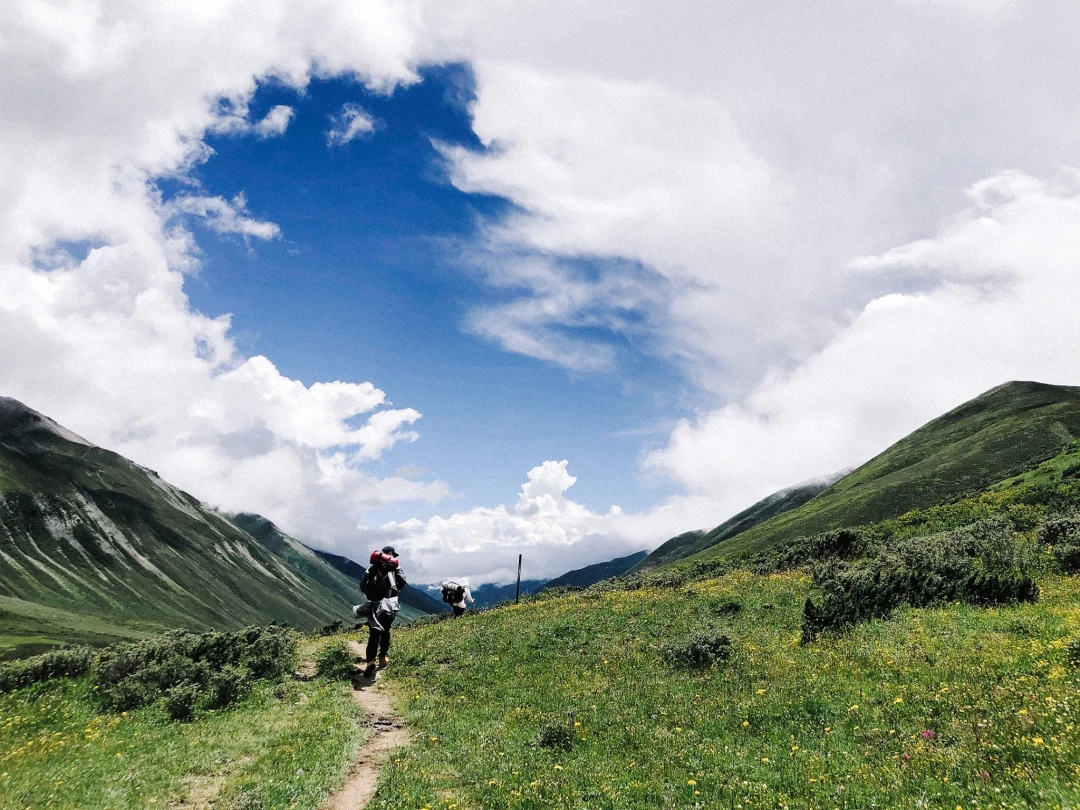
1. How difficult is the Gongga trek?
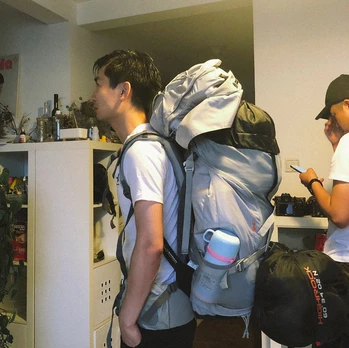
The Gongga trek is considered challenging, requiring good physical fitness and some prior trekking experience. The seven-day, six-night route involves high altitudes (up to 4,900m), rugged terrain, and unpredictable weather. Beginners should train with weighted packs and practice altitude acclimatization.
2. When is the best time to trek Gongga?
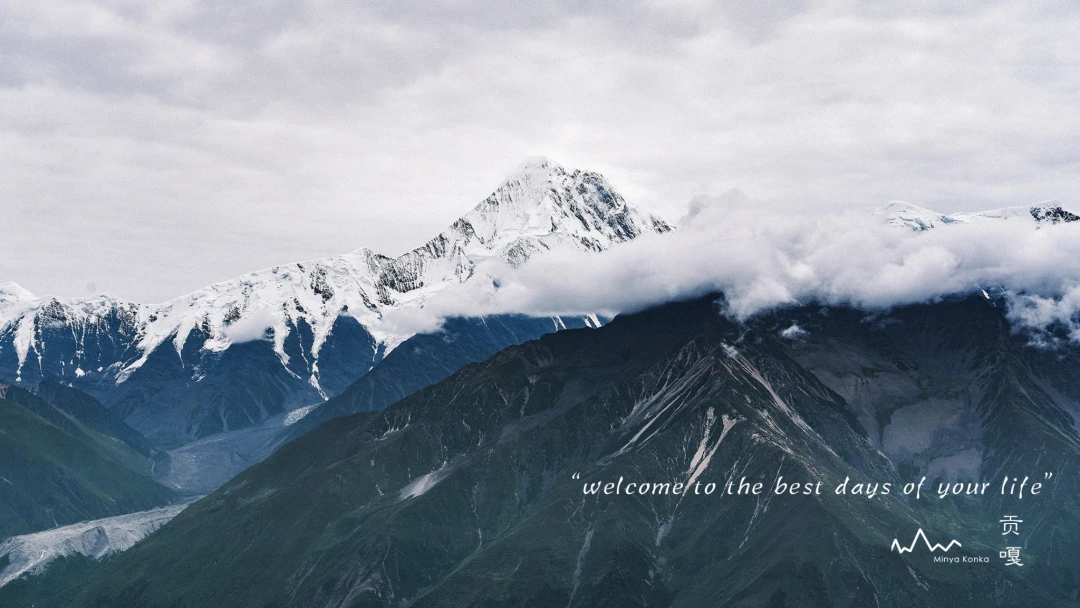
The optimal trekking season is from May to October. July and August offer the warmest temperatures but also more rain. September and October provide clearer skies and stunning autumn colors. Avoid winter (November–March) due to heavy snow and extreme cold.
3. What gear do I need for the Gongga trek?

Essential gear includes: sturdy trekking boots, a 60L+ backpack, four-season sleeping bag, tent, cooking stove, water filter, high-calorie snacks, warm layers, rain gear, trekking poles, and a first-aid kit. Don't forget altitude sickness medication.
4. How do I get to the Gongga trek starting point?
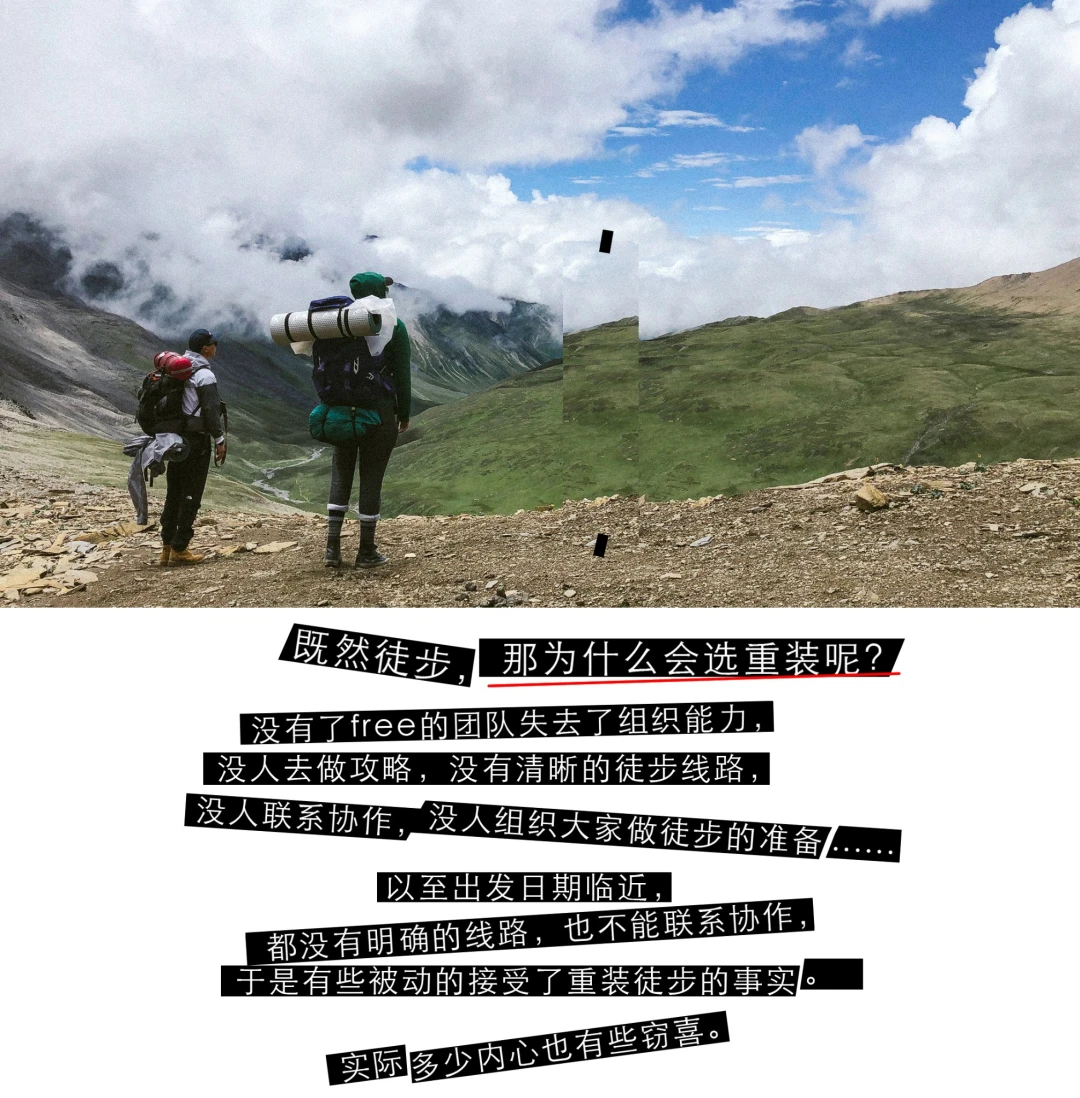
Fly or take the train to Chengdu, then take a bus to Kangding (about 6-7 hours). From Kangding, hire a local driver to reach the trailhead at Laoyulin or other starting points. Many trekkers arrange this through local tour operators.
5. Do I need a guide for the Gongga trek?

While experienced trekkers can navigate independently, hiring a local guide is strongly recommended. Guides know the terrain, weather patterns, and can assist with emergencies. They also help navigate permits and local regulations.


Final Thoughts: Why Every Trekker Should Experience Gongga
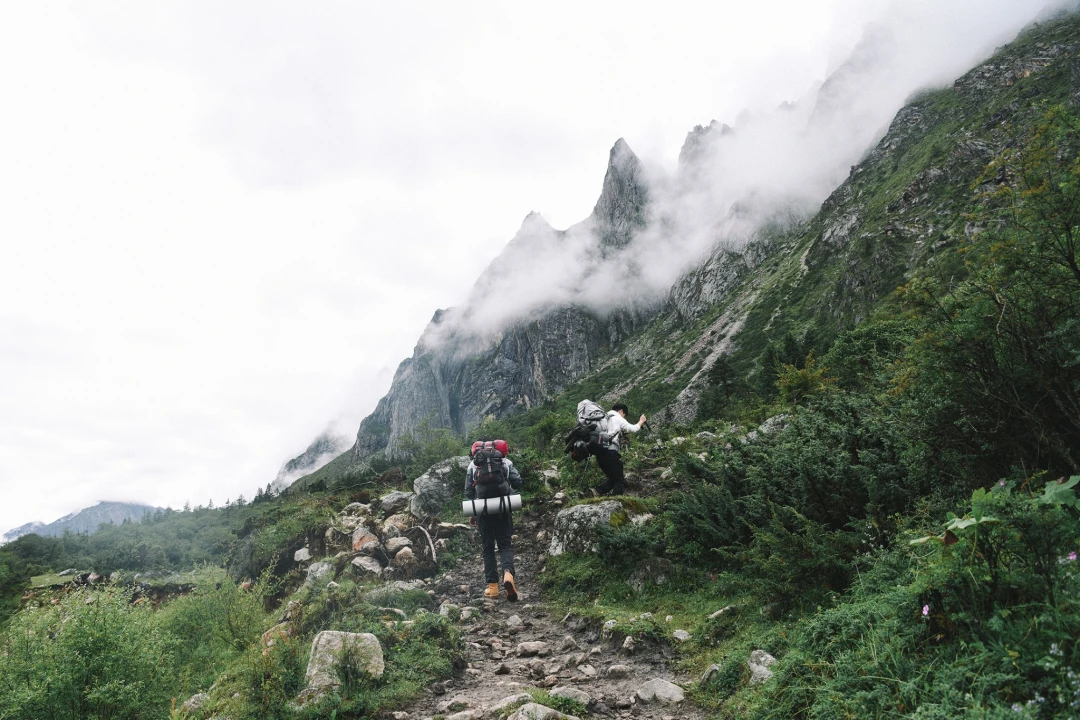

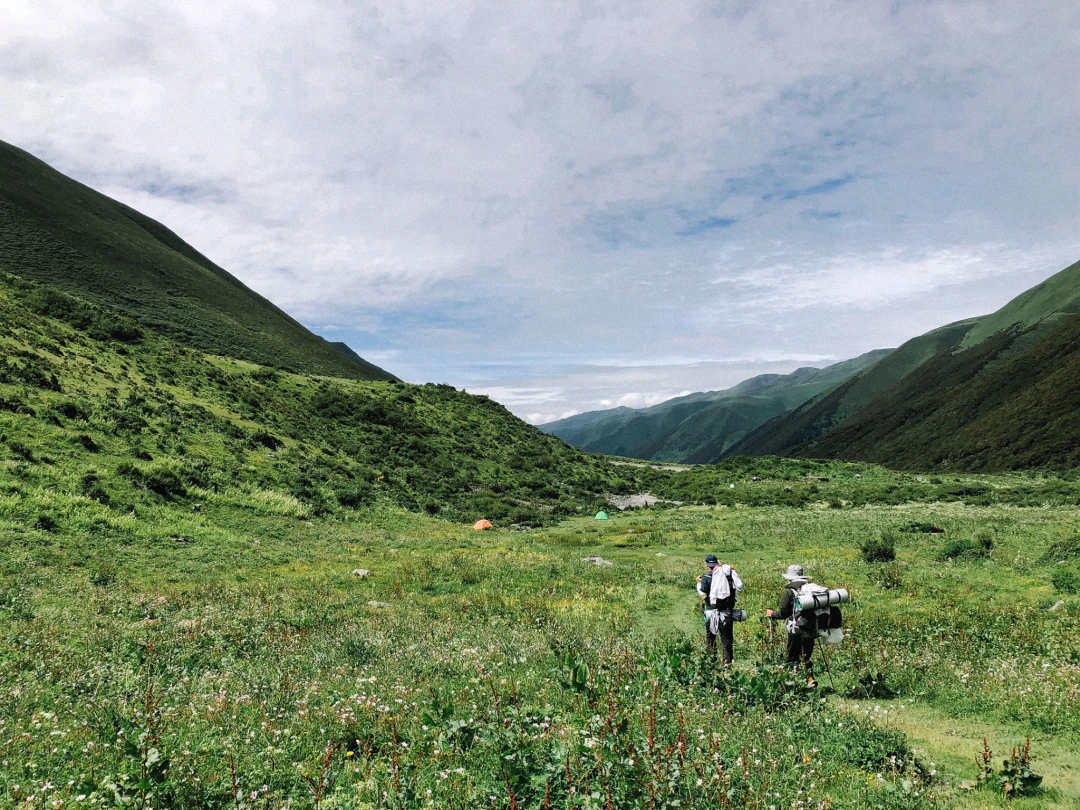

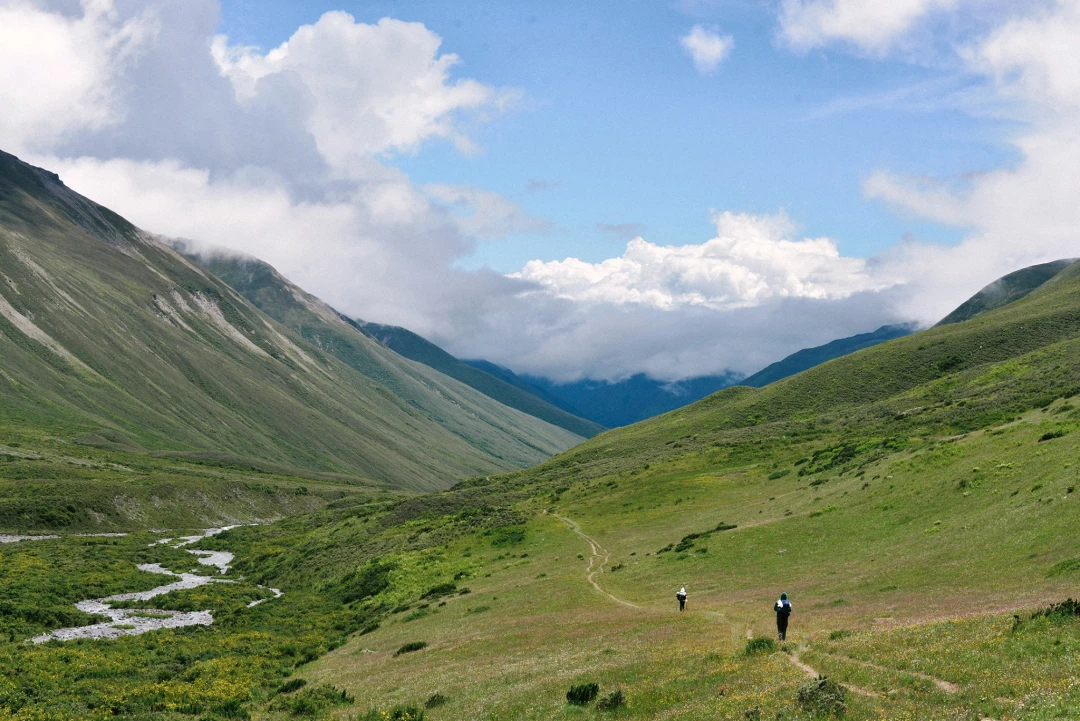


The Gongga trek isn't just about reaching a destination—it's about the journey, the people you travel with, and the unexpected moments that become lifelong memories.
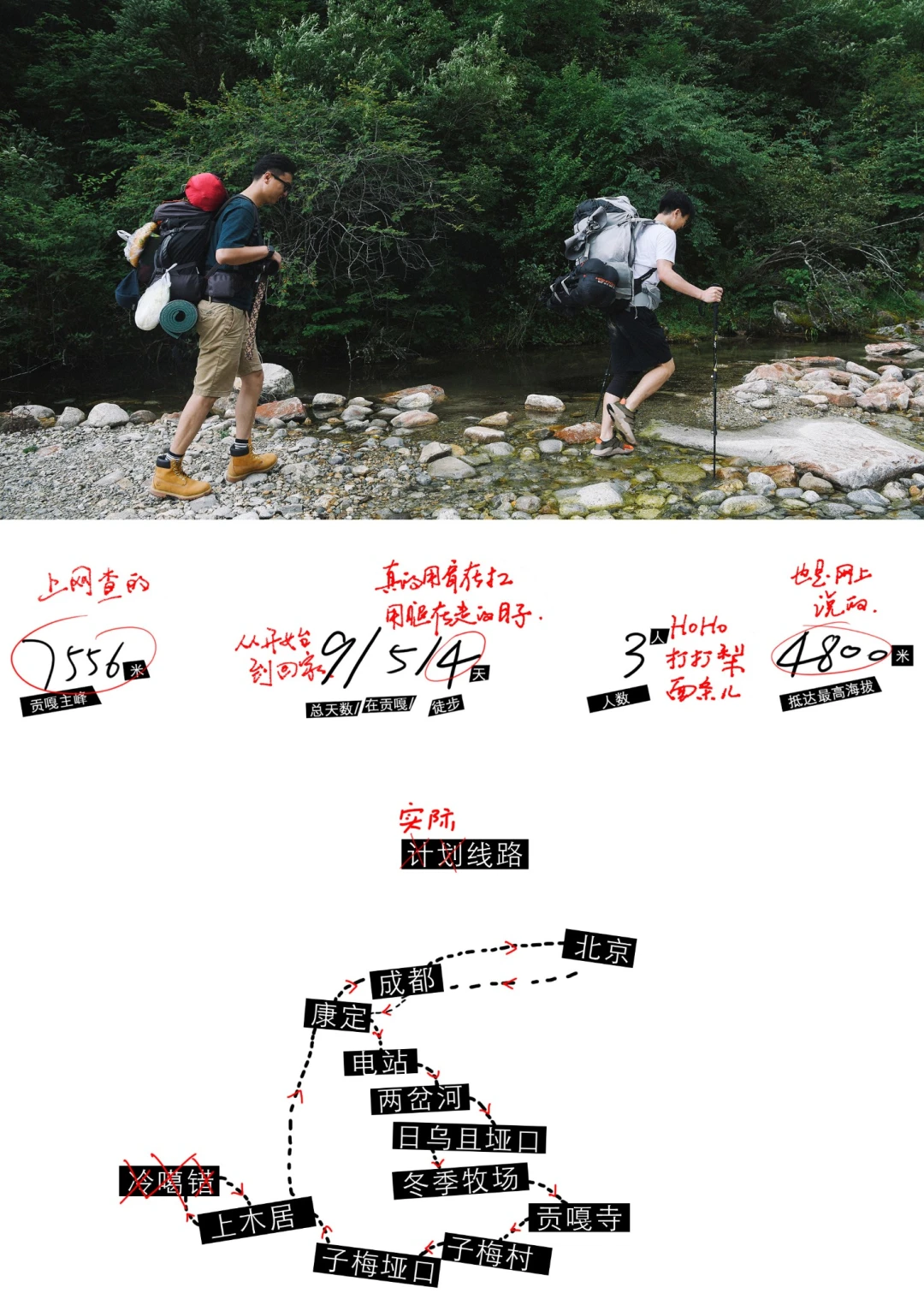
From Hoho's chaotic packing to Mian Tiao's "business class" seat, from Chengdu's humid streets to Kangding's wild rivers, every step of this seven-day adventure tested our patience, humor, and endurance. But that's exactly what makes it unforgettable.
Ready to plan your own Gongga trekking adventure? Start by packing smart, training early, and finding teammates who can laugh through the chaos. The mountains are waiting.
[Link: Book your Gongga trekking tour with local guides] [Link: Best trekking insurance for high-altitude adventures in China]
Have you trekked Gongga or planning your first trip? Share your questions and experiences in the comments below!
You may also like


