This Summer, Be a "Not-So-Serious" Local in Chengdu: A Native's Reverse Travel Guide
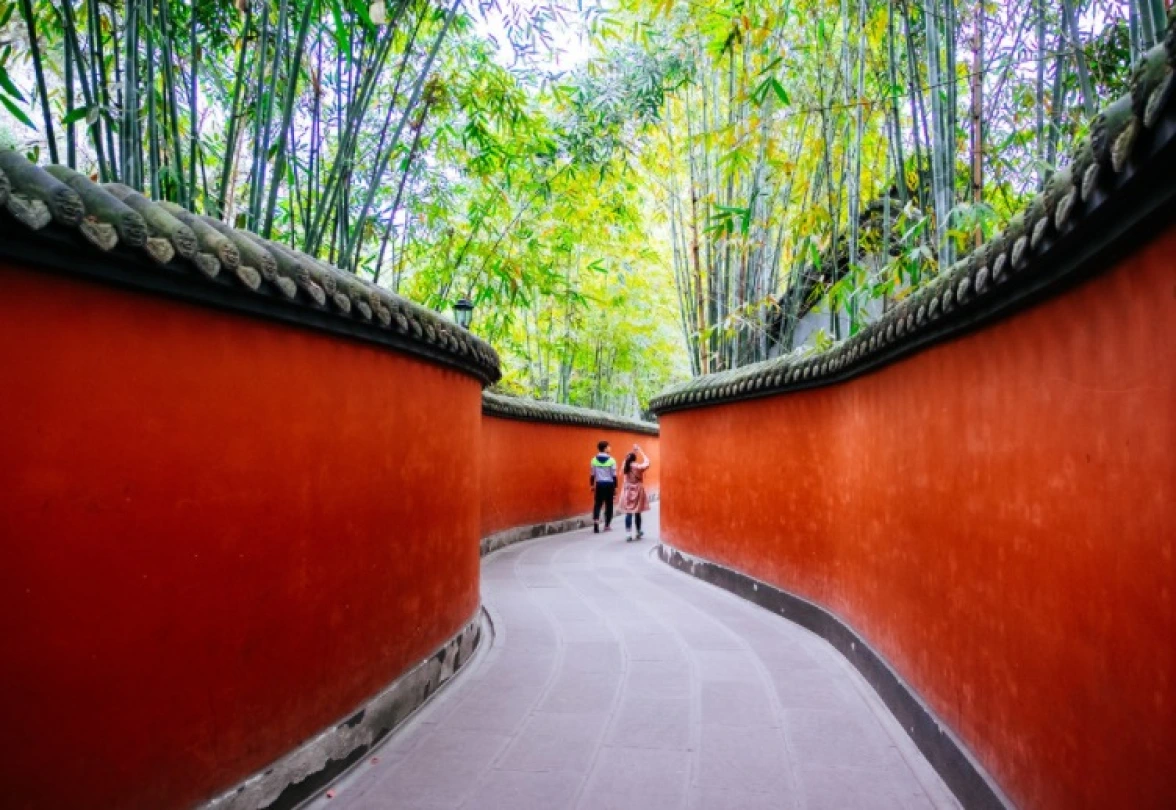
Meta Description: Ditch the viral boxed lunch lists. Discover Chengdu like a local with this reverse travel guide—from Wuhou Shrine to hidden hotpot gems. Eat, explore, and escape the tourist traps this summer.
Introduction: When Viral Guides Miss the Mark
You know that moment when a friend sends you a "Chengdu must-eat list" and the top recommendation is... boxed lunch? The kind sold at office building entrances and construction sites? As a born-and-bred Chengdu local, I felt my heart shatter. Isn't our hotpot spicy enough? Aren't our skewers fragrant enough? Isn't our cold chicken in chili oil satisfying enough? Why fly thousands of miles to eat boxed lunch for your first meal?
This is the surreal reality of the marketing-account era: tourists follow meticulously packaged guides, only to walk into "minefields" that locals wouldn't touch. So I decided to write an irresponsible "reverse travelogue" — no hype, no hate, no commercial filters. Just a true foodie perspective from a lazy native, telling you how to "eat yourself broke" in Chengdu this summer while actually getting the hang of it.
Route Guide: Beyond Kuanzhai Alley

Wuhou Shrine: Zhuge Liang's Chengdu, an Echo of History
People say Jinli and Kuanzhai Alley are places to "fool tourists." The saying may be crude, but it's not wrong. However, right next to them is Wuhou Shrine, the true "soul of Chengdu." Writer Ma Boyong once wrote in A Cultural Journey Without Hardship: "Chengdu is Zhuge Liang's Chengdu."
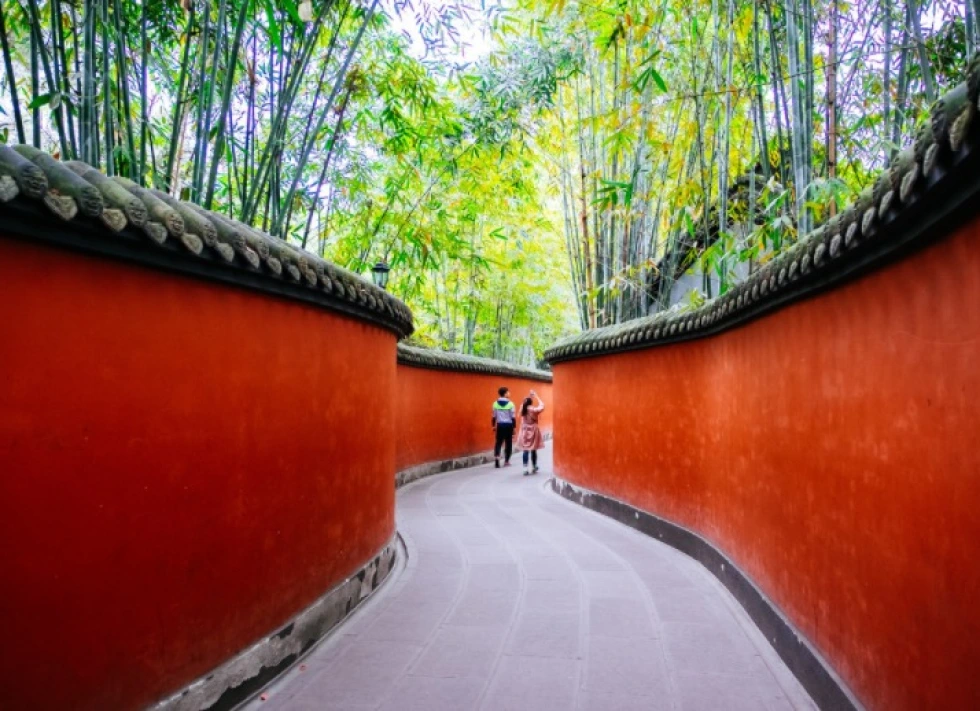
Step inside Wuhou Shrine: towering cypress trees, bustling crowds. Whether you understand the Three Kingdoms period or know anything about Zhuge Liang, every visitor to Chengdu seems to check in here first. Wuhou Shrine is to Chengdu what the Forbidden City is to Beijing or the Terracotta Warriors are to Xi'an — unavoidable, and there's no need to avoid it. It's not a photo-op; it's a city's spiritual landmark.
Practical Info: Admission is 60 RMB (half-price for students). Summer hours: 7:30 AM–9:00 PM; winter: 8:00 AM–6:30 PM. Address: 231 Wuhou Temple Street, Wuhou District. Don't ask how to get there — just use Gaode Maps and you'll be fine.
[Link: Chengdu historical sites guide]
Little Bar: More Than Yulin, with More Stories
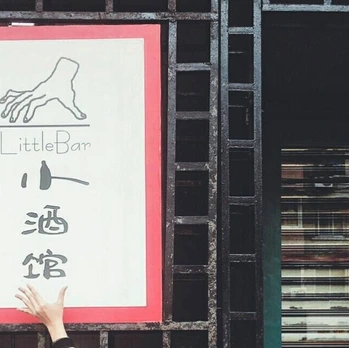
After Zhao Lei's song "Chengdu" went viral, the Little Bar on Yulin Road has had long lines outside year-round, as if not taking a photo there means you haven't been to Chengdu. But here's a secret: Little Bar isn't just on Yulin Road. There's a location at Mixc Mall, another on Fangqin Road, one in Mianyang... each with its own vibe.
Since opening in 1997, over more than two decades, countless people have cried, laughed, met, parted, and gotten married here. Just like the lyrics go — "Forever young, forever with tears in our eyes." If you're not going for a specific show, feel free to pick the nearest one, wander in after it opens in the afternoon, order a drink, maybe meet a girl, or just zone out. Remember: it opens in the afternoon, so don't show up early.
[Link: Chengdu nightlife and bar guide]
Panda Base: Only Pandas Can Save the World
Even though this travelogue takes a "go-with-the-flow" approach, there's one thing I must stress: you absolutely must see the giant pandas. Only when you see those round, black-and-white creatures in person will you understand what "cuteness is justice" really means. The Panda Base is about 15 kilometers south of the city center, with direct buses and tourist shuttles available. There are already countless guides online, so I won't repeat them. The only tip I'll give: go early. Pandas hate the heat; summer mornings are when they're most active. By afternoon, they're mostly napping in air-conditioned rooms.
[Link: Chengdu panda viewing tips]
Food Guide: Dodge the Viral Minefields, Dive into Local Stomachs

Hotpot and Skewers: From "Queue Hell" to "Newcomer Heaven"
Xiaolongkan, Dalongyi, Shudaxia... these names are known nationwide, and their flavors have passed the market test. But the problem is: queues routinely last two to three hours. Are you sure you want to waste your precious travel time waiting in line? Here are some "newcomers" that locals have been loving lately.
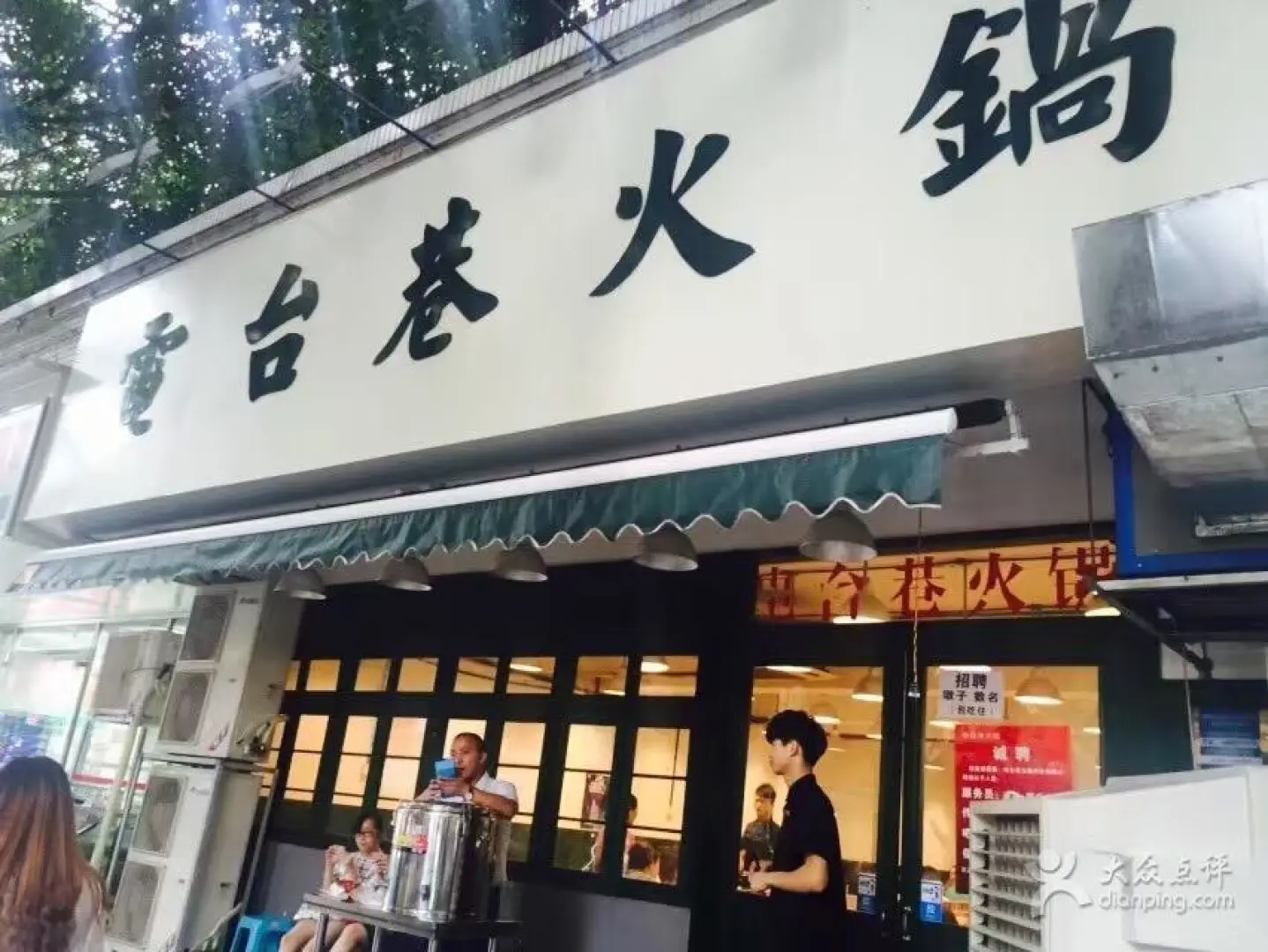
Dian Tai Xiang Hotpot: So Stubborn They Only Have One Broth Base
This place is almost as popular as Xiaolongkan. Its "stubbornness" shows in its approach: the dipping oil is just garlic, and there's only one broth base — pure Chongqing old-school hotpot style. But this "no compromise" attitude makes the flavor incredibly rich and pure. Every dish is so fresh you could pinch it, with quality you can see. Want authentic Chongqing flavor? Come here.
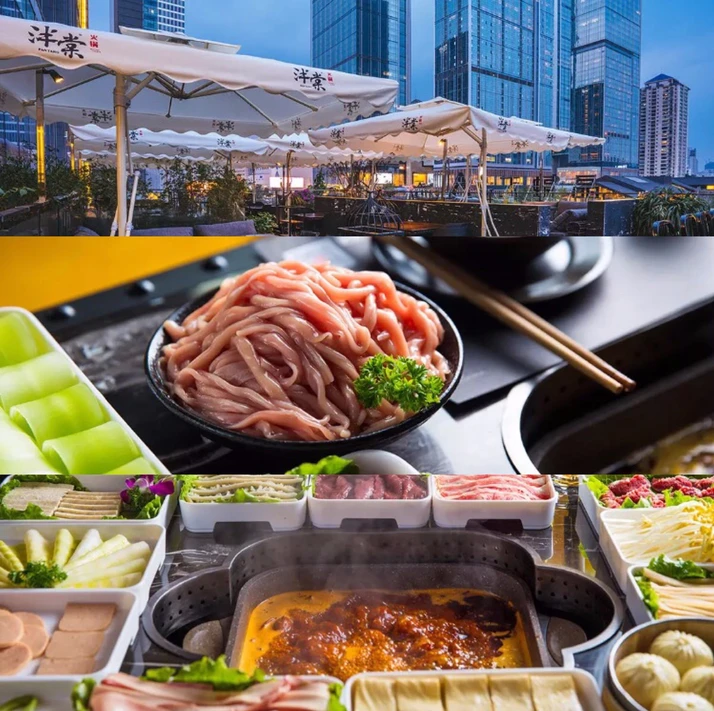
Pan Tang Hotpot: Hotpot with Cocktails? What Kind of Divine Move Is This?

I stumbled upon this gem by accident — I couldn't get a table at Xiaolongkan, so I searched nearby. It's located at Jinronghui, diagonally across from IFS, next to Taikoo Li — prime location. The decor is the trendy loft industrial style, with so many little design touches that girls can't help snapping photos for social media. The best part? There's a professional cocktail bar. Eating hotpot while sipping cocktails — only Chengdu people could come up with this mashup.
The broth uses yak butter, which gives it a rich flavor with a built-in "cooling" effect — no getting heaty from eating it, so your mom won't worry about you breaking out.
Er Pang Beef Fat Skewers: The King of "Ghost Food" on Jianshe Road
Jianshe Road is Chengdu's famous "ghost food" street, and to stand out here, Er Pang relies on sheer audacity — they throw in a whole block of beef fat, lavishly wasteful to the extreme. The menu isn't huge, but everything is fresh. Once that beef fat boils, the skewers soak up flavor right down to the bone.
Bai Ge Oil-Braised Skewers: A "Limping" Boss's Persistence
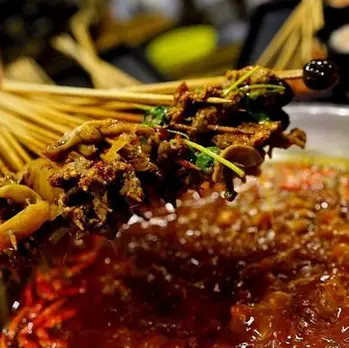
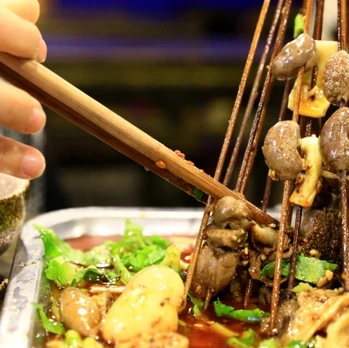
"Bai Ge" (Brother Bai) — in Sichuan dialect, the name actually means "lame." The boss has a leg disability, but for years since opening, he insists on buying fresh ingredients daily and personally participating in making the broth. The skewers here come in two types: oil-braised and hotpot-boiled. The oil-braised ones are heavy on flavor and all meat: beef, rabbit kidneys, duck tongues, aorta... One bite and you'll think, "So satisfying, so damn good."
[Link: Chengdu street food guide]
Sichuan Cuisine: From Traditional to New Wave, a Chengdu Taste Adventure
Shijing Shenghuo: The Best Value on Kuanzhai Alley
Located right on Kuanzhai Alley, but don't let the address scare you — this place's core competitiveness boils down to three words: value for money. Very authentic traditional Sichuan cuisine, not the kind that just piles on chili for no reason. You can taste the owner's care in making every dish fresh and flavorful, not using chili to mask everything.
19 New Peach Garden: The "True Flavor" of New Wave Sichuan
This is a place I highly recommend, located on Tiexiang Temple Water Street. The water street itself is beautiful: gray-tiled roofs, corridors along the water. It's a nice spot to wander and have tea. Right next to it is Tiexiang Temple — the only nunnery in Han Chinese Buddhism, full of cultural atmosphere.
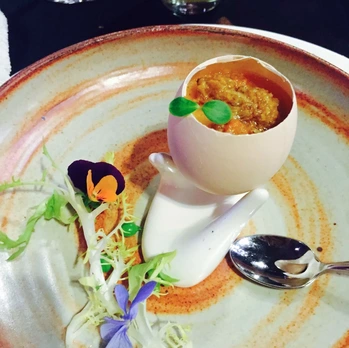
19 New Peach Garden is the first restaurant on the water street, specializing in new wave Sichuan cuisine. Honestly, when I hear "new wave," my first reaction is "gimmick" — why can't they just do traditional well? But after eating here, I can only say: I was too young. It incorporates techniques from Western, Japanese, and French cuisine into Sichuan cooking. The flavors are still traditional, but with innovative twists in taste and presentation, the experience is elevated several notches.
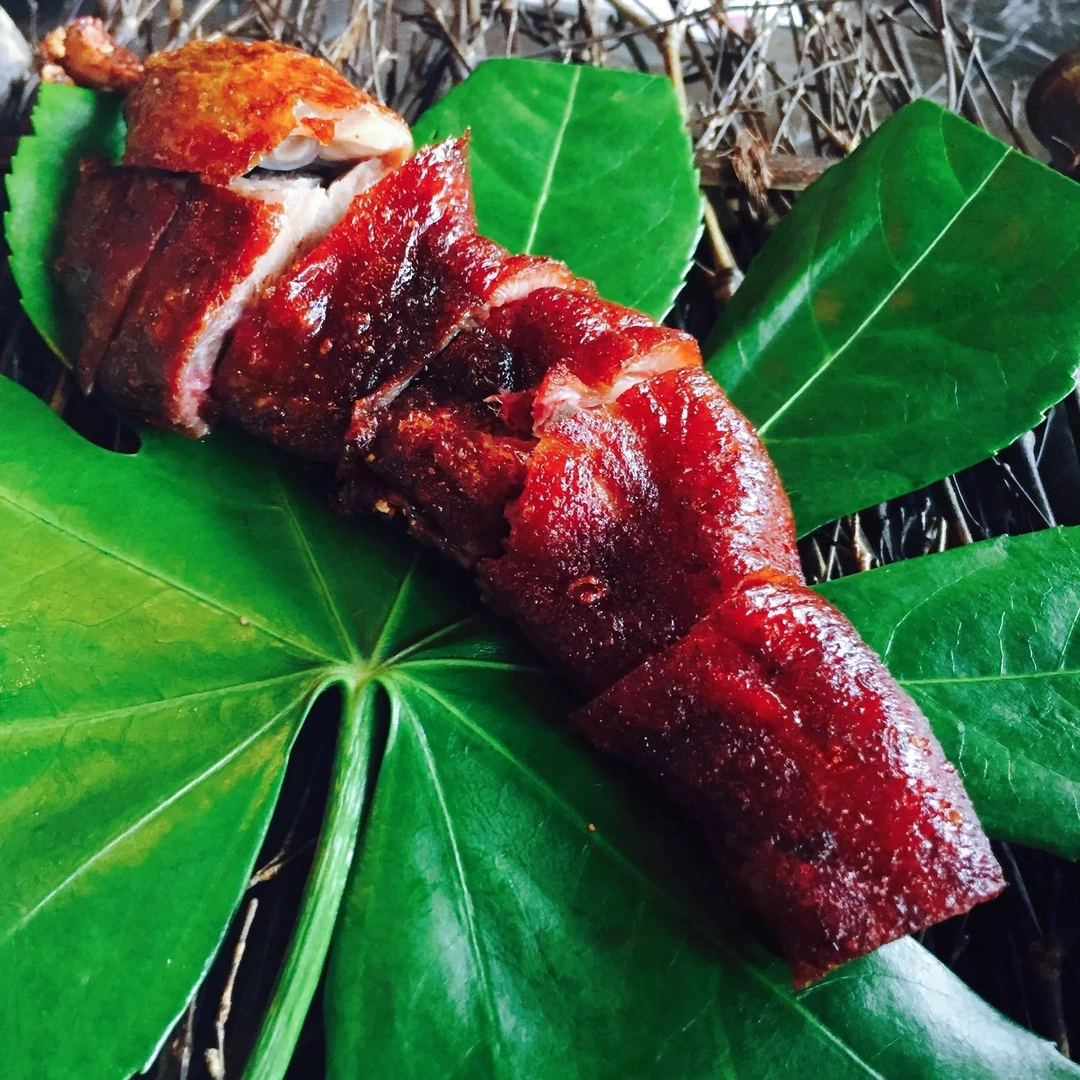
Must-try: Roast duck. Crispy skin, tender meat, with a hint of sweetness. Bite into it and you get a caramel-like crunch — incredible. The menu also has molecular gastronomy dishes, which I didn't try this time but plan to on my next visit. If you have kids, order a few creative dishes, and I guarantee they'll sit still.
[Link: Chengdu fine dining and modern Sichuan cuisine]
FAQ: Your Chengdu Travel Questions Answered
1. When is the best time to visit Chengdu for food and sightseeing?
Spring (March–May) and autumn (September–November) offer mild weather and fewer crowds. Summer is hot and humid, but morning visits to the Panda Base and evening hotpot sessions are still excellent.
2. How do I avoid tourist traps in Chengdu?
Skip the "must-eat" lists from viral accounts. Instead, follow local food bloggers, ask your hotel staff, or use apps like Dianping to find spots with high ratings from locals. Avoid restaurants with aggressive touts outside.
3. Can I visit Wuhou Shrine and Jinli in one day?
Yes. They are adjacent. Spend 2–3 hours at Wuhou Shrine in the morning, then walk to Jinli for lunch and shopping. It's a perfect half-day itinerary.
4. Is it safe to eat street food in Chengdu?
Absolutely. Street food is a cornerstone of Chengdu's food culture. Look for busy stalls with high turnover — that's a sign of freshness. Stick to cooked items and avoid raw foods if you have a sensitive stomach.
5. Do I need to speak Chinese to enjoy Chengdu?
Not necessarily. Many tourist spots and restaurants have English menus. However, learning a few phrases like "xiè xiè" (thank you) and "zhè ge duō shao qián" (how much is this) goes a long way.
Final Thoughts: Be a "Not-So-Serious" Local
Chengdu isn't about ticking boxes. It's about wandering into a random alley, ordering a bowl of dan dan noodles, and striking up a conversation with the auntie selling it. It's about sitting in a teahouse for an hour, watching the world go by. It's about being open to the unexpected.
So this summer, ditch the viral guides. Be a "not-so-serious" local. Eat where the locals eat. Wander where the locals wander. And above all, enjoy the journey — not just the destination.
Ready to plan your Chengdu adventure? Bookmark this guide, share it with your travel buddies, and start exploring. And if you find a hidden gem that's not on this list, drop it in the comments below. We're all in this together.
[Link: Chengdu travel planning checklist]
You may also like


