The Wind of Tang and Song Carved into the Heart — The Ultimate Guide to Anyue Stone Carvings
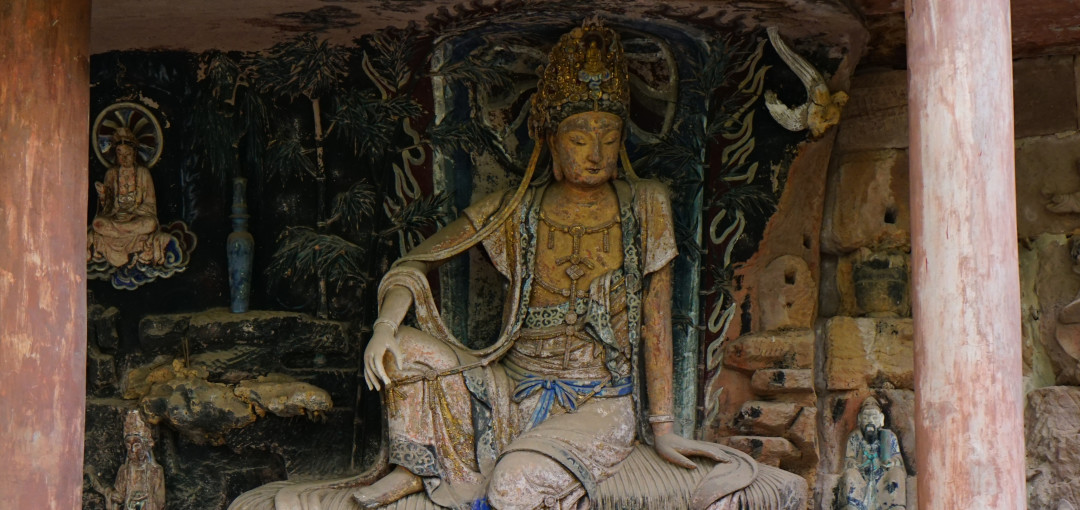
Meta Description: Discover Anyue Stone Carvings, China's most concentrated county of ancient Buddhist statuary. Plan your 3–4 day trip with our expert route guide, explore Tang and Song dynasty masterpieces, and uncover hidden grottoes in Sichuan.
Introduction: Time in Stone, Closer to Eternity Than Any Words
If you've ever stood before the Vairocana Buddha at Longmen Grottoes, awestruck by the grandeur of the High Tang, or if you've been moved by the almost human compassion in the Thousand-Armed Guanyin at Dazu Rock Carvings, then you absolutely cannot miss Anyue.
Anyue, a small county hidden in the heart of the Sichuan Basin, feels like a forgotten secret. It lacks the fame of Longmen and the spotlight of Dazu, yet it silently carries the most critical turning point in the history of Chinese stone carving art. Here, the rocks were first chiseled during the Northern and Southern Dynasties, carved through the Tang and Song dynasties, and ultimately completed a transformation from "divine" to "human." Some say Anyue's carvings are a "bridge between past and future"—inheriting the robust Tang style of Longmen and paving the way for the humanistic brilliance of Dazu. But to me, they read more like a history book carved in stone, each chisel mark and every cut capturing the truest heartbeat of its era.
[Link: Dazu Rock Carvings travel guide]
Why Anyue Stone Carvings Are Worth a Special Trip
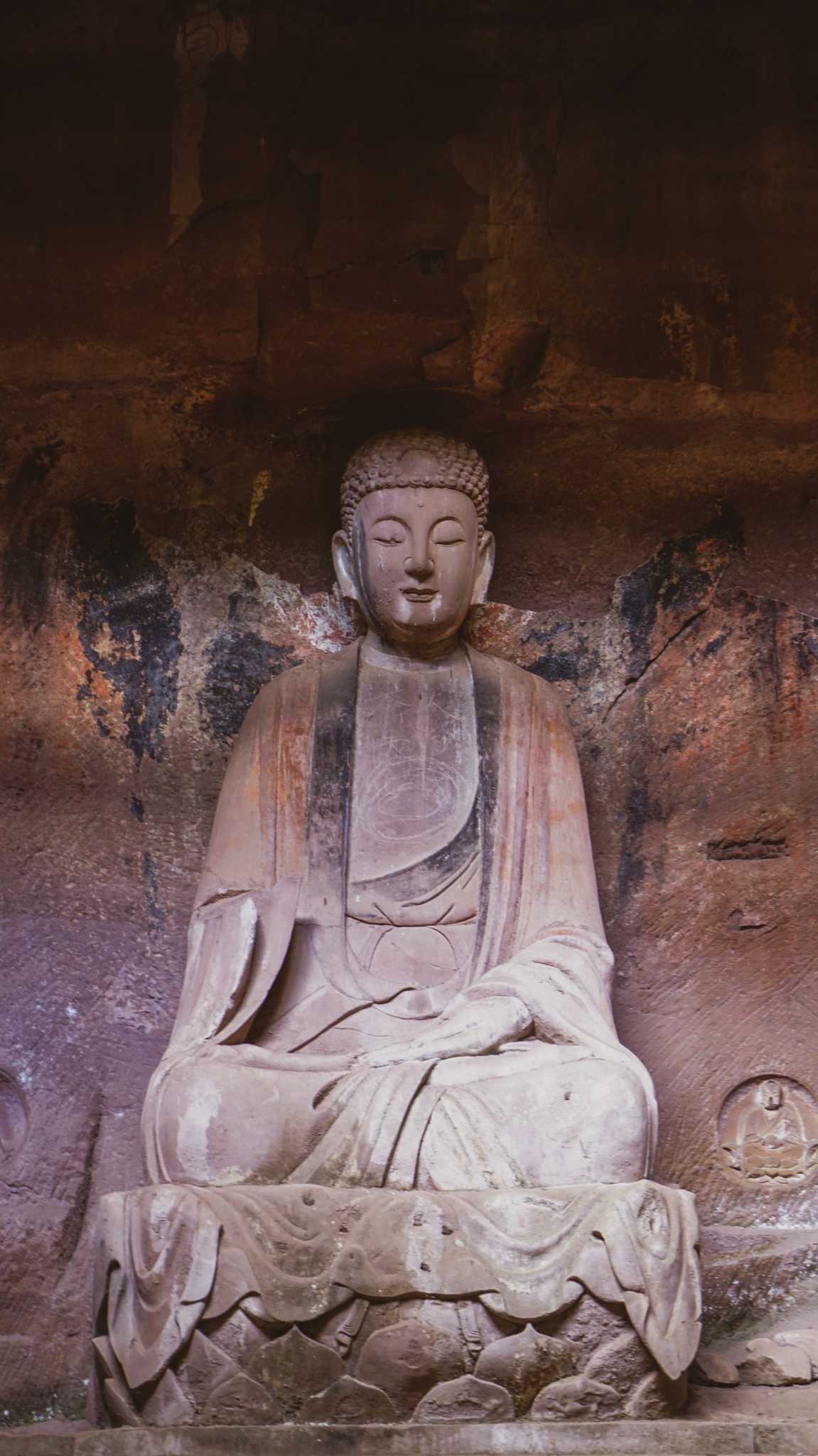
A Staggering Number: China's Most Concentrated County of Buddhist Statuary
Let me give you some figures: Anyue is the county with the highest known concentration of ancient Buddhist statuary in China. It boasts over 100 protected grotto and carving sites at various levels, including 9 Major Historical and Cultural Sites Protected at the National Level:
- Thousand Buddha Stockade (Qianfo Zhai)
- Perfect Enlightenment Cave (Yuanjue Dong)
- Avatamsaka Cave (Huayan Dong)
- Vairocana Cave (Pilu Dong)
- Ming Mountain Temple (Mingshan Si)
- Peacock Cave (Kongque Dong)
- Reclining Buddha Temple (Wofo Yuan)
- Mysterious Temple (Xuanmiao Guan)
- Wooden Gate Temple (Mumen Si)
Additionally, there are 19 sites under provincial protection, 1 at the municipal level, 30 at the county level, and 50 county-level preservation points. This density is unmatched anywhere in China.
What does this mean? If you're a stone carving enthusiast, Anyue lets you "see it all in one go." But what's even more breathtaking is that most of these statues aren't locked away in museums or packaged into scenic spots. They're scattered across wild fields, on hillsides, and along mountain paths, left to the tender mercies of time. Some preservation efforts are indeed challenging, and it's truly heartbreaking to see the damage. Yet it's precisely this "wildness" that gives Anyue's carvings an extra layer of authenticity and a profound sense of age.
[Link: Lesser-known Chinese Buddhist grottoes]
From Royal to Folk: The "Descent" of Chinese Stone Carving

Anyue's carvings began in the Northern and Southern Dynasties and flourished during the Tang and Song. This period witnessed a major shift in Chinese stone carving art: from royal patronage to grassroots sponsorship. In other words, the grand earlier grottoes—like Yungang and Longmen—were commissioned by emperors and funded by the state. By the time of Anyue, however, more and more carvings were initiated by local officials, wealthy merchants, and even ordinary people out of personal devotion. This shift reflects the southward and eastward spread of Buddhist art and embodies a transformation "from deity to humanity, from religion to art."
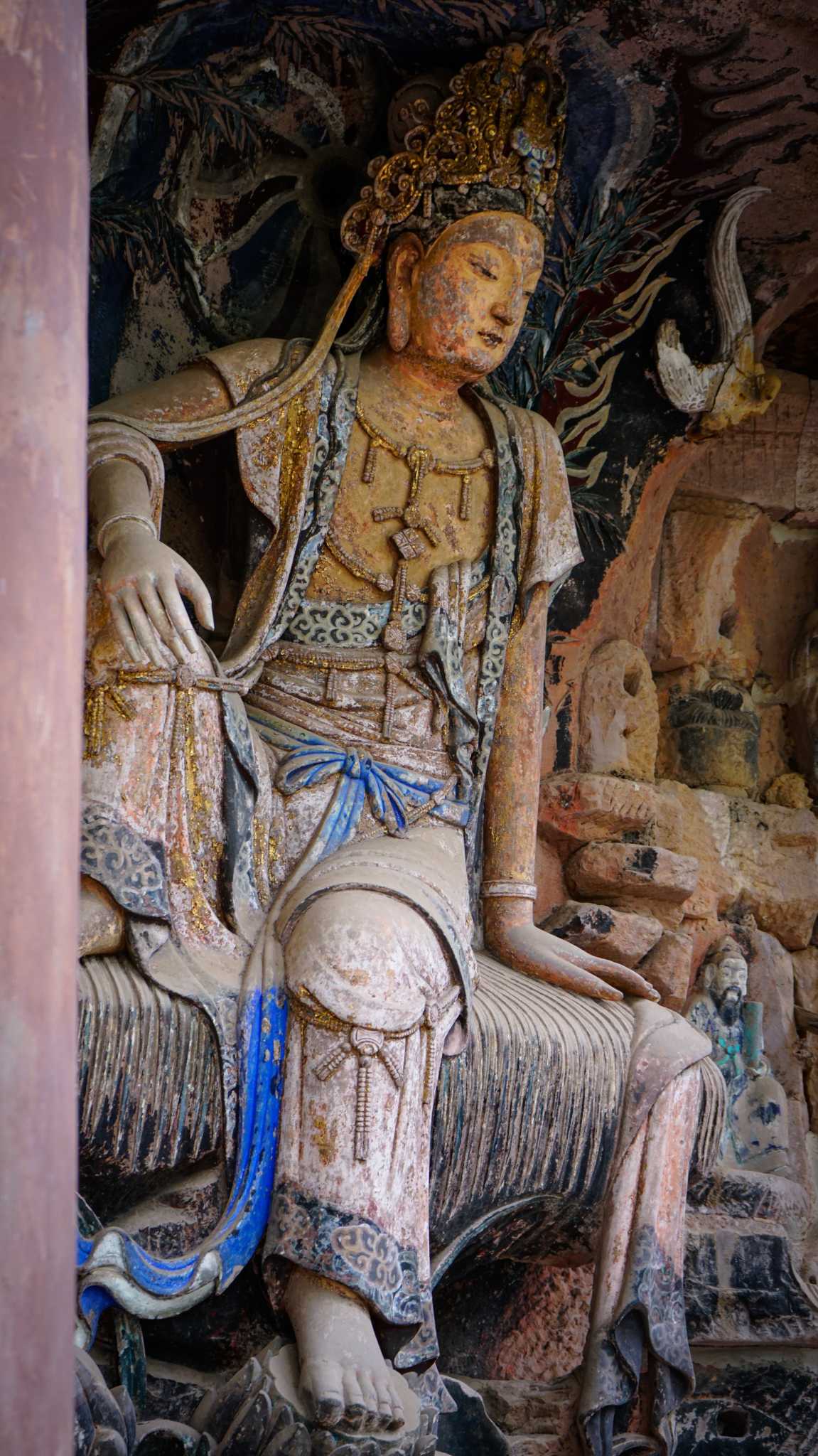
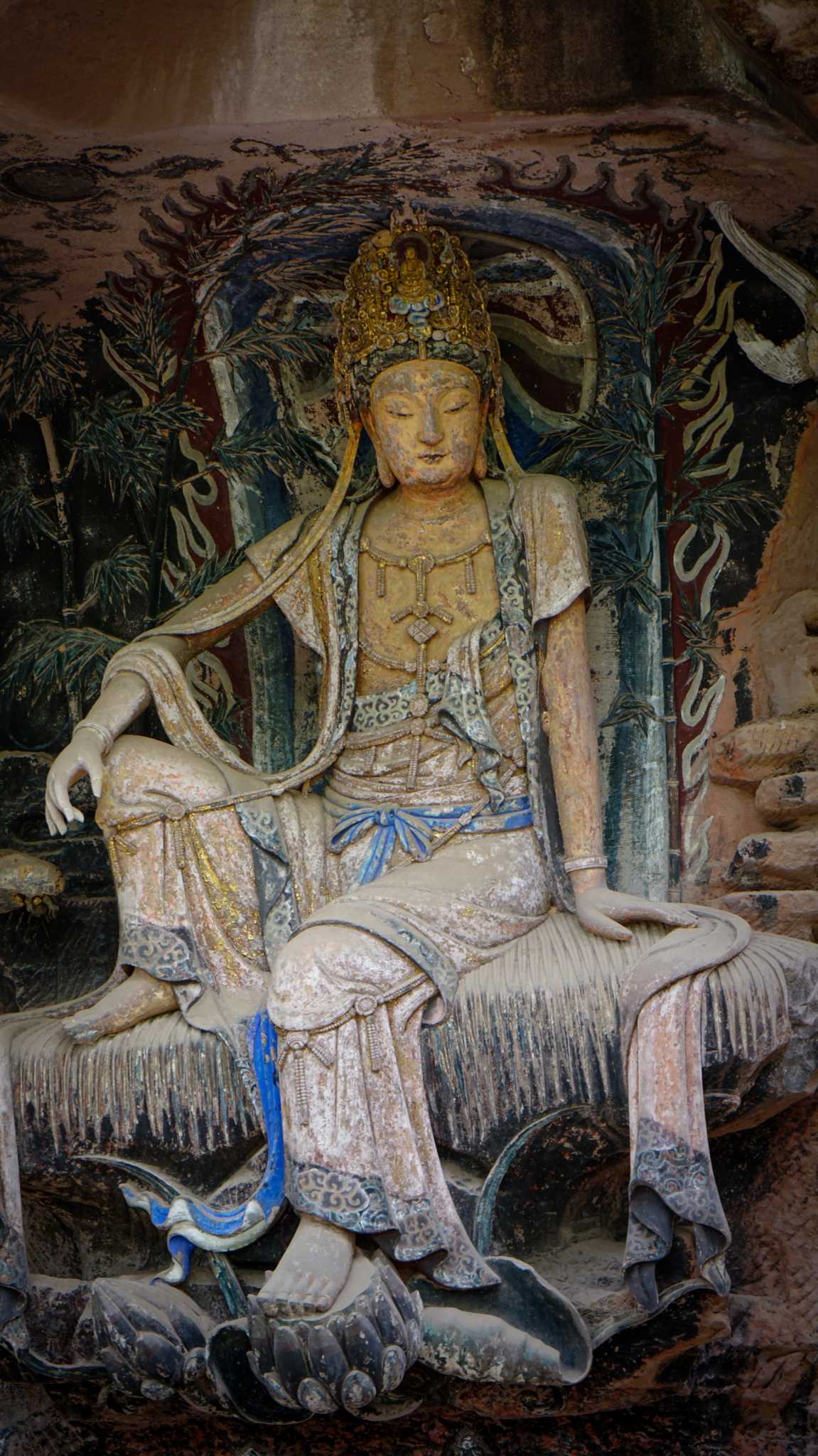
During this period, Anyue produced an extraordinary number of masterpieces. Representative caves include: Perfect Enlightenment Cave, Avatamsaka Cave, and Thousand Buddha Cave. Iconic statues include: Peacock Wisdom King, Water-Moon Guanyin, Guanyin Holding a Lotus Flower Branch, Manjushri Holding a Sutra, the Bodhisattva at Tapo, and the Right-Side Reclining Buddha. Narrative themes include: the Medicine Buddha Sutra Transformation, the Ten Ordeals of Liu Benzun, the Preaching Scenes of Shakyamuni and Maitreya, and the Hell Transformation Tableau. If any of these carvings were in a museum or scenic area, they would be hailed as historical and artistic treasures. But in Anyue, most of them remain in their original locations, waiting for you to discover them.
Anyue Stone Carvings Route Planning: How to Cover the Essence in 3–4 Days
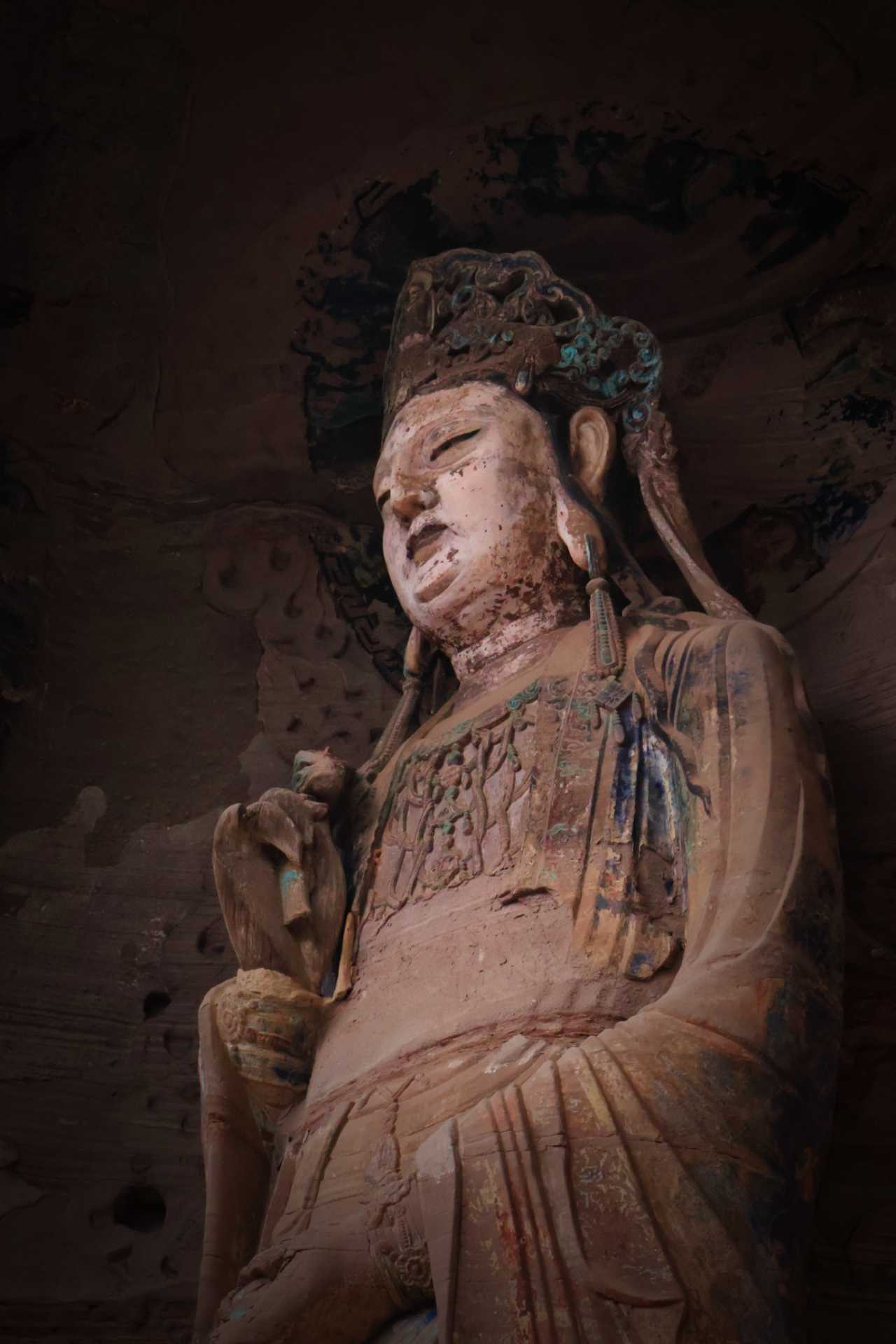
Although Anyue has many carvings, they are widely scattered, mostly far from the county seat, hidden in fields and on hillsides. If you want to savor them properly, I recommend setting aside 3–4 days. They can be roughly divided into two main routes:
County Seat Area (North Route + Central Route)
North Route: Reclining Buddha Temple → Wooden Gate Temple → Foji Temple → Mysterious Temple
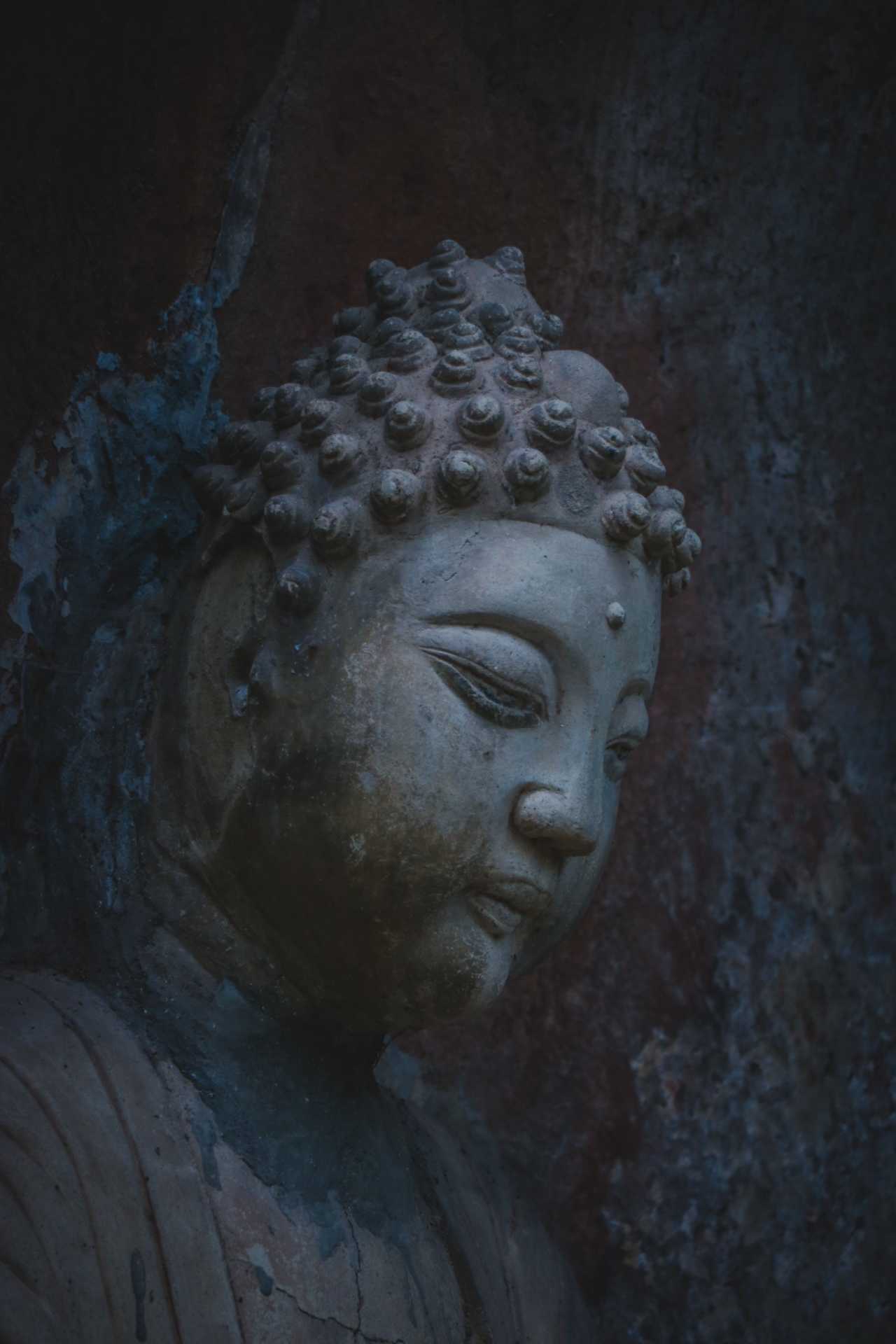
This northern loop offers a mix of Tang dynasty grandeur and Song dynasty elegance. The Reclining Buddha Temple features one of the largest reclining Buddha statues in Sichuan, while Mysterious Temple uniquely blends Buddhist and Daoist iconography.
Central Route: Perfect Enlightenment Cave → Thousand Buddha Stockade
These two sites are among the most accessible from the county seat and showcase the peak of Song dynasty carving artistry. Perfect Enlightenment Cave is renowned for its symmetrical composition and serene bodhisattva figures.
Shiyang Town Area (East Route)
Upper East Route: Gaosheng Great Buddha → Half-Side Temple → Tapo
This route takes you deeper into rural Anyue. The Gaosheng Great Buddha is a towering outdoor statue, while Tapo features some of the most delicate and humanized bodhisattva carvings in the region.
Lower East Route: Ming Mountain Temple → Peacock Cave → Vairocana Cave → Avatamsaka Cave
The lower east route is the crown jewel of Anyue's carving heritage. Vairocana Cave and Avatamsaka Cave are both national-level protected sites that contain some of the finest Song dynasty Buddhist sculpture in China. Peacock Cave, with its multi-headed, multi-armed Peacock Wisdom King, is a must-see for its unique iconography.
Transportation Tips
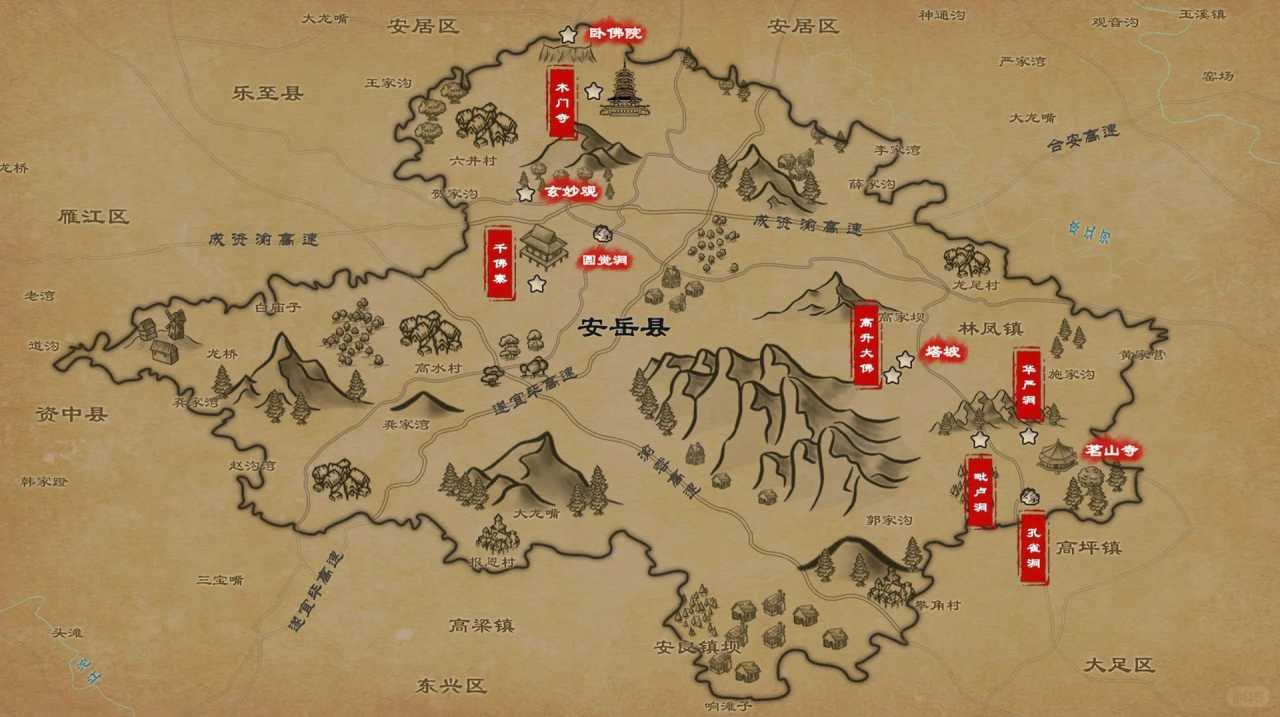
Getting to Anyue from Chengdu or Chongqing is easy with major transport links. High-speed trains connect both cities to Anyue station in under two hours. Once you're in Anyue, local village buses can take you around. Hiring a car is also affordable—around 300 RMB for up to 15 people. The local drivers may use older buses, but they keep them spotless, even in the corners. They know the roads well, drive steadily, and sometimes even double as impromptu guides. Riding in one of these rural buses, feeling the breeze, and watching the scenery roll by feels like stepping back in time, experiencing a place untouched by the modern era.
[Link: Sichuan off-the-beaten-path destinations]
Carving Styles: The Aesthetic Transformation in Stone from Tang to Song
Tang Dynasty: Robust, Full-Bodied, Cosmopolitan
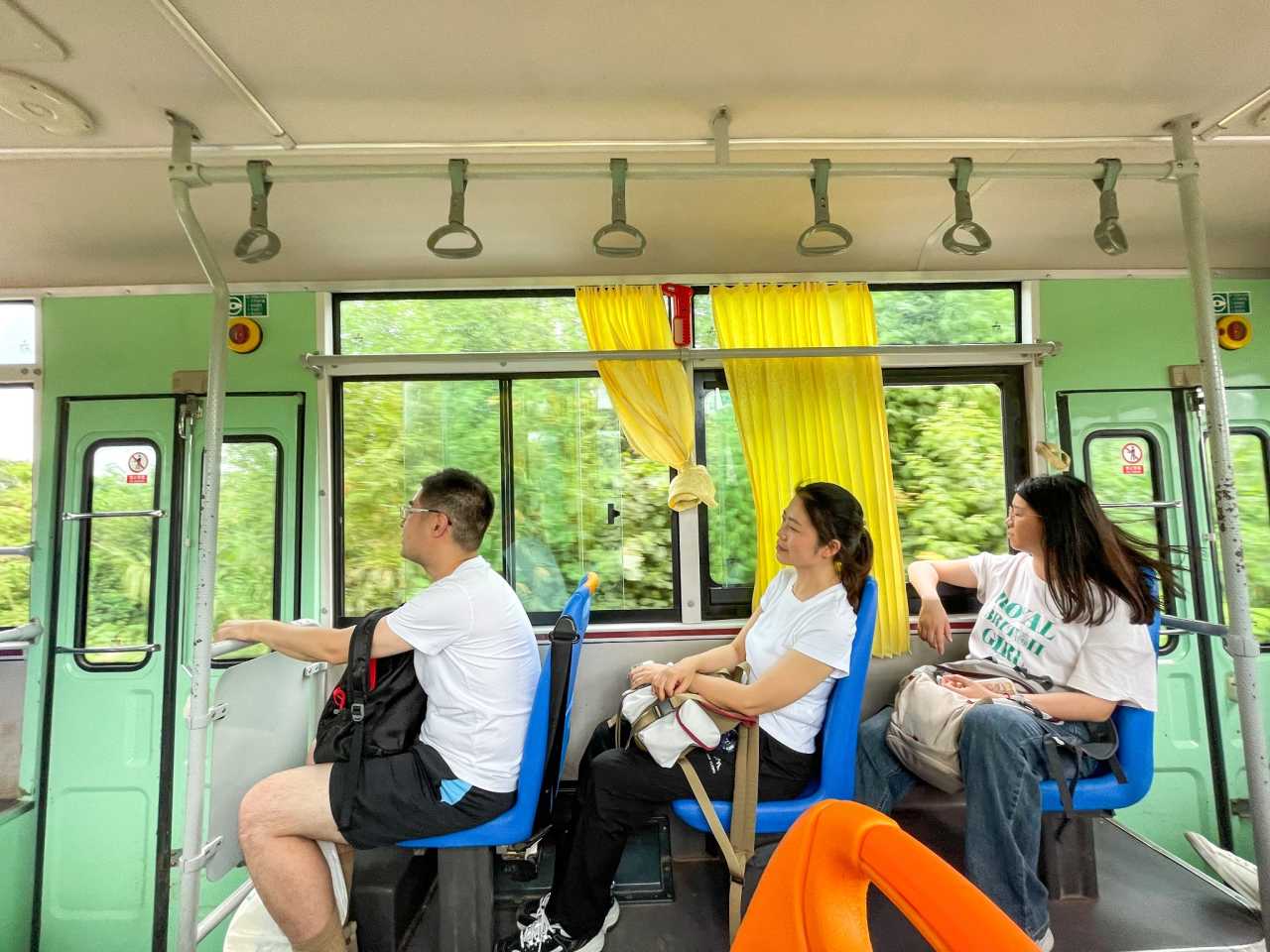
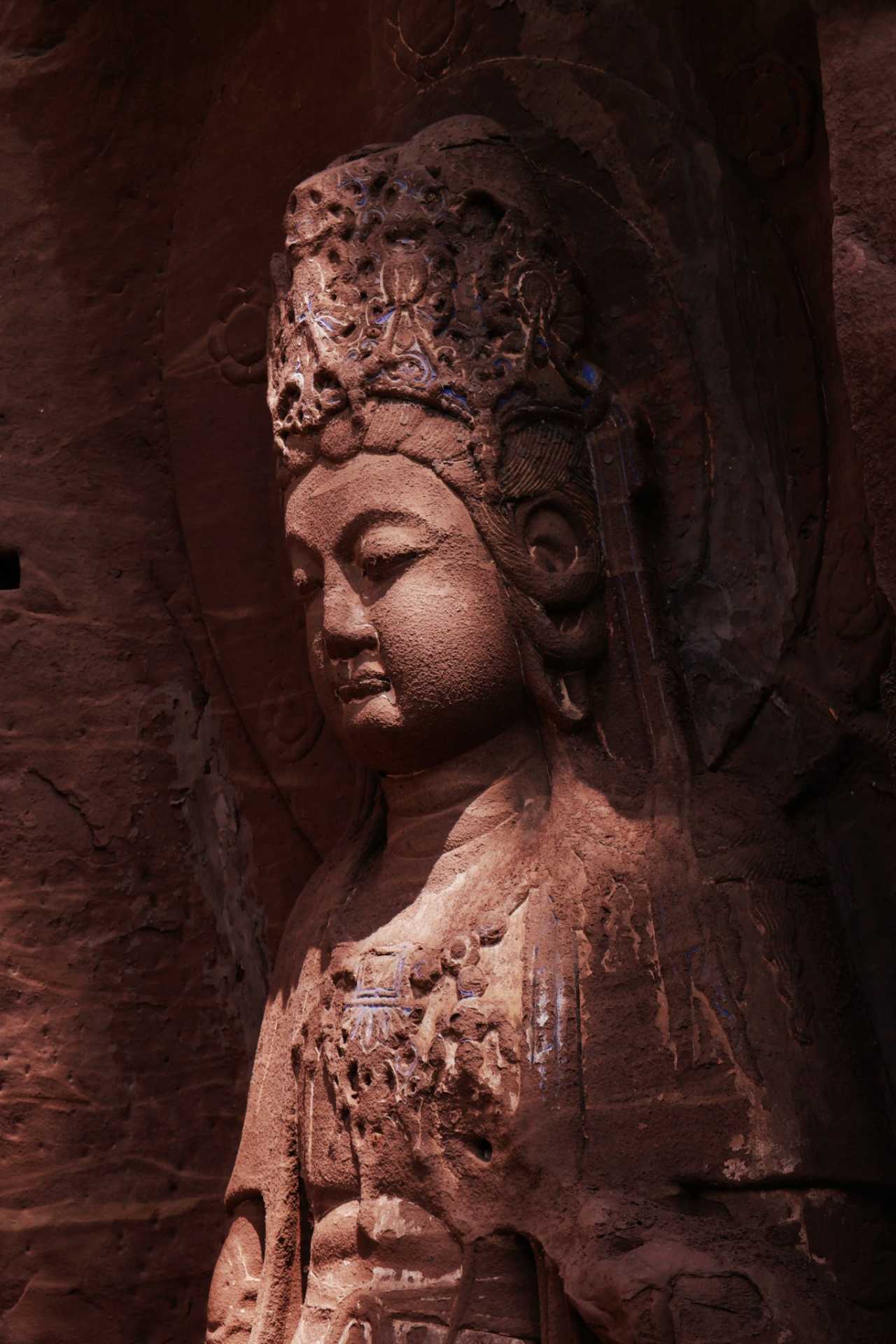
The Tang and Five Dynasties carvings in Anyue are represented by sites like Reclining Buddha Temple, Thousand Buddha Stockade, Peacock Cave, and Mysterious Temple. These statues primarily feature Chan (Zen) Buddhist themes and were heavily influenced by the artistic styles of the Central Plains. Aesthetically, the figures tend toward robust, full-bodied, and rounded forms, while also incorporating aesthetic sensibilities and painting styles from Western Regions and other ethnic groups. This style completely transformed the expressive approach of pre-Tang carvings—moving away from restraint and infusing imagination with a sense of reality. It embodies a nationalistic posture and feels closer to everyday life. This is the nationalization of religious art, making the stone carvings more human and emotionally resonant.
Song Dynasty: Symmetrical, Elegant, Exquisite
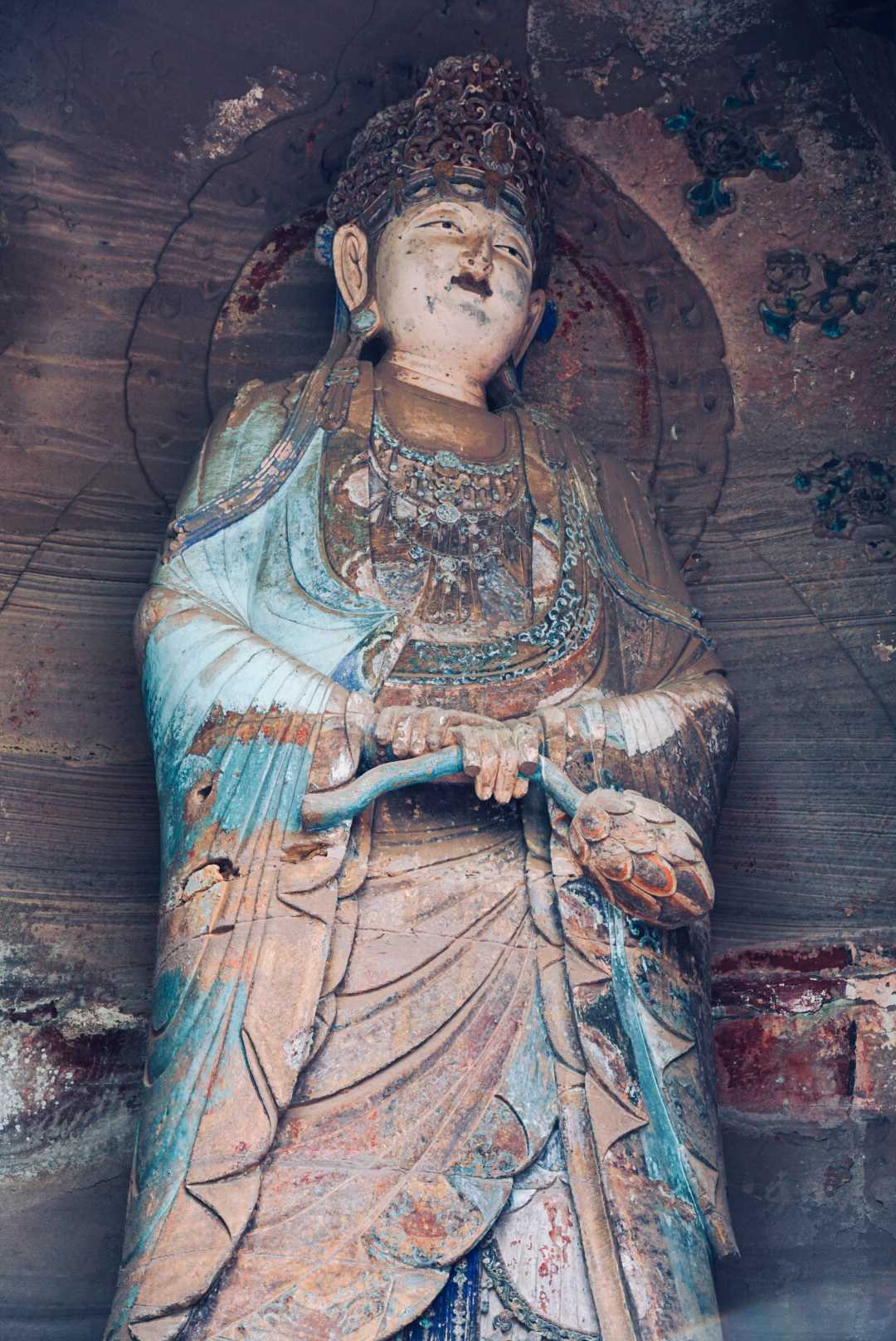
Song Dynasty carvings in Anyue are best seen at Vairocana Cave, Perfect Enlightenment Cave, Avatamsaka Cave, and Ming Mountain Temple. This period fully pursues symmetry, harmony, elegance, and refinement. The figures are well-proportioned, with graceful postures, leaning toward delicate beauty. Facial features and clothing become more Sinicized, with increased humanization and secularization. While inheriting earlier garment styles, the decorations are simpler yet more meticulous, with smooth, natural lines that effectively convey a sense of three-dimensionality. Bodhisattva statues in particular wear floral crowns, elaborate ornaments, and splendid adornments, showcasing the ornate and refined artistic style of Song Dynasty sculpture.
[Link: Tang vs Song dynasty art comparison]
The Carving Process: Craftsmanship in Stone
You might not know how these exquisite carvings transformed from rough rock into works of art. Here's a brief overview of the process:
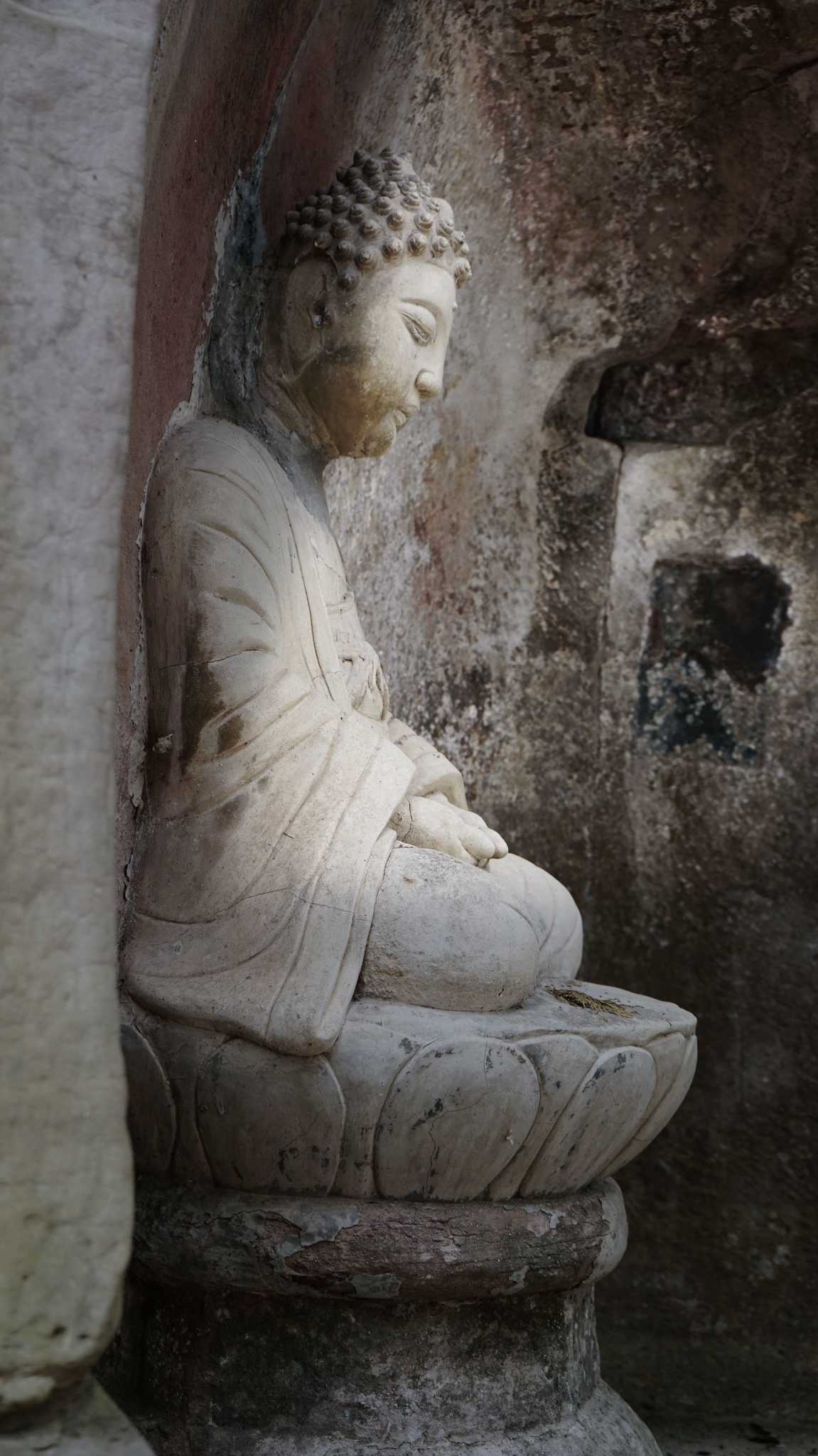
Opening the Cave: First, intersecting grooves were chiseled into the rock face to divide the rock mass. Iron wedges were then driven diagonally into the bottom of the grooves, and curved iron crowbars were used to pry up the stone along the wedge direction. Layers of stone and debris were removed sequentially to create a relatively flat working surface. Finally, hammers and chisels were used to further smooth the walls.
Creating the Statue: First, a rough block was outlined, and a niche was opened in the wall while leaving a rough blank for the main figure. Then came rough carving: coarse chisels removed excess stone to establish the basic silhouette. Fine carving followed, using smaller chisels to define facial features, clothing folds, and decorative details. Finally, polishing with abrasive stones and water gave the surface its smooth finish. In some cases, pigments were applied to enhance the visual impact—traces of red, green, and gold can still be seen on some Anyue statues today.
This labor-intensive process could take months or even years for a single cave shrine, requiring teams of skilled artisans working in coordination.
Anyue Stone Carvings FAQ
Q: When is the best time to visit Anyue Stone Carvings?
A: Spring (March–May) and autumn (September–November) offer the most comfortable temperatures for outdoor exploration. Summer can be hot and humid, while winter is mild but occasionally foggy. Weekdays are less crowded than weekends.
Q: Are Anyue Stone Carvings accessible for elderly visitors or those with mobility issues?
A: Some sites are located on hillsides with uneven paths and stairs. The county seat area sites (Perfect Enlightenment Cave, Thousand Buddha Stockade) are more accessible. Rural sites like Tapo and Gaosheng Great Buddha require more walking. Hiring a car with a local driver who knows the terrain is recommended.
Q: Do I need a guide to visit Anyue Stone Carvings?
A: While not strictly necessary, a local guide can greatly enhance your experience. Many drivers double as informal guides. For serious enthusiasts, hiring a professional guide from Anyue's cultural heritage bureau is recommended to unlock the historical and artistic context of each site.
Q: Can I take photographs inside the caves?
A: Photography is generally allowed, but flash photography is prohibited in most caves to protect the fragile pigments. Some national-level protected sites may have additional restrictions. Always check with site staff before taking photos.
Q: How do Anyue Stone Carvings compare to Dazu Rock Carvings?
A: Dazu is more famous, better preserved, and more accessible for tourists. Anyue is less developed, more scattered, and offers a raw, authentic experience. Many scholars consider Anyue the "missing link" between the Tang dynasty grandeur of Longmen and the Song dynasty humanism of Dazu. If you love Dazu, you'll find Anyue even more rewarding.
Plan Your Anyue Stone Carvings Adventure Today
Anyue Stone Carvings represent one of China's most underappreciated cultural treasures. With over 100 protected sites spanning the Tang and Song dynasties, this small Sichuan county offers an unparalleled journey through the evolution of Chinese Buddhist sculpture. Unlike the crowded, commercialized grottoes elsewhere, Anyue invites you to discover masterpieces in their original settings—on hillsides, in fields, and along ancient paths.
Whether you're a seasoned grotto enthusiast or a curious traveler seeking authentic cultural experiences, Anyue will reward you with moments of quiet awe. The carvings here are not just art; they are a history book carved in stone, waiting for you to turn its pages.
Ready to explore? Book your transport to Anyue from Chengdu or Chongqing today. Contact the Anyue County Tourism Bureau for updated site opening hours and guide services. And don't forget to pack comfortable walking shoes—your journey through a thousand years of stone-carved history awaits.
[Link: Sichuan travel itinerary planner] [Link: Chinese UNESCO World Heritage sites]
You may also like


