The Western Sichuan Plateau: A Complete Guide to High-Altitude Highways, Sacred Peaks, and Spiritual Journeys
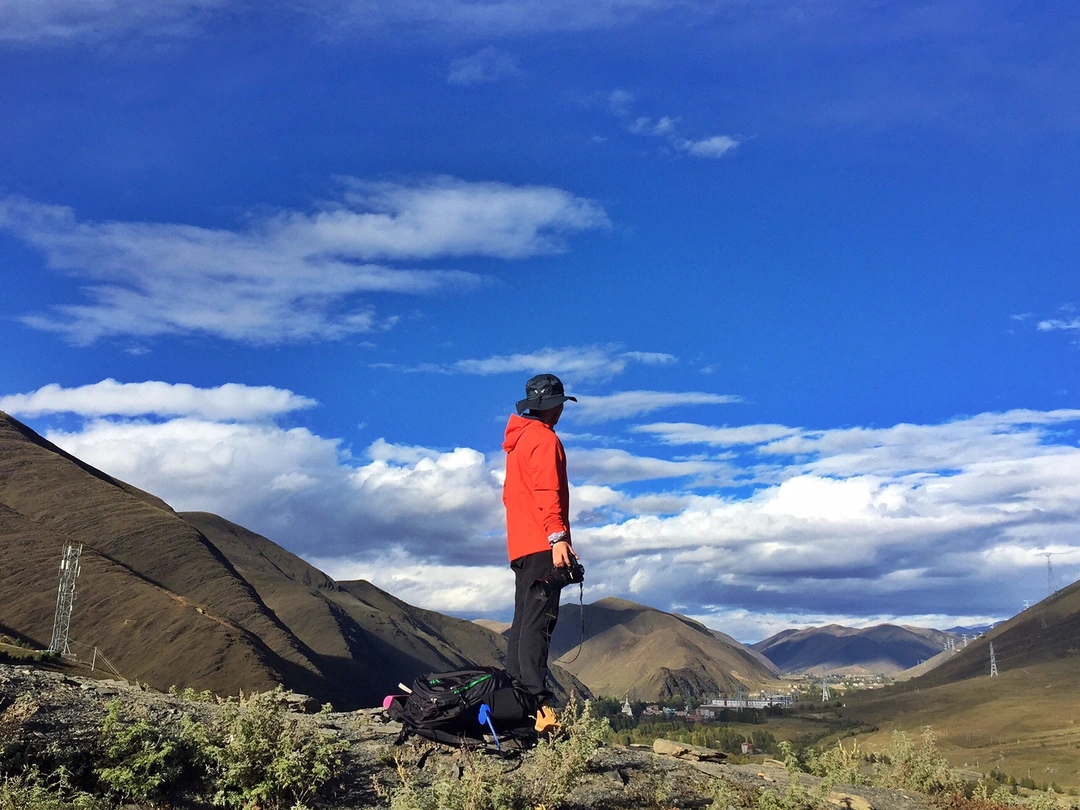
Meta Description: Explore the Western Sichuan Plateau through this 11-day itinerary covering Xinduqiao, Daocheng, and Yading. Expert tips on altitude sickness, photography gear, and hidden gems for the ultimate Tibetan Plateau adventure.
Prologue: When Memory Fragments Scatter at 4,000 Meters
Some journeys aren't about arriving—they're about escaping.
In the deep autumn of 2016, I flew into Chengdu carrying a head full of fragments: unnameable sorrows, tangled thoughts, and an obsession with snow-capped mountains. November in Xiamen was still wrapped in the gentle breath of the sea, but I couldn't wait to throw myself into that thin-aired plateau.
I'd thought of a friend during countless sleepless nights. She once said she wanted to live like a mountain—wearing snow in winter, bearing the sun in summer, taking her own scars to nurture the land around her. Back then, I just smiled. It wasn't until she crossed the ocean, and I finally set foot on the highway to those sacred peaks, that I understood that silent kind of devotion.
Outside the window, dust flew. The old days fell away behind us.
The Western Sichuan Plateau is more than a destination—it's a pilgrimage through landscapes that rearrange your soul. This guide covers everything from high-altitude travel tips to hidden photography spots along National Highway 318.
Western Sichuan Plateau Itinerary: 11 Days Through Garze Tibetan Prefecture

This journey through Western Sichuan began in Xiamen, transited through Chengdu, and traced a circle through the Garze Tibetan Autonomous Prefecture. Eleven days in total—aside from three flights, the rest of the time was spent riding the roar of a Toyota Prado.
Route Overview: The Perfect Western Sichuan Loop
| Day | Route | Highlights |
|---|---|---|
| 1 | Xiamen → Chengdu | City exploration, Sichuan food |
| 2 | Chengdu → Kangding → Xinduqiao | Zheduo Mountain crossing |
| 3 | Xinduqiao → Tagong → Xinduqiao | Tagong Grassland, Tibetan culture |
| 4 | Xinduqiao → Jiagenba → Yaha Pass → Xinduqiao | High-altitude passes |
| 5 | Xinduqiao → Daocheng via multiple passes | Gao'er Temple, Haizi Mountain |
| 6 | Daocheng local exploration | Xingyicuo Lake, poplar forests |
| 7 | Daocheng → Yading Village | Chonggu Monastery, Luorong Pasture |
| 8 | Yading Long Trail | Milk Lake, Five-Color Lake |
| 9 | Yading Short Trail → Daocheng | Pearl Lake hike |
| 10 | Daocheng → Chengdu | Return flight |
| 11 | Chengdu → Xiamen | Departure |
Pro travel tip: I'd originally planned to head south from Daocheng through Shangri-La, Lijiang, and on to Lugu Lake, but something came up and shattered all my plans. The flight from Daocheng back to Chengdu cost an arm and a leg, but it taught me something: the greatest thing about travel is that it never follows the script.
[Link: Best time to visit Western Sichuan Plateau]
Essential Pre-Trip Preparation: What to Pack for High-Altitude Travel
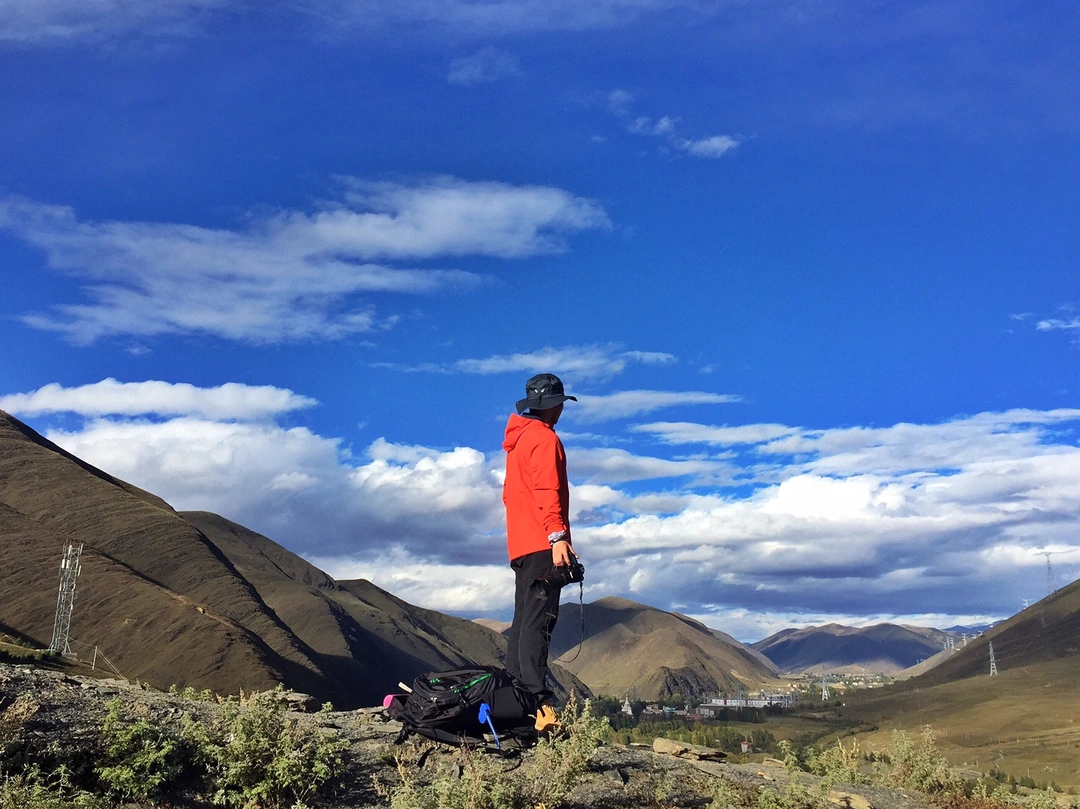
Photography Gear for the Tibetan Plateau
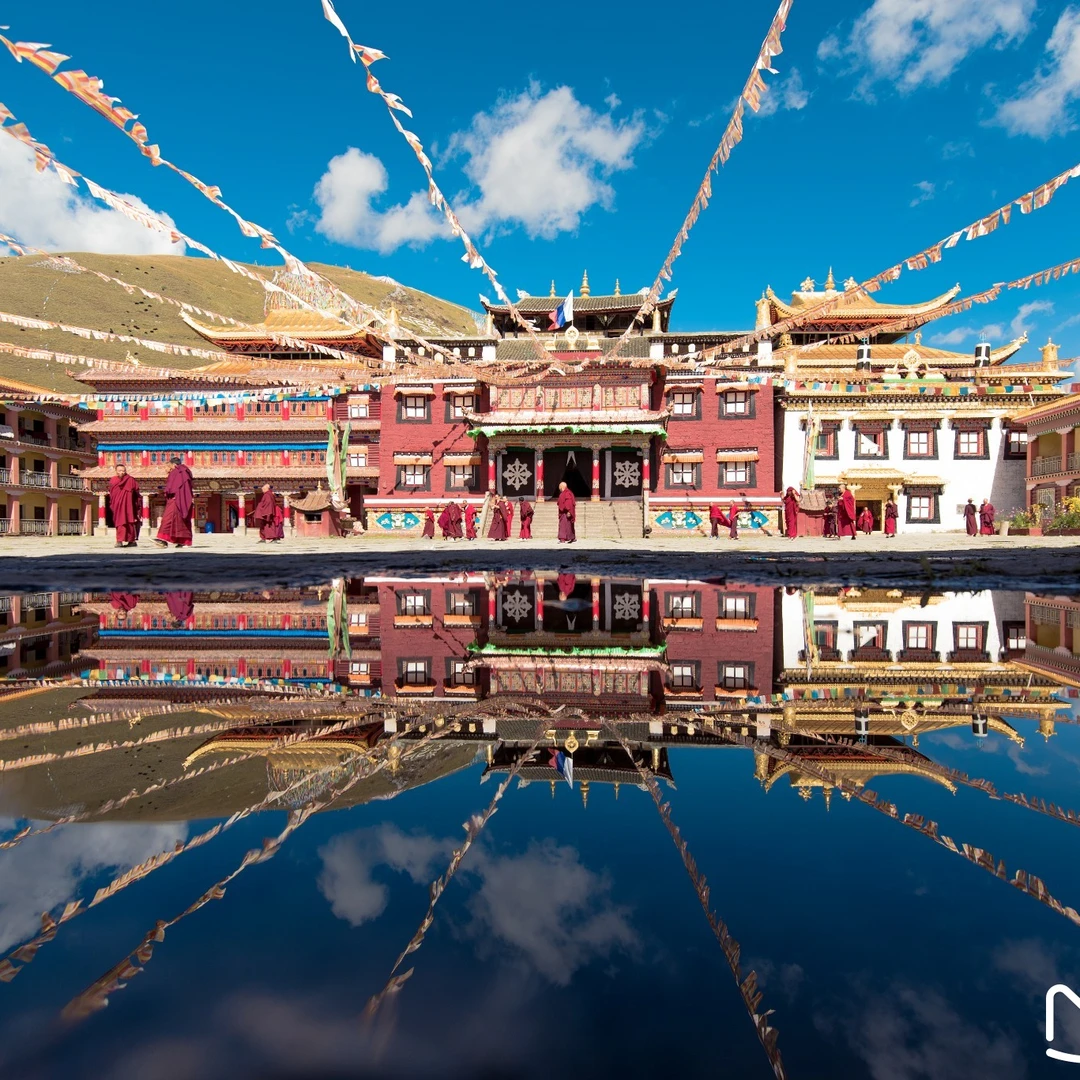
Photography is the whole point of my travels, so I never skimp on equipment:
- Digital SLR: Nikon D750 + 16-35mm F4 + 24-120mm F4
- Film Camera: Minolta X370 + 50mm F1.8 + Kodak ColorPlus 200
- Phone: iPhone 6 (backup, but it surprised me with some great shots)
- Filter: Haida ND1000 neutral density filter for long exposures
- Storage: Two 32GB SanDisk SD cards + 500GB Western Digital portable hard drive
- Tripod: Lightweight, essential for star photography and time-lapses
Western Sichuan Plateau Clothing Guide
Highland weather changes like a child's mood. My philosophy: layer up, adapt fast.
- Outdoor Kit: Shell jacket + thick fleece + moisture-wicking base layer + softshell pants
- Casual Combo: Bomber jacket + heavy hoodie + thermal T-shirt + winter jeans
- Special Gear: A regular down jacket, reserved for sunrise and star photography
- Boots: Timberland mid-top yellow boots—tough and warm for rough terrain
High-Altitude Medicine Kit
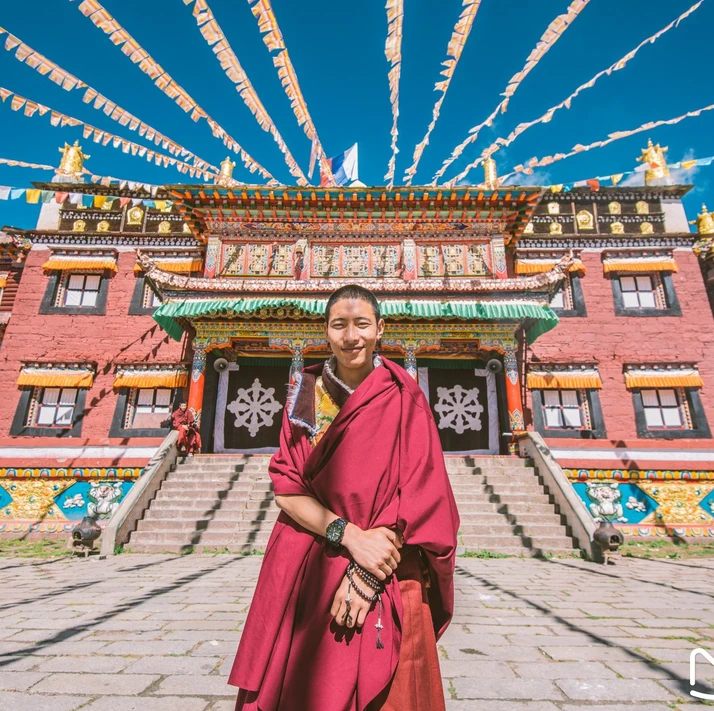
Altitude sickness is no joke. I brought a battle-tested pharmacy:
- Pain Relief: Saridon, ibuprofen—for altitude headaches and to help you sleep
- Cold Medicine: Day-and-night cold tablets
- Anti-Diarrhea: Montmorillonite powder
- Altitude Aid: Inosine tablets—technically for hepatitis, but they boost the blood's oxygen-carrying capacity
Other Essentials for the Western Sichuan Plateau
Altimeter watch, power strip (essential for hostel dorms), high-beam flashlight (for starry nights and dark roads), raincoat, shoe covers, buff neck gaiter, wide-brim hat, marathon energy gels (quick fuel for long hikes).
[Link: How to prevent altitude sickness in Tibet]
Where to Stay on the Western Sichuan Plateau: Hidden Gems
Xinduqiao Accommodation: Skip the Town, Stay in Yingguan Village
Xinduqiao town has become too commercialized—like those soulless old towns in Lijiang. The real treasure lies in Yingguan Village, at the foot of the Gongga viewing platform.
I stayed at a guesthouse called "Waiting for the Maple" (Deng Feng Lai). The owner, Brother Tiechui, is a Fujian native with a head full of travel wisdom and a kitchen that made me want to marry him. The landlord, Brother Jamba Dorje, is also the village chief of Yingguan. He'd chat with you for hours, telling stories only locals know.
Tip: Don't worry about the guesthouse being near the road—National Highway 318 is so rough that there's almost no traffic at night.
Daocheng Accommodation: Starry Skies at Fanhegu
Daocheng is full of guesthouses. I chose Fanhegu because I already knew the beautiful owner, Xiaoshou. She can take you horseback riding at the ranch, help you book rides to Yading, Xingyicuo, Kangding, or Shangri-La. Best of all, the rooftop is perfect for star photography.
Yading Village Accommodation: Snow Mountains Outside Your Window—But Watch Your Step
"Snow mountains from your window" is standard for every guesthouse in Yading Village, since the whole place faces Mount Xiannairi. But service quality varies wildly—the front desk at my place was so rude it made me question my life choices. Check reviews on Mafengwo to avoid the landmines.
Ultimate Budget Hack: If Daocheng is packed and you can't find a room, go to the county hospital. Tell them you have an altitude headache, lie down in a ward, and breathe oxygen all night for less than 150 yuan.
Xinduqiao: Pilgrim of Light and Shadow, Traveler of Time
Cross Zheduo Mountain, and you're in Xinduqiao.
People from Kangding know from childhood: once you pass Zheduo Pass, the blood in your veins runs with the restless pulse of the Qinghai-Tibet Plateau. From Kangding, an old Santana carries you west. The altitude jumps from 2,400 meters to 4,000. The driver, who was weaving through traffic in the city just moments ago, finally behaves—overtaking is for the plains, not here.
At the Zheduo Mountain viewing platform, 4,300 meters high, I yelled "Stop!" The Khampa men in the car all laughed. I stepped out onto the platform, and the slight lack of oxygen felt like floating. To the west, the Qinghai-Tibet Plateau; to the east, the mountains of Western Sichuan. West of Zheduo—the plateau I love.
Back on the road, the mountain contours soften from steep to gentle. Tibetan villages scatter across the slopes. Shallow streams nestle against the highway. White poplars flaunt the plateau's signature gold. Autumn wind brushes through, sending a few leaves drifting. Herds of yaks dissolve into the highland sun.
Xinduqiao is a pastoral symphony of the plateau. Its most beautiful moments are the prelude and the finale—the morning mist over Yingguan Stockade and the light-and-shadow corridor at dusk.
Dusk at the Gongga Viewing Platform
The Gongga viewing platform costs 10 yuan—the only paid attraction in Yingguan Stockade. Climbing the 100-meter hill will leave you gasping like a fish. But the view from the top makes it all worthwhile.
As the sun sinks, photographers' hands are already sweating around their cameras. A Beijing uncle shouts in thick hutong accent, "Here it comes! Here it comes! Awesome!" The air hums with a little anxiety, but I'm more focused on the hiss of an oxygen canister fifteen meters away, pressed by a young woman.
Sunlight breaks through the clouds, and the show begins in the 6400K light of sunset. Except for the yaks, who see 300 days of this light a year, every other creature on the hilltop grows restless. The Khampa land, bathed in light, enters its most vivid hour of the day.
Morning in the Yingguan Valley
Morning light is softer than evening. Sunlight filters through the clouds over the Zheduo Mountains, gentle as a Scottish Fold cat's damp tongue, licking this holy land of light and shadow.
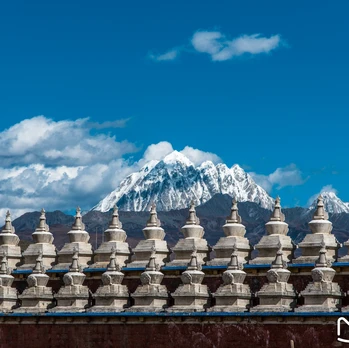
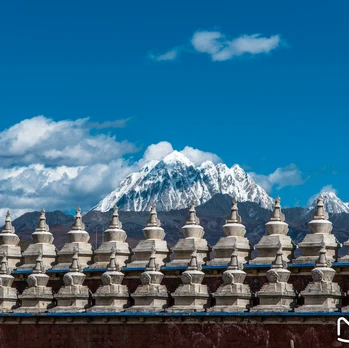
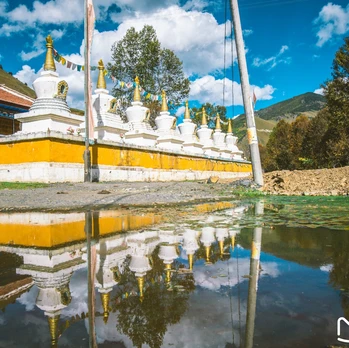
From halfway up the hill, looking down, the valley reveals its secrets: prayer flags fluttering, white stupas gleaming, and the distant snow peaks of Gongga catching the first rays of dawn.
[Link: Photography tips for golden hour in Western Sichuan]
Yading Nature Reserve: The Soul of the Western Sichuan Plateau
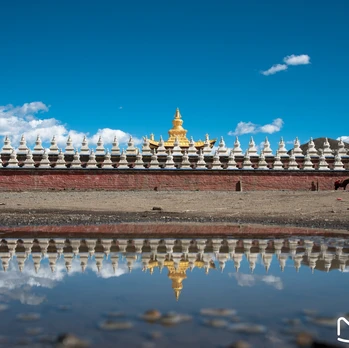
Yading is the crown jewel of any Western Sichuan travel guide. Located in Daocheng County, this nature reserve protects three sacred peaks: Xiannairi, Yangmaiyong, and Xianuoduoji. Tibetan Buddhists believe these mountains are the incarnations of bodhisattvas.
The Long Trail: Milk Lake and Five-Color Lake
The long trail from Luorong Pasture to Milk Lake and Five-Color Lake is a full-day commitment. At 4,700 meters, every step feels like moving through honey. But the reward—turquoise glacial lakes reflecting snow peaks—is worth every gasp.
Tips for the long trail: - Start before 7 AM to avoid afternoon winds - Carry at least 2 liters of water - Pack energy gels and chocolate for quick fuel - Rent a horse if you're not confident in your fitness
The Short Trail: Pearl Lake
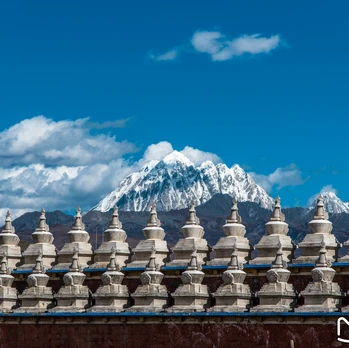
Pearl Lake is more accessible, making it perfect for those with limited time or struggling with altitude. The trail winds through alpine forests and offers spectacular views of Xiannairi Peak.
Frequently Asked Questions About the Western Sichuan Plateau
Q1: When is the best time to visit the Western Sichuan Plateau?
The best time is October to November for autumn colors, or May to June for spring wildflowers. July and August are rainy seasons with frequent road closures. Winter (December–March) offers clear skies but temperatures drop to -20°C at night.
Q2: How do I prevent altitude sickness on the Western Sichuan Plateau?
Ascend gradually—don't fly directly to Daocheng (4,000m). Spend a night in Kangding (2,600m) or Xinduqiao (3,300m) first. Stay hydrated, avoid alcohol, and consider taking acetazolamide (Diamox) after consulting your doctor. Our medicine kit includes inosine tablets to boost blood oxygen capacity.
Q3: Is the Western Sichuan Plateau safe for solo female travelers?
Yes, with precautions. The Tibetan communities are generally welcoming and safe. However, avoid hiking alone on remote trails, carry a personal alarm, and share your itinerary with someone back home. Guesthouses like "Waiting for the Maple" in Yingguan Village are particularly solo-friendly.
Q4: Do I need a special permit to visit the Western Sichuan Plateau?
Foreign nationals need a Tibet Travel Permit to enter certain areas of Garze Prefecture. Chinese citizens only need their ID. Check the latest regulations before booking, as policies change frequently.
Q5: What's the budget for an 11-day Western Sichuan trip?
Expect to spend 3,000–5,000 RMB (excluding flights to/from Chengdu). Major costs include: - Car rental/private driver: 1,500–2,500 RMB - Accommodation: 150–400 RMB/night - Yading entrance fee: 270 RMB - Food: 50–100 RMB/day
[Link: Budget travel tips for Sichuan]
Conclusion: Your Western Sichuan Plateau Journey Awaits
The Western Sichuan Plateau isn't just a destination—it's a transformation. Standing at 4,700 meters, watching the sun paint Gongga Mountain in gold, you'll understand why this land has inspired pilgrims for centuries.
Whether you're a photographer chasing the perfect light, a spiritual seeker drawn to sacred peaks, or an adventurer craving thin air and endless highways, Western Sichuan delivers something you can't find anywhere else.
Ready to plan your Western Sichuan Plateau adventure? Start by booking your flight to Chengdu, pack those layers, and prepare for a journey that will rewrite your understanding of beauty. The plateau is waiting—and it doesn't care about your plans. That's the whole point.
Have you traveled the Western Sichuan Plateau? Share your experience in the comments below, or contact us for personalized itinerary planning.
You may also like


