The Unconventional Chengdu Summer: Your Ultimate 2.0 Guide to the City of Ease
Meta Description: Discover Chengdu beyond the pandas and hotpot with our 2.0 guide. Explore Jinsha Site Museum, hidden coffee shops, and local dining secrets for an authentic Sichuan summer experience.
There’s a peculiar magic about Chengdu that keeps pulling me back, year after year. What started as a casual travel curiosity has somehow morphed into an unspoken life goal: visit this "Land of Abundance" annually, like clockwork. And honestly? I’m not complaining.
Chengdu is that rare breed of city where ancient whispers and modern hums coexist in perfect harmony. It’s a place where you can sip a meticulously crafted pour-over coffee in the morning, then find yourself lost in a 3,000-year-old archaeological wonder by afternoon. The city doesn’t demand your attention — it gently invites you to slow down, breathe, and simply be.
This time around, I decided to ditch the typical tourist checklist (well, mostly) and embrace what I call the "Unconventional Chengdu Experience." No rigid itineraries, no FOMO-driven sprints between attractions. Instead, I let curiosity be my compass, and what unfolded was a 9-day journey of rediscovery — part cultural immersion, part culinary pilgrimage, and wholly heartwarming reunion with friends old and new.
Rediscovering Ancient Echoes at Jinsha Site Museum: A Chengdu Archaeological Wonder
Stepping Into a Living Archaeological Dig
Let me be honest: the first time I visited Sanxingdui Museum years ago, I was utterly floored. The sheer otherworldliness of those bronze masks, the mysterious aura of a civilization that seemed to have materialized from another dimension — it left an indelible mark. So when planning this trip, Jinsha Site Museum was non-negotiable. I needed to complete the puzzle of ancient Shu culture.

Quick Facts for Your Visit: - Ticket: 70 RMB (discounts available online) - Hours: 09:00–18:00 daily (last entry at 17:00) - Closed: Mondays (except public holidays) - Pro tip: Rent an audio guide for 20 RMB — trust me, it's worth every yuan
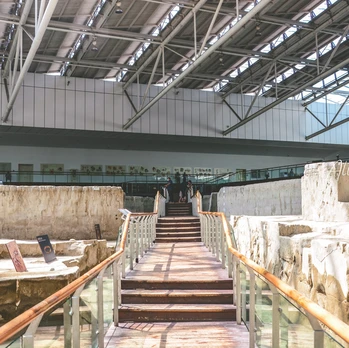
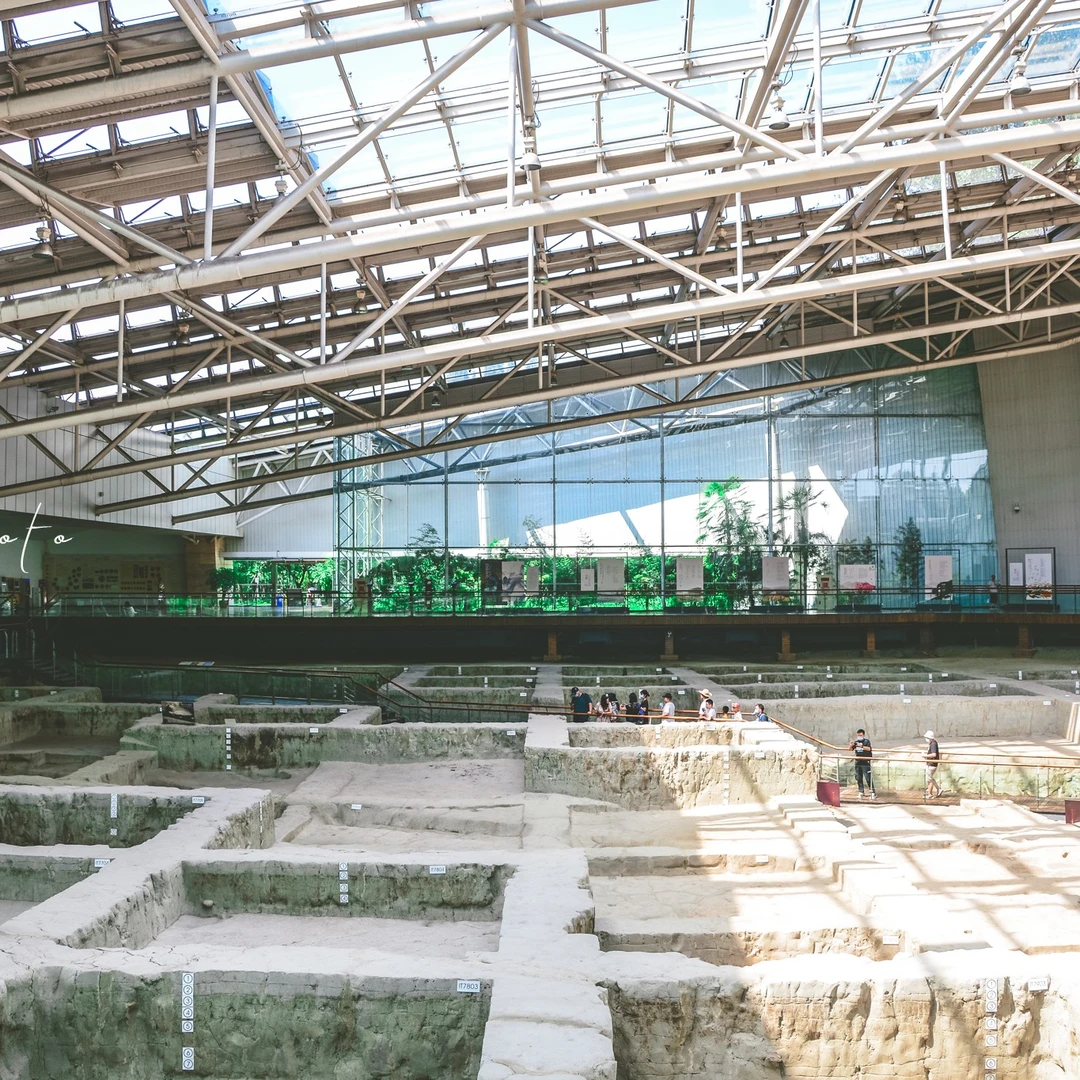
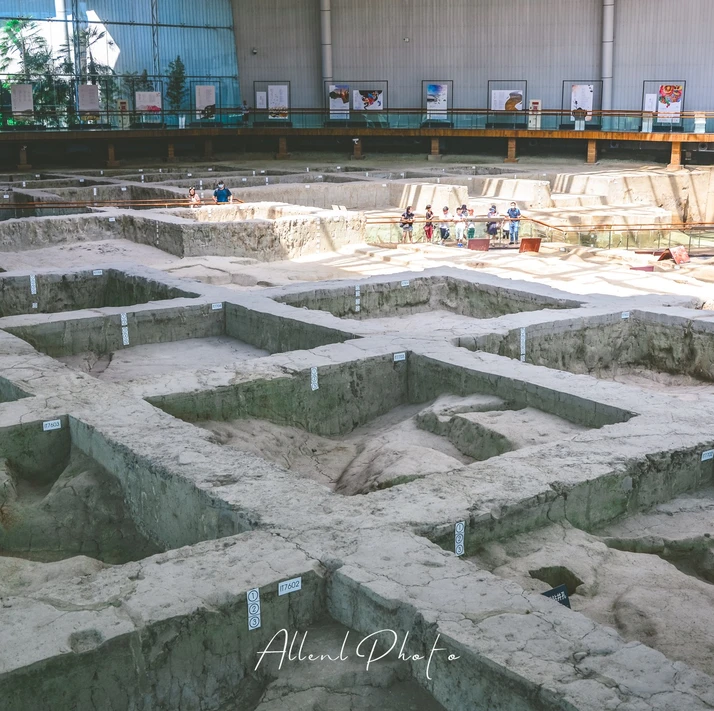
What struck me immediately upon entering the Excavation Hall was how alive it felt. This isn’t your typical museum where artifacts sit behind glass, politely waiting to be admired. No, here you’re standing right on top of an active archaeological site — the very spot where, in February 2001, workers stumbled upon what would become one of China’s most significant discoveries of the new millennium.
Walking along the elevated platforms, I could see the remains of ancient sacrificial pits, layers of history compressed into the earth like pages of a forgotten book. Ivory tusks, jade artifacts, bronze vessels — all still embedded in the soil, telling stories that span three millennia. The massive banyan tree root system preserved under transparent flooring was particularly haunting; you could almost feel the ancient shade it once provided.
The Exhibition Hall: Where History Meets Art
The Exhibition Hall, with its striking dome ceiling adorned with the iconic Sun Bird motif, houses five galleries that weave together the tapestry of ancient Shu civilization. The progression is thoughtful — from "Ancient Homeland" to "Kingdom Silhouette," "Eternal Echoes," "Millennium Treasures," and finally "Decoding Jinsha."
One moment stopped me cold: a bronze standing figurine, bathed in dramatic lighting against a massive projection screen. The figure is small — almost unassuming in its display case — but the way the light played across its form created an almost religious atmosphere. You could feel the weight of ritual, the presence of something sacred. It reminded me of the bronze figures at Sanxingdui, but somehow more intimate, less intimidating.
Don't Miss: The 4D theater screening of "Dream Back to Jinsha" (20 RMB, about 15 minutes). It’s a bit cheesy, sure, but it does a fantastic job of bringing the ancient world to life.
The Crown Jewels: Sun Bird and the Golden Masks
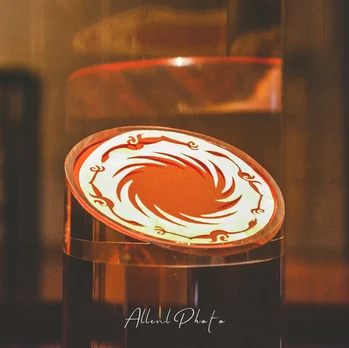
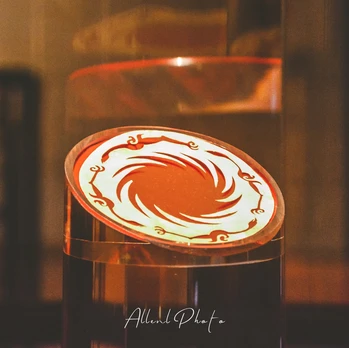
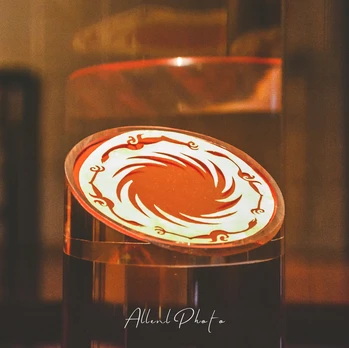
The fourth gallery, "Millennium Treasures," is where Jinsha flexes its muscle. Here, behind carefully controlled humidity and lighting, sits the museum’s absolute masterpiece: the Sun Bird Gold Ornament. This impossibly thin piece of gold foil — just 0.2 millimeters thick — features four flying birds encircling a sun with twelve rays. The craftsmanship is so exquisite, so precise, that it’s hard to believe it was created during the late Shang dynasty (circa 1100 BC).
Today, this very design serves as China’s official cultural heritage emblem. Seeing it in person, you understand why.
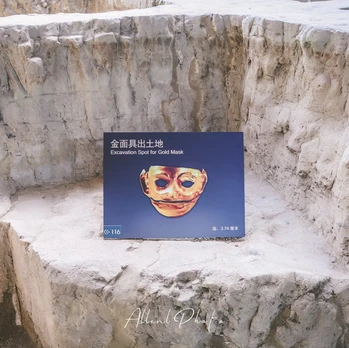
The bronze gold masks are equally mesmerizing. Though smaller than their Sanxingdui counterparts, they carry the same enigmatic energy — those elongated eyes, the angular features that seem to belong to a different world entirely. Scholars believe these masks were used by shamans for ritual communication with deities, and standing before them, you can almost hear the ancient chants.
Beyond the Exhibits: The Gardens and Wumu Forest
Before leaving, make time for the museum’s expansive gardens. The Wumu Forest (ancient petrified wood forest) near the exit is particularly striking — a collection of ancient petrified wood pieces, twisted into surreal shapes by thousands of years of natural processes. Each piece is a sculpture in its own right, a testament to time’s patient artistry.
[Link: Best time to visit Chengdu museums to avoid crowds]
A Decade Later: Reunions and Revelations in Chengdu
Dinner at Mingting Xiaoguan: A Chengdu Culinary Pilgrimage
Lyla and I hadn’t seen each other in ten years. Ten. Years. We were college classmates, bonded over student council duties and shared adventures, then life happened — graduations, careers, moves — and we lost touch. When I told her I was coming to Chengdu, her response was immediate: "We're having dinner. No excuses."
She worried that my years in Guangdong had softened my palate. "Should we do Cantonese?" she asked. I laughed. "No. I want Sichuan food. Just... maybe not too spicy?"
Ah, the eternal dilemma: how do you ask for Sichuan food that’s "not too spicy" without offending the culinary gods?
Mingting Xiaoguan (Mingting Small Bistro) near Taikoo Li turned out to be the perfect compromise. This is the younger, more polished sibling of Chengdu’s legendary "most awesome hole-in-the-wall" restaurant, Mingting. The ambiance is bright and lively, with occasional guzheng (Chinese zither) performances adding to the festive atmosphere.
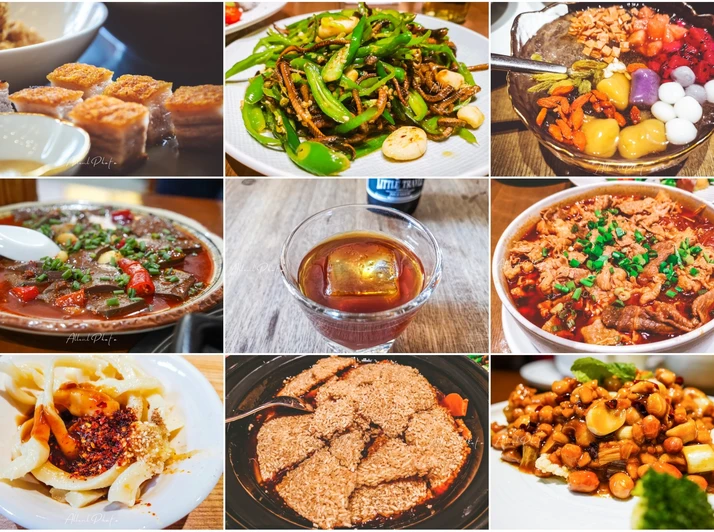
Standout Dishes: - Green Pepper Eel Shreds: A revelation. The eel is crispy yet tender, and the twin varieties of green peppers pack a deceptive punch. You’ll be crying — from both joy and capsaicin — but you won’t stop eating. - Guoba Meat Slices (Crispy Rice Crust with Sliced Pork): You get to smash through a thick layer of crispy rice crust before diving into the savory broth underneath. It’s interactive eating at its finest.
We ordered conservatively — water-boiled beef, nothing too aggressive — but still found ourselves reaching for the iced dessert soup (bingfen, a Sichuan-style jelly drink) halfway through. Old habits die hard, but apparently so does Sichuan’s heat.
[Link: Best Sichuan restaurants in Taikoo Li area]
INVISI Coffee Shop: Where Friendships Brew in Chengdu’s Hidden Coffee Scene
After dinner, Lyla dragged me to her favorite hidden gem — INVISI Coffee Shop, tucked away in a quiet lane near Taikoo Li. The space is small, almost claustrophobic, with an industrial-chic aesthetic that screams "serious coffee." And serious it is: the owner is a national champion in pour-over brewing.
We spent hours there, catching up on a decade’s worth of stories. Old gossip, career twists, relationship dramas — nothing was off-limits. What struck me most was how familiar it all felt, despite the years apart. Lyla’s laugh was the same, her habit of gesturing wildly when excited unchanged.
"I never thought I’d end up here," she said, stirring her latte. "Ten years ago, I was sure I’d be in Beijing, climbing the corporate ladder."
"And now?"
"Now? I’m happy. That’s all that matters."
She insisted I try the financier — a small almond cake cookie that she swore was divine. One bite and I nearly choked. It was aggressively sweet, the kind of sweetness that makes your teeth ache. Lyla polished off two without flinching, laughing at my pained expression.
[Link: Chengdu specialty coffee shops guide]
Unconventional Chengdu Summer: A 9-Day Itinerary Without the FOMO
If you’re planning a Chengdu summer trip, here’s how to embrace the "City of Ease" without the tourist checklist anxiety:
Day 1-2: Settle In and Explore Taikoo Li
 - Morning: Stroll through Taikoo Li’s blend of ancient architecture and luxury boutiques. - Afternoon: Visit the Daci Temple for a moment of quiet reflection. - Evening: Dinner at Mingting Xiaoguan, then coffee at INVISI.
Day 3-4: Dive into Ancient Shu Culture
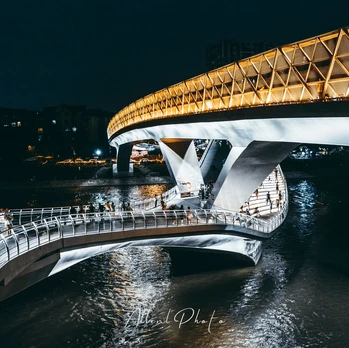 - Day 3: Full day at Jinsha Site Museum (arrive early to beat crowds). - Day 4: Optional day trip to Sanxingdui Museum for the full ancient Shu experience.
Day 5-6: Culinary Pilgrimage
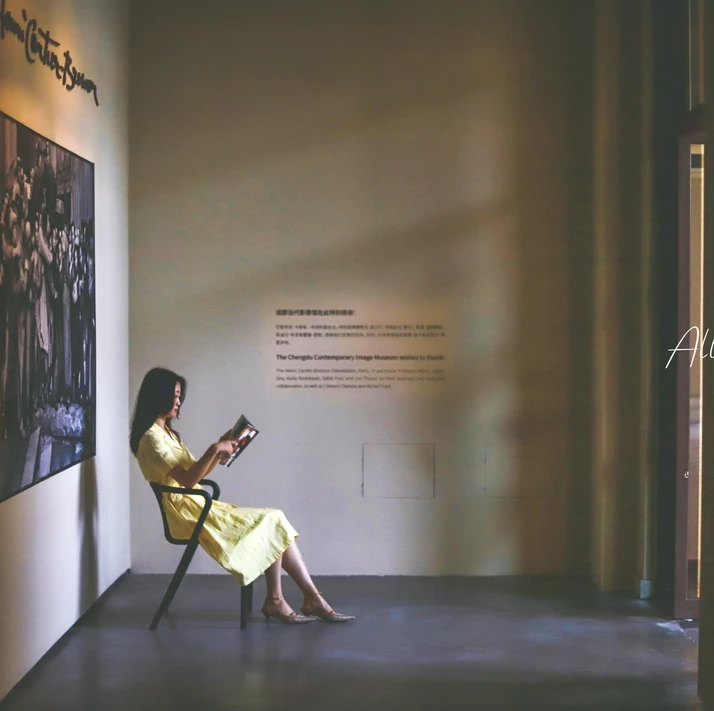 - Day 5: Street food crawl in Jinli Ancient Street (try dan dan noodles and spicy rabbit head). - Day 6: Cooking class to learn authentic Sichuan dishes (ask for a "mild" version).
Day 7-8: Nature and Tea
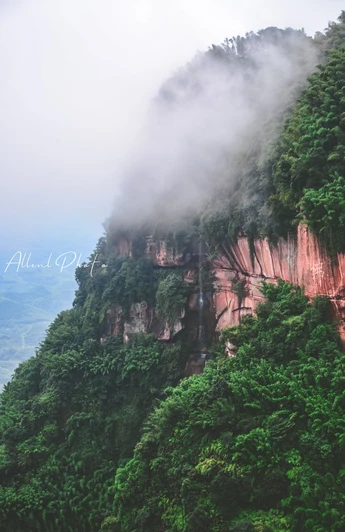
 - Day 7: Visit the Giant Panda Breeding Research Base (arrive before 9 AM for active pandas). - Day 8: Afternoon tea at a traditional teahouse in People’s Park — people-watching at its finest.
Day 9: Farewell
- Morning: Last-minute shopping at Chunxi Road.
- Afternoon: Head to the airport or train station, already planning your return.
[Link: Chengdu 7-day itinerary for first-time visitors]
FAQ: Everything You Need to Know About an Unconventional Chengdu Summer
1. When is the best time to visit Chengdu for summer travel?
 The best time is late May to early June or September, when temperatures are milder (25-30°C). July and August can be hot and humid, but the city’s tea culture and air-conditioned museums make it bearable. Avoid Chinese public holidays like Labor Day (May 1-5) for fewer crowds.
2. How many days do I need in Chengdu to experience it unconventionally?
 Seven to nine days is ideal. This gives you time to explore major sites like Jinsha Site Museum and the Panda Base, plus hidden gems like INVISI Coffee Shop and Mingting Xiaoguan. Rushing through in 3-4 days defeats the "City of Ease" philosophy.
3. Is Jinsha Site Museum worth visiting compared to Sanxingdui?
 Absolutely. While Sanxingdui is more famous, Jinsha offers a more intimate, immersive experience. You can stand directly above an active archaeological dig, and the Sun Bird Gold Ornament is a national treasure. If you have time, visit both — they complement each other perfectly.
4. How do I handle Sichuan food if I have a low spice tolerance?
 Start with dishes like water-boiled beef (shuizhu niurou) or kung pao chicken — they’re spicy but not overwhelming. Ask for "wei la" (mild spicy) when ordering. Keep iced bingfen or a glass of soy milk nearby to cool down. Avoid "ma la" (numbing spicy) dishes until you’ve built up tolerance.
5. What are the best hidden gems in Chengdu for solo travelers?
- INVISI Coffee Shop: Perfect for solo coffee sessions and meeting locals.
- Jinsha Site Museum’s Wumu Forest: A peaceful spot for reflection.
- People’s Park Teahouse: Join a group of locals playing mahjong or just read a book.
- Mingting Xiaoguan: The lively atmosphere makes solo dining feel like a party.
Your Unconventional Chengdu Summer Awaits
Chengdu isn’t a city you conquer — it’s a city you let wash over you. Whether you’re standing before the Sun Bird Gold Ornament at Jinsha, sipping a champion-brewed pour-over at INVISI, or laughing with an old friend over green pepper eel shreds, the magic lies in the moments you didn’t plan.
So ditch the rigid itinerary. Let curiosity be your compass. And remember: in Chengdu, the best experiences are the ones you stumble into.
Ready to plan your own unconventional Chengdu summer? [Book your Jinsha Site Museum tickets online] and start crafting an itinerary that’s as unique as you are. The City of Ease is waiting — all you have to do is slow down and say yes.
[Link: Chengdu travel planning resources and tips]


