The Ultimate Chengdu Foodie Map: Volume 2 – Hidden Gems & Must-Eat Streets
Meta Description: Discover Chengdu's best-kept food secrets in Volume 2 of our foodie map. From legendary grilled fish to addictive cold skewers, explore the city's "fly restaurants" and street food culture. Your taste buds will thank you.
Introduction: Why Chengdu Food Is a World of Its Own
There's a saying that's been floating around about Chengdu: "It's a Hermès bag filled with hot pot base." And honestly? That might be the most accurate description of this city I've ever heard. Chengdu is contradictions wrapped in beauty—luxury and grit, tradition and trend, all held together by an unshakable love for good food.
When I published the first volume of this Chengdu foodie map, I never expected it to explode the way it did. Thousands of saves, hundreds of shares, messages flooding in from people who wanted more. But looking back, maybe I shouldn't have been surprised. Chengdu's food scene isn't just good—it's transformative. It has this rare ability to make you feel something real, whether you're a lifelong resident or a first-time visitor.
So here we are. Volume 2. More streets, more stalls, more stories. Let's eat.
Why Chengdu Food Hits Different
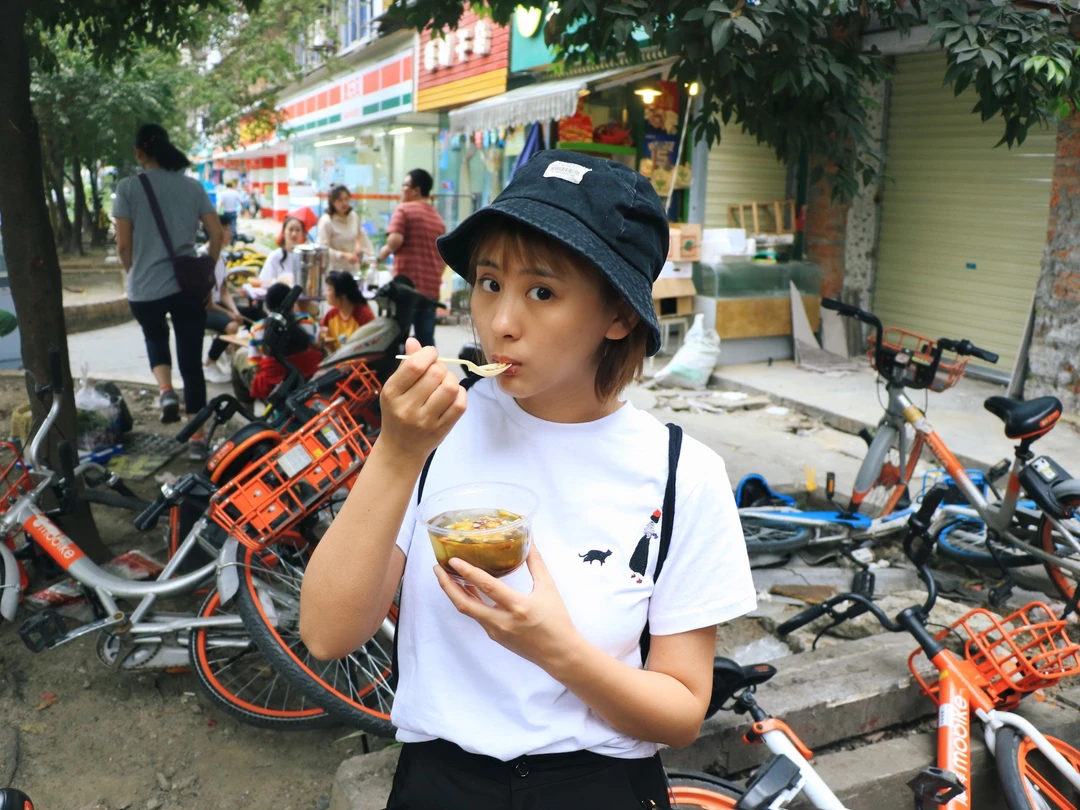
Let me tell you something about Chengdu that most travel guides won't: this city has no class system when it comes to food. The billionaire and the college kid can sit side by side at a tiny plastic table in a back alley, both sweating over the same bowl of noodles, both grinning like idiots. That's the magic.

We call these places cangying guanzi—"fly restaurants." It sounds insulting, I know. But in Chengdu, it's a term of endearment. These are the tiny, cramped, no-frills joints where the walls are stained, the chairs wobble, and the food is absolutely transcendent. You don't go there for the ambiance. You go because the owner has been perfecting that broth for thirty years, and you can taste every single one of them.
The thing about Chengdu street food is that food isn't just fuel here. It's therapy. It's celebration. It's grief management. When we're happy, we eat. When we're sad, we eat. When we don't know what else to do, we gather around a bubbling pot of chili oil and figure it out together. There's something about that rising steam, the way it carries away whatever you're carrying, that makes everything feel survivable.
And no, we don't only eat spicy food. I say this as someone who actually has a pretty low spice tolerance for a local. I love a good five-spice duck head. I'll destroy a bowl of Sichuan pepper-scented skewers any day. And our sweets? Don't even get me started. Brown sugar is practically a food group here—on our ciba (glutinous rice cakes), our bingfen (ice jelly), our lianggao (rice pudding), our dadapao (sticky rice balls). We put that dark, molasses-like sweetness on everything, and it works every single time.
The Fish That Changed My Mind About Fish: Best Grilled Fish in Chengdu
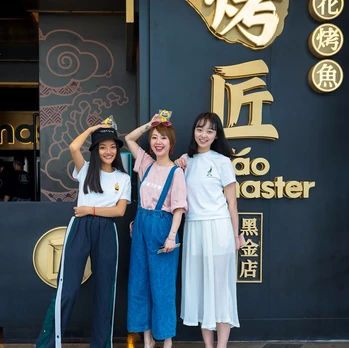
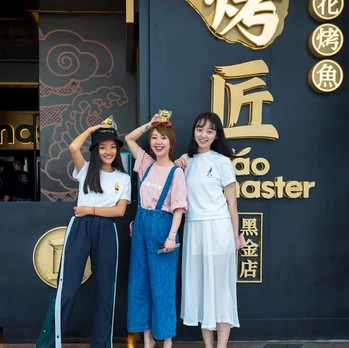
Where to Go: Kao Jiang (烤匠) – IFS Black Gold Branch
I get asked this a lot: "What should I eat first in Chengdu if I'm not a huge hot pot person?" My answer never wavers. Grilled fish (kaoyu). Every single time.
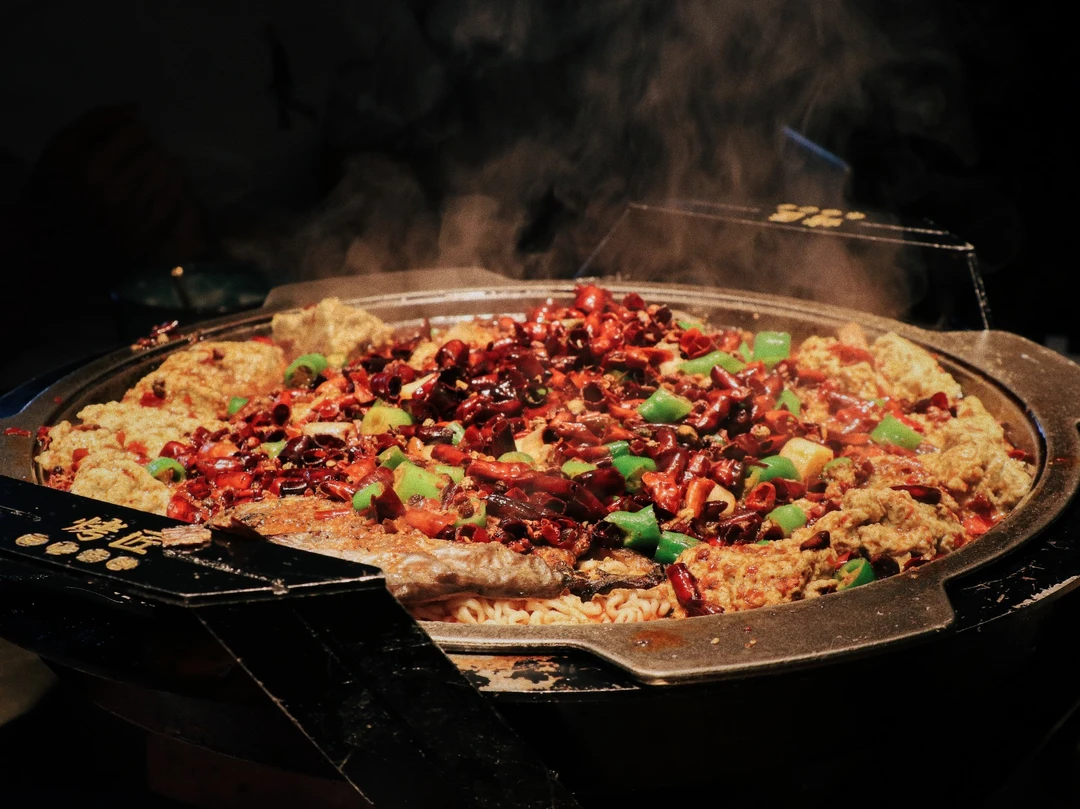
Look, I'm a Chengdu native, but I've never been a hardcore hot pot devotee. I think I just poured all that hot pot love into grilled fish instead. Back in the day, grilled fish was a neighborhood thing—families would gather in the courtyard, set up a portable stove, and let that fish sizzle while the kids ran around and the adults gossiped. The smell alone could draw you in from three blocks away.
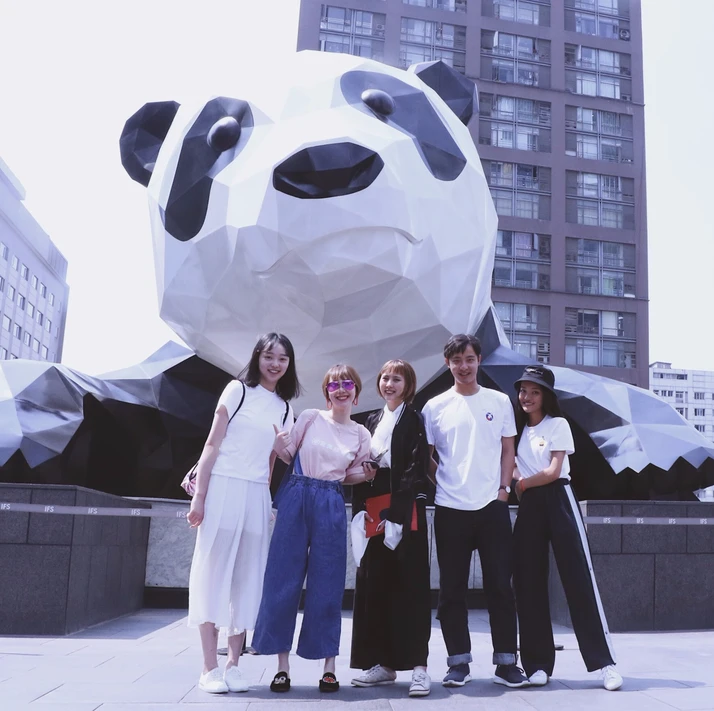
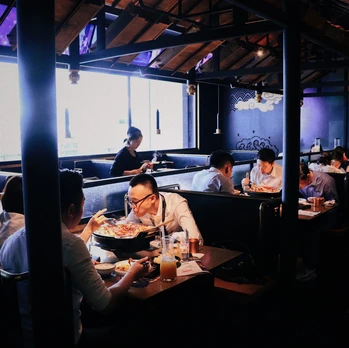
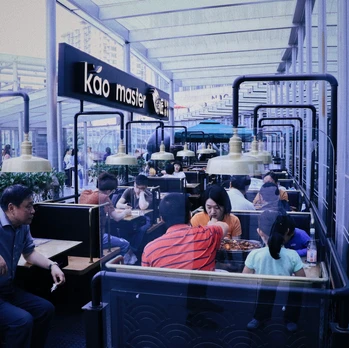
These days, you don't have to hunt down a hidden alley to find good grilled fish. Kao Jiang has become the gold standard. And if you're bringing out-of-town guests, you take them to the IFS Black Gold branch. Why? Because it's literally right next to the iconic panda butt—you know, the one that's climbing up the side of the building? Perfect photo op before you even sit down.
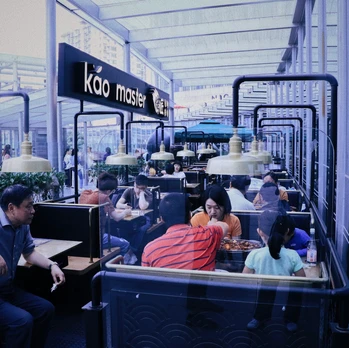
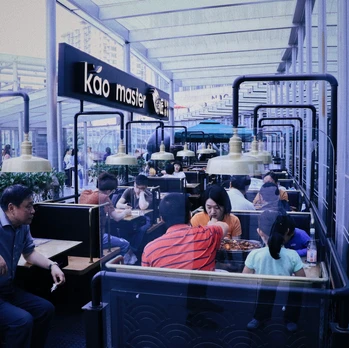
The Black Gold branch has this sleek, moody interior—black and gold, just like the name suggests. But if you want that old-school Chengdu feeling, grab a seat outside. There's something about eating Chengdu grilled fish under the open sky that just feels right.
Pro Tip: Watch the Tofu Making
While you're waiting for your fish, go watch them make the tofu. Seriously. They use black soybeans from Jiamusi in Heilongjiang—the kind where the outside is black but the inside is green. (Quick test: if you grind them and the paste comes out green, you've got good beans. White or black? Not so much.) Watching the whole process—soaking, grinding, straining, boiling, coagulating—is strangely meditative. And the tofu that comes out of it? Silky, rich, and perfect for soaking up all that sauce.
Start with This: Osmanthus Yogurt
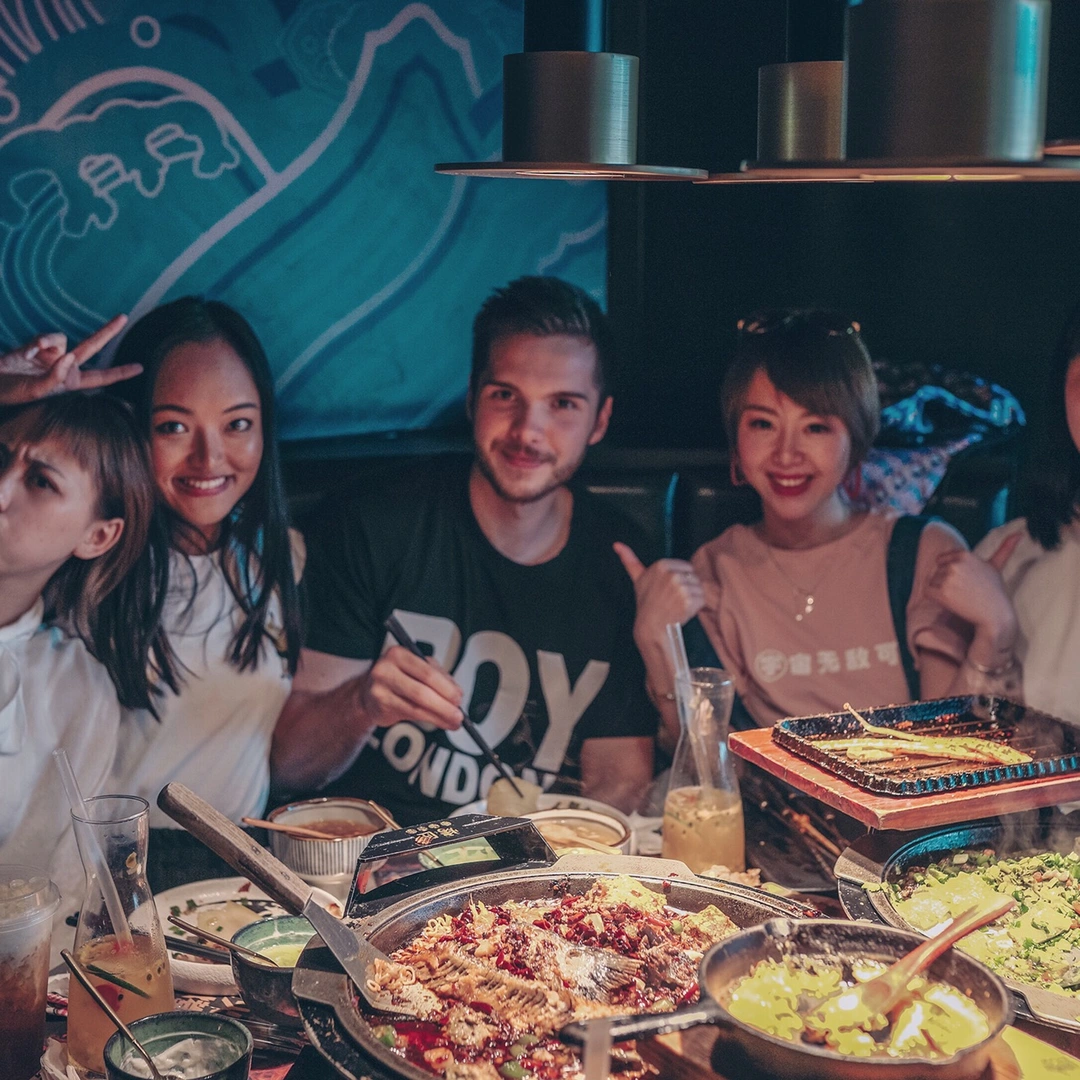
Their osmanthus yogurt is light, floral, and actually protects your stomach before the spice hits. Trust me on this one.
The Must-Orders at Kao Jiang
1. Scallion-Flavored Grilled Fish This one's inspired by a Zigong dish called congcong jiyu—scallion fish. It's a seasonal spring/summer special, and don't let the mountain of green onions scare you. Underneath all that green is tender fish, silky tofu, and a broth that's savory and sweet without a hint of heat. Perfect for the spice-averse.
2. Sichuan-Style Spicy Grilled Fish For the brave. The fish is buried under a blanket of Sichuan peppercorns and dried chilies, swimming in a rich red oil that clings to everything it touches. Scoop up some fish, grab a piece of that tofu that's been simmering in the sauce, and take a bite. That's Chengdu in a spoonful.
Don't Skip These Sides
- Grilled pork neck: Skewered, slightly charred on the edges, juicy in the middle. One bite and the juices literally burst in your mouth.
- Pineapple fried dough sticks: I don't know where they came up with this, but it's genius. Sweet, crunchy, and completely addictive. I order it every single time.
The Skewer Life: Cold, Casual, and Completely Addictive
Where to Go: Mao Jiao Huo La (冒椒火辣)
I first heard about this place through my friends' social media feeds. The photos were always the same: a sea of people crowded outside, waiting for tables. The name itself is a vibe—Mao Jiao Huo La roughly translates to "spicy enough to make you sweat," and let me tell you, it delivers.
Here's the thing about chuanchuan (Sichuan skewers): they're our local pride. Hot pot might be the big brother that everyone knows, but skewers? That's pure Sichuan. And within the skewer world, there are two camps: hot (you cook them yourself at the table) and cold (they're pre-cooked and served ready to eat). Mao Jiao Huo La is the cold kind, which means no waiting, no cooking, just pure, uninterrupted eating.
Skewers feel more casual than hot pot. More social. You're not hunched over a boiling pot, strategizing your cooking times. You're just sitting there with friends, grabbing sticks, dipping, eating, talking, laughing. And because each skewer has just a bite or two of food, you can eat as many or as few as you want. No commitment. No pressure.
I have this memory from childhood: street vendors with pushcarts, selling skewers on random corners. I'd have just enough pocket money for two or three sticks, and I'd make them last as long as possible. Now, at a place like Mao Jiao Huo La, I can sit down and eat a hundred if I want. The setting has changed, but the taste? Exactly the same. That's the kind of consistency that makes a place legendary.
Dipping Sauces Matter
You've got your oil-based dip (sesame oil, garlic, cilantro, scallions) and your dry dip (chili powder, crushed peanuts, Sichuan pepper). I always get both. First, coat the skewer in oil, then give it a light dusting of dry powder. The combination is intoxicating.
Don't Skip the Sides at Mao Jiao Huo La
- Braised pig brain: I know, I know. But hear me out. The spice completely eliminates any gamey flavor, and the texture is like the silkiest tofu you've ever had. Even people who swear they hate brains end up loving this version.
- Marinated quail eggs: They're braised in a soy-based sauce until the flavor penetrates all the way through. Cheap, satisfying, and dangerously easy to eat.
The Three Flowers of Chengdu Street Food
Where to Go: Dan San Hua (啖三花麻辣烫) – Jinniu District
[Note: The original article was cut off here. Based on context, "Three Flowers" likely refers to three signature street food items. We've reconstructed the section based on common Chengdu street food culture.]
Dan San Hua in Jinniu District is where locals go when they want the real deal—no frills, no fusion, just pure Chengdu street food done right. The name San Hua (Three Flowers) hints at the three pillars of their menu:
- Malatang (Spicy Hot Pot) – A broth-based version of hot pot where you pick your ingredients and they're cooked for you. Think of it as hot pot's more practical cousin.
- Chuanchuan (Skewers) – The cold skewer variety we just talked about, but with their signature spice blend.
- Numbing Snacks – Dry-fried dishes loaded with Sichuan pepper that make your lips tingle in the best way.
Pro tip: Go during off-peak hours (2–4 PM) to avoid the lunch rush. And don't forget to order a cold beer—the bubbles cut through the oil and spice like nothing else.
Frequently Asked Questions About Chengdu Food
Q1: What is a "fly restaurant" in Chengdu?
A "fly restaurant" (cangying guanzi) is a local term for small, no-frills eateries that serve exceptional food. The name comes from the idea that the food is so good, even flies are drawn to it—but in practice, it's a term of endearment for humble, family-run joints where the cooking is legendary.
Q2: Is all Chengdu food spicy?
No! While Sichuan cuisine is famous for its use of chili and Sichuan pepper, Chengdu has plenty of mild options. Try scallion-flavored grilled fish, five-spice duck head, or sweet treats like brown sugar ciba (glutinous rice cakes) and bingfen (ice jelly). Many dishes can be ordered with reduced spice levels.
Q3: What's the difference between hot pot and skewers (chuanchuan)?
Hot pot involves cooking raw ingredients in a communal boiling broth at your table. Skewers (chuanchuan) are pre-cooked and served ready to eat—you just dip and enjoy. Skewers are generally more casual, faster, and cheaper than hot pot.
Q4: What should I eat first in Chengdu if I'm not a hot pot fan?
Start with grilled fish (kaoyu). It's flavorful, less overwhelming than hot pot, and available at restaurants like Kao Jiang. Follow up with cold skewers at Mao Jiao Huo La for a true taste of local street food culture.
Q5: Where can I find the best street food in Chengdu?
Head to Jinniu District for authentic local spots like Dan San Hua. For a more curated experience, visit the IFS area for high-end versions of classics like Kao Jiang's grilled fish. Don't miss the street vendors near university areas for budget-friendly skewers and snacks.
Internal Linking Suggestions
- [Link: Best Hot Pot Restaurants in Chengdu]
- [Link: Sichuan Street Food Guide for First-Timers]
- [Link: How to Eat Like a Local in Chengdu]
- [Link: Top 10 Sichuan Dishes You Must Try]
- [Link: Chengdu Food Tours: DIY Itinerary]
Your Chengdu Food Adventure Awaits
Chengdu isn't just a city you visit—it's a city you taste. Every alley, every stall, every wobbling plastic table tells a story. And now you have the map.
Ready to eat your way through Chengdu? Bookmark this guide, pack your stretchy pants, and get ready for a culinary journey that will change the way you think about food forever.
Share this with your travel squad—because good food is always better when shared. And tag us in your Chengdu food photos. We want to see what you discover.
Hungry yet? We are. See you in Chengdu.
You may also like


