The Tale of Two Cities in Sichuan and Chongqing: A Spontaneous 9-Day Journey
Meta Description: Discover the ultimate 9-day Sichuan and Chongqing itinerary featuring Chengdu, Leshan Giant Buddha, Sanxingdui, Dujiangyan, and Chongqing. A spontaneous travel guide with insider tips for an unforgettable China adventure.
Introduction: When Spontaneity Becomes the Best Travel Plan
One of life's greatest pleasures is when a casual chat among friends suddenly sparks the question: "When are you free to visit Sichuan?" And just like that, plans fall into place, flight tickets are booked, and a trip with absolutely no itinerary begins. No detailed schedules, no checklists of must-see spots—just the carefree mantra of "play it by ear."
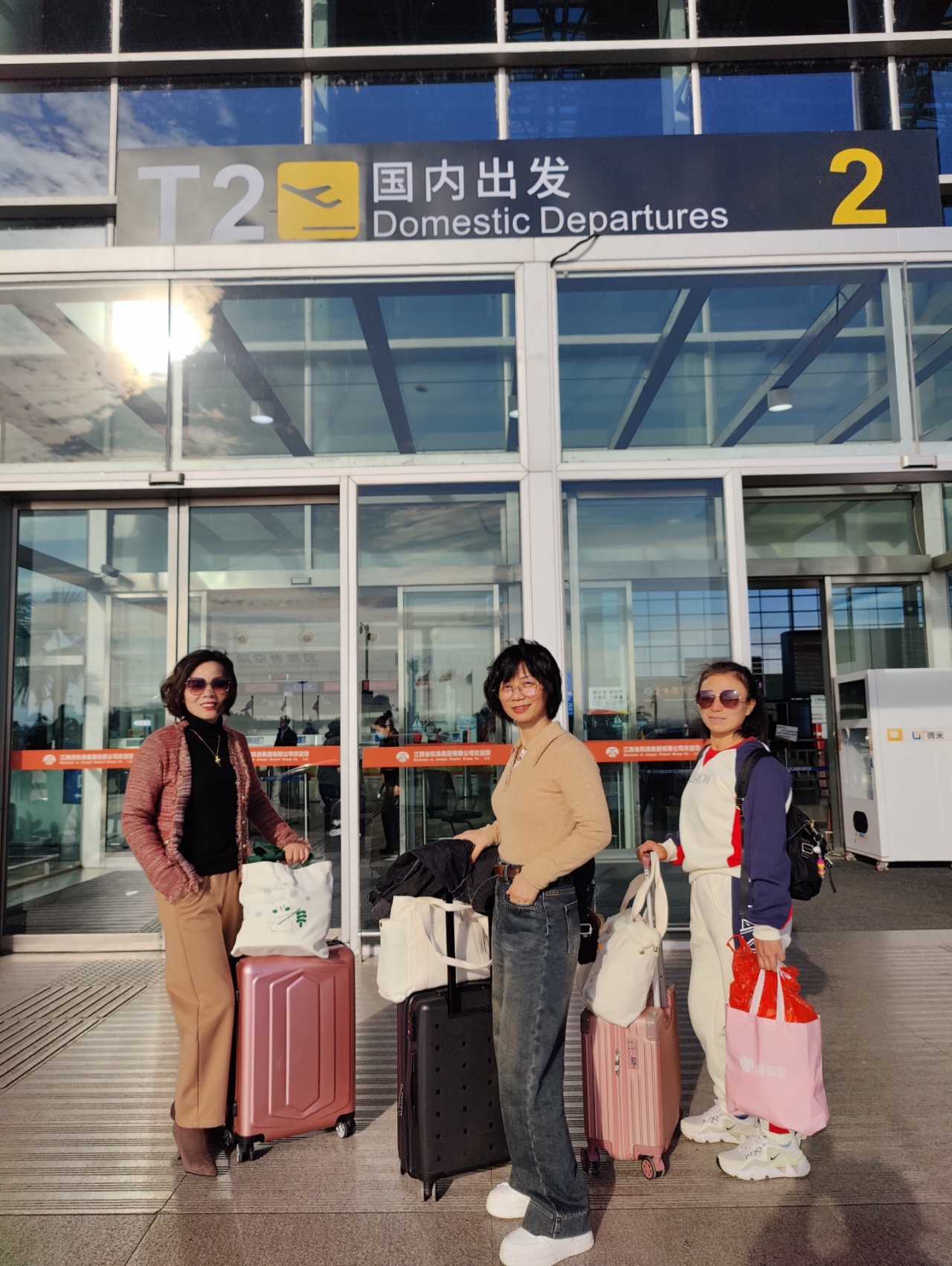
On December 8, 2023, our group of six took off from Nanchang Changbei Airport, embarking on a 9-day spontaneous adventure spanning Chengdu and Chongqing. This Sichuan Chongqing travel guide captures the essence of exploring two of China's most vibrant cities without rigid planning—proving that sometimes, the best journeys are the ones you never expected to take.
Whether you're searching for a Chengdu itinerary, a Chongqing travel guide, or a complete Sichuan travel blog, this article delivers practical tips, hidden gems, and honest reflections from a real 9-day road trip.
Day 1: Landing in Tianfu, First Encounter with Chengdu
December 8 — We left home at 1:30 PM, catching the 4:35 PM flight from Changbei Airport to Chengdu Tianfu T2. Touching down at 6:55 PM, a friend was already waiting at the airport with a car, whisking us straight to our homestay.
Under the night sky, Chengdu's lights were soft and welcoming, the air thick with the aroma of hotpot, as if whispering: "Welcome to a city you'll never want to leave."
After dropping off our luggage, we wandered aimlessly near the homestay, soaking in Chengdu's slow pace. Without a plan, that first evening was full of delightful surprises—street-side noodle shops, lively night markets, and clusters of people sipping tea and chatting. Everything felt effortlessly free.
Pro Tip: If you're looking for things to do in Chengdu at night, skip the tourist traps and explore local neighborhoods. The real magic happens on unplanned corners.
Day 2: Wuhou Shrine's Ginkgo Trees and the Jianchuan Museum's Reflection
Wuhou Shrine: Echoes of the Three Kingdoms and Golden Ginkgo
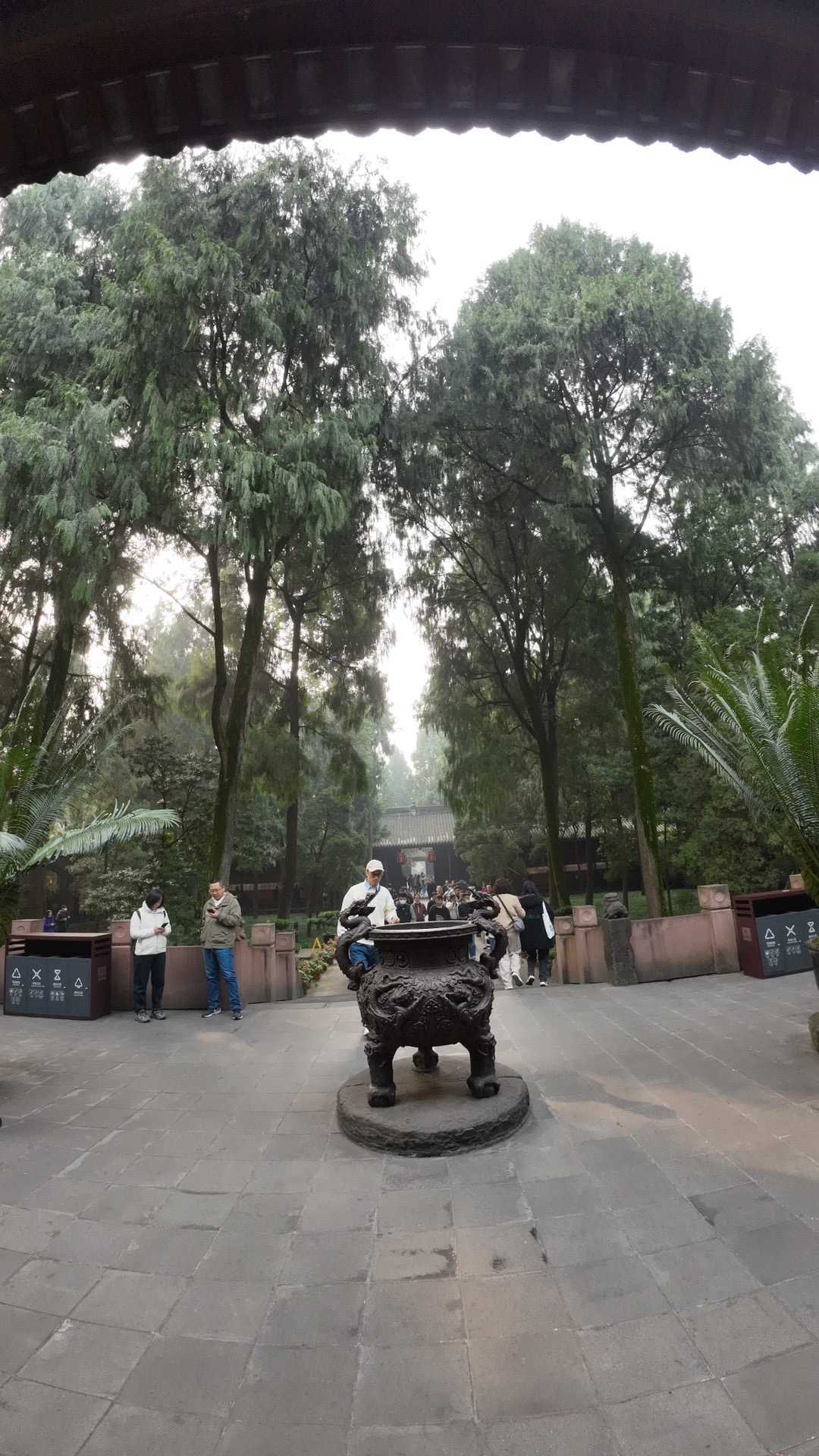
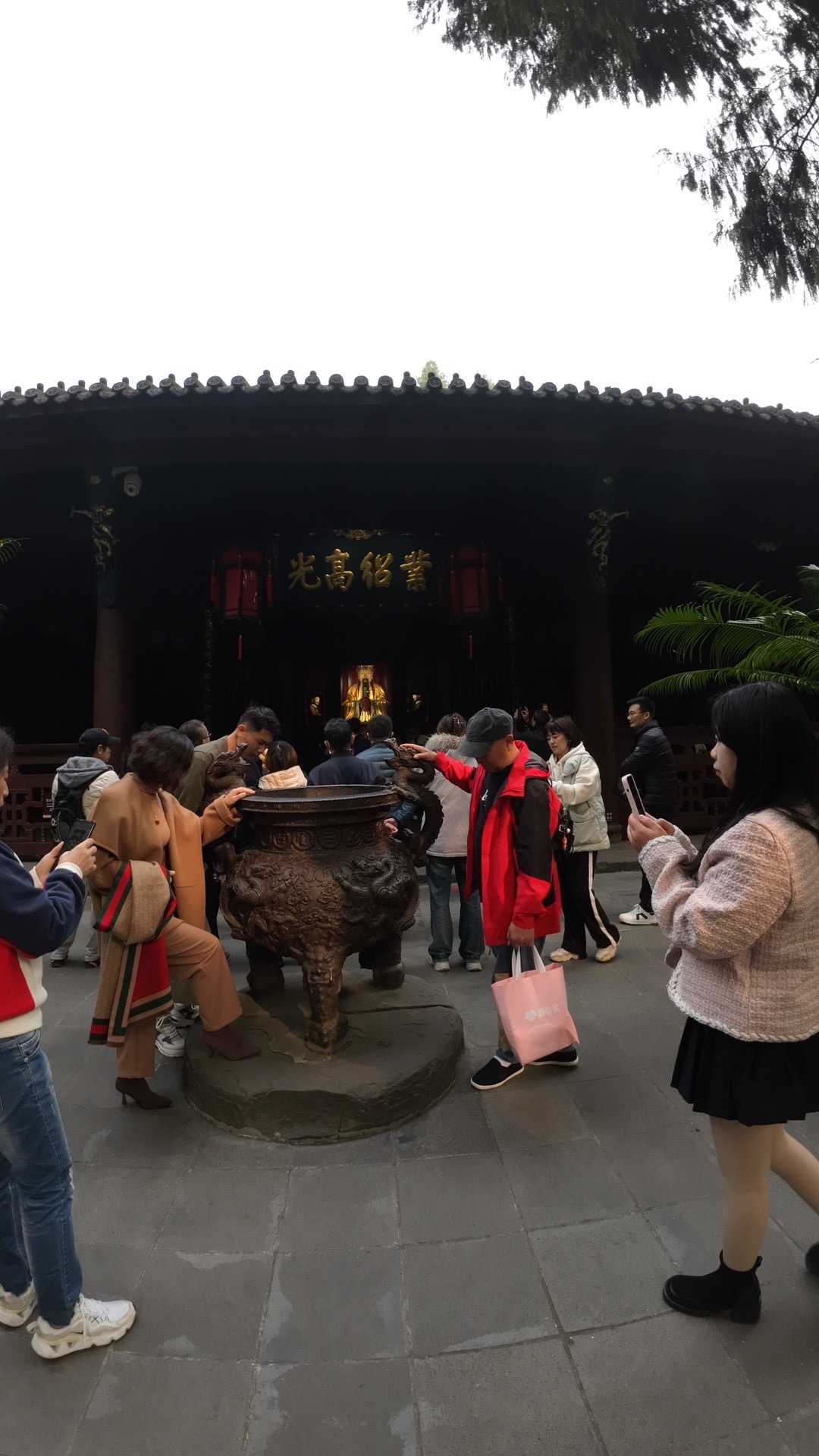
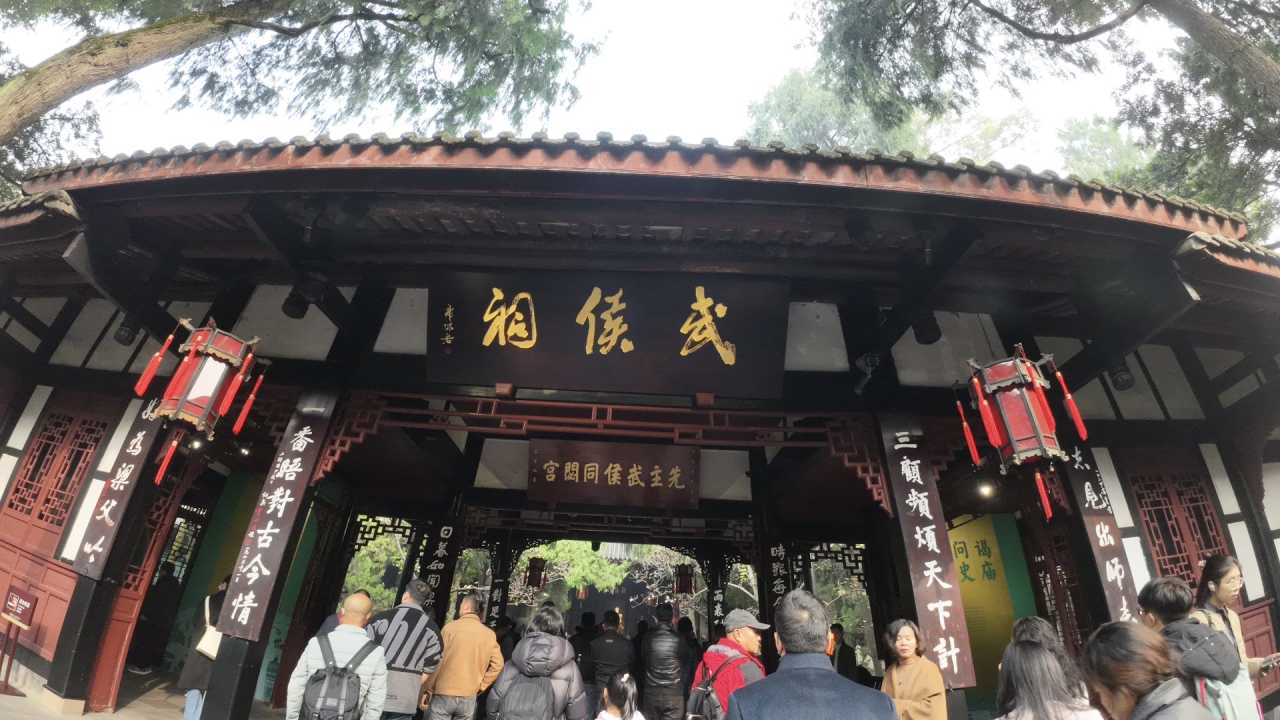
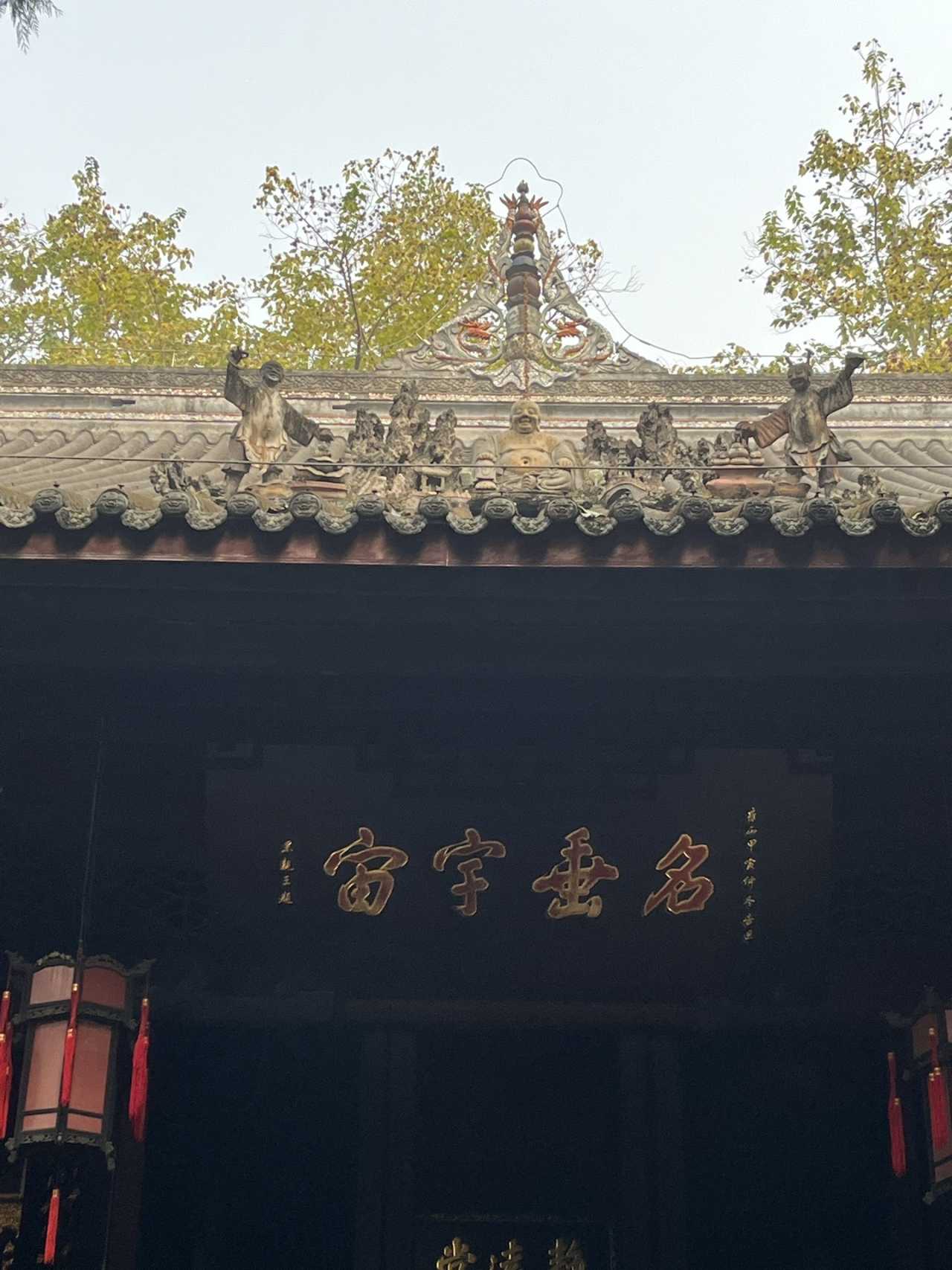
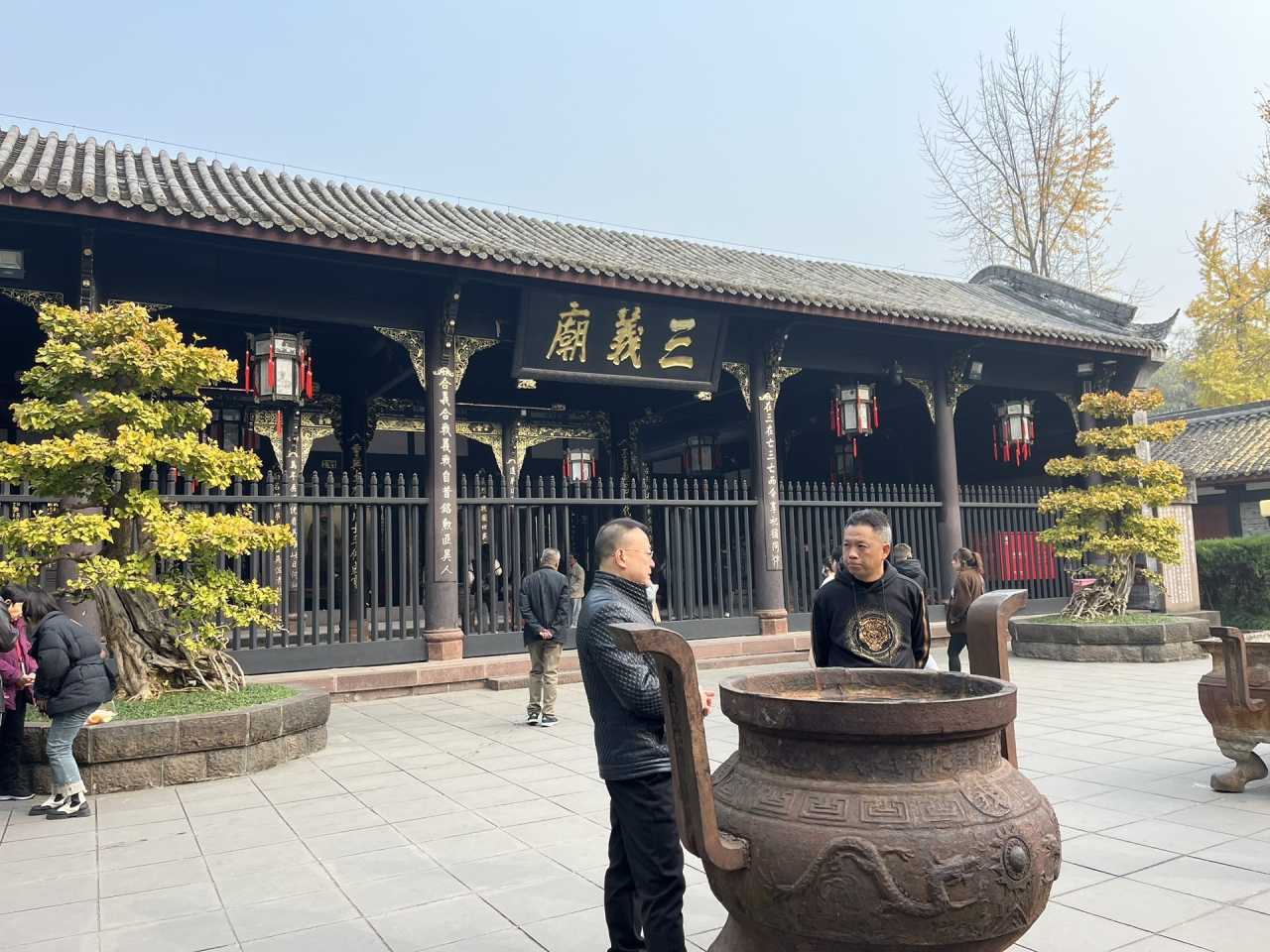
December 9 — Our first stop was Wuhou Shrine (Wuhou Ci), a temple originally built in 221 AD to honor Zhuge Liang, now a cultural landmark of Chengdu. Stepping inside, the atmosphere was tranquil and the air crisp.
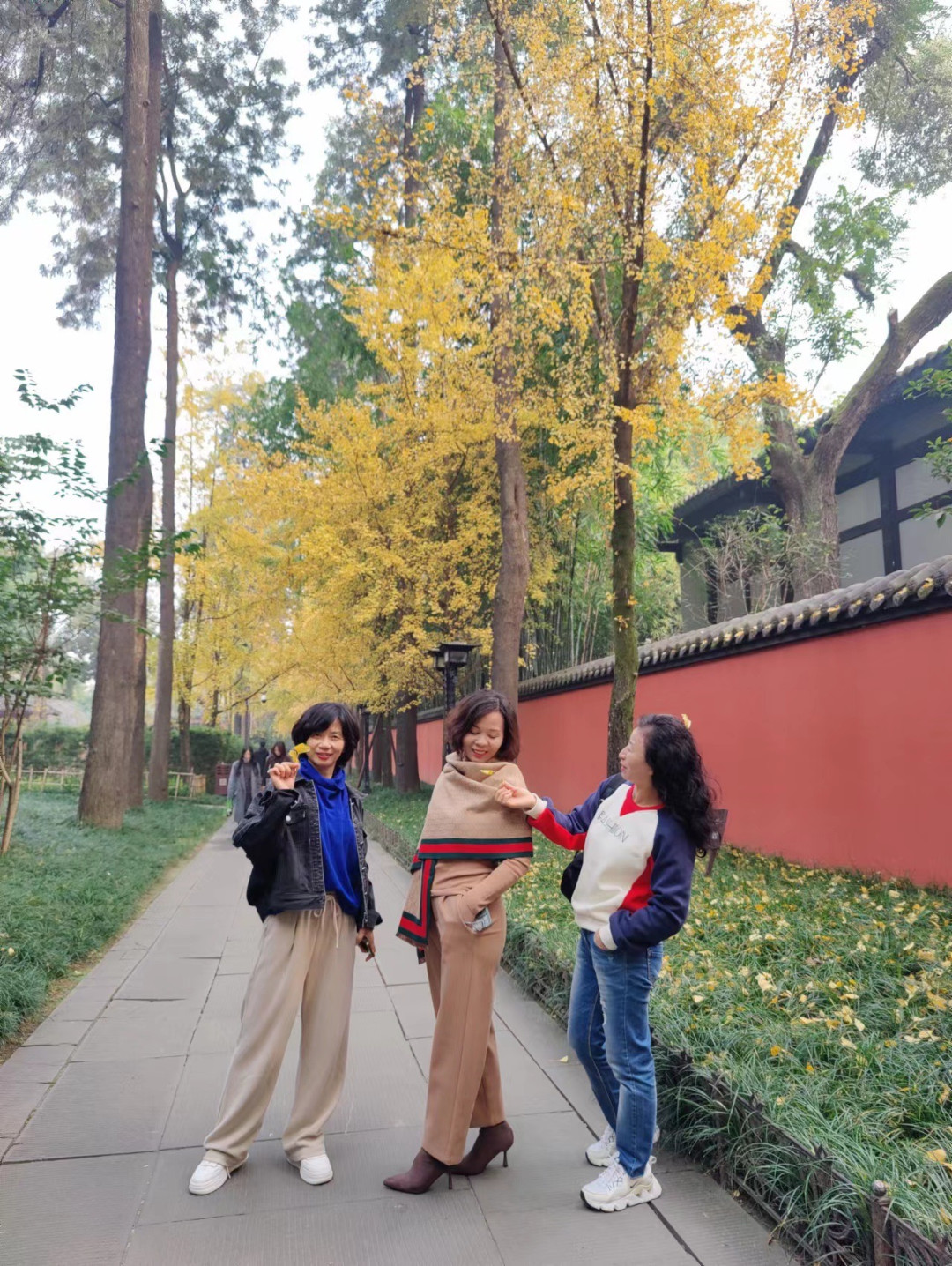
The most stunning sight was the garden full of ginkgo trees. In December, Chengdu ginkgo season peaks, carpeting the ground in brilliant yellow, creating a picturesque contrast with the ancient architecture. Every snapshot looked like a masterpiece.
The shrine isn't large, but it's worth a slow stroll. Exiting the temple leads directly to Jinli Ancient Street (Jinli), Chengdu's most famous folk-culture thoroughfare. With its layered blue tiles, winding stone pathways, and rows of old houses, mansions, shops, and opera stages, it feels like stepping back into ancient Shu.
Chengdu cultural attractions like Jinli offer Sichuan tea, cuisine, liquor, and opera—the region's culture envelops you. We wandered through Jinli, then grabbed a simple yet authentic lunch at a restaurant across from Wuhou Shrine.
Jianchuan Museum: History Must Not Be Forgotten
In the afternoon, we drove about 1 hour 20 minutes to the Jianchuan Museum Cluster (Jianchuan Bowuguan). This sprawling complex includes multiple museums, but due to time constraints, we only visited the Museum of Japanese Aggression Against China (Riben Qin Hua Zuixing Guan).
- Combo ticket: 50 RMB
- Individual museum ticket: 20 RMB
The exhibits were harrowing, and the weight of that dark history left us silent. Leaving the museum, none of us spoke, but we all understood: some memories must never fade.
That evening, we wandered around the Taikoo Li area, immersing ourselves in the modern vitality of Chengdu.
[Link: Best museums in Chengdu for history lovers]
Day 3: The Majesty of Leshan Giant Buddha and a Glimpse of Mount Emei

Leshan Giant Buddha: A Millennium of Vigilance at the Confluence of Three Rivers
December 10 — We set off at 8:30 AM, arriving at the Leshan Giant Buddha (Leshan Dafo) around 10:30 AM. We chose to view the Buddha by ferry.
Practical Tip: At the ferry center, don't buy the "luxury meal ferry ticket"—it comes with a bun and a glass of milk but costs double. Drive a few minutes further to find the official dock ticket office, where parking is free, and the pier is just 100 meters away.
The Leshan Giant Buddha is a seated Maitreya statue, over 70 meters tall, carved into the cliff where the Dadu, Qingyi, and Min Rivers converge in Leshan City. It was built over three generations, with two pauses and two restarts, taking over 90 years to complete. It is the largest surviving cliff-carved stone statue in China and the world.
The ferry ride lasts about 40 minutes, and gazing up at the Buddha from the river fills you with awe at its solemn majesty. This is undoubtedly one of the top attractions in Sichuan and a must-see for any Leshan travel guide.
After the ferry, a shuttle bus took us to the Dongfang Fo Du (Eastern Buddha Grotto) scenic area, just a 5-minute ride. We returned the same way to the parking lot. By 12:30 PM, we finished, had lunch nearby, and at 1:30 PM set off for Mount Emei (Emei Shan), about 40 minutes away.
We only passed through Mount Emei briefly without a deep exploration, but the air at the base was already refreshing. Back in Chengdu that evening, we strolled around Taikoo Li, enjoying the city's nightlife.
[Link: Complete guide to Leshan Giant Buddha ferry tickets and tips]
Day 4: The Mystery of Sanxingdui and the Wisdom of Dujiangyan
Sanxingdui: Awe-Inspiring Ancient Shu Civilization
December 11 — Departing at 8:40 AM, we reached the Sanxingdui Museum (Sanxingdui Bowuguan) by 10 AM. The new building is the largest single-structure site museum in Southwest China, with an exhibition area of nearly 12,000 square meters.
Our group of six hired a guide for 200 RMB, and the tour took about 2.5 hours. Sanxingdui travel tips: Bring snacks in your bag, as there's no dining area inside.
The museum's four most treasured artifacts are the Gold Scepter (Huangjin Guaizhang), the Jade Zhang (a ritual object), the Bronze Sacred Tree (Tongtian Shenshu), and countless exquisite bronze items. These relics reveal the fusion of ancient Shu civilization with Central Plains culture. Most exhibits come from pits No. 1 to 3, including gold masks.
Standing before these 3,000-year-old artifacts, you marvel at the imagination and craftsmanship of ancient peoples. The Sanxingdui ruins are undoubtedly one of the most fascinating ancient Shu civilization sites in China.
Dujiangyan: A 2,000-Year-Old Irrigation Marvel
After lunch near the scenic area, we drove to Dujiangyan (Dujiangyan), arriving around 3:30 PM. The entrance fee is 80 RMB.
Dujiangyan is the world's oldest surviving water management system, unique for its dam-less diversion design. Leveraging the terrain—higher in the northwest, lower in the southeast—it uses three main structures: the Fish Mouth (Yuzui), the Precious Bottle Neck (Baopingkou), and the Flying Sand Weir (Feishayan) to achieve flood control, irrigation, and water transport. It has functioned for over 2,250 years without fail.
Honestly, as a layperson, I found the intricacies a bit hard to grasp. But standing at the Fish Mouth, watching the Minjiang River skillfully divided, I could still appreciate the ancient ingenuity. We walked for about 2 hours—tiring, but worthwhile.
[Link: Dujiangyan vs other ancient irrigation systems]
Day 5: Yingxiu Earthquake Ruins—Fragility and Resilience of Life
December 12 — We left at 8 AM and arrived at the Xuankou Middle School Earthquake Ruins (Xuankou Zhongxue Dizhen Yizhi) by 9:30 AM. This was once the epicenter of the 2008 Wenchuan earthquake, now a silent memorial. Shattered bricks, twisted steel, collapsed walls—everything tells the story of that devastating disaster.
Walking through the ruins, an overwhelming sadness and heaviness filled my heart. This site not only witnessed the lives and deaths of teachers and students but also taught us the fragility and preciousness of life.
As I left, I silently prayed: May the departed rest in peace, and may the living cherish every moment.
This is not a typical tourist attraction but a profound earthquake memorial site that offers a sobering perspective on life. For those interested in Wenchuan earthquake history, this is an essential stop.
[Link: Other memorial sites in Sichuan worth visiting]
Day 6: Chongqing—First Taste of the Magic Mountain City
Yangtze River Cableway and Liberation Monument
December 13 — We arrived at Chongqing North Station at 11:35 AM, took a taxi to our homestay near Jiefangbei and Hongyadong. After lunch, we walked to the Yangtze River Cableway (Changjiang Suodao) ticket office.
- Fare: 30 RMB
- Length: 1,166 meters
- One-way ride: 4 minutes 30 seconds
- Capacity: Up to 65 passengers
Honestly, I didn't find it that exciting, and during peak season, the queues can be long. The aerial view of the Yangtze River is nice, but the value for time spent waiting isn't great.
Afterward, we visited Liberation Monument (Jiefangbei), Chongqing's iconic landmark. This bustling commercial area offers a glimpse into the Chongqing city life that defines this mountain city.
Chongqing travel tips: The city is famous for its vertical geography—be prepared for stairs, escalators, and unexpected elevation changes. A Chongqing itinerary should account for walking and public transport.
FAQ: Your Sichuan and Chongqing Travel Questions Answered
1. What is the best time to visit Chengdu and Chongqing?
Spring (March–May) and autumn (September–November) offer mild temperatures and clear skies. December, when we visited, features golden ginkgo trees in Chengdu but can be chilly. Summer is hot and humid, especially in Chongqing.
2. How many days do I need for Chengdu and Chongqing?
A 9-day itinerary like ours is ideal for covering major attractions without rushing. For a shorter trip, focus on 4–5 days in Chengdu (including Leshan and Dujiangyan) and 3 days in Chongqing.
3. Is it better to visit Sanxingdui or Dujiangyan first?
Visit Sanxingdui in the morning (opens at 8:30 AM) and Dujiangyan in the afternoon. Both are near Chengdu, and this schedule avoids crowds and maximizes daylight.
4. What should I pack for a December trip to Sichuan and Chongqing?
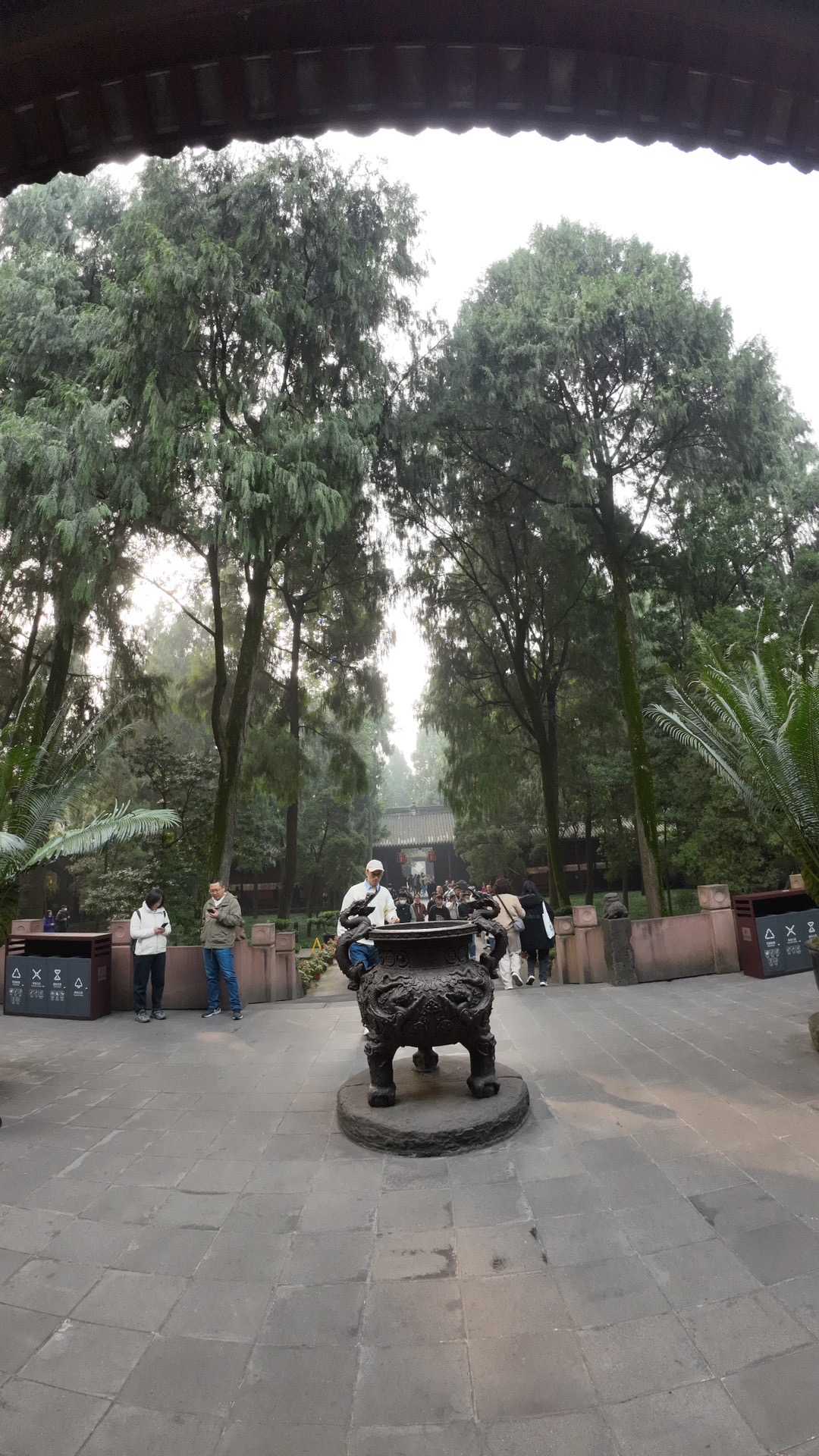
Pack layers: a warm jacket, comfortable walking shoes, an umbrella (Chongqing is misty), and a scarf. The ginkgo season in December is beautiful, but temperatures range from 5–15°C (41–59°F).
5. Can I visit Leshan Giant Buddha and Mount Emei in one day?
Yes, but it's tight. We spent 2 hours at Leshan (ferry view) and 40 minutes at Mount Emei's base. For a full Mount Emei experience, dedicate a separate day.
Final Thoughts: Why Spontaneous Travel Works in Sichuan and Chongqing
This 9-day journey proved that Sichuan and Chongqing travel doesn't require meticulous planning. The region's rich history, stunning landscapes, and warm hospitality make it perfect for spontaneous exploration.
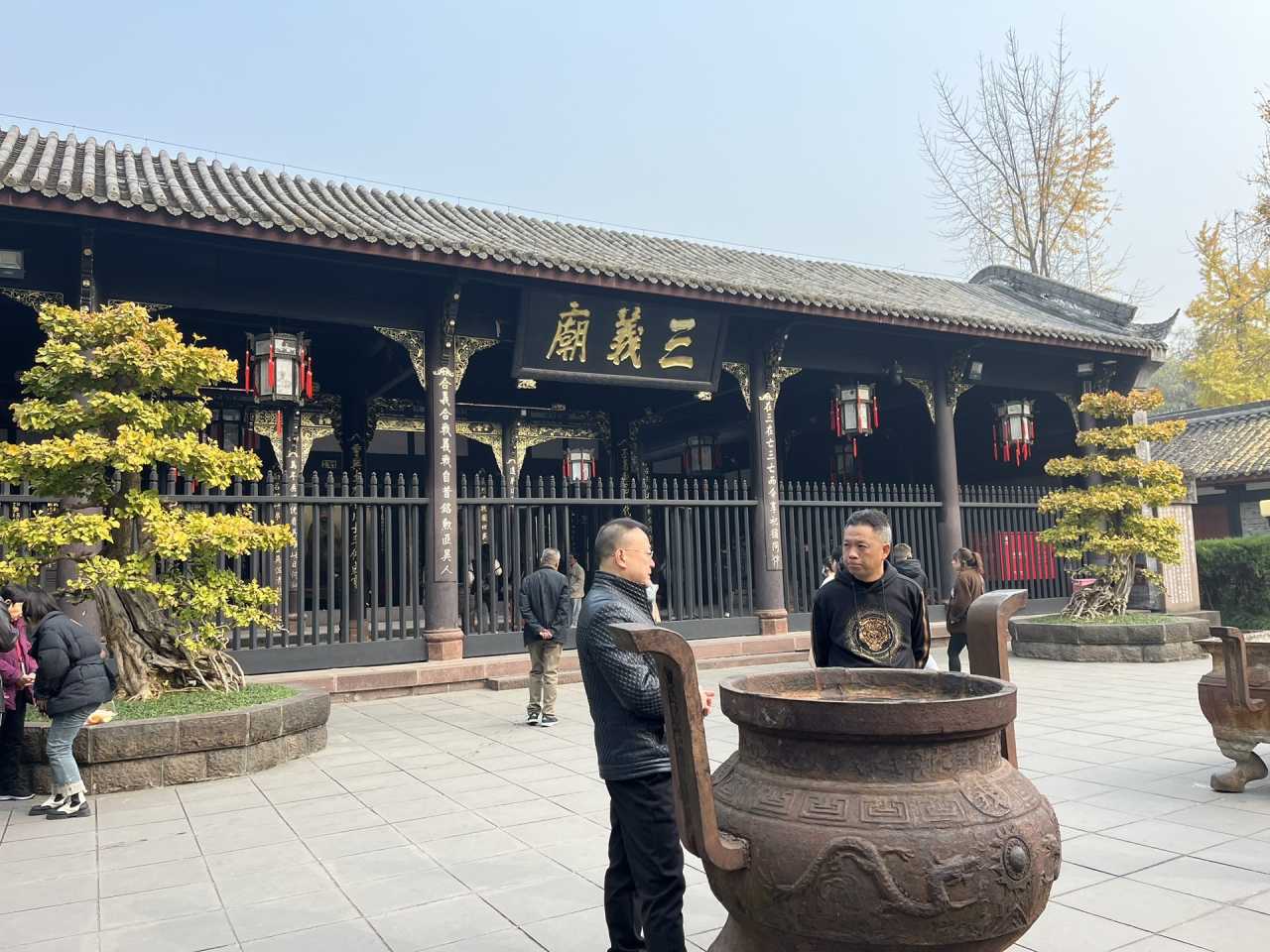
From the golden ginkgo trees of Wuhou Shrine to the solemn silence of the Yingxiu earthquake ruins, from the ancient mystery of Sanxingdui to the modern energy of Chongqing's Liberation Monument—every moment was a discovery.
Key Takeaways: - Chengdu's slow pace invites you to wander without a schedule - Leshan Giant Buddha is best viewed by ferry (skip the luxury ticket) - Sanxingdui requires a guide for full appreciation - Chongqing is a city of surprises—embrace the vertical chaos - Historical sites like Dujiangyan and the earthquake ruins offer deeper meaning
Plan Your Own Spontaneous Sichuan Chongqing Adventure
Ready to experience the magic of Chengdu and Chongqing for yourself? Start by booking flexible flights, choosing a central homestay, and leaving room for spontaneity.
Pro Tip: Download offline maps, learn basic Mandarin phrases, and carry cash for smaller vendors.
[Link: Ultimate packing list for Sichuan and Chongqing]
Share your own spontaneous travel story in the comments below! Have you visited these two incredible cities? What unexpected discoveries did you make? Let's inspire each other to embrace the joy of unplanned adventures.
Book your flight today and let Sichuan and Chongqing surprise you.
You may also like


