The Long March on Wheels: Retracing the Central Red Army's Footsteps in Sichuan – A Self-Drive Guide
Meta Description: Embark on an epic Sichuan Long March road trip retracing the Central Red Army's 1935 route. Discover Red Army sites, Yihai Lake, Anshunchang, and the Dadu River Gorge in this 4-day self-drive itinerary.
Introduction: An Unfinished Red Journey
Everyone carries a map in their heart, marked with the coordinates of their dreams. For history enthusiasts and road trip adventurers alike, exploring China's revolutionary red soil is a journey that transcends time. In the spring of 2021, I began a "bed car self-drive Long March" – using four wheels to measure that magnificent history. Yet, my footsteps in Sichuan, Gansu, Ningxia, and Shaanxi remained incomplete, leaving a lingering longing.
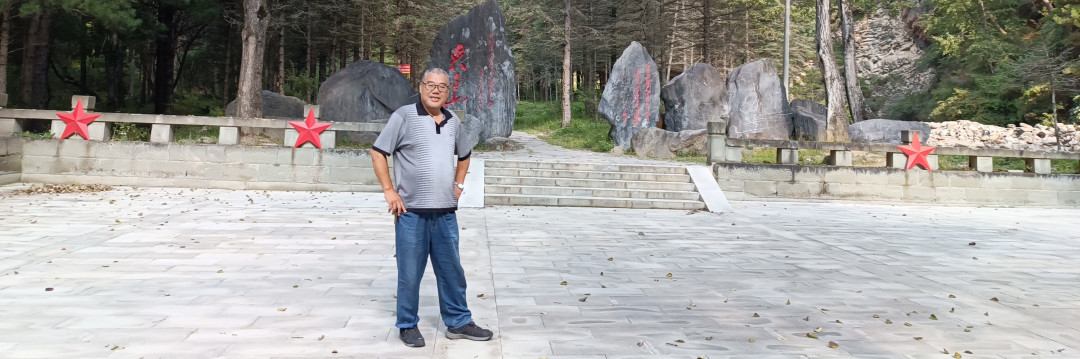
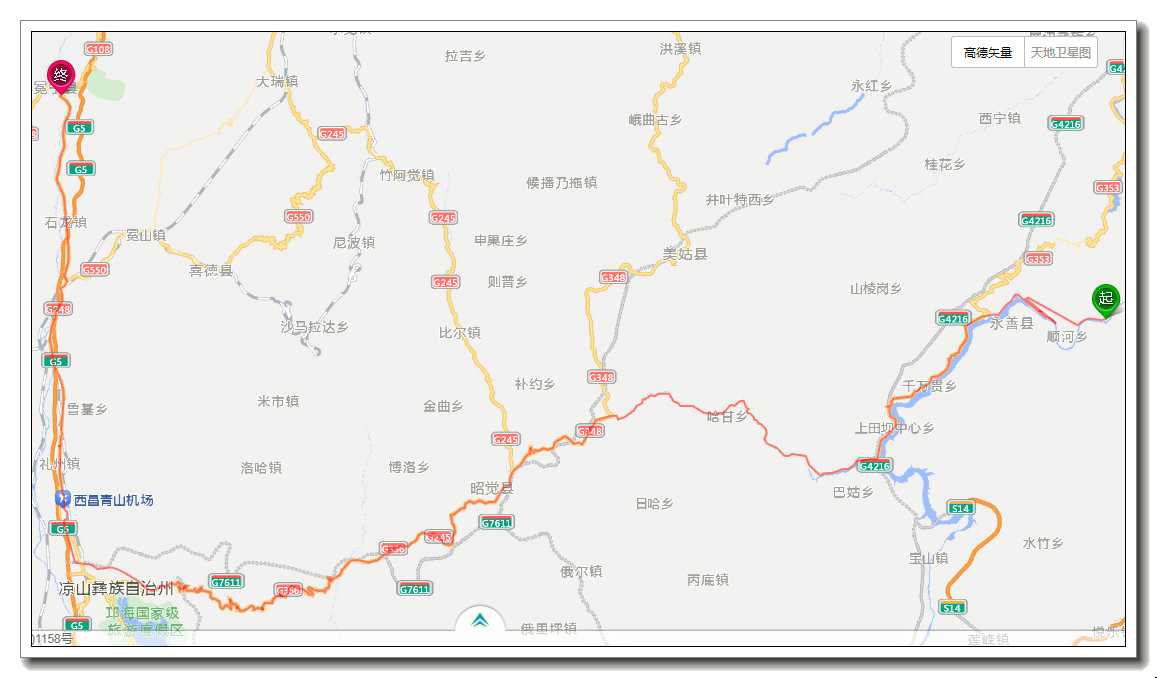
In August 2024, we set off again – a bed car, two people, and a little dog. Starting from Guiyang and taking Xichang, Sichuan as our launching point, we continued to trace the Central Red Army's Long March footprints in Sichuan. This was not just a self-driving trip but a dialogue across time and space – a heartfelt embrace with history.
Why Retrace the Long March in Sichuan?
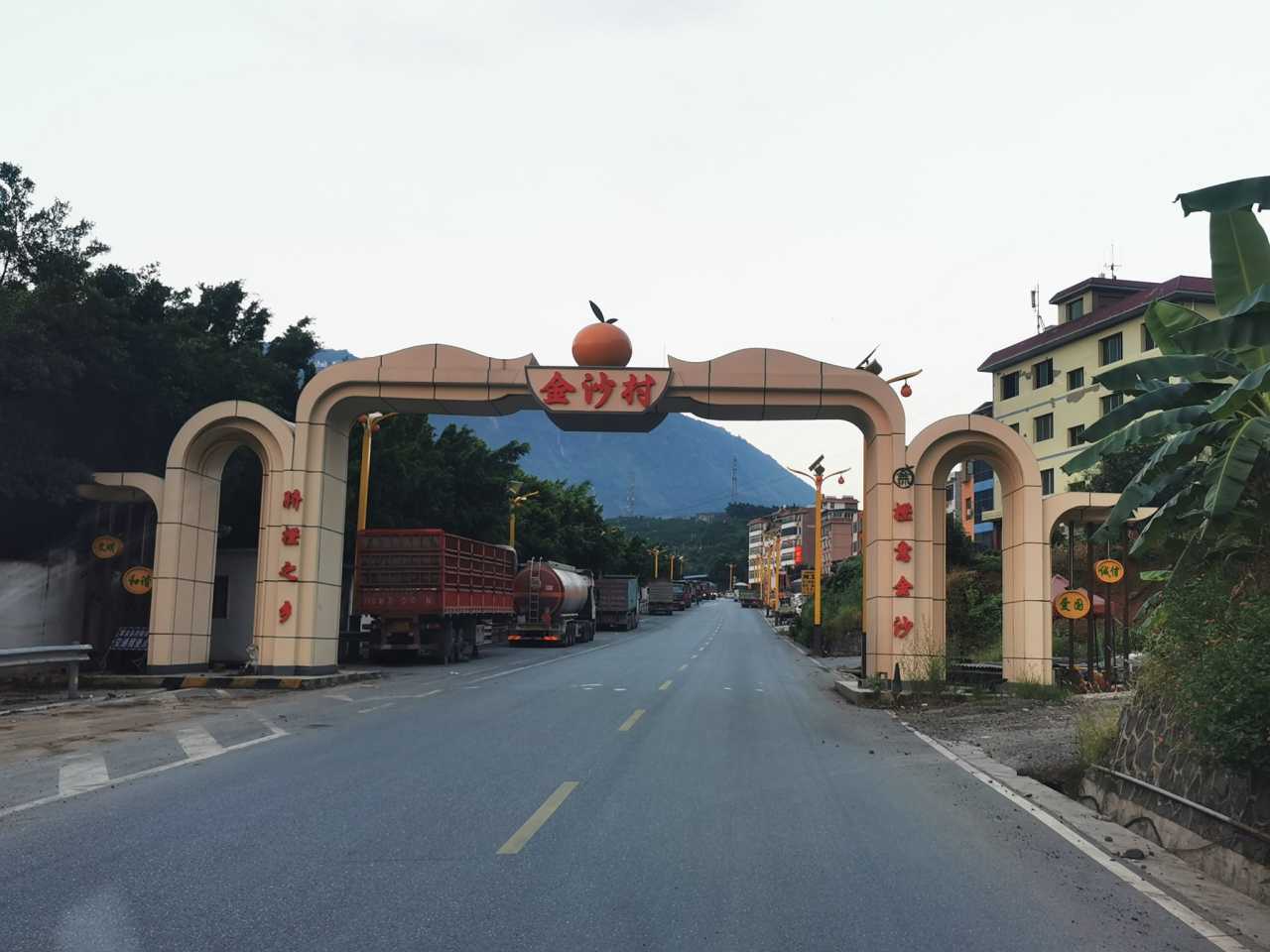
Sichuan Province holds some of the most pivotal moments of the 1935 Long March. From the Lizhou Meeting that changed the Red Army's strategic direction to the heroic crossing of the Dadu River, this route offers both breathtaking scenery and profound historical significance. For bed car travelers and history buffs, this Sichuan road trip combines camping, cultural heritage, and natural wonders into one unforgettable experience.
Day 1: From Guiyang to Leibo – A Long Journey Across Three Provinces
Date: August 19, 2024 | Distance: 500 km | Duration: 14 hours
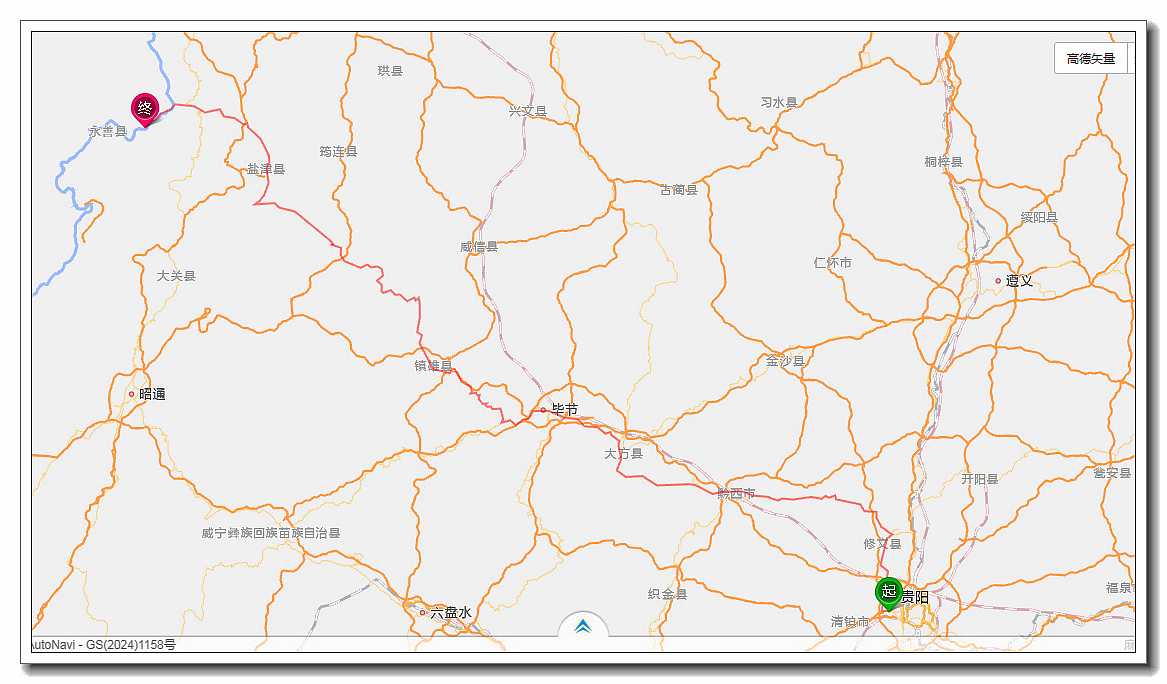
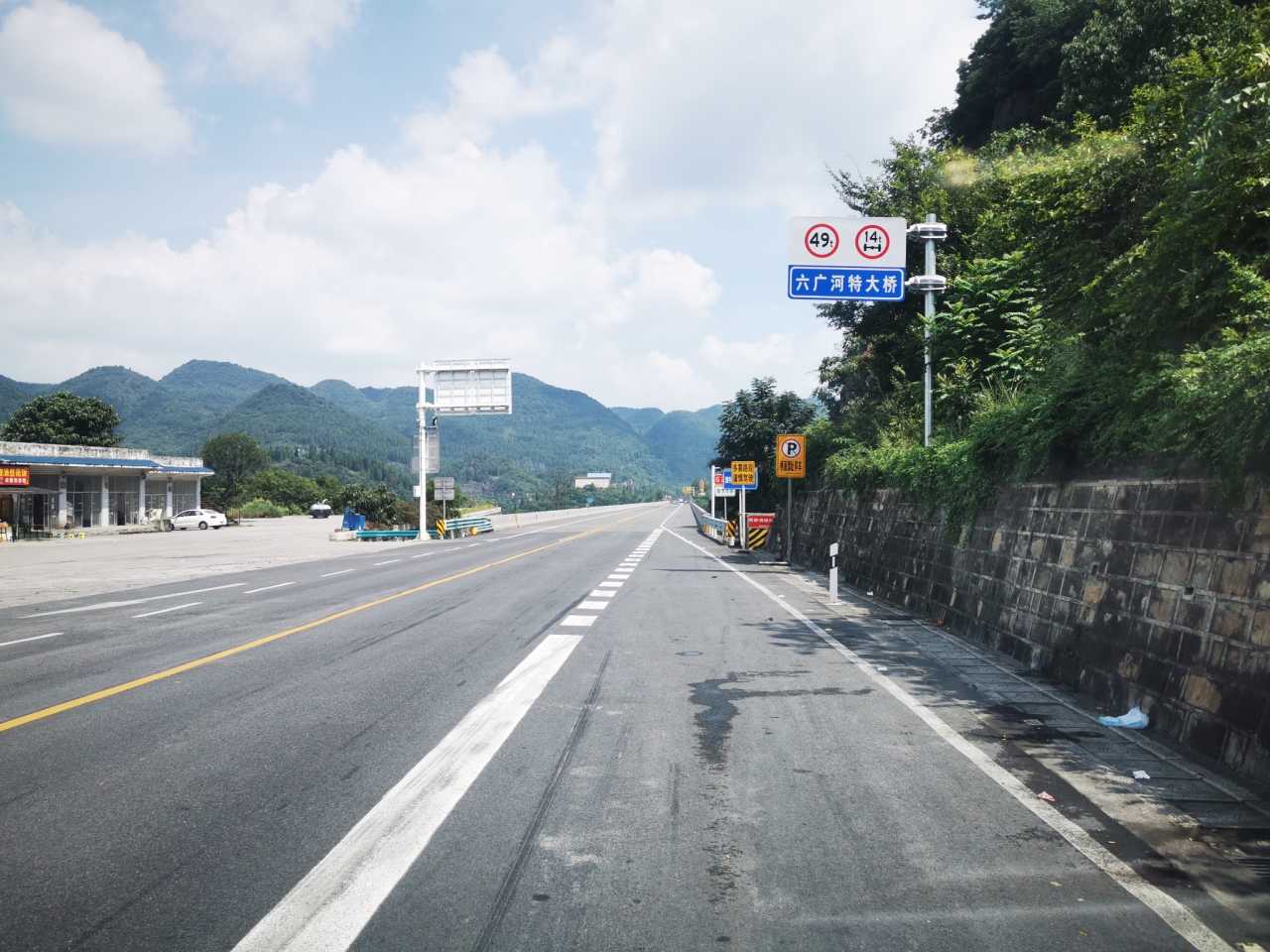
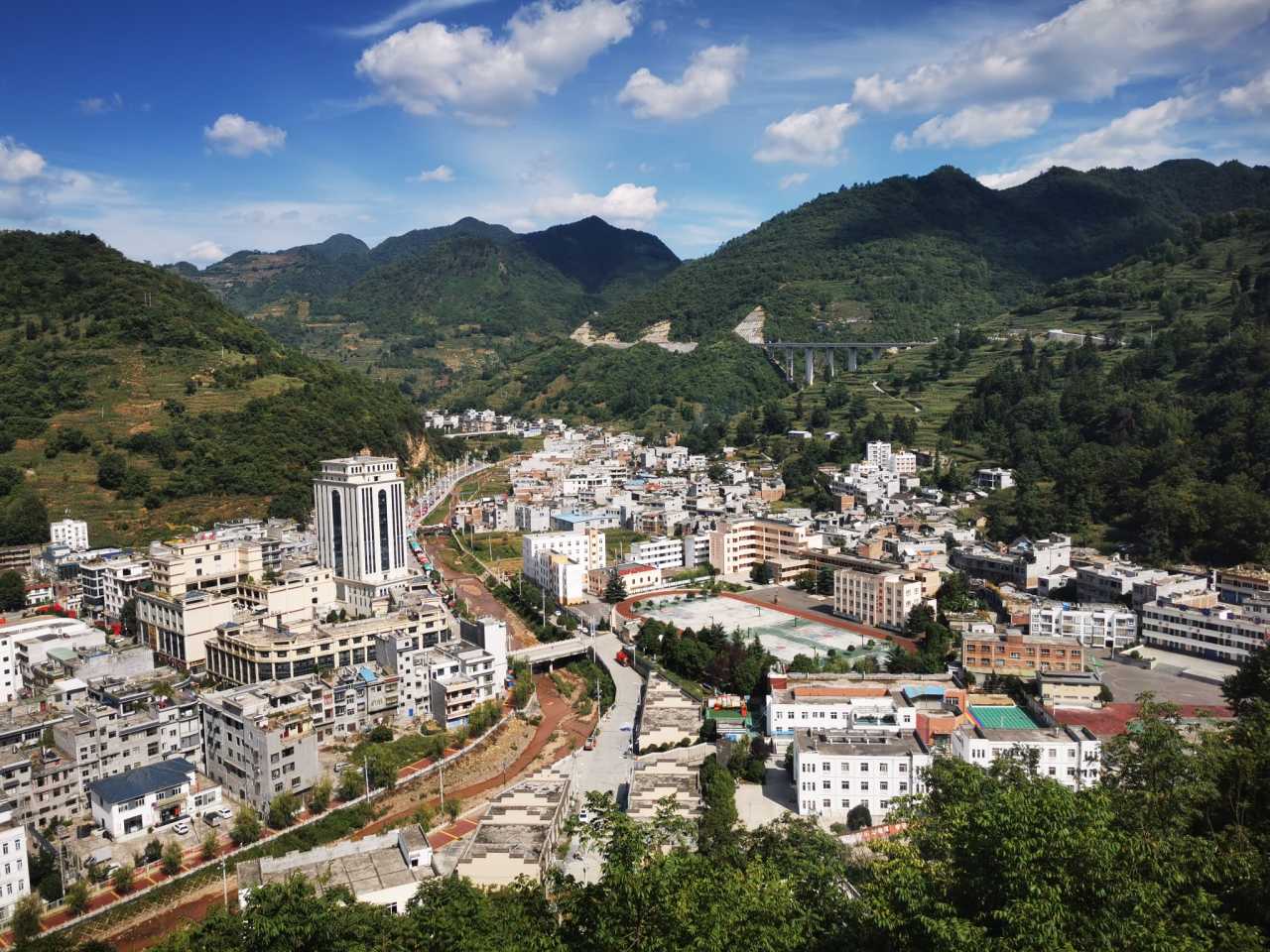
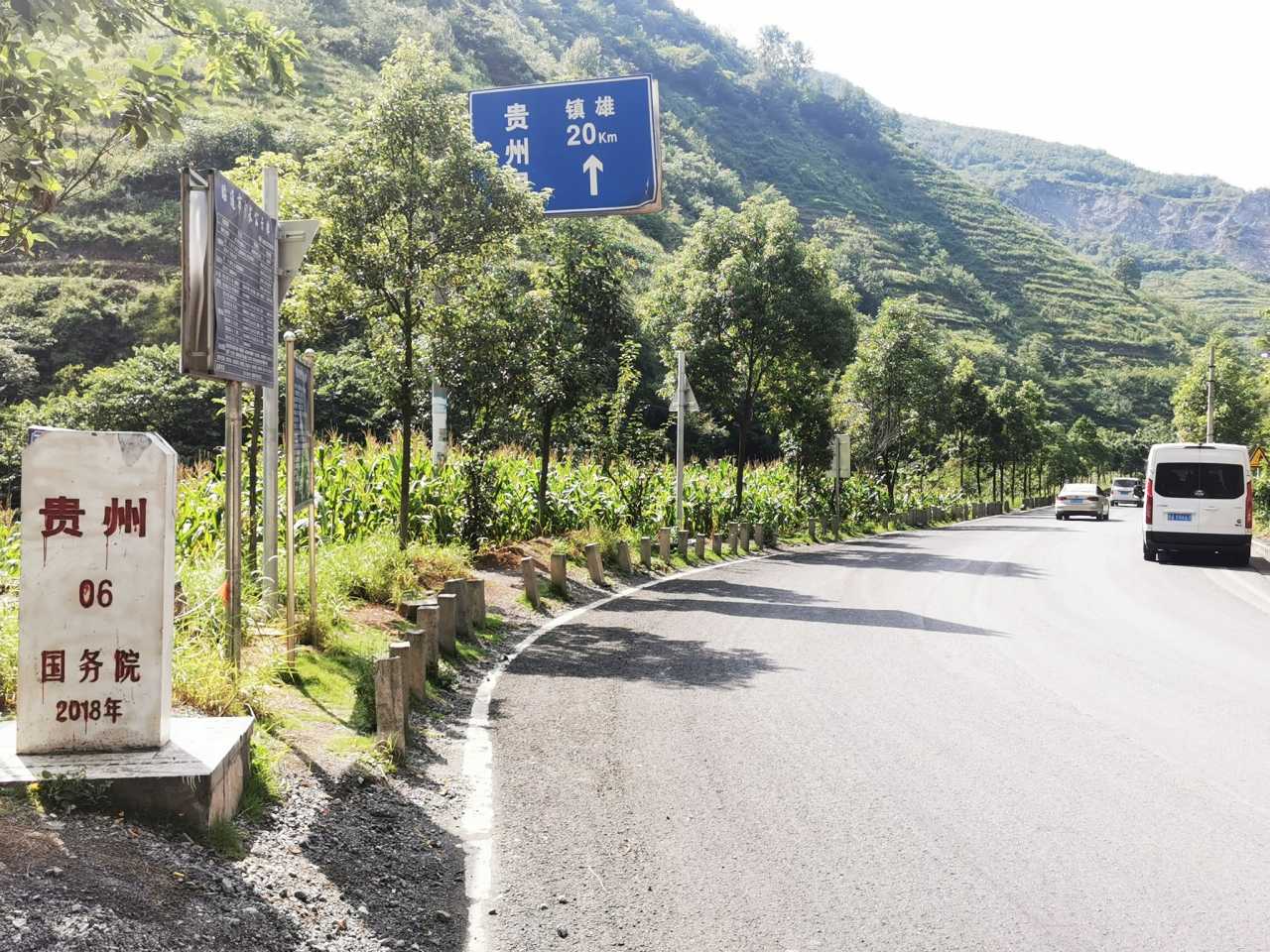
The morning in Guiyang still carried a hint of coolness as our bed car stood ready. We chose the old Guibi Highway – a toll-free national road full of stories. Passing through Xiuwen, Dafang, and Qixingguan, then crossing Yunnan's Zhenxiong and Yanjin, we finally arrived at Leibo County in Liangshan Prefecture, Sichuan.
The theme of this day was simple: rush. Covering 500 kilometers took us a full 14 hours. No scenic spots, no breaks – only the sound of tires rolling over highways in different provinces. The scenery outside the window shifted from Guizhou's karst landscapes to Yunnan's rolling hills, then to Sichuan's deep valleys.
Camping Tip: That night, we set up camp at a rest stop next to the Zhongtian Petroleum Shunhe Gas Station in Huilongchang, Leibo County. It had restrooms, hot and cold water, free parking for the first six hours, and a fee of 5 yuan per hour after that. For bed car travelers, these conditions were quite friendly.
[Link: Best bed car camping spots in Sichuan]
Day 2: Cliff Village and Lizhou Town's Red Imprints
Date: August 20, 2024 | Distance: 337 km | Duration: 12 hours
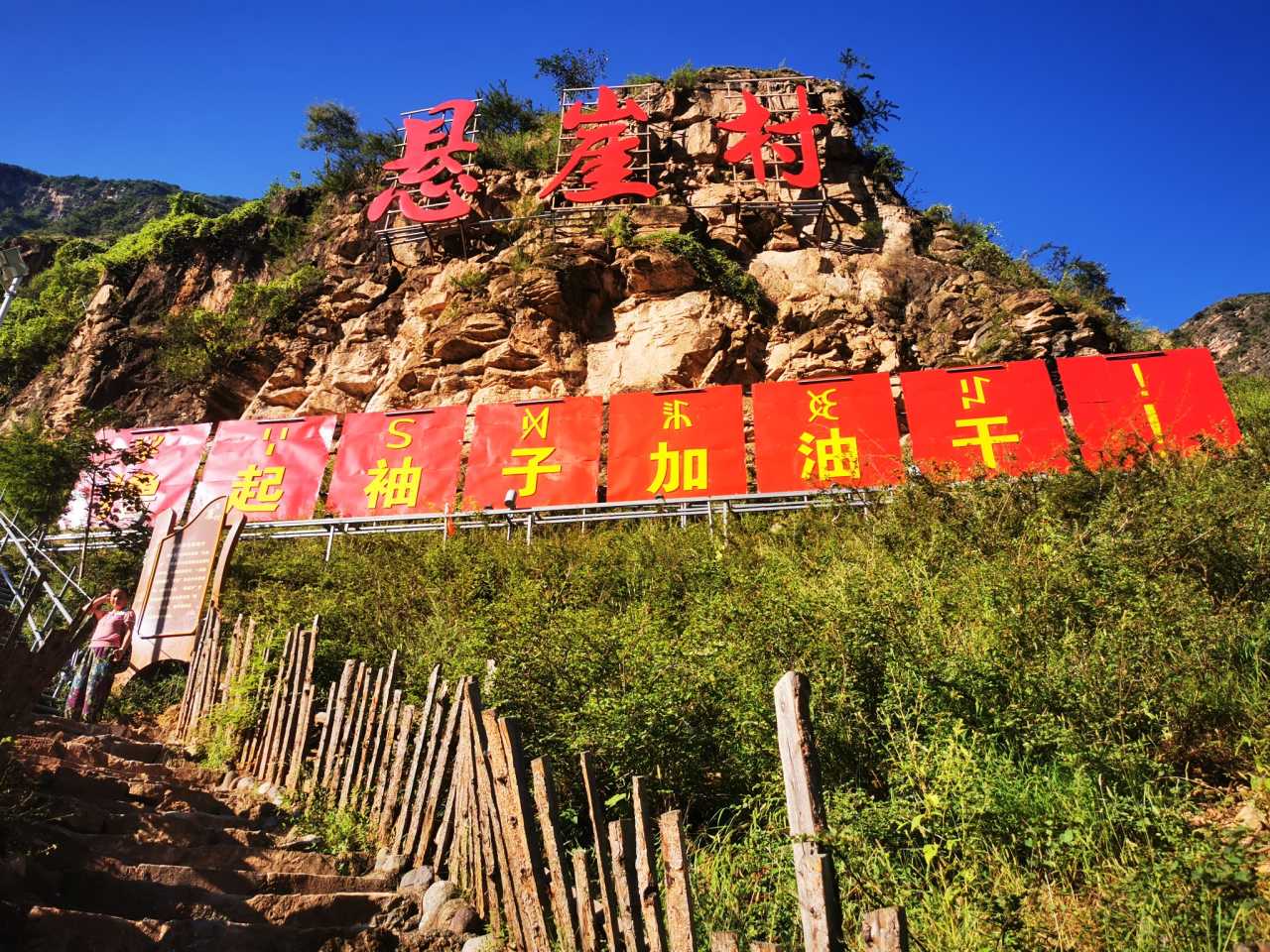
Cliff Village: A Ladder to the Clouds
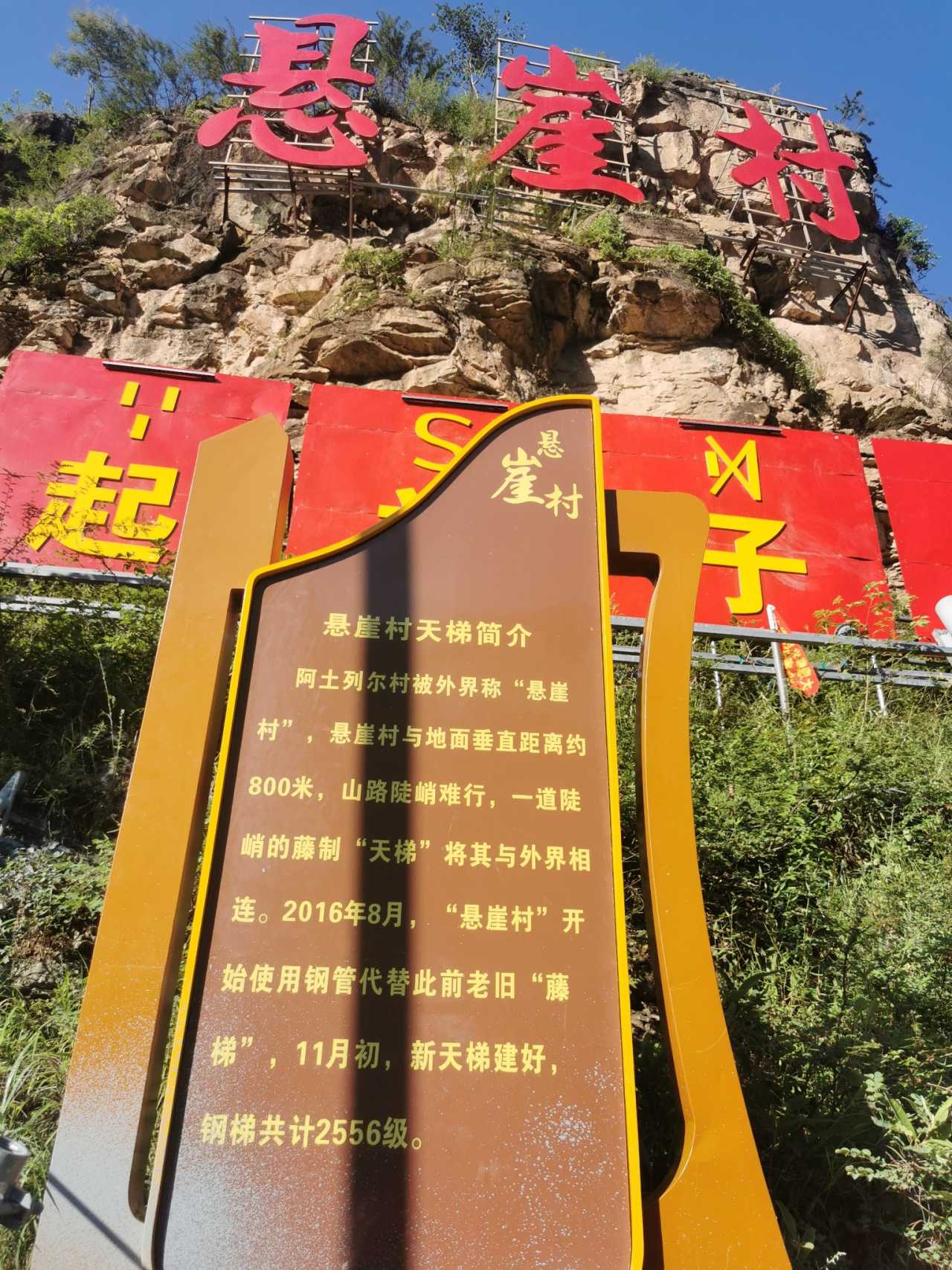
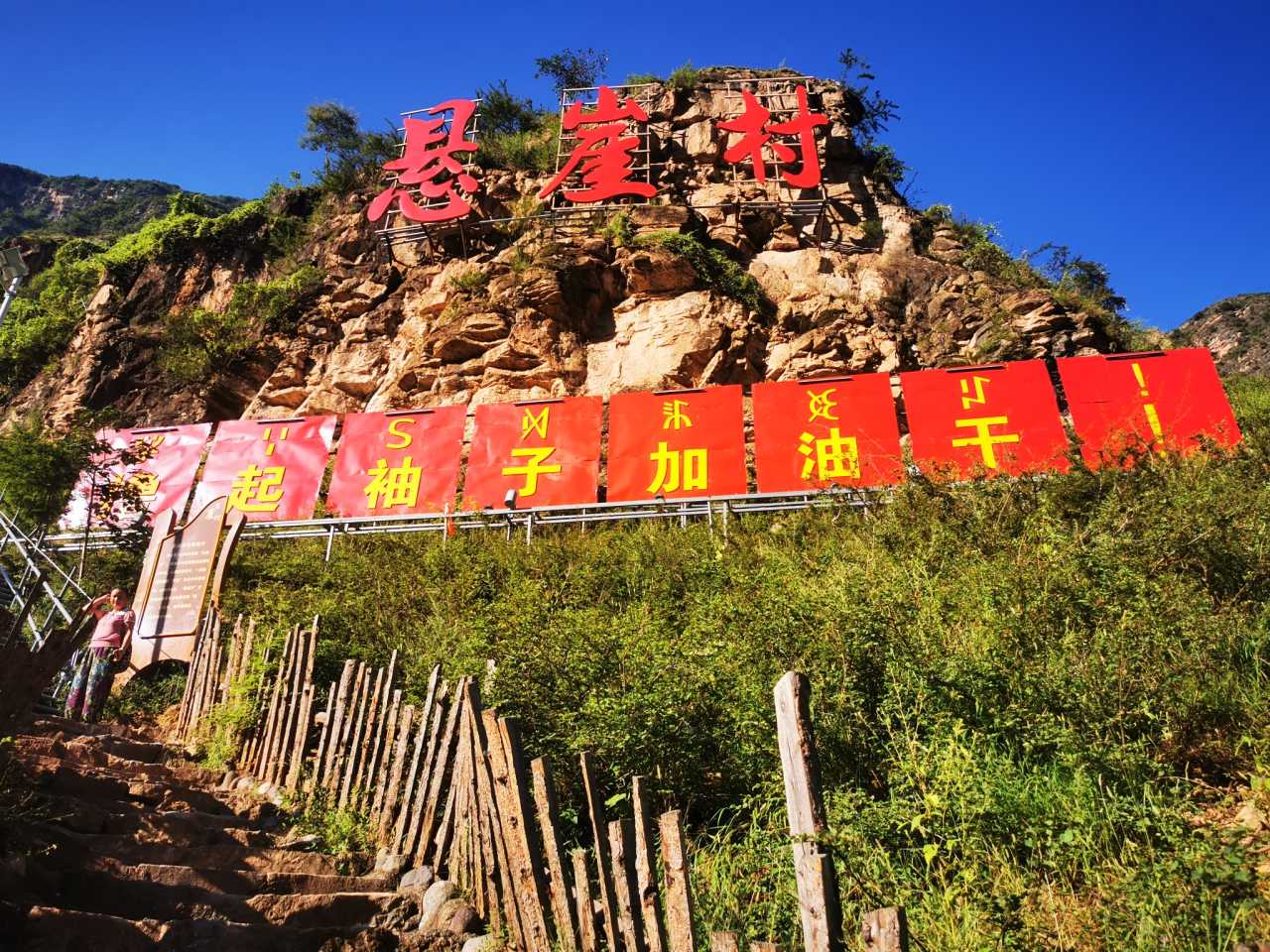
Our first destination was Cliff Village – the Yi ethnic settlement famous for its "ladder to heaven." Located in Guli Town, Zhaojue County, it was formed by merging Atulie'er Village, Shuozhu Village, and Lailuo Village. When we drove up, construction was underway along the roadside, seemingly for a new visitor center. The changes here were striking: once a poverty-stricken village, it is now embracing new opportunities through tourism.
Long-tail keyword: Cliff Village Zhaojue County travel guide
Lizhou Town: A Meeting That Changed History
In the afternoon, we arrived at Lizhou Town, northeast of Xichang City. This seemingly ordinary town in western Sichuan holds a pivotal place in China's revolutionary history.
In May 1935, the Central Red Army passed through Xichang during the Long March and stayed for six full days in Tianba Village, Lizhou Town. The Red Army's discipline and its policy of robbing the rich to help the poor won the support of local people. More crucially, on May 21, the "Lizhou Meeting" was held at the Bian Family Ancestral Hall in Tianba Village. This meeting decided on the military deployment of splitting forces at Lugou and formally established the strategic direction of marching north to Shaanxi.
Today, Lizhou's Red Army Square and the Bian Family Ancestral Hall (site of the Lizhou Meeting) are well preserved. Unfortunately, we couldn't find the former residence of Chairman Mao, but that didn't stop us from feeling the weight of that history.
Camping Recommendation: That night, we stayed overnight at the "Red Army Wetland Park" parking lot in Mianning County. It had restrooms and water. Although the parking lot had a toll gate, it was not actually charging – an ideal choice for bed car travel.
[Link: Red Army historical sites in Xichang]
Day 3: Yihai Lake, Anshunchang, and the Dadu River Gorge

Date: August 21, 2024 | Distance: 325 km | Duration: 11 hours
Mianning: Reflections at the Red Army Long March Memorial Hall
In the early morning, we visited the Liangshan Red Army Long March Memorial Hall in Mianning County. This was the place where Chairman Mao met with representatives of the Yi people during the Long March. Standing in front of the memorial hall, we could almost hear the discussions about ethnic policies and united resistance against Japan.
Yihai Lake: A Blue Gem in the Highlands
Yihai Lake, called "Supin" in the Yi language, is located on Yangping Mountain, 40 kilometers north of Mianning County. Its crystal-clear waters sparkle like a blue sapphire set among the high mountains. However, the scenic area entrance had a parking lot, and visitors had to buy tickets and transfer to a sightseeing bus. For self-drivers, this was somewhat inconvenient, but Yihai's beauty was worth the visit.
Long-tail keyword: Yihai Lake camping and sightseeing tips
Yaxi Expressway: A Wonder on the Road
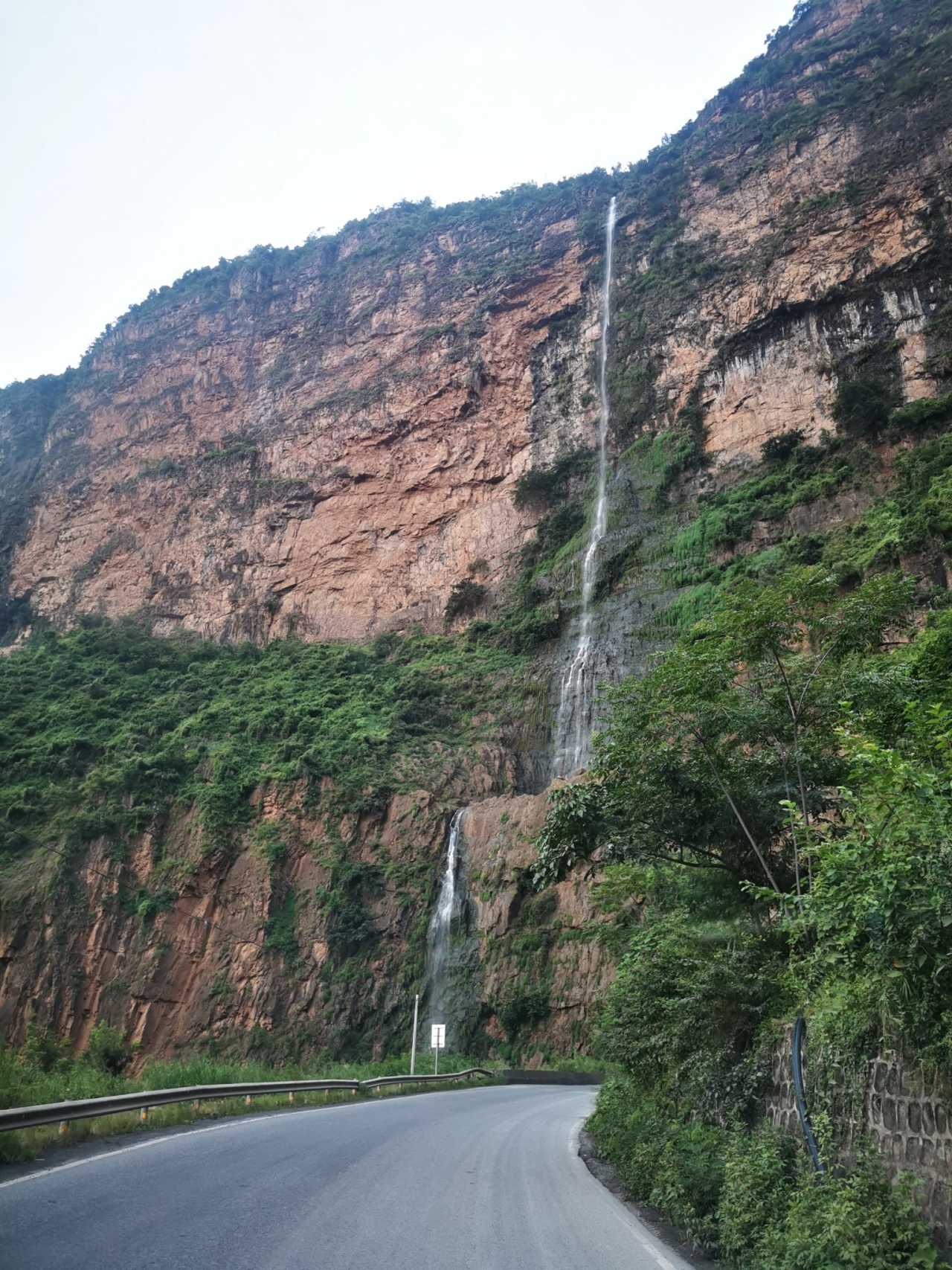
Leaving Yihai Lake, we drove along National Highway G108. This road runs parallel to the Yaxi Expressway, offering a perfect side view of this "cloud highway's" grandeur. The double-spiral bridge at the Ganhaizi section in Shimian's Liziping area was particularly stunning – an engineering marvel. Many people might only drive the Yaxi Expressway once in their lives, so don't rush past the scenery just to reach your destination.
Anshunchang: The Heroic Crossing of the Dadu River
Anshunchang in Shimian County was another key node in the Red Army's Long March. In 1935, the Red Army forced a crossing of the Dadu River here, thwarting Chiang Kai-shek's attempt to make them "a second Shi Dakai." Today, the site features the China Workers' and Peasants' Red Army Forced Crossing of the Dadu River Memorial Hall, a monument, and the Red Army ferry crossing. Using high-tech methods, the memorial hall vividly recreates the grand scene of the forced crossing, contrasting sharply with the tragic defeat of Prince Yi Shi Dakai at Zidadi.
Dadu River Gorge: One of China's Most Beautiful Canyons
In the evening, we drove into the Dadu River Gorge National Geopark. This canyon, straddling the borders of Hanyuan County, Jinkouhe District, and Ganluo County, was named one of "China's Ten Most Beautiful Canyons" by Chinese National Geography magazine. Towering mountains, deep valleys, and swirling clouds created a breathtakingly magnificent scene.
Camping Recommendation: That night, we stayed at the "Huashen Square" parking lot in Jiunang, Hanyuan County. Again, there was a toll gate that wasn't actually charging, and restrooms were 100 meters away – convenient and free.
[Link: Dadu River Gorge hiking trails]
Day 4: Tianquan Red Army Village and Panda Ancient Town
Date: August 22, 2024 | Distance: 222 km | Duration: 11 hours
Tianquan: Red Memories and Urban Transformation

Leaving Jiunang, we continued along National Highway G108. Tianquan County was undergoing major construction, with roads closed or diverted. We couldn't find the planned "Military Headquarters" or "Chairman Mao's Long March Former Residence," but the Tianquan Red Army Martyrs' Cemetery still filled us with reverence.
Afterward, we visited Tianquan Red Army Village. Here, the former site of the Red Army's General Political Department and the Chen Yun's Departure from Sichuan Exhibition Hall are preserved. Chen Yun's secret departure from Sichuan is a little-known story, but this covert operation paved the way for the Red Army to re-establish contact with the Communist International.
Panda Ancient Town: Red Imprints at the Foot of Jiajin Mountain
In the afternoon, we arrived at Panda Ancient Town in Baoxing County. Besides the adorable panda elements, the town is home to the Red Army Long March Crossing Jiajin Mountain Memorial Hall. Standing in front of the hall, looking up at the tower, we felt the weight of history.
Long-tail keyword: Jiajin Mountain Long March crossing route
FAQ: Your Long March Self-Drive Questions Answered
1. What is the best time of year for a Sichuan Long March road trip?
Spring (March-May) and autumn (September-November) offer the most comfortable temperatures and clear skies. Summer can be rainy in mountainous areas, while winter brings snow and road closures at higher elevations.
2. Do I need a 4WD vehicle for this route?
Most of the route uses national highways (G108) and well-maintained county roads. A standard sedan or bed car is sufficient for 90% of the journey. However, some sections near Cliff Village and Jiajin Mountain may require higher ground clearance.
3. Are there English-language guides at the Red Army memorial sites?
Major sites like the Anshunchang Memorial Hall and Liangshan Red Army Memorial Hall have some English signage, but detailed historical information is primarily in Chinese. Consider downloading a translation app or hiring a local guide.
4. Can I camp anywhere along the route?
We recommend using designated parking lots at rest stops, gas stations, or scenic area parking lots. Many have restrooms and water. Avoid wild camping in remote areas without facilities.
5. How long should I budget for this entire trip?
The 4-day itinerary covers the highlights, but we recommend 5-7 days to allow for detours, rest days, and unexpected road conditions. Add 1-2 days if you want to explore Yihai Lake thoroughly.
Practical Tips for Your Long March Self-Drive Adventure
- Navigation: Download offline maps – many mountain areas have weak cell signals.
- Fuel: Fill up at major towns like Xichang, Mianning, and Hanyuan. Gas stations are sparse in remote sections.
- Food: Carry snacks and water. Rural restaurants may have limited hours.
- Accommodation: Bed car camping is ideal, but guesthouses are available in Lizhou, Mianning, and Baoxing.
- Respect: Many sites are sacred memorials – dress modestly and speak quietly.
[Link: Essential gear for China road trips]
Conclusion: Your Turn to Make History
This journey through Sichuan's Long March sites is more than a road trip – it's a pilgrimage through China's revolutionary heart. From the strategic decisions at Lizhou to the heroic crossing at Anshunchang, every stop tells a story of courage, sacrifice, and determination.
Whether you're a history buff, a camping enthusiast, or simply someone seeking to understand China's past, this route offers an unforgettable experience. The roads may be long, the days may be tiring, but the reward is a deeper connection to the land and its stories.
Ready to start your own Long March on wheels? Pack your bed car, plot your route, and hit the road. The red soil of Sichuan is waiting for you.
Share your journey: Tag us in your photos and stories using #LongMarchOnWheels. Let's keep this history rolling.
Article originally published on Mafengwo. Optimized for SEO and readability.
You may also like


