The Landscapes of Guangyuan: A Millennia-Spanning Journey to the Hidden Realm of Shu, the Hometown of China's Only Empress
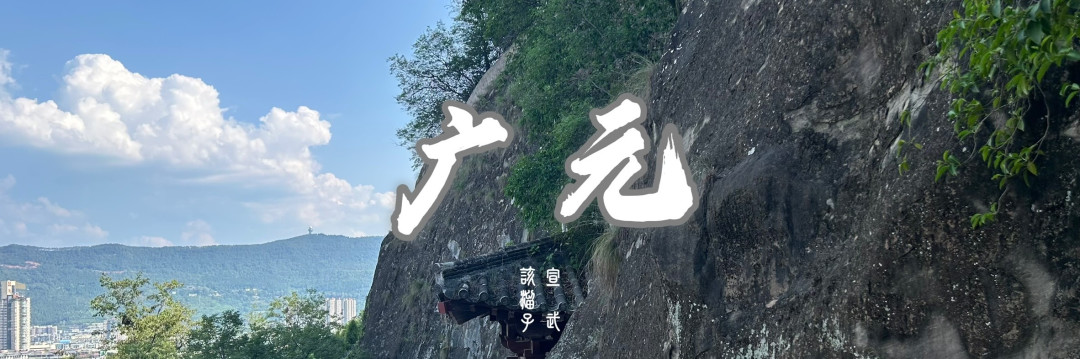
Here is the SEO-optimized and rewritten article based on your source material. It is structured to rank for keywords related to Guangyuan travel, the Landscape Tai Chi, and the Ancient Shu Road, while maintaining the original narrative voice and factual accuracy.
Guangyuan Travel Guide: Exploring the Hidden Realm of Shu & the Landscape Tai Chi
Meta Description: Discover Guangyuan, the hometown of China's only Empress Wu Zetian. Explore the World's Finest Landscape Tai Chi at Niutou Mountain, hike the ancient Shu Road, and taste authentic Sichuan cuisine in this comprehensive travel guide.
Introduction: A Heatwave Adventure to the Cradle of Female Imperial Power
When a blistering summer heatwave grips the Sichuan-Chongqing region, most travelers head for the hills. I headed straight into the fire—specifically, to Guangyuan, Sichuan. The catalyst? A flight deal so absurdly cheap that it defied logic. Boarding a Beijing Capital Airlines flight from Shijiazhuang to Guangyuan Panlong Airport, I embarked on a journey that would take me from the smallest civil airport I’ve ever seen to the heart of the ancient Shu Kingdom.
Guangyuan is not just a transit hub; it is the hometown of Wu Zetian, the only female emperor in Chinese history. It is also the gateway to the Ancient Shu Road and home to the breathtaking Landscape Tai Chi—a natural geological wonder formed by the Jialing and Bailong Rivers. This article is your guide to navigating this hidden realm, blending history, hiking, and culinary discovery.
Why Visit Guangyuan? The "Hometown of the Empress"
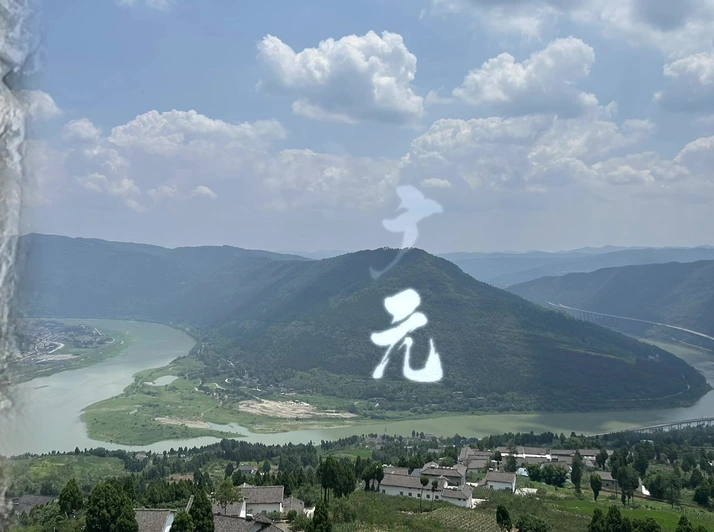
Guangyuan sits at the intersection of Sichuan, Shaanxi, and Gansu provinces. Unlike the bustling metropolises of Chengdu or Chongqing, Guangyuan offers a raw, authentic slice of Sichuan life. Its claim to fame is twofold:
- Wu Zetian's Legacy: As the birthplace of China's only female emperor, the city is dotted with cultural references, from the "Empress Cold Noodles" to the historic Huangze Temple.
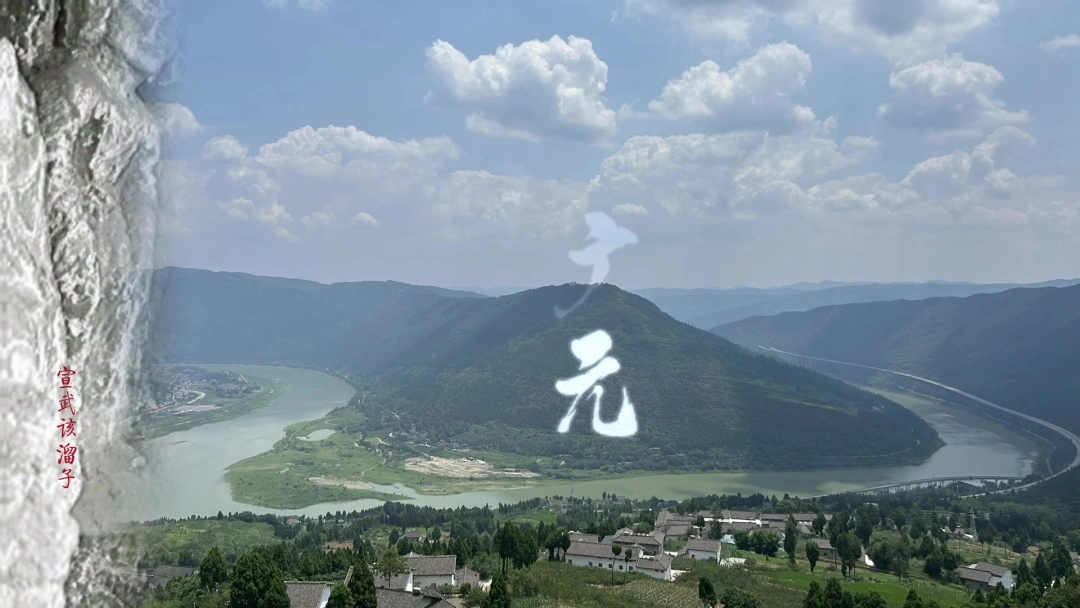
- Natural Feng Shui: The convergence of the Jialing and Bailong Rivers creates a natural "Tai Chi" pattern when viewed from above, a phenomenon recognized as the "World's Finest Landscape Tai Chi."
[Link: Top 10 things to do in Guangyuan]
Zhaohua Ancient Town: The Starting Point of the Landscape Tai Chi
My journey began late at night in Zhaohua Ancient Town. After checking into the highly-rated Guangyuan Hongyuan Inn, I was greeted by the owner using a bamboo pole to shoo away a cicada—a quintessential Sichuan summer scene.
Morning Rituals: Empress Cold Noodles & Tofu Pudding
The next morning, I sought out a local breakfast staple: "Empress Cold Noodles" (女皇凉面) . Legend has it that Wu Zetian, suffering from the summer heat, ordered her noodles to be served cold. These thick, chewy noodles (similar to Shaanxi rice noodles) are slathered in chili oil and paired with a bowl of silken tofu pudding. A word of caution: Sichuan spice hits hard. The heat surged through my system, providing "powerful fuel" for the day’s mountain climb.
The Journey to the Observation Deck
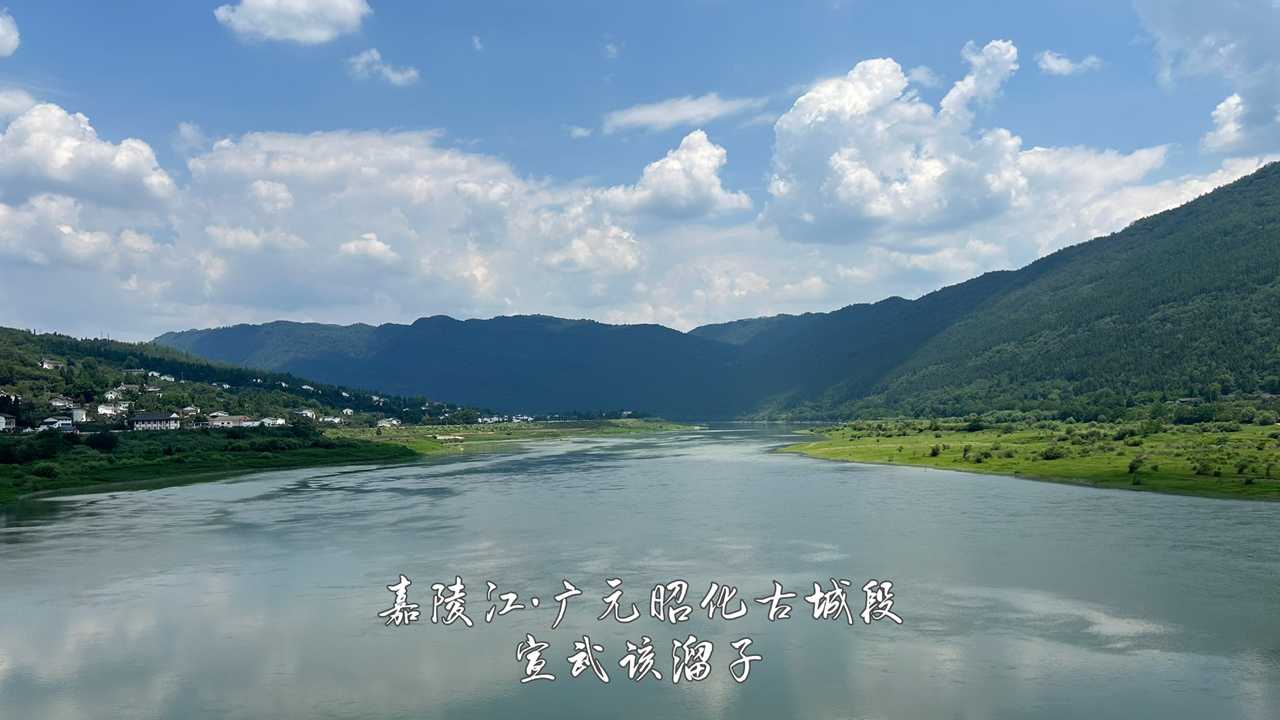
From Zhaohua, I hailed a ride to the Landscape Tai Chi Observation Deck. The first driver tried to demand a surcharge—I promptly canceled and blocked him. The second driver, a local young man, was a goldmine of information. He noted that the view is "even more beautiful after the rain," when the clouds create a sea of mist. He also warned me about the local winter wind, known colloquially as the "demon wind" (妖风).
Niutou Mountain: Scaling the Peak for the World's Finest Landscape Tai Chi
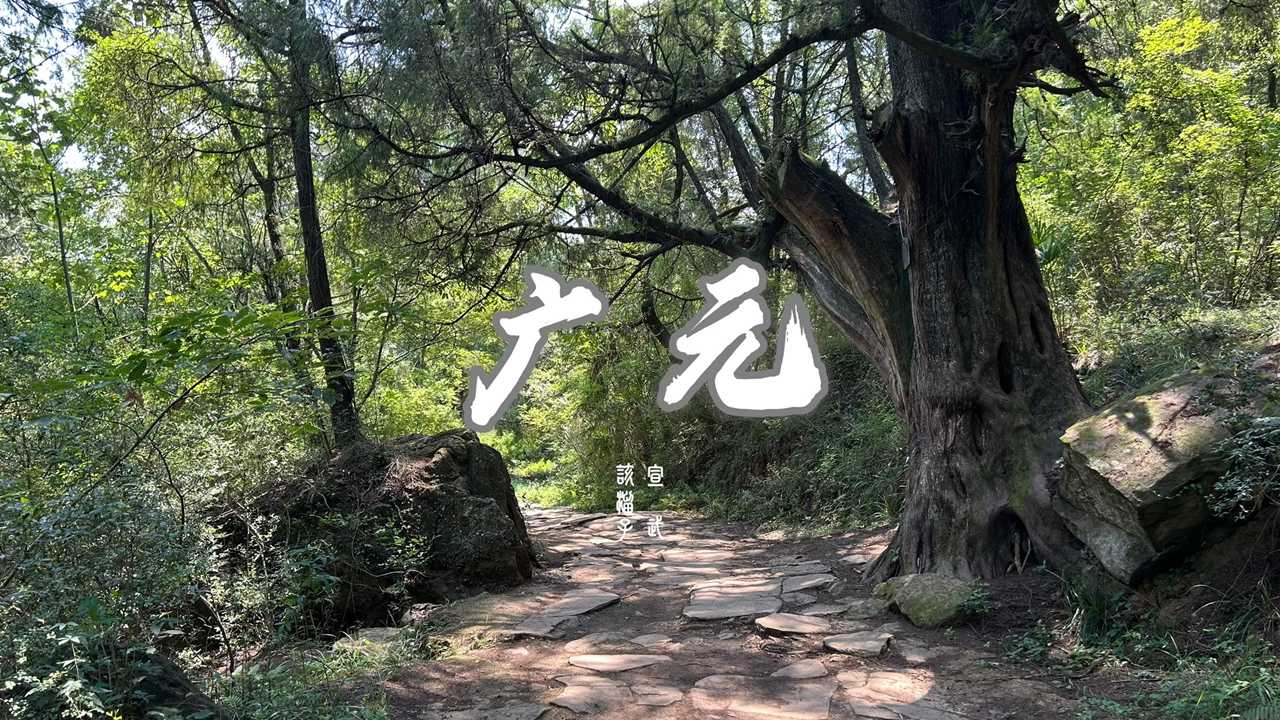
"Through a thousand switchbacks one emerges from Jianmen Pass; ten thousand feet up one climbs Niutou Mountain."
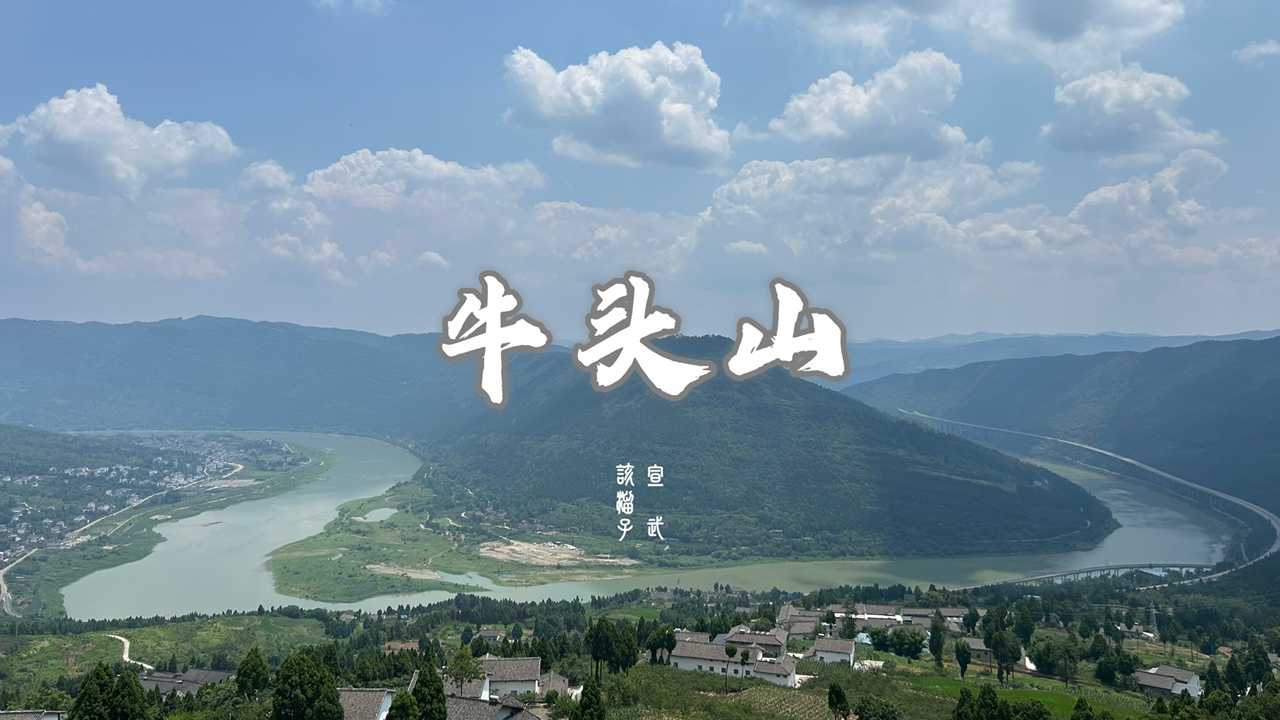
Niutou Mountain (Ox Head Mountain) is the premier vantage point for the Landscape Tai Chi. Shaped like an ox lifting its head (said to be Laozi’s transformed green ox), it stands at 1,214 meters. The trail is almost entirely stairs. Climbing it during a rare heatwave (temperatures hitting 35-36°C) required serious stamina.
The View from the Summit
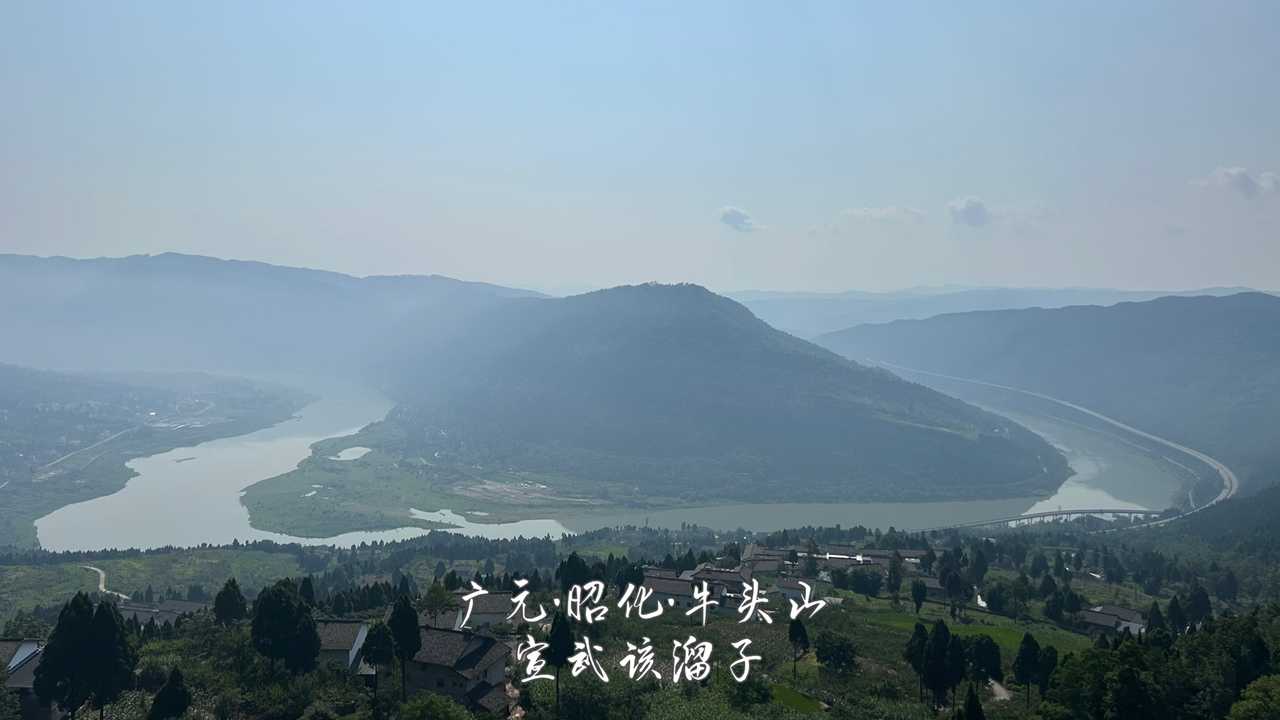
At the summit, next to a Taoist temple, I reached the highest observation pavilion. The view was worth every drop of sweat:
- Zhaohua Ancient Town is surrounded by water on three sides.
- The Bailong River flows from the northwest, bends east, and meanders into the Jialing River.
- The Jialing River comes from the northeast, merges with the Bailong, and turns southwest, encircling Bijia Mountain.
- This creates a reverse "S"-shaped waterway, forming a natural Tai Chi symbol. Zhaohua Ancient Town sits precisely on the "fish eye" of the yang pole.
A Moment of Zen (and Donation)

The temple gate was under renovation. I burst in, drenched in sweat, only to be politely reminded by a Taoist nun to dress properly. Feeling embarrassed, I scanned the QR code donation plate and tossed in ten yuan as a "spiritual compensation fee." A friendly stray dog in the courtyard wagged its tail, offering silent company.
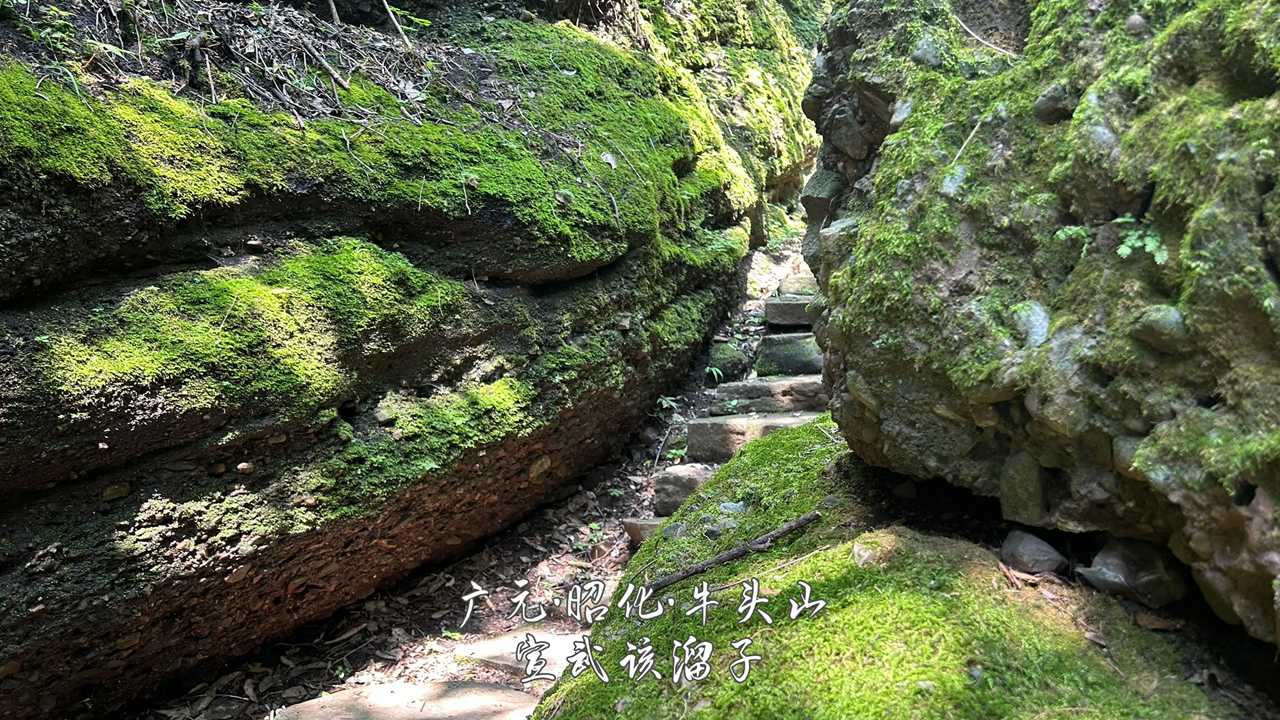
On the descent, I took an unofficial shortcut. The loose, moss-covered stone slabs were treacherous but saved time, dropping me back at the main road and the Observation Deck for a second, clearer view of the magnificent Tai Chi.
[Link: Best hiking trails in Sichuan]
Pu'an Town: Rest, Cramps, and Skewers
Exhausted, I hailed a ride to Pu'an Town in Jiange County. The car that arrived was a pristine BMW 3 Series. The young driver insisted that the skewer shops (串串) in Pu'an are the originals, claiming "all other skewer shops copied this place."
However, I had underestimated the heat. Severely electrolyte-imbalanced, my legs locked up in simultaneous cramps. I limped into the hotel lobby. The front desk girl saw my pain and gave me a heads-up: "Your room is on the fifth floor. Also, this is the fourth floor." Welcome to Sichuan geography.
Dinner at Su's Spicy Skewers
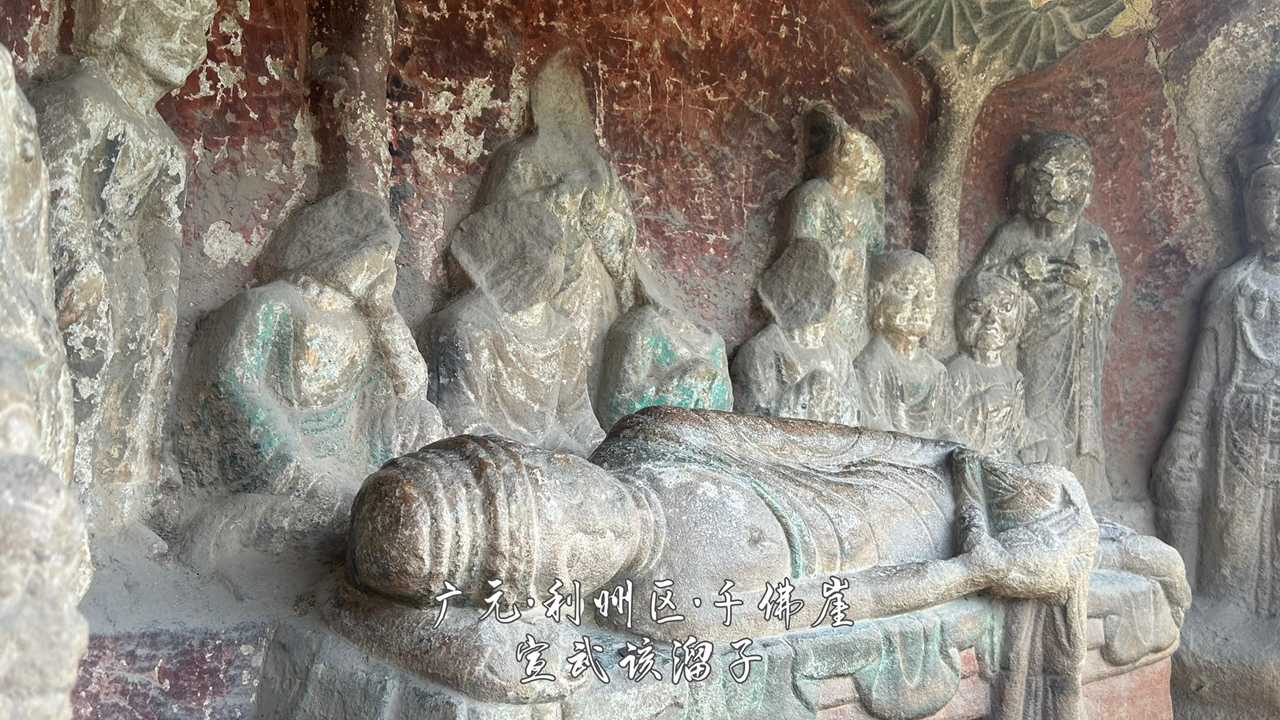
For dinner, I found Su's Spicy Skewers (苏氏麻辣串) . I arrived just after 5 PM to find two tables already occupied. The owner presided over the bubbling stove, and I took a seat at the bar. The ingredients were astonishingly fresh—fresher than what I’d eaten in Dujiangyan. Within thirty minutes, the place was packed. Lesson learned: arrive early for the best skewers in town.
Hiking the Ancient Shu Road: The "Horse-Blocking Wall"
The next morning, I set out for the "Horse-Blocking Wall" (拦马墙) , a section of the Ancient Shu Road. This time, the driver tried to cancel the ride and take cash. I insisted on the platform, but upon arrival, I offered a red envelope to cover the difference. It’s a dance you learn to do in rural China.
What is the Ancient Shu Road?
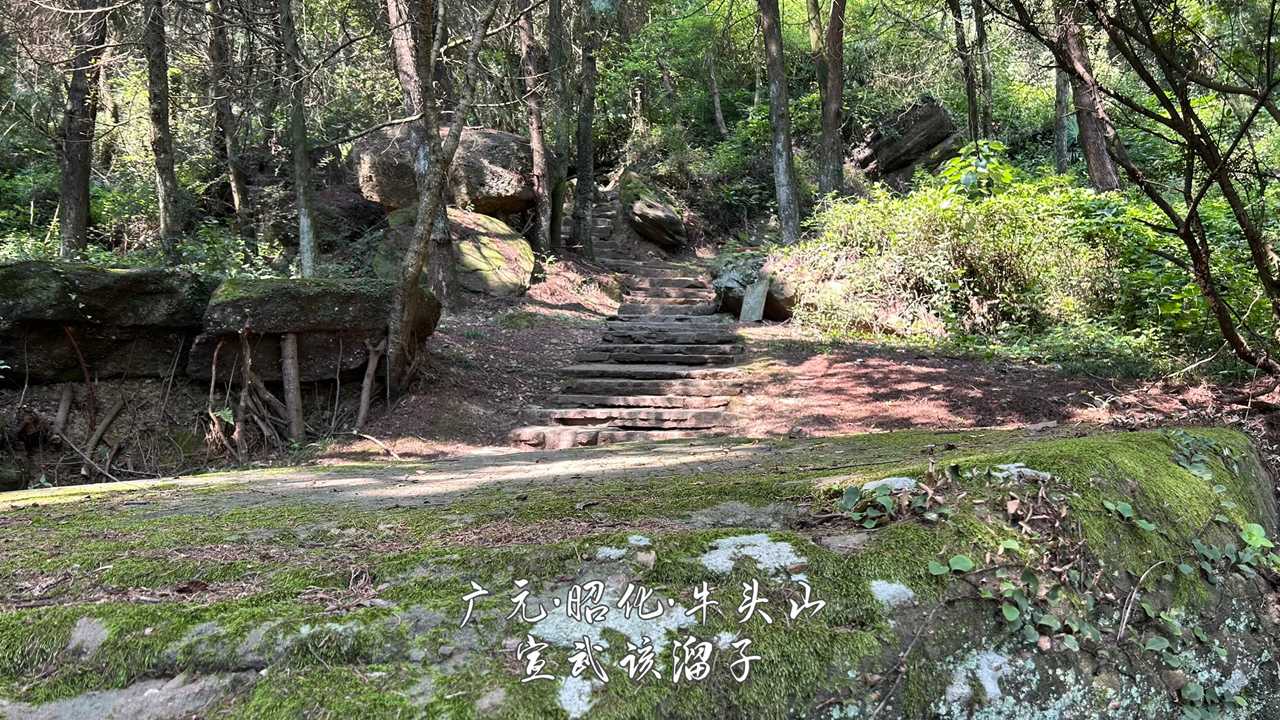
The Ancient Shu Road refers to the historical network connecting Sichuan and Shaanxi. It comprises seven routes—four northern and three southern. Guangyuan contains the best-preserved sections, including:
- Golden Ox Road (金牛道): The main artery from Hanzhong to Chengdu (over 600 km).
- Granary Road (米仓道): A vital trade route.
- Yinping Road (阴平道): A strategic military path.
The name "Golden Ox Road" comes from the legend of "stone oxen excreting gold," a trick used by the Qin state to convince the Shu king to build the road so they could invade.
Walking Through History
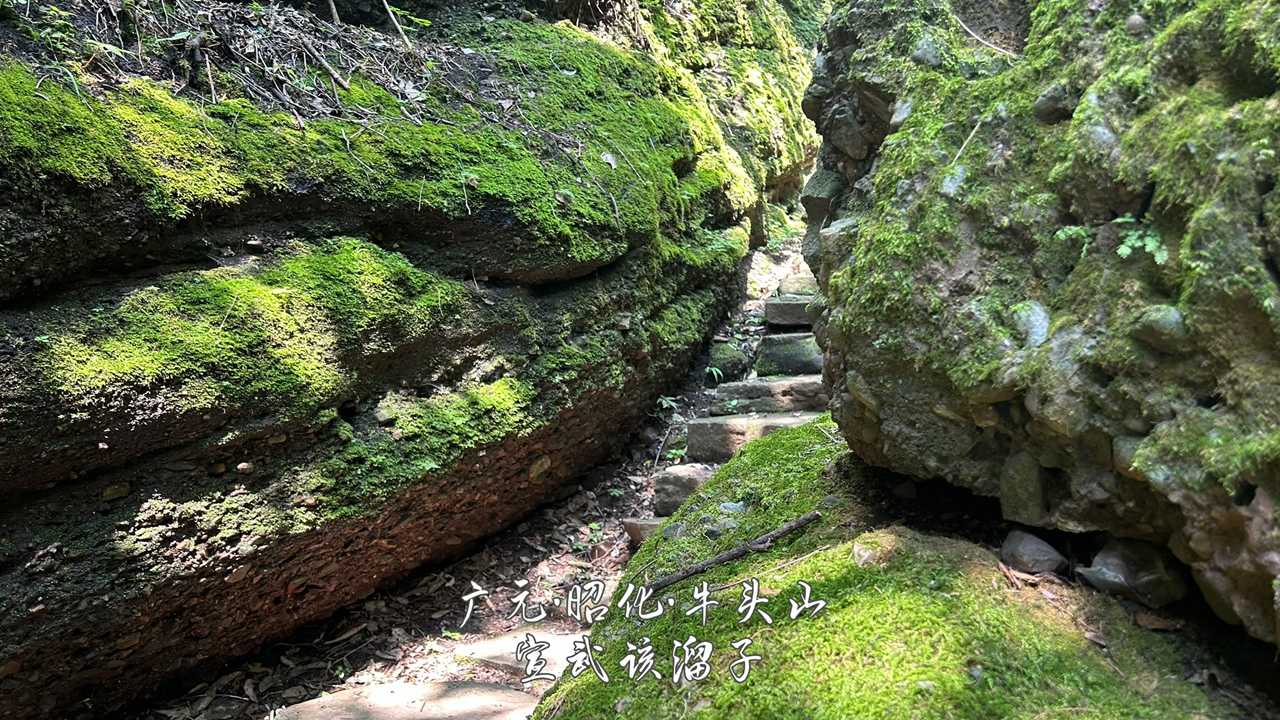
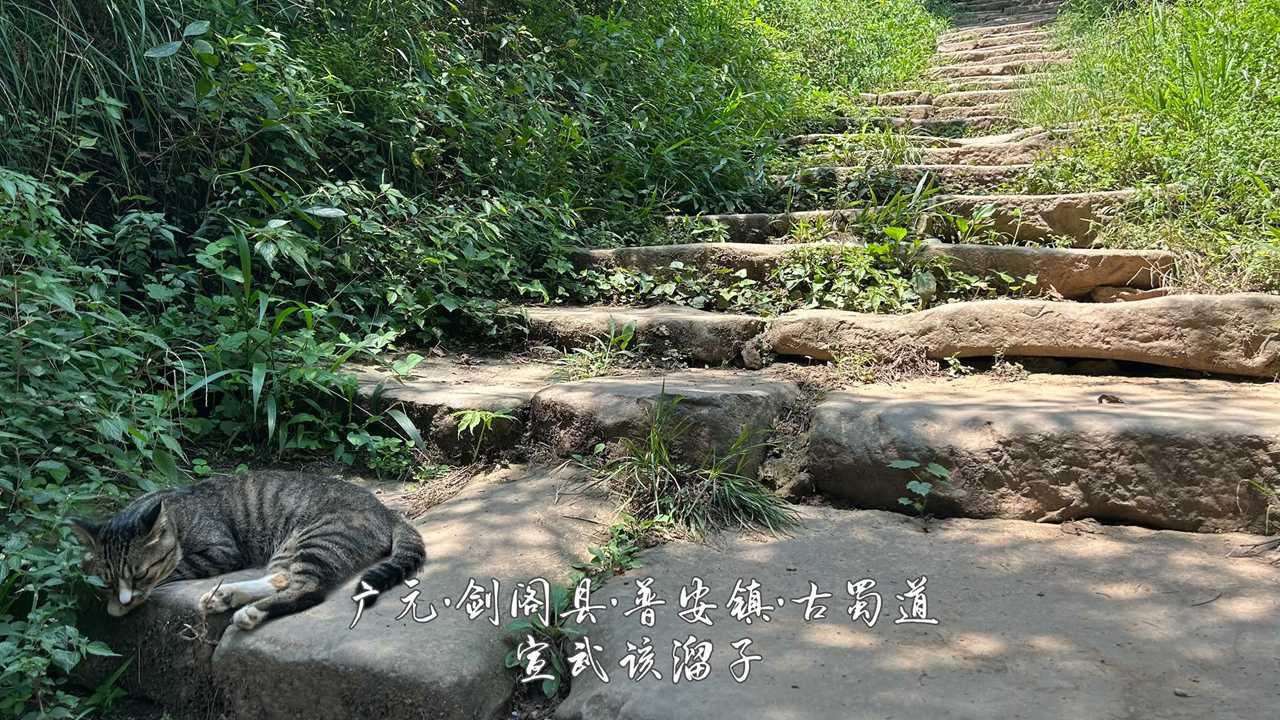
The "Horse-Blocking Wall" section is named for the low stone walls built to stop horses from falling off the cliff. Walking these ancient stone slabs, worn smooth by centuries of footsteps and cart wheels, is a millennia-spanning hike. You can almost hear the echoes of merchants, soldiers, and poets who traveled this route to "conquer the road to Shu."
[Link: Ancient Shu Road hiking itinerary]
FAQ: Planning Your Guangyuan Trip
Q: When is the best time to visit Guangyuan? A: Spring (March-May) and Autumn (September-November) are ideal. Summers can be extremely hot (35°C+), and winters bring the "demon wind."
Q: How do I get to Guangyuan? A: You can fly into Guangyuan Panlong Airport (small but functional). High-speed rail from Chengdu or Xi’an is also efficient.
Q: Is the Niutou Mountain hike difficult? A: It is moderate. The altitude is only 1,214m, but the path is almost entirely stairs. Bring water and electrolytes, especially in summer.
Q: What should I eat in Guangyuan? A: Empress Cold Noodles, tofu pudding, and spicy skewers (串串) are must-tries. The skewers in Pu'an Town are particularly famous.
Q: How long should I spend in Guangyuan? A: A 2-3 day itinerary is ideal: Day 1 for Zhaohua and Niutou Mountain, Day 2 for the Ancient Shu Road, and Day 3 for Huangze Temple and local cuisine.
Conclusion: The Hidden Realm Awaits
Guangyuan is not a polished tourist trap. It is raw, hot, and sometimes confusing (floors 4 and 5 are the same?). But it is also authentic. It offers a chance to stand where an empress was born, hike a road that predates the Silk Road, and see a landscape that looks like a cosmic diagram.
Your journey starts now. Book that cheap flight. Pack your hiking boots. And don't forget the electrolytes.
Ready to explore the Hometown of the Empress? [Link: Book your Guangyuan hotel & flight package]
You may also like


