The Hearth of Beijing and the Leisure of Shu: Why, After Nine Months, We Return to Chengdu?
Meta Description: Discover why travelers return to Chengdu after months in Beijing. Our 15-day guide covers the best Chengdu hot pot restaurants, hidden street snacks, and tea house culture. Find out which hot pot spots are worth your time—and which to skip.
Introduction: The Magnetic Pull of Chengdu's Slow Life
Living in Beijing for too long makes a person tense. The hurried faces in the subway, the relentless clatter of keyboards in office towers, even the weekend coffee shops are steeped in an atmosphere of "efficient socializing." It's not that we don't love Beijing; it's just that we occasionally miss a different rhythm of life—one slow enough to spend an entire afternoon daydreaming in a tea house, spicy enough to numb your tongue, yet tempting you to reach for just one more bite.
Nine months ago, we made a brief visit to Chengdu and were instantly struck by its vibrant, smoky energy. Nine months later, as we set foot on this land again, we finally understood: our attachment to Chengdu isn't about its status as an "internet-famous" city, but about its magical ability to make you relax amidst the chaos. This time, we spent 15 leisurely days eating, drinking, walking, and pausing—focusing on the hot pot that both delights and frustrates, and the taste memories hidden in the city's alleyways.
The Ultimate Chengdu Hot Pot Guide: Red Oil, Broth, and Hard Lessons

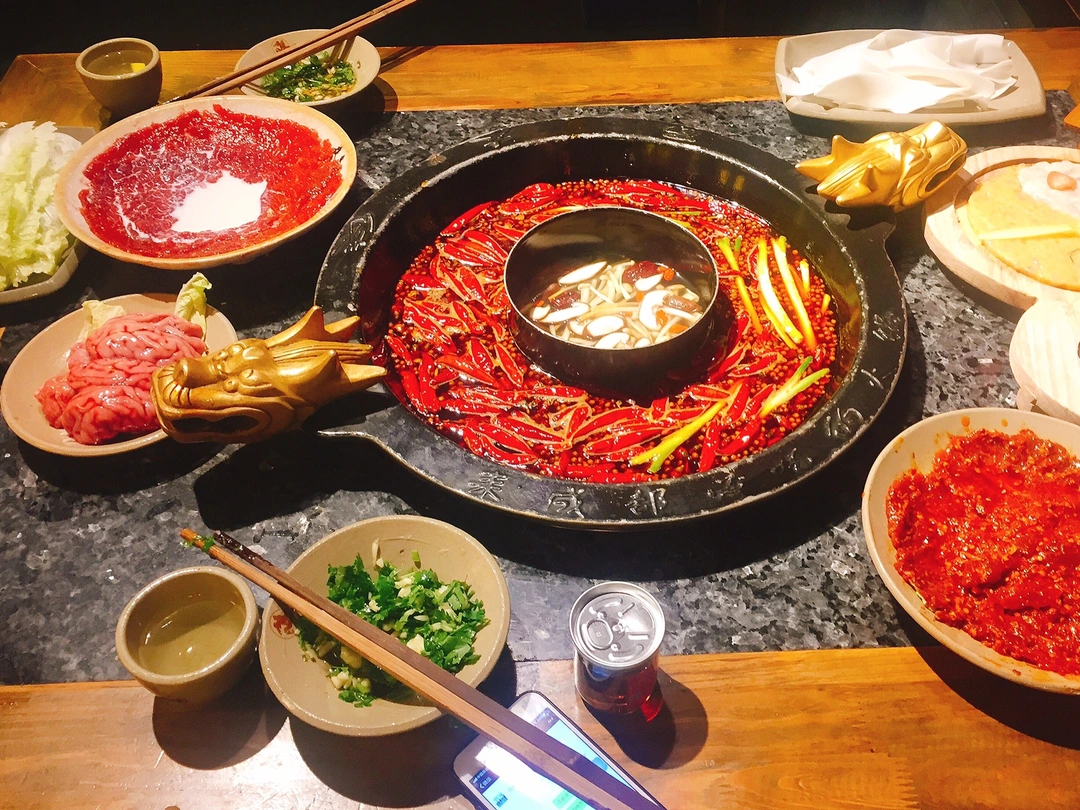
Chengdu's hot pot restaurants are like martial arts sects—each has its signature moves, and each has its fatal flaws. We spent days testing three iconic spots, from disappointments to delights. Here's the full story, so you can plan your own Chengdu hot pot experience without the guesswork.
Da Miao Hot Pot (Kuanzhai Alley): Michelle Came, But Only Once
Rating: ★★★
Spice Level: ★★★★★
Ingredient Quality: ★★★★
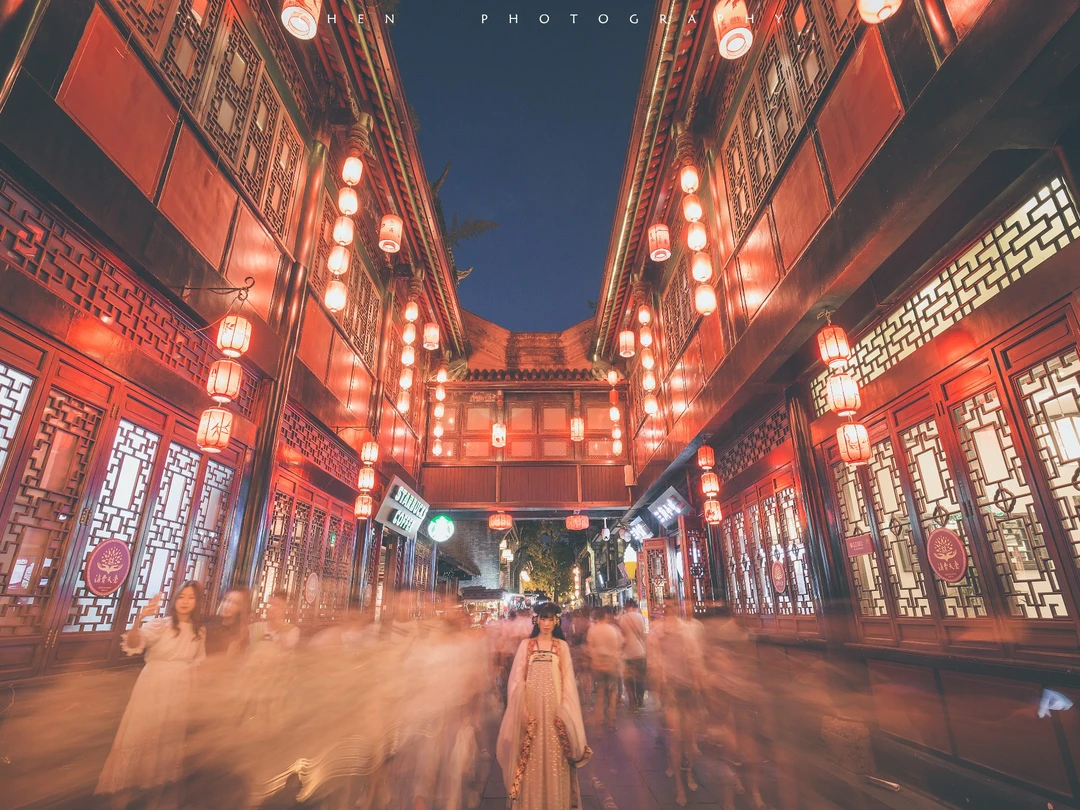
Walking into Da Miao, the ambiance is a definite plus. The antique Shu-style decor and the occasional Sichuan opera performance on a small stage create a full-on atmosphere. But the service feels like a wound-up machine—slow, sluggish. It took three reminders to place an order, and no one showed us to our seat for ages, making you wonder if you've walked into the wrong place.
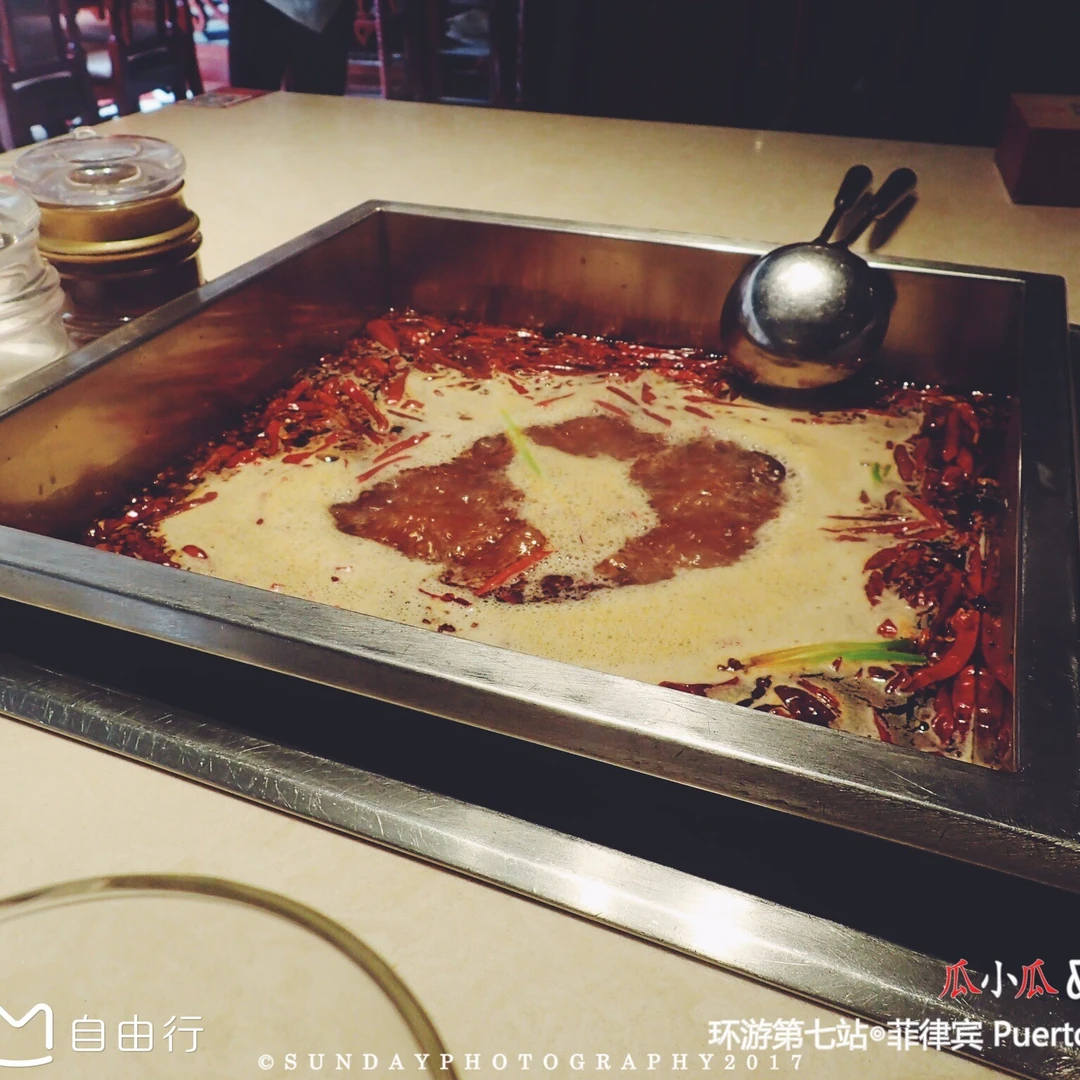
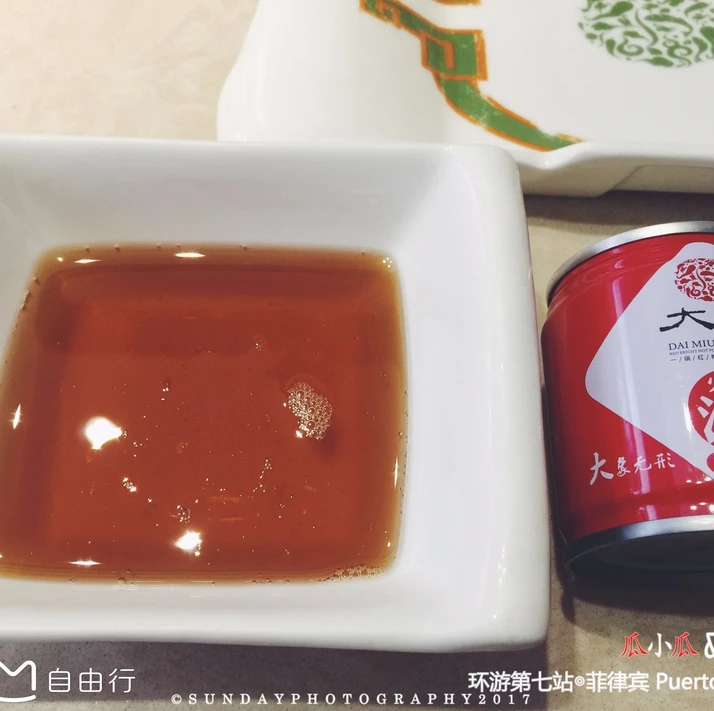
The red oil broth is a middle-of-the-road compromise, but the spice level is surprisingly fierce—among the spiciest we had on this trip. The problem, however, is that it lacks the numbing fragrance (málà) that defines authentic Chengdu hot pot. On the bright side, the broth doesn't turn bitter after boiling for a while. But the oil dipping sauce is made with vegetable oil, which only cuts the spice without locking in heat—a critical flaw for a style of hot pot that prides itself on "oil-dipping temperature retention."
Dish Highlights and Lowlights:
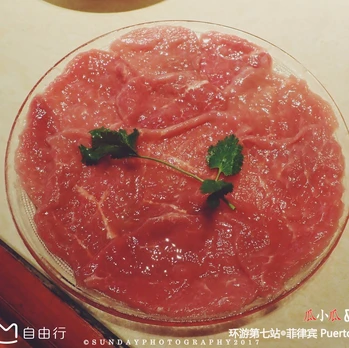
- 水晶牛肉 (Crystal Beef): The biggest letdown—every slice had unbreakable tendons. After ten minutes of boiling, they remained stubbornly tough.
- 川味酥肉 (Sichuan-style Crispy Pork): Too much batter, too little meat. Made with large chunks of fatty pork, greasy and flavorless.
- 鹅肠 (Goose Intestines): A highlight—turned delightfully crunchy after cooking.
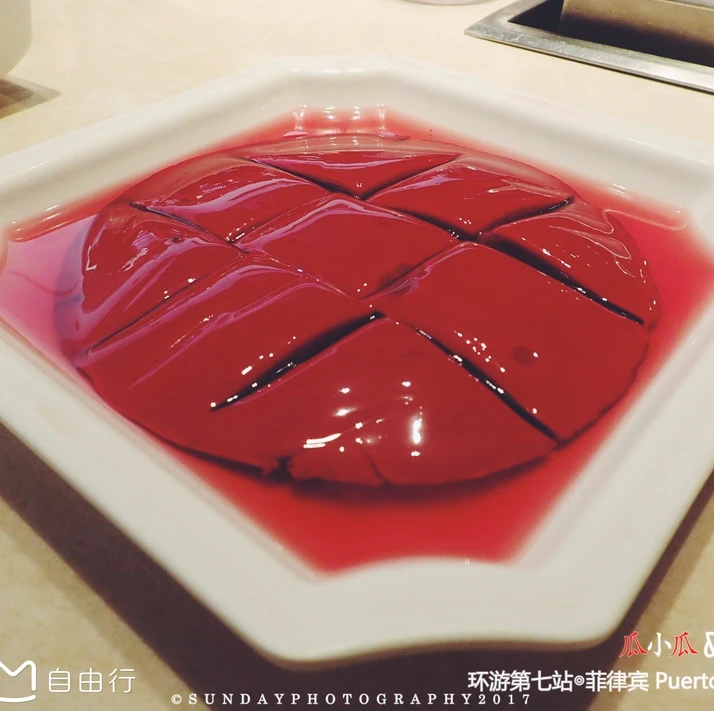
- 鸭血 (Duck Blood Curd): As smooth as tofu, melting on the tongue.
- 特制虾滑 (Special Shrimp Paste): A pleasant surprise—every bite revealed chunks of shrimp, making it increasingly addictive.
Overall: The price rivals Haidilao, but the service drags it down. In terms of flavor, it ranks only second or third tier among Chengdu hot pot restaurants. Michelle Obama came once and never returned—probably for good reason. It's fine for a business dinner, but if you're after authentic hot pot? Look elsewhere.
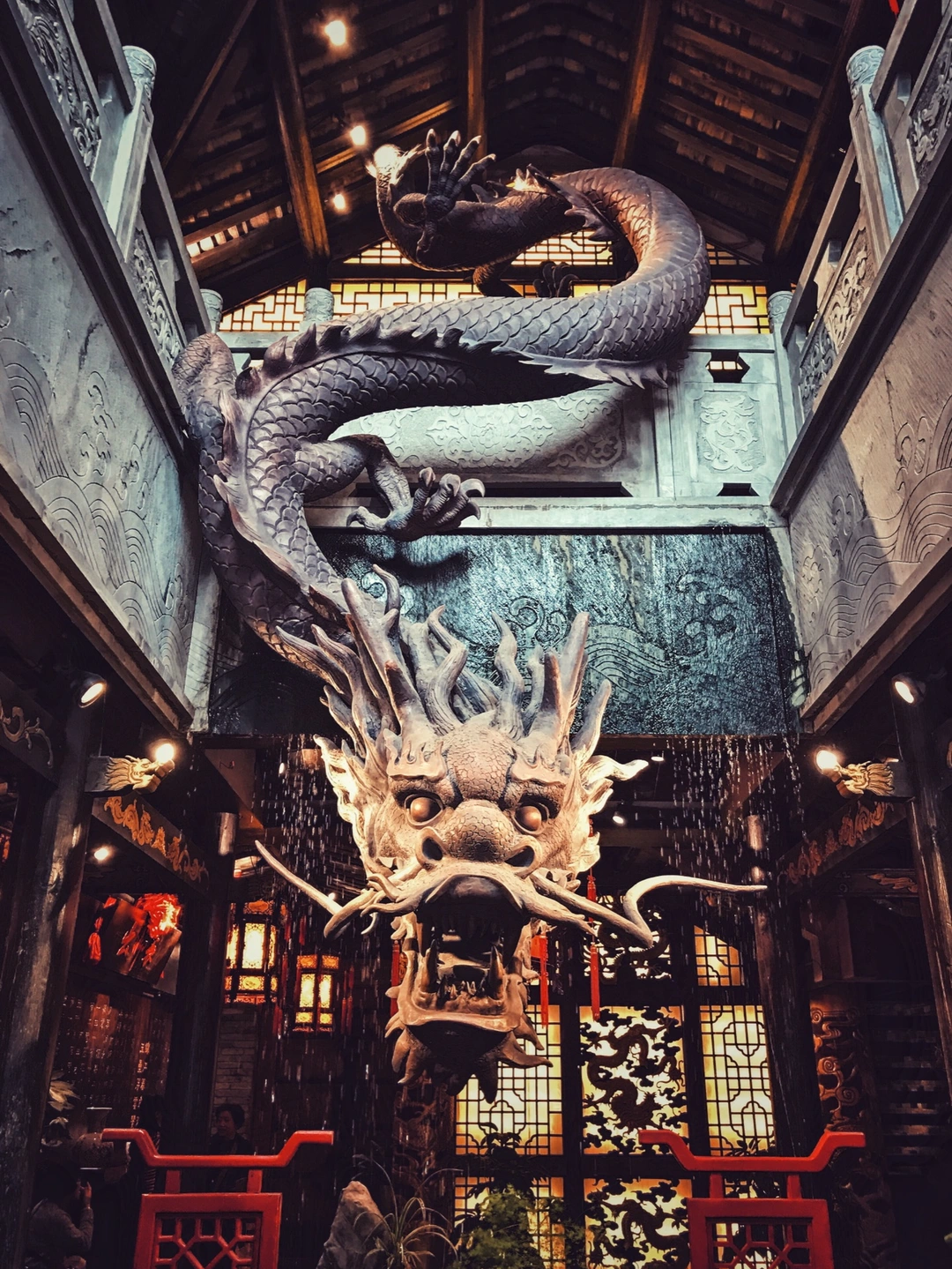
Little Dragon Overturns the Great River Hot Pot Restaurant (Kuanzhai Alley): Bronze Pot with Dragon Carvings, A Sincere Effort
Rating: ★★★★
Spice Level: ★★
Ingredient Quality: ★★★★★
Because my companion's appetite had just recovered, we didn't order much, but Little Dragon Overturns the Great River still left a deep impression.
The pot itself is a bronze dragon-carved cauldron—a visual masterpiece. We ordered a mild red oil broth, generously seasoned with Sichuan peppercorns and numbing peppercorns. There was no bitter medicinal aftertaste, but the broth was on the salty side, and the saltiness intensified the longer it boiled—that was the only regret. The oil dip and dry dip were both standard, though the dry dip was finely ground but lacked aromatic punch.
Dish Highlights:
- 精品千层肚 (Premium Layered Tripe): Not perfectly sliced, but there's a hidden way to enjoy it: skip the oil dip, take a bowl of the original broth, and dip the tripe in it. The chili and numbing peppercorn flavors explode in your mouth instantly—satisfying.
- 神仙肥牛 (Divine Fatty Beef): The visual star: thinly sliced beef laid on lettuce, with dry ice hidden beneath, creating a misty, ethereal presentation. The slices were thin, intact, and tendon-free. Dip first in the oil dip, then in the dry dip, for a layered texture.
- 龙门秘制排骨 (Longmen Secret Recipe Ribs): A surprise—well-marinated, with a perfect balance of fat and lean meat. A plate of over a dozen ribs offered generous portions.
- 妈妈酥肉 (Mom's Crispy Pork): Substantial, each piece twice as long as those at ordinary places, but the numbing fragrance was mild, and the dipping mix of chili and numbing peppercorn powder lacked soul.
Overall: Worth recommending. We arrived at 9 p.m. and still had to wait in line, while Da Miao in the same alley was already closing. The difference was clear. This is a top contender for best hot pot in Chengdu.
Shu Jiuxiang Hot Pot (Nanfu Branch): Third Time's a Disappointment, Probably the Last
Rating: ★★★
Spice Level: ★★★
Ingredient Quality: ★
We'd eaten at Shu Jiuxiang on our last trip to Chengdu, and this time we thought, "Let's give it another chance." We regretted it again.
The beef tallow red broth was still reliable—order the spiciest option, and it delivers a punch. But the ingredients were a mixed bag:
- 三色丸子 (Three-Color Meatballs): Beef and cilantro, pork and radish, and shrimp—tasted like batter, too watery and lacking substance.
- 鲜猪黄喉 (Fresh Pork Aorta): Wasn't fresh enough; it turned chewy instead of crunchy after cooking, and the cutting was sloppy.
- 黄瓜片 (Cucumber Slices): A pleasant surprise—quick-boiled until crisp and sweet, perfect dipped in the original broth.
- 九香排骨 (Nine-Fragrance Ribs): A signature dish—well-salted, flavorful, and easy to separate from the bone after cooking. The only highlight of the meal.
Overall: The signature dishes are decent, but the overall ingredient quality has dropped sharply. Next time we're in Chengdu, we probably won't go back.
Beyond Hot Pot: BBQ, Tea Houses, and Street Snacks in Chengdu
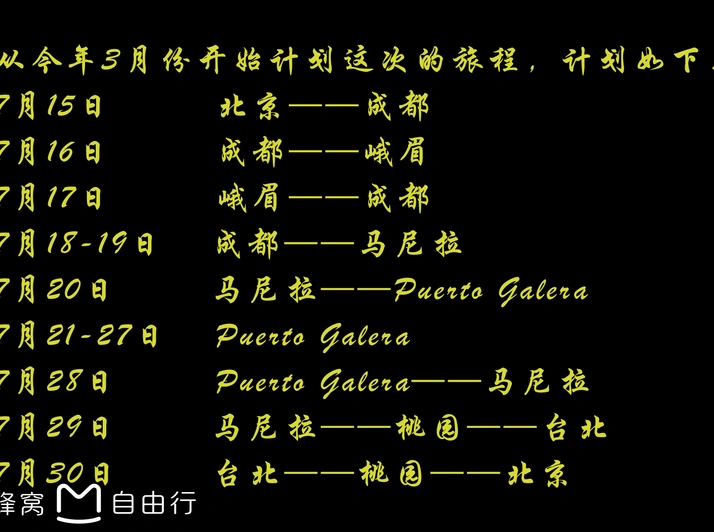
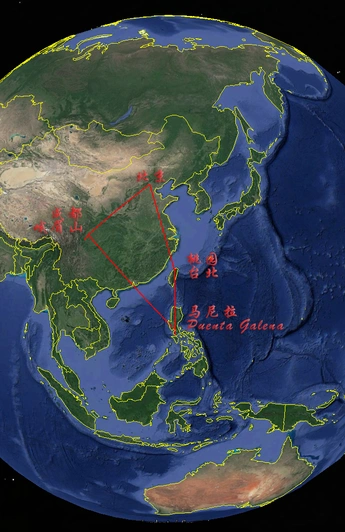
Chengdu's culinary world isn't just about hot pot. This time, we also discovered other unforgettable flavors in the city's alleys. If you're planning a Chengdu food tour, don't miss these spots.
He Shi BBQ (Zitong Bridge Concept Store): Late-Night Paradise, Grilled Banana Steals the Show
Rating: ★★★★
Spice Level: ★
Ingredient Quality: ★★★
This BBQ joint was our go-to for late-night cravings. The atmosphere is noisy, but the more noise, the more it feels alive.
Must-Order Items:
- 烤香蕉 (Grilled Banana): An absolute revelation. Banana slices grilled with the skin on, caramelizing the natural sugars, then dipped in a thick syrup made from boiled snow pears. It's sweet and sour with a hint of astringency—a taste adventure. The only minor drawback is that some of the banana's fruitiness gets lost.
- 烤脑花 (Grilled Pig Brain): Outstanding. Sichuan pickled cabbage as a base, the brain placed on top, grilled with bird's eye chilies and scallions. It's mildly spicy with a sour kick and a creamy texture.
- 香辣掌中宝 (Spicy Chicken Knee Cartilage): Stir-fried, generous in portion, with soft sticky rice cakes and cartilage that's meaty and easy to chew.
What to Skip:
- 烤大茄 (Grilled Whole Eggplant): A minefield—ranked #1 on Dianping, yet bland and greasy, making you suspect the reviews were bought.
- Grilled Oysters and Scallops: Average—small and bland.
Overall: Perfect for a late-night visit. Order a grilled banana, grilled brain, and spicy cartilage, pair with two bottles of beer, and you're set.
He Ming Tea House: The Soul of Chengdu Leisure
[Link: Best tea houses in Chengdu]
No trip to Chengdu is complete without spending an afternoon in a traditional tea house. He Ming Tea House, tucked away in a quiet alley, embodies the leisure of Shu. The bamboo chairs, the clatter of mahjong tiles, the aroma of jasmine tea—it's a world away from Beijing's frantic pace. Order a cup of gaiwan tea, watch the locals play cards, and let the hours slip by. It's free therapy.
Chengdu Travel Tips: What We Learned After 15 Days
After 15 days of eating, walking, and pausing, here are our top takeaways for anyone planning a Chengdu travel guide adventure:
- Hot pot strategy: Go early (before 6 PM) or late (after 9 PM) to avoid queues. Kuanzhai Alley is touristy, but some gems like Little Dragon Overturns the Great River are worth the wait.
- Spice tolerance: Even "mild" hot pot in Chengdu can be intense. Always order a pot of plain broth on the side for dipping.
- Street snacks: Don't skip the dan dan noodles and ma la skewers from street vendors—they're often better than restaurant versions.
- Pacing: Chengdu is about slowing down. Plan no more than two major meals per day, with a tea house break in between.
Frequently Asked Questions About Chengdu Dining
1. What is the best hot pot in Chengdu for first-timers?
For first-timers, we recommend Little Dragon Overturns the Great River Hot Pot Restaurant (Kuanzhai Alley). The broth is milder, the ingredients are high quality, and the bronze dragon pot adds a memorable visual experience. Avoid Da Miao Hot Pot unless you're prioritizing ambiance over flavor.
2. How spicy is Chengdu hot pot compared to other regions?
Chengdu hot pot focuses on málà (numbing and spicy), using Sichuan peppercorns for the numbing effect. It's generally spicier than Beijing-style hot pot but less intensely numbing than Chongqing hot pot. If you're sensitive to spice, always order a split pot with a non-spicy broth.
3. Are there vegetarian-friendly options in Chengdu hot pot restaurants?
Yes, but options are limited. Most hot pot restaurants offer vegetable platters, tofu, mushrooms, and cucumber slices. However, the broth itself is often meat-based (beef tallow). Look for restaurants that offer a clear vegetable broth option, or visit dedicated vegetarian hot pot spots like Vegetarian Hot Pot House.
4. What is the etiquette for dipping sauces in Chengdu?
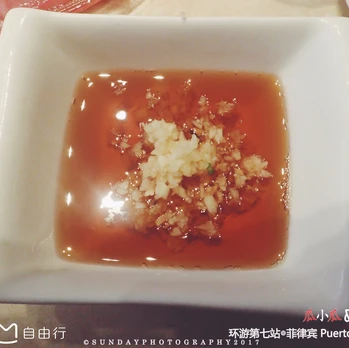
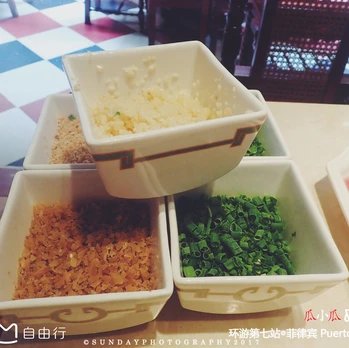
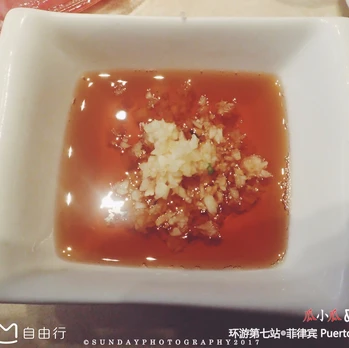
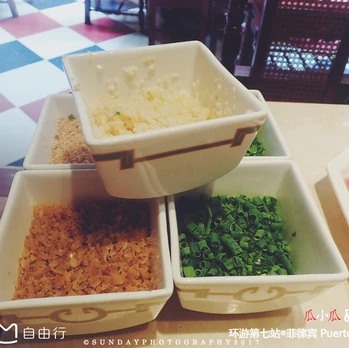
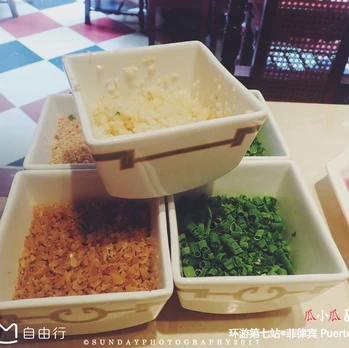
The classic Chengdu dipping sauce is a mix of sesame oil, minced garlic, chopped cilantro, and a splash of vinegar. Unlike northern China, Chengdu locals rarely use sesame paste. For dry dips, a mix of chili powder, Sichuan peppercorn powder, and crushed peanuts is common.
5. How do I find hidden gem restaurants in Chengdu?
Avoid Dianping's top-rated lists—they're often inflated. Instead, ask locals, look for restaurants packed with Chinese diners (no English menus), or explore alleys off the main tourist streets. The best ma la skewers we found were from a cart outside a residential complex.
Conclusion: Why We Keep Coming Back to Chengdu
Nine months ago, we left Chengdu wondering if the magic was real. Nine months later, we know it is. It's not the "internet-famous" attractions or the trendy cafés. It's the way the city invites you to pause—to sit in a tea house for three hours, to share a pot of boiling red oil with friends, to discover a grilled banana that changes your understanding of dessert.
Beijing gives you ambition. Chengdu gives you peace. And sometimes, that's exactly what you need.
Ready to plan your own Chengdu escape? [Book your Chengdu hot pot food tour today] and experience the leisure of Shu for yourself. Your taste buds will thank you.
Have you visited Chengdu? Share your favorite hot pot spot in the comments below—we're always looking for our next bowl.
You may also like