The First Snowline Days: A Complete Guide to the Menggu Snow Mountains 360° Hiking Experience
Meta Description: Discover the ultimate Menggu Snow Mountains hiking guide—a 360° snow mountain feast in Li County, Sichuan. From yak hotpot to alpine trails, this SEO-optimized travel guide covers routes, tips, and hidden gems for your next adventure.
Introduction: Why the Menggu Snow Mountains Should Be Your Next Hiking Destination
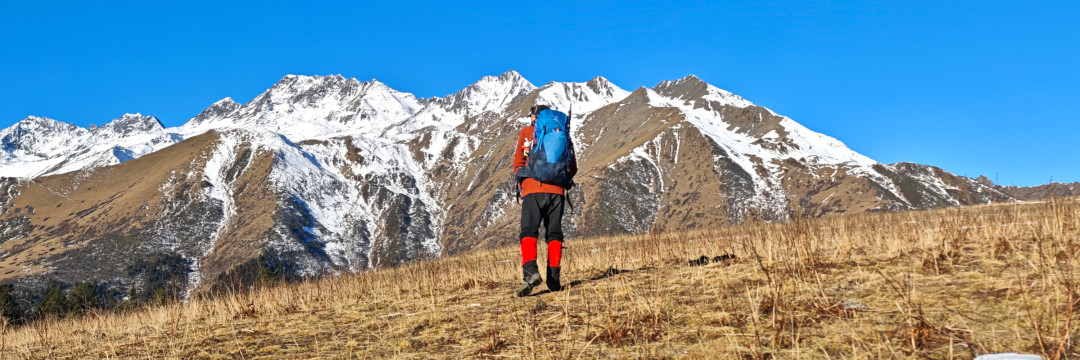
Sometimes the best journeys are the ones you never planned. When a last-minute invitation to the Menggu Snow Mountains in Li County, Sichuan, replaced a canceled Zunyi trip, what unfolded was an unforgettable 360° snow mountain experience. Located in the core area of the Qionglai Mountain Range within the Hengduan Mountains, the Menggu Snow Mountains offer pristine alpine scenery, challenging yet beginner-friendly trails, and a unique cultural touch that sets them apart from overdeveloped tourist spots.
This guide covers everything you need to know—from the best Menggu Snow Mountains hiking routes to local food, elevation tips, and why this hidden gem deserves a spot on your bucket list.
H2: The Menggu Snow Mountains: Location, Altitude, and Cultural Significance
H3: Where Are the Menggu Snow Mountains?
The Menggu Snow Mountains are situated in Menggu Village, Miyaluo Town, Li County, within the Aba Tibetan and Qiang Autonomous Prefecture in Sichuan Province. This area lies in the heart of the Hengduan Mountains, one of China's most biodiverse and geologically dramatic mountain ranges.
H3: Bawang Mountain—The "Little Kailash"
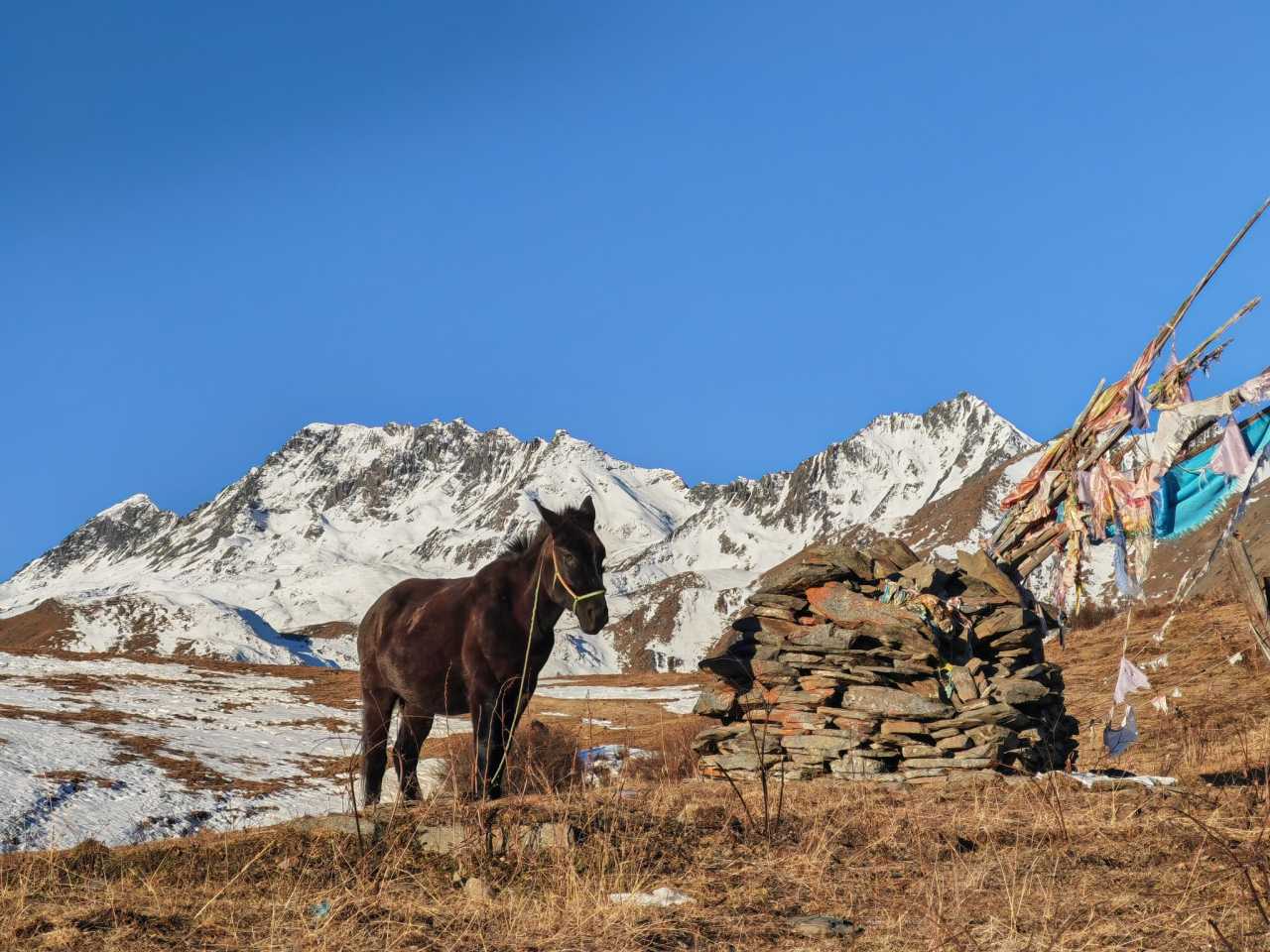
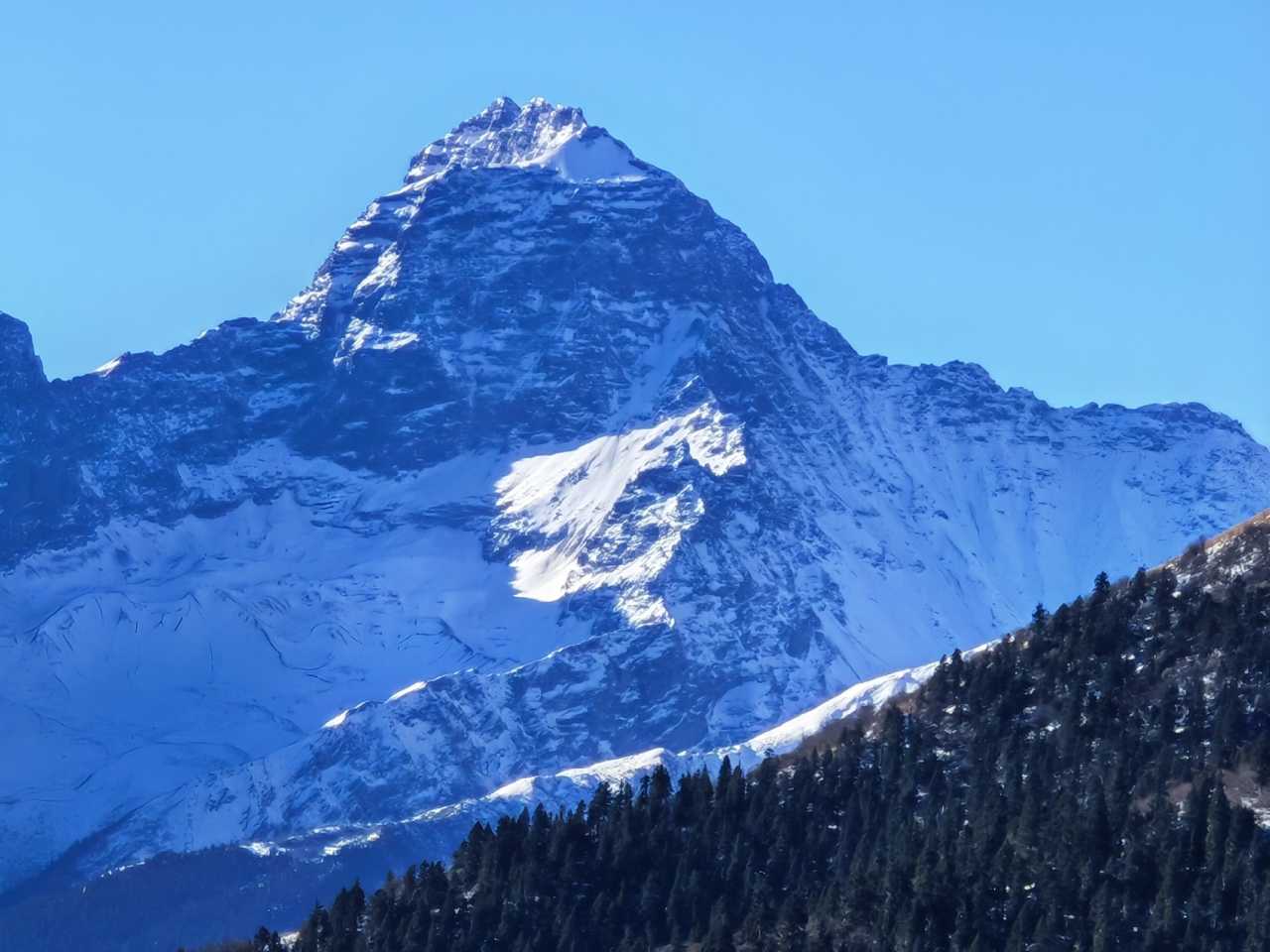
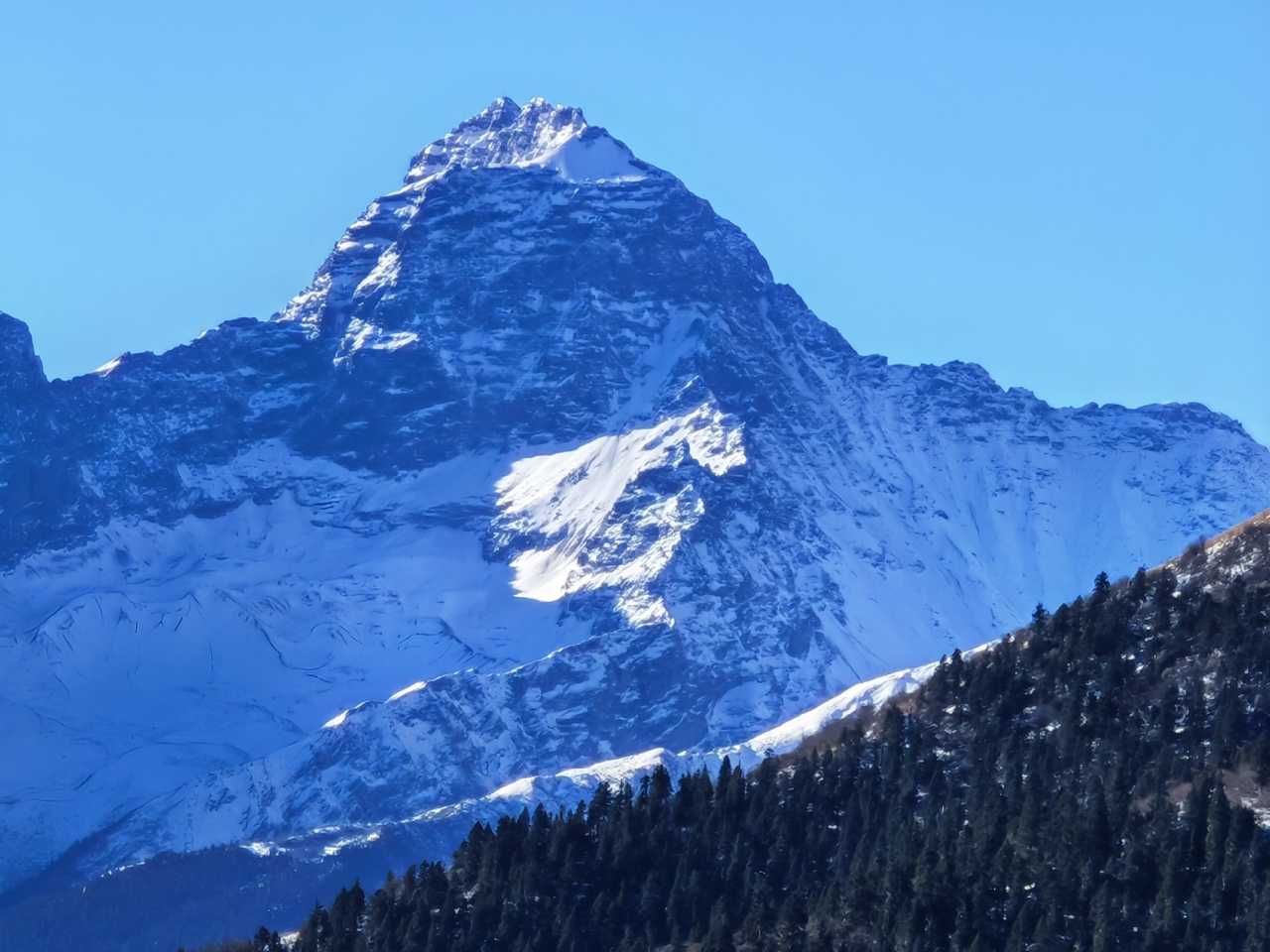
The main peak, Bawang Mountain (Overlord Mountain), stands at an imposing 5,551 meters above sea level. In Tibetan, it is called "Tawa Wangzheng Rouda," meaning "Basket Sacred Mountain," named for its inverted basket-like shape. Locals call it Bawang Mountain because its size and presence dwarf surrounding peaks. Interestingly, its silhouette closely resembles the sacred Mount Kailash in Tibet, earning it the nickname "Little Kailash."
H3: Why It's a Hiking Paradise
Unlike many commercialized scenic areas, the Menggu Snow Mountains remain a hiking hidden gem with minimal development. The trails are entirely dirt paths with clear markings from outdoor groups, making navigation straightforward. There are virtually no forks, so even first-time alpine hikers can feel confident.
H2: Menggu Snow Mountains Hiking Routes: Two Options for Every Fitness Level
H3: Route 1—The Viewing Meadow (3,760m)
- Distance: 10.5 km round trip
- Elevation Gain: 1,100 meters
- Starting Altitude: 2,680 meters (Menggu Village)
- Difficulty: Moderate
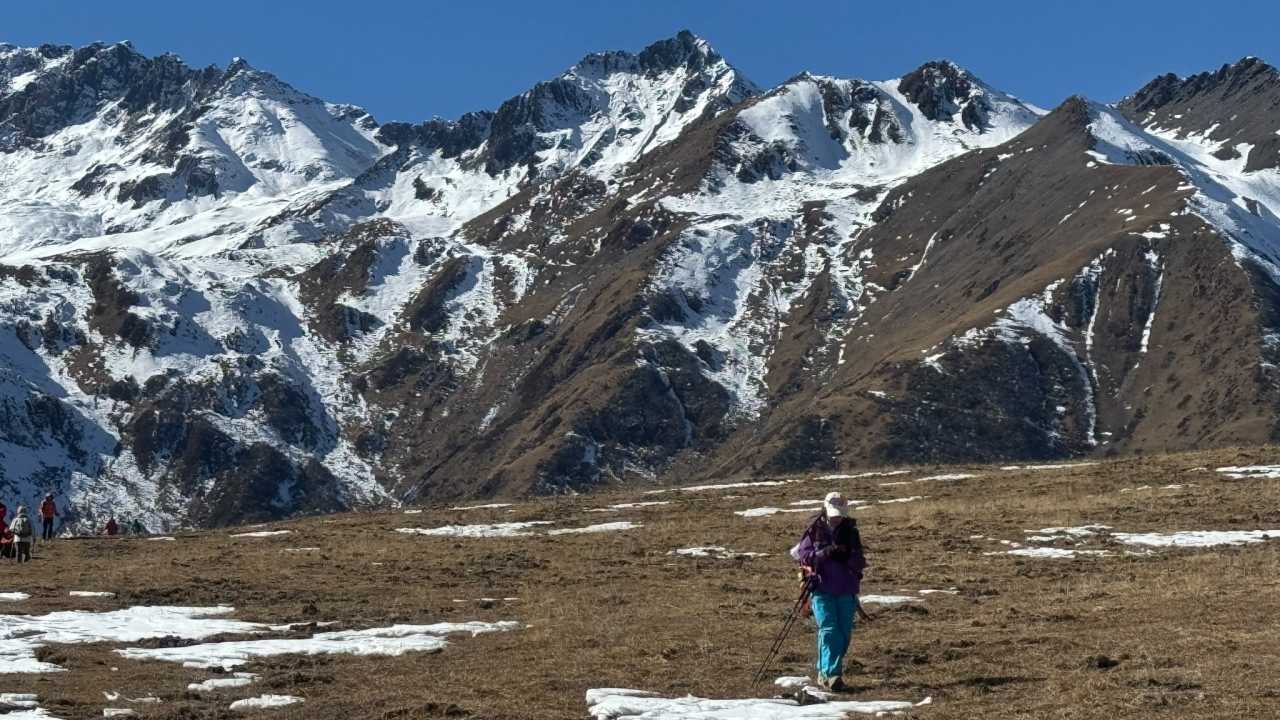
This route leads to a scenic viewing meadow at 3,760 meters. It's ideal for hikers who want a full-day adventure without extreme altitude challenges. The trail passes through primitive forests, alpine meadows, and offers panoramic views of Bawang Mountain.
H3: Route 2—The Alpine Lake to Summit (5,020m)
- Distance: 14.5 km round trip
- Elevation Gain: 1,530 meters
- Starting Altitude: 4,235 meters (drive to high-altitude lake)
- Difficulty: Challenging
This route involves driving to a high-altitude alpine lake at 4,235 meters before beginning the hike. For experienced climbers, you can continue from the lake to summit the 5,020-meter satellite peak of Bawang Mountain. Alternatively, cross the 4,700-meter pass to traverse toward the Lixiao Road side.
H3: Beginner-Friendly Features
- Trail markers left by outdoor groups
- Small wooden cabins at regular intervals for rest stops
- 20 yuan environmental fee (no expensive permits)
- Commemorative medal available after check-in at SP6
H2: The Impulsive Journey: How a Last-Minute Trip Became Unforgettable
H3: From Zunyi to Menggu—A Spontaneous Decision
The original plan was to hike the Hailongtun Fortress in Zunyi. But when Thursday's weather forecast showed gloomy clouds, a casual message in the Luzhou outdoor adventure group chat changed everything. Within hours, a Menggu Snow Mountains weekend trip was born.
H3: The "Special Forces" Itinerary
The initial schedule was intense: - Friday: Work, then drive straight to Menggu Village after hours - Saturday: Start climbing at 5 a.m. in darkness - Saturday afternoon: Descend and drive back to Luzhou
After coordination, the group compromised: depart Luzhou at 2:30 p.m., drive 500 km (6 hours), and arrive before 9 p.m. The team consisted of 10 people in two cars, mostly young outdoor enthusiasts from the "Rush to the Mountains and Seas" group.
H2: Nightfall in Menggu Village: The Warmth of Yak Meat Hotpot
H3: A Rocky Start—No Deposit, No Hotpot
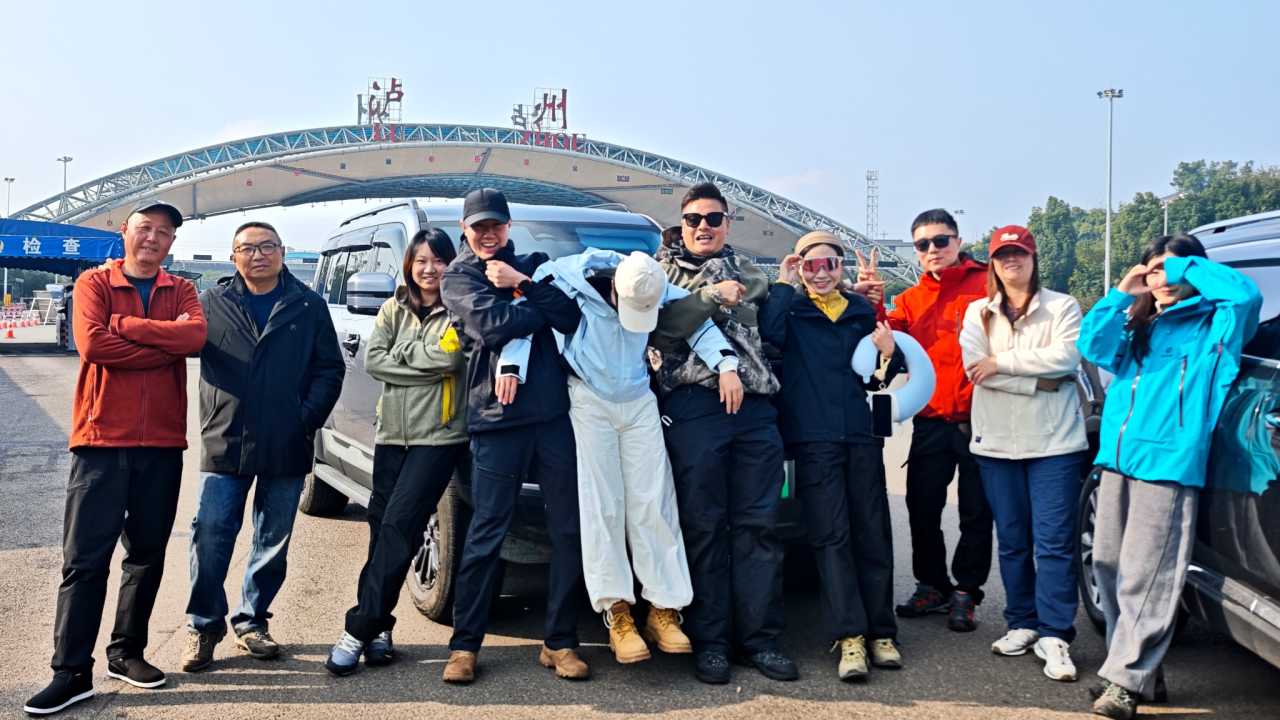
Arriving at Menggu Village just before 9 p.m., the group expected a steaming pot of yak meat hotpot (牦牛肉火锅) ready on the table. Instead, they found only boiling water. The innkeeper explained, "You didn't pay a deposit. I was afraid you might not show up."
H3: The Apple Surprise
While waiting for the meal, the innkeeper offered free Li County candy-heart apples (糖心苹果). These apples are famous for their sweetness and crystal-like core. The group devoured them and immediately ordered more.
H3: The Hotpot That Made It All Worthwhile
When the massive pot of yak meat hotpot finally arrived, the bubbling broth and rising steam erased all travel fatigue. With soda fizzing, baijiu flowing, and laughter echoing through the highland night, the spontaneous gathering became a celebration of friendship and adventure.
H2: Pre-Dawn Start: Chasing the Snow Mountain Sunrise
H3: 4 a.m. Wake-Up Call

The plan called for a 4 a.m. wake-up and 5 a.m. departure. Despite the early hour, the innkeeper's family prepared a hot meal—noodles and boiled eggs—providing warmth and energy for the cold mountain trail.
H3: The First Two Hours—A Slow Start
The trailhead at 2,700 meters led toward SP3 Snow Mountain Cabin at 3,340 meters. But the group's pace was slow. From 5 a.m. to 7 a.m., they covered only 3 kilometers and climbed just 600 meters. At this rate, reaching the SP6 viewing meadow before sunrise seemed impossible.
H3: The Critical Decision
With sunrise approaching, the team leader Sister Yan made a quick call: - Fast group: Sister Yan, Brother Wei, the Supervisor, and Bai Yang sprinted ahead - Slow group: Fang Fang and the author stayed back as tail-end guardians
By 7:30 a.m., the slow group reached the third rest stop at 3,550 meters. The sun had already risen, painting the snow peaks in "molten gold." But they were still deep in the primitive forest, with only occasional beams of light piercing the canopy.
H2: Arriving at SP5: Sunlight Finally Fills the Forest
H3: 8 a.m. at the Cow Shed (3,630m)
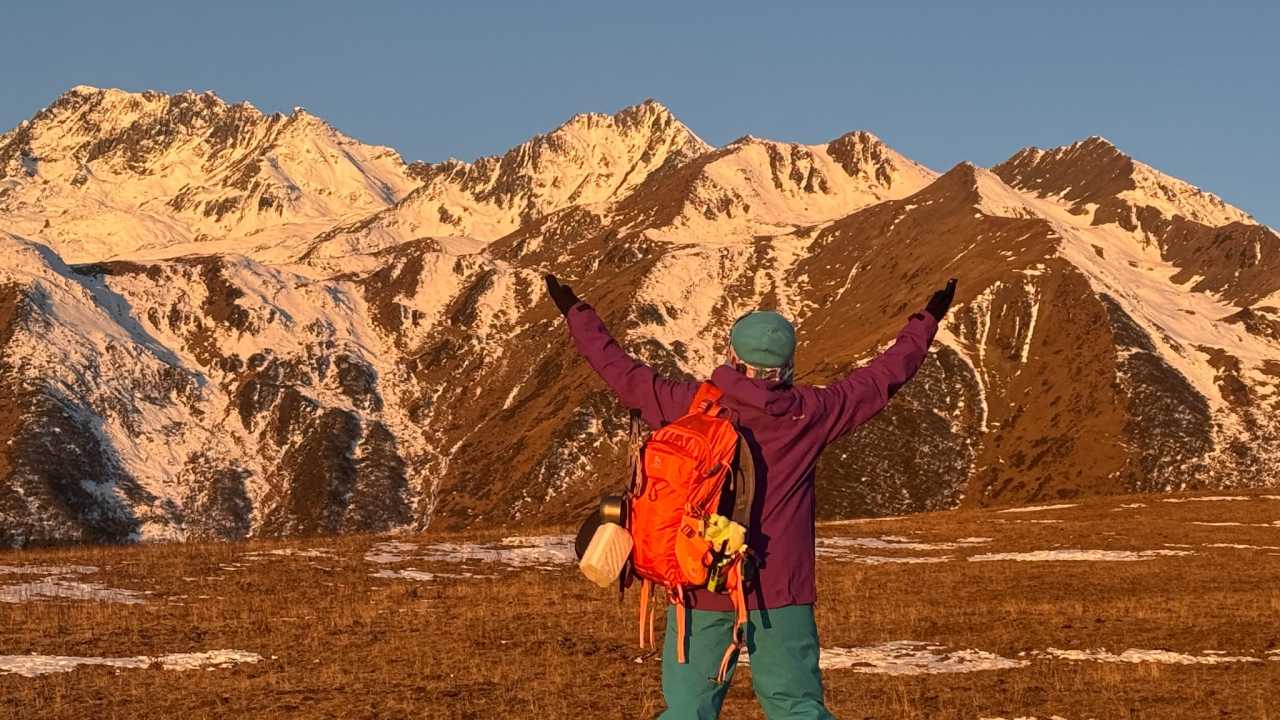
At 8 a.m., the group finally reached SP5, a cow shed at 3,630 meters. This point is only 4 kilometers from the starting point, yet it took three hours to reach.
H3: The Golden Hour
By this time, the sun had fully risen. Sunlight streamed through the forest canopy, scattering like golden fragments across the trail. The grass, trees, and distant peaks were bathed in warm light—a reward for the early morning struggle.
H3: The 360° Snow Mountain Feast
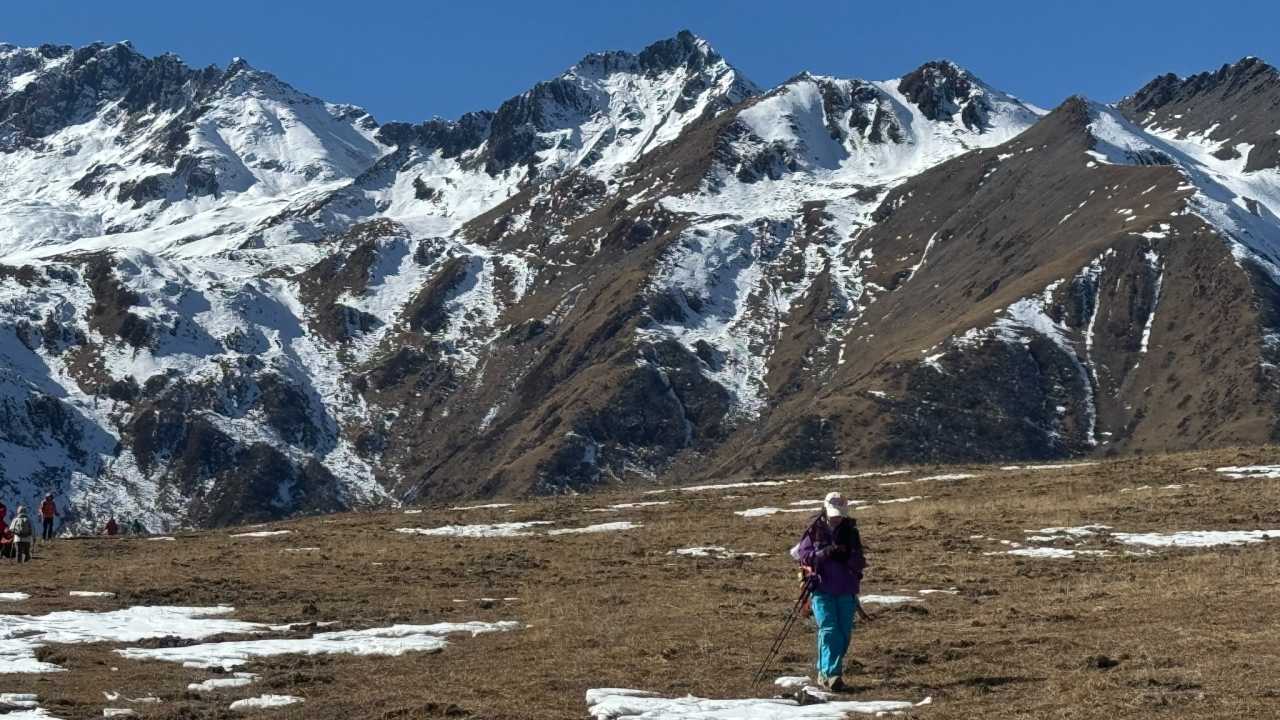
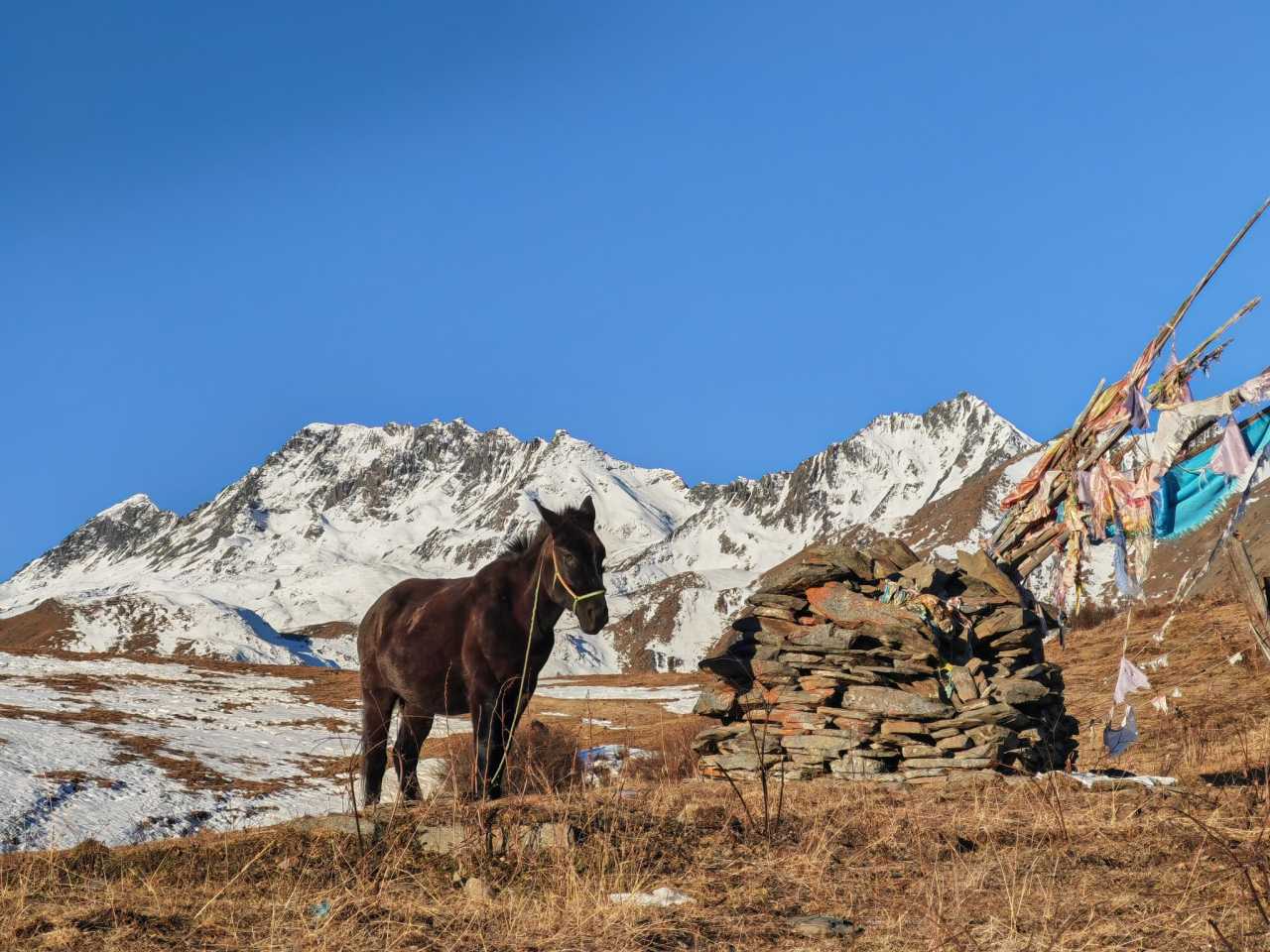
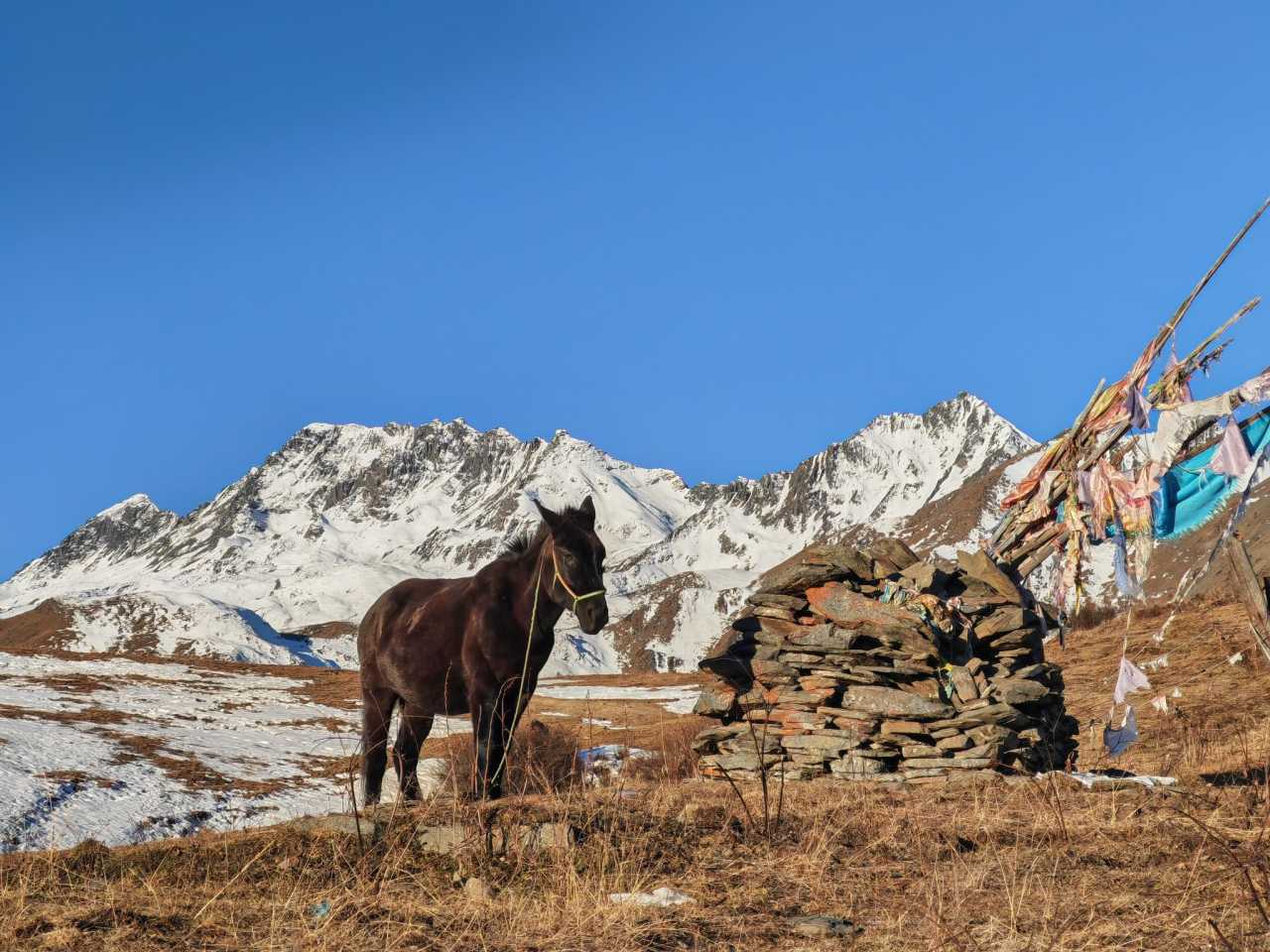
From SP5 onward, the trail opens up to reveal 360° views of the surrounding snow peaks. Bawang Mountain dominates the skyline, its massive form resembling a sacred basket. The alpine meadows are dotted with wildflowers in summer and covered in pristine snow in winter.
H2: Practical Tips for Hiking the Menggu Snow Mountains
H3: Best Time to Visit
- Spring (April-May): Wildflowers bloom; moderate temperatures
- Summer (June-August): Green meadows; occasional rain
- Autumn (September-October): Golden foliage; clearest skies
- Winter (November-March): Snow-covered trails; challenging conditions
H3: Essential Gear
- Footwear: Sturdy hiking boots with ankle support
- Clothing: Layered system (base layer, fleece, waterproof jacket)
- Navigation: Download offline maps; trail markers are reliable
- Hydration: Carry at least 2 liters of water
- Food: High-energy snacks (nuts, chocolate, energy bars)
- Sun Protection: Sunglasses, sunscreen, hat (UV is intense at altitude)
H3: Altitude Acclimatization
- Spend a night in Menggu Village (2,680m) before hiking
- Ascend gradually—don't rush the first few kilometers
- Hydrate frequently—dehydration worsens altitude symptoms
- Know when to turn back—headache, nausea, dizziness are warning signs
H3: What to Eat
- Yak meat hotpot (必吃)—rich, warming, and authentic
- Li County candy-heart apples—sweet and refreshing
- Tibetan butter tea—available at some rest cabins
- Local baijiu—for celebrating after the hike
H2: Frequently Asked Questions About the Menggu Snow Mountains
Q1: Is the Menggu Snow Mountains hike suitable for beginners?
A: Yes, especially Route 1 (Viewing Meadow at 3,760m). The trail is well-marked with no confusing forks, and there are rest cabins every kilometer. However, beginners should be prepared for 1,100 meters of elevation gain and altitude above 3,000 meters. It's recommended to have some prior hiking experience.
Q2: Do I need a permit to hike the Menggu Snow Mountains?
A: No special permit is required. You only need to pay a 20 yuan environmental fee at the village entrance. This fee supports trail maintenance and the rest cabin system.
Q3: How do I get to Menggu Village?
A: The most common route is driving from Luzhou (500 km, 6 hours). Alternatively, take a bus or train to Li County, then arrange local transport to Menggu Village. The village is about 2 hours from Li County town.
Q4: Can I stay overnight in Menggu Village?
A: Yes, there are several family-run guesthouses in the village. They offer basic but clean accommodations, hot showers, and home-cooked meals. Booking in advance is recommended, especially during peak season.
Q5: What is the commemorative medal, and how do I get it?
A: After checking in at SP6 (the highest rest cabin), you can claim a special commemorative medal upon descending. This is a unique touch that makes the hiking achievement feel official. There is no additional cost.
H2: Internal Linking Suggestions
- [Link: Best Hiking Trails in Sichuan Province]
- [Link: Altitude Sickness Prevention Guide for High-Altitude Hikes]
- [Link: Top 10 Hidden Gems in the Hengduan Mountains]
- [Link: Yak Meat Hotpot Recipe and Where to Find It]
- [Link: How to Plan a Last-Minute Outdoor Adventure]
H2: Conclusion: Your Menggu Snow Mountains Adventure Awaits
The Menggu Snow Mountains offer something rare in today's travel landscape—an authentic, uncommercialized alpine experience that rewards spontaneity and effort. From the warmth of yak meat hotpot shared with new friends to the golden sunrise that slipped through the forest canopy, every moment feels earned.
Whether you choose the moderate meadow route or the challenging summit climb, this 360° snow mountain feast will leave you with memories that last a lifetime.
H3: Ready to Plan Your Trip?
Start here: 1. Check the weather for Li County (avoid rainy weekends) 2. Book your guesthouse in Menggu Village (mention the hotpot!) 3. Pack your gear (don't forget the candy-heart apples) 4. Join a local outdoor group for camaraderie and safety
The mountains are calling. Will you answer?
Have you hiked the Menggu Snow Mountains? Share your experience in the comments below! For more Sichuan hiking guides, subscribe to our newsletter.
You may also like


