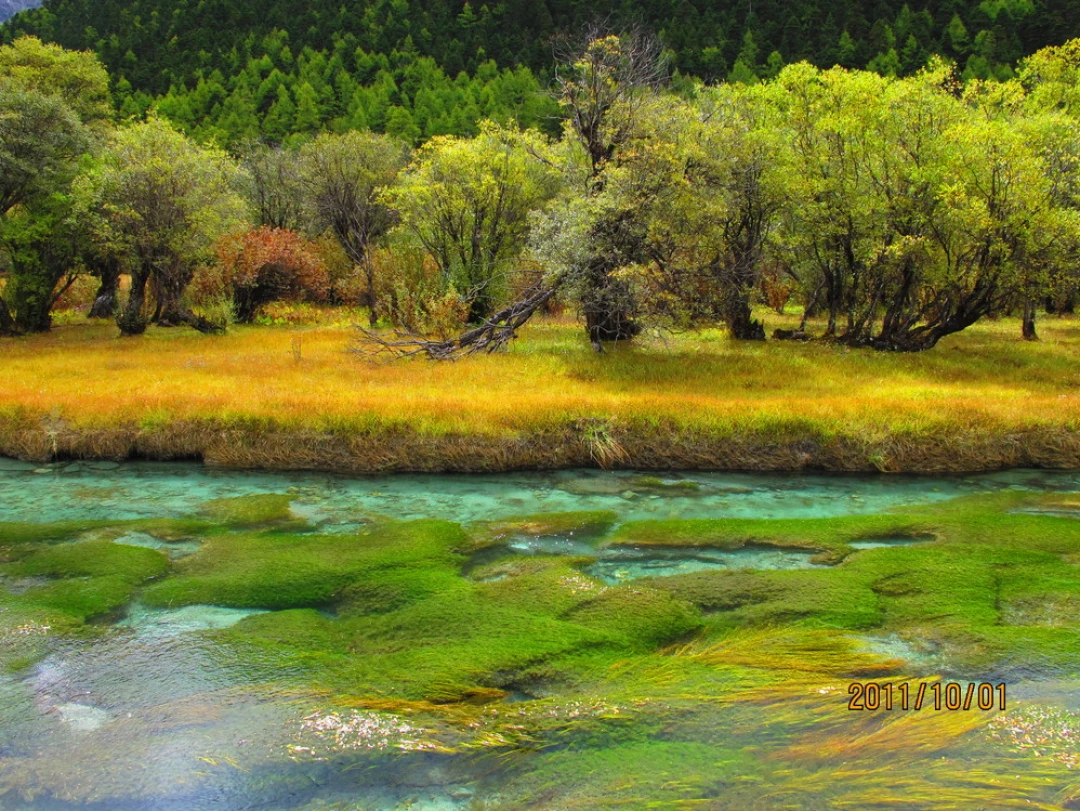
The Day My Left Foot Stepped on My Right: A Decade-Old Nightmare Through the Abandoned Wilderness from Daocheng to Lugu Lake
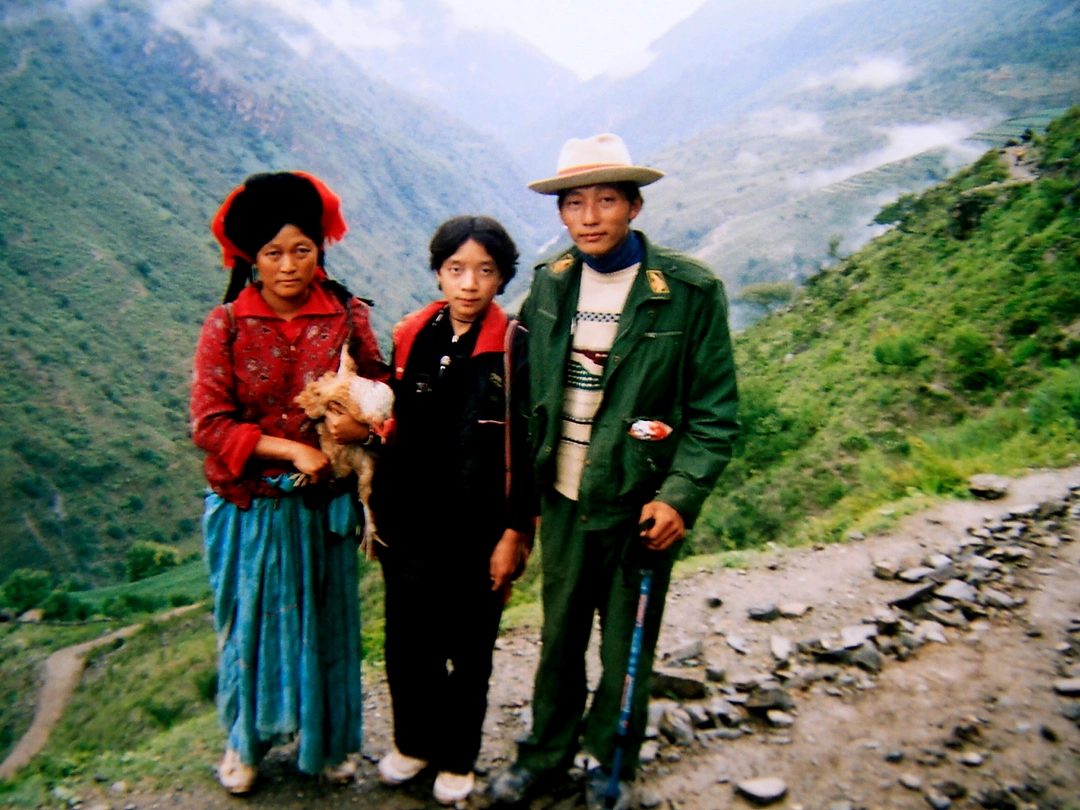
Meta Description: A harrowing 10-year retrospective on a failed Daocheng to Lugu Lake trek. Discover the hidden dangers of solo hiking in western China, group dynamics gone wrong, and the raw truth about high-altitude wilderness survival.
Prologue: The Weight of Ten Years – Why This Daocheng to Lugu Lake Story Still Haunts Me
Some memories don't fade. They calcify, turning into something harder than bone—something that wakes you at 3 a.m. with a cold sweat and a heart that pounds for no reason you can name.
It's been ten years since I was abandoned in the deep mountains between Daocheng and Lugu Lake. Ten years since I walked through hell with blistered feet and a spirit that crumbled piece by piece. I spent five months after that trip trying to write it down, but I only got two-thirds of the way through. The rest stayed buried, too raw to touch.
But this year, I finally finished it. Not for revenge. Not for closure. But because some stories demand to be told properly, like an exorcism performed with ink instead of fire.
This is that story—a Daocheng to Lugu Lake nightmare that taught me more about human nature than any guidebook ever could.
Part One: Chengdu, Cloudy with a Smile That Wouldn't Last – Assembling the Wrong Team
The train pulled into Chengdu after seventeen hours, and I felt like I was visiting an old friend. The city had been my gateway three years ago on my first real adventure, and now it welcomed me back with familiar streets and the promise of something new.
I had posted online looking for hiking companions to trek from Daocheng to Lugu Lake—a route that winds through some of the most remote and brutal terrain in western China. The internet delivered three strangers.
The First Meeting: Warning Signs I Ignored

S found me first. He claimed to have three years of outdoor experience and had just finished the Yading route. Perfect, I thought. A veteran to guide us. L was a sophomore in college who said he'd climbed Siguniang Mountain (Four Girls Mountain). Young, enthusiastic, eager. We chatted happily online, planning our adventure over virtual coffee.
We agreed to meet at the Dream Hostel in Chengdu.
The first meeting was... awkward. L showed up looking like he'd rather be anywhere else, his face frozen in what I'd later recognize as permanent displeasure. S seemed friendly enough, round-faced and easygoing, but he brought two girls with him—W, sharp-tongued and direct, and another girl who'd just returned from Emei Mountain (Mount Emei). Neither had any outdoor experience.
The Unspoken Tensions Begin
The afternoon cleared up, so I went with L to buy gear. He barely spoke. I wondered if I'd failed some unspoken test—perhaps the girl in the chat didn't match whatever image he'd constructed. I tried to draw him out, to bridge the silence with small talk and jokes. He was younger than me, so I felt a certain responsibility. All my efforts, I'd later learn, were invisible to him.
That evening, something shifted. Over dinner, the four of us found a rhythm. We played cards in the lobby, shouting and laughing like old friends. On the rooftop, we drank beer, watched football, and the sky filled with stars. I thought: This is going to be wonderful.
The girl from Emei never joined us. She ended up in the hospital that night, too sick to continue. I never even saw her face clearly. Some connections are that thin—here one moment, gone the next.
Part Two: Kangding, Where the First Cracks Appeared – The High-Altitude Trek Begins
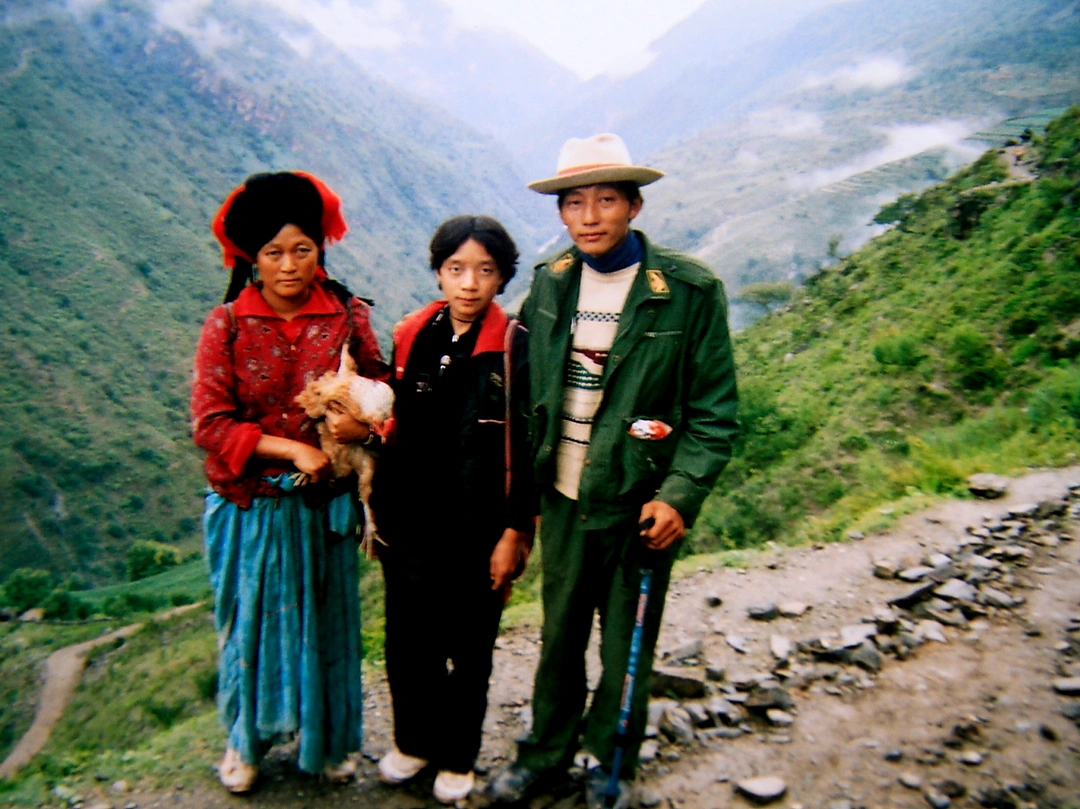
The bus rolled out of Chengdu under a bright sun, and I wrote in my journal: Every journey teaches me something. Meeting all of you is another gift.
We crossed Erlang Mountain, then hit construction. Two hours of waiting. We sat scattered along the roadside, silent, watching the distant river churn below. The easy camaraderie of the previous night had evaporated like morning mist.
Kangding: A Reality Check for the Daocheng to Lugu Lake Route
When we finally reached Kangding, the reality didn't match the postcards. No vast grasslands, no galloping horses. Just the thunderous roar of the Zheduo River and a town that had sold its soul to tourism. We checked into the Black Tent Hostel and went exploring.
We immediately got separated. S walked ahead or lagged behind. W followed her own path. L and I drifted somewhere in the middle, not together, not apart. The tension was palpable, a living thing that grew with each silent step.
That night, S and I drank outside while L sat in stony silence. I learned that S was only a year and a half older than me, a returned overseas student from New Zealand who'd quit his job to travel. A rich kid, clearly—his gear cost more than my entire savings. L, it turned out, came from money too. I'd accidentally assembled a team of wealthy adventurers.
Altitude Sickness and Group Dysfunction
The next day at Mugecuo Lake was disappointing—wrong season, wrong weather. W's altitude sickness had already set in, leaving her breathless at the base of every hill. L clicked photos without a word, his face unreadable. S marched ahead like he was being chased. Only I seemed capable of finding joy in the journey.
S suggested buying communal supplies—food, medicine, even oxygen tanks. I'd already packed everything we needed, but I didn't argue. The extra gear filled a massive bag that would haunt us for days.
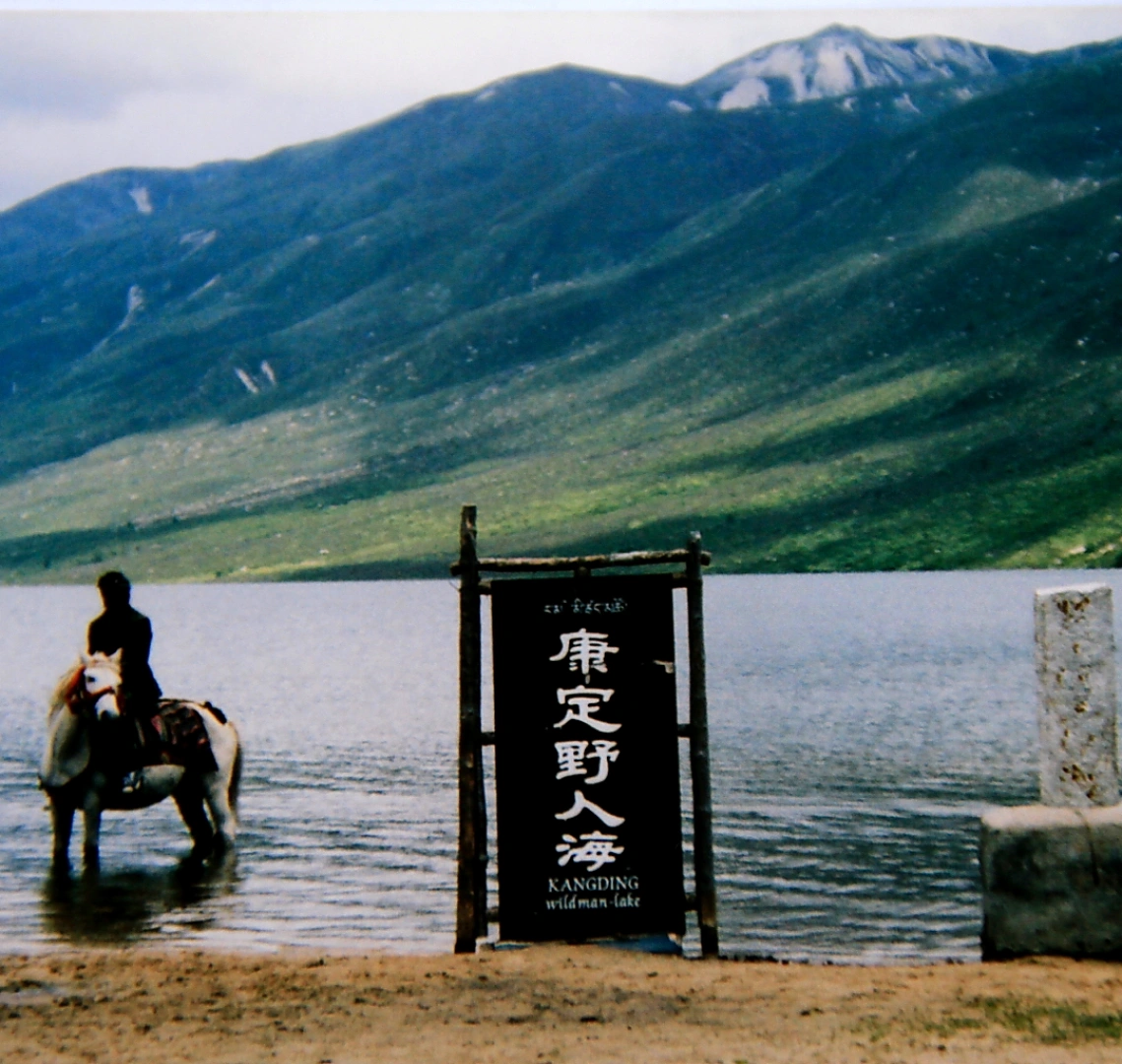
The expenses were spiraling. I'd told S my budget was 1,000 yuan for the entire trip to Lugu Lake, and he'd assured me that was plenty. But by Kangding, after KFC breakfasts and buffet dinners, I had only 600 yuan left—and I still needed to get from Lijiang to Dali to Kunming to Wuhan. When I mentioned this, nobody seemed to care.
That evening, locals danced in the square. I invited my companions to join. No response. So I plunged into the circle alone, spinning and jumping until my face burned red and my lungs ached. The joy was real, but so was the loneliness.
The next morning, I woke early—unusual for me, but I felt a strange responsibility toward W and L. I was the "old hand" now, or so I thought. I tried to hold the group together, to smooth the rough edges. Someone called me hyperactive. Nobody saw the effort behind the energy.
I'd always believed that shared roads made friends. I was about to learn how wrong I was.
Part Three: Daocheng, Where the Rain Began and Never Stopped – The Wilderness Trek Unravels
The bus to Daocheng was a wreck. My seat was broken, tilted at an angle that forced my body to slide toward L with every bump. I took the bad seat without complaint. For thirteen hours, I fought gravity while L's shoulder rejected every accidental touch. When he dozed off and his head dropped onto mine, I let him rest. When I did the same, he jerked away like I'd burned him.
Outside, the scenery repeated itself—grasslands, snow mountains, more grasslands. Beauty becomes background when your heart isn't in it. Rain started leaking through the roof, cold droplets finding the back of my neck. S was bleeding from the nose. W was gasping for air. L hadn't spoken ten words in as many hours.
I wrote Life Like Summer Flowers on the fogged window, over and over. I don't know why that phrase came to me. Maybe it was a prayer. But my journey wasn't summer flowers. It was a frozen plum blossom, shivering alone in winter.
Daocheng: A Brief Respite from the Nightmare
We decided to rest an extra day in Daocheng. The next morning, the rain paused long enough for a walk. S and L took off at a pace that left me watching their backs shrink into the distance. I called out. They waved without turning around.
I took a different path.
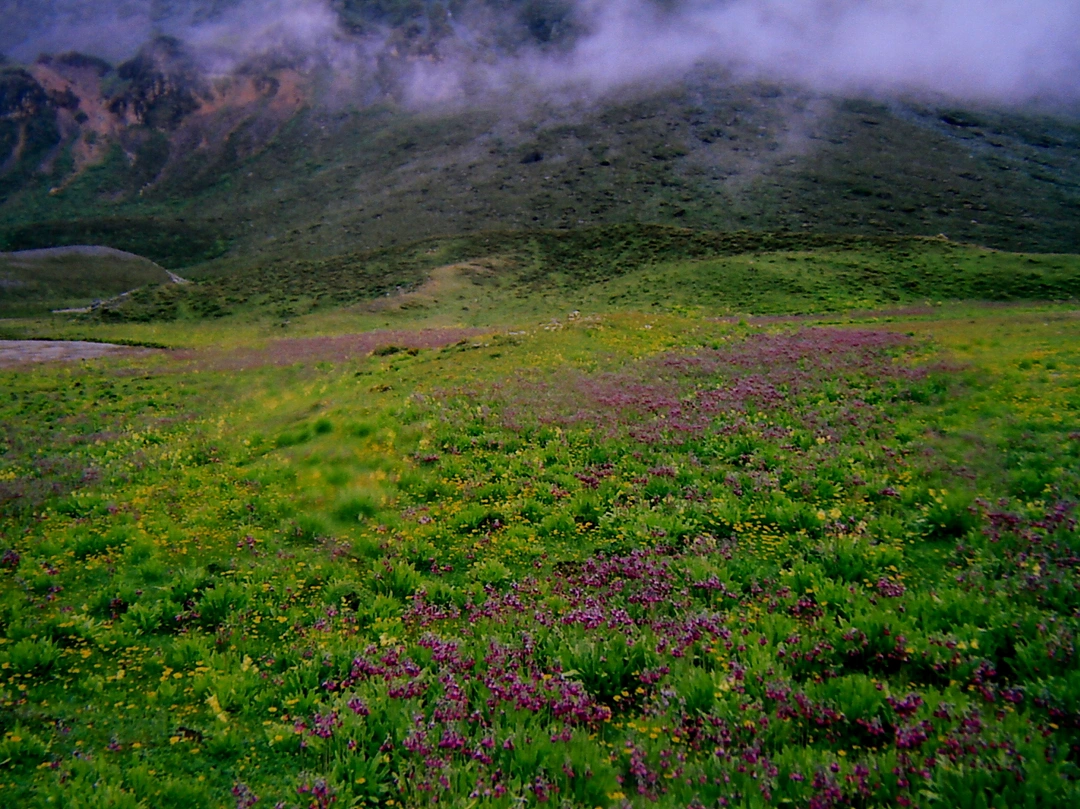
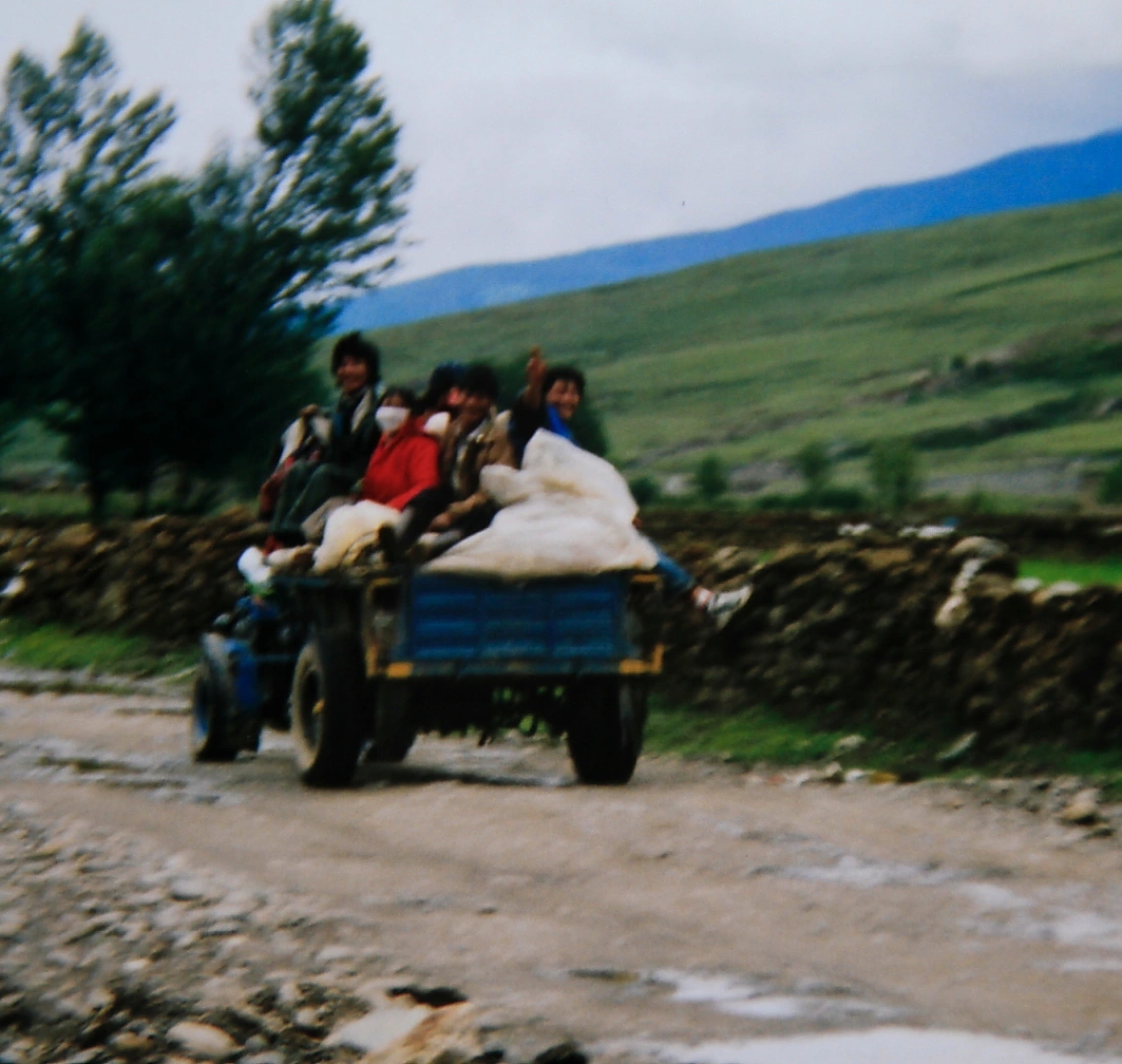
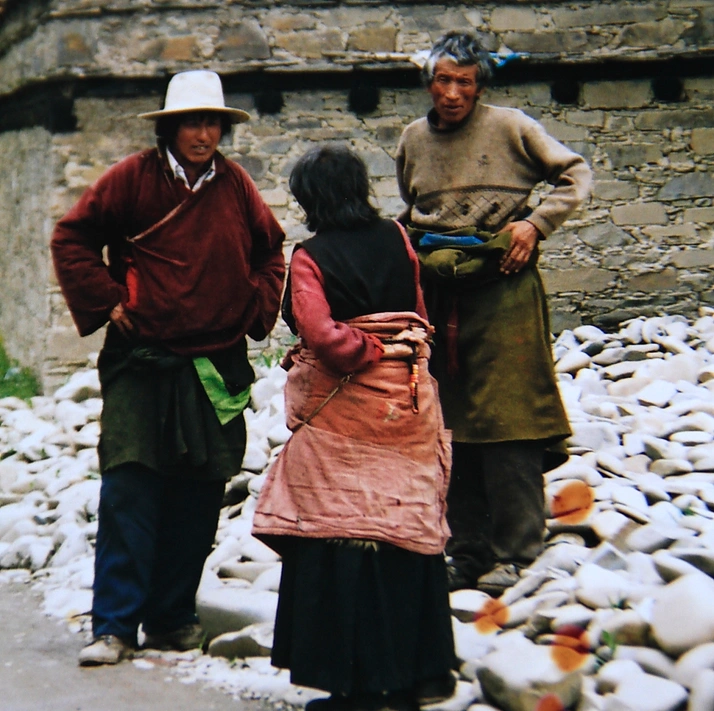
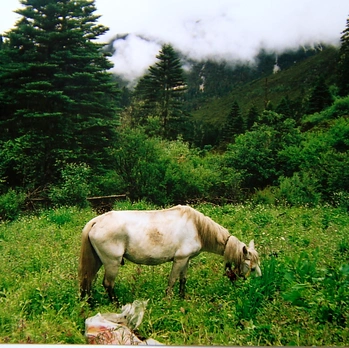
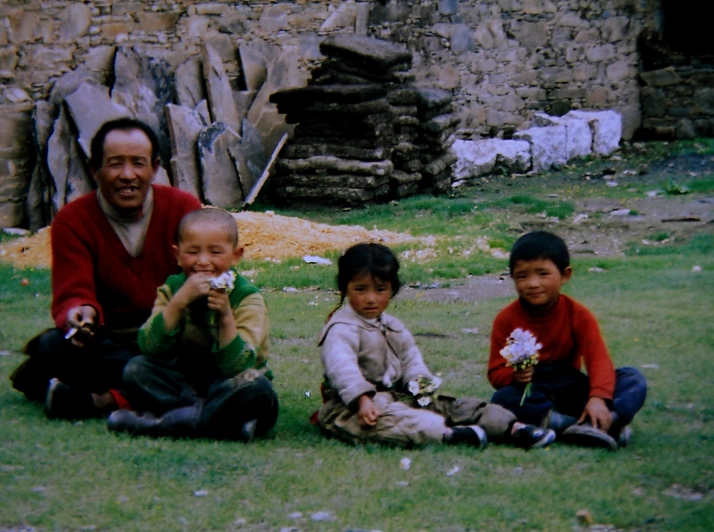
For the first time in days, I was alone. I found a rock, sat down, and wrote. The wind was gentle. Prayer flags fluttered. Cows grazed in the distance. Two children approached with curious eyes, and I gave them chocolate. A tractor full of waving locals passed, and I captured their smiles. An old man invited me into his home for tea and tsampa (roasted barley flour), telling me stories of his family.
This was why I traveled. This was what I'd been missing.
Back at the hostel, I skipped dinner and the hot springs. I stayed in my room, watching TV and writing, finally releasing the pressure that had been building. S came to tell me they were checking for hiking companions. Only a few Japanese tourists were there. L turned and walked away—he hated Japanese people, he said. It seemed less like patriotism and more like performance.
W was deteriorating. Her altitude sickness had worsened significantly. The Daocheng to Lugu Lake route was becoming a medical emergency waiting to happen.
Part Four: The Abandonment – Left Behind in the High-Altitude Wilderness
I'll spare you the full details of the days that followed. They're too painful to write, and you don't need to carry that weight. But here's what you need to know:
The group splintered completely. S and L decided to forge ahead at a pace that left W and me struggling. W's condition worsened by the hour. Her lips turned blue. She couldn't keep food down. I stayed with her, trying to help, trying to keep her conscious.
S and L never looked back.
When we finally reached a small settlement, I made the decision to stay with W until help arrived. S and L continued on toward Lugu Lake without us. I never saw them again.
The next 48 hours were a blur of cold, hunger, and fear. W recovered slowly. I developed a fever. We were eventually rescued by local guides who looked at us like we were insane for attempting the route alone.
I made it to Lugu Lake three days later, alone, with nothing but the clothes on my back and a journal full of half-written thoughts.
Lessons Learned: The Daocheng to Lugu Lake Survival Guide
If you're considering this Daocheng to Lugu Lake trek, learn from my mistakes:
1. Choose Your Hiking Companions Wisely
 Don't trust online forums. Meet in person. Test compatibility on a shorter hike before committing to a multi-day wilderness trek.
2. Budget Realistically for High-Altitude Trekking
My 1,000 yuan budget was laughable. High-altitude trekking costs in western China include gear, food, emergency transport, and unexpected delays. Budget at least 3,000-5,000 yuan for a 7-day trek.
3. Never Ignore Altitude Sickness Symptoms
 W's condition was a warning sign. Altitude sickness prevention requires proper acclimatization, hydration, and the willingness to turn back.
4. Carry Your Own Emergency Supplies
Don't rely on group gear. Pack your own first-aid kit, water purification tablets, high-energy food, and emergency shelter.
5. Know When to Abandon the Plan
The bravest decision is sometimes to turn back. Pride has killed more hikers than weather.
FAQ: Daocheng to Lugu Lake Trek
Q1: How long does the Daocheng to Lugu Lake trek take?
The full route typically takes 5-7 days, depending on weather, fitness levels, and route variations. Most hikers plan for 6 days with one rest day.
Q2: What is the best time of year for this trek?
 Late May to early October is ideal. Avoid the rainy season (July-August) and winter (November-March) when snow blocks high passes.
Q3: Do I need a guide for the Daocheng to Lugu Lake route?
Absolutely. The terrain is remote, unmarked in many sections, and prone to sudden weather changes. Local guides know the safe routes and can arrange emergency evacuation if needed.
Q4: What gear is essential for this high-altitude trek?
 You'll need: warm sleeping bag (-10°C rating), waterproof hiking boots, trekking poles, headlamp, first-aid kit, water filter, high-calorie food, and a reliable GPS device.
Q5: How dangerous is altitude sickness on this route?
Very. The route crosses passes above 4,500 meters. Acute Mountain Sickness (AMS) can strike anyone, regardless of fitness. Always acclimatize for 2 days in Daocheng before starting the trek.
Final Thoughts: The Story That Demanded to Be Told
Ten years later, I still dream about that abandoned wilderness trek. The nightmares have faded, but the lessons remain etched into my bones.
I never found closure with S or L. I never wanted to. Some people are just waypoints on a journey, not destinations.
But I did find something else: the strength to finish this story. The courage to say that sometimes, the hardest part of a journey isn't the terrain—it's the people you share it with.
If you're planning a Daocheng to Lugu Lake adventure, go. But go prepared. Go with people who will carry you when you fall. And most importantly, go with the wisdom to know when to walk away.
Ready to plan your own high-altitude trek? [Link: Best High-Altitude Treks in Western China]
Need help choosing hiking companions? [Link: How to Find Reliable Trekking Partners]
Want to avoid my mistakes? [Link: Essential Gear Checklist for Remote Chinese Treks]
Have you experienced a failed trek or a nightmare hiking trip? Share your story in the comments below. Your experience might save someone else from the same fate.
Pin this article for your next adventure planning session.