The City Cloaked in Golden Armor: A Time-Traveling Journey Through Chengdu's Hidden Wonders
Here is the SEO-optimized, rewritten article based on your source material. It has been structured to target high-intent keywords, improve readability, and drive engagement while maintaining the original narrative and factual accuracy.
SEO Title: The City Cloaked in Golden Armor: A Time-Traveling Journey Through Chengdu's Hidden Wonders
Meta Description: Discover Chengdu beyond the pandas! Explore the golden ginkgo trees of People's Park, the ancient mysteries of Sanxingdui, and hidden temples. Your ultimate Chengdu travel guide for 2025.
The City Cloaked in Golden Armor: A Time-Traveling Journey Through Chengdu's Hidden Wonders
When Ginkgo Trees Paint the City Gold, I Discovered Chengdu's Most Underrated Side
In December 2024, I embarked on a solo five-day journey to Chengdu. This wasn't my first visit, but this time I chose to stray from the beaten path—no internet-famous spots, no crowds jostling for selfies. Instead, I set out to uncover the historical imprints and cultural sanctuaries tucked away in the city's forgotten corners. The cost per person wasn't high, but what I gained was an overwhelming sense of wonder and emotion.
If you are planning a Chengdu itinerary that goes beyond the typical tourist traps, this guide is for you. I’m going to take you through a time-traveling journey where ancient history meets modern luxury, all set against the backdrop of a city cloaked in golden ginkgo leaves.
People's Park: Echoes of Republican-Era Architecture
The journey began at People's Park, a place that serves both as a daily retreat for locals and a silent witness to history. For any traveler looking for things to do in Chengdu, this is a non-negotiable stop.
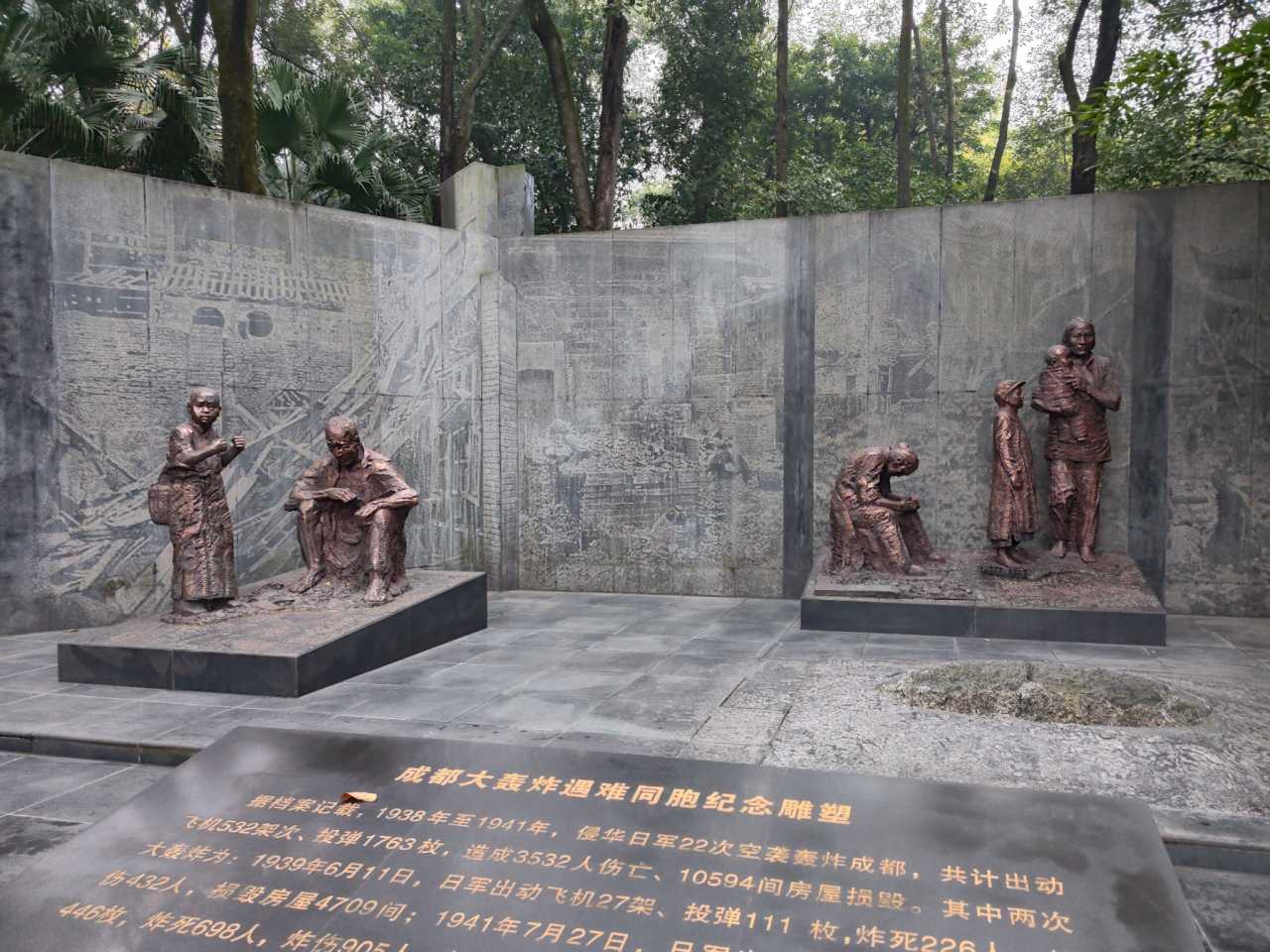
Entering through the main gate, the first thing that catches the eye is the Chengdu Bombing Memorial Wall. Between 1938 and 1941, Japanese forces bombed Chengdu 22 times, leaving 3,532 casualties. This wall quietly tells that painful story, reminding us of the preciousness of peace.
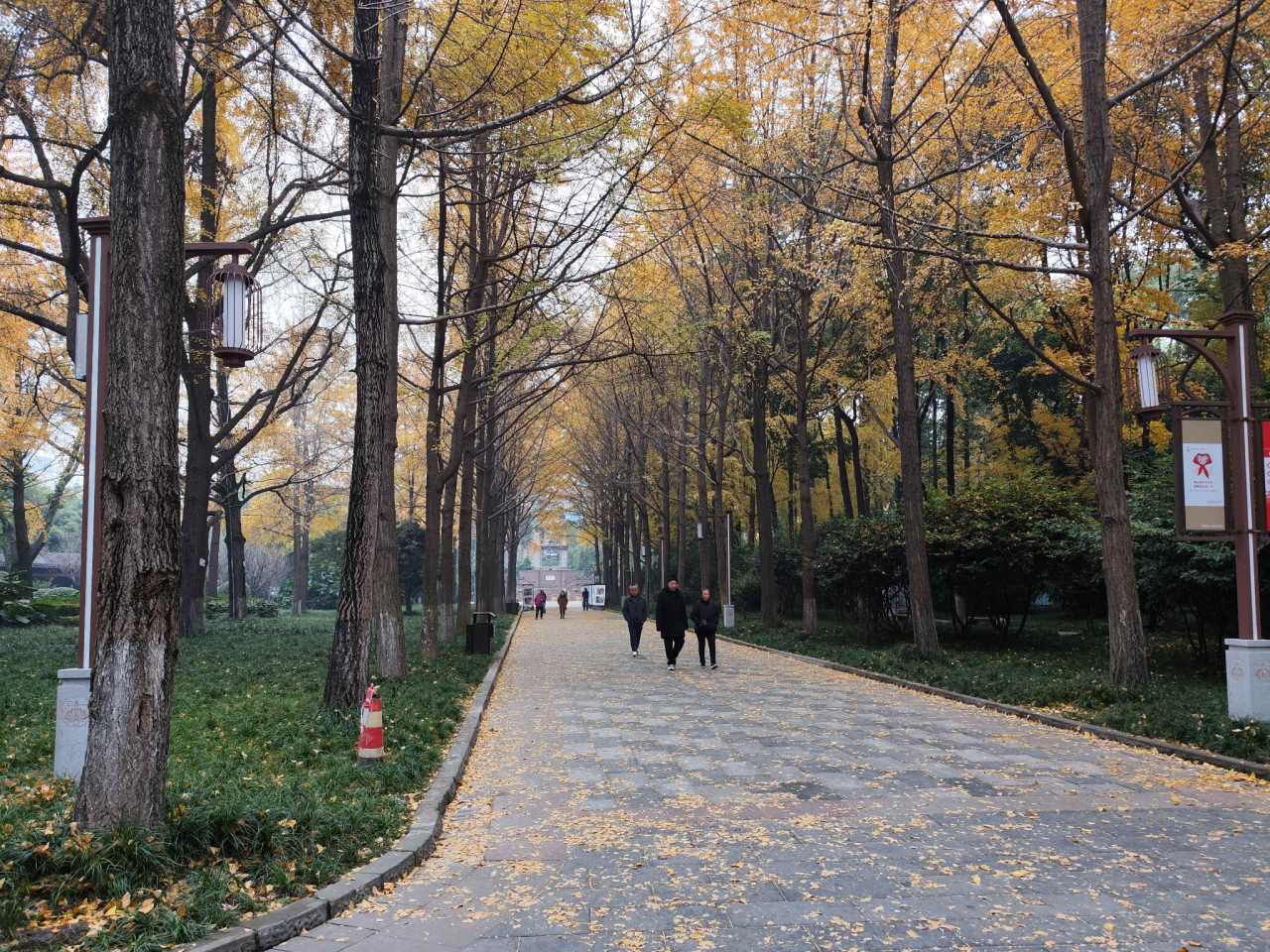
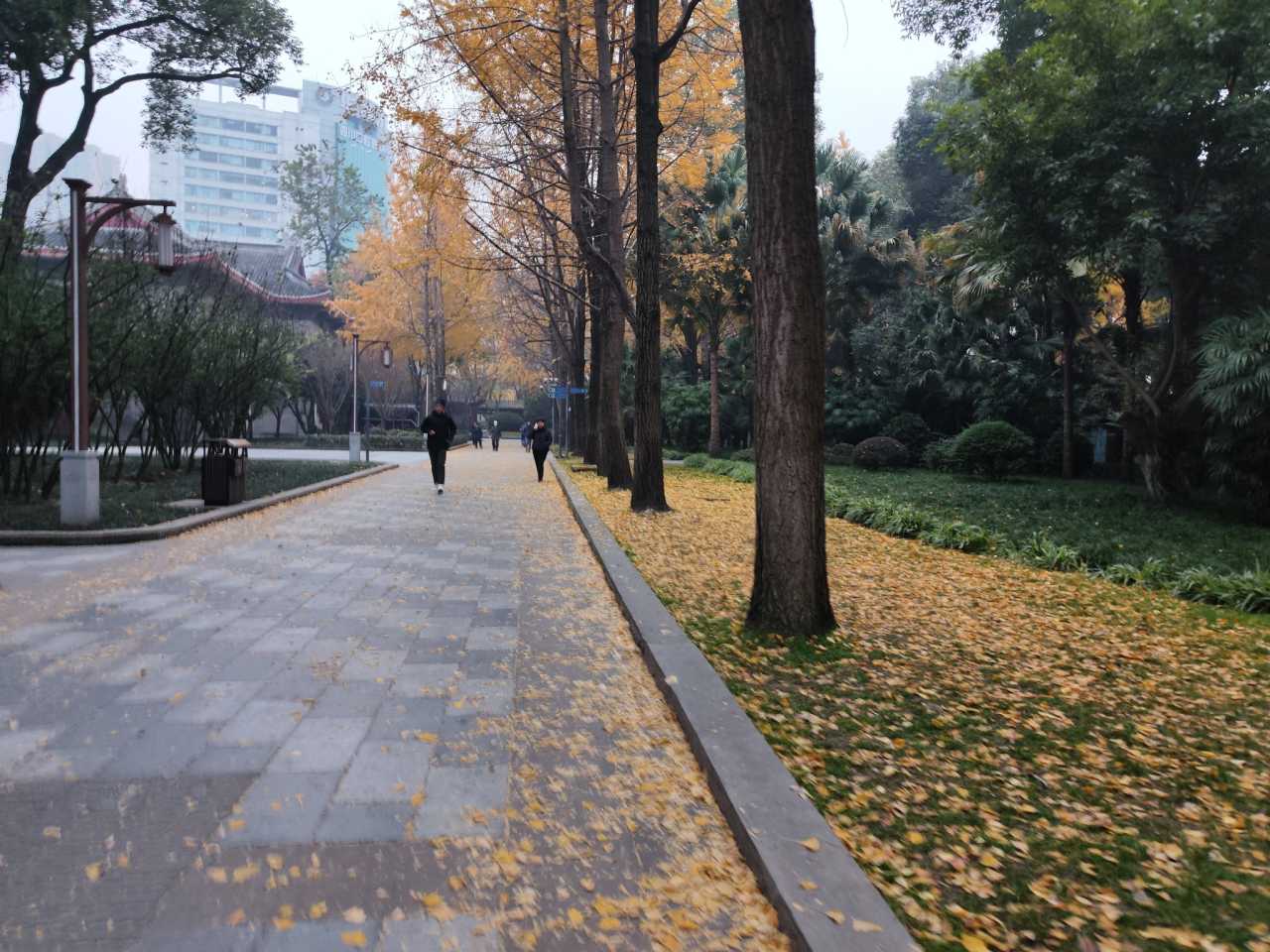
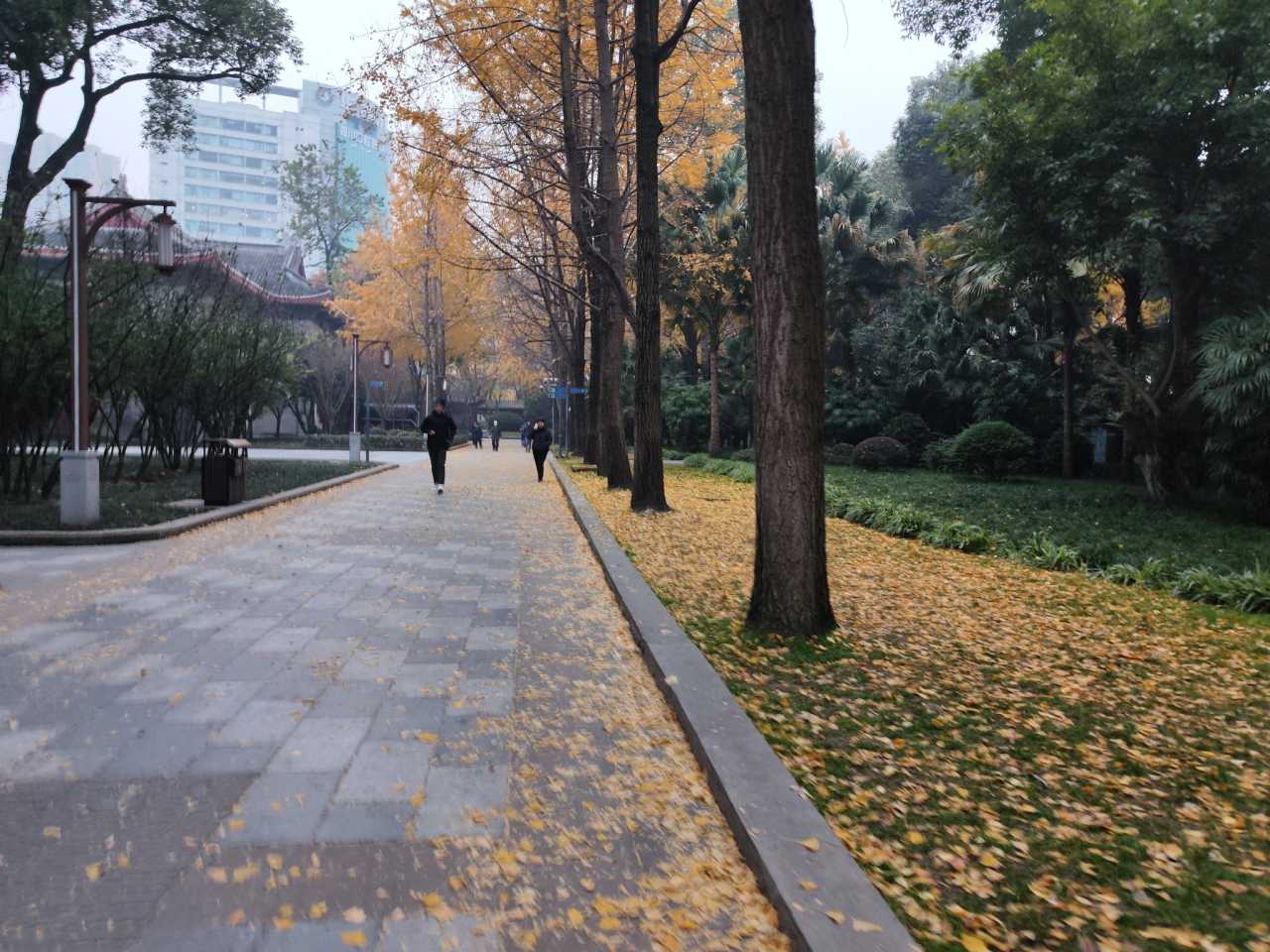
Crossing the Railway Protection Movement Memorial Plaza, a straight avenue stretches ahead. On one side, golden ginkgo trees carpet the ground with fallen leaves, creating the illusion of a golden pathway; on the other stands a cluster of modern architectural relics—the former sites of the Zhongzheng Library, the People's Education Hall, and the Popular Education Hall. These public cultural facilities from the Republican era remain well-preserved and still serve their original purposes.
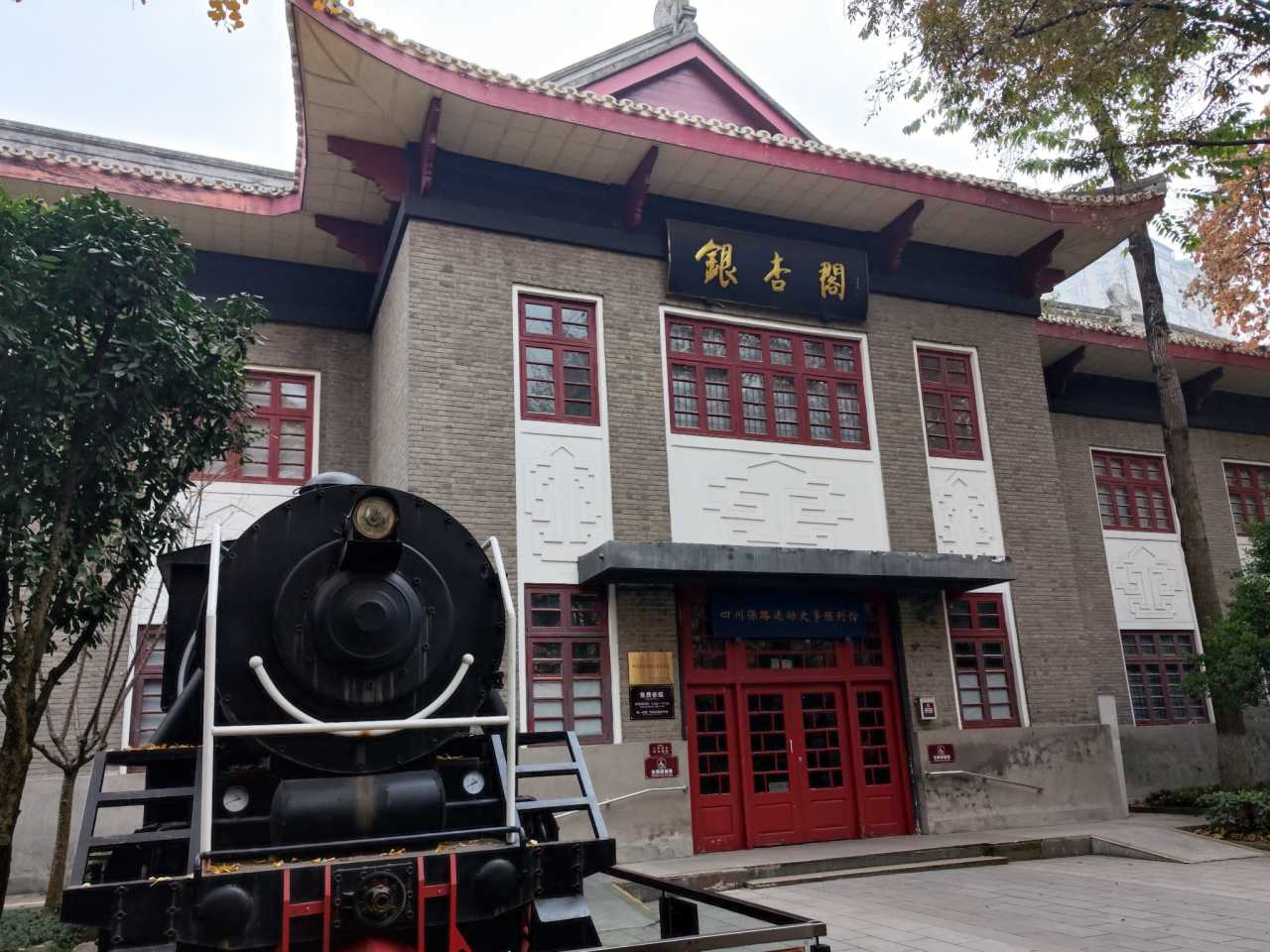
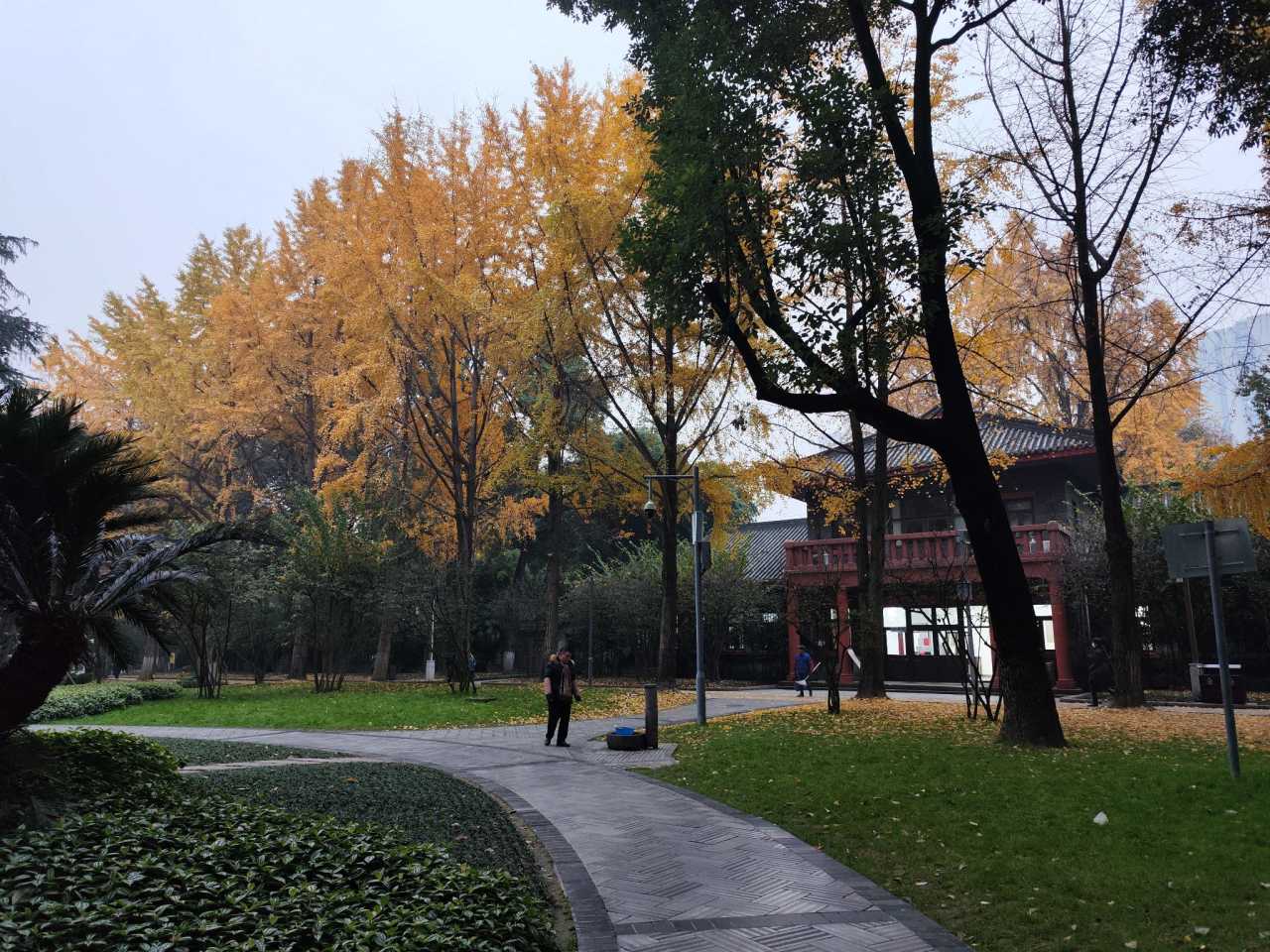
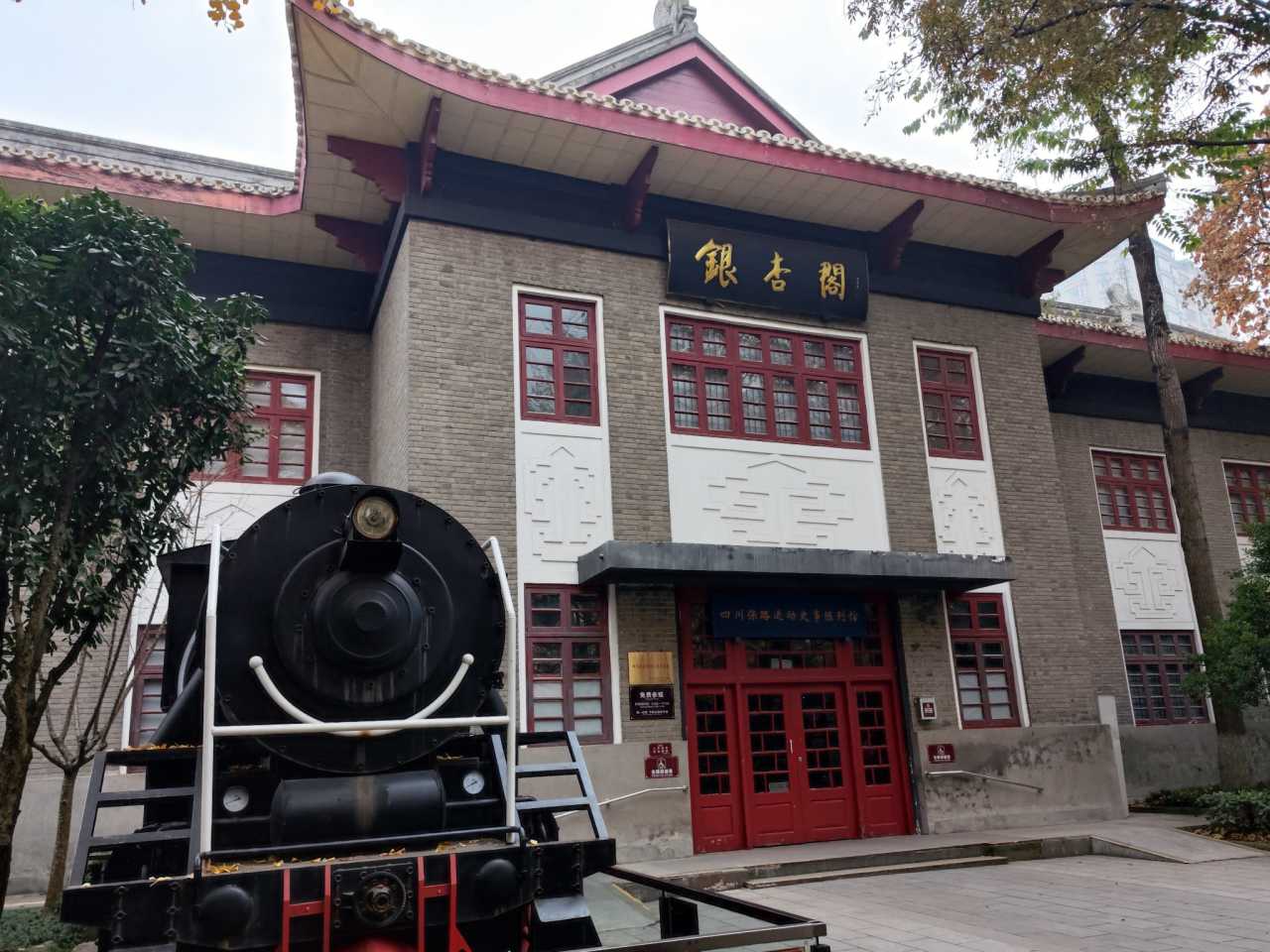
What struck me most was the Popular Education Hall, also known as Ginkgo Pavilion. Destroyed during the war, it was rebuilt in the 1950s on its original site and now houses the Sichuan Railway Protection Movement Historical Exhibition Hall. Standing before Ginkgo Pavilion, I gazed across at the equally golden ginkgo-lined path, at the end of which rises the towering Monument to the Martyrs of the 1911 Railway Protection Movement. Built in 1913, this monument honors those who died in the Sichuan Railway Protection Movement of 1911.
Following the ginkgo path to the monument and circling back to the plaza, I stumbled upon a matchmaking corner, its notice boards plastered with personal ads—a lively slice of everyday life. Finally, I circled around to the front entrance of the Zhongzheng Library site, where a small path leads to the park's south gate. Nearby, the Bonsai Garden, established in 1986, carries on the tradition of Sichuan-style bonsai cultivation—a serene garden within a garden.
After a bowl of noodles across the street from the south gate, I retraced my steps to Ginkgo Pavilion. The exhibition hall was now open, detailing that pivotal history: In May 1911, the Qing government nationalized the privately-built Yue-Han and Chuan-Han railways and signed a loan agreement with Britain, France, Germany, and the United States for the Huguang Railway. This betrayal of construction rights sparked nationwide opposition, with Sichuan's resistance the most fierce. After the Railway Protection Association was formed, hundreds of thousands joined. The Qing court's violent crackdown led to the Chengdu Massacre, with hundreds killed or wounded. Subsequently, the Tongmenghui (Revolutionary Alliance) joined forces with the Gelaohui (Elder Brothers Society) to form volunteer armies besieging the provincial capital. Tongmenghui members Wu Yuzhang and Wang Tianjie declared independence in Rong County. As the situation spiraled out of control, the Qing court urgently dispatched Duanfang with Hubei troops to suppress the rebellion, leaving Wuhan defenseless. Taking advantage of this, Sun Yat-sen's revolutionaries launched the Wuchang Uprising, ultimately bringing down the Qing Dynasty.
This is why the Railway Protection Movement is considered a crucial part of the Xinhai Revolution—it lit the fuse for the Wuchang Uprising and opened the door to China's progressive tide.
[Link: Discover more about the Xinhai Revolution and its impact on modern China.]
Sanxingdui: An Awe-Inspiring Journey into Ancient Shu Civilization
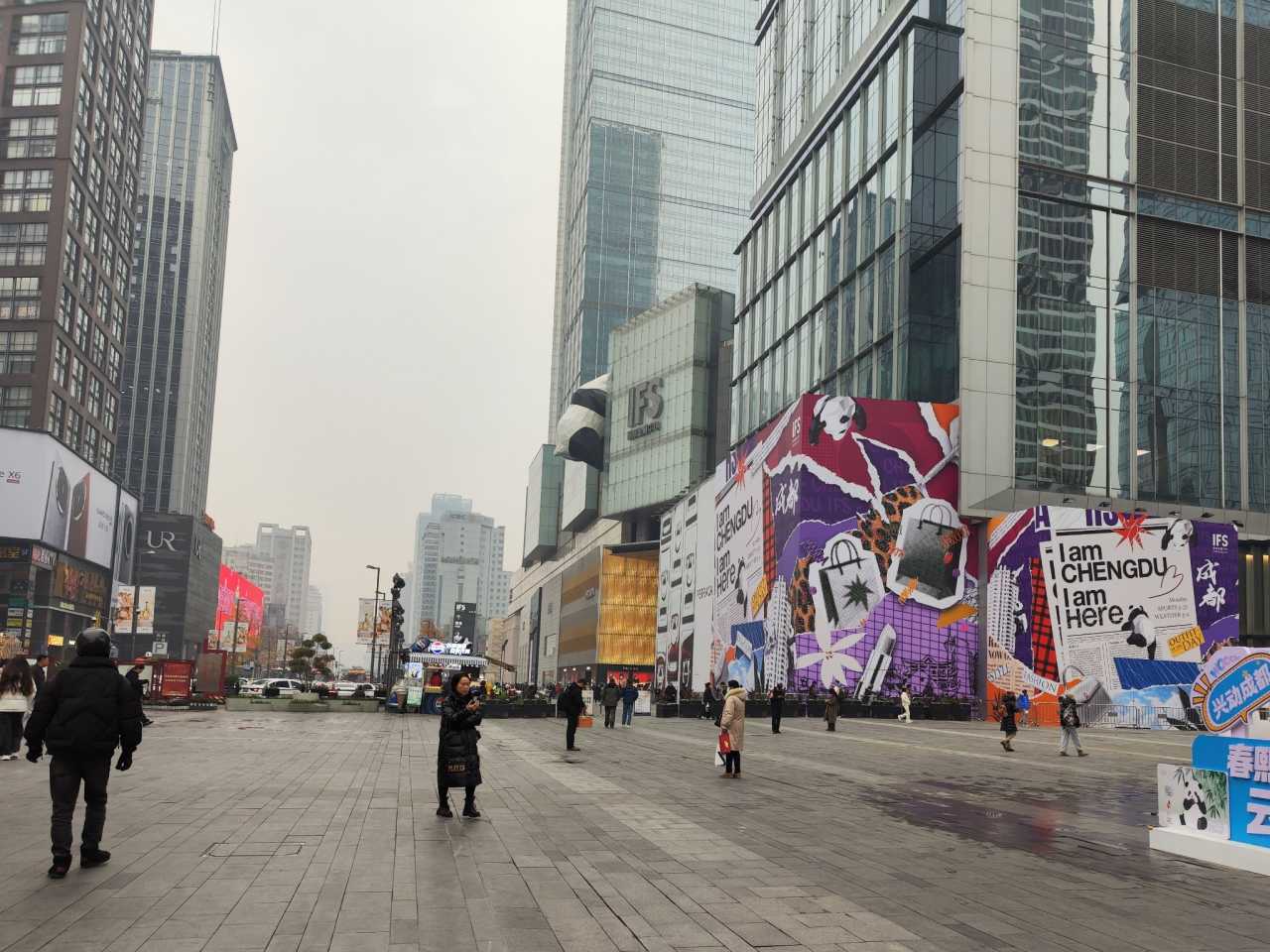
Emerging from Exit D of Chunxi Road Metro Station, I spotted a giant panda climbing a wall with its rear end in the air—that’s where the Sanxingdui direct bus departs. Operated by the public transit company, this bus runs on a rolling schedule with comfortable seats, arriving at the Sanxingdui Museum parking lot in about an hour. At just 25 yuan, it saves the hassle of transfers.
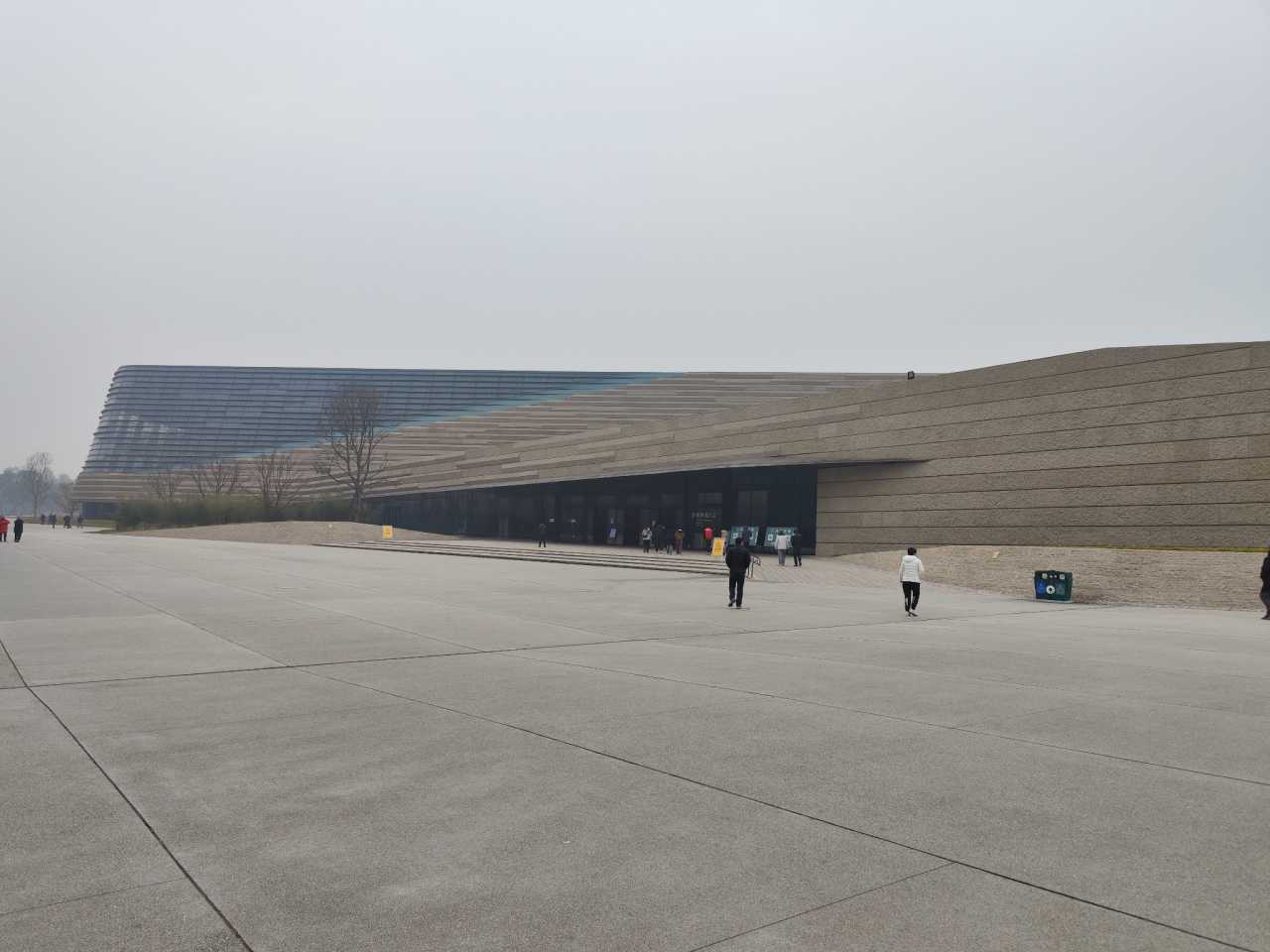
The museum ticket costs 72 yuan, and I recommend booking in advance through the official WeChat account. Even in the off-season, it was crowded; I can only imagine what it's like during peak times.

The new museum, which opened last year, spans over 50,000 square meters. Its exterior design, dubbed "The Eye of Ancient Shu," gazes toward the archaeological site. Inside, a spiral ramp connects the ground floor to the basement level and the second floor. Above the ramp hangs a massive circular chandelier inspired by patterns on a scepter unearthed at Sanxingdui—reputedly the largest chandelier in the world.
The exhibition theme is "Sleeping for Thousands of Years, Awakening to Astonish the World," divided into three zones: Century of Dreams, Majestic Capital, and Heaven, Earth, and Man. The zones connect seamlessly, so you simply follow the flow. The Heaven, Earth, and Man zone is on the second floor, accessible via the spiral ramp—a clever design touch.
The Sanxingdui site dates back to the pre-Qin period, roughly 3,000 to 5,000 years ago. The artifacts recovered are primarily bronze, gold, and pottery, with some jade and ivory pieces. The museum's treasures include the Bronze Sacred Tree, the Bronze Standing Figure, the Gold Scepter, the Bronze Mask with Protruding Eyes, and the Bronze Head with Gold Mask. Seeing these priceless artifacts in person was an indescribably moving experience.
Next to the old museum stands a sacrificial altar, recreating the scene of ancient Shu people offering sacrifices to heaven, earth, and spirits. There's also a Cultural Relics Protection and Restoration Hall, where you can watch staff restoring artifacts through glass walls. The entire visit takes about 2-3 hours. For the return trip, the same scenic shuttle bus takes you directly back to Chunxi Road.
[Link: Plan your visit to the Sanxingdui Museum with our complete guide.]
Chunxi Road and IFS: A Millennia-Old Temple Amidst Modern Splendor
After visiting Sanxingdui, I returned to Chunxi Road and explored this bustling commercial district. The bus dropped me off at Tidu Street, where a pedestrian overpass served as a viewing platform. Looking down at Chunxi Road, I understood why it's named "Chunxi"—"a place where crowds gather like spring on a terrace."
On Tidu Street beneath the overpass lies the original site of the Song Dynasty's Great Eastern Market ancient alley, but after searching around, I found nothing particularly remarkable—only the name remains.
Spotting a Lai Tangyuan main store on the street, I went in and ordered their signature tangyuan (glutinous rice balls) and a serving of long chaoshou (Sichuan-style wontons). The tangyuan were sweet, fragrant, and soft—four of them filled me up. The long chaoshou was generous in portion, and I forced myself to finish it, leaving me full until evening.
Next came a long walk along Chunxi Road to aid digestion. The street was always teeming with people; despite the cold weather, the atmosphere was warm and vibrant. This energy spread from Chunxi Road all the way to IFS.
IFS exudes luxury, but amidst this glittering extravagance lies a hidden millennia-old temple—Daci Temple (Great Compassion Temple). Flourishing in the Tang Dynasty, it earned the title "Foremost Monastery in Jambudvipa." During the Huichang persecution of Buddhism, thanks to an inscribed plaque from Emperor Xuanzong of Tang, it became the only Buddhist temple in Chengdu to survive.
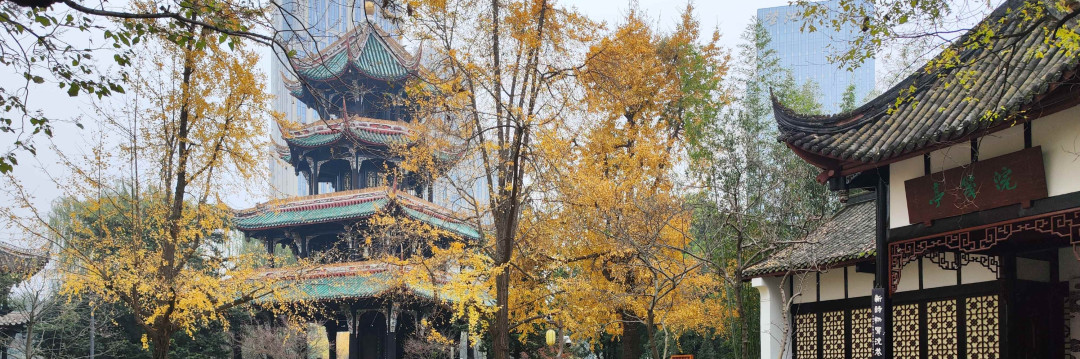
Today, Daci Temple still thrives with incense smoke. December in Chengdu brings deepening winter; the ginkgo trees, unable to withstand the cold wind, turn a brilliant gold, throwing the ancient architecture into sharp relief against the modern skyline.
[Link: Explore more hidden temples in Chengdu for a peaceful retreat.]
FAQ: Your Chengdu Travel Questions Answered
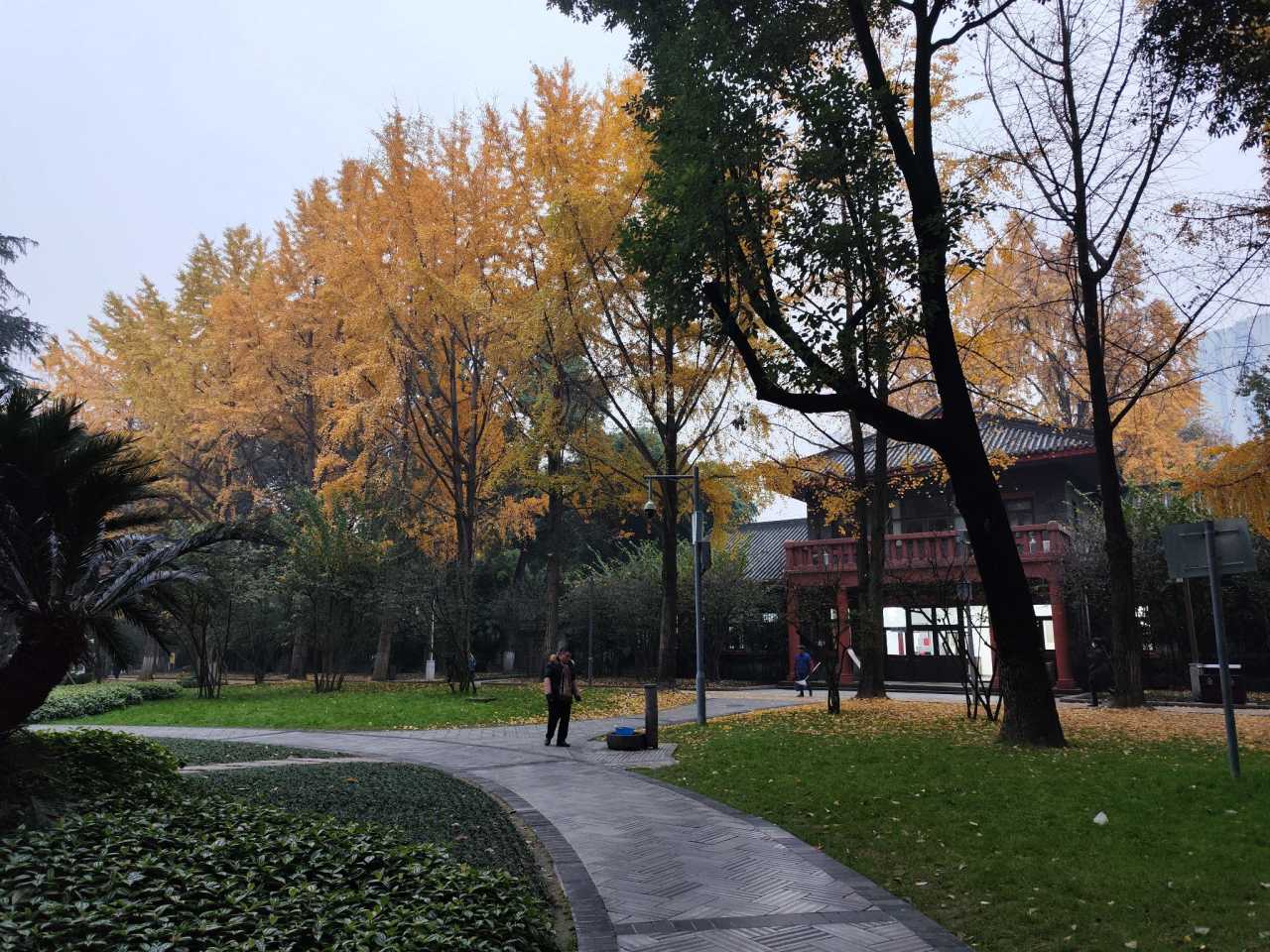
Q: What is the best time to visit Chengdu for the ginkgo trees? A: The peak season for ginkgo trees in Chengdu is typically late November to mid-December. The trees turn a brilliant gold, creating the "golden armor" effect described in this article.
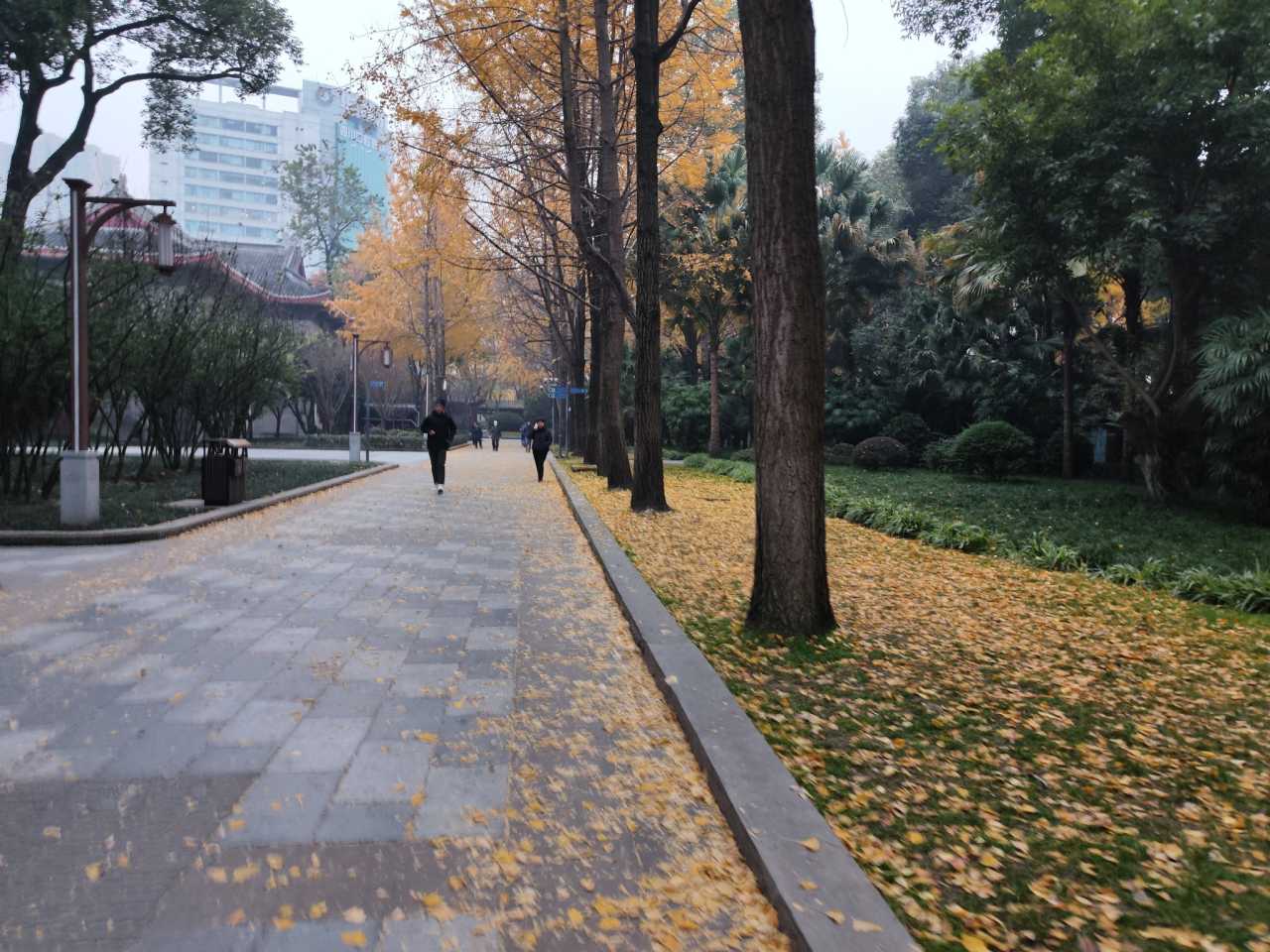
Q: How do I get to Sanxingdui from downtown Chengdu? A: The easiest way is to take the direct bus from Chunxi Road (Exit D of the metro station). It costs 25 yuan and takes about an hour. Alternatively, you can take the high-speed train from Chengdu East to Guanghan North and then a local bus.
Q: Is it worth visiting People's Park? A: Absolutely. It offers a unique blend of history, local culture, and natural beauty. You can see the matchmaking corner, the ginkgo trees, and the historical monuments all in one place.
Q: How much time should I allocate for the Sanxingdui Museum? A: Plan for at least 2-3 hours. The new museum is massive, and you’ll want time to explore all three exhibition zones and the restoration hall.
Q: Can I visit Daci Temple for free? A: Yes, Daci Temple is free to enter. It’s a serene escape right in the middle of the bustling Chunxi Road and IFS area.
Ready to Experience Chengdu's Golden Wonders?
This journey through Chengdu was more than just a sightseeing trip; it was a deep dive into the soul of a city that has mastered the art of blending the ancient with the modern. From the golden ginkgo leaves of People's Park to the mysterious bronze masks of Sanxingdui, and the quiet resilience of Daci Temple amidst the luxury of IFS, Chengdu offers a travel experience that is both profound and accessible.
Don't just visit Chengdu—time-travel through it.
Start planning your trip today. Book your Sanxingdui tickets in advance, map out your People's Park walking route, and make sure your phone is charged for those golden hour photos. The city is waiting, cloaked in its golden armor, ready to reveal its hidden wonders to you.
[CTA: Plan Your Perfect Chengdu Itinerary Now!]
You may also like


