The Balkans: Europe's Forgotten Corner – An In-Depth Journey Through Former Yugoslavia's Visa-Free Countries
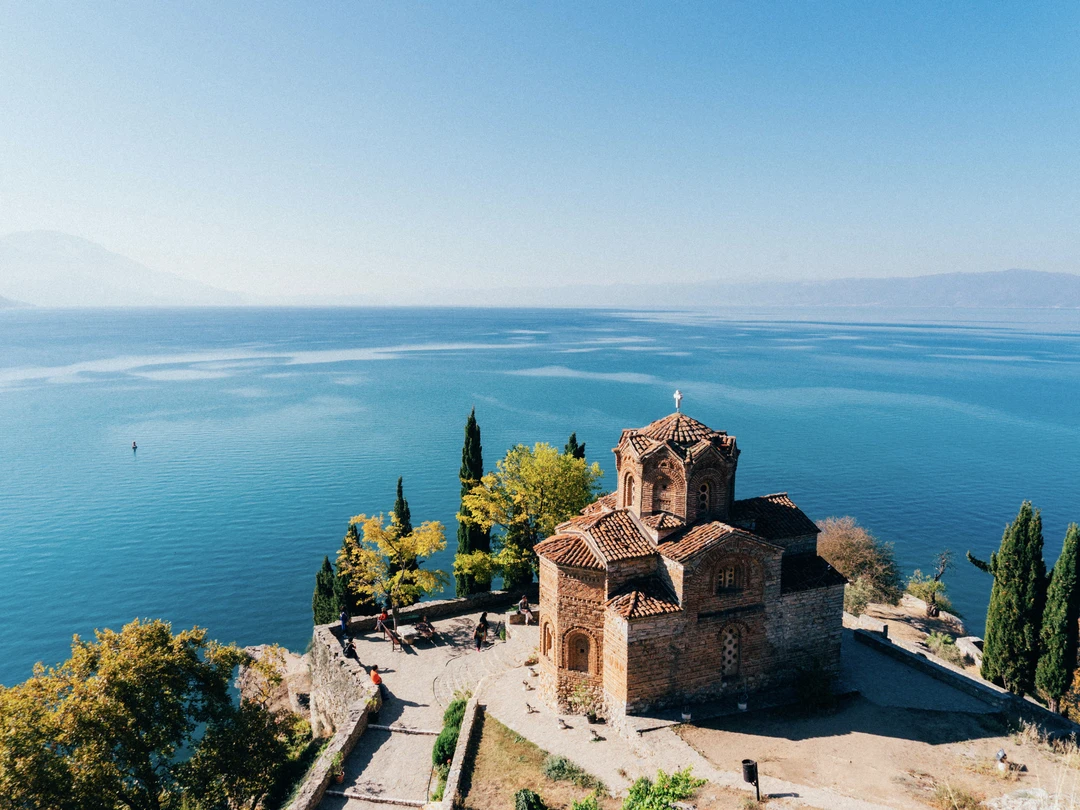
Meta Description: Discover the Balkans, Europe's hidden gem. Explore visa-free travel to Serbia & Bosnia, UNESCO monasteries, and the rich history of former Yugoslavia. Your ultimate travel guide awaits.
Introduction: Why the Balkans Deserve Your Attention
"The Balkans? Isn't that the powder keg of Europe? The spark that ignited World War I was there, right? Did you go to Sarajevo?"
When I told friends I was traveling to the Balkans, the reactions were almost identical. People know the name. They remember it from history textbooks—the assassination of Archduke Franz Ferdinand, heir to the Austro-Hungarian throne, that sparked the First World War. And then? Nothing. That's where the knowledge ends.
When people think of European travel, they imagine Spain's fiery passion, France's romantic elegance, Italy's artistic splendor. The Balkans? It's like a forgotten child, curled up in the southeastern corner of the continent, overlooked, unknown.

But that's changing. Serbia and Bosnia and Herzegovina have successively opened visa-free policies for Chinese citizens, and several neighboring countries have introduced various degrees of visa-free access or simplified visa procedures. This mysterious door is slowly creaking open.
Before departure, I spent countless hours studying this land's history. Now, sitting in a library flipping through A History of Yugoslavia, recalling that journey, everything feels surreal. The model-esque pedestrians on Serbian streets, the war stories told by survivors in Bosnia, the breathtaking fjords of Montenegro, the pigeons in Albania's squares, the iconic balconies of North Macedonia—it all feels like a dream.
I have to capture these impressions while the emotion and shock are still fresh and burning. This trip was a rite of passage for me. If you're fortunate enough to read this article, I hope you'll pay attention to the written parts, because the real Balkans are hidden in those stories.
Serbia Travel Guide: A Land of Faith and Resilience

Serbian Monasteries: Guardians of Faith in the Mountains
The Serbian people endured centuries of barbarism, migration, enslavement, and nation-building. In the 9th century, they established Christianity as the state religion and began constructing churches and monasteries across their vast territory. These religious buildings are not just symbols of faith; they are treasures of Serbian architectural art and cultural heritage.
Interestingly, most of these monasteries are hidden deep in the mountains, maintaining a deliberate distance from bustling cities. Perhaps only by staying away from temptation and noise can one get closer to the divine?
Since the interior frescoes of the UNESCO-listed Studenica Monastery were under restoration, and the Church of the Holy Apostles in Novi Pazar was off our route, we opted for a private car to explore three key monasteries in southern Serbia: Žiča, Ravanica, and Manasija. Each bears witness to two crucial dynasties in Serbian history—the Nemanjić dynasty and the Lazarević dynasty.
Travel Tip: If you know nothing about the history, visiting monasteries can feel rather dull. Do some homework beforehand, and you'll truly understand the stories behind those frescoes.
Žiča Monastery: Royal Power Behind Red Walls
The Nemanjić dynasty marked Serbia's first golden age, lasting from 1166 to 1371. This family's story is practically legendary: father Stefan Nemanja I conquered the land, second son Stefan the First-Crowned ruled it, and third son Rastko became Serbia's first archbishop, guarding the realm spiritually. In between was an older brother who tried to seize power but was eventually pardoned by his saintly younger brother.

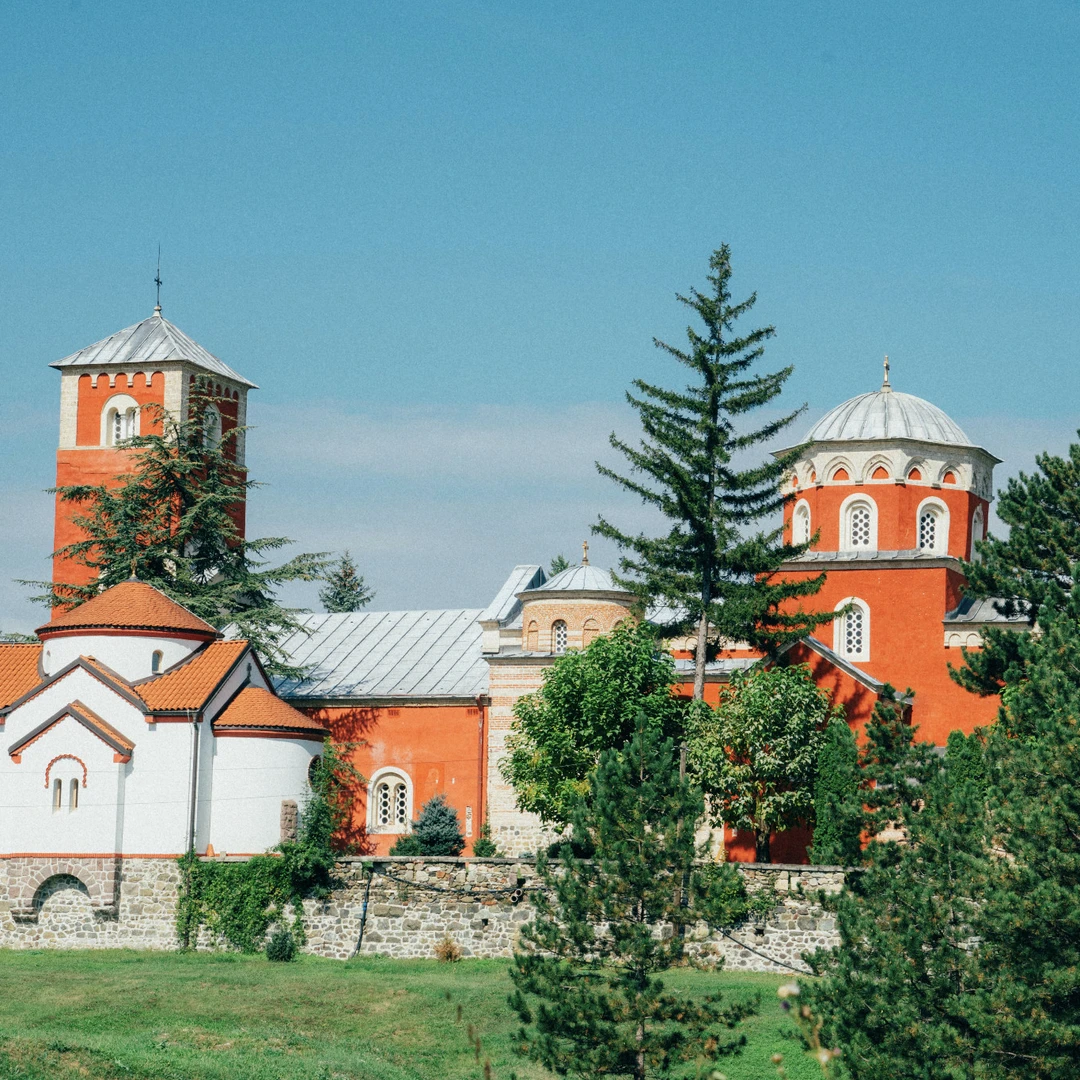
Žiča Monastery was built by the two most accomplished Nemanjić brothers—the second and third sons. As the first head of the Serbian Church, the younger brother personally crowned the elder here, making him the first king of the Serbian kingdom. The Chinese say, "He who hasn't climbed the Great Wall isn't a true man." The Serbs say, "He who hasn't been anointed at Žiča isn't a true king"—that's how prestigious this monastery is.
The building's reddish exterior has clearly been renovated, but by 2018, it had stood for a full 810 years. The external mosaic icons are brand new, with playful expressions, but the ancient frescoes inside haven't been so lucky—centuries of erosion and destruction by Ottoman troops have left many saints scarred.
A notice board at the entrance lists various rules, especially regarding dress code. This was the strictest monastery I encountered on the trip regarding attire. The frescoes on the archway are overwhelming—countless angels, saints, crowned kings, and royals scrutinize every person who enters with their painted eyes. I took a few photos awkwardly, feeling like a thief.
Our driver, a young Serbian man, was deeply devout. He would cross himself, donate money, and kiss icons at the monastery—something rarely seen among young people in many traditionally religious countries these days.
Internal Link Suggestion: [Link: Serbia Visa-Free Travel Guide for Chinese Citizens]
Ravanica Monastery: The Birthplace of Morava Style
The Nemanjić dynasty's two centuries of glory were crushed by the wheels of history, and the Lazarević dynasty took over. The founder, Prince Lazar, had a father who was only a mid-level judge in the Nemanjić court but had the foresight to support a rebel. That rebel, upon taking the throne, became known as Emperor Dušan the Mighty, expanding Serbian territory to its historical peak.
After Dušan's sudden death, his successors were weak and incompetent, and the kingdom fragmented. After years of struggle, Prince Lazar expanded his "Morava Serbia" to its largest extent. The Morava River valley is considered the heartland of medieval Serbia, its spiritual symbol and cradle. A Serbian female director once made a documentary about Chinese people living in Serbia; the title translates literally to Yellow People Come from the East to Drink the Water of the Morava River.
But Prince Lazar is most famous not for his life, but for his death. At the Battle of Kosovo in 1389, the 60-year-old Lazar led a coalition army against the Ottoman forces. The battle was brutal, with heavy casualties on both sides. Lazar was captured and beheaded, but his story of dying for his country was celebrated for generations, and he was canonized as a saint and martyr.
The Ravanica Monastery, built under Lazar's patronage, has a unique style considered the pioneering work of the "Morava style." The outer walls are now just ruins, but the building itself remains exquisite. The day we visited was cloudy, but sunlight squeezed through the gaps, making the cross on top gleam.
Internal Link Suggestion: [Link: Best Time to Visit Serbia and the Balkans]
Manasija Monastery: The Peak of Medieval Architecture
After Prince Lazar's death, the throne passed to his 12-year-old son Stefan, with his mother Milica serving as regent. Stefan Lazarević's life was full of legendary twists—he was educated in a monastery built by his mother, and at 20, as ruler of an autonomous vassal state, he was summoned to serve as a page to the Ottoman sultan. Incredibly, this sultan was the son of his father's killer from the Kosovo battlefield. The two later fought side by side against Crusader and Hungarian armies, and the sultan even married Stefan's sister.
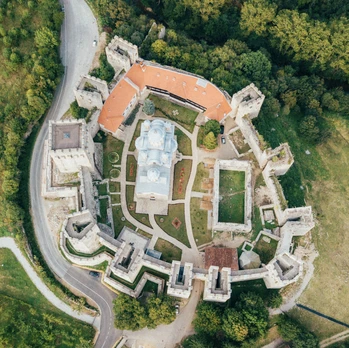
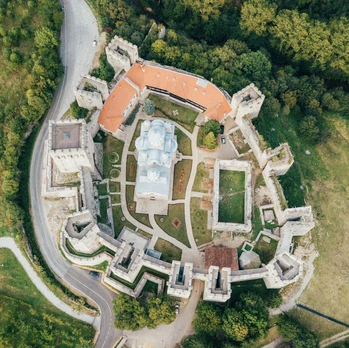
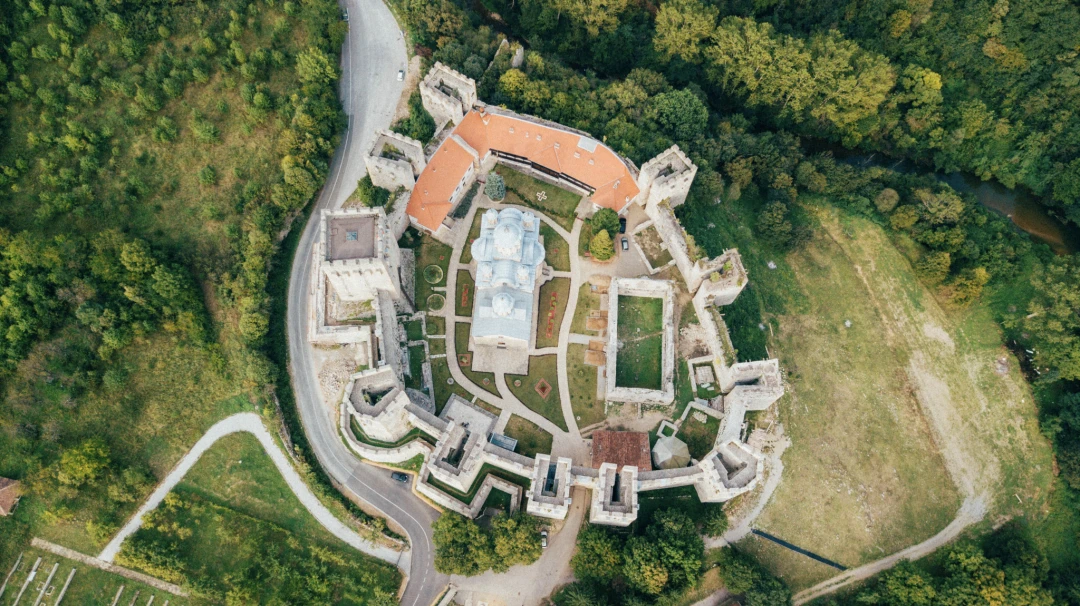
Stefan maneuvered among powerful enemies, securing peace and breathing room for his country, earning the posthumous title "Stefan the Noble." The Manasija Monastery he commissioned is considered the pinnacle of Serbian medieval religious architecture. Surrounded by towering fortifications, from a distance it looks less like a monastery and more like a fortress city.
Entering the walls, the monastery stands solemnly in the center. It's hard to tell whether the fortress protects the monastery, or the monastery's faith protects the fortress, allowing it to survive so intact.
During our visit, we saw a young monk receiving two important guests. Compared to older monks, his demeanor while chatting was relaxed and lively, no different from any ordinary young person. Monks still live and practice here; the courtyard hums with quiet life.
Beyond Serbia: Exploring the Wider Balkans
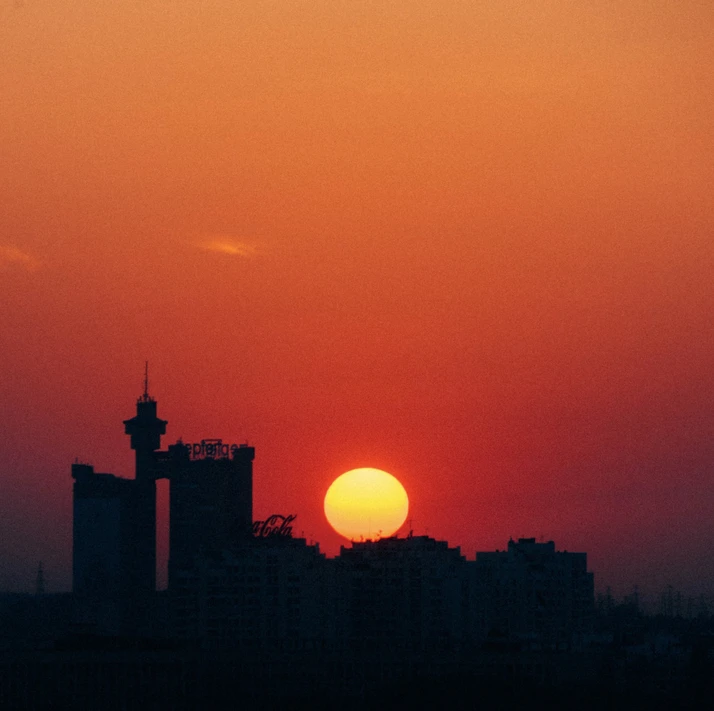
While Serbia offers a deep dive into medieval history, the Balkans region is a tapestry of diverse cultures, landscapes, and stories. Here are other destinations you can easily combine with a Serbia trip:
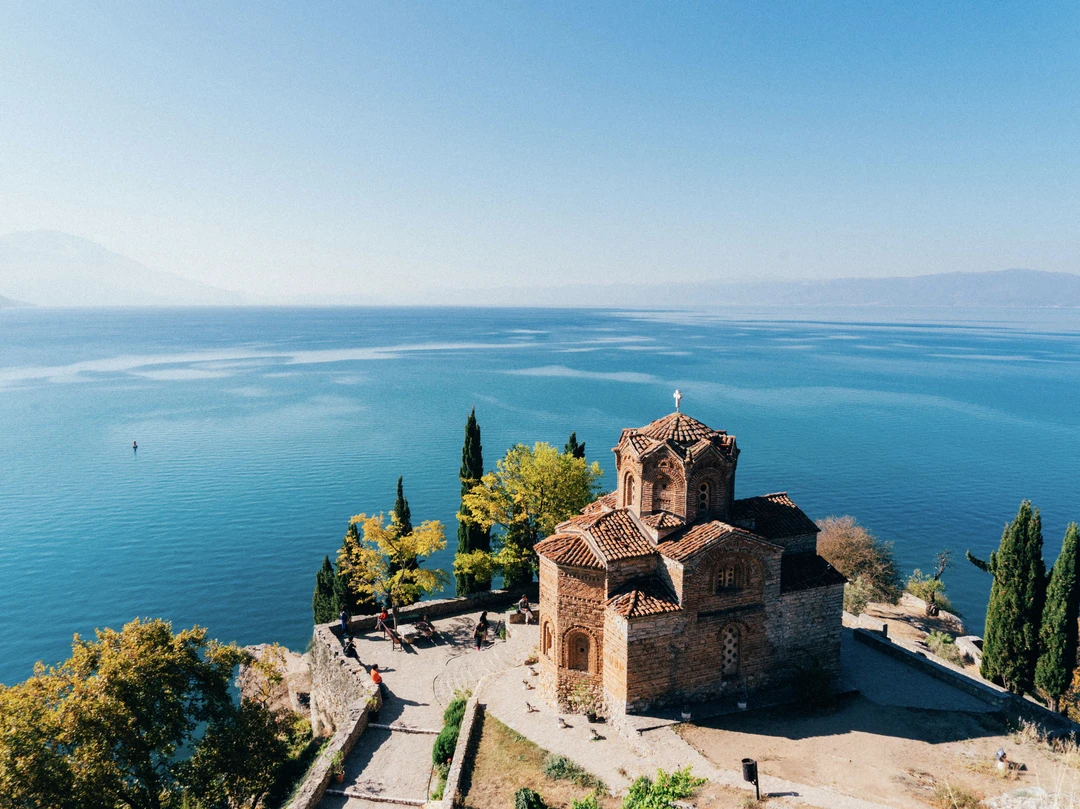
- Bosnia and Herzegovina: Visit Sarajevo, where World War I began, and Mostar with its iconic rebuilt bridge. Visa-free for Chinese citizens.
- Montenegro: Home to breathtaking fjords and the walled town of Kotor. Visa-free for Chinese passport holders.
- Albania: A rising star with stunning Adriatic coastlines and affordable travel. Visa-free.
- North Macedonia: Famous for Lake Ohrid and Skopje's unique architecture. Visa-free.
Internal Link Suggestion: [Link: Bosnia and Herzegovina Travel Itinerary]
Frequently Asked Questions About Balkans Travel
1. Is the Balkans safe for tourists?
 Yes. Despite past conflicts, the Balkans today is very safe for travelers. Petty crime exists in cities (as anywhere), but violent crime against tourists is rare. Locals are generally welcoming and helpful.
2. Which Balkan countries are visa-free for Chinese citizens?
 As of 2025, Serbia, Bosnia and Herzegovina, Montenegro, Albania, and North Macedonia offer visa-free or simplified entry for Chinese passport holders. Always check the latest regulations before traveling.
3. What is the best time to visit the Balkans?
 Late spring (May-June) and early autumn (September-October) offer pleasant weather, fewer crowds, and lower prices. Summers can be hot and busy, especially along the coast.
4. Do I need to know the local languages?
 English is widely spoken in tourist areas, especially among younger people. In Serbia, many people also speak some English. Learning a few basic phrases in Serbian or Bosnian is appreciated.
5. How many days do I need for a Balkans trip?
A minimum of 10-14 days is recommended to cover Serbia, Bosnia, and Montenegro. For a deeper experience including Albania and North Macedonia, allow 3-4 weeks.
Conclusion: Your Balkans Adventure Awaits

The Balkans is not Europe's forgotten corner—it's Europe's best-kept secret. From the ancient frescoes of Serbian monasteries to the vibrant streets of Sarajevo, from the dramatic landscapes of Montenegro to the warm hospitality of local people, this region offers an authentic travel experience that mainstream Europe has lost.
This journey through former Yugoslavia's visa-free countries is more than a vacation; it's a rite of passage. It's a chance to walk through history, to understand resilience, and to witness a culture that has survived against all odds.
Ready to explore the Balkans? Start planning your trip today. Check visa requirements, book your flights, and prepare to be amazed by a corner of Europe that has waited too long to be discovered.
Your adventure begins now. The Balkans are calling.
Have you traveled to the Balkans? Share your experiences in the comments below, or ask us any questions about planning your trip!
Internal Link Suggestion: [Link: Complete Balkans Travel Checklist and Packing Guide]
You may also like


