Ten Days Solo Through Shaanxi, Chongqing, and Sichuan: A Complete Solo Travel Guide to Mountain City and Shu Capital
Meta Description: Discover the ultimate 10-day solo travel itinerary through Shaanxi, Chongqing, and Sichuan. From Chongqing's surreal mountain cityscapes to Chengdu's laid-back charm, this guide covers hidden gems, local food, and solo travel tips.
Introduction: Why This Solo Journey Across Three Provinces Matters
When the July heatwave swept across China, when summer crowds packed every scenic spot, and when weather forecasts cycled through warnings of torrential rain, mudslides, and extreme heat—I chose to do something that even surprised myself: travel alone for ten days across Shaanxi, Chongqing, and Sichuan.
This wasn't a rash impulse, but a deliberate act of courage. As a first-time solo traveler, I spent hours researching destinations. In the end, Chongqing and Chengdu drew me like magnets—they boast surreal landscapes and unique vibrancy. More importantly, in these cities, you never feel truly alone.
The text message for a waitlisted ticket arrived at three in the afternoon sharp. The 12306 notification made my heart race: the ticket to Chongqing had gone through. It was my first time using the waitlist system, and I was surprised by how efficient it was.
First Stop: A Layover in Changsha and an Unexpected Bowl of Chicken Giblet Noodles
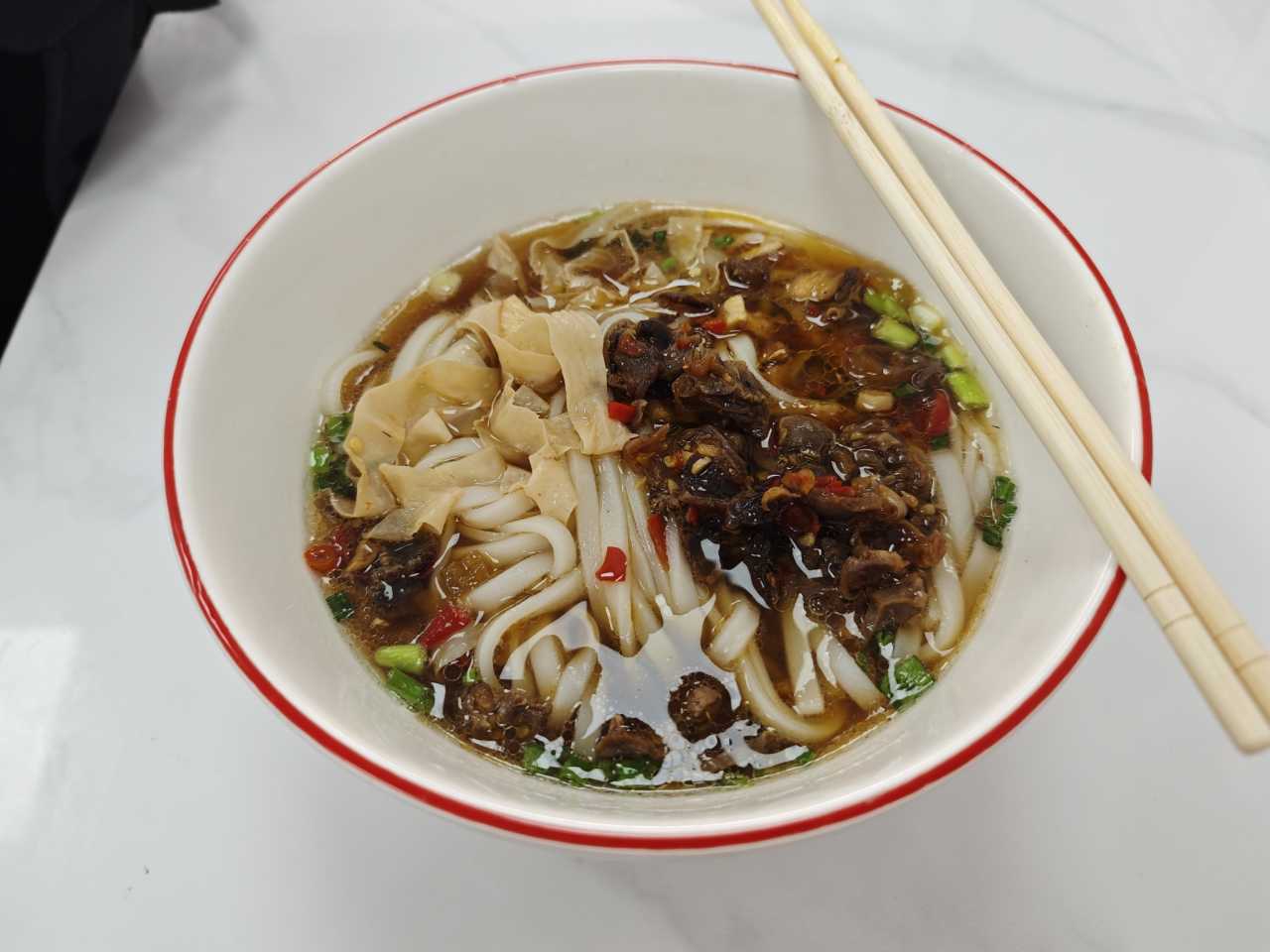
Starting from Linxiang, I first went to Changsha to take care of some business. Near the train station, I randomly picked a noodle shop. I wanted to order stir-fried pork with chili, but they told me it was sold out. Settling for chicken giblet noodles, I took a bite and realized the giblets tasted smoked and were chewy and tough. Luckily, the self-service side dishes were plentiful, and I managed to finish the meal with some tofu skin.
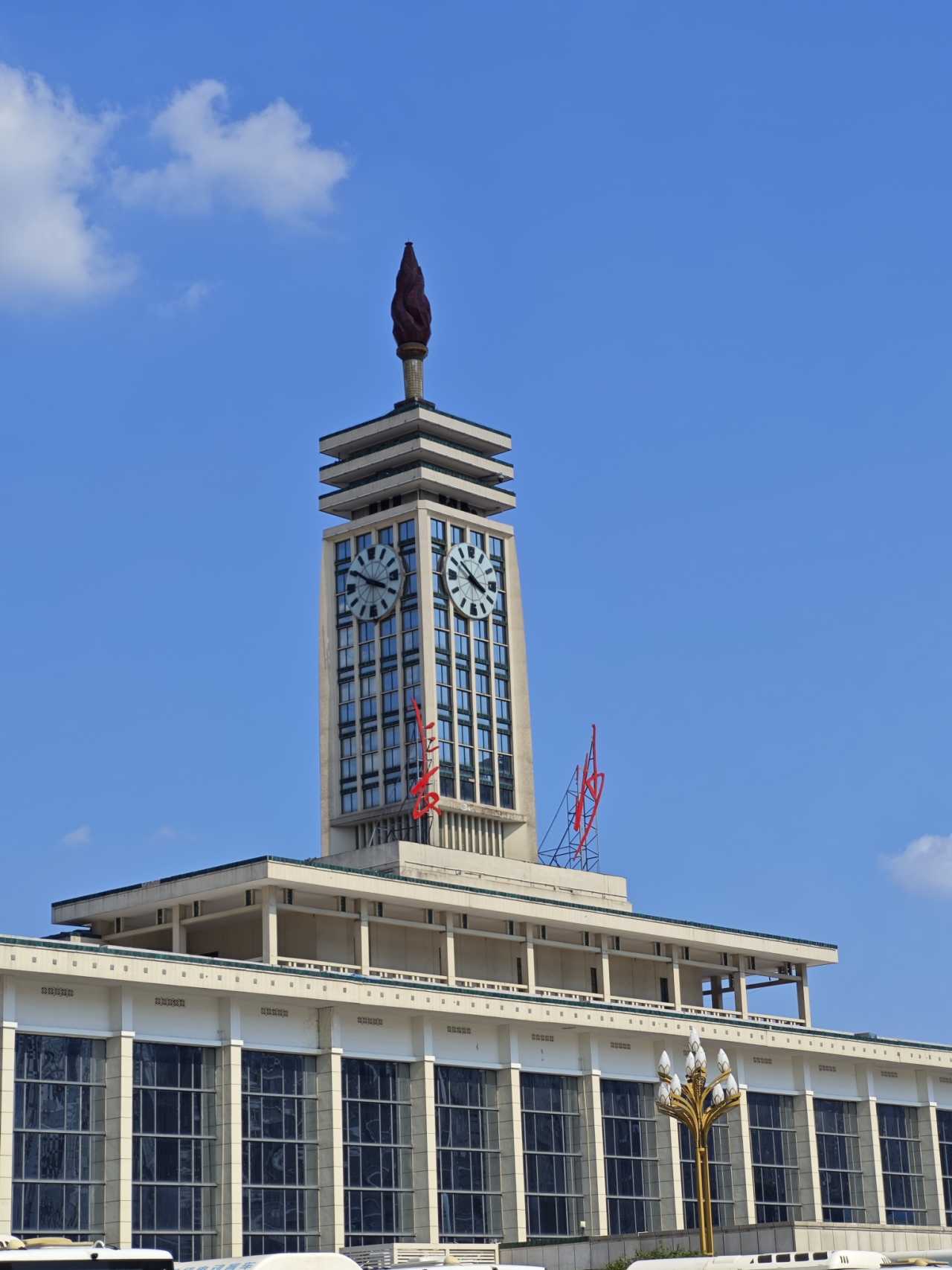
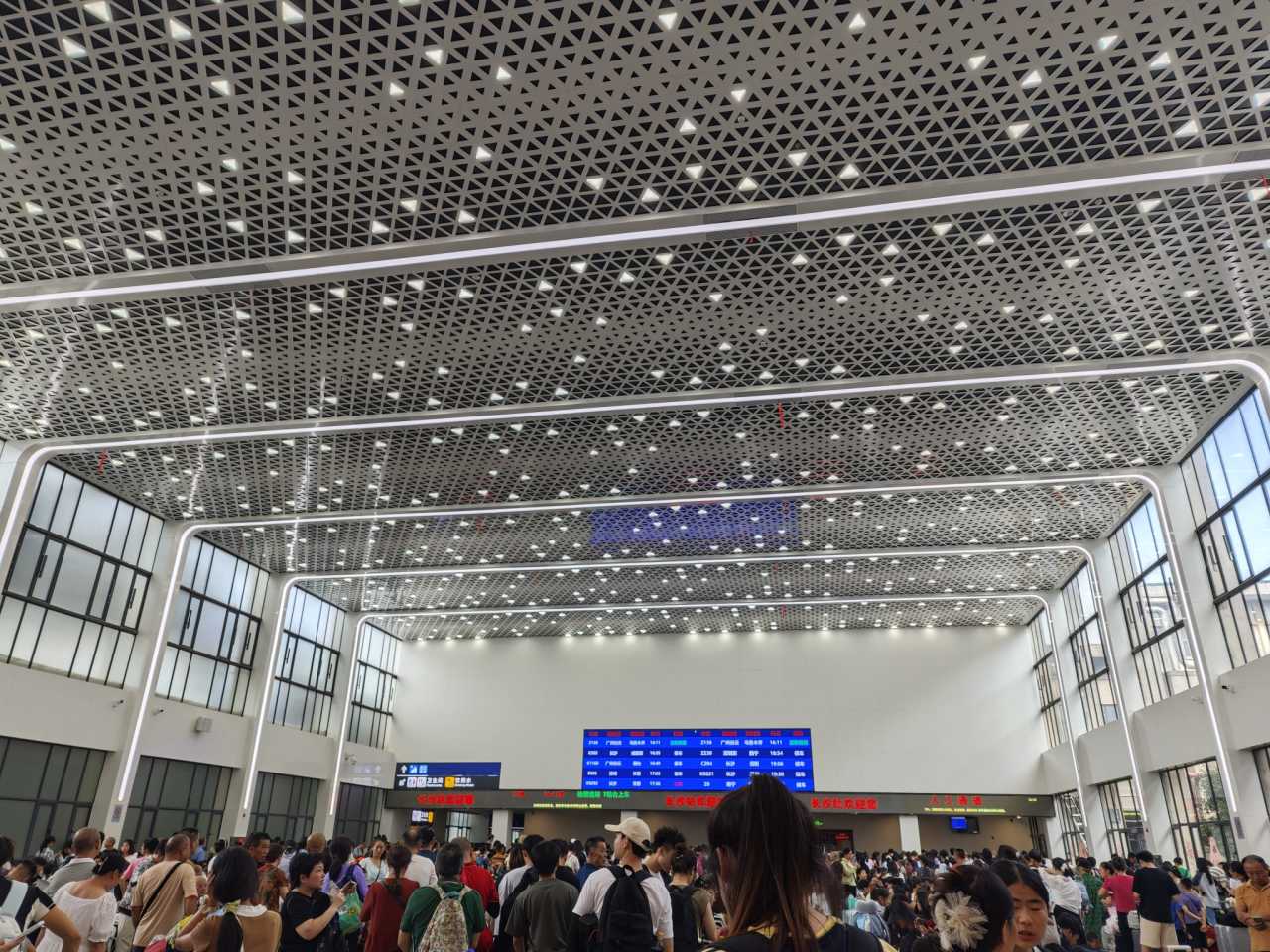
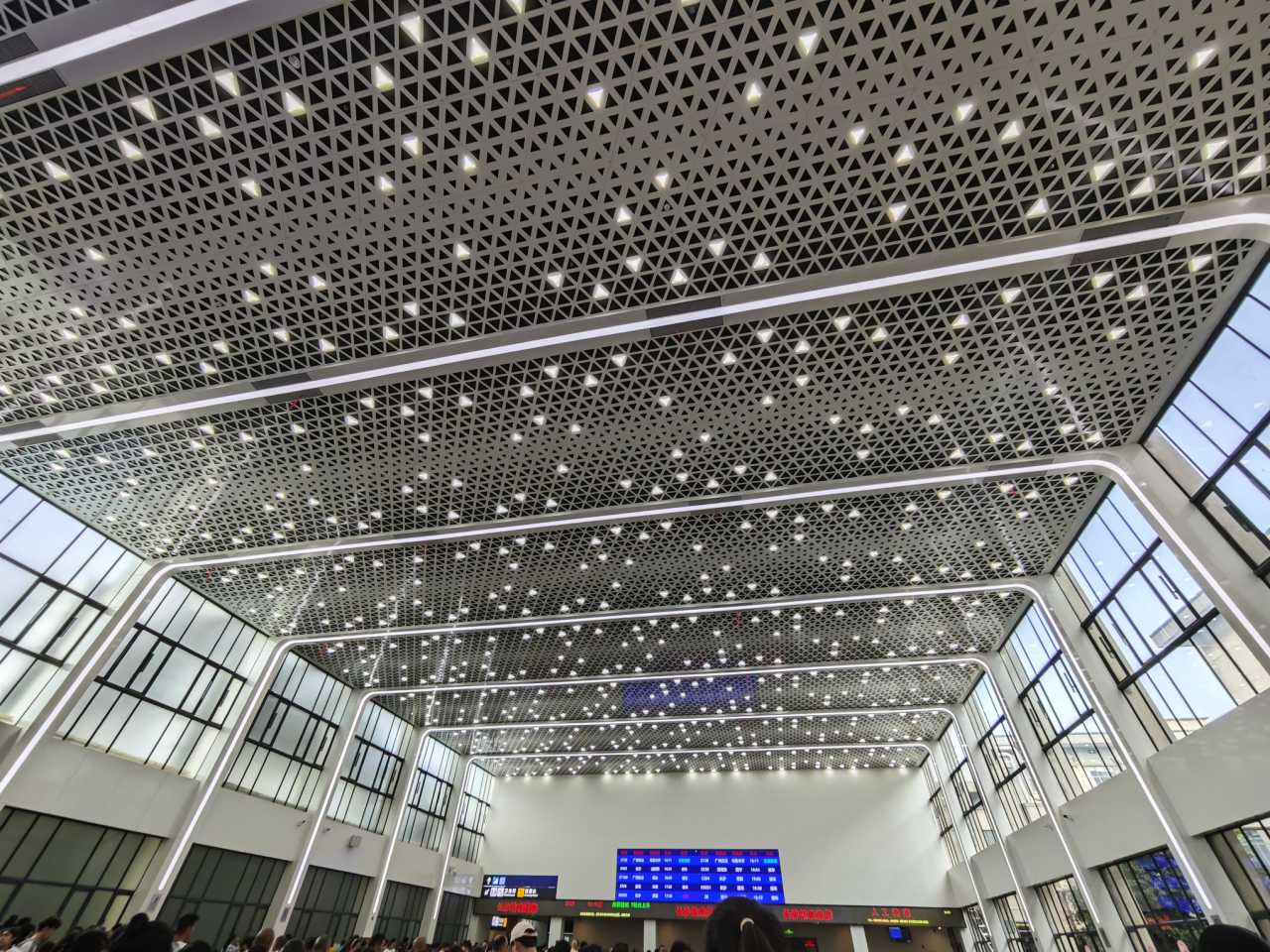
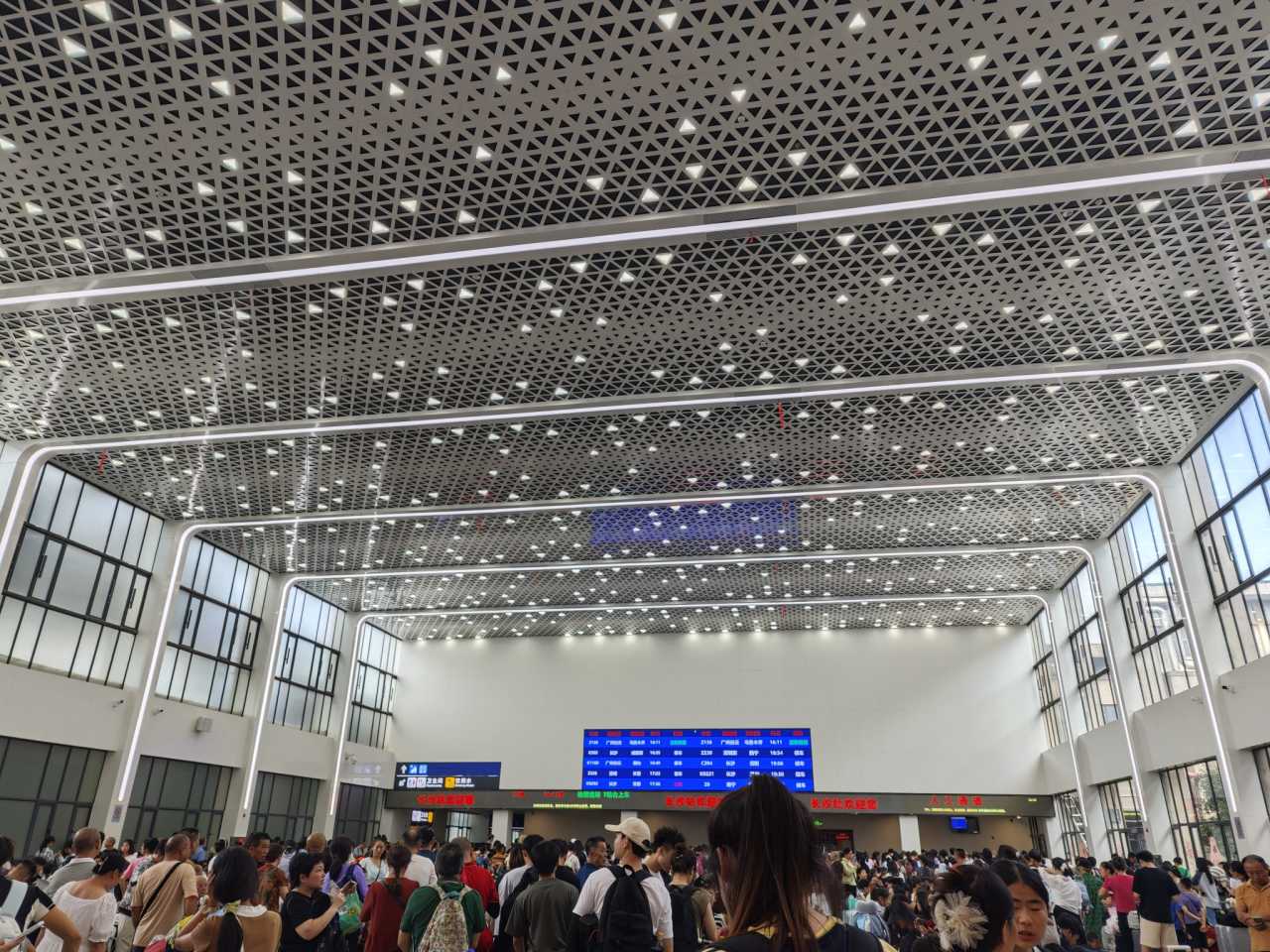
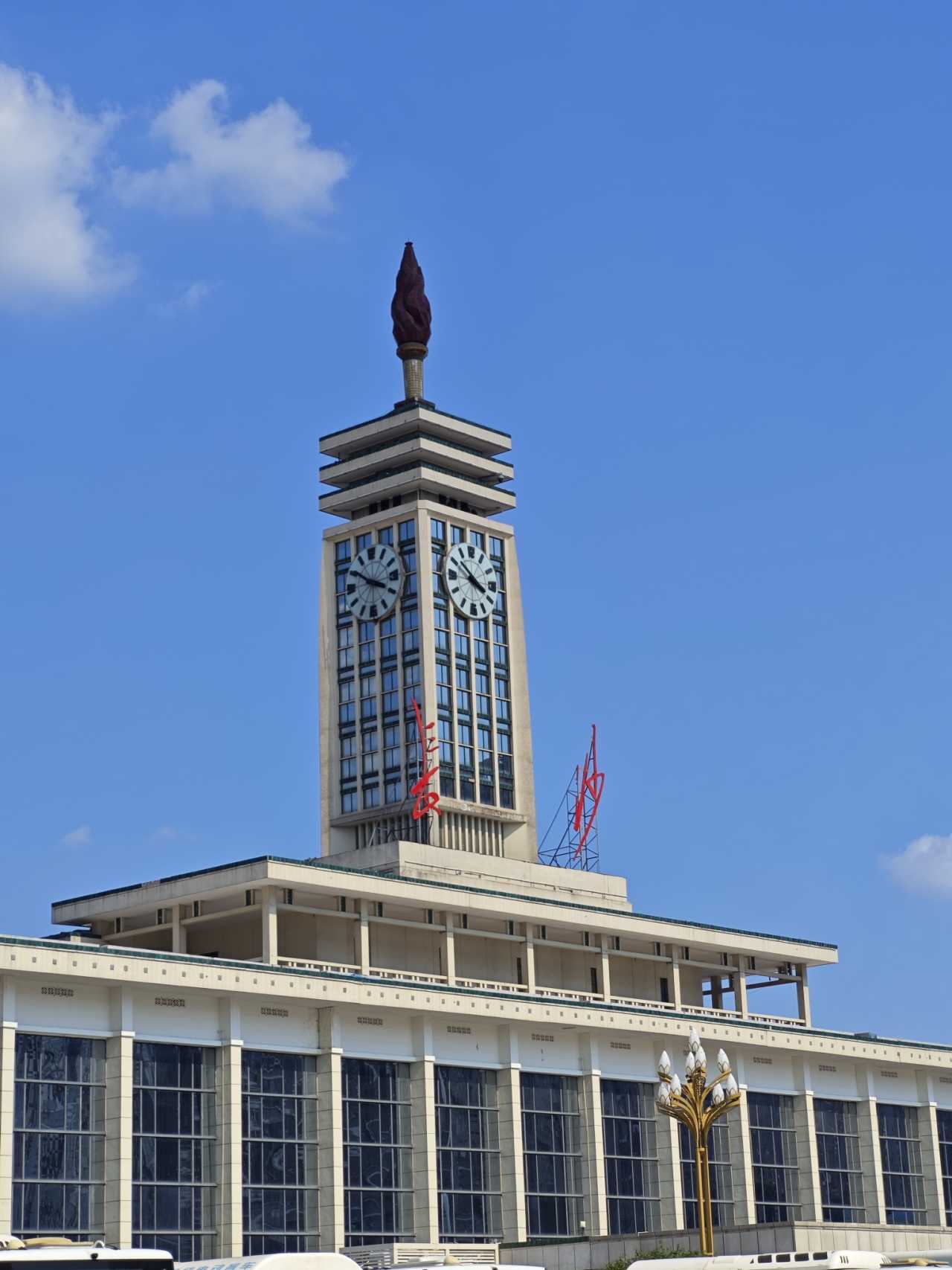
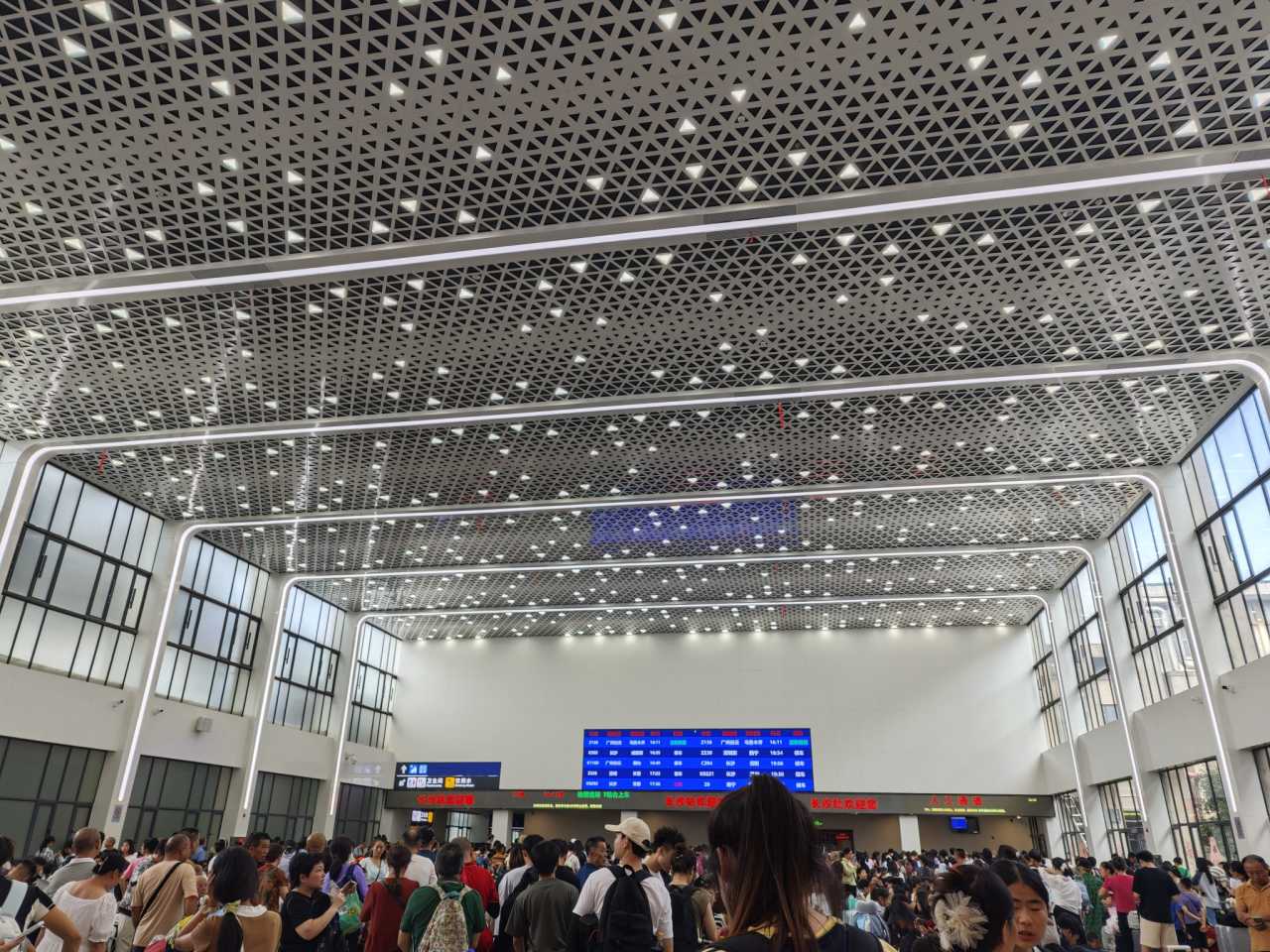
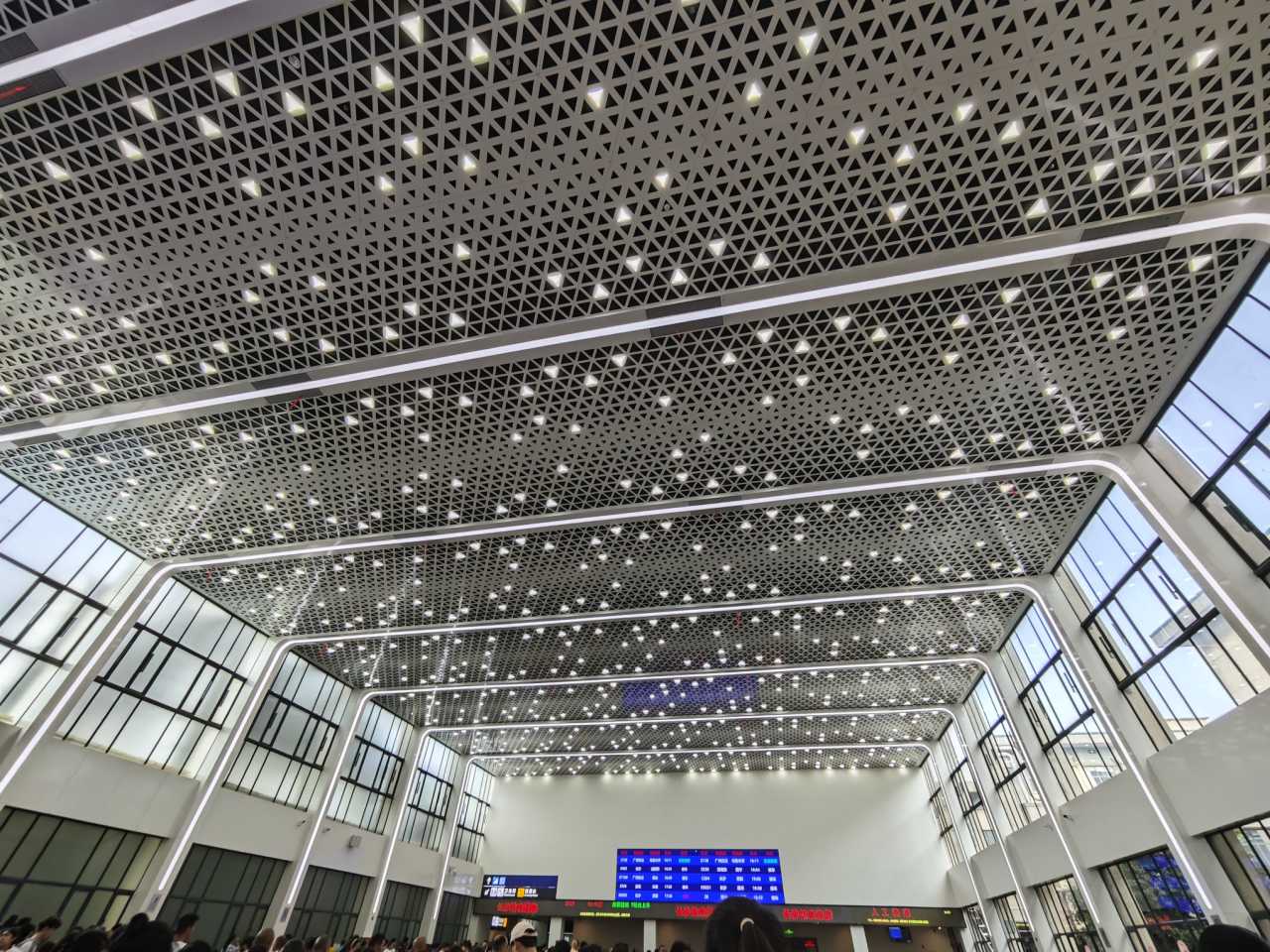
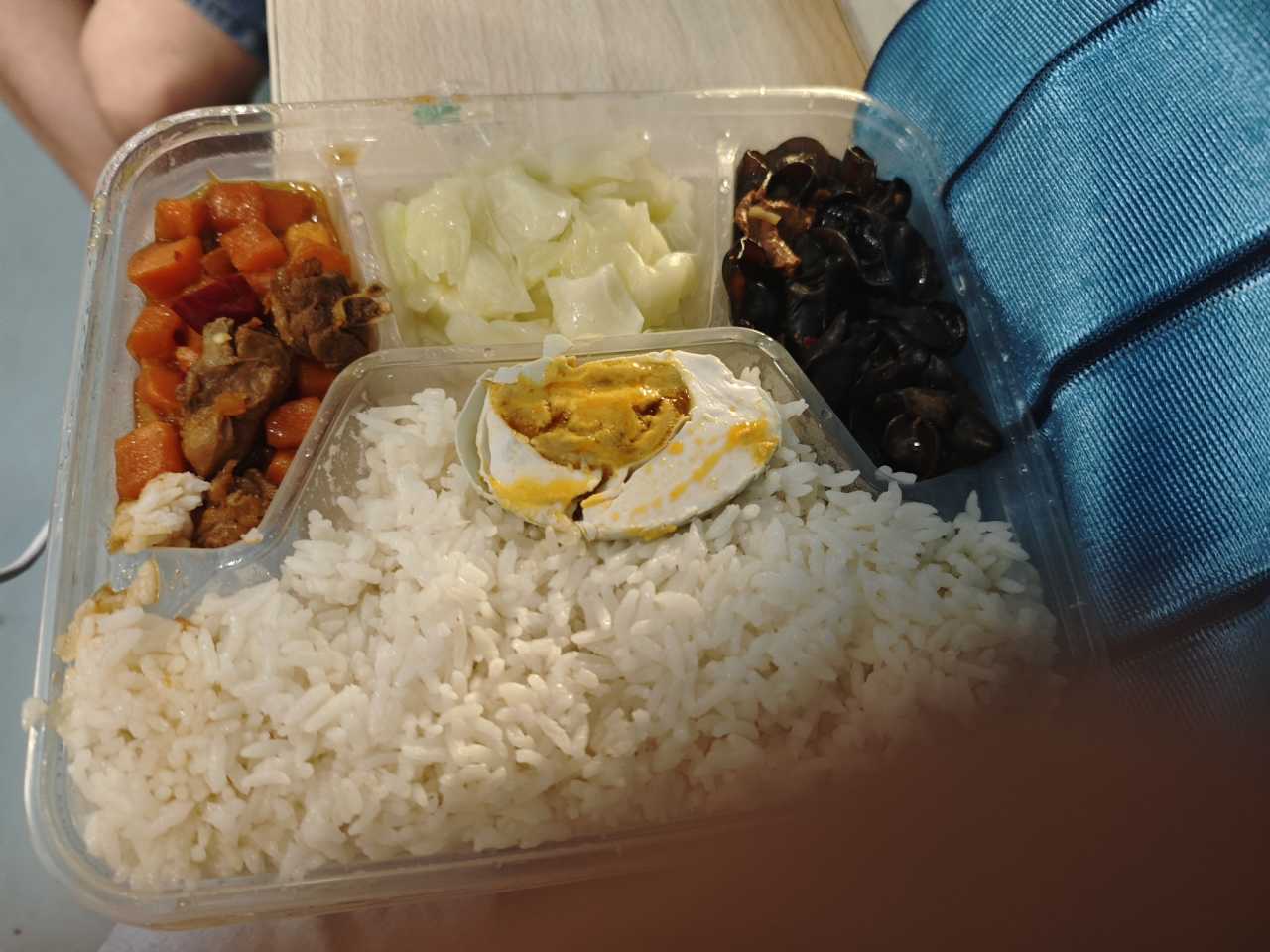
The changes at Changsha Railway Station caught my eye—the waiting hall had been raised, with triangular light fixtures installed on the ceiling, making it feel remarkably spacious and bright. At three in the afternoon, I boarded the train to Chongqing, having bought a lower berth in a hard-sleeper carriage. The 15-yuan boxed lunch looked bland and unappetizing, but once hunger kicked in, it actually tasted passable. I sat by the window, watching two episodes of a downloaded show, occasionally looking up to witness a complete sunset—the last rays of sunlight spilled across a lake, town reflections swayed in the water, and distant mountains gradually entered the blue hour.
That night, I didn't sleep well. As a mother, I couldn't stop thinking about my child at home. This was only the second time I had left her—the first was last year when I went to Henan with my sister. I opened and closed the home monitoring app repeatedly, but there were too many tunnels, and the signal kept cutting out. Eventually, I just turned off my phone and went to sleep.
[Link: Solo travel tips for parents leaving children at home]
Second Stop: First Impressions of Chongqing – The Mountain City's Welcome Gift
The Panic of Arriving Early
Just after five in the morning, the train attendants started urging everyone to get up. I had barely finished packing when the train stopped—it had arrived over forty minutes early! Startled, I grabbed my bag and rushed off the train. After a quick wash in the restroom at Chongqing North Station, I waited at the subway entrance for half an hour until the metro opened at six-thirty.
The hostel I booked was near Jiefangbei, requiring one transfer. During the transfer at Zengjiayan Station, I was amazed to find that this section of the subway wasn't in a tunnel but ran above ground. On one side was the Jialing River, on the other were mountains. The tracks followed the terrain's ups and downs, like a slow-motion roller coaster or an accelerated sightseeing tram. Even someone used to staring at their phone all day couldn't help but look up and marvel at the city's surreal quality.
First-Time Hostel Experience
I arrived at Linjiangmen early, so I first dropped off my luggage at the hostel. It had a large balcony with a view of the river across the way—a wide, open vista. It was my first time staying in a hostel. The four-person room was similar to a college dorm; I had to make my own bed. The room wasn't big, but I'm not too particular—as long as I can rest, it's fine. The air conditioning ran on a timer, switching on for just two hours during the day—these small details later became the basis for adjusting my daily itinerary.
There was a breakfast shop downstairs with a sign on the wall that read, "Free Soy Milk." I ordered a bowl of small noodles. The bowl was huge, the oil was fiery red, and the water spinach was the finishing touch. One bite, and I could taste the difference: this wasn't dried noodles, but freshly made alkaline noodles, chewy and full of flavor. Each mouthful was pure satisfaction.
[Link: Best budget hostels in Chongqing for solo travelers]
Shancheng Alley: Memories Etched in Stone Steps
My first stop was the Shancheng Trail. Chongqing's buses are like coaches—tall and spacious, with leather seats, completely different from what I was used to. After getting off, the first thing that caught my eye was Tongyuan Gate—a stone gate so tall it made you crane your neck, so deep it left you in awe.
Passing through the stone gate and turning right, a replica ancient pavilion appeared. Climbing the stone steps led me into Shancheng Alley. Chongqing is called the "Mountain City" because of its scarcity of flat land, and this kind of alleyway is a common sight everywhere. Before long, I reached the Ren'ai Church, now used for Christian worship and usually closed to the public. The backyard had been converted into a "Wilderness Park," complete with a bar, attracting plenty of young people for photo ops.
Walking along the wall, I unexpectedly found a spot with a view of the river—and it turned out to be the Yangtze River! Several river-crossing bridges were bustling with traffic, and on one of them, a subway train was running—simply incredible. There was also a green islet in the middle of the river, undisturbed, a sanctuary for animals.
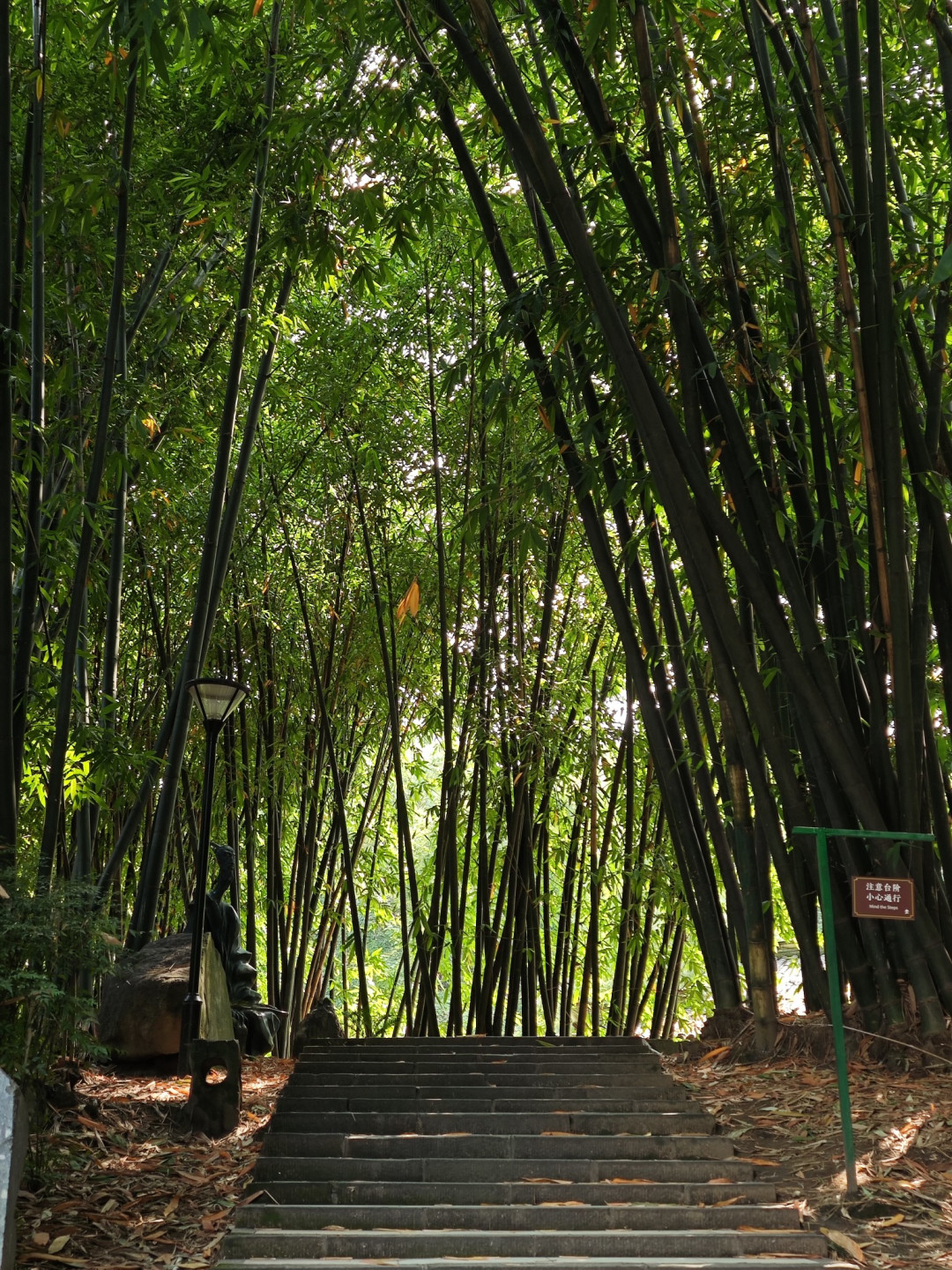
The path was mostly downhill, which saved energy. Along the way, there was a tea house with a massive ancient tree occupying a corner. Bamboo chairs and wooden tables were set up in the courtyard—a perfect place to cool off. Reaching the bottom, I saw the main entrance to Shancheng Alley. It had taken exactly one hour.
[Link: Shancheng Alley walking route guide – what to see and do]
A Hotpot Restaurant in an Air Raid Shelter

About a hundred meters to the left of the main entrance, there was an air raid shelter. It was my first time seeing one. The shelter was spacious, with high ceilings, and didn't feel cramped at all. It now housed a hotpot restaurant, connected to Shancheng Alley by stairs. The place stayed naturally cool without air conditioning. I arrived early, and it was completely empty.
Eighteen Steps: The Name Tells a Story
Shancheng Alley and Eighteen Steps are very close—just a ten-minute walk. The name "Eighteen Steps" comes from the eighteen stone steps residents had to climb to fetch water from the well. The Tikan Tea House at the entrance is a landmark building; "kan" means "step" in the Chongqing dialect.
Eighteen Steps isn't large, but the roads crisscross in a maze. I think the most worthwhile sight is the Great Tunnel Ruins—a record of the Japanese bombing of Chongqing from 1938 to 1944, including the tragedy of the "June 5th Incident." From the videos and folk songs of the time, you can feel the thoughts and emotions of ordinary people, and you can't help but admire Chongqing's spirit of "growing stronger with every bombing."
Another recommendation is Guanyin Rock. On a smooth stone cliff face, there's a statue of the Goddess of Mercy. A wooden corridor was built above the cliff, allowing visitors to walk up and enjoy the view.
I walked all the way to the end before realizing I hadn't gone to the highest point for a panoramic view. So I backtracked to the entrance. At the museum, I saw a night view of Eighteen Steps—truly beautiful.
[Link: Eighteen Steps Chongqing – history, attractions, and night views]
Third Stop: Chongqing to Chengdu – The High-Speed Rail Connection
After three days exploring Chongqing's mountain city wonders, I boarded a high-speed train to Chengdu. The journey took just over an hour—a stark contrast to the overnight train from Changsha. The landscape shifted from dramatic cliffs and river valleys to the flat, fertile plains of the Sichuan Basin.
Chengdu, known as the "Shu Capital," greeted me with a different energy. Where Chongqing is vertical and dramatic, Chengdu is horizontal and relaxed. The city's famous tea culture became immediately apparent as I checked into my hostel near Kuanzhai Alley.
[Link: Chongqing to Chengdu high-speed rail – schedule, prices, and tips]
Fourth Stop: Exploring the Shu Capital – Chengdu's Laid-Back Charm
Kuanzhai Alley: History Meets Modernity
Kuanzhai Alley (Wide and Narrow Alley) is a must-visit for any solo traveler in Chengdu. The three parallel lanes—wide, narrow, and well—offer a glimpse into Qing Dynasty architecture mixed with trendy cafes, boutiques, and street food stalls. I spent an entire afternoon wandering, stopping for a bowl of dan dan noodles and a cup of traditional Sichuan tea at a local tea house.
Jinli Ancient Street: A Walk Through Time
Jinli Ancient Street, adjacent to the Wuhou Shrine, is another highlight. The red lanterns, wooden buildings, and flowing stream create a romantic atmosphere, especially at dusk. I picked up some Shu embroidery souvenirs and tried the famous "Three Cannon Shots" sticky rice balls.
Chengdu's Food Scene: A Solo Eater's Paradise
Chengdu is heaven for solo diners. Unlike Chongqing's massive hotpot portions, Chengdu offers more street-food-friendly options. I recommend:
- Mapo Tofu at Chen Mapo Tofu (the original location)
- Wontons in Red Oil at Long Chao Shou
- Rabbit Head at Double Flow (Shuangliu) – a local specialty
- Sichuan Hotpot – but order the "mini pot" for solo dining
[Link: Best solo dining spots in Chengdu – where to eat alone]
FAQ: Solo Travel Through Shaanxi, Chongqing, and Sichuan
Q1: Is it safe for a first-time solo traveler to visit Chongqing and Chengdu?
Absolutely. Both cities are very safe, even for women traveling alone. Chongqing's streets are well-lit at night, and Chengdu's neighborhoods feel welcoming. However, be cautious with your belongings in crowded areas like train stations and tourist spots.
Q2: How much does a 10-day solo trip through these three provinces cost?
A budget-friendly solo trip (hostels, local food, public transport) can range from 3,000 to 5,000 RMB, including transportation between cities. High-speed rail from Chongqing to Chengdu costs around 150 RMB, while overnight trains from Changsha to Chongqing are about 200 RMB for a hard sleeper.
Q3: What's the best time of year for this itinerary?
Spring (March-May) and autumn (September-November) are ideal. July, as I experienced, can be extremely hot and humid. If you travel in summer, plan indoor activities during midday and explore early mornings or evenings.
Q4: How do I get around Chongqing's vertical terrain?
Chongqing's subway system is excellent and covers most attractions. For steep areas, use the city's famous "light rail" (monorail) that runs above ground. Wear comfortable walking shoes—you'll climb many stairs!
Q5: Can I extend this trip to include other destinations?
Yes! Many solo travelers add Xi'an (Shaanxi's capital) for the Terracotta Warriors, or Leshan for the Giant Buddha. If you have extra days, consider a side trip to Jiuzhaigou National Park from Chengdu.
[Link: Extended 14-day itinerary through Sichuan and Shaanxi]
Conclusion: Your Solo Adventure Awaits
My ten-day solo journey through Shaanxi, Chongqing, and Sichuan was transformative. From the surreal mountain cityscapes of Chongqing—where subways run alongside rivers and air raid shelters house hotpot restaurants—to the laid-back charm of Chengdu's tea houses and ancient alleys, every moment reminded me that solo travel isn't about being alone. It's about discovering yourself in new landscapes.
Whether you're a first-time solo traveler or a seasoned adventurer, this route offers the perfect blend of natural wonder, cultural depth, and urban excitement. The stone steps of Shancheng Alley, the smoky noodles of Changsha, the ghost city of Fengdu, and the pandas of Chengdu are all waiting for you.
Ready to plan your own solo adventure? Start by booking your train tickets through 12306, download offline maps, and pack light. The mountain city and the Shu capital are calling—answer them.
Have you traveled solo through Chongqing or Chengdu? Share your experiences in the comments below, or ask any questions about planning your trip!


